
High blood pressure is one of those conditions that sneaks up on you. It earns its nickname as “the silent killer” for a reason. Millions of people live with hypertension for years without a single obvious symptom, while the pressure quietly damages their arteries, heart, and kidneys in the background.
High blood pressure affects nearly half of American adults and is the leading preventable risk factor for heart disease, stroke, and kidney disease. The good news? You actually have more power over your numbers than you might think. Long before reaching for a prescription pad, your kitchen might already hold some of the most effective tools available. Here’s what the latest science says about eating your way to a healthier blood pressure. Let’s dive in.
Table of Contents
1. Beetroot: The Purple Powerhouse
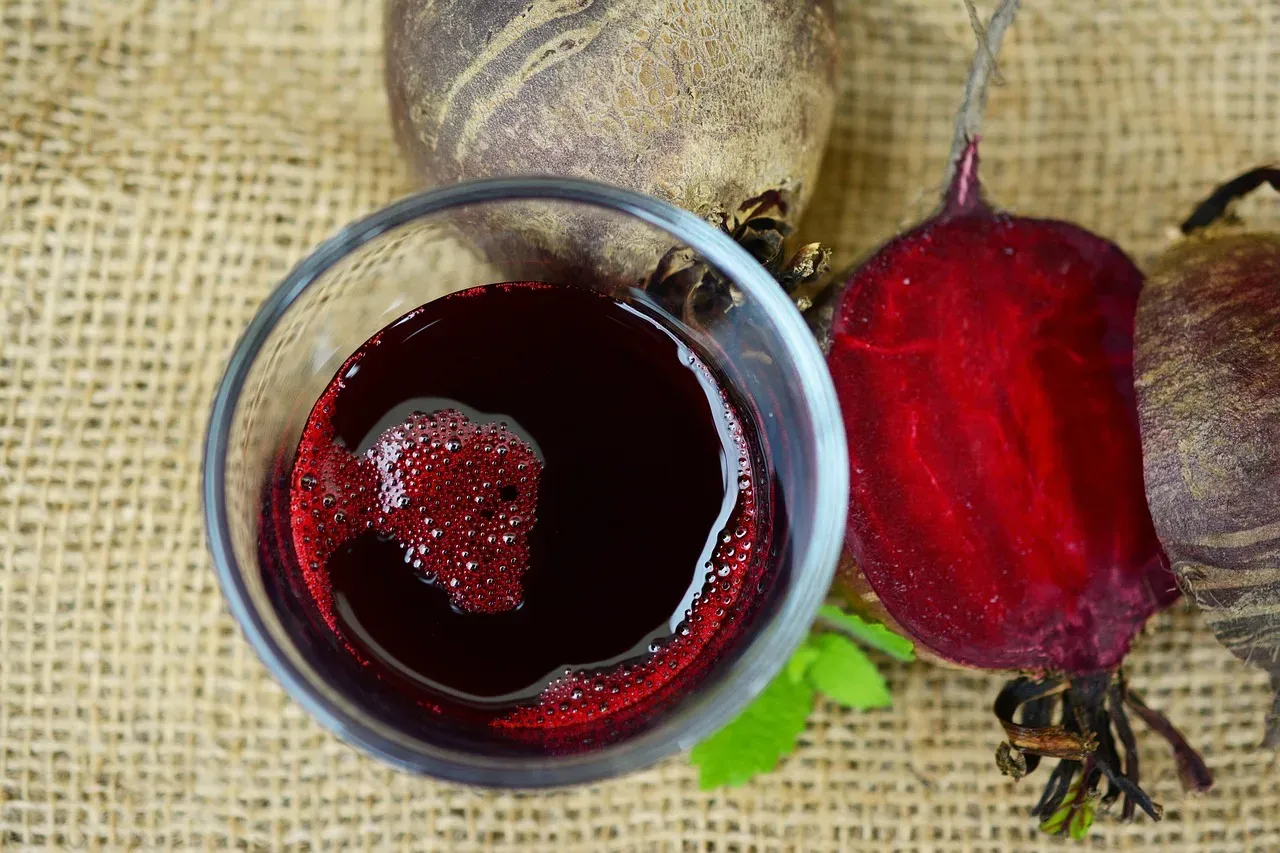
If there is one food that the scientific community has studied intensively for blood pressure, it is the humble beet. Beetroot juice is a concentrated source of nitrates, and it is thought that one of their key effects is to lower blood pressure. The science behind it is genuinely fascinating.
A 2024 meta-analysis published in the journal Nutrition, Metabolism and Cardiovascular Diseases found that beetroot juice yielded a significant reduction in clinical systolic blood pressure compared with placebo, with a mean difference of around 5.31 mmHg. There was no significant effect on diastolic blood pressure in 24-hour outcomes, and daily ingestion of 200 to 800 mg of nitrate from beetroot juice may reduce clinical systolic blood pressure in hypertensive individuals with no sign of tolerance developing.
This root vegetable is high in nitrates, which the body converts into nitrous oxide, a molecule that has been shown to reduce systolic blood pressure. Think of nitric oxide as a natural vasodilator – it tells your blood vessels to relax and widen, much like loosening a garden hose that was kinked too tight. You can drink it as juice, roast it as a side dish, or toss it raw into a salad.
2. Leafy Greens: The Daily Non-Negotiable
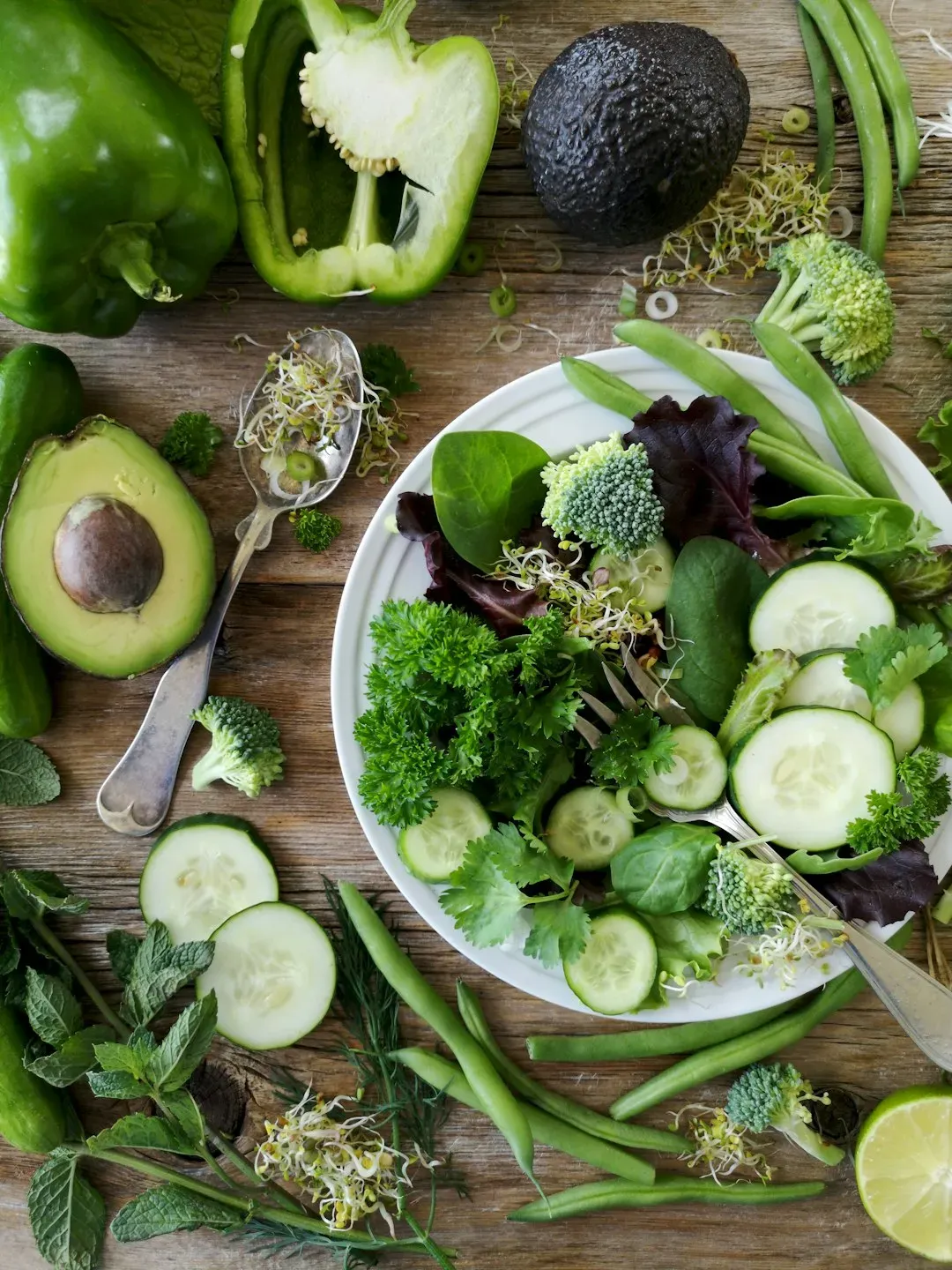
Here’s the thing – leafy greens are almost embarrassingly effective for blood pressure, yet most people still don’t eat nearly enough of them. Common leafy greens such as spinach, kale, and Swiss chard are rich in potassium and natural nitrates, which help balance sodium levels and relax blood vessels.
Leafy greens like collards, cabbage, spinach, and kale are rich in nitrates. The body turns those nitrates into nitric oxide, which helps to relax blood vessels. Research supports eating one cup of leafy greens each day to lower blood pressure and decrease the risk of heart disease.
Potassium in the diet can lessen the effects of table salt and sodium on blood pressure. Aiming for 3,500 to 5,000 milligrams of potassium per day may lower blood pressure by 4 to 5 mm Hg. Spinach, kale, and Swiss chard are among the best natural sources of this mineral. Blend them into smoothies, toss them into a soup, or simply wilt them in a pan with olive oil. Whatever works for you, just do it consistently.
3. Blueberries and Berries: Small Fruits, Big Impact
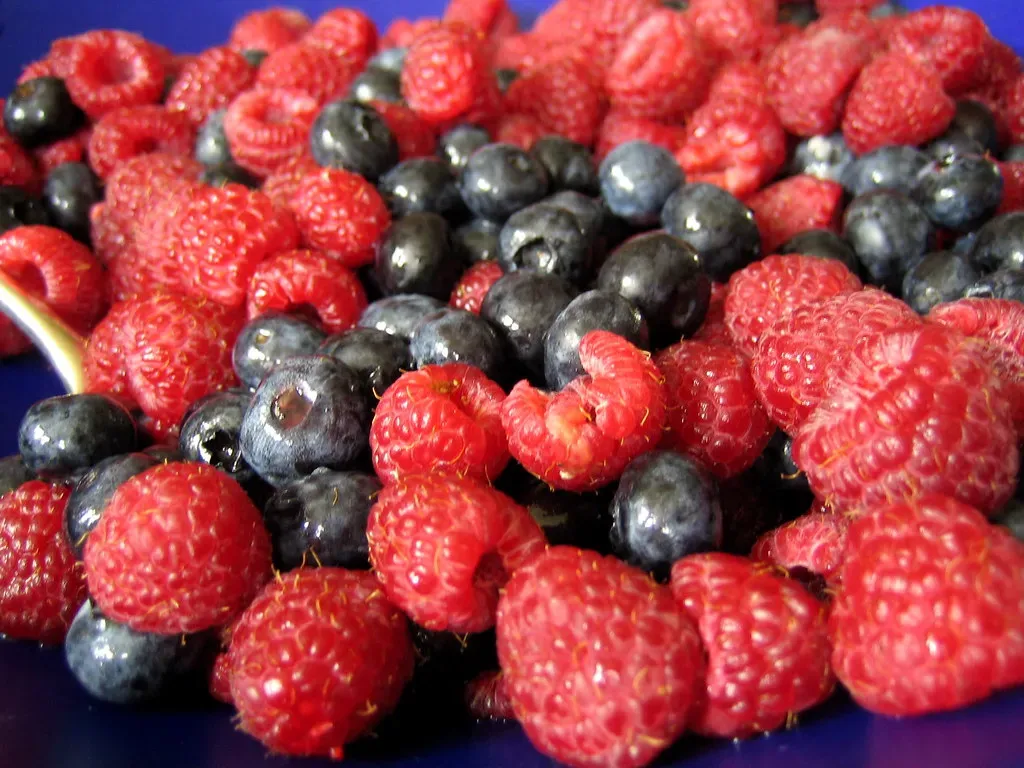
Few foods have generated as much excitement in cardiovascular nutrition circles as berries. Strawberries and blueberries are rich in antioxidant compounds called anthocyanins, and research has linked anthocyanins to a reduction in blood pressure in people with hypertension. Honestly, they taste great too, so this is one dietary prescription that nobody tends to complain about.
A meta-analysis including 18 blueberry-intervention randomized controlled trials found that blueberries significantly decreased blood lipids, including total cholesterol and LDL cholesterol, and diastolic blood pressure. A 2024 analysis in Frontiers in Nutrition noted that randomized controlled trials have shown that consuming blueberries daily for up to 24 weeks can have beneficial effects on cardiometabolic markers, with doses ranging from the equivalent of one to two cups or 150 to 350 grams of fresh blueberries, providing anthocyanin contents ranging from 224 to 742 mg.
A 2024 systematic review and meta-analysis of randomized trials reported that blueberry interventions reduced diastolic blood pressure by about 2.2 mmHg. Cardiovascular disease remains the world’s leading cause of death globally, and there is continuing interest in diet-based strategies that may support vascular health. Add them to yogurt, oatmeal, or simply eat them by the handful as a snack.
4. Oats: The Breakfast That Earns Its Reputation
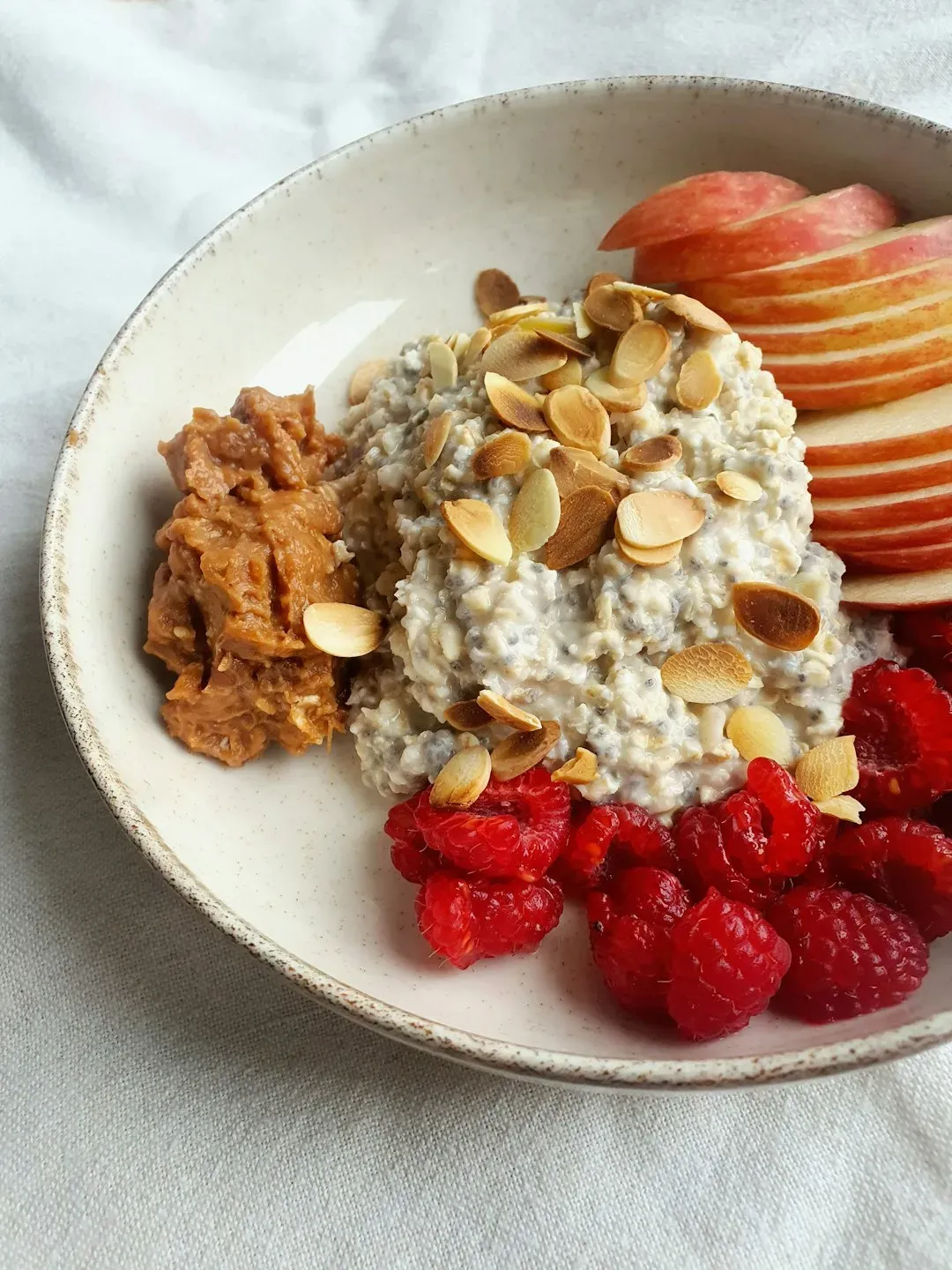
Most people think of oats as a bland, obligatory health food. I get it. But there is solid evidence stacking up behind this humble grain that makes it worth reconsidering. Oats contain a type of fiber called beta-glucan, which may benefit heart health, including blood pressure.
Research confirms that oat consumption is effective in reducing systolic blood pressure levels, particularly in individuals whose baseline blood pressure is in the hypertensive range, or when compared with control group participants consuming refined grains at matched total energy intake. That’s a meaningful distinction. The effect appears strongest in people who already have elevated readings.
Oats are rich in fiber and beta-glucans, which help lower cholesterol and blood pressure. Think of beta-glucan like a sponge working quietly in your gut, reducing how much cholesterol and sodium get absorbed into the bloodstream. Over time, that adds up. Whole-grain foods, such as oats or wholemeal bread, may prove to be as effective as medication for managing high blood pressure – an idea that, admittedly, still surprises a lot of people when they first hear it.
5. Garlic: Ancient Remedy, Modern Evidence
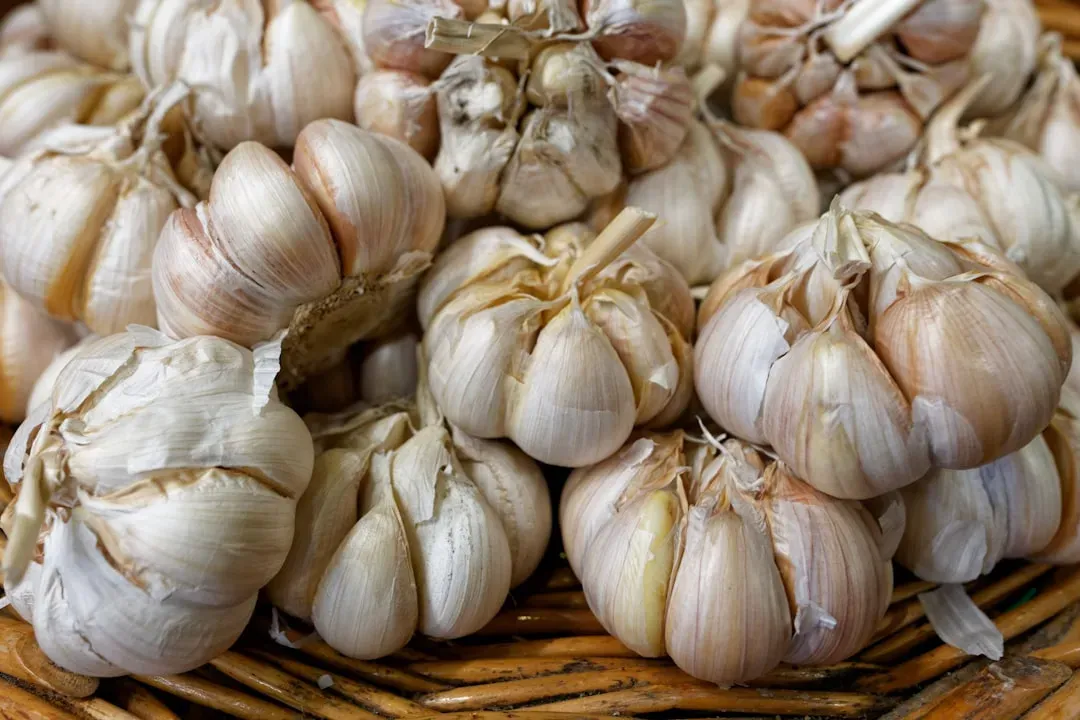
Garlic has been used medicinally for thousands of years, and it turns out our ancestors were onto something real. Garlic contains a compound called allicin, which helps blood vessels relax and lowers blood pressure. A large analysis showed that garlic lowers blood pressure in people with or without high blood pressure, though several studies suggest that taking garlic supplements – rather than just fresh or cooked garlic – may be needed to really see an effect.
Garlic contains allicin, a compound known for its ability to relax blood vessels and improve circulation, leading to lower blood pressure. It’s hard to say for sure exactly how significant the effect is in everyday cooking versus concentrated supplements, but the overall direction of the evidence is consistent and encouraging.
The practical upshot? Use garlic generously in cooking as a smarter replacement for salt. Using garlic and herbs instead of salt for flavour is one of the simplest dietary swaps you can make, and it tackles two blood pressure enemies at once – you reduce sodium while adding allicin. That’s a double win hiding in plain sight on your spice rack.
6. Fatty Fish: Omega-3s at Work
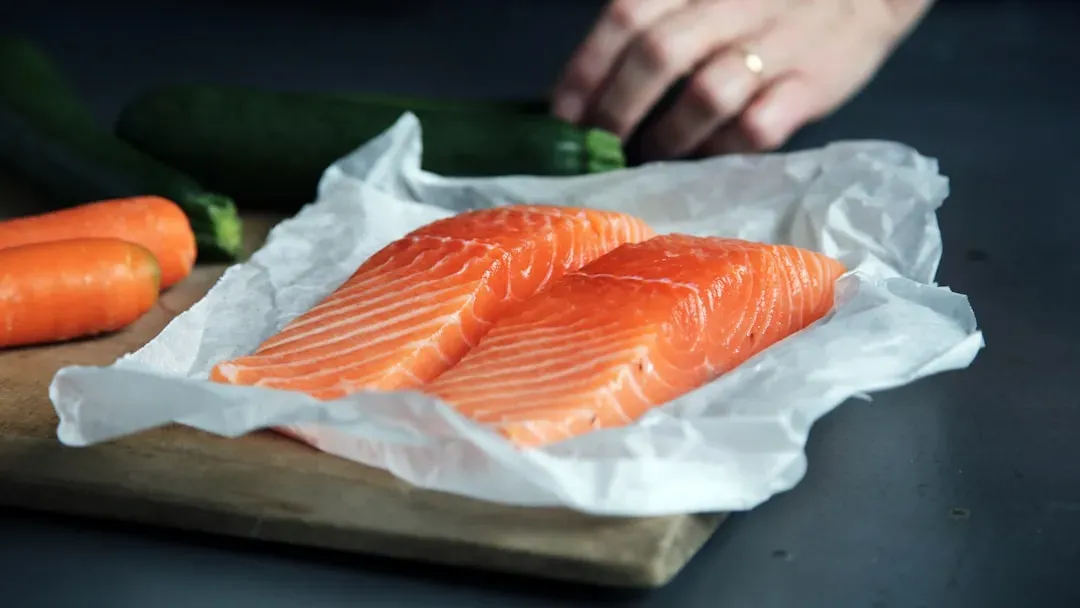
Salmon, mackerel, sardines. These are the foods that cardiovascular researchers keep coming back to, and for good reason. Fatty fish like salmon, mackerel, and trout are rich in omega-3 fatty acids, which help reduce inflammation and lower blood pressure.
A dose-response meta-analysis published in the Journal of the American Heart Association found that consuming 2 to 3 grams of omega-3 fatty acids daily from fish and other sources provides optimal blood pressure reduction. To give that number some context, a single serving of salmon can provide well over 2 grams of omega-3 fatty acids. That’s a meaningful dose from a single meal.
Research has shown that certain foods – such as fruits, vegetables, nuts, and oily fish – can help lower blood pressure. Omega-3s work differently from many other food-based interventions. Rather than just relaxing blood vessels, they help reduce systemic inflammation, which is itself a driver of arterial stiffness. Eating fatty fish twice a week is a practical, achievable target that aligns with multiple cardiovascular guidelines.
7. Dark Chocolate: Possibly the Best News in This Article

Let’s be real – most people read this one and immediately feel vindicated. A study published in the European Journal of Preventive Cardiology analysed data from 145 randomised controlled trials and found that regular consumption of flavan-3-ols can lead to a reduction in blood pressure readings, particularly in people with elevated or high blood pressure. In some cases, the average blood pressure-lowering effects were comparable to those seen with some medications. Flavan-3-ols were also found to improve the function of the endothelium, the inner lining of blood vessels, which is crucial for overall cardiovascular health.
Daily consumption of flavan-3-ol-rich foods, averaging 586 mg of total flavan-3-ols, significantly decreased office blood pressure by 2.8/2.0 mmHg systolic and diastolic overall, with much larger effects in people with elevated blood pressure or hypertension, reaching 5.9/2.7 mmHg. That is a clinically relevant number.
Dark chocolate with at least 70% cocoa contains flavonoids that help dilate blood vessels and improve blood flow. The key word here is “dark.” Low-cocoa, sugary milk chocolate won’t cut it. Studies using purified isolated compounds showed weaker effects than studies using actual chocolate or tea, which suggests that the benefits come from the complex interplay of compounds in whole foods, not just single active ingredients. A small square of high-quality dark chocolate daily is entirely reasonable, evidence-supported, and – let’s face it – genuinely enjoyable.
8. Bananas and Potassium-Rich Foods: The Mineral That Matters Most
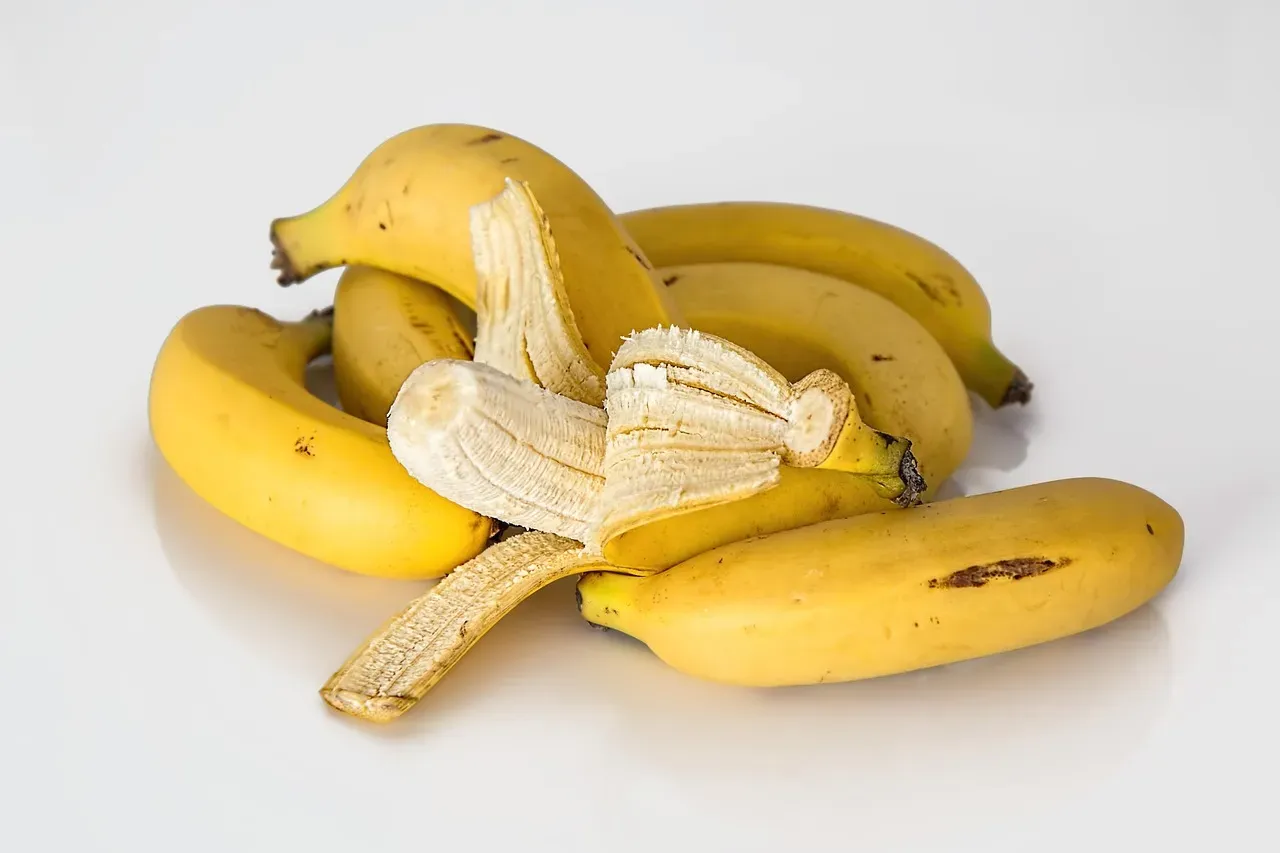
If there is one mineral that consistently shows up in blood pressure research, it is potassium. Bananas are an excellent source of potassium, which helps balance sodium levels and ease tension in the blood vessel walls. Most people know to avoid too much salt, but far fewer know that increasing potassium can be just as powerful on the other side of the equation.
Potassium in the diet can lessen the effects of table salt and sodium on blood pressure. Aiming for 3,500 to 5,000 milligrams of potassium a day may lower blood pressure by 4 to 5 mm Hg. Think of it as a natural counterweight. When potassium goes up, sodium’s grip on your blood vessels loosens. The effect is well-documented and consistent across populations.
Sweet potatoes are also loaded with magnesium, potassium, and fiber, making them a delicious way to lower blood pressure. Beyond bananas and sweet potatoes, avocados, beans, and leafy greens all contribute meaningfully to your daily potassium intake. Foods in the DASH diet are rich in the minerals potassium, calcium, and magnesium for exactly this reason. Getting enough of these minerals through whole foods is both effective and straightforward – no supplement required.
Conclusion: Food as Preventive Medicine
What stands out most, when you look at all of this evidence together, is just how consistent the pattern is. Whole foods, plant-rich diets, and specific compounds like nitrates, anthocyanins, omega-3s, and potassium all work through real, well-studied biological mechanisms. They’re not folk remedies. They’re backed by randomized controlled trials, meta-analyses, and major health institutions worldwide.
According to the American Heart Association’s 2025 guidelines, lifestyle changes including diet are now recommended as first-line treatment for elevated blood pressure and stage 1 hypertension. That’s a significant statement. Diet comes first, before medication, at the early stages of hypertension.
None of this means you should stop any current medication without speaking to your doctor. What it does mean is that every meal is an opportunity. Eight foods. Eight opportunities per grocery run to quietly work in favor of your heart. The most powerful interventions are sometimes the most ordinary ones hiding in the produce aisle. What’s on your plate this week?