
Most people think about heart health in dramatic terms. They imagine medication, hospital visits, or major lifestyle overhauls. Rarely do they think about the humble produce section of their local grocery store. Yet the science is becoming impossible to ignore – some of the most powerful tools for protecting your cardiovascular system are sitting quietly in your refrigerator right now.
Research from the Nurses’ Health and Health Professionals’ studies, among the largest and longest-running nutrition studies ever conducted, found that the more produce people consume, the lower their risk of developing heart disease. A study of 469,551 people published in the British Medical Journal found that each additional serving of produce a person consumes reduces overall risk of premature death by roughly five percent. These numbers are hard to argue with. So let’s get into the specifics – the seven vegetables that quietly do a lot more than most people realize.
Table of Contents
1. Spinach and Leafy Greens: The Nitrate Powerhouses
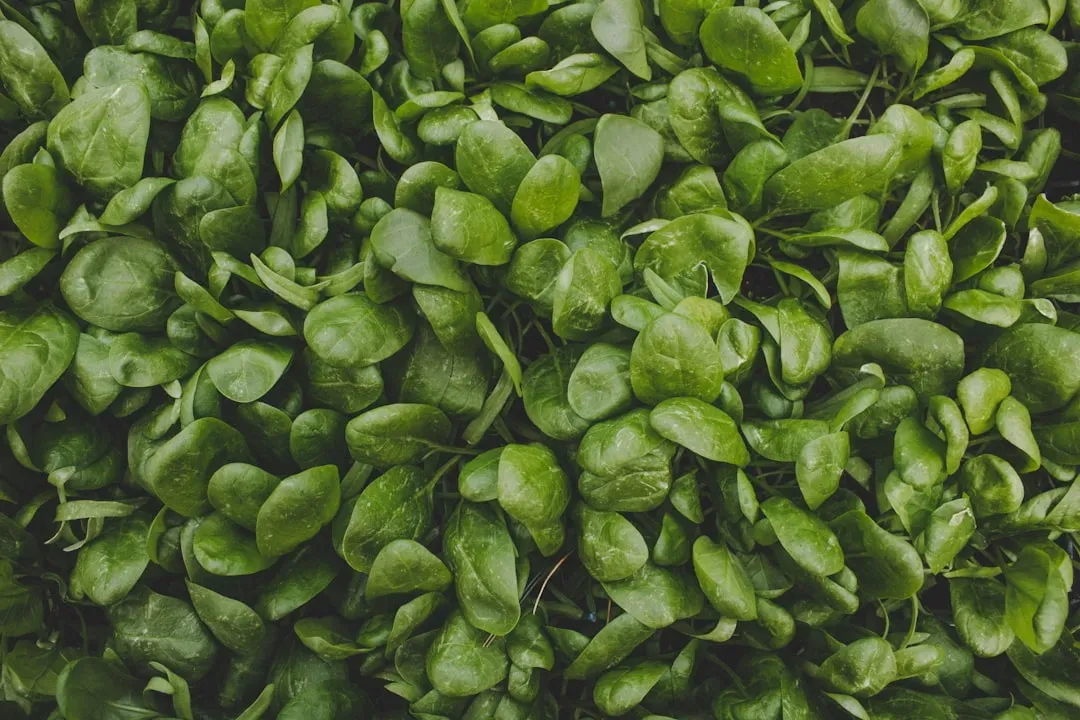
Studies show that green leafy vegetables “are among the foods most protective against coronary heart disease and ischemic stroke risk.” That’s a bold statement, and it’s backed by serious research. A study that included more than 53,000 people who took part in the Danish Diet, Cancer, and Health study over a 23-year period – with an average starting age of 56 and none having heart disease at the beginning – found that people who ate the most nitrate-rich vegetables, especially leafy greens like spinach and lettuce, had between roughly one in eight and roughly one in four lower risk of cardiovascular disease.
Leafy greens are rich in nitrates, which the body converts to nitric oxide, a compound that helps reduce blood pressure. One cup of greens per day appeared to be the optimum amount, as people who ate higher amounts didn’t further lower their risk. Think of it like a dimmer switch rather than a flood light – a steady, manageable daily habit that quietly dials down your cardiovascular risk over time. They’re also rich in vitamins A, C, E and K, and supply folate, a B vitamin that promotes heart health, according to the USDA Agricultural Research Service.
2. Beets: The Underground Blood Pressure Fighter
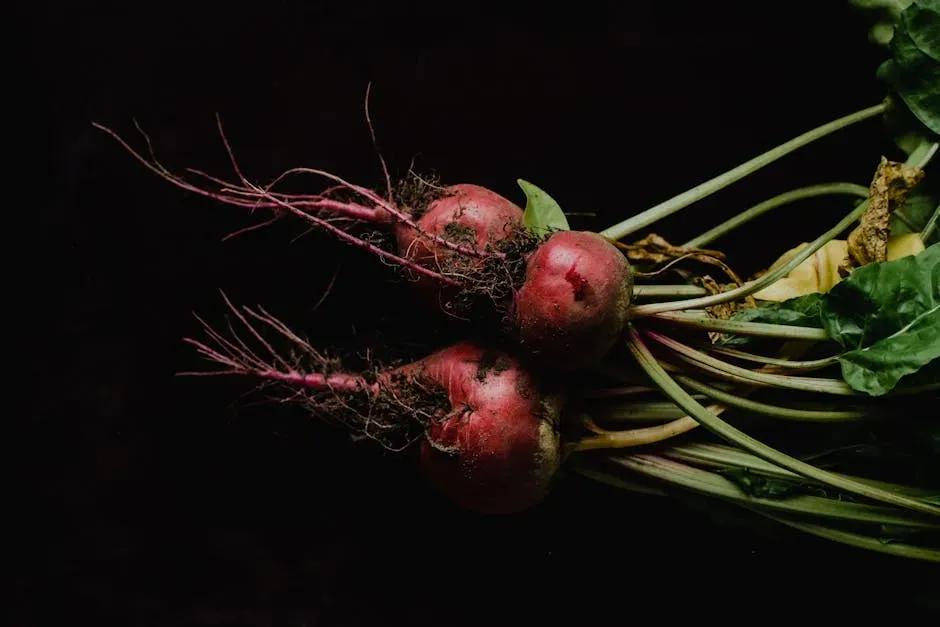
Beets are a rich source of antioxidants, fiber and minerals, and are particularly high in nitrate – their juice has been shown to lower blood pressure. The mechanism is surprisingly straightforward. After a person consumes nitrate, the body converts it to nitric oxide, which opens blood vessels and promotes blood flow, resulting in less pressure in the arteries.
According to the American Heart Association, beets reduce the risk of heart disease. They are a natural nitrous oxide source that dilates blood vessels and lowers blood pressure, and both the root and the leaves of the beet plant can be eaten, providing antioxidants to reduce inflammation. Eating beets can also help reduce artery inflammation, further lowering your risk for heart disease. Roast them, blend them into smoothies, or throw them in a salad – beets are versatile enough to fit almost any meal without much effort.
3. Broccoli: The Cruciferous Cardiovascular Guardian
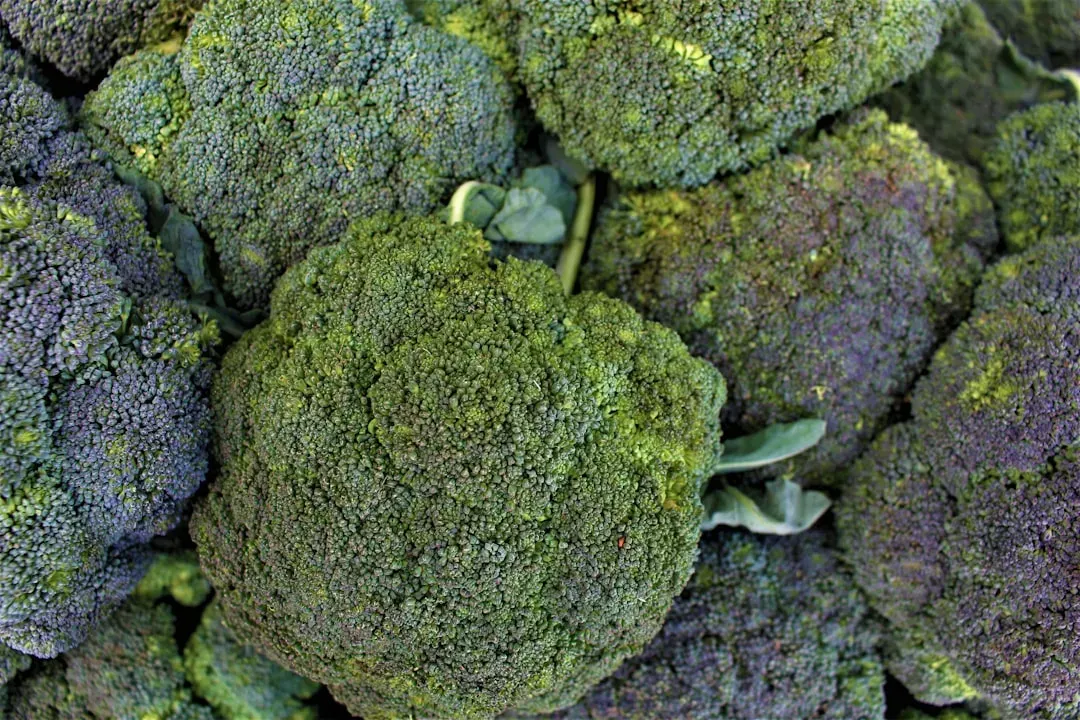
Some leafy greens like kale and broccoli are also cruciferous vegetables, and eating cruciferous vegetables regularly may lower your chances of heart disease, cardiovascular disease, and stroke. Broccoli, in particular, has earned its place as a serious cardiovascular ally. Research has indicated that broccoli showed great potential in preventing and treating cardiovascular diseases, with vitamins, essential elements, dietary fibers, botanical proteins, and phytochemicals being the key bioactive components responsible.
Broccoli is rich in vitamins, minerals, and antioxidants with broad health benefits. Cruciferous vegetables like broccoli contain potassium, which directly helps decrease blood pressure. Honestly, it’s the kind of vegetable that gets mocked at the dinner table but quietly keeps cardiologists happy. Steam it, roast it, or purée it into a sauce – the point is simply to eat it regularly.
4. Garlic: The Ancient Remedy With Modern Proof
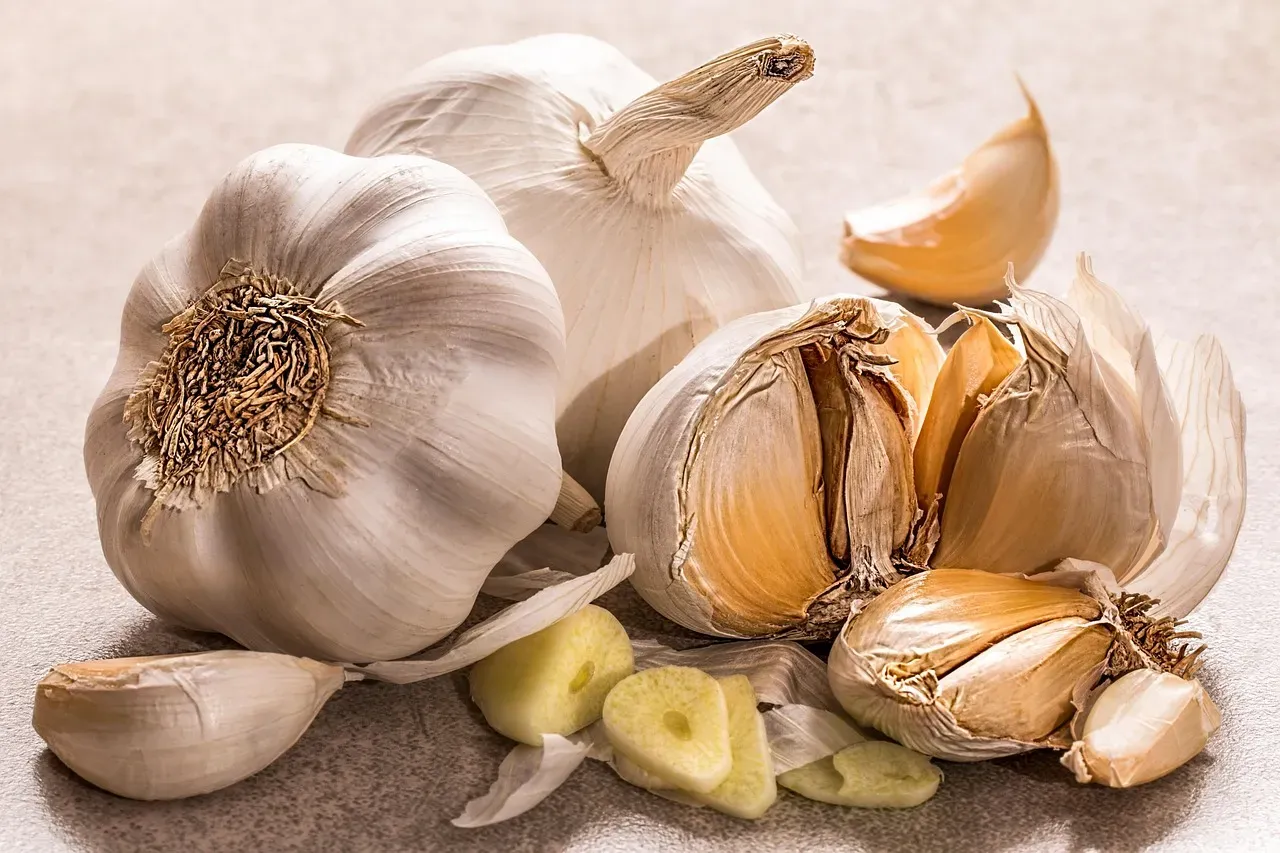
Garlic has been used medicinally for thousands of years, and science is now confirming what ancient healers suspected long ago. This popular bulb has antioxidant and anti-inflammatory properties, helps dilate blood vessels, and supports their functioning, according to a 2024 research review published in the journal Nutrients. Garlic can help reduce blood pressure, with evidence suggesting it can lower systolic blood pressure by around eight points and diastolic by five or six.
A comprehensive systematic review and meta-analysis published in 2025, based on a search covering PubMed, Scopus, and Web of Knowledge through June 2024, examined all randomized controlled trials on garlic intake and cardiovascular disease risk factors in adults, ultimately incorporating 108 trials involving more than 7,000 participants. Meta-analyses confirm dose-dependent reductions in blood pressure and lipids from garlic consumption. Regular garlic consumption can help reduce high blood pressure and undesirable cholesterol levels, with raw garlic providing the maximum health benefits.
5. Tomatoes: The Lycopene Defenders
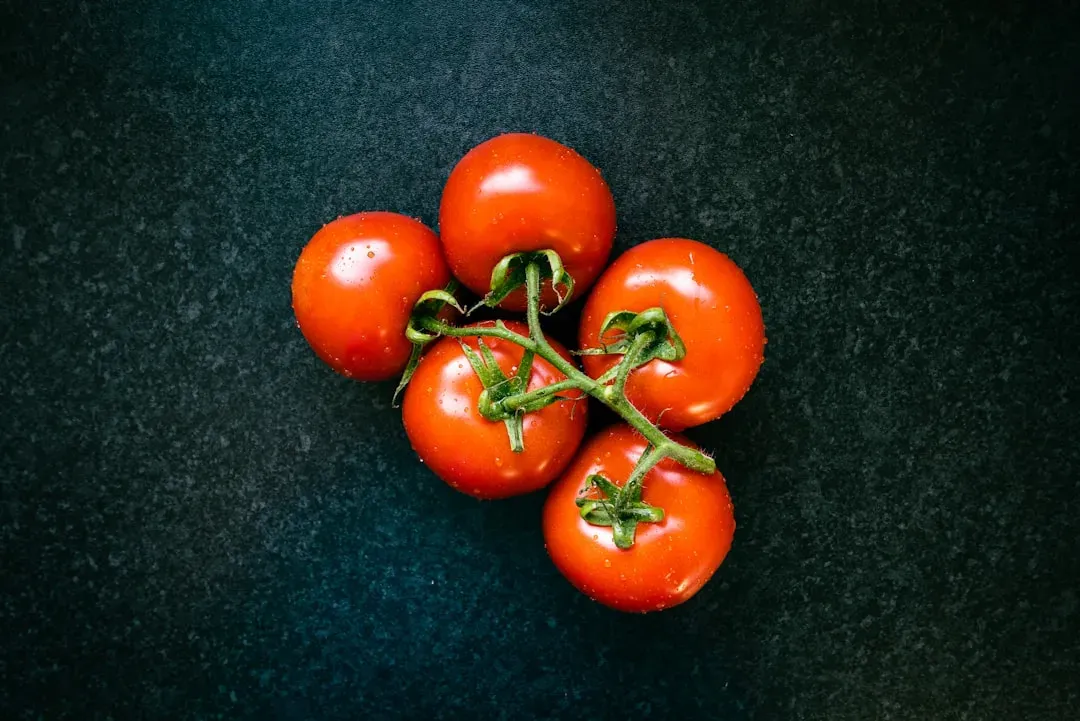
Tomatoes are prominent in the Mediterranean diet and rich in lycopene, described as a “potent antioxidant” that’s believed to have a protective effect on the cardiovascular system, studies have found. It’s easy to overlook tomatoes because they’re so ordinary – so familiar. Yet their impact on heart health is anything but ordinary. Plump full of potassium, tomatoes can improve your heart health, and red tomatoes in particular exhibit high levels of lycopene, which can help lower levels of problematic cholesterol.
Dose-response analyses in large meta-analyses found that tomatoes were inversely associated with cardiovascular disease risk. The cardioprotective effects of vegetables like tomatoes may involve antioxidation, anti-inflammation, anti-platelet activity, and the regulation of blood pressure, blood glucose, and lipid profiles. Cooking tomatoes actually increases the bioavailability of lycopene, so a bowl of warm tomato soup or a slow-cooked sauce could be doing more for your arteries than you think.
6. Artichokes: The Underrated Cholesterol Regulator

Here’s the thing – artichokes rarely make the headlines, and that’s a genuine shame. Artichokes contain the most antioxidants of any vegetable, except beans, according to a study published in the Journal of Agricultural and Food Chemistry. That alone makes them worth paying attention to. When people took artichoke leaf extract supplements, it resulted in a “significant reduction” of blood pressure, according to a review of studies, and also led to lower total and LDL cholesterol, a separate review found.
Artichokes have so much fiber and antioxidants that they should be considered a superfood. Antioxidants circulate in the body and correct all the damage people accumulate just by living and breathing oxygen. I know they seem intimidating to cook, but honestly, steamed artichokes with a simple olive oil dip are one of the most satisfying and heart-friendly meals you can put together in under thirty minutes. Don’t let their thorny exterior fool you.
7. Asparagus: The Blood Flow Booster

Asparagus contains asparaptine, a compound that may improve blood flow and help lower blood pressure. It’s one of those vegetables that sits quietly in the produce aisle, rarely glorified the way kale or spinach tends to be. Asparagus also has a diuretic effect, which helps the body get rid of excess sodium and lower blood pressure in that way as well. It’s like a two-pronged approach – targeting blood pressure from two different directions at once.
Research has indicated that asparagus showed great potential in preventing and treating cardiovascular diseases, with phytochemicals and dietary fiber being among the key bioactive components. Fiber-rich vegetables like asparagus are associated with a lower risk of heart disease, and eating more fiber leads gut bacteria to produce compounds that further lower blood pressure, as researchers reported in April 2024 in the journal Hypertension. Whether roasted with olive oil, thrown into a stir-fry, or griddled alongside eggs, asparagus deserves a much bigger spot on your weekly plate.
The Bigger Picture: Consistency Over Perfection

Researchers tracking over 63,000 adults found that high-quality, minimally processed plant foods significantly reduce cardiovascular risk. That’s the key word here – minimally processed. A spinach smoothie will always outperform a “spinach-flavored” snack bar. The evidence suggests that intake of leafy green and cruciferous vegetables may confer strong cardiovascular health benefits, and increasing vegetable intake with a focus on these specific types may provide the greatest overall cardiovascular benefit.
All vegetables are good for you, the American Heart Association says, recommending eating 4.5 cups of veggies every day. Nearly everyone agrees on one nutritional recommendation: most people would benefit from eating more vegetables, as these naturally low-calorie foods contain nutrients that promote heart health, longevity and overall well-being. The truth is, you don’t need a dramatic overhaul. You just need to keep showing up – one cup of greens, one roasted beet, one clove of garlic – day after day. The heart is patient, and so is the science.
What do you think? Is there a vegetable on this list you’ve been consistently skipping? It might be worth giving it a second chance.