
If your grocery bill has been quietly growing heavier every week, you’re not imagining it. Americans have been absorbing food price shock after food price shock since the pandemic years, and while some relief has arrived in a few aisles, plenty of staples are still climbing. The average weekly grocery spend in the United States reached $170 in 2025 and 2026, compared to $120 in 2020, and that gap represents a sustained and cumulative effect of grocery inflation over several years – prices have not declined, meaning households are absorbing a permanently higher baseline cost for food compared to the pre-pandemic period.
The majority of respondents in a Purdue University Consumer Food Insights survey, roughly four out of every five shoppers, modified their shopping behaviors in 2025, with the most common adjustments being seeking sales and discounts, switching to cheaper brands, and reducing nonessential purchases. So which specific foods are most likely to get cut from your cart? Some of the answers might genuinely surprise you. Let’s dive in.
Table of Contents
1. Beef and Veal
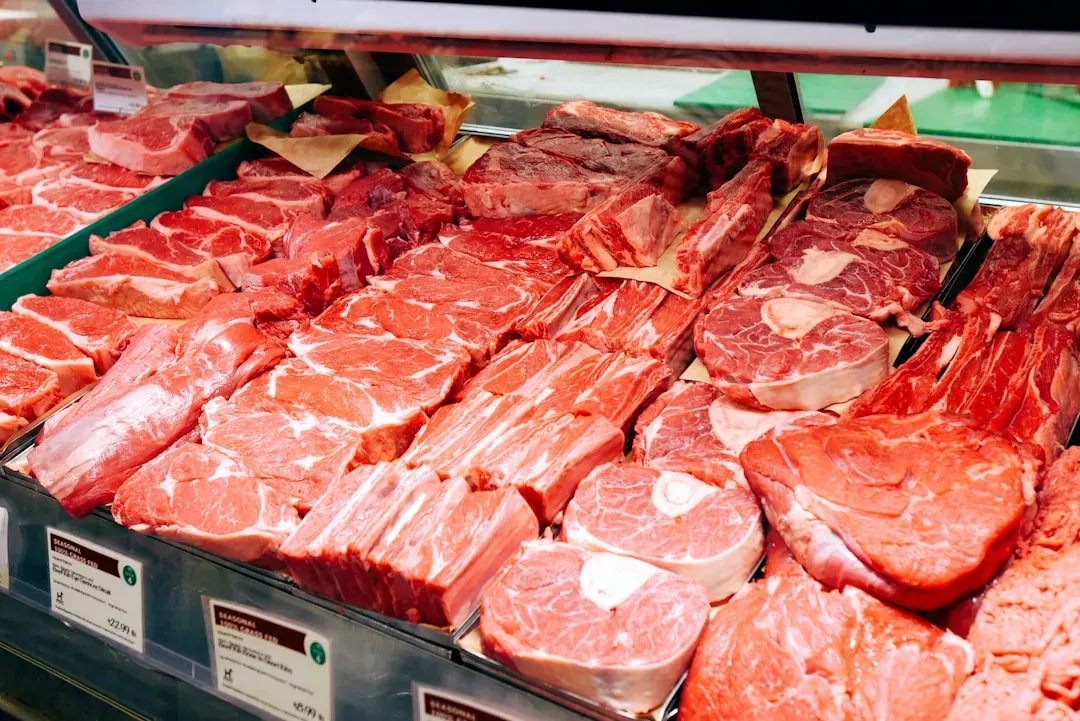
Let’s be real: this one hurts. Beef has become one of the most talked-about grocery stories of the past two years, and the numbers explain exactly why. Beef and veal prices were still a striking 15 percent higher in January 2026 than they were in January 2025, according to the USDA Economic Research Service. That’s not a small uptick, that’s a genuine rearrangement of the household budget.
The start of 2025 saw the lowest cattle numbers in the U.S. since 1951, with severe drought over the past few years discouraging cattle from being retained for breeding. Think of it like a factory that’s been quietly running out of raw materials for years. By the time consumers feel the impact at the checkout, the damage is already baked in.
Beef prices have increased over 50 percent since 2020, causing restaurants and stores to raise their prices. Consumers are noticing. In a 2,200-person survey by Morning Consult and the Physicians Committee for Responsible Medicine, nearly three quarters of Americans noticed that beef had become costlier, and the price hikes led nearly half of them to reduce the amount of beef they buy, with another 12 percent giving it up altogether.
Beef and veal prices are predicted to soar by nearly 9.4 percent in 2026, while the cost of other meats like processed cold cuts and hot dogs will rise about 4.3 percent. Even budget-friendly ground beef is not sparing shoppers. A University of Michigan report found that consumer confidence in beef during May 2025 was down more than a quarter from the year before, and as a result, consumers are pulling back their beef spending and opting for relatively stable alternatives such as poultry or pork.
2. Coffee
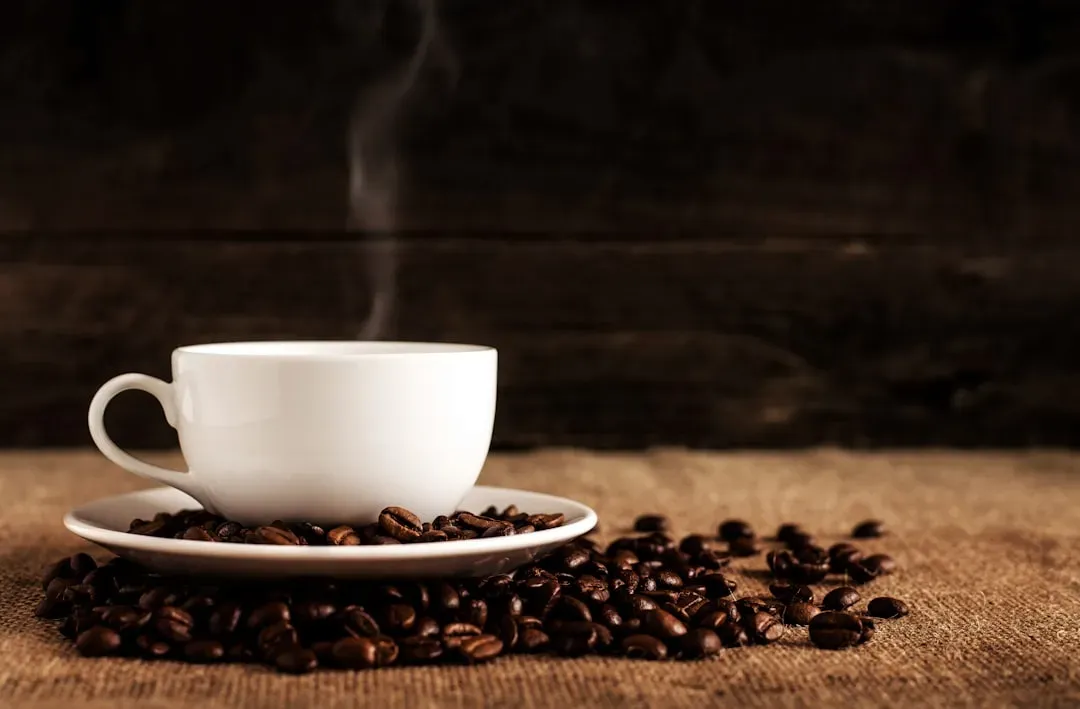
For millions of people, coffee is non-negotiable. It’s practically a utility. So when prices on that morning ritual jump by historic margins, it creates a very specific kind of household stress. Retail coffee prices in the United States in August 2025 jumped nearly 21 percent compared to the same month the year before, which was the largest annual jump since October 1997, according to the latest Consumer Price Index, and on a monthly basis, coffee prices rose 4 percent, the most in 14 years.
Ground roast coffee prices in the U.S. hit $8.41 per pound in July 2025, a record high and a 33 percent increase from a year prior, according to Bureau of Labor Statistics data. The causes are multiple and converging. Brazil, responsible for about one third of the world’s coffee, faced ongoing drought conditions that severely affected both Arabica and Robusta coffee crops, reducing bean size and yield and cutting down the total volume available for export.
The United States is the largest importer of coffee in the world and relies on foreign countries for the beans, given that very few places domestically can grow coffee, with nearly all of the coffee consumed in the U.S. being imported, according to the National Coffee Association. Tariffs made a tough situation worse. In April 2025, the U.S. imposed new tariffs on coffee imports, with Brazil hit hardest at 50 percent, and since then, grocery-store coffee prices rose about 21 percent, according to consumer price index data.
Prices for nonalcoholic beverages – a category in which coffee plays a major role – increased nearly 5 percent from late 2025 to early 2026, and are predicted to increase by 5.2 percent across 2026, rising faster than the 20-year historical rate in part due to higher global coffee prices. For budget-conscious households, brewing less or switching to store brands is already the new normal.
3. Fish and Seafood
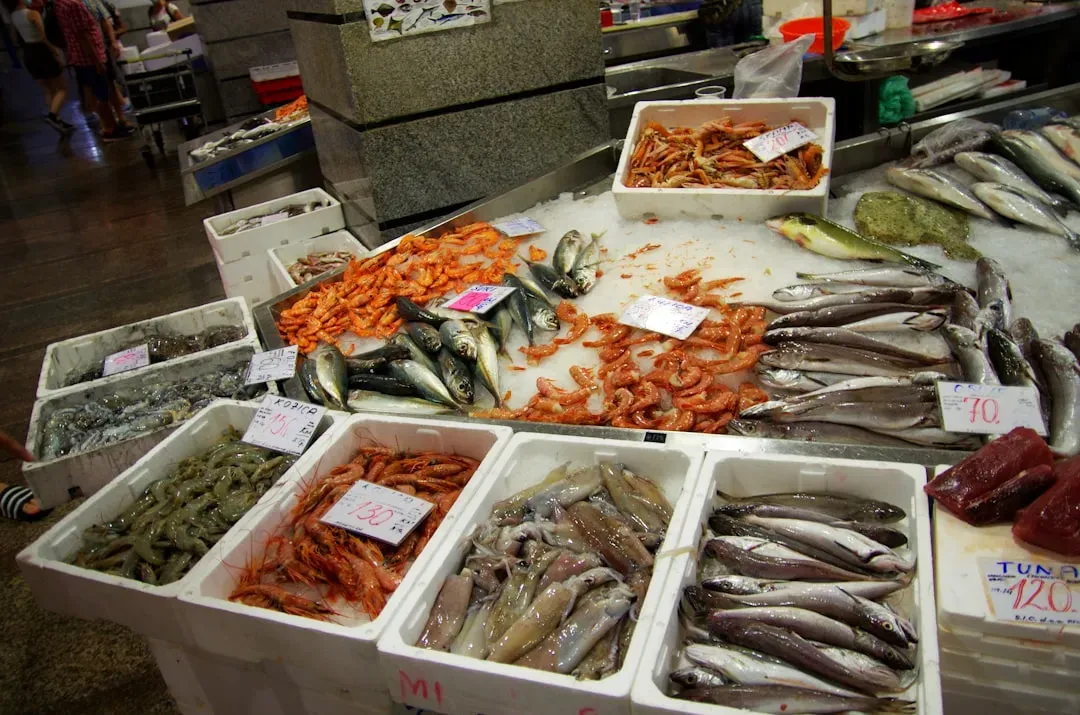
Seafood used to be one of those smart, healthy protein alternatives when beef got too pricey. Here’s the thing, though: that trade-off is becoming harder to make. The U.S. Department of Agriculture is predicting seafood prices will rise faster than their historical average in 2026, with the USDA Economic Research Service’s February 2026 forecast predicting overall food prices to increase 3.1 percent.
Prices in seven of the 15 food-at-home categories, including fish and seafood, will rise faster than their 20-year historical average, alongside beef and veal, other meats, processed fruits and vegetables, sugar and sweets, cereal and bakery products, and nonalcoholic beverages. That’s a crowded list of staples all heading in the same painful direction simultaneously.
As a direct result of the Trump administration’s tariffs, American consumers in January 2026 paid prices that were higher for fish and seafood, up roughly 8 percent compared to pre-tariff trends. Importing fish from abroad has become more expensive across the board, and those costs travel the full distance from the ocean to the freezer aisle before landing on your receipt.
Seafood inflation at U.S. retail stores rose again to end 2025, leading to mixed results in the seafood aisle. Shoppers on tighter budgets are increasingly choosing canned options over fresh, or skipping the seafood aisle altogether in favor of chicken, which remains the most price-stable protein in the current market, according to USDA data.
4. Sugar and Sweets
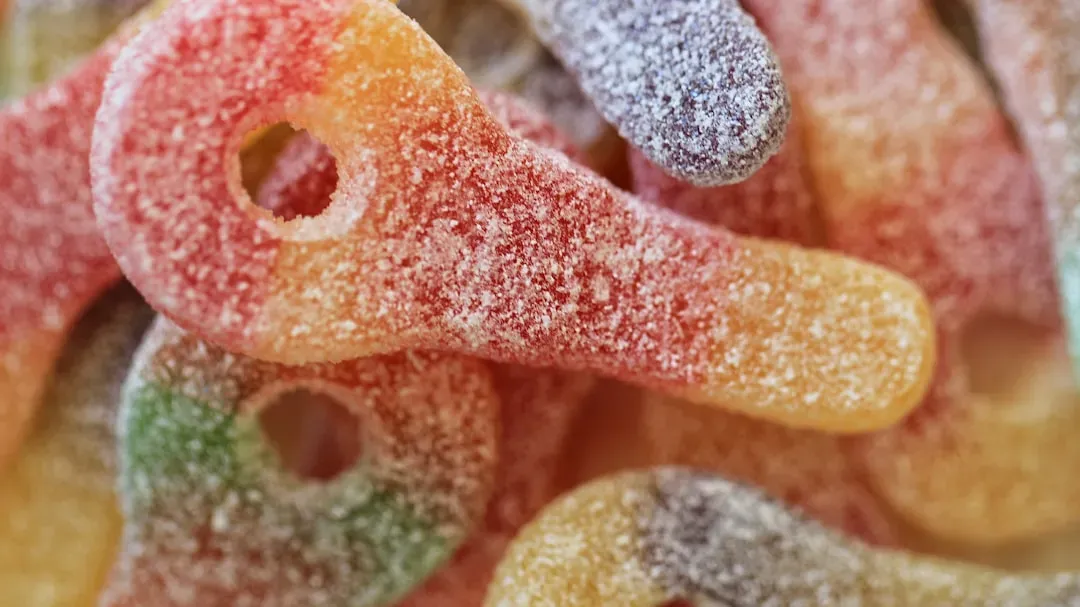
If you have a sweet tooth, I have some genuinely unfortunate news. This category is seeing some of the steepest price increases in the entire grocery store, and the trajectory isn’t getting friendlier anytime soon. Prices for sugar and sweets increased by about 1 percent from December 2025 to January 2026 and were already 5.7 percent higher in January 2026 than in January 2025, with price increases during 2025 primarily driven by candy and chewing gum – and the USDA now predicts sugar and sweets prices will increase 6.7 percent in 2026.
The USDA says the cost for sugar and sweet items will rise about 6.7 percent, more than doubling the historical average, and according to the World Economic Forum, climate-change-induced droughts are affecting sugar production overseas, while the U.S. also maintains a longtime trade policy that restricts the amount of sugar food companies can import.
Drought combined with excessive rainfall has been an issue for major sugar-producing countries such as Brazil, the world’s largest sugar exporter, and an increase in global sugar consumption keeps it in demand for many products, including processed foods, beverages, and ethanol. It’s a squeeze from both sides – supply going down, demand going up.
Recent global tariffs applied to imported aluminum and steel have drastically increased the manufacturing cost of physical metal cans, while the fluctuating price of petroleum also directly impacts the cost of creating plastic bottles – costs that ultimately hit sweet-snack packaging too. The candy bar you grab at the checkout is quietly becoming a premium item.
5. Nonalcoholic Beverages
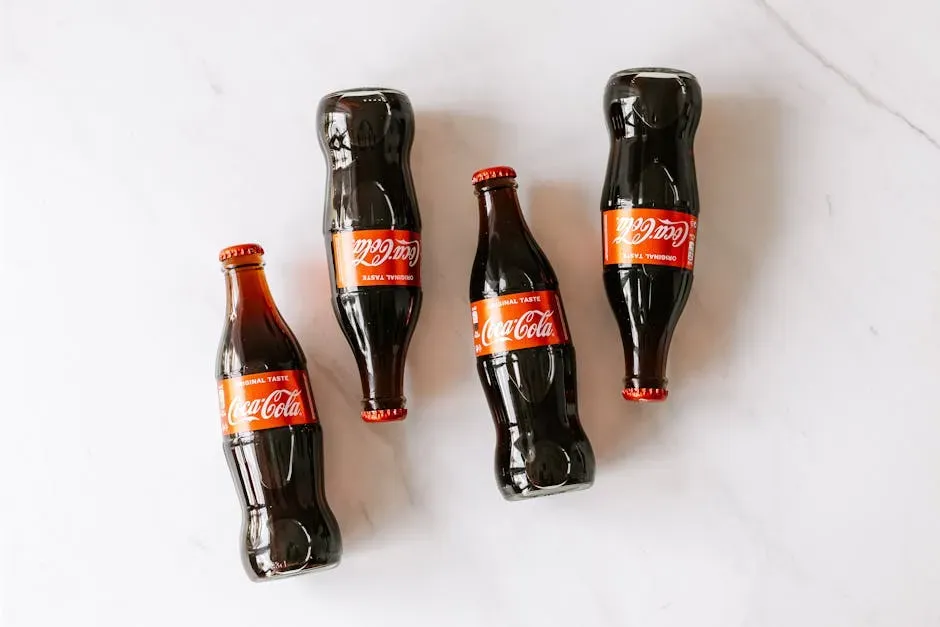
Sodas, juices, energy drinks, bottled water – this entire category is getting more expensive at a pace that is outrunning historical norms by a wide margin. It’s not just coffee inside this category driving the numbers. According to the Bureau of Labor Statistics, the nonalcoholic beverages index increased 5.6 percent in the 12 months ending February 2026. That is more than double the rate that most consumers expect to pay more for a simple drink.
Prices for nonalcoholic beverages and beverage materials increased 5.1 percent across 2025, with prices for juices and nonalcoholic drinks rising 2.3 percent and prices for beverage materials including coffee and tea rising nearly 12 percent, according to the Bureau of Labor Statistics review of 2025.
The jump in sugar prices directly affects the price of beverages, since most nonalcoholic beverages require sugar or sweeteners to produce. So the two categories are actually feeding each other’s price increases. Think of it as one domino knocking another off the shelf. The demographic makeup of the modern supermarket shopper is also changing, with Generation Z and Generation Alpha entering the consumer marketplace with different eating habits and heavily prioritizing premium energy drinks, specialized iced coffees, and highly processed sweet snacks.
Nonalcoholic beverage prices rose 1.6 percent from December 2025 to January 2026 alone and were 4.5 percent higher than a year prior, with prices increasing faster than the 20-year historical average partly because of higher global coffee prices, and nonalcoholic beverage prices are now predicted to increase 5.2 percent across all of 2026.
6. Processed Fruits and Vegetables

This is the one that catches a lot of budget shoppers off guard. Fresh produce has actually been relatively calm price-wise in 2026, but the canned and processed aisle? Different story entirely. Among the food categories experiencing large price increases in recent months, processed fruits and vegetables are included alongside nonalcoholic beverages, fish and seafood, other meats, pork, cereal and bakery products, and sugar and sweets, according to the USDA.
Sea-sourced fare is set to get approximately 4 percent more expensive throughout 2026, and processed fruits and vegetables, including canned tomatoes and peaches, are looking as though they’ll increase by about 4 percent in 2026, according to USDA projections. For shoppers who buy canned goods as a way to stretch their budgets, that logic is getting harder to execute.
The irony here is real. Many households switched to canned and frozen options precisely to save money as fresh prices rose. Now that escape hatch is narrowing too. Processing costs, energy prices, aluminum tariffs, and supply chain disruptions in packaging all stack up before the can even hits the shelf.
With nearly 70 percent of the farm labor force consisting of immigrants, the Trump administration’s immigration policies and agricultural worker raids have been contributing to labor shortages – the farm labor force shrank by 155,000 workers between March and July of 2025 alone – leading to unharvested crops, reduced food production, and supply chain disruptions that affect processed goods.
7. Cereal and Bakery Products
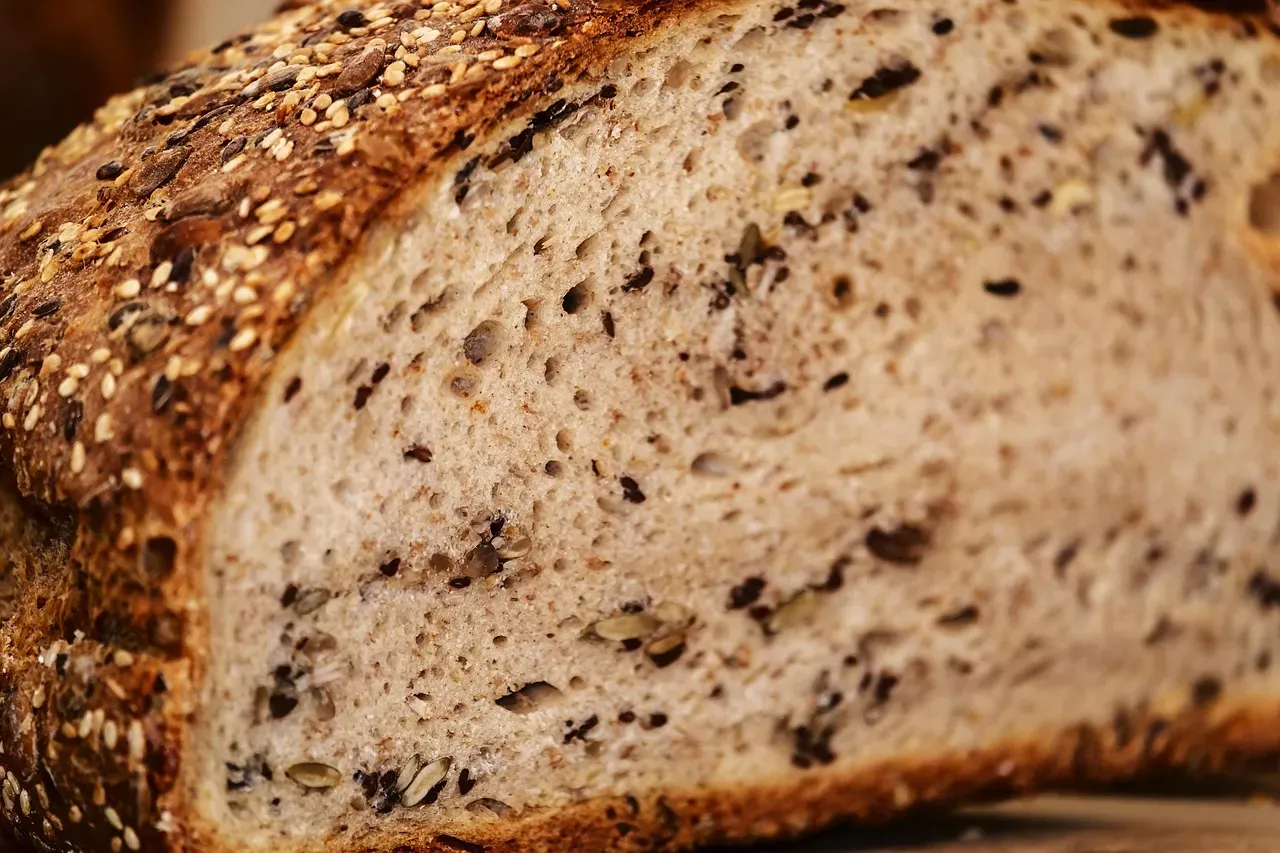
Breakfast may be the most important meal of the day, but it’s also becoming one of the more expensive ones. Cereals, breads, crackers, rolls – all of it falls inside a category that is now forecast to outpace its own historical average for price growth. In 2026, among the 15 food-at-home categories examined in the USDA Food Price Outlook, prices for seven categories are predicted to grow faster than their 20-year historical average, and cereal and bakery products are named directly among them, alongside beef and veal, other meats, fish and seafood, processed fruits and vegetables, sugar and sweets, and nonalcoholic beverages.
The index for cereals and bakery products increased 2.7 percent over the 12 months ending in February 2026, according to the Bureau of Labor Statistics. That may sound modest compared to beef, but when you consider this category includes everyday basics like bread and morning cereal, the cumulative hit on the weekly shop adds up fast.
Cereal and bakery prices are predicted to increase 1.1 percent in 2026, but could drop as much as 3 percent or increase as much as 5.5 percent, according to USDA Economic Research Service analysis – meaning there is considerable uncertainty about where this category lands by year end. In practical terms, shoppers could see very different outcomes depending on weather, wheat supply, and energy costs during the months ahead.
Higher overall food prices have been cited as the primary driver of shopping changes by more than half of surveyed consumers, and notably, households with incomes above $100,000 were actually more likely to cite food prices as their reason for changing behavior compared to lower-income households. It turns out the squeeze on bakery prices is being felt across income brackets, not just by those already stretching thin budgets. Even the shopper who never used to compare labels is now flipping the box to check the price per ounce.
The Bigger Picture: A Grocery Bill That Won’t Stop Growing
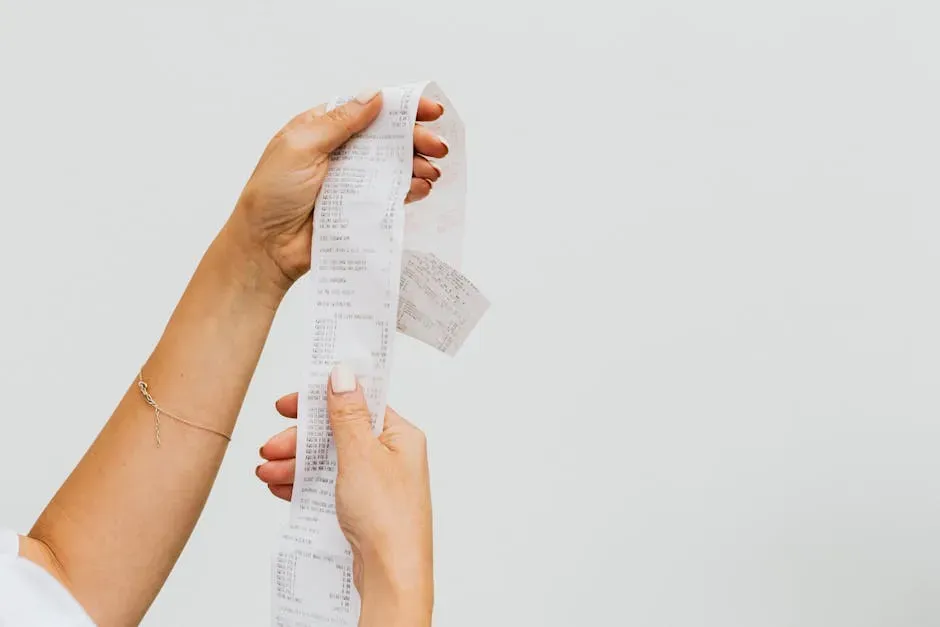
Americans have been watching their grocery costs inflate by more than 25 percent over the past five years, and while some categories are offering brief moments of relief, the overall baseline has been permanently elevated. It’s less like a storm passing and more like a new altitude. The ground is higher than it used to be, and there’s no elevator back down.
In 2026, overall food prices are predicted to rise 3.1 percent according to the USDA Economic Research Service. For the seven categories covered in this article, the trajectory is even steeper than that average. Regarding plans for the year, more than half of consumers remain uncertain about sustaining their modified habits, while roughly two out of five do not expect to maintain their budget-adjusting behaviors, reflecting broader uncertainty about economic conditions.
The foods that made the list here are not obscure luxuries. Beef, coffee, seafood, sweets, beverages, canned goods, and breakfast staples are the backbone of the American grocery cart. When all of them are climbing at once, the math on the weekly shop changes in a real and lasting way. What has surprised you most on your recent grocery trips? Drop your thoughts in the comments.