
There’s something deeply unsettling about walking into a grocery store and feeling like you need a financial plan just to buy breakfast. That’s not a joke anymore. Between bird flu outbreaks wiping out poultry flocks, droughts scorching olive groves across the Mediterranean, and cocoa harvests collapsing in West Africa, the food system has been taking hit after hit. The items you once grabbed without blinking are now causing genuine sticker shock.
Food prices are up roughly a third since 2019, and they remain high because of the combined impact of rising input costs, supply chain disruptions, and corporate profits. So which foods are quietly becoming luxury items? Some of the answers might genuinely surprise you. Let’s dive in.
1. Eggs: America’s Breakfast Icon on Thin Ice
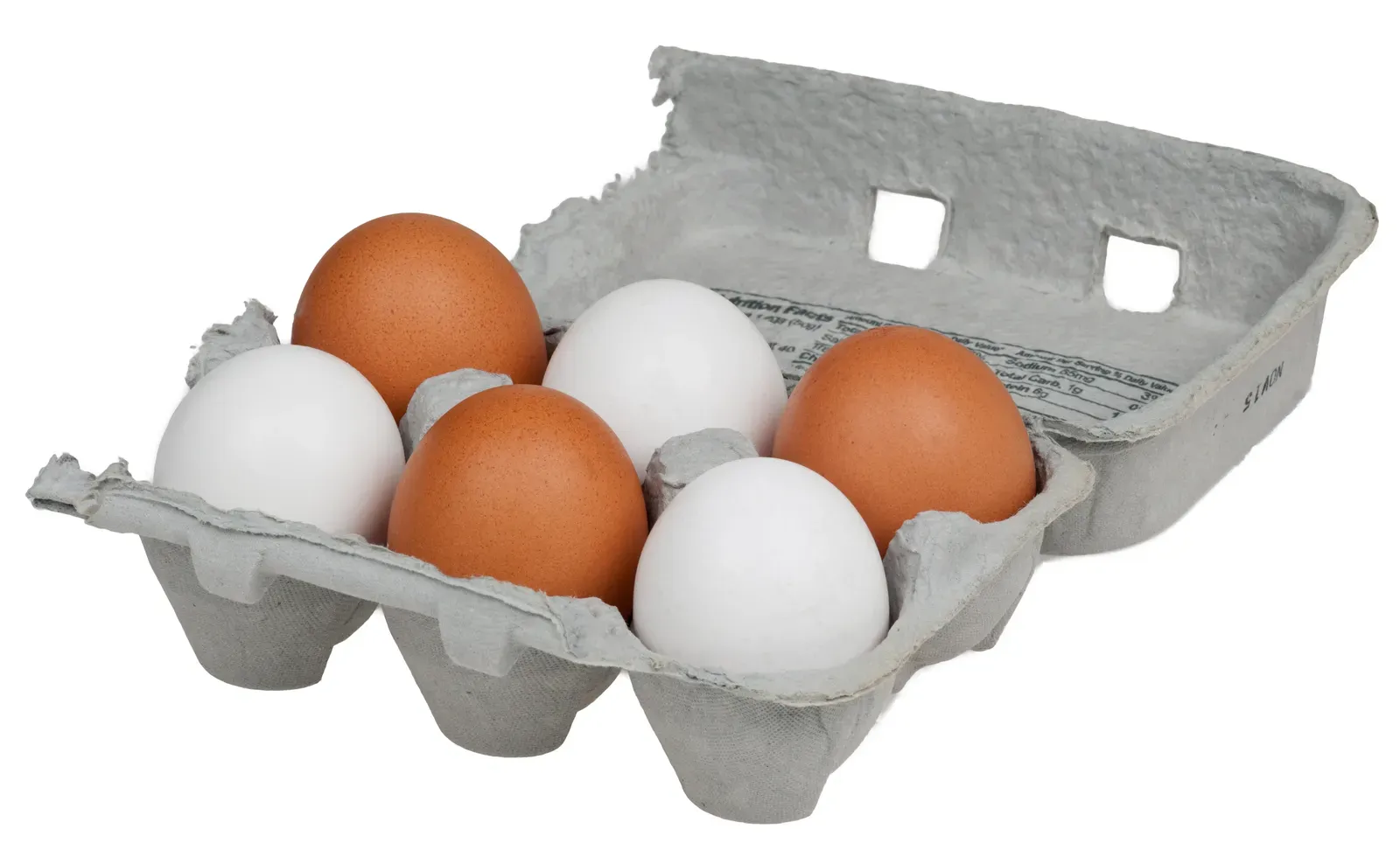
Few foods have been more dramatic headline-grabbers over the past two years than the humble egg. What was once the most affordable protein in the grocery store turned into a symbol of food inflation gone wrong. Honestly, it became almost absurd at points.
According to the Bureau of Labor Statistics, retail egg prices reached $4.95 per dozen in January 2025, an increase of nearly double compared to January 2024. Since 2022, a total of 1,431 poultry flocks across all 50 states and Puerto Rico have had reported cases of avian flu, with the USDA estimating that impacted flocks contained 138.7 million individual birds.
Egg prices remained a point of stress for consumers into 2026. In 2025, fewer hens and higher production costs continued to drive up prices, adding an estimated $1.5 billion burden on American households. The ripple effects were felt across the market: some retailers maintained purchase limits, certain restaurants implemented per-egg surcharges, and reports of attempts to bypass supply restrictions persisted, particularly in the southern U.S. The trend highlights ongoing volatility in egg supply, even as producers gradually rebuild laying flocks to stabilize the market.
Since February 26, 2025, wholesale egg prices dropped nearly half, with the New York wholesale egg price, which peaked at $8.53 per dozen, steadily declining to $4.08 as of March 19. Still, prices remain far above where they were before the crisis began.
2. Beef: A Shrinking Herd, A Growing Bill
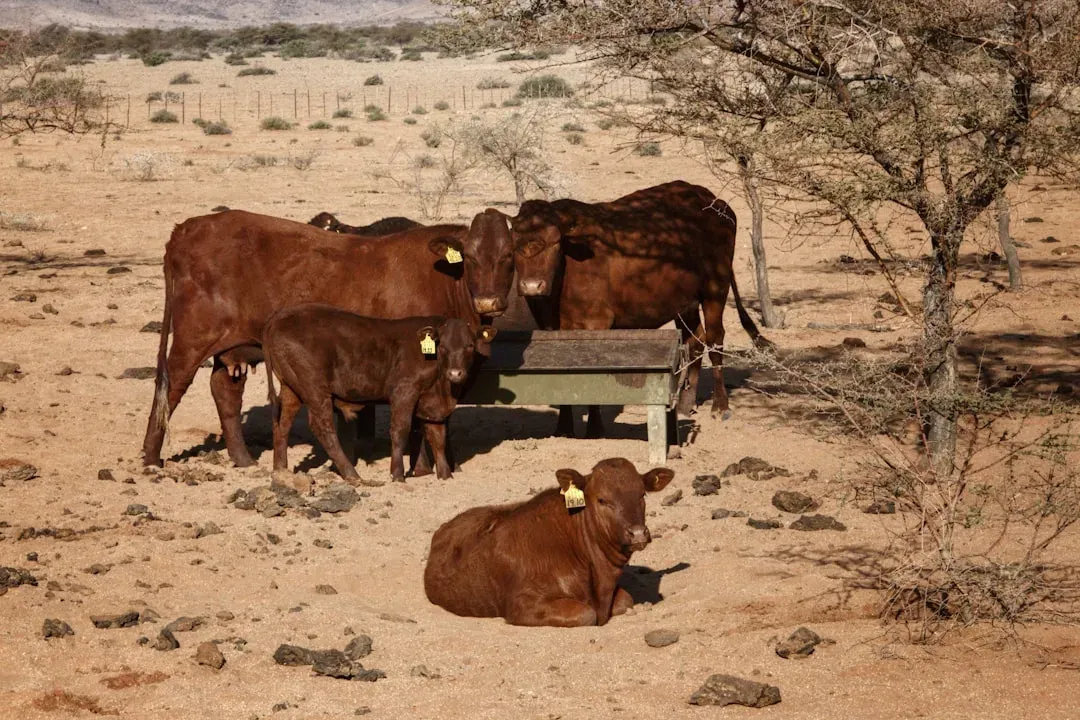
Here’s the thing about beef: its price crisis isn’t going away anytime soon, and the reasons behind it run deeper than most people realize. Think of it like trying to fix a leaky dam – you can patch one hole, but the water keeps finding another way through.
The primary factor driving record-high beef prices is a severe supply shortage. By some metrics, the U.S. cattle herd is at its smallest level since 1951, a result of multiyear droughts that increased feed costs, pushing ranchers to sell rather than breed their animals. Farm-level cattle prices increased roughly a fifth in 2025, driven by tight cattle supplies, while wholesale beef prices also rose by more than one in eight over the same year.
Average beef prices stayed historically high into 2026. In July 2025, ground beef hit a record $6.34 per pound, while uncooked beef steaks climbed to an all-time high of $11.88 per pound – up from $5.62 and $10.86, respectively, in July 2024. Supply chain constraints, feed costs, and broader inflationary pressures have all contributed to keeping meat prices elevated for consumers. Given the long-term remedies required to address inventory issues, and the prospect of new import taxes threatening to further trim the overall supply in the U.S., experts say it could be years before prices return to more affordable levels.
3. Olive Oil: Liquid Gold Lives Up to Its Name
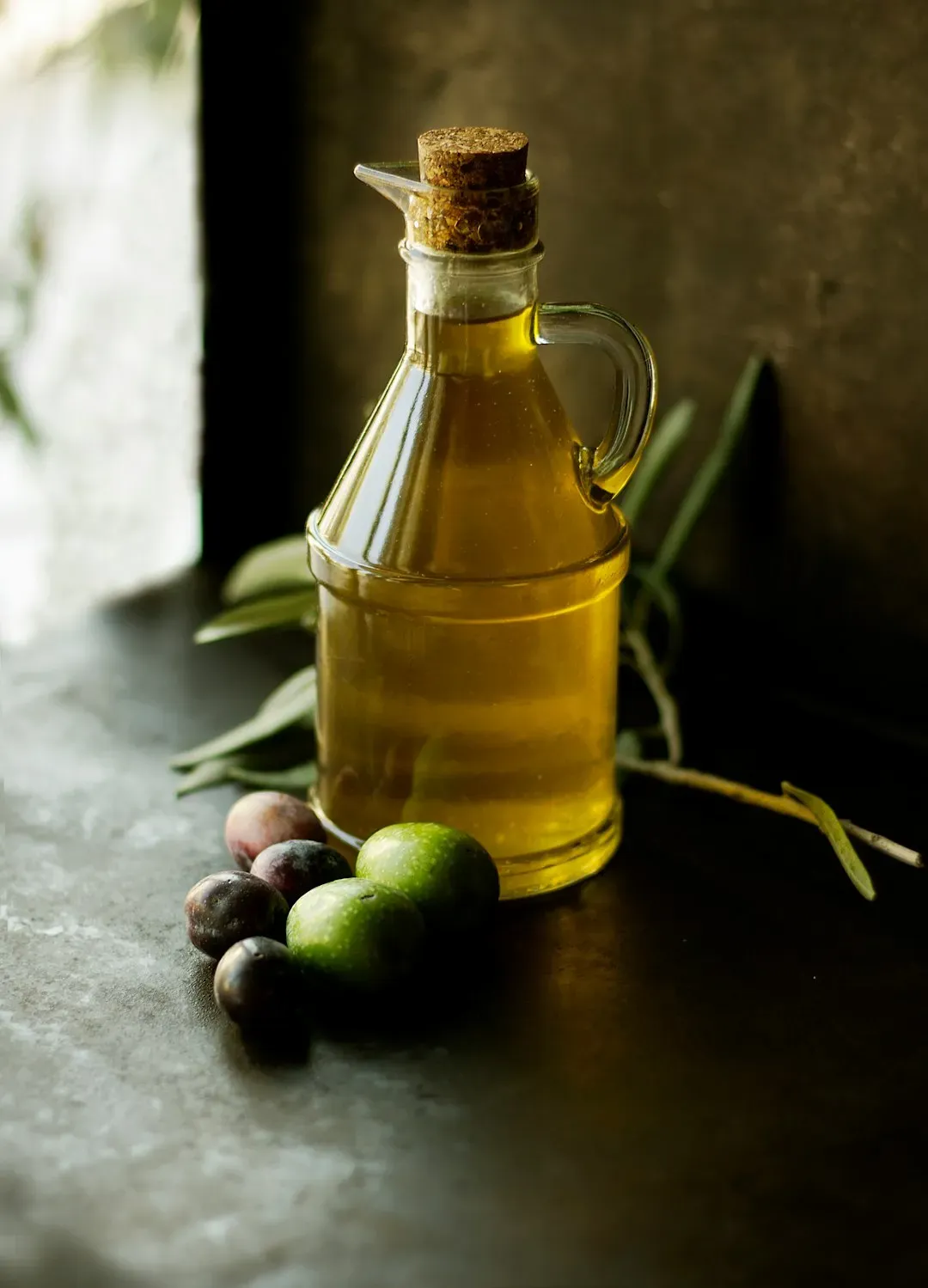
If you’ve been cooking with olive oil your whole life, the past two years probably felt like a slow-motion heist. That bottle you once grabbed without checking the price became something you started guarding in your pantry like a precious resource.
Olive oil prices have remained under pressure into 2026. After reaching a record $10,281 per metric tonne in January 2024, costs have continued to fluctuate due to weather-related crop impacts, rising production expenses, and global demand, keeping this staple ingredient significantly more expensive than in previous years. Drought conditions hit the Mediterranean region, the world’s largest supplier of olive oil, during the winter of 2022 to 2023, resulting in poor olive harvests. Spain, which is the single biggest supplier, was especially hard hit.
Local shops in Spanish markets faced bare shelves, and incidents of olive oil theft surged. The Guardian reported that rising prices made olive oil the most stolen supermarket item in 2024. Between October 2023 and October 2024, prices nearly doubled, according to the Federal Reserve. While costs have eased slightly since then, ongoing volatility underscores just how fragile the global olive oil supply chain remains heading into 2026.
4. Chocolate and Cocoa: The Sweet Crisis Nobody Saw Coming
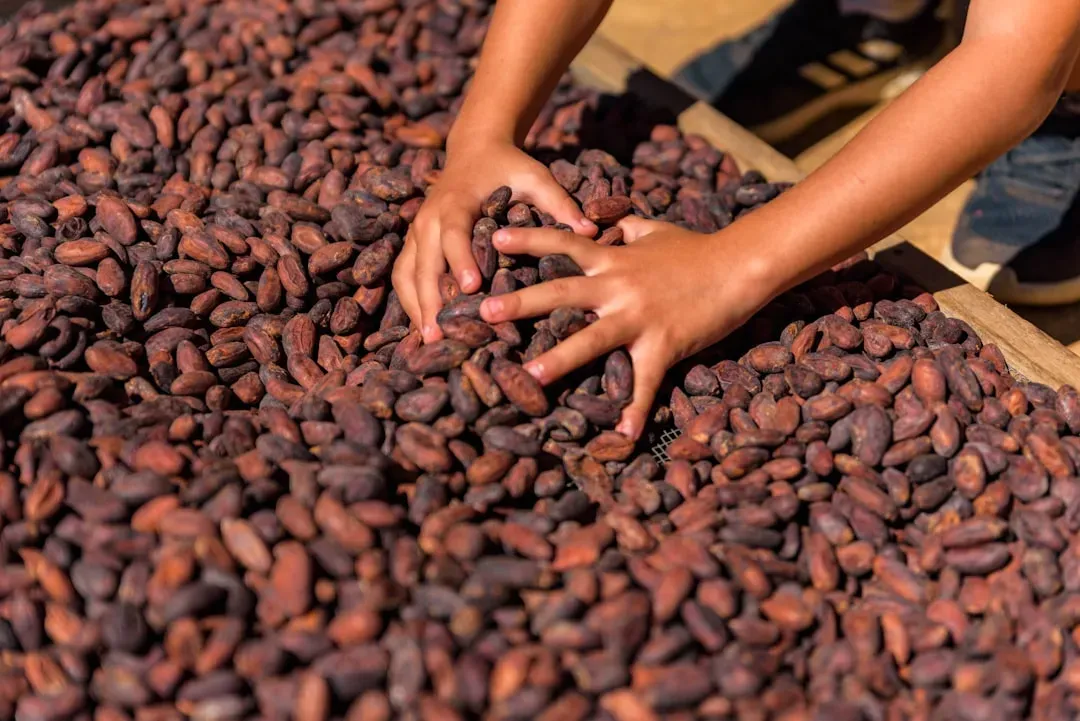
Chocolate is one of those foods people buy without thinking. It’s impulse, comfort, celebration. So when the cocoa market collapsed in 2024, most shoppers were caught completely off guard. I think a lot of people still don’t fully understand what happened or how bad it got.
In December 2024, cocoa prices reached an all-time high, surpassing $12,000 per metric ton, a staggering increase from around $2,000 in 2022, shaking up the chocolate industry as major companies began passing costs onto consumers. Global cocoa production declined by about one in seven during the 2023 to 2024 season, falling to 4.2 million metric tons from 4.9 million the prior year, largely due to reduced output in Côte d’Ivoire and Ghana, which together produce nearly sixty percent of the world’s cocoa.
Retail chocolate prices continued to feel the heat in 2026. In 2025, manufacturers passed on higher production costs to consumers, driving price increases of 25–30% on many popular products. Shrinkflation – reducing package sizes while keeping prices steady – also became a common tactic, further squeezing chocolate lovers’ wallets. The pressure traced back to a global cocoa shortage that caused costs to spike nearly 80% early in 2025, triggering widespread concern across the chocolate industry and leaving retailers and consumers grappling with tighter supply and higher prices well into the current year.
5. Coffee: Your Morning Ritual Is Getting More Expensive
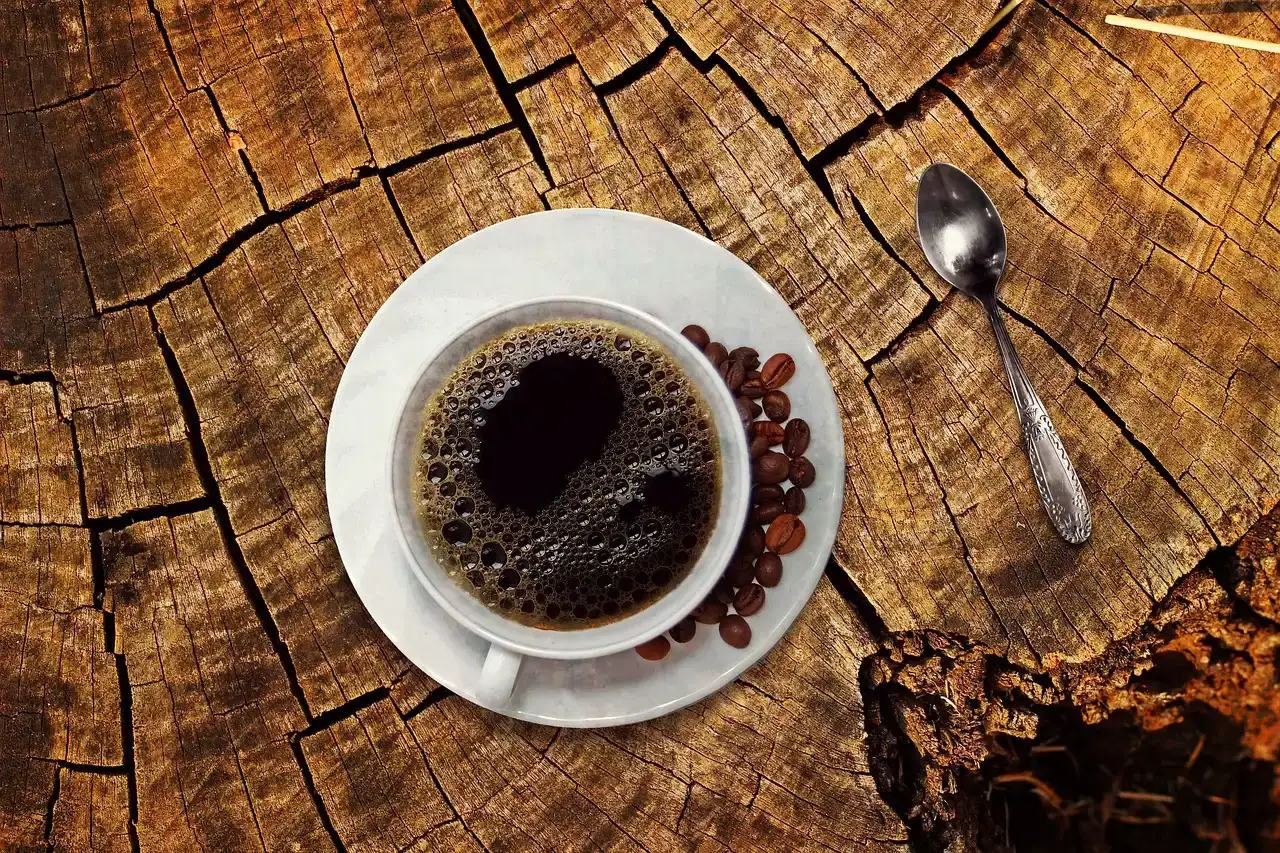
Coffee is the one thing most people refuse to give up no matter how tight money gets. It’s practically a cultural institution. Which makes it all the more painful that it’s become one of the most severely impacted beverages in recent history.
A pound of coffee beans grown in Latin America now costs a record-shattering $3 to $4, and the U.S. cannot produce enough coffee to support domestic consumption. The price of roasted coffee was 41 percent higher in September 2025 than in September 2024, according to the U.S. Bureau of Labor Statistics, with soaring prices in August caused in part by new tariffs on coffee exporters.
Arabica coffee averaged around $9 per kilogram in November 2025 – about 35% higher than the previous year – while Robusta hovered near $5 per kilogram. As production gradually recovers, particularly in Colombia, Arabica prices are now projected to drop roughly 13% in 2026, following a dramatic 50% surge in 2025. That means, for the time being, your morning cup of coffee is still feeling the pinch of last year’s global supply crunch.
6. Orange Juice: A Quiet Catastrophe in the Citrus World

Orange juice used to be the universally accessible breakfast drink. These days, it’s starting to feel like a luxury – and if you live in Florida, you probably know the story behind why better than most. It’s a slow-burning disaster that’s been building for years.
Average orange juice prices remain elevated in 2026, climbing roughly 28% since January 2025, according to NBC News tracking data. Supply chain pressures, weather-related impacts on citrus crops, and rising production costs continue to keep your morning glass pricier than in previous years. Orange juice prices have increased in recent years due to lower domestic citrus production related to citrus greening disease and hurricane damage, and some predict orange juice prices will rise even further following tariffs on Brazil.
Citrus greening, a bacterial disease spread by insects, has been devastating Florida’s orange groves for over a decade. There is no cure. The state that once defined orange juice production in the U.S. has seen its citrus industry shrink dramatically, and the gap left behind is enormous. Prices on coffee, orange juice, bananas and beef have all soared through 2025.
7. Ground Beef Specifically: The Everyday Staple Hitting Record Territory
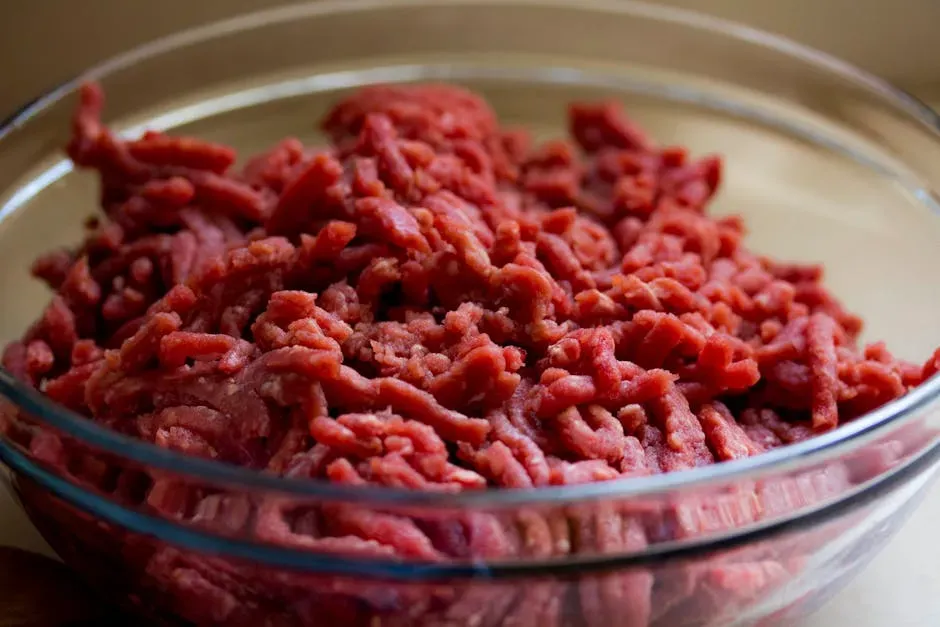
Let’s zoom in on ground beef in particular, because the numbers here are genuinely startling and deserve their own spotlight. It’s not just steaks and roasts. The stuff you put in tacos and spaghetti on a Tuesday night has become a serious budget concern.
Grocery store food prices increased from January 2025 to January 2026 with the product with the biggest jump being ground beef, which went up more than twenty-one percent. The price of ground beef and uncooked beef steaks rose by 11.5 and 12.4 percent respectively, both reaching record levels.
The primary factor is a severe supply shortage. By some metrics, the U.S. cattle herd is at its smallest level since 1951, because of multiyear droughts that increased feed costs, so ranchers are selling cattle rather than breeding them. Tariffs are also increasing the cost of imported beef, which is particularly impactful for products like ground beef because the U.S. primarily imports lean beef trimmings that get blended with domestically sourced beef.
8. Fresh Vegetables: A Category That’s Surprisingly Vulnerable
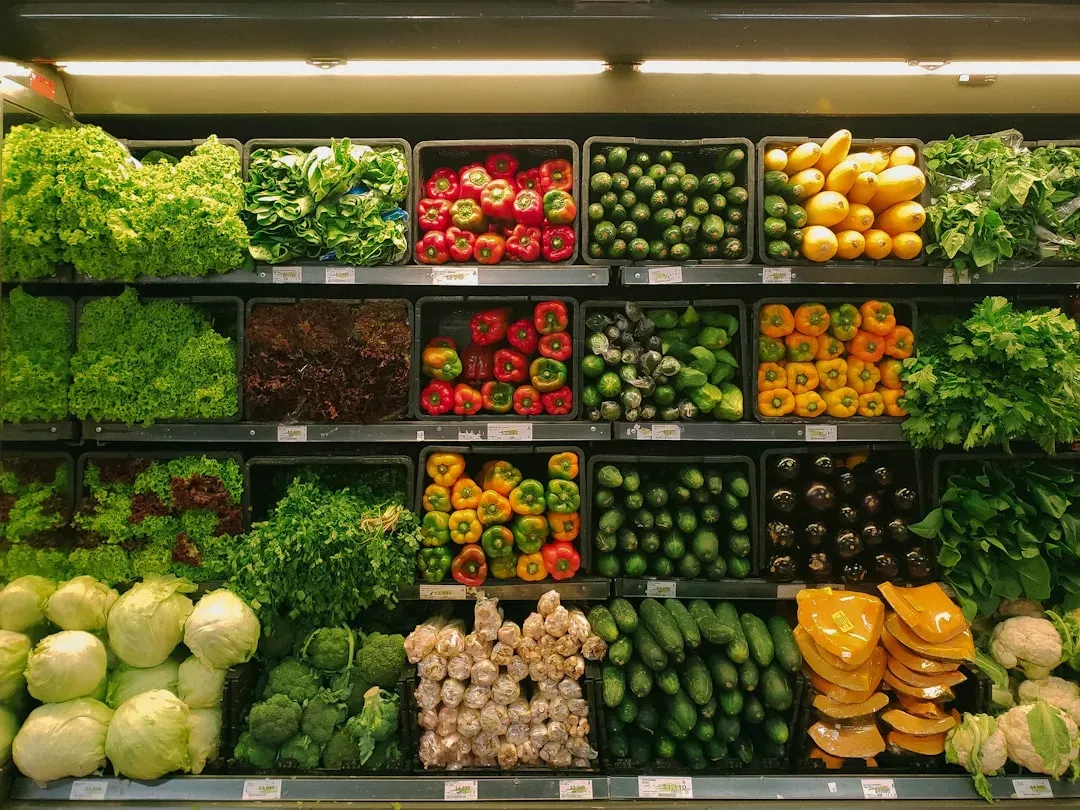
People often assume vegetables will be the safe, affordable fallback when other foods get too expensive. That assumption is getting harder to hold onto. Weather, labor costs, and climate disruptions are hitting produce in ways that aren’t always reflected in the headlines.
Vegetable prices can undergo large swings based on weather, production, seasonality, and other factors. Farm-level vegetable prices are predicted to increase roughly six percent in 2026. While that may not sound catastrophic in isolation, it comes on top of years of cumulative price increases.
In September 2025, prices for many fruits and vegetables were up, with apples rising more than five percent, bananas rising nearly seven percent, and lettuce up more than four percent. It’s hard to say for sure where produce prices are headed long-term, but the combination of climate volatility and rising input costs doesn’t exactly point downward. From 2020 to 2024, the all-food Consumer Price Index rose nearly a quarter, a higher increase than the all-items CPI over the same period.
9. Butter and Dairy Products: Creeping Up Quietly
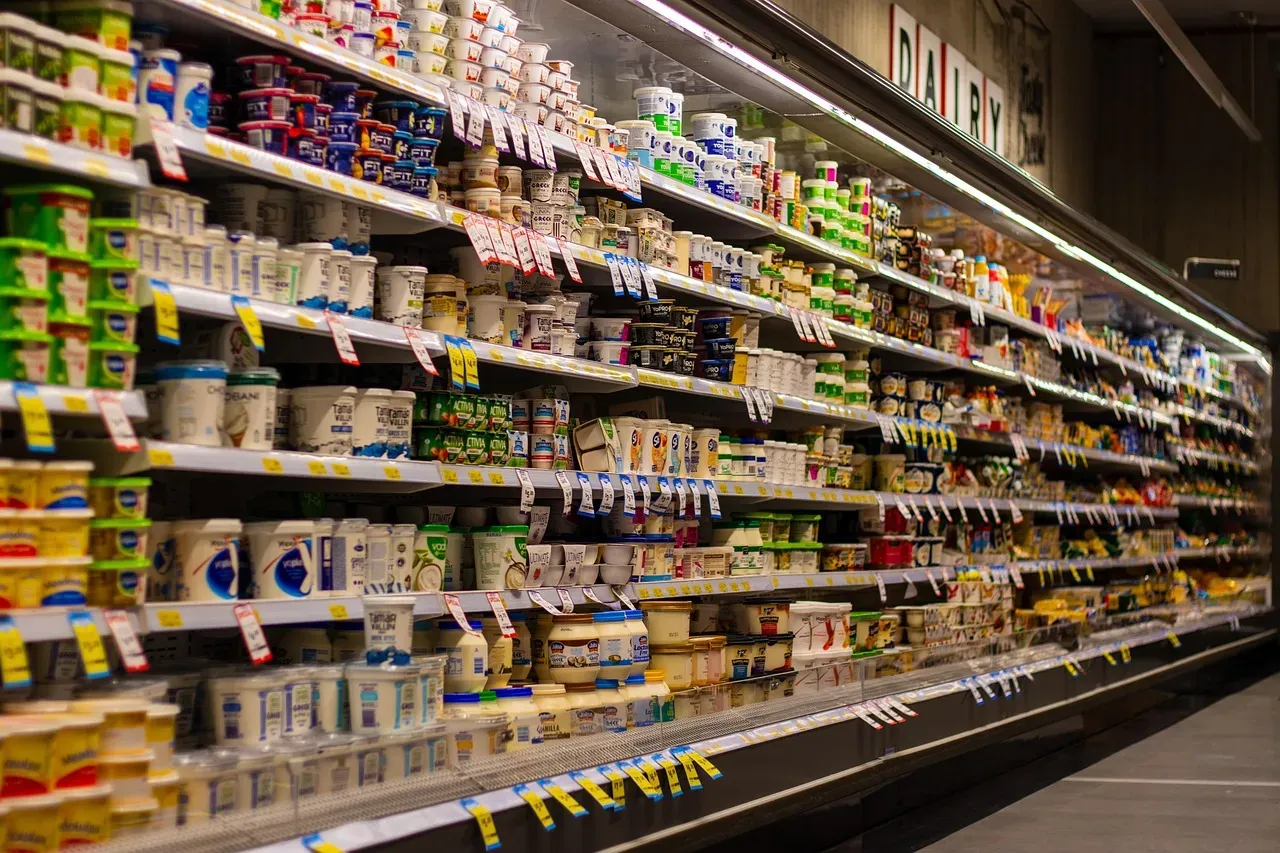
Dairy doesn’t make the same dramatic headlines as beef or eggs. It doesn’t have a bird flu crisis or a drought narrative to anchor the story. Instead, it just keeps getting a little more expensive, month after month, in a way that adds up without you really noticing until you look back.
Prices for farm-level milk fell in 2025 as U.S. milk production increased, but they are predicted to increase by nearly seven percent in 2026. The avian influenza outbreak among dairy cattle is exacerbating existing labor shortages in the dairy industry, which is heavily dependent on immigrant workers, while tariffs and rising fertilizer costs add further pressure.
Butter in particular is a product where you feel every penny. It goes into baking, cooking, everyday meals. Farm-level milk prices fell in 2025 as U.S. milk production increased, but prices are predicted to increase by nearly seven percent in 2026, with significant uncertainty in that forecast. That uncertainty alone is enough to give home cooks and bakers pause.
10. Cereal and Bakery Products: The Affordable Staple Under Threat
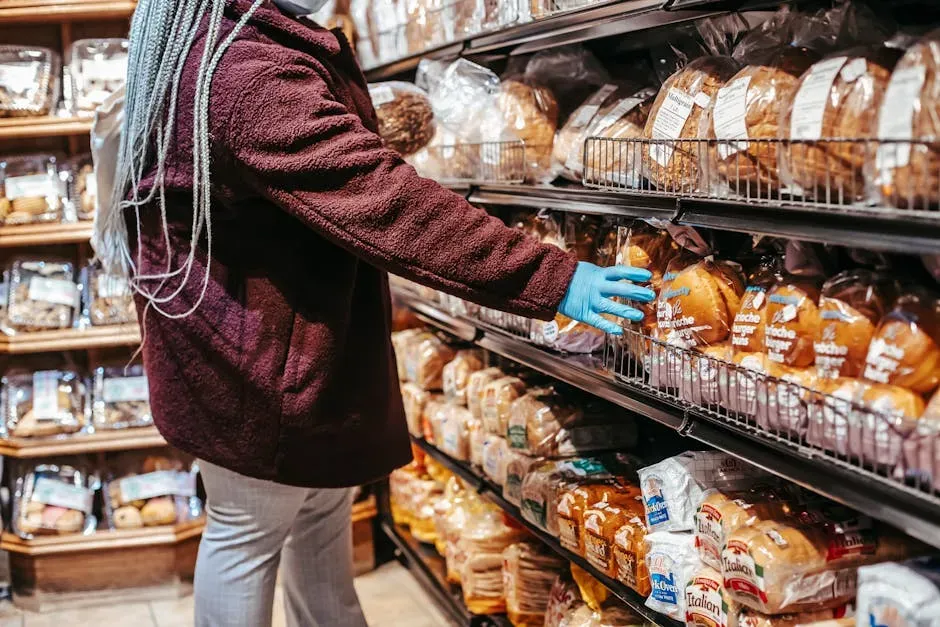
For many households, bread and cereal are the last line of defense against an expensive grocery bill. They’re filling, they’re practical, and they’ve historically been among the most stable food categories. That reliability is now being tested in ways that matter a great deal to lower-income families.
Cereals and bakery products rose roughly three percent from January 2025 to January 2026, according to the Bureau of Labor Statistics. The war in Ukraine continues to affect global food exports. Ukraine historically accounted for nine percent of the global wheat market and twelve percent of the corn market, according to the USDA.
In 2023, households in the lowest income quintile spent an average of more than $5,000 on food, representing nearly a third of their after-tax income. When bread prices go up, it is not an inconvenience for those families. It is a genuine hardship. A variety of food imports are impacted by tariffs, and these will likely lead to higher food prices for consumers, adding yet another layer of pressure to a category that was supposed to be the budget-friendly option.
The Bigger Picture: What Does This All Mean?
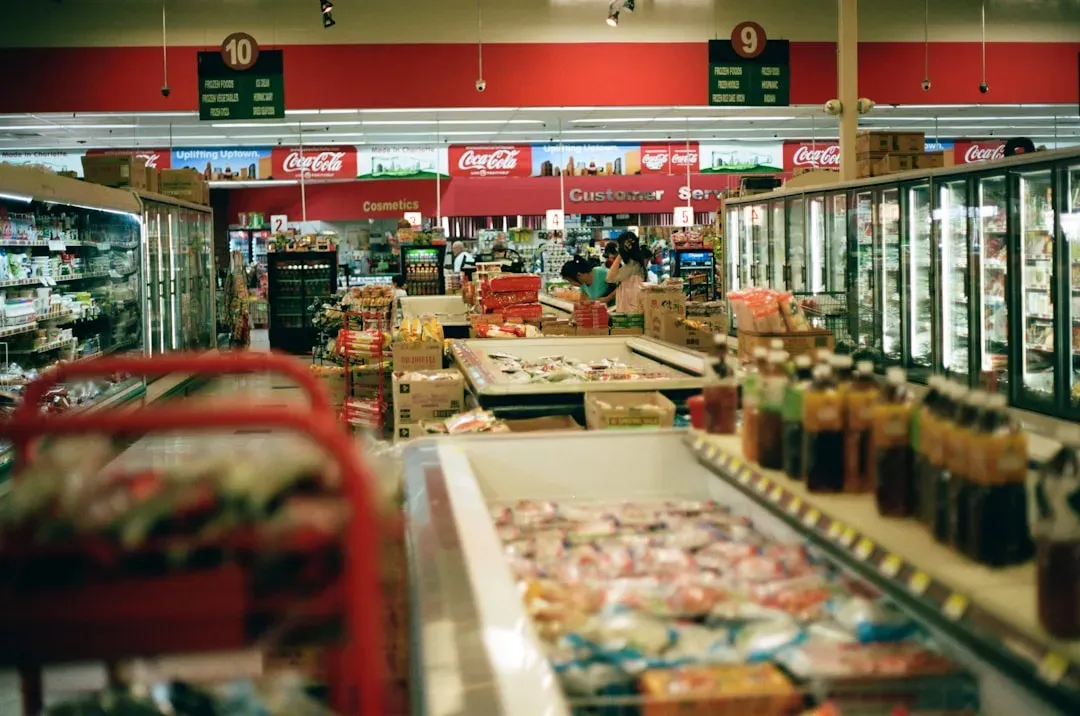
Looking across all ten of these foods, a pattern becomes clear. Climate disruption, disease outbreaks, geopolitical conflict, trade policy, and shrinking domestic production are all converging at the same time. None of these problems appeared overnight, and none of them will disappear quickly.
Grocery prices have been on the rise for most of the past six years, as supply chain bottlenecks, the war in Ukraine, and profit-taking have put a strain on consumers’ wallets. U.S. food-at-home prices increased twenty-four percent between January 2020 and January 2023 alone. The cumulative effect of those increases is real, and many Americans are still adjusting to the new normal.
What’s perhaps most striking is how ordinary these ten foods are. We’re not talking about specialty imports or exotic ingredients. We’re talking about eggs, beef, coffee, bread, and orange juice. The building blocks of daily life. If these trends continue, the phrase “eating well on a budget” is going to require a whole new definition. What do you think – which of these foods would you find hardest to give up? Tell us in the comments.