
Something quietly remarkable is happening in grocery store aisles right now. Snacks you thought had vanished forever, treats you probably mourned in group chats or randomly brought up at dinner, are coming back. Some are slightly different. Some are almost exactly the same. All of them hit you right in the gut with a wave of memory the moment you see them.
In the food industry, nostalgia sells. Songs can stump you after a few notes, but for flavors and aromas, no identification app is required. One whiff and you’re right back in childhood. That’s the real reason this trend has exploded, and the brands behind it are counting on exactly that reaction. Let’s dive in.
Table of Contents
The Nostalgia Economy Is Very Real, and Very Profitable
Let’s be real. This isn’t just about fun packaging or a feel-good campaign. There is serious money behind the nostalgia snack wave, and brands know it. Childhood favorites are making a comeback, this time with a modern twist. According to Nestlé, roughly seven in ten U.S. consumers say they enjoy products that remind them of their past.
An Innova Market Insights survey found that the vast majority of consumers say familiar or comforting flavors most influence their choices. Nostalgia also plays an outsized role in innovating healthier snacks, with “retro vibe” and “healthful indulgence” now recognized as real snack categories.
A full seven in ten consumers report that brands using nostalgia come across as more genuine and trustworthy. This is huge in a digital world where audiences are constantly skeptical. Nostalgic messaging tells people, “We remember what mattered to you,” and that builds real emotional equity.
Altoids Sours Are Back, Sort Of, and People Went Wild
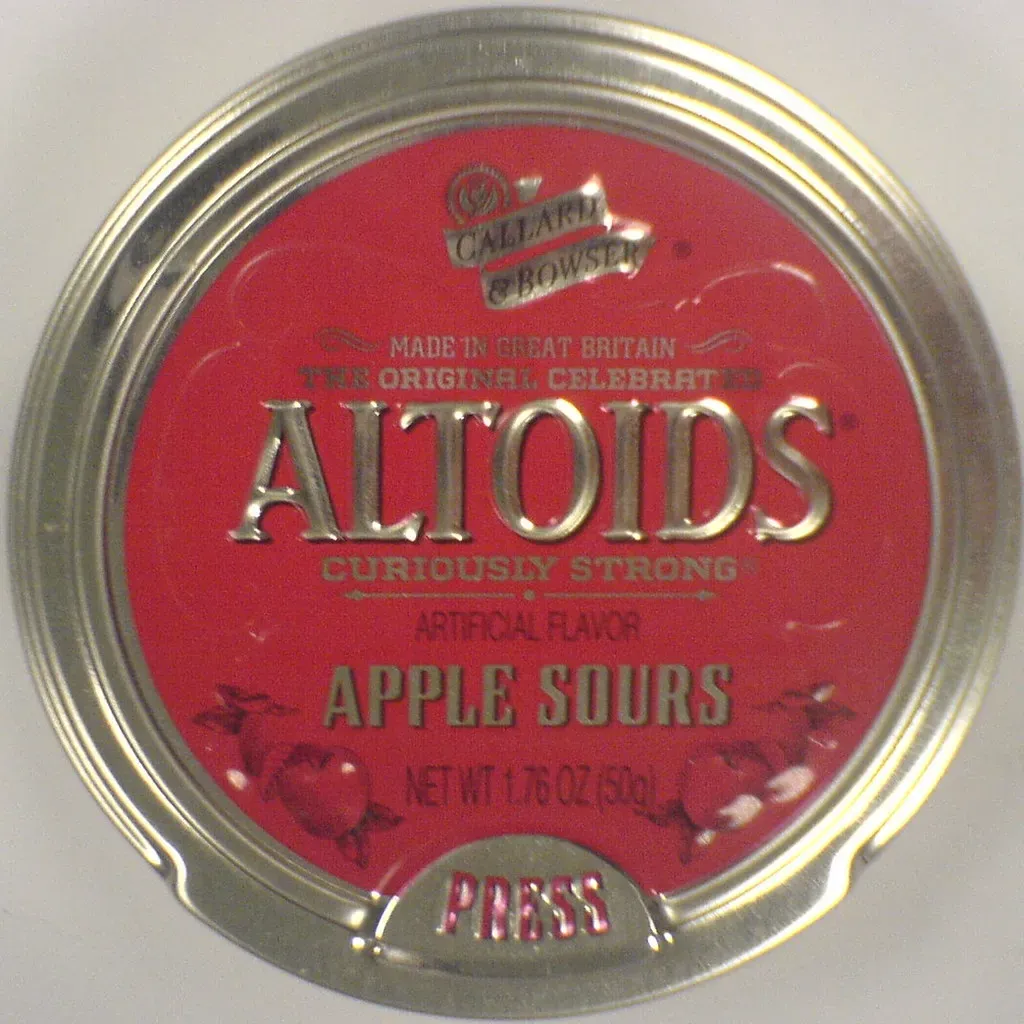
Honestly, few discontinued snacks have inspired as much grief as Altoids Sours. The sour candies initially hit the market in 2001 and remained a mainstay on candy aisles for nine years until their eventual discontinuation in 2010. For nearly a decade and a half after that, fans were absolutely relentless about wanting them back.
Some fans even attempted to sell the discontinued candy for thousands of dollars on resale sites like eBay. A 2019 Change.org petition titled “Bring Back Altoids Mango Sours” has more than 1,000 signatures, and a search on the site reveals there are 34 petitions dedicated to the candy’s return. That is the kind of loyalty that makes a food brand take notice.
In August 2024, Iconic Candy, a company that specializes in reviving vintage candies, announced it would be releasing a new candy called Retro Sours in three flavors: citrus, tangerine, and mango. The candy is reminiscent of, though not officially the same as, the now-defunct Altoids Sours. Iconic Candy’s Retro Sours were stocked at It’Sugar locations and made available at Cracker Barrel shortly after. The online response was nothing short of explosive, with all three flavors selling out on the website within minutes.
Dunkaroos and the Power of the 90s Cookie Comeback
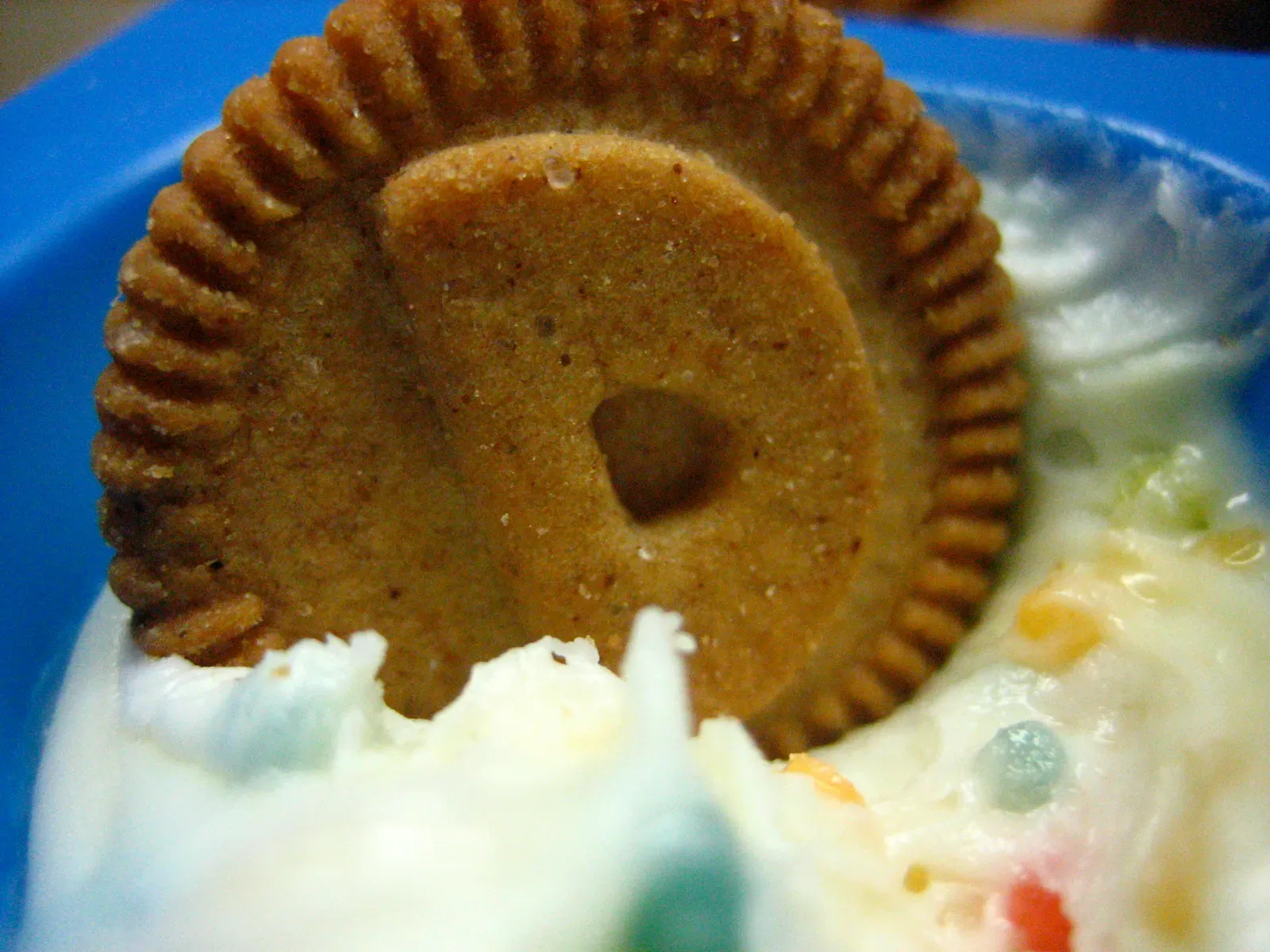
If you were a 90s kid, you know exactly what Dunkaroos meant. That little tub of frosting with the kangaroo on the box. The joy of dragging a tiny cookie through rainbow-sprinkled vanilla frosting felt almost ceremonial. In 2020, General Mills reintroduced the popular Dunkaroos, a beloved 90s snack consisting of a vanilla cookie with vanilla frosting and rainbow sprinkles. The announcement sparked plenty of excitement from Millennials looking forward to reliving their 90s memories.
Dunkaroos are also available with a yogurt cup instead of frosting for those who want a healthier option, and the official website even features 90s-inspired branding and graphics. That’s a smart move, updating just enough to feel modern without erasing what made the original so beloved.
It’s almost poetic how a cookie-dipping snack designed for children became one of the most talked-about food relaunches in recent memory. According to a survey from Let’s Chat Snacks, more than three quarters of people aged 22 to 55 love to eat things that remind them of their past. Dunkaroos’ return proved that statement correct in real time.
Oreo Cakesters, Golden Returns, and the Soft-Baked Saga
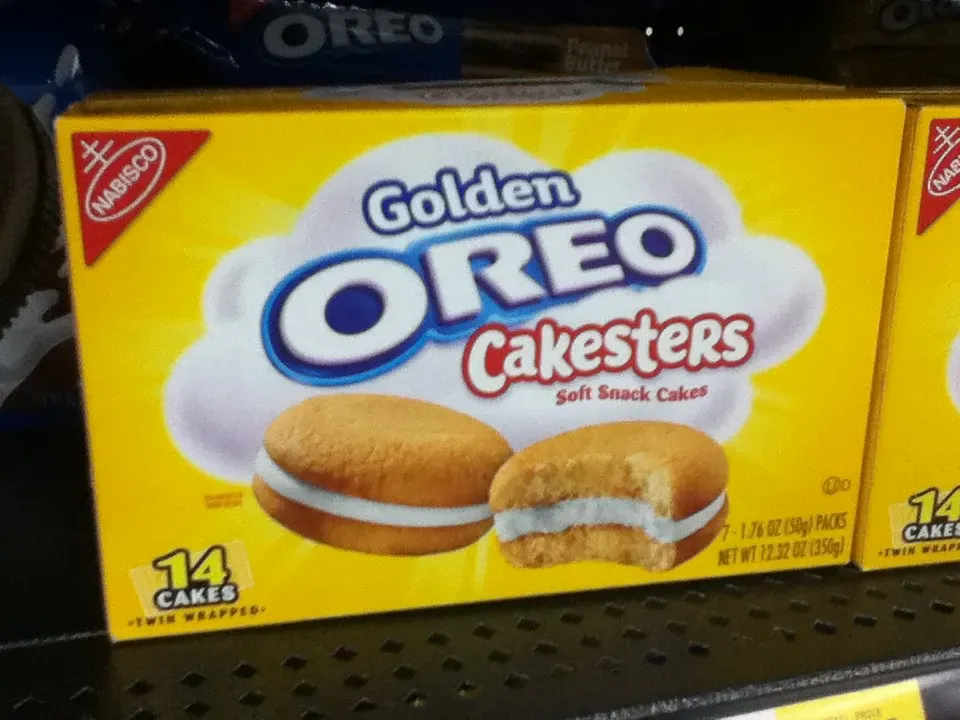
Oreo Cakesters are a soft-baked snack cake with a creme-filling center. They originally came out in 2007 and were discontinued in 2012. The chocolate version returned in 2022 and was joined by a peanut butter variety. For anyone who remembers tucking one of those pillowy sandwich cakes into a lunchbox, this felt like a small miracle.
Here’s the thing about Cakesters. They weren’t just a snack. They felt like a reward for surviving a school day. Snacks have a magical way of transporting us back in time, and the current wave is bringing some beloved classics back with a modern twist. Throwback snack flavors like PB&J protein bars and artisanal takes on childhood favorites like fruit roll-ups with real fruit puree are now appearing across shelves.
Flavors reminiscent of childhood, such as cinnamon rolls, churros, and cola, are making a broader comeback across the sweet snacking category. The soft-baked snack resurgence is part of a much bigger pattern: people want texture, familiarity, and a little dose of the past when they reach for something indulgent.
Gen Z Is Driving Nostalgia for Eras They Never Even Lived
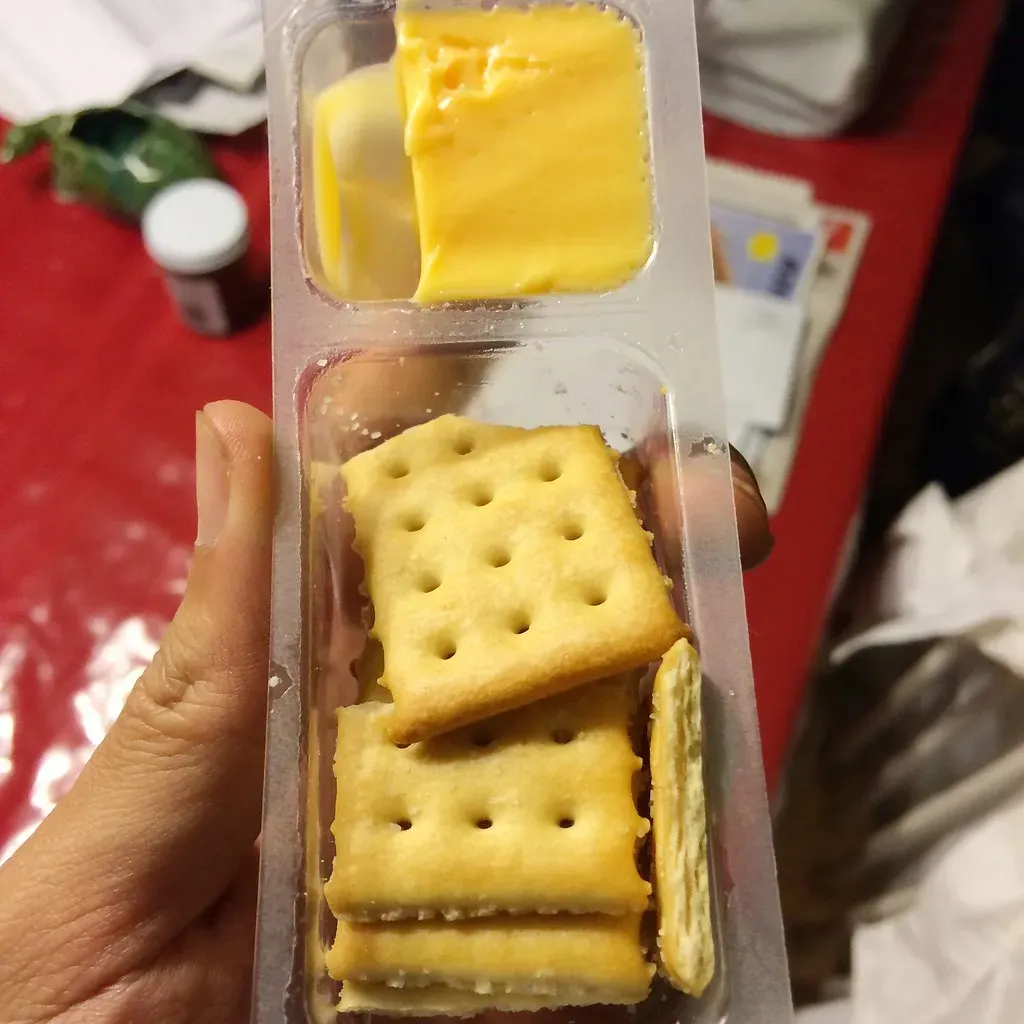
Here is something genuinely fascinating. A significant chunk of the nostalgia demand isn’t coming from people who actually grew up with these snacks. This resurgence is being driven by Gen Z, a generation that has not experienced these eras firsthand. Growing up alongside the internet, they are now drawn to disposable film cameras, thrifting, 80s music, and 90s snacks.
According to Datassential, roughly three quarters of Gen Z reportedly snacks at least once per week, with a notable portion indulging multiple times per day. That is more frequent snacking than any other generation. They are also the consumers most likely to share a snack discovery on TikTok, which acts as an accelerant for any nostalgic product launch.
Research published in the Journal of Global Marketing found that Gen Z’s willingness to pay, when induced by nostalgia, jumps to roughly a quarter more for nostalgic brands compared to non-nostalgic ones. That is not a small margin. It means brands relaunching vintage snacks have a real pricing advantage, not just a marketing gimmick.
The Modern Twist: Healthier Recipes, Same Emotional Hit
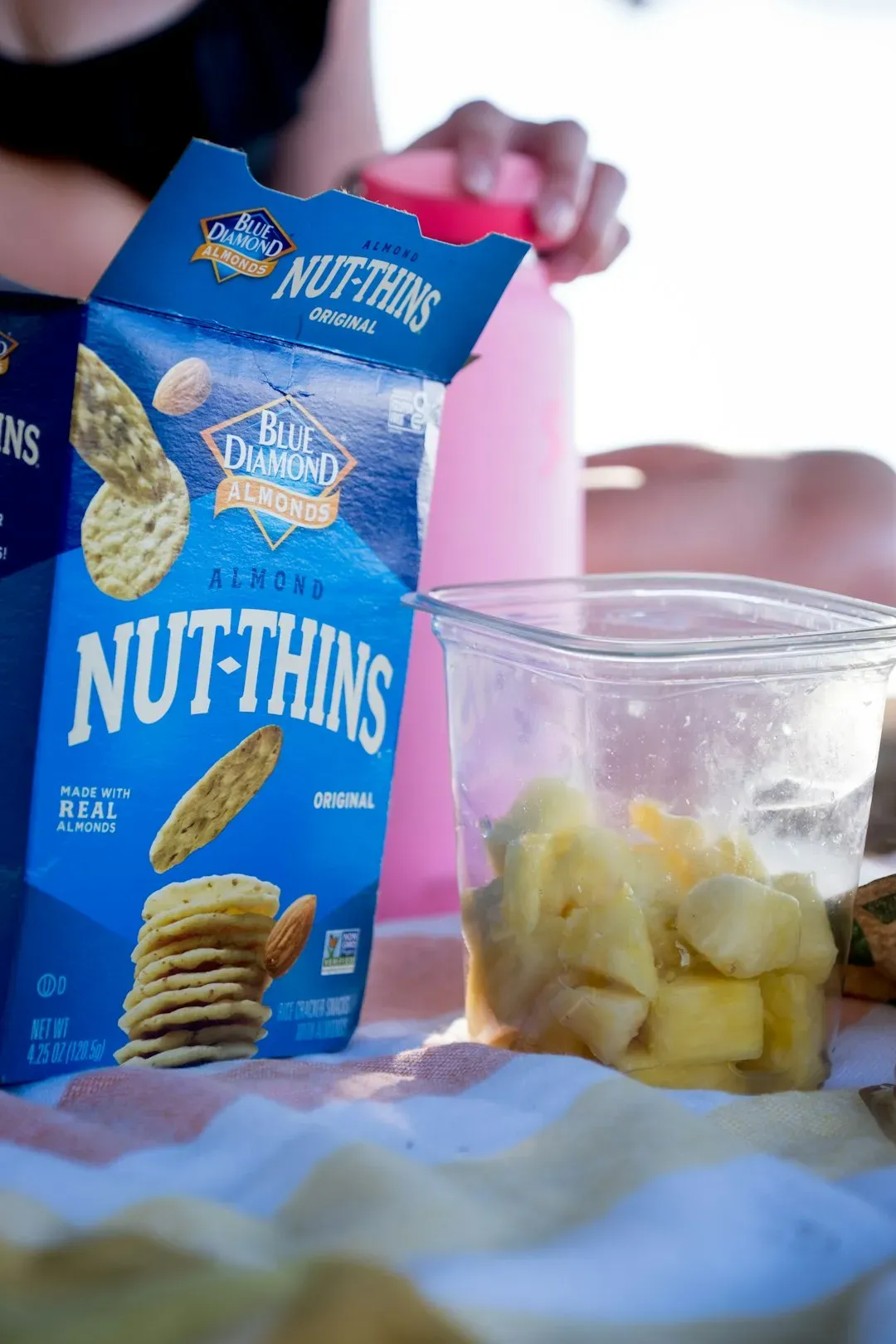
Snack brands are tapping into consumer nostalgia by reimagining beloved treats with a healthier spin. While many of these childhood snacks once featured less-than-healthy ingredients, today’s versions are crafted with more wholesome, modern options. For instance, Magic Spoon provides a healthier alternative to Froot Loops, while PeaTos offers a nutritious option in place of Funyuns.
It’s a delicate balancing act, honestly. You want the memory intact, but you also want to feel okay about eating it as an adult. While health-conscious adaptations are welcomed, they must still deliver the same satisfying taste consumers associate with their childhood favorites. Nostalgia demands authenticity, and that starts with flavor. Brands that fail to nail the taste while adding the health halo tend to disappoint quickly.
For Millennials especially, the opportunity lies in “Newstalgia,” reviving discontinued classics with updated, cleaner ingredients that parents feel good about sharing with their children. Think of it like restoring a vintage car. You keep the iconic silhouette and the original engine roar, but you swap in a cleaner fuel system. By giving nostalgic snacks a gourmet upgrade, companies are appealing to both nostalgic snackers and adventurous foodies looking for something familiar yet elevated.
Conclusion: The Snack Aisle Has Become a Time Machine
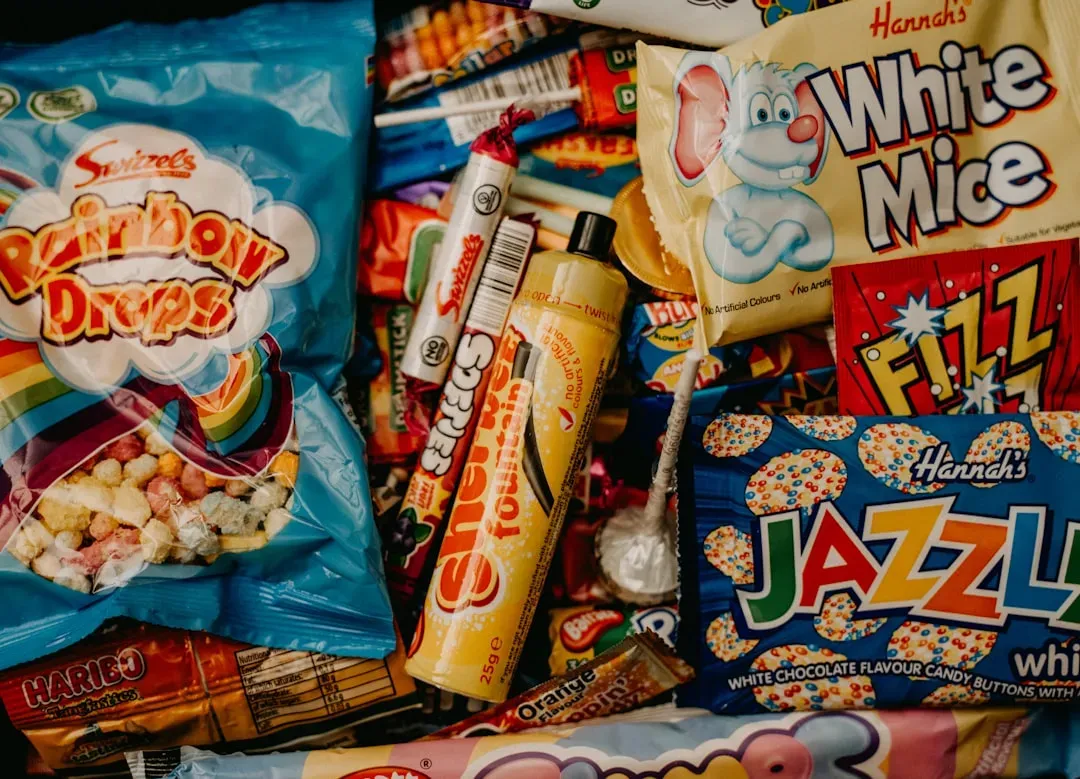
Something about the current moment, with its economic uncertainty, information overload, and constant digital noise, is pushing people toward comfort. Food is one of the fastest routes to that feeling. For both Millennials and Gen Z, nostalgia acts as a psychological buffer in turbulent times. Economic precarity, climate anxiety, and global instability have defined much of their formative years. Studies show that nostalgia enhances mood, increases optimism, and fosters social cohesion.
The snack industry has clearly figured this out. Confectionery sales surpassed $55 billion in 2025 and are expected to reach more than $62 billion by 2030, and nostalgia-driven relaunches are playing a meaningful role in that growth. The nostalgia factor can even influence current consumer behavior, leading to social media campaigns and online petitions aimed at bringing back favorite treats, and discontinued snacks serve as a reminder of how tastes, trends, and markets change.
The best part is, there’s more to come. Iconic Candy has built an entire business model around reviving forgotten treats. Major food corporations are monitoring social media petitions with one eye and product development spreadsheets with the other. Nostalgia tends to move in roughly 30-year cycles, and researchers at Mintel suggest the next wave will focus on the years before the COVID pandemic – the “before days.” In other words, if your favorite snack disappeared sometime between 2010 and 2020, it might just be next in line. What snack from your childhood do you most want to see come back? Drop it in the comments.