
Something interesting is happening in kitchens and restaurants all over the world right now. People are reaching back. Not for the newest superfood or the trendiest fusion dish, but for the classics. The foods their grandparents made. The dinners that used to smell up the whole house. The snacks they haven’t thought about in years, until suddenly they couldn’t stop thinking about them.
The National Restaurant Association’s 2026 What’s Hot Culinary Forecast, based on insights from hundreds of culinary professionals surveyed in October 2025, reveals that nostalgia, comfort, and “flavor escapism” are defining consumer desires in 2026. Honestly, it makes total sense. When the world gets chaotic, we tend to reach for the familiar. Many consumers in 2026 are romanticizing the past as a refuge from a “volatile and artificially intelligent world,” according to Mintel in a trend report, and as a result, shoppers are flocking toward heritage brands and recipes seen as reliable. So let’s get into it – ten retro foods that are staging a very real, very delicious comeback.
Table of Contents
1. Prawn Cocktail: The Ultimate Dinner Party Throwback
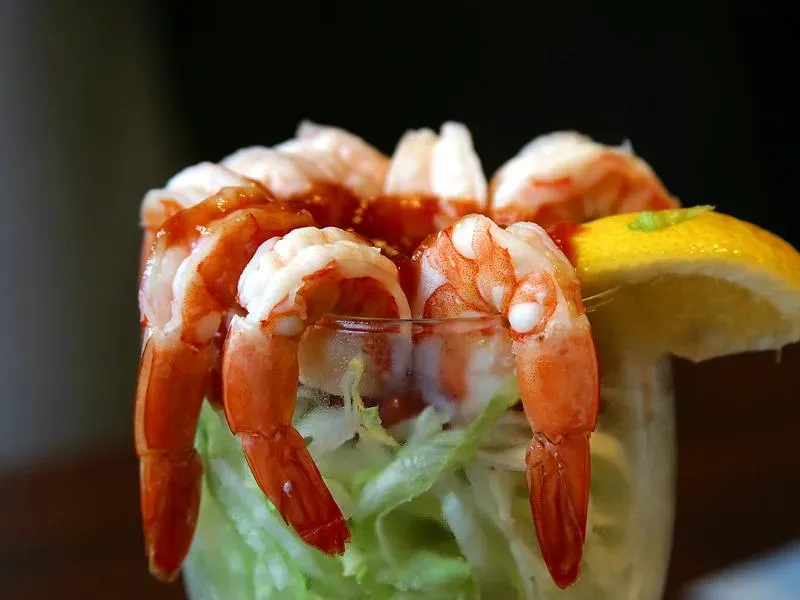
Few dishes scream “1970s dinner party” quite like a prawn cocktail, served in a glass coupe with a generous swirl of pink Marie Rose sauce. It felt hopelessly dated for decades. Yet here we are in 2026, and it’s back on menus at some seriously respected restaurants.
Traditional and nostalgic meals are making a comeback, particularly in the UK, with diners craving the likes of prawn cocktail, beef and ale stew, and shepherd’s pie, according to a survey by restaurant booking platform OpenTable. Bob Bob Ricard’s three London restaurants specialise in high-end versions of retro dishes, with prawn cocktail a menu stalwart, while at The Dover, a New York Italian-style fine-dining spot in London, the prawn cocktail comes spiked with horseradish.
I think the beauty of the prawn cocktail’s comeback is that chefs aren’t just reheating the past. They’re giving it a glow-up. Gen Z diners are championing retro comfort classics like bangers and mash and prawn cocktails as dishes they’d love to see on menus of restaurants in 2026, according to OpenTable. When Gen Z wants something, the food world listens fast.
2. Beef Tallow: The Cooking Fat That Changed Everything

Here’s the thing: fries used to taste better. Not because nostalgia distorts memory, but because they were cooked in beef tallow. Then the 1990s arrived, seed oils took over, and a generation of diners grew up not knowing what they were missing.
For most of the 20th century, American restaurants cooked with animal fats, especially beef tallow. In the 1990s, seed oils took over almost overnight. Today, beef tallow is quietly but steadily coming back, with burger joints frying in it again, chefs using it for roasting and sautéing, and new brands selling beef tallow fries, chips, and cooking fats directly to home cooks.
Beef tallow is also popular in US chains, with Steak ‘N Shake, Outback Steakhouse, and select Popeyes’ locations eschewing seed oils in favour of tallow. Tallow’s comeback is a reminder that sometimes the best innovations come from revisiting the past, and in 2026, this ancestral fat is poised to take center stage as a celebration of tradition, sustainability, and flavor.
3. Shepherd’s Pie: Comfort Food Royalty Returns
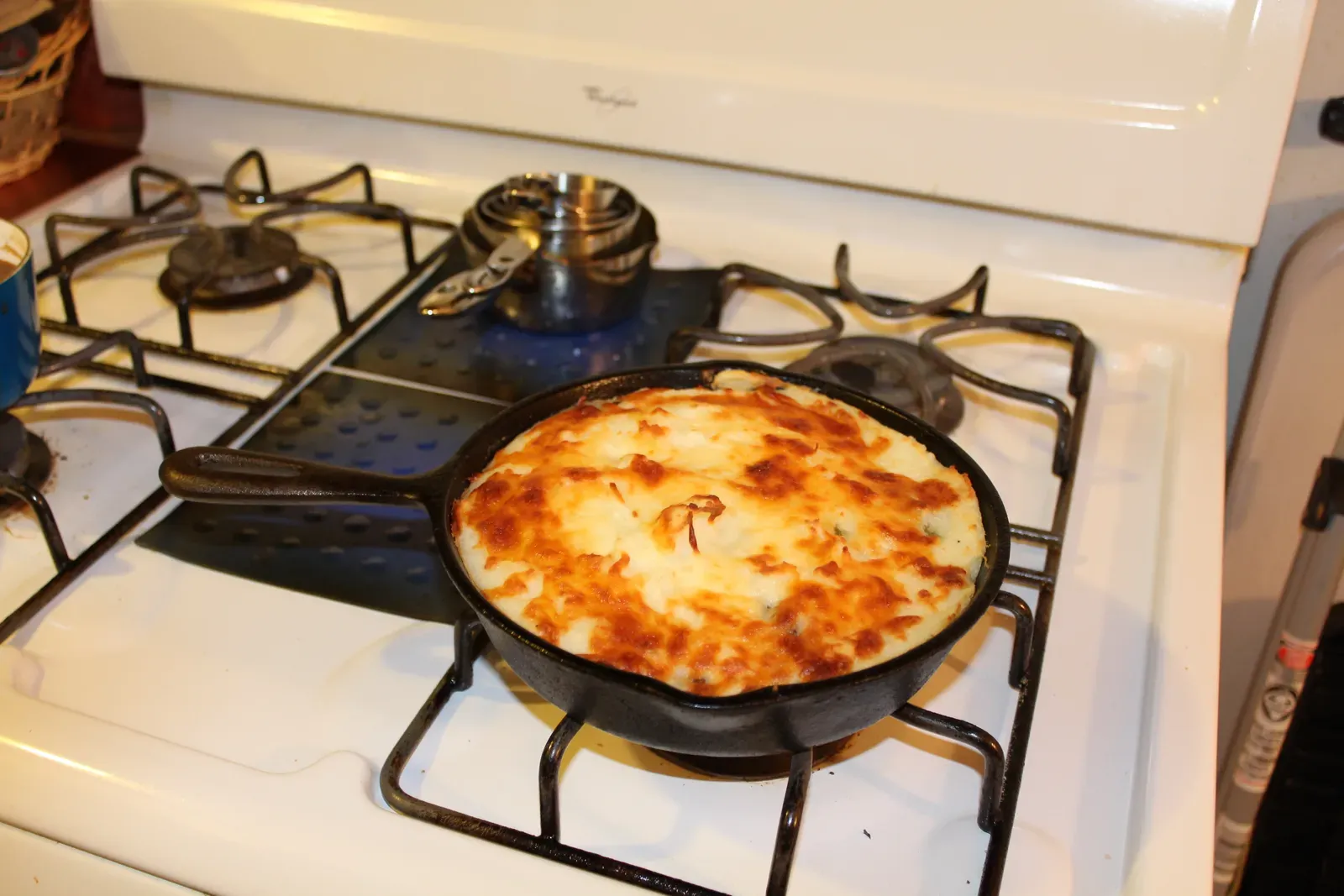
Shepherd’s pie is one of those dishes that never really went away at home, but it definitely fell off restaurant menus for a long time. Too simple, people said. Too brown. Too British. Well, that was then.
Traditional and nostalgic meals are making a comeback, particularly in the UK, with diners craving the likes of shepherd’s pie, according to a survey by restaurant booking platform OpenTable. Expect childhood classics like shepherd’s pie elevated with artisanal cheeses, heritage meats, and global seasonings. The humble pie is getting a serious wardrobe change.
Shepherd’s pie with a miso-butter mash and roasted root vegetables sits at the crossroads of modernized comfort food and regional sourcing. Comfort food searches have grown by roughly 40 percent on Google since 2020, proving nostalgia sells. That kind of numbers don’t lie, especially when a dish is as universally beloved as this one.
4. Mac and Cheese: America’s Favorite Gets Elevated
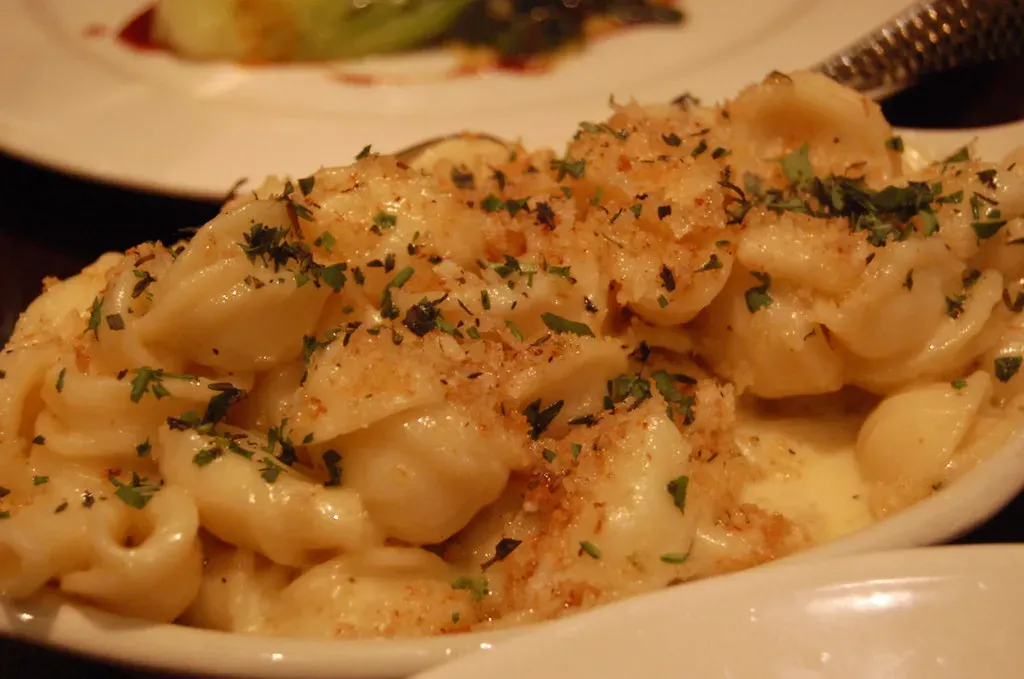
Mac and cheese never truly disappeared, but there is a distinct difference between the boxed version you ate at age seven and what chefs are doing with it in 2026. The gap between those two things is where all the excitement lives right now.
Retro dishes are seeing a return at home too, with Synergy observing that traditional foods are popular as ready meals and that nostalgic, comforting dishes like mac and cheese have surged in popularity. A luxe mac and cheese with truffle oil, or a slow-braised beef stew with unexpected add-ons, speaks to both heart and palate. That’s the winning formula in 2026 – memory meets sophistication.
Reinventing old favorites like mac and cheese with premium ingredients appeals to diners seeking emotional connections through food that reminds them of home. Honestly, is there a more comforting dish on the planet? I don’t think so. The trick is making it feel worthy of a grown-up table.
5. Vodka Sauce: The Italian-American Classic That Exploded Back
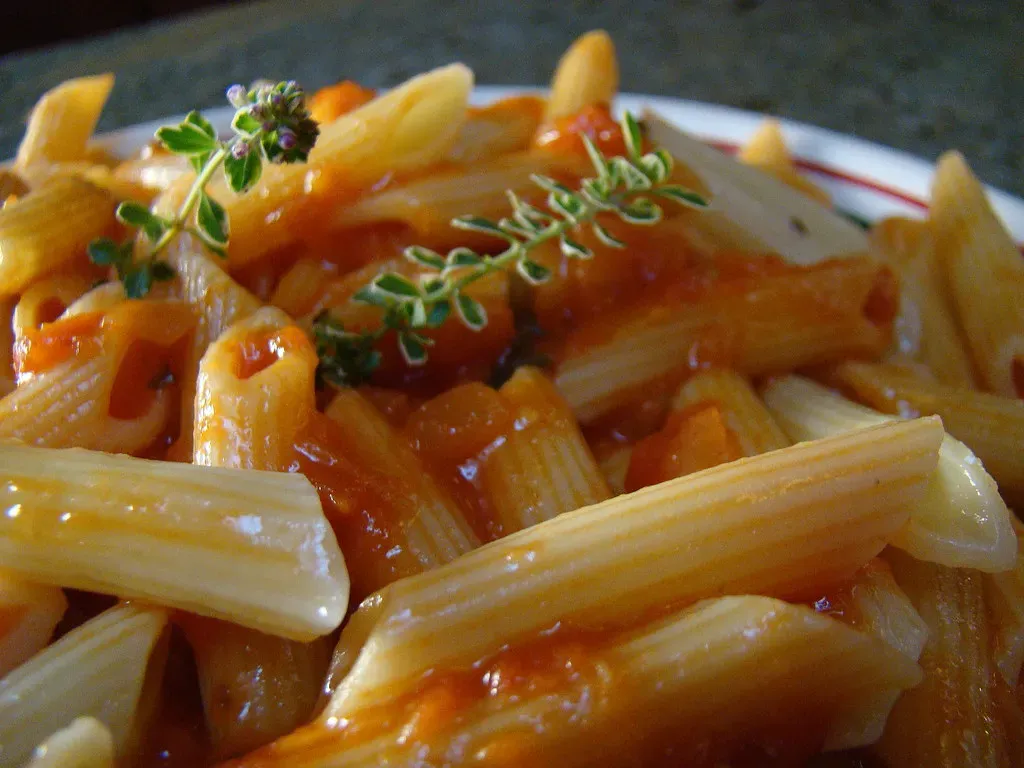
If you grew up eating penne alla vodka at Italian-American restaurants in the 1980s and 90s, you already know what all the fuss is about. The rest of the world is catching up fast. This sauce, creamy and slightly punchy, is having its biggest moment in a generation.
Vodka sauce has grown by 202 percent over four years, according to Datassential Menu Trends, and that’s not a fad but a fundamental shift in how consumers think about familiar flavors. The winning sauce that nearly three quarters of consumers who have tried it like or love is back, with the “newstalgia” trend pushing vodka sauce onto chicken sandwiches, Korean rice cakes, and even french fries.
Younger consumers are discovering vodka sauce for the first time, and the creamy, slightly tangy flavor is proving incredibly versatile. Anywhere you’d use marinara, vodka sauce can add an unexpected twist. It’s the rare retro food that doesn’t just appeal to people who remember it, but is winning over an entirely new generation too. That’s a genuine comeback.
6. Rotisserie Chicken: The Simple Bird Has Its Moment
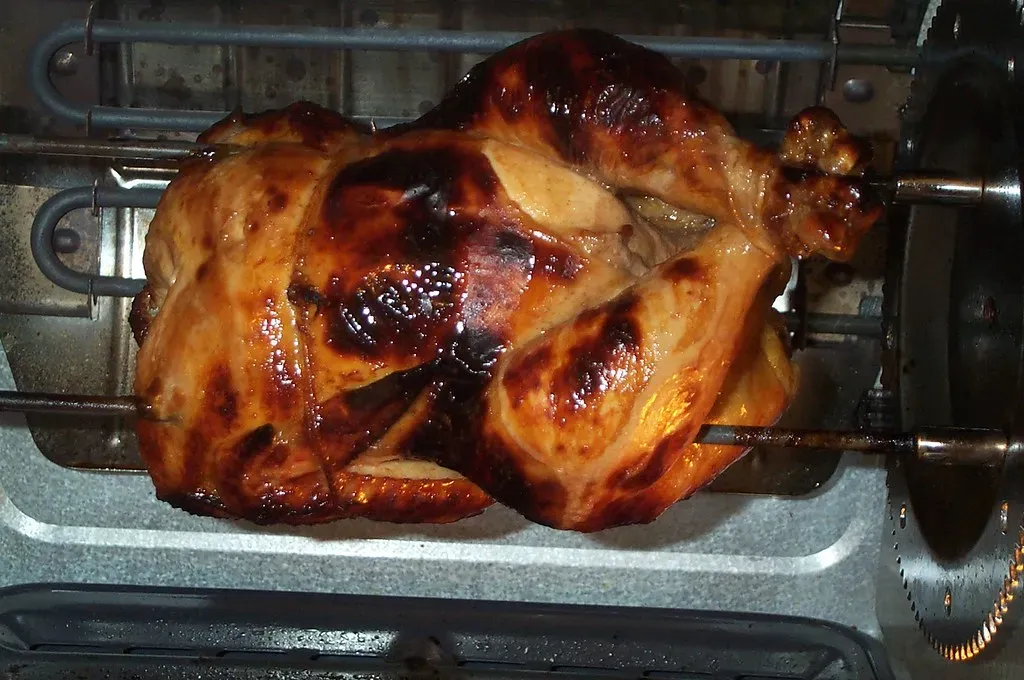
There’s something almost meditative about a slowly rotating chicken, skin crisping up over a heat source, filling a room with an aroma that could stop anyone in their tracks. It’s one of the oldest cooking methods in existence. In 2026, it’s also one of the hottest restaurant trends.
Said to have originated in Peru in the 1950s, rotisserie chicken was originally favoured by the upper classes before being relegated to the hot food section of supermarkets. Its ongoing renaissance has gathered fresh momentum, with the dish popping up at London restaurants including Story Cellar and Toum. In New York, Poulet Sans Tête has proved so popular as a takeaway it’s opened a dine-in branch on the Upper West Side, while Williamsburg saw the opening of Johnny’s, a chifa restaurant specialising in pollo a la brasa with aji verde.
British cuisine is taking off more broadly, with items like bangers and mash, Scotch eggs, and meat pies on menus at trendy restaurants including Wilde’s in Los Angeles, Little Beast in Seattle, and New York City’s soon-to-open Dean’s. Rotisserie chicken fits right into this wave of no-fuss, high-skill cooking that tastes like home – but better than you remember.
7. The Smash Burger: A Retro Staple Reborn For a New Era
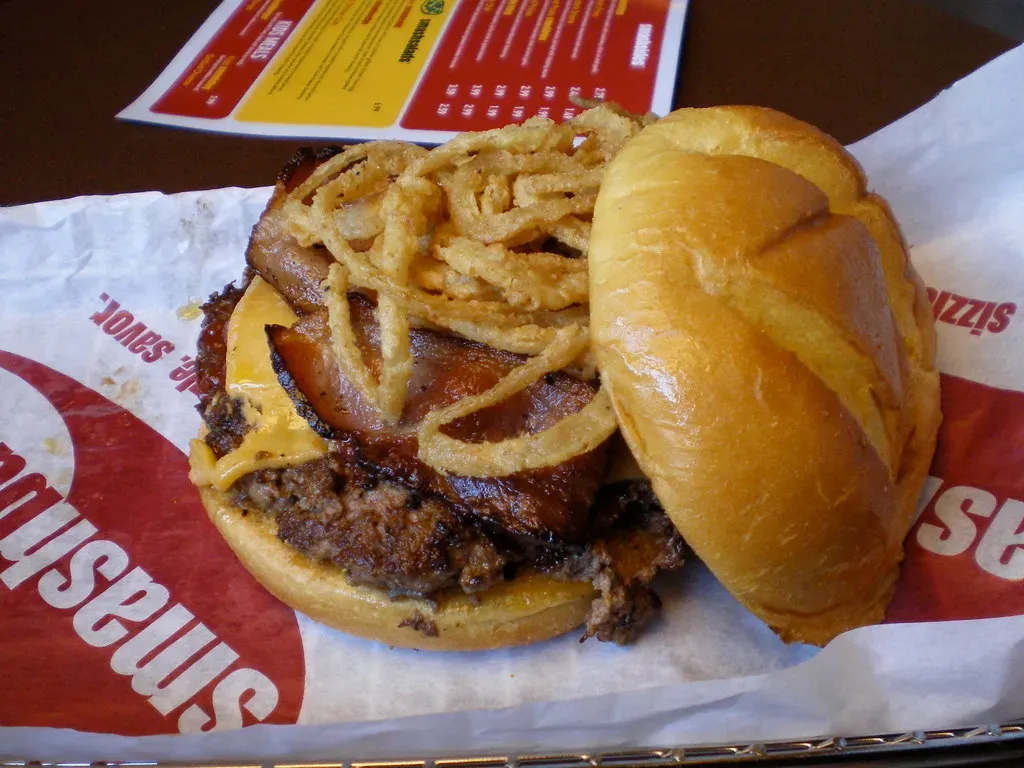
The smash burger isn’t exactly ancient history, but it is a throwback to a simpler, greasier, more glorious era of American diner culture. And right now, it’s the burger that everyone from food critics to TikTok foodies simply cannot stop talking about.
Social media is turning the smash burger – once a nostalgic staple – into a tempting item that appeals to younger generations. The challenge is making one of America’s ultimate comfort foods seem new and globally popular, and to achieve that goal, chefs are cooking up interesting twists such as smashed burger tacos.
From smash burgers and Caribbean curry bowls to protein-packed meals and low-alcohol drinks, this year’s culinary forecast shows that diners are craving fusions of past trends and modern flavors. When it came to individual menu items, smash burgers topped the list in the National Restaurant Association’s surveyed data for 2026. That’s not a small thing. That’s a landslide.
8. The Soufflé: The Most Dramatic Comeback in Fine Dining
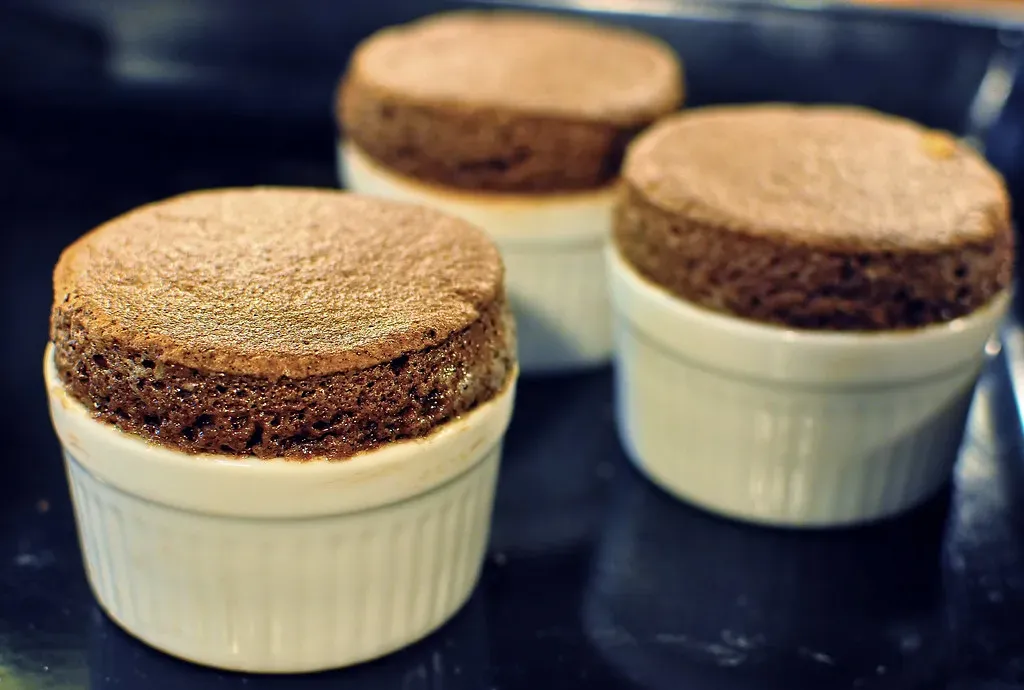
The soufflé is the food world’s equivalent of a high-wire act. It rises, it wobbles, it demands your full attention, and if you’re not careful, it falls. Which is exactly why it fell out of fashion when fast-casual dining took over. In 2026, that drama is the entire point.
Soufflés are poised for a comeback in an era when restaurants are competing on experience, not just convenience. As other retro favorites requiring anticipation return, soufflés offer that same wow factor, and pre-made options can reduce labor while maintaining impact, with the term already gaining traction through Japanese soufflé pancakes and cheesecakes.
Delicious food and drink have always evoked joy, but in 2026, consumers will actively choose flavors with joy as the end goal, with London-based food futurologist Morgaine Gaye seeing joy-seeking taking center stage in 2026 and driving food and beverage choices. A soufflé, puffed up and golden, arriving at your table? That is pure, edible joy. No question about it.
9. Hibachi: Shared Nostalgia and Theatrical Dining Return
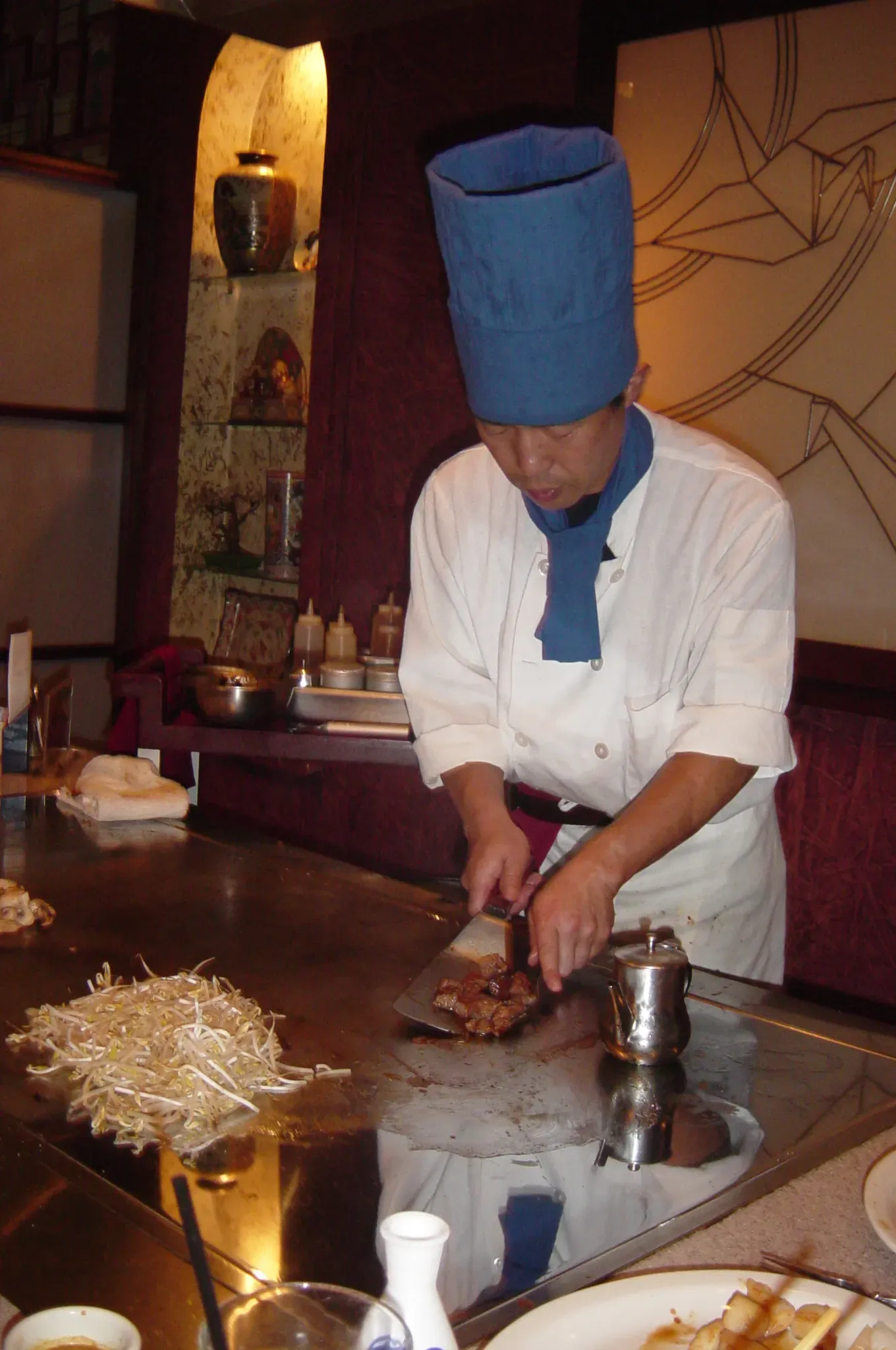
Think back to birthday dinners at a hibachi restaurant, the chef flipping shrimp tails into his pocket, the onion volcano shooting flames into the air, the whole table laughing. It was peak 1990s dining. Now that whole experience is coming back with a serious appetite behind it.
Post-pandemic, communal dining experiences are back with a vengeance, and hibachi – loved or liked by more than half of consumers – is leading the charge. Whether it’s the small portable charcoal grills or the theatrical American steakhouse-style griddle cooking, hibachi taps into both the desire for shared meals and 90s nostalgia driven by “newstalgia,” and even without investing in new equipment, restaurants can offer “hibachi-inspired” dishes with traditional teriyaki flavors.
It’s hard to say for sure whether this is about the food itself or the experience around it. Probably both. Consumers are seeking meals that deliver joy and familiarity without breaking the bank, and operators are meeting that demand with creative takes on comfort classics. Hibachi delivers all of that, plus fire and a spatula trick. Hard to compete with that combination.
10. Classic Sodas and Retro Beverages: The Original Indulgence
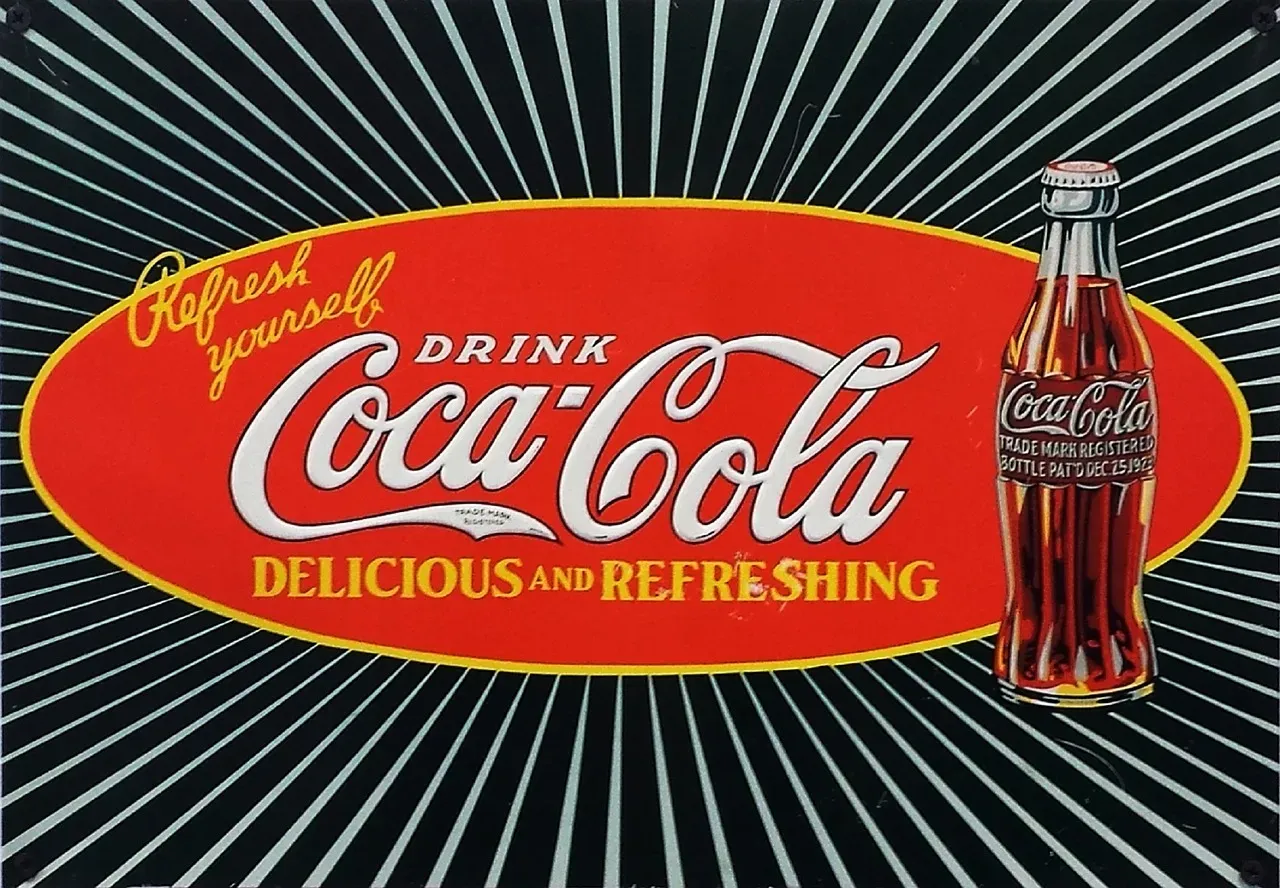
Not every retro comeback involves a hot stove or a kitchen. Some of the most powerful nostalgia in 2026 is being poured cold, into a glass, with a straw. The soda aisle is undergoing a full-scale revival, and it’s genuinely fascinating to watch.
Consumers are likely to continue to seek out classic soda flavors such as lemon-lime and cherry, according to a 2026 beverage forecast from beverage consultant Flavorman, and new entrants like Stiller’s Soda made a bid to tap into nostalgic and better-for-you trends like low-sugar. Consumer nostalgia for older beverages was at the forefront of soda in 2025, with companies like Keurig Dr Pepper and Coca-Cola investing in older brands RC Cola and Mr. Pibb.
Colas and Shirley Temples are coming back, and many companies are using these taste profiles while adding functional ingredients to create a “better-for-you” twist on the nostalgic favorites. Drinks with candy fruit flavors like cherry, green apple, and watermelon bring a sense of carefree summer days, while drinks not had in decades like ice cream sodas and Coke floats have people feeling like a big kid again. Sometimes the most radical thing you can do is go completely simple.
The Bigger Picture: Why Nostalgia Is Winning Right Now
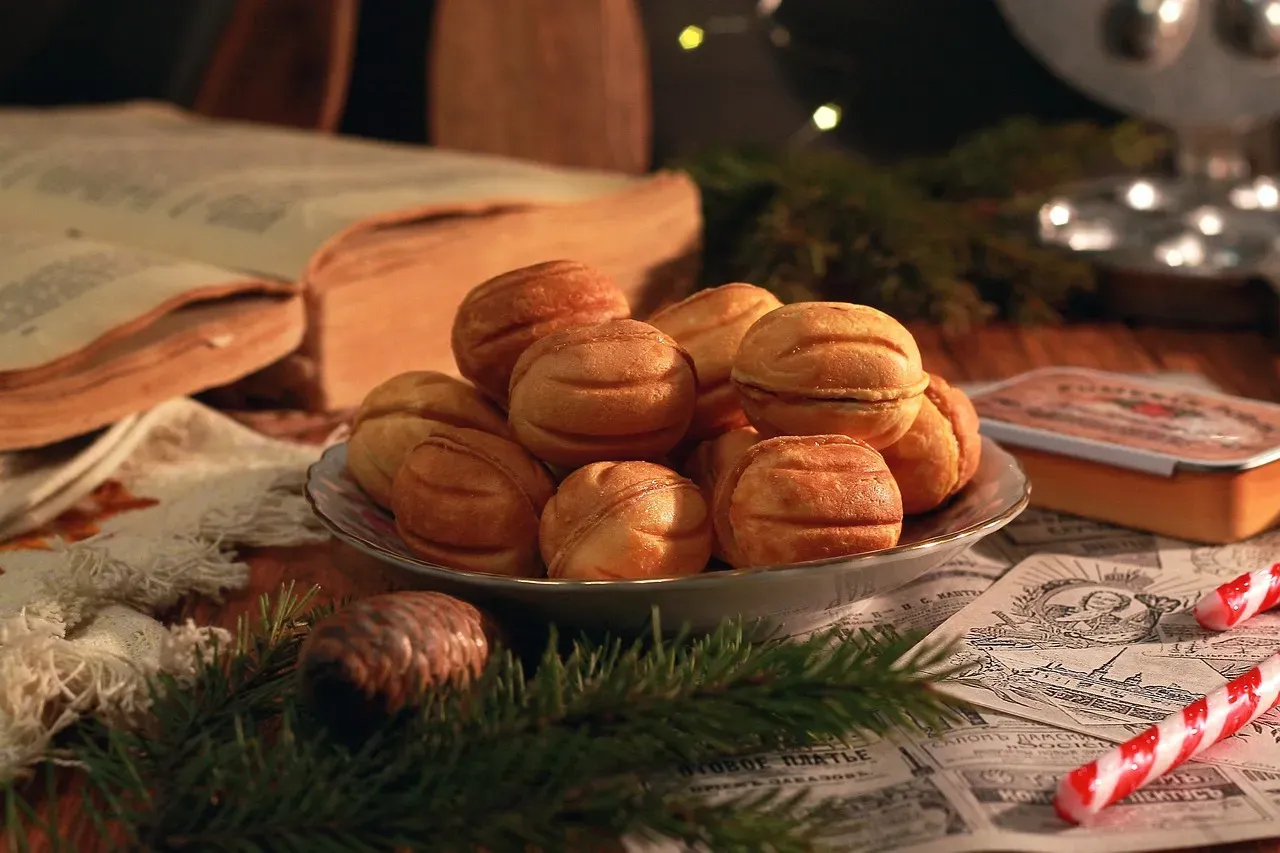
There’s a pattern here that goes beyond individual dishes. There’s no going back to plain comfort foods – today’s nostalgia comes with a modern spin, offering familiar flavors presented in new, sophisticated ways, which Bell Flavors and Fragrances has dubbed “neostalgia.” It’s that tension between the old and the new that makes this moment so compelling in food culture.
As futurologist Morgaine Gaye puts it, looking backwards gives us a sense of comfort and familiarity at a time when things seem hard to navigate. Sentimentality and health are increasingly influencing consumer snack choices, as people seek comfort, tradition, and emotional connection in their purchases. Food, it turns out, is one of our most powerful emotional tools.
From prawn cocktails with horseradish to beef tallow fries, from soufflés rising in fine dining rooms to hibachi flames drawing crowds around a shared grill, 2026 is shaping up to be the year the past became the most exciting place to eat. Which retro dish would you most love to see make a comeback near you?