
Dining out in America used to feel like a simple pleasure. You’d pick a familiar chain, settle into a booth, and expect something decent. But lately, that familiar comfort has been quietly slipping away at a number of well-known restaurant brands. Customers are noticing, and they aren’t shy about saying so. What’s behind the growing frustration? It’s a messy mix of rising prices, shrinking portions, indifferent service, and in some cases, food quality that simply doesn’t justify the bill anymore.
According to the American Customer Satisfaction Index (ACSI) Restaurant and Food Delivery Study 2025, while quick-service restaurants maintained a steady satisfaction score of 79, full-service restaurants slipped two percent to 82. At the same time, U.S. chain sales grew just 3.1% in 2024, falling short of the 4.1% menu-price inflation rate, meaning restaurants must now navigate a razor-thin margin between maintaining customer loyalty and managing escalating costs. The chains on this list have felt that pressure most acutely. Let’s get into it.
Table of Contents
1. Sonic Drive-In: The Identity Crisis on Wheels
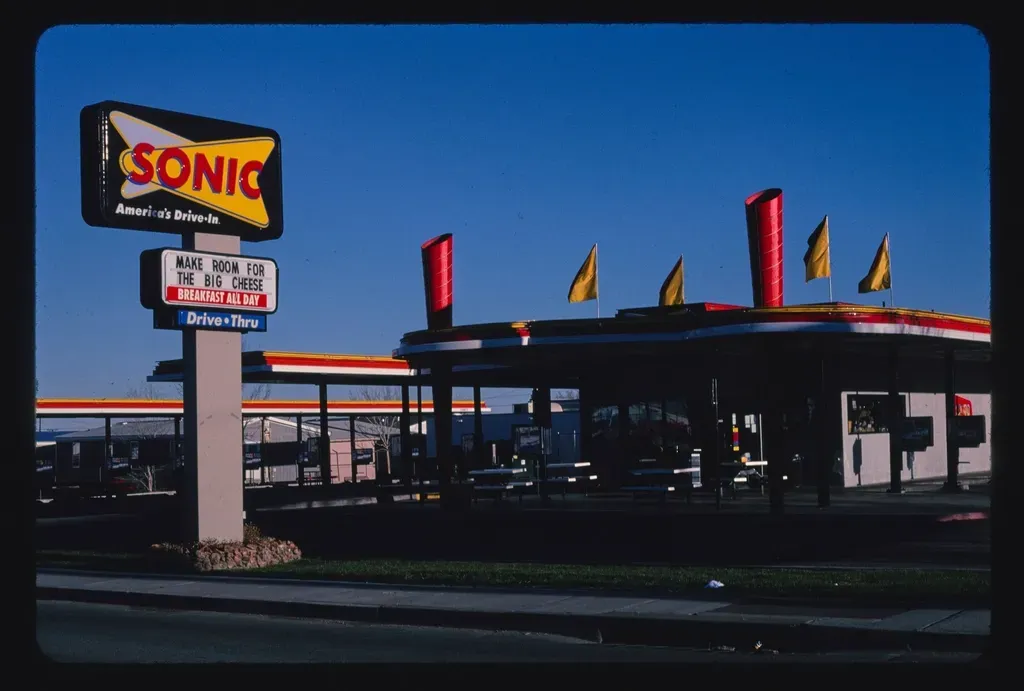
Sonic built its entire brand around one thing: the nostalgic drive-in stall experience. Carhops, roller skates, and shakes delivered right to your window. It was fun, it was different, and it worked. So when that defining feature started disappearing at locations across the country, customers took it personally.
Sonic fell from an already low score of 76 to a dismal 73 in the 2025 ACSI rankings. Many customers lament the lack of service at the drive-in stalls, which has been such a mainstay of the brand’s identity that it’s literally part of its name. Since the pandemic, many people have reported that their local Sonic locations have dropped this feature altogether and now require customers to use the drive-through instead.
The chain scored a disappointing 73 in 2025, falling well short of the 79-point average for quick-service restaurants. It has fallen considerably from last year’s score of 76, suggesting things are heading downhill fast. Over on Trustpilot, Sonic’s reputation takes an even harder hit with a dismal 1.5-star rating.
Customers report dealing with rude staff, shakes that arrive runny instead of thick, and an ordering system and app that is often not working. Getting orders wrong appears to be a regular occurrence, and even worse are the complaints about undercooked food. Honestly, for a chain that charges premium fast food prices, that’s a lot of things going wrong at once. The drive-in dream has stalled, and customers are noticing every mile of the decline.
2. Denny’s: America’s Diner Is Losing the Argument
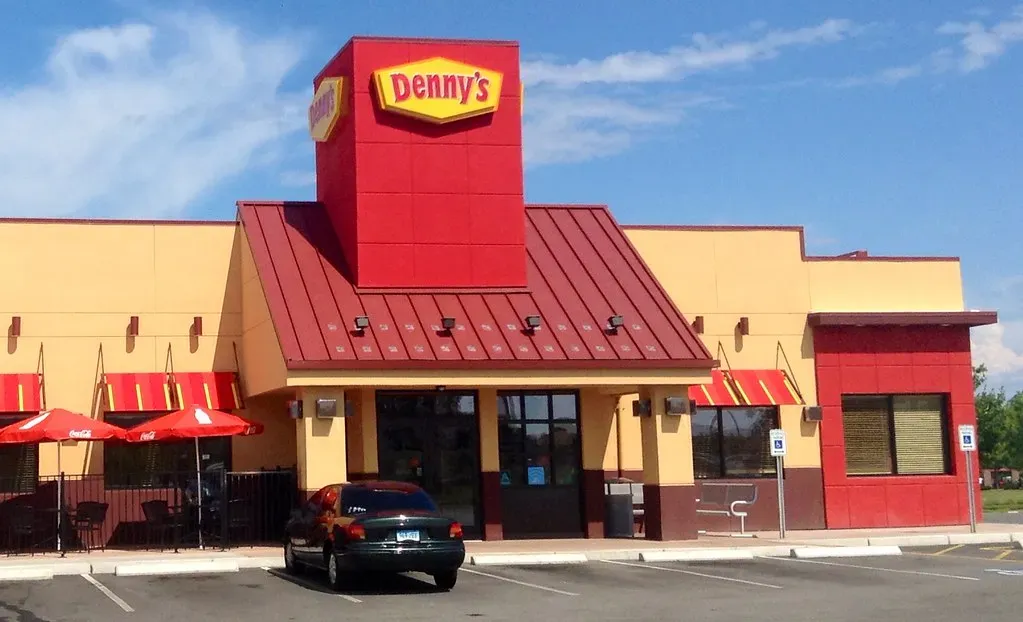
Denny’s has long marketed itself as “America’s Diner,” open 24 hours a day, welcoming everyone. The Grand Slam breakfast is practically an institution. There’s something almost comforting about knowing there’s always a Denny’s. Or, well, there used to be.
According to the American Consumer Satisfaction Index, Denny’s is the worst-rated full-service restaurant chain in 2025, with a rating of 75 out of 100. Its customer satisfaction score has gone down since 2024. According to Consumer Affairs, which has more than 400 ratings and reviews of the chain, customers agree on a few main problem areas. In particular, customers take issue with the long wait times and inconsistent service quality.
Denny’s might call itself “America’s Diner,” but Americans don’t seem to reciprocate the enthusiasm. The chain has reported a decline in sales, having struggled to win back foot traffic since the pandemic. According to the CEO, family dining has plummeted by roughly a fifth in the wake of COVID-19, leaving Denny’s scrambling to make up the difference. In October 2024, Denny’s confirmed plans to axe 150 underperforming locations.
Denny’s delivery satisfaction is notably lower than dine-in, which matters for a late-night and takeout-heavy brand. Customers who feel this mainstay chain has declined often cite missing sides and food temperature issues when the kitchen is understaffed. It’s hard to watch a classic stumble like this. The brand still has loyal fans, but even they’re having trouble defending it at this point.
3. KFC: The Colonel Is Losing the Chicken Wars
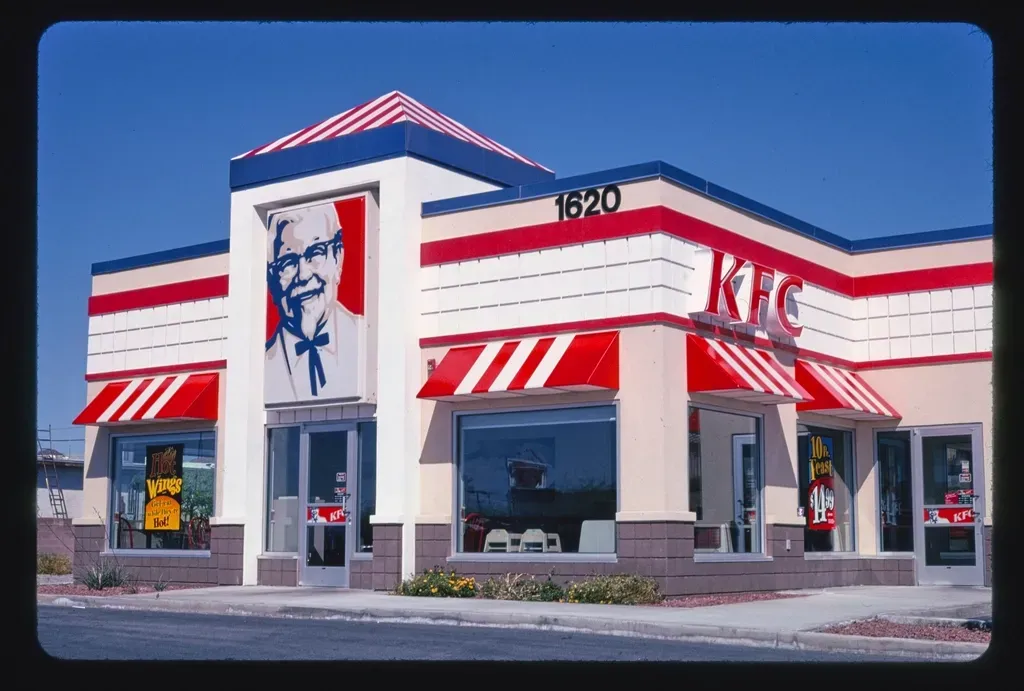
Here’s the thing about KFC: it was the undisputed king of fast food chicken for decades. No one questioned it. The 11 herbs and spices were almost mythological. Fast forward to 2025, and the Colonel is not just losing, he’s getting lapped by rivals he once barely acknowledged.
KFC holds the dubious distinction of the ACSI’s largest drop from 2024 to 2025, falling from a score of 81 to 77 out of 100. The famed fried chicken franchise saw its sales in 2024 drop even as other poultry chains like Chick-fil-A, Popeyes, Raising Cane’s, and Wingstop increased their revenue. KFC fell behind all of those competing restaurants in total consumer spending, placing the once-dominant Colonel Sanders in fifth place among fast food chicken spots.
KFC recorded the steepest decline among quick-service restaurants over the past year in the American Customer Satisfaction Index, dropping from a score of 81 in 2024 to 77 in 2025 – a five percent decrease. ACSI also reports KFC U.S. sales were down 5.2% in 2024. In a year when quick-service satisfaction is flat at 79 overall, that four-point slide signals a real brand-specific problem. Customers who say the chain has declined most often talk about its budding inconsistency, including chicken that is not as crisp, flavor differences compared to long-held recipes, longer hold times, and sides that feel hit-or-miss.
KFC has been struggling over the past year. According to Circana’s Definitive U.S. Restaurant Ranking 2025 report, chicken chains including Raising Cane’s, Wingstop, Chick-fil-A, Zaxby’s, Bojangles, and Popeyes all saw consumer spending increase in 2024, while KFC saw consumer spending fall by four percent to $4.34 billion. It’s not just a bad quarter. It looks increasingly like a structural problem, and the competition isn’t waiting around.
4. Red Robin: Bottomless Fries, Shrinking Future
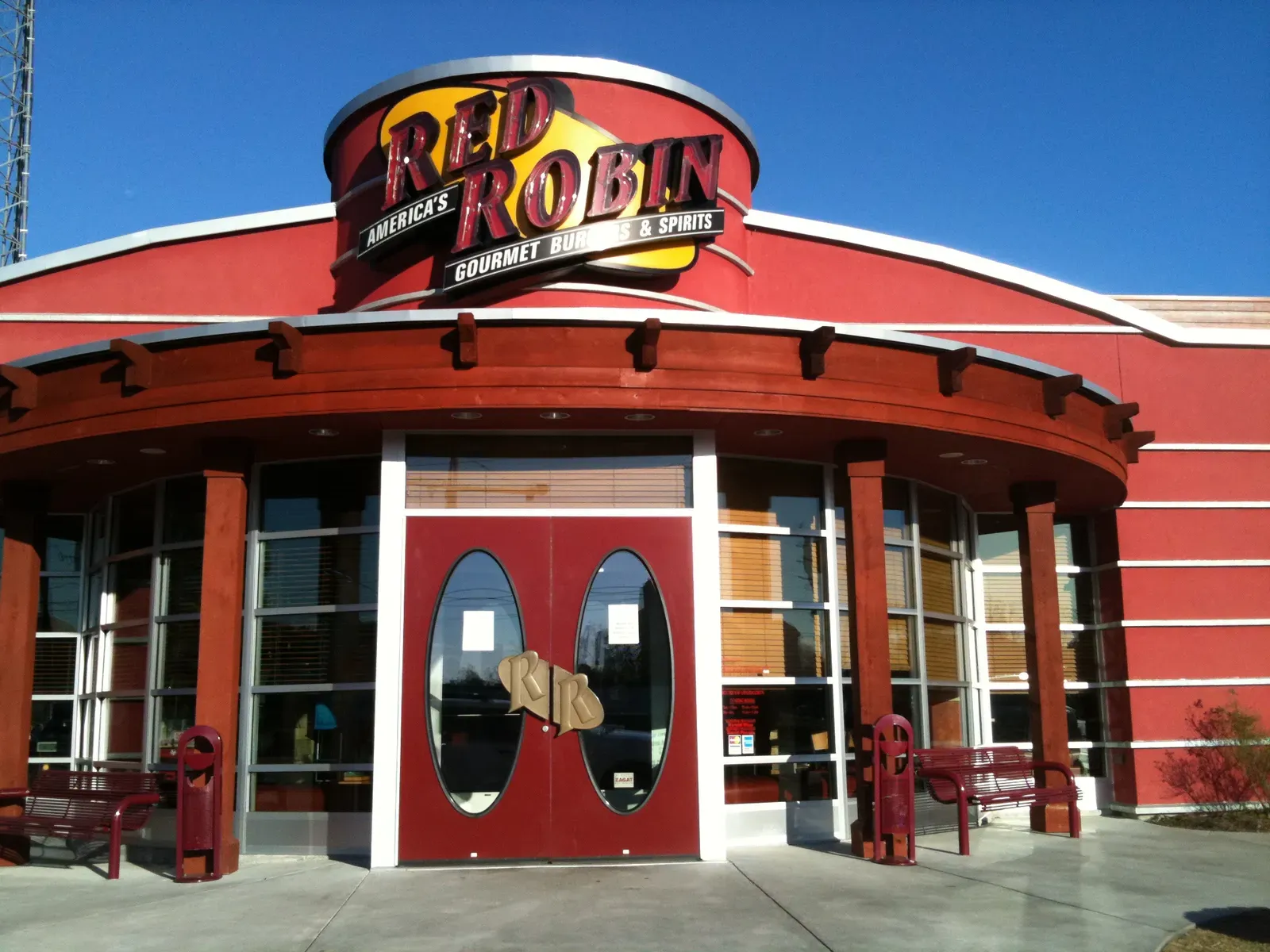
Red Robin always had a charming proposition: gourmet burgers, bottomless fries, a fun casual atmosphere. It carved out a decent middle ground in the dining landscape. Then something started slipping. Then a lot of things started slipping, and the numbers began painting a very grim picture.
Red Robin’s CEO announced in March 2025 that the burger chain would be considering closing 70 underperforming store locations because of decreased revenue and foot traffic. Perhaps consumer sentiment has something to do with the losses the chain is seeing in recent years. According to more than 99,000 customer reviews on Yelp, Red Robin has a severe customer satisfaction issue, mostly for its food quality, service, and wait time.
Red Robin has been operating at a significant loss for several years running as it attempts to rework its business model to maintain customer loyalty while adapting to changing markets. In fiscal year 2023, the company posted losses of $21.2 million. In 2024, that number skyrocketed to $77.5 million.
The chain also struggles with customers trading down to fast-food chains such as McDonald’s and Burger King. Additionally, it competes with higher-end fast-casual chains like Shake Shack and Five Guys that offer lower prices. It’s a brutal squeeze from both sides of the market. Thirty Red Robin locations have already closed down, and more will shutter in 2026, but the situation has somewhat improved. Whether that improvement sticks is anyone’s guess at this point.
5. Buffalo Wild Wings: Wings, Waiting, and a Whole Lot of Attitude
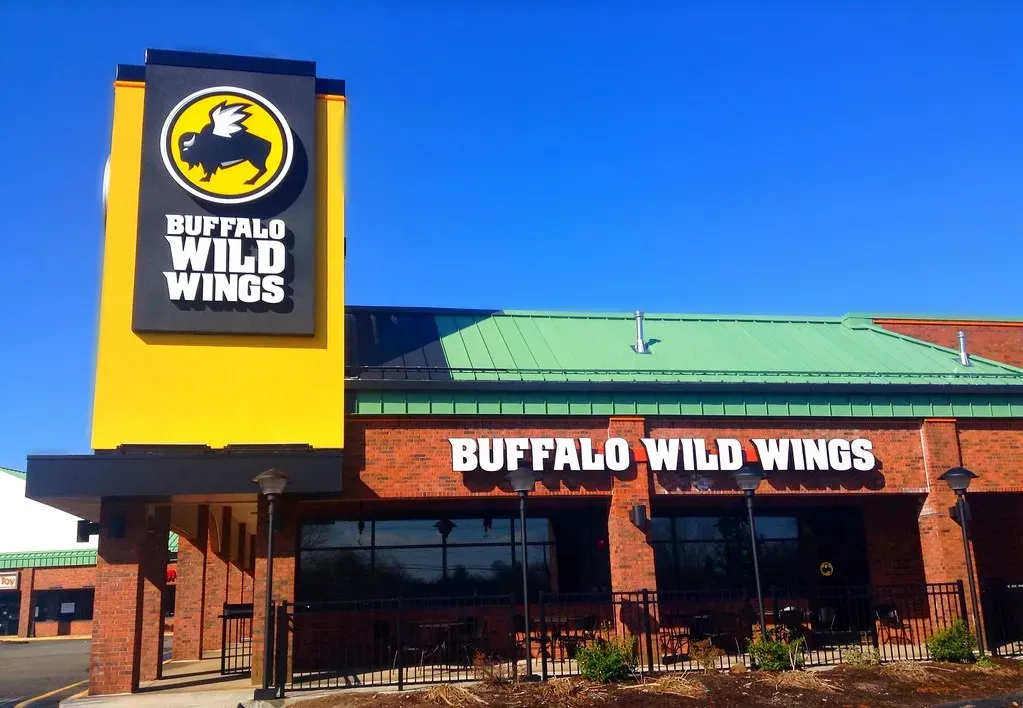
I’ll be honest: walking into a Buffalo Wild Wings used to feel like a good call. Cold beer, big-screen sports, a mountain of saucy wings. It had a vibe. Somewhere along the way, that vibe curdled into something far less enjoyable, and the customer review data from 2024 through 2025 makes it crystal clear.
Buffalo Wild Wings scored just 76 on the American Customer Satisfaction Index, one of the lowest marks among all full-service restaurants and well below the 82 benchmark. Making matters worse, the chain dropped significantly from last year’s score of 79, suggesting things are moving in the wrong direction. On Trustpilot, where Buffalo Wild Wings holds a dismal 1.6 rating, the complaints follow a frustrating pattern: customers wait far too long for their orders, those orders come out wrong, and when they try to address the mistakes, servers respond with attitude rather than apologies.
Buffalo Wild Wings’ Net Promoter Score of -32 is another terrible indicator of how the chain is doing. Customers are extremely unlikely to recommend the chain to friends, and the reasons they cite consistently point back to poor customer service.
At the bottom end of the full-service industry, Buffalo Wild Wings sinks four percent to 76, and Denny’s slips one percent to 75. There is one silver lining worth noting: very few customers are complaining about the actual food. The wings, sauces, and menu items themselves seem to be holding up. People are livid about the service, not what’s on their plates. That’s almost more frustrating, isn’t it? The product is fine. The experience surrounding it is not. Fix the service, and there might actually be a path back. Ignore it, and those Net Promoter Scores will keep sinking.
The Bigger Picture Behind These Declines
It would be easy to look at each of these chains in isolation and chalk it up to bad management or bad luck. The reality is messier. The cost of treating yourself to food away from home rose by 3.6% in 2024, while the cost of groceries climbed by half as much at 1.8%, according to federal data. These price changes coincide with declining customer satisfaction, according to the ACSI’s 2025 Restaurant and Food Delivery Study.
Customers can become more critical of the quality of products and services when prices increase. This is particularly the case with the full-service restaurant customer experience, as customer experience benchmarks decline across the board. Additionally, customer satisfaction with full-service restaurants varies significantly depending on the type of purchase experience.
More than two-thirds of business owners report that customers are ordering less, perceiving less value in their meals, or expressing frustration over rising costs. The chains that weather this period will be the ones that genuinely address why diners are leaving disappointed. According to a 2024 report from TouchBistro, roughly half of Americans say that menu price increases directly influence their ordering decisions in restaurants. That’s a staggering number of diners making active choices based on value, and right now, several of these chains aren’t delivering it. What would it take for you to give one of them another shot?