
Every few years, a food trend arrives not with fireworks but with a quiet, steady drip. It shows up on your Instagram feed first. Then it’s on café menus. Then suddenly, it’s everywhere, and everyone around you seems to swear by it. You start to wonder if you’re missing something.
But what happens when the dust settles and some of the very experts who championed these trends start pulling back? That’s exactly what’s happening right now, in 2026, with a surprisingly long list of once-beloved food movements. Let’s dig into the ones that have quietly lost their shine.
Table of Contents
The Plant-Based Meat Bubble That Started Quietly Deflating
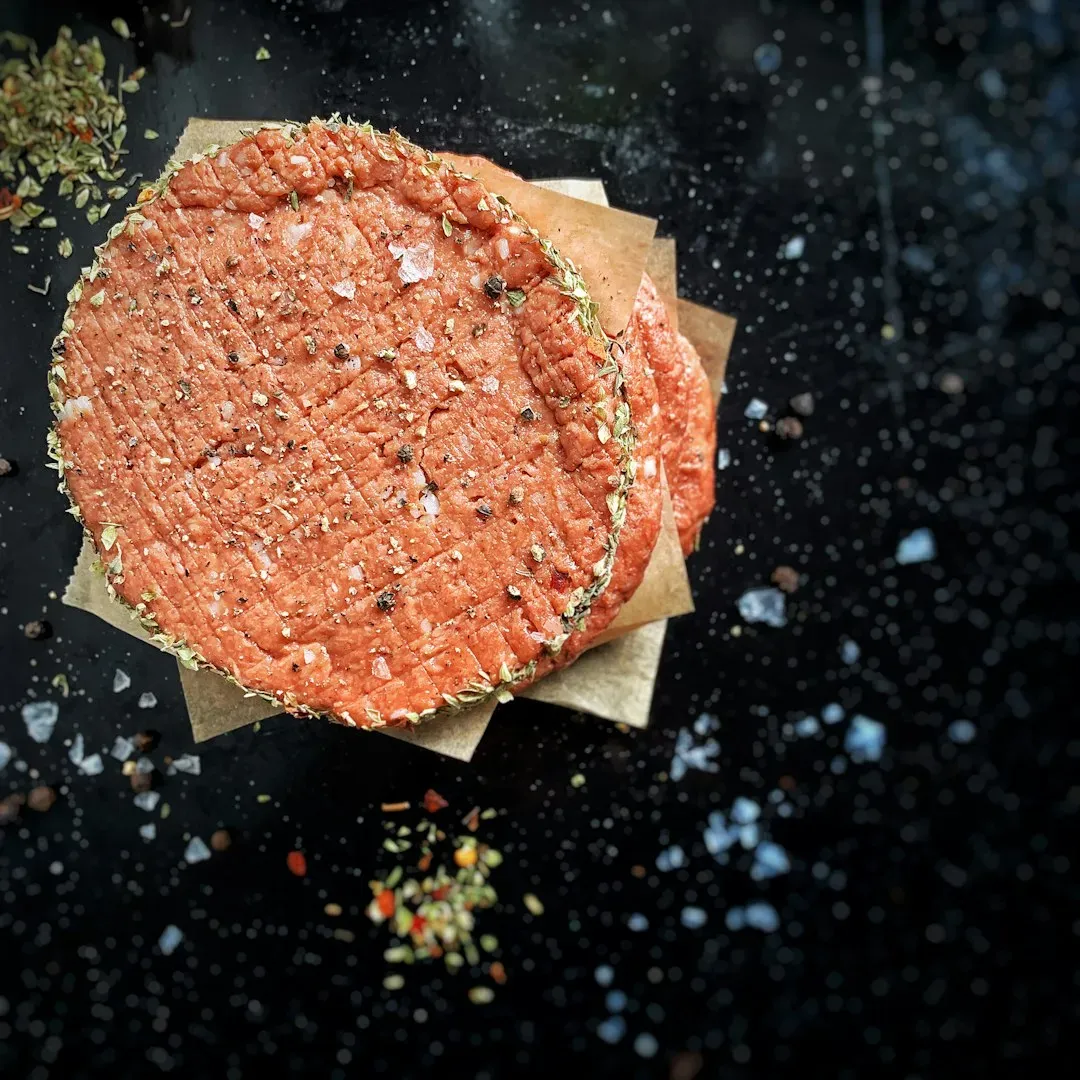
Let’s be real: the plant-based meat trend felt unstoppable just a few years ago. It promised to revolutionize how we eat, what we buy, and how we treat the planet. Yet the numbers tell a more complicated story. Following rapid expansion of the U.S. plant-based retail market from 2019 to 2021, sales actually moderated in 2022 and declined in both 2023 and 2024. That’s not a blip. That’s a trend reversing.
Plant-based price increases coincided with elevated inflation and tight consumer budgets, and purchase dynamics indicated weakening consumer engagement in plant-based categories. In other words, when the novelty wore off and wallets got tighter, consumers started asking: is this actually worth it?
Food Technology survey respondents singled out plant-based as the trend most likely to lose ground with consumers in 2025. Asked an open-ended question about what they expected to diminish in importance to consumers in the year ahead, 14% of respondents wrote in plant-based, more than any other answer. Honestly, that says a lot coming from industry insiders.
Meanwhile, consumers are far more interested in health, turning away from sustainability-focused products such as plant-based meat due to the perception that they’re ultra-processed. That perception problem, right or wrong, has fundamentally shifted how people shop.
Avocado Toast: The Overpriced Icon That Lost Its Crown
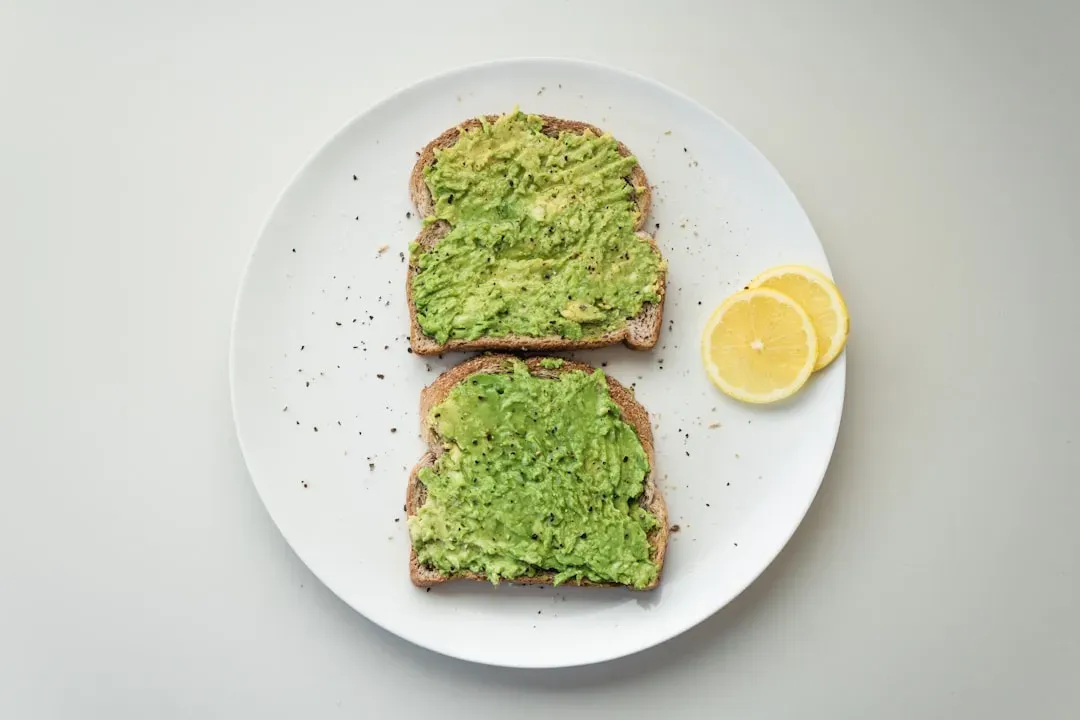
Avocado toast was never just food. It was a cultural statement. Creamy, green, photogenic, draped in microgreens, it became the symbol of an entire millennial generation’s spending habits. But here’s the thing: the backlash has been quietly building for a while now.
As we moved through 2024, the once-trendy avocado toast variations began losing their appeal among discerning diners. Chefs and consumers alike started turning away from elaborate $20 avocado toast creations topped with everything from edible flowers to gold leaf, recognizing them as overpriced gimmicks rather than genuine culinary experiences.
The average price of an avocado toast in major U.S. cities increased by roughly three quarters since 2019, with some luxury variations costing up to $22 per serving. That’s a jaw-dropping markup for smashed fruit on bread. And the environmental angle isn’t flattering either.
Avocado farming guzzles water, roughly 60 gallons per fruit by some estimates, and potentially contributes to deforestation, land disputes, and even illegal activity in regions like Mexico, all while leaving behind a hefty carbon footprint. For a food trend that made itself synonymous with wellness and goodness, that’s a difficult reality to square. A big theme of online discussions has been the overrating of avocado toast and the creation of Instagram-worthy plates. Social media feeds are full of toast topped with edible flowers, runny egg yolks, and slices of avocado, but visual design alone does not make a satisfying meal.
Tinned Fish: From Humble Pantry Staple to Overhyped Luxury
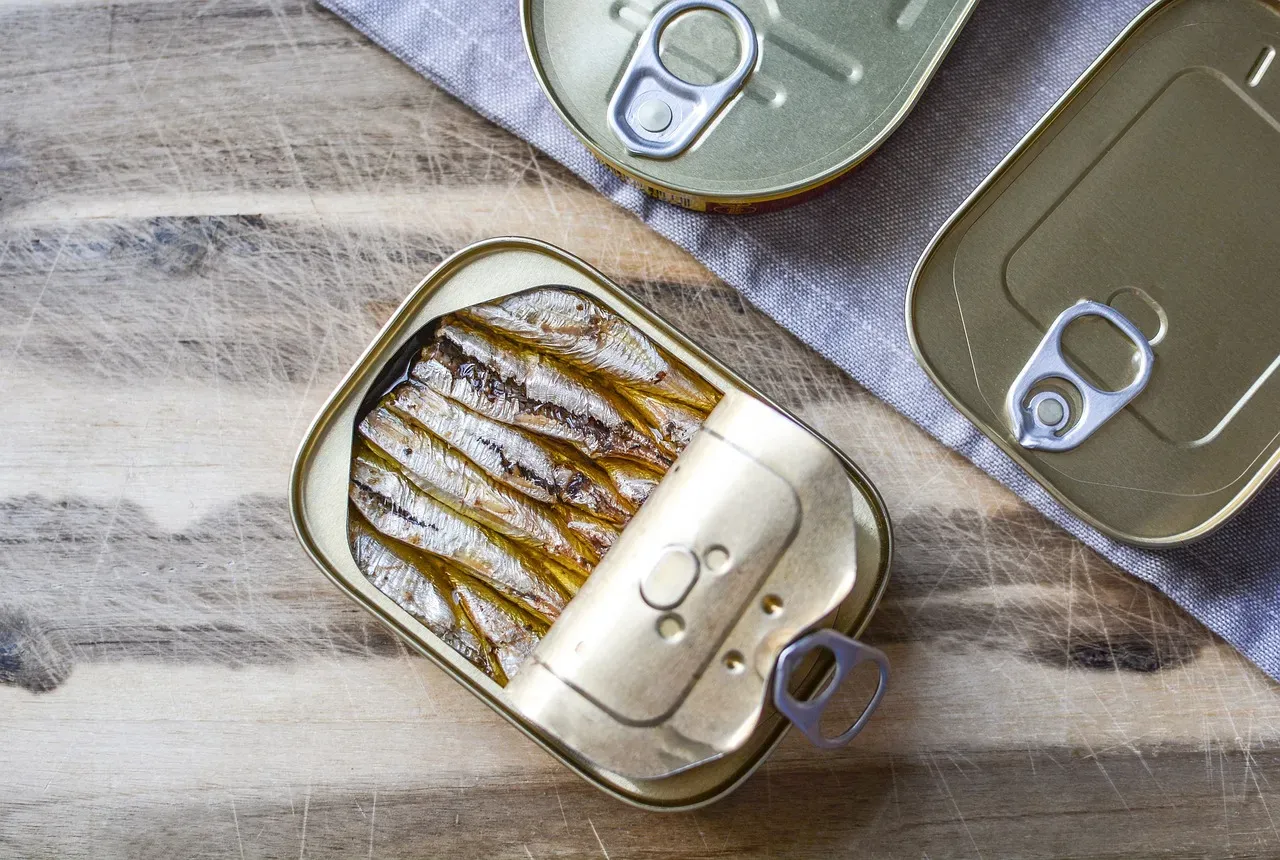
I’ll admit it: the tinned fish revival was genuinely exciting at first. There’s something charming about taking a humble tin of sardines seriously. The problem is, like so many food trends, it didn’t stop at charming. It sprinted straight into absurd.
Tinned fish broke out of its back-of-the-pantry existence in 2024 to grab a seat at the culinary table. Once considered a humble snack, anchovies, mackerel, and sardines received a gourmet makeover with chic branding and heftier, luxury labels. Instagram feeds were filled seemingly overnight with boards featuring briny mussels, smoked trout, crackers, olives, and crème fraîche.
Some high-end companies began capitalizing on the trend with ever-fancier products, like a can of sardines packed with gold leaf, selling for $44 a pop. A $44 can of sardines. That’s not gastronomy. That’s a joke waiting for a punchline.
Paying $15 and up for what can sometimes amount to fancy cat food isn’t as novel as it’s made out to be. The tinned fish glow has arguably gone too far. Although some varieties are genuinely fantastic, many are still misses that register as overly salty, fishy, or oily. Not to mention, the campy, colorful packaging tends to generate more hype than the product inside. Still, the trend found its audience, at least for a while.
The Charcuterie Board Obsession That Became Its Own Parody
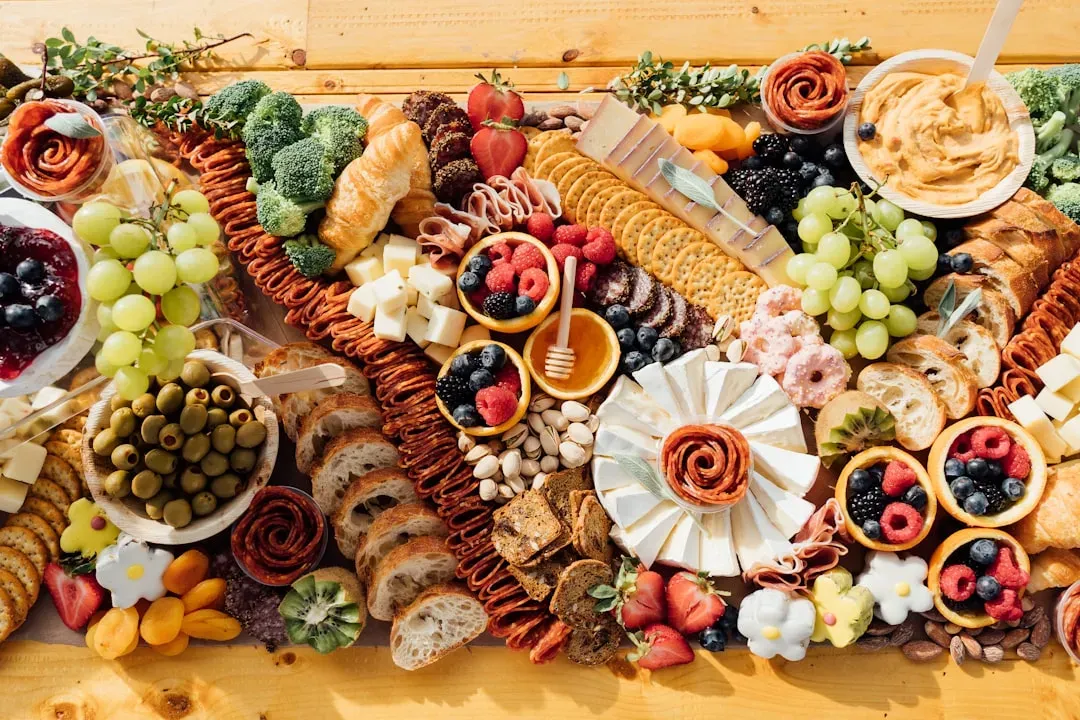
There was a time, not so long ago, when a charcuterie board meant something. Cured meats, a good cheese or two, maybe some olives and a handful of crackers. Simple, elegant, and genuinely delicious. Then social media got involved, and things escalated quickly.
Readers and food commentators have noted that charcuterie boards have passed their peak appeal. The original snack boards focused on cured meats and cheeses, but now they’re stocked with candy, baked goods, potato chips, and whatever else needs to be used up. It’s become less of a culinary tradition and more of a prop.
Charcuterie boards have become increasingly elaborate, with the average board now containing notably more different items than just five years ago, leading to overwhelming variety and decision fatigue for diners. The time spent arranging a typical Instagram-worthy charcuterie board has increased significantly, contributing to food waste as unused items don’t fit the aesthetic arrangement.
It’s a strange situation where the pursuit of beauty actively undermines the point. Good food is supposed to be eaten, not staged. When you’re spending more time arranging dried mango slices around a tiny jar of honey than you are actually feeding people, something has gone wrong. The trend became a performance, and performances, as we all know, eventually close.
The Superfood Label That Keeps Fooling Us
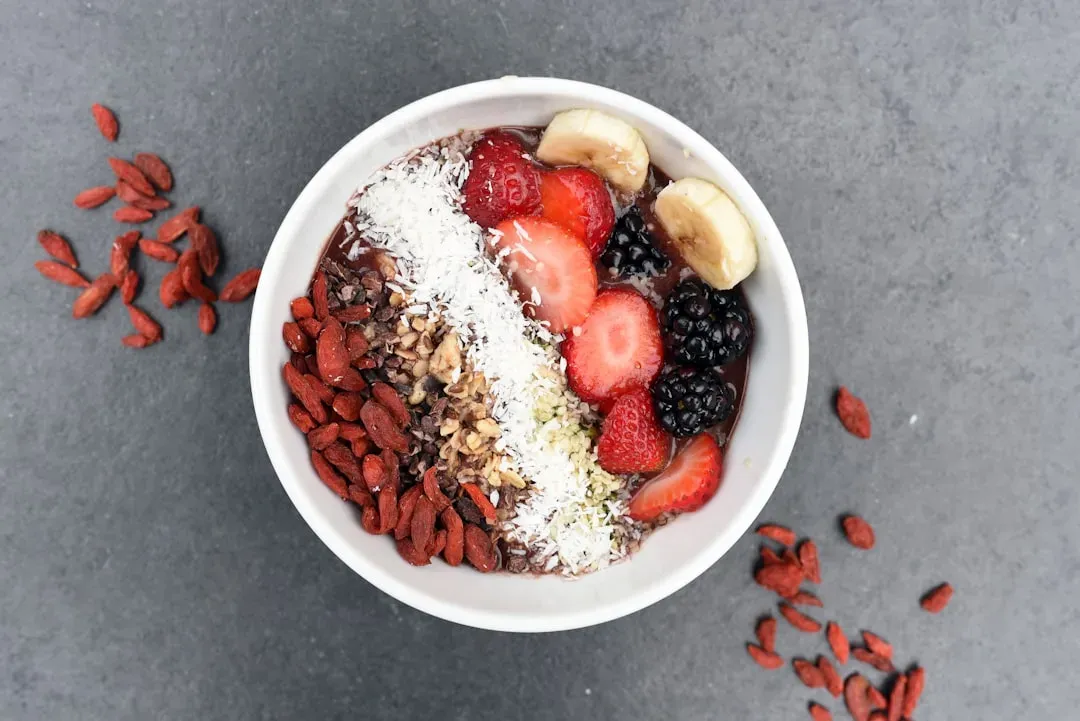
Here’s something that genuinely frustrates nutritionists: the word “superfood” has no official scientific or regulatory definition. None. Superfood is a general term used to describe a food that has health benefits beyond satisfying energy needs, but there is no official scientific or regulatory definition, so superfood is a matter of interpretation. That means almost anything can wear the badge.
The health food boom has flooded supermarkets and social media with glossy claims like “natural,” “superfood,” or “functional,” but how often do these labels match scientific reality? From avocado toast to coconut oil, protein bars to flavoured yoghurt, what if some of our supposedly healthiest habits are actually hype?
Bone broth, for example, gained popularity for its supposed nutritional benefits, and while it does pack more nutrients than many foods, experts don’t hail it as a magical cure-all, since research on its benefits is hardly groundbreaking. It’s not winning in the taste department either, and many find it to be an overpriced and overhyped version of something that cooks have been making for ages without fanfare.
Although overrated health foods like avocado toast, protein bars, coconut oil, and superfruits can offer some benefits, they often come with hidden downsides: high calories, added sugars, or overprocessing. Simpler, whole-food options often outperform them on nutrition and value. The marketing, it turns out, is almost always the most powerful ingredient in these products.
Social Media Trends: When Virality Replaces Actual Good Taste
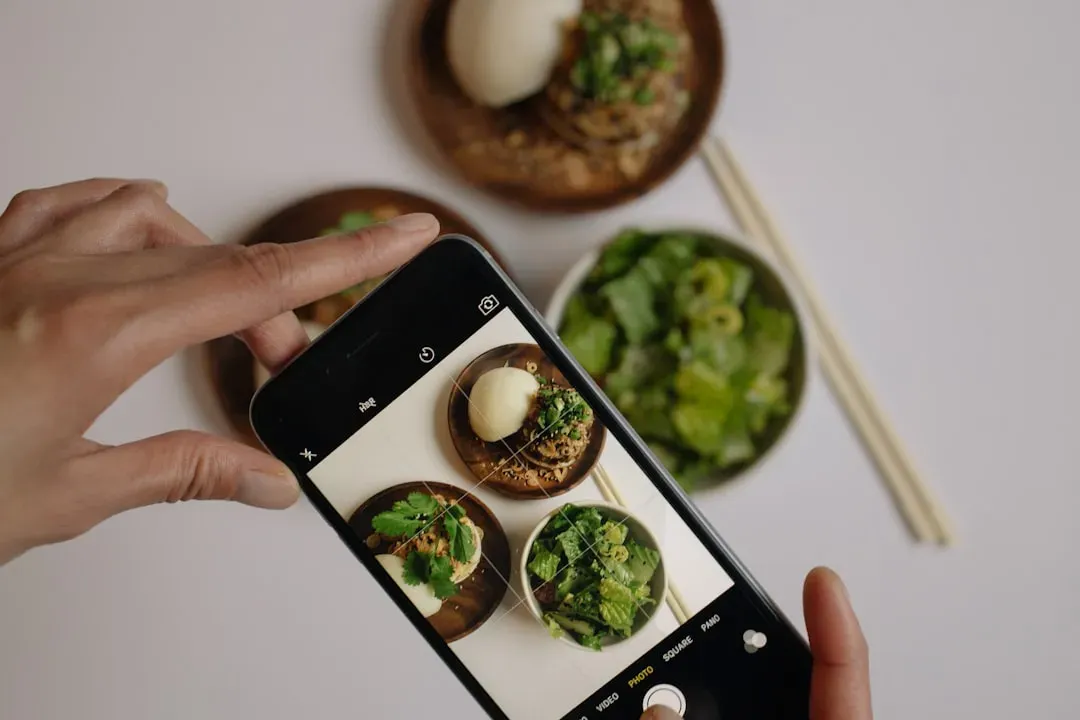
Perhaps the most important story running underneath all of these individual trends is this: the way food trends are born has fundamentally changed. Food trends rise quickly in the age of social media. A dish can go from niche to viral overnight, thanks to the world we live in, where we’re constantly craving more. But once the novelty fades, not every trend stands up to daily eating or real-world value.
Think about Dubai chocolate. Several people have flagged Dubai chocolate as overpriced and not tasting better than normal pistachio chocolate. It went viral literally overnight, with people not batting an eye at paying upwards of $20 for a single bar. That’s the social media food cycle at its most pure: visibility first, judgment later, disappointment often.
As 2024 progressed, the trend of towering burgers that seem to defy both gravity and logic began losing its appeal. These monstrous creations, while visually striking, often prioritize Instagram-worthiness over practicality and taste, leaving diners frustrated with messy, difficult-to-eat meals. Many food enthusiasts started calling for a return to simpler, well-crafted burgers that focus on quality ingredients and balanced flavors rather than shock value.
Although inflation rates had fallen to their lowest level in three years by late 2024, consumers still feel the sting of the past several years’ price surges. Food prices are currently about 30% higher than they were in 2019. In that context, spending a premium on a trend that doesn’t deliver starts to feel not just annoying, but genuinely reckless. The appetite for spectacle over substance is shrinking, and slowly but surely, real food is making a quiet comeback.
Conclusion: The Trend That Will Always Be Worth It
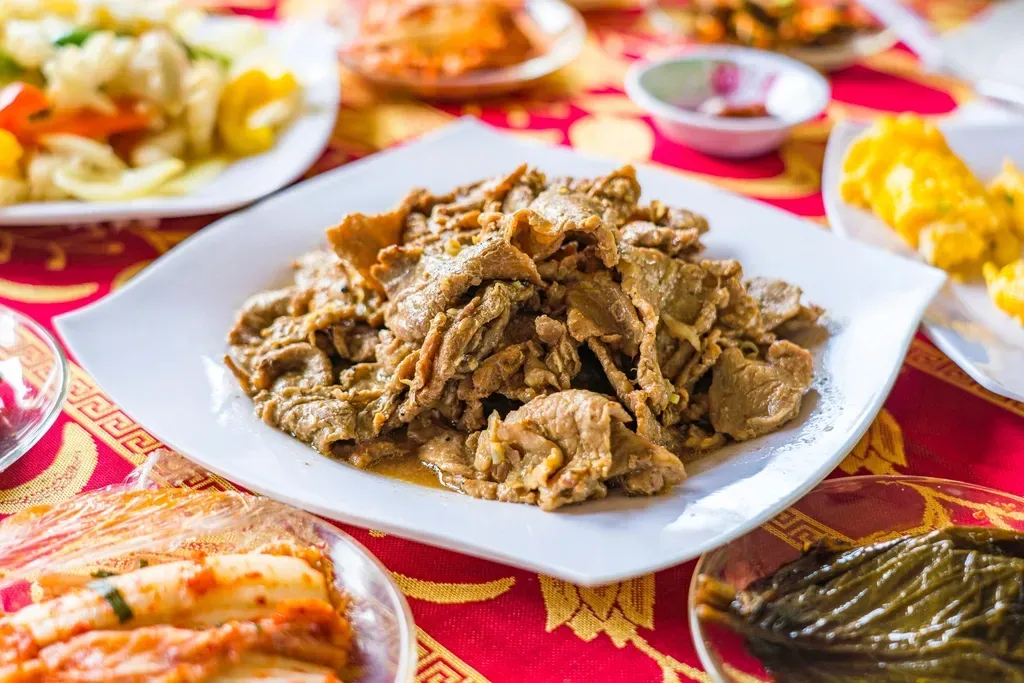
Looking across all of these fading trends, a pattern emerges. The ones that lose steam fastest are the ones built on aesthetics, marketing, or social pressure rather than genuine flavor and nourishment. Annually, the food world prepares a batch of trends that leave us either drooling or incredibly confused, and 2024 was no different.
The quiet truth is that the food industry, and the social media machine behind it, benefits from keeping us in a constant cycle of chasing the next big thing. Some research shows that consumer interest in sustainability is weakening, and sustainability-focused trends such as veganism have been seen to decline. It isn’t over for sustainability, but it no longer has the momentum it once did. Consumer energy is finite, and people are getting smarter about where they spend it.
The best food trend of all? Eating things you actually enjoy, that nourish your body, and that don’t cost a small fortune because a stranger on TikTok told you to. Simple, unglamorous, and deeply unfashionable. Which, perhaps, is exactly the point.
What food trend do you think is the most overrated of them all? Tell us in the comments.