
There’s a moment – and honestly, most people don’t see it coming – when the kitchen you’ve lived in comfortably for decades starts to feel like it’s working against you. Reaching for that heavy cast iron pan on the top shelf. Crouching down into a cabinet where everything tumbles out at once. Squinting at labels under the same dim bulb that’s been there since 2008. It sneaks up gradually, like an argument that starts very quietly.
The kitchen is the room where people spend the most time, and where the consequences of a poorly organized space are anything but trivial. The kitchen, a central hub in our homes, can present challenges for seniors as they age, making safe and accessible kitchen design a critical concern for the elderly. Experts across gerontology, ergonomics, and home design are increasingly aligned on one thing: the best time to rethink how your kitchen works is before 60, not after. What they keep coming back to is a deceptively simple concept – the One-Shelf Rule. Be surprised by what this one organizational shift can mean for your safety, your comfort, and your independence for years to come.
1. What Exactly Is the “One-Shelf Rule”?
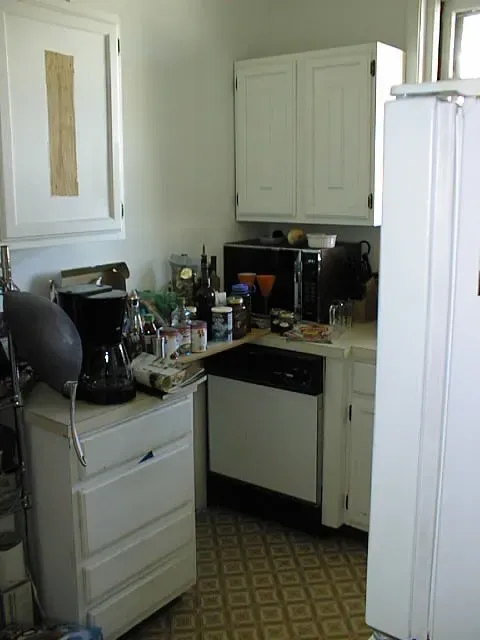
The One-Shelf Rule isn’t about minimalism for the sake of aesthetics. It’s a practical guiding principle: every item you use regularly should be accessible from a single “prime zone” shelf, which sits between roughly hip height and shoulder height, with no dangerous reaching or crouching required.
Ergonomics is all about creating a workspace that accommodates the human body’s natural movements and capabilities – in the kitchen, this means designing a layout and choosing storage solutions that make cooking, cleaning, and other tasks as effortless as possible. Think of it like always parking your car in the same spot. You stop wasting energy searching, stretching, and balancing – the habit becomes almost automatic.
Kitchen ergonomics is all about limiting the bending, kneeling, and over-reaching that goes into cooking. The trick is knowing how often you use different items and what kind of accessories are right for them. Knowing what things you are regularly using – and the ones used only occasionally – helps you choose what types of cabinets you need and where.
2. Why the Kitchen Becomes Riskier After 60
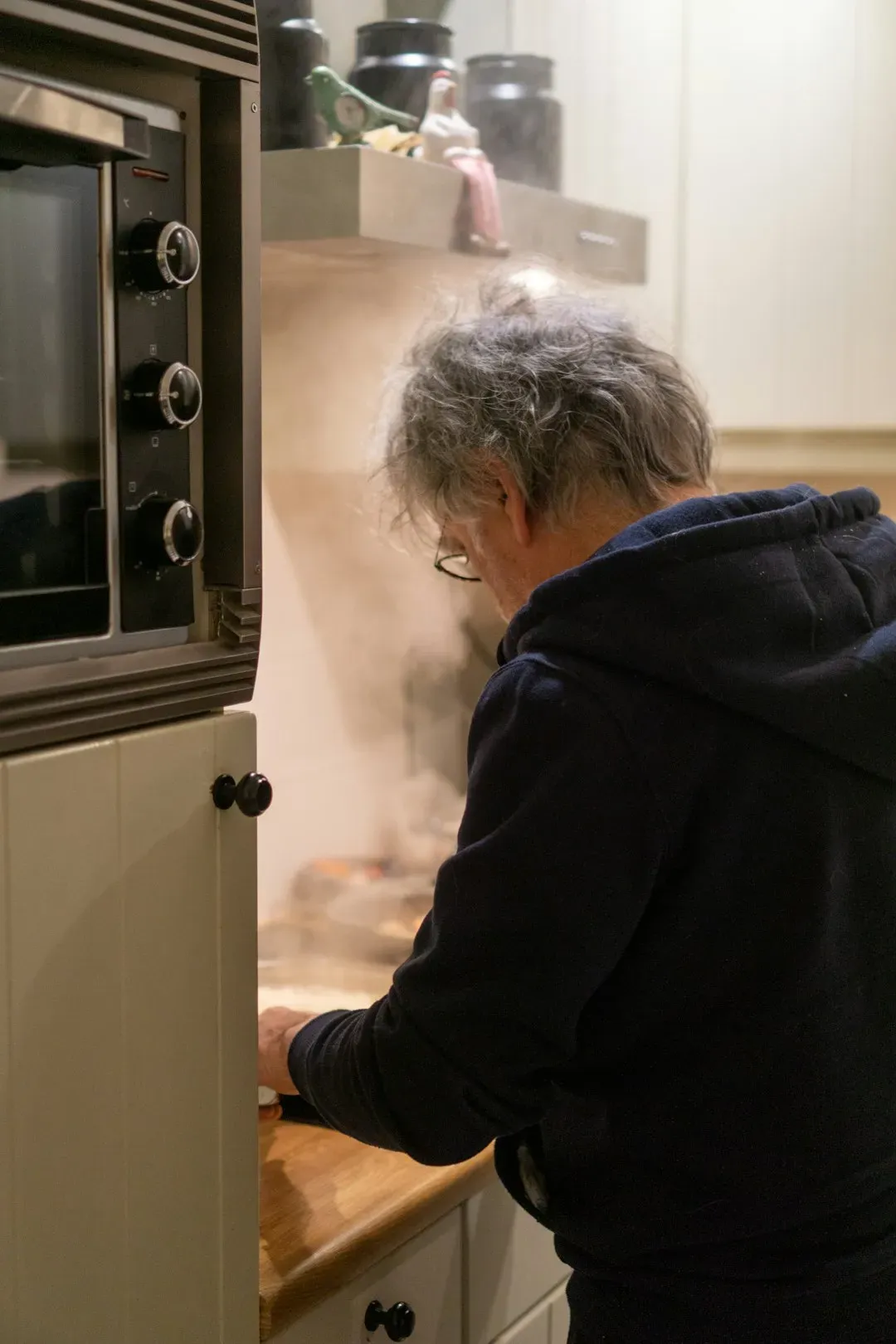
Let’s be real – nobody wants to think about this. But the numbers are hard to argue with. Falls are the leading cause of injury for adults ages 65 and older, and over 14 million, or 1 in 4 older adults, report falling every year. The kitchen is one of the primary rooms where these incidents happen.
According to the CDC, falls are the leading cause of both fatal and nonfatal injuries for older Americans, and in 2021, falls caused 38,000 deaths among those age 65 and older, with emergency departments reporting 3 million visits due to older adult falls. That’s not a small number. That’s a crisis happening inside ordinary homes.
It’s common for seniors to experience decreased mobility, eyesight, and hearing as they age, and because of these impairments, kitchens pose a significant health and safety hazard for seniors. A lot of injuries that happen in the kitchen are from people reaching for something that they shouldn’t have been trying to reach for, as Jennifer Szakaly, a gerontologist and care manager, has pointed out to AARP.
3. The “Prime Zone” – Where Everything Important Should Live
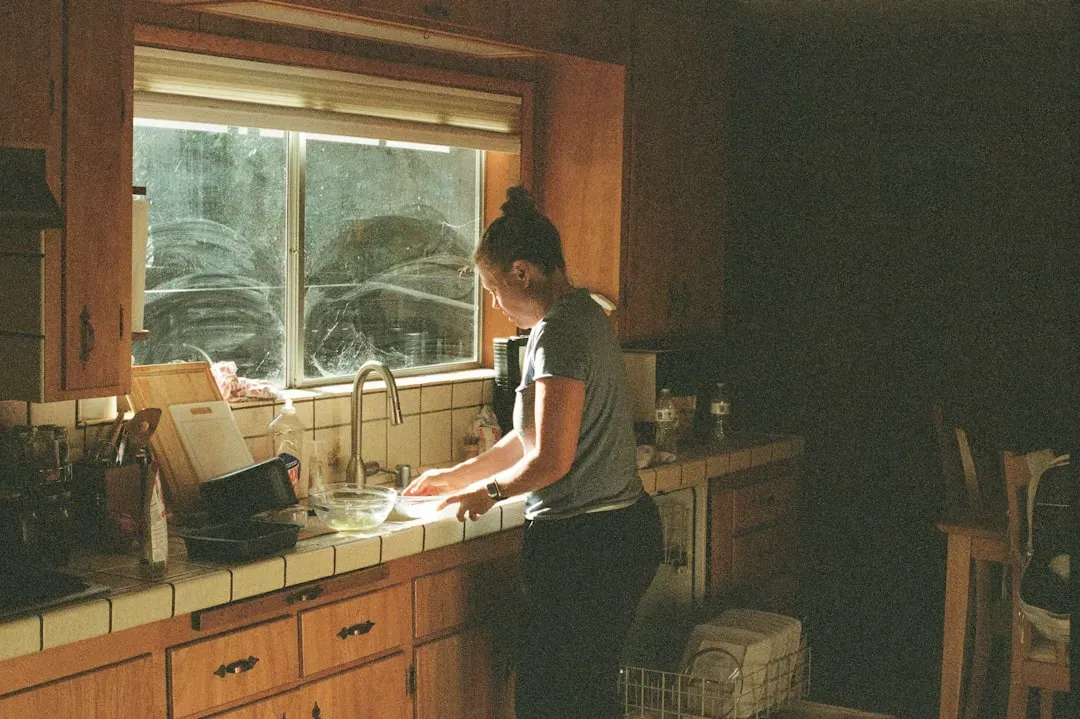
Ergonomics experts have long defined a specific sweet spot for storage placement. To figure out the right working height for you, bend your forearm as if you’re stirring a pot and measure the distance between the floor and your bent arm – the optimal working height is this distance minus 10 to 15 centimeters. That range is where your “one shelf” belongs.
Put heavy and bulky items at counter-level or in lower areas, since lifting heavy items over your head can be a strenuous task – rehome those items to places that are easier to access and lift from. This is the core logic of the One-Shelf Rule in practice. It’s not about having less stuff. It’s about placing the right stuff at the right height.
Reaching above your shoulders can get harder with age. For aging-in-place, the rule of thumb is to place upper cabinets 3 inches lower than the usual height, while still allowing several inches of clearance above your normal countertop. Starting this rethink before you physically need to is the whole point.
4. Decluttering Is the First Step Nobody Wants to Take
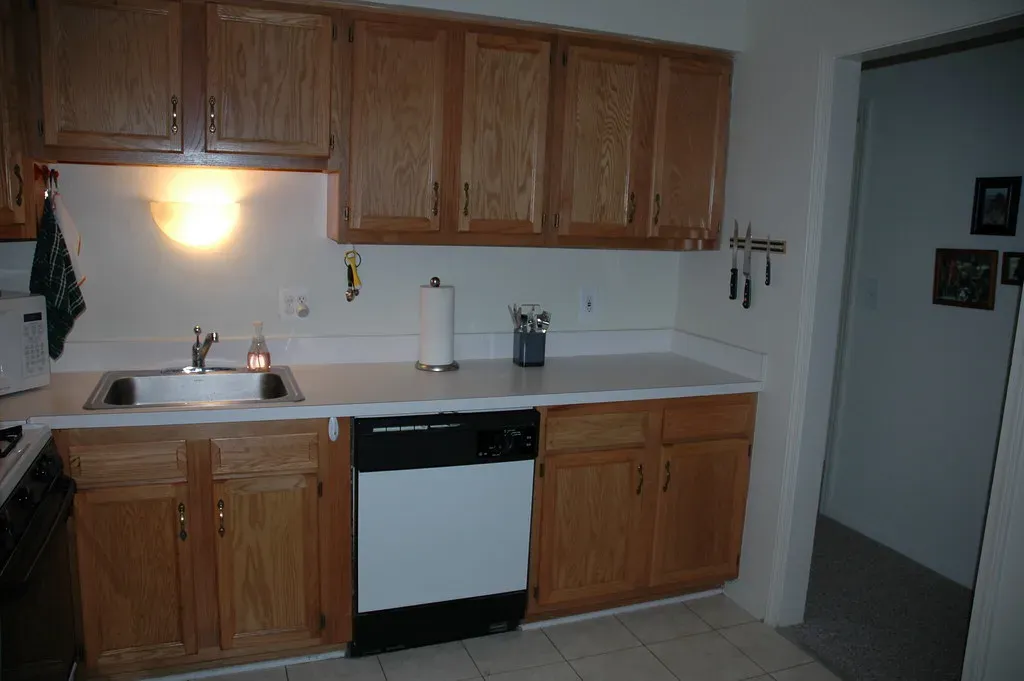
Here’s the thing – you cannot apply the One-Shelf Rule to a chaotic, overfull kitchen. Decluttering isn’t a trend. It’s the necessary foundation. The first step to adapting your home is to donate and dispose of any items you no longer use, including food. As Jennifer Szakaly notes, people hold on to things for way too long in their pantries, and decluttering allows you to easily access kitchen utensils or needed food without reaching or searching for it.
Take time to empty your cabinets, drawers, and pantry completely. Seeing everything laid out on the counter can be eye-opening – you might be surprised by how much you’ve accumulated. This step is crucial for assessing what you actually use and need. Toss any expired food, donate kitchen gadgets or dishes you haven’t touched in years, and hold onto only the items you truly love and use regularly.
Think of decluttering the kitchen like draining a pond before building a new bridge. You can’t do the real work until you can see the bottom clearly. Only then can you make rational decisions about what deserves that valuable prime-zone shelf space.
5. Pull-Out Shelves: The Physical Solution Experts Keep Recommending
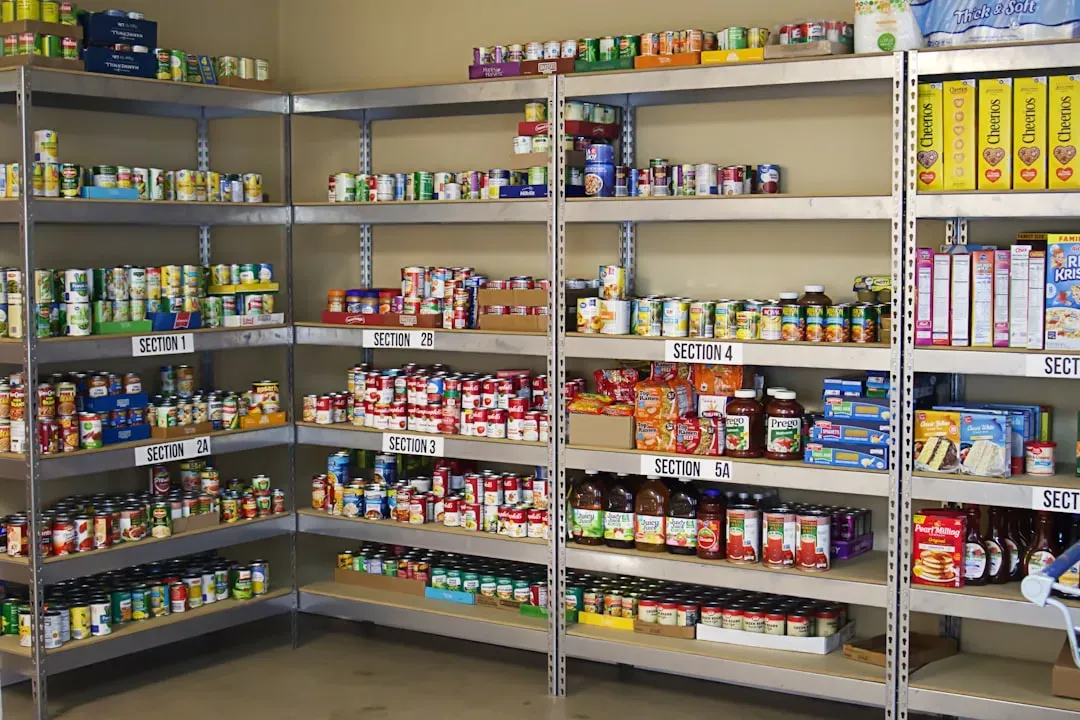
As people age, reaching high shelves or deep into dark cabinets can cause a fall or a strain. New options now make it significantly easier to get to what you need in your kitchen. Pull-out shelves, in particular, are consistently at the top of expert recommendation lists across gerontology and kitchen design alike.
Pull cabinets benefit homeowners of all ages and are generally the way to go in an aging-in-place residence. They offer more maneuverability, convenient reach, easier access to items in the back of the shelf, and place less strain on your neck, back, and knees. Organization makes all the difference in the kitchen, and pull cabinets make keeping things in order a much easier task – they also remove the need to overreach.
Consider installing a sliding pantry shelf so that the shelves roll out with all items in clear view, without needing to reach or move items. Ideally, bulkier items should be kept at waist height. This is one of the most affordable and immediate upgrades anyone approaching 60 can make.
6. Lighting: The Overlooked Danger in Every Kitchen
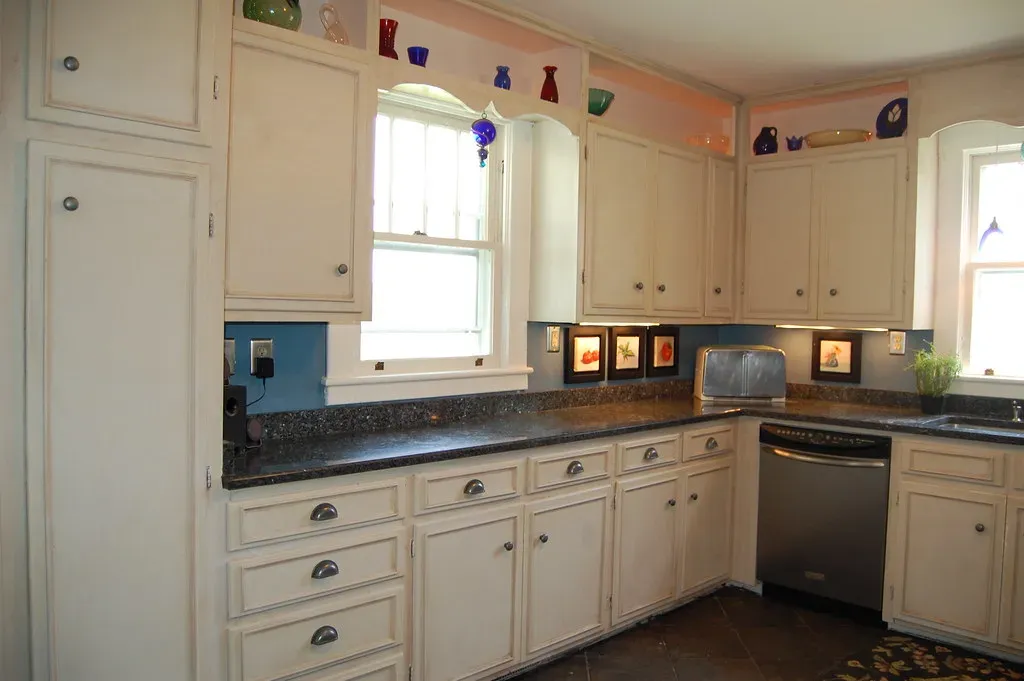
I’d argue that poor kitchen lighting is one of the most underrated home hazards in existence. It’s invisible until it isn’t. As we age, our vision tends to decrease, making things like keeping a magnifying glass handy in the kitchen super convenient for reading labels and expiration dates. That’s a workaround, though – not a solution.
Adding more and better lighting is a key update for getting your kitchen ready for aging in place. Bringing in a mix of natural and artificial light will create a strong balance of light in the space. Task lighting – lighting that focuses on a particular area to provide targeted illumination for specific tasks – is especially important, as opposed to ambient lighting which only lights a general area.
The better you are able to see when you’re in the kitchen, the less likely you may be to get injured. Experts suggest considering whether there is an opportunity to increase the light wattage for more visibility, as well as installing under-the-counter lighting, including battery-operated push lights, and additional overhead lighting. Pairing better lighting with the One-Shelf Rule essentially doubles your safety margin.
7. Swapping Out Heavy Cookware for Lightweight Alternatives
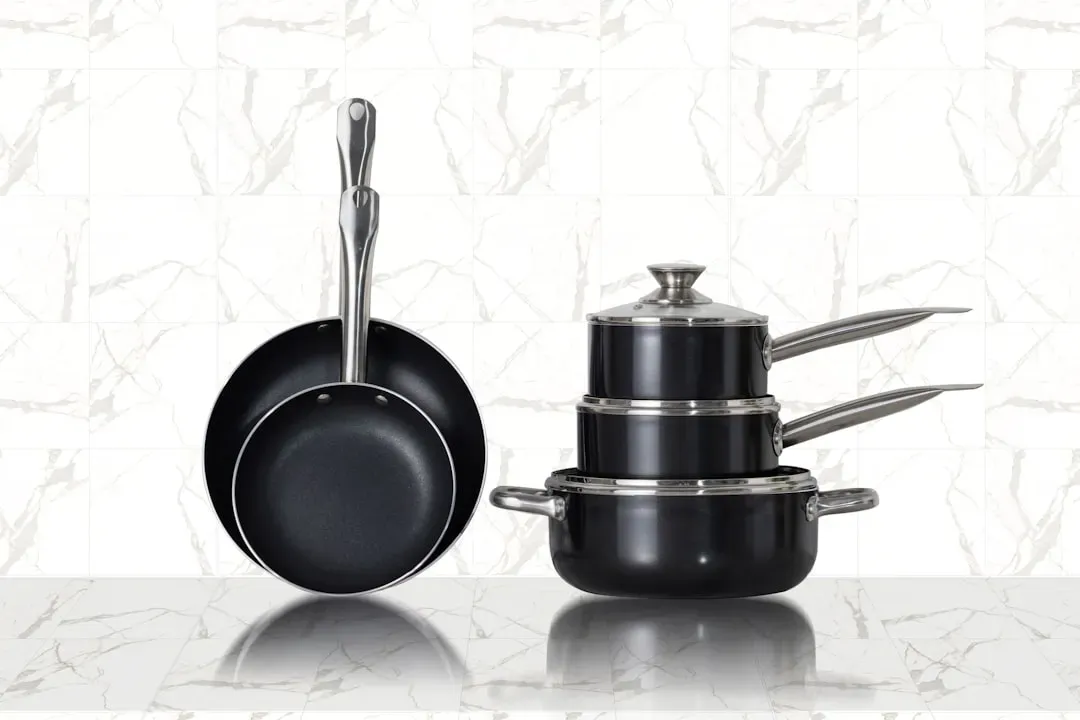
This one doesn’t get enough attention. The weight of your pots and pans matters more than most people realize. Choosing adaptive tools like lightweight cookware, ergonomic utensils, and easy-grip containers can meaningfully reduce strain during daily kitchen tasks. A heavy cast iron skillet that felt fine at 45 can feel like a liability at 62.
For an elderly person in the kitchen, there may be age-related concerns including diminished strength and grip, balance problems, visual changes, arthritis, and walking difficulties. The One-Shelf Rule works best when the items on that shelf are also safe to lift and carry. Lightweight ceramic-coated pans, for example, have improved dramatically in quality and are a practical swap.
Research has found that personal problems with reaching, bending, dexterity, and sight are more likely to be experienced with increasing age. Reducing the weight load of everyday items is a simple, low-cost change that compounds over time into better joint health and fewer accidental drops.
8. Cabinet Hardware and Handle Design Matters More Than You Think
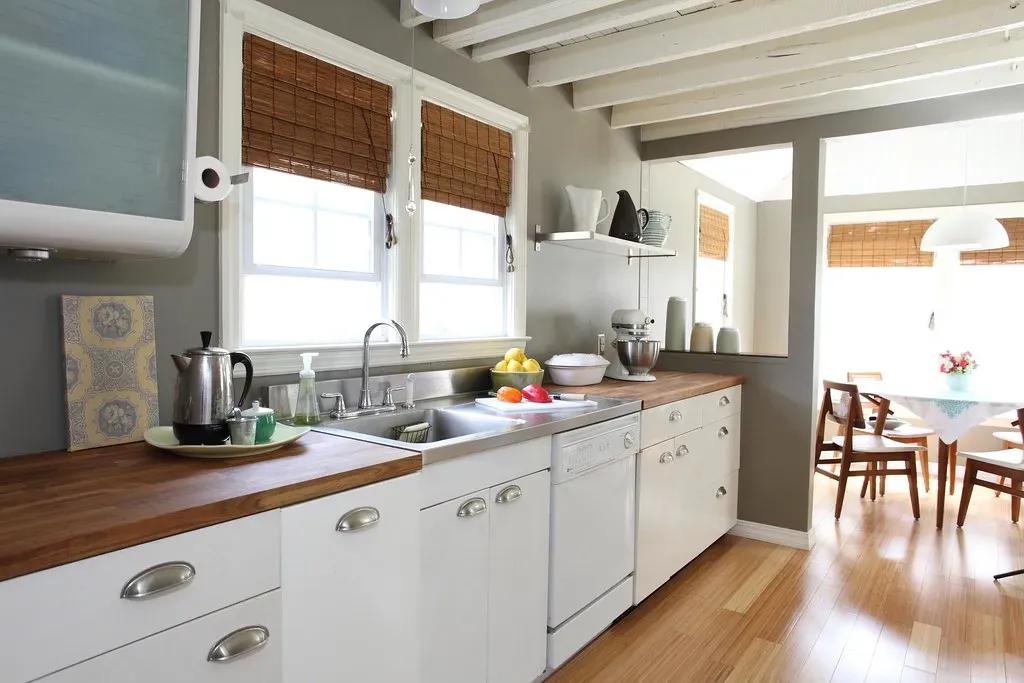
It sounds minor. It really isn’t. As you get older, it can become increasingly difficult to grip knobs versus handles on kitchen cabinets and doors. Replacing knobs with lever-style or D-handles makes gripping easier for everyone, and these types of handles can be installed on cabinetry, appliances, and the doors leading into the room itself.
Wide pulls with soft, curved edges and an ergonomic shape are ideal for individuals with reduced dexterity. Sharp corners on knobs and pulls should be avoided as they can cause injuries. Honestly, making this swap doesn’t cost a lot, and it’s one of those changes you’ll wonder why you didn’t make years earlier.
Think of a D-handle like the difference between trying to open a door with a slippery marble versus a comfortable grip bar at the gym. The gap in effort is massive, even if the task looks identical from the outside. An ergonomically organized space is gentler on the body, as it helps reduce time and movement throughout daily use.
9. The Aging-in-Place Reality: Most People Haven’t Planned for It
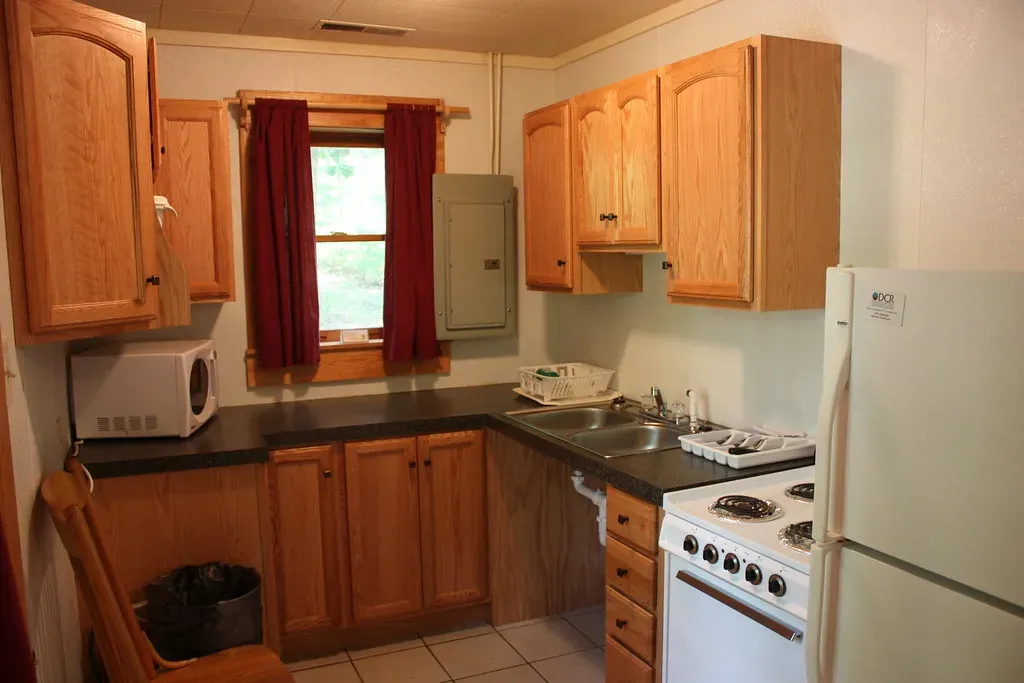
Aging in place is one of the most sought-after goals for seniors, and studies have found that 93% of adults 55 and older see it as an essential goal. Yet the gap between that desire and actual home preparation is enormous. Most kitchens in America were designed for a generic, able-bodied adult – not for the specific person who will be using them at 68 or 75.
A late 2024 AARP report found that 75% of U.S. adults aged 50 and older want to stay in their current homes as they age, and 73% hope to stay in the communities they know and love. For this reason, it pays to support the kind of home improvements that make aging in place actually viable.
According to the World Health Organization, 1 in 6 people will be aged 60 years or older by 2030. As you age, your abilities and needs will shift as your body undergoes natural changes. Mobility, hearing, vision, and cognition are areas where people often experience new challenges. The window to prepare – calmly and proactively – is right now, before those challenges arrive.
10. Making the One-Shelf Rule a Permanent Kitchen Habit
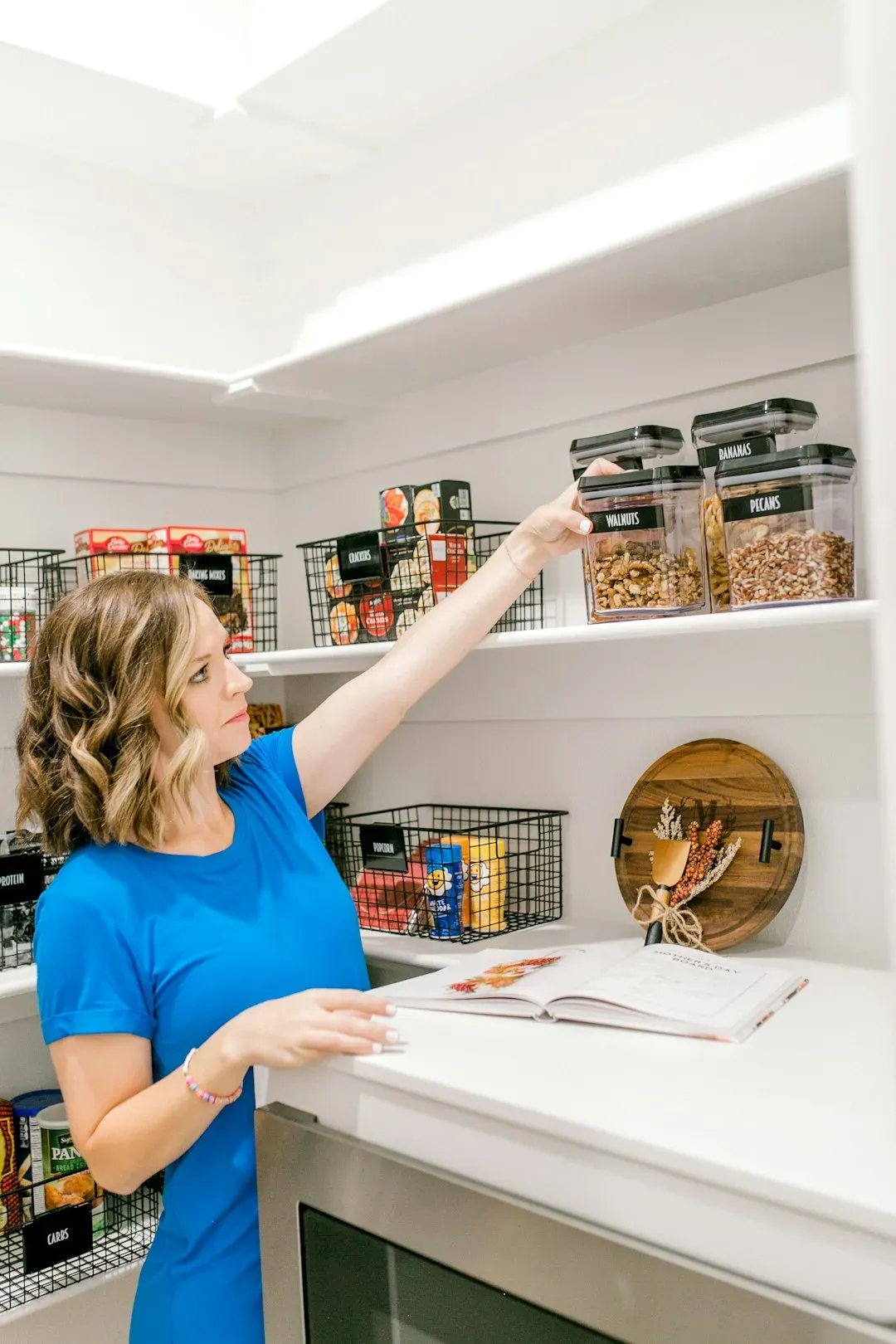
The real genius of the One-Shelf Rule is that it’s not a one-time project. It’s a mindset that evolves with you. Adjusting your shelf heights is an effective yet often overlooked tip. In so many homes, shelves are set at the same heights they were on move-in day and never adjusted since. This often leads to cluttered spaces where items don’t fit properly – adjusting the shelf heights to fit your specific needs will improve both the look and organization of your cabinets.
After decluttering and organizing, maintenance is essential. Keeping your kitchen in good shape doesn’t require hours of effort; a few consistent habits can make all the difference. Dedicating a few minutes each day to tidying up and addressing messes as they happen ensures your kitchen stays functional and stress-free. The One-Shelf Rule only works if it stays updated – a weekly “zone check” takes about two minutes and keeps everything honest.
Ergonomics is at the intersection between work environments and human task performance, and kitchen ergonomics informs knowledge on effective, safe, and efficient cooking practices while maintaining the desired kitchen functionality. Applied consistently, the One-Shelf Rule isn’t a renovation project or a major expense. It’s a decision to match your kitchen to your life – not the other way around.
The kitchen doesn’t have to become your adversary as you age. With one focused organizational shift, made at the right time, it can remain the comfortable, capable center of daily life it has always been. The question isn’t whether your kitchen will change as you get older. The question is whether you’ll be the one who decides how. What would you change in your kitchen first? Tell us in the comments below.