
You sit down, you open the menu, and everything looks tempting. The scallops, the truffle fries, the soup of the day. But here’s the thing – the people who actually know what goes on behind those kitchen doors rarely order any of it. Chefs eat out too, and when they do, they have a very clear idea of what to skip.
No one knows what dishes you should avoid better than seasoned chefs, and they steer clear of certain items no matter what – even at the fanciest of restaurants. It may be because the food usually isn’t fresh, or even what it claims to be, or it may just be that certain dishes are never as exciting as you think they’re going to be.
What follows is a gallery of the six dishes that keep coming up on every chef’s personal no-go list – and the reasons behind each one are more eye-opening than you’d expect. Let’s dive in.
1. The “Soup of the Day” – A Giant Pot of Leftovers
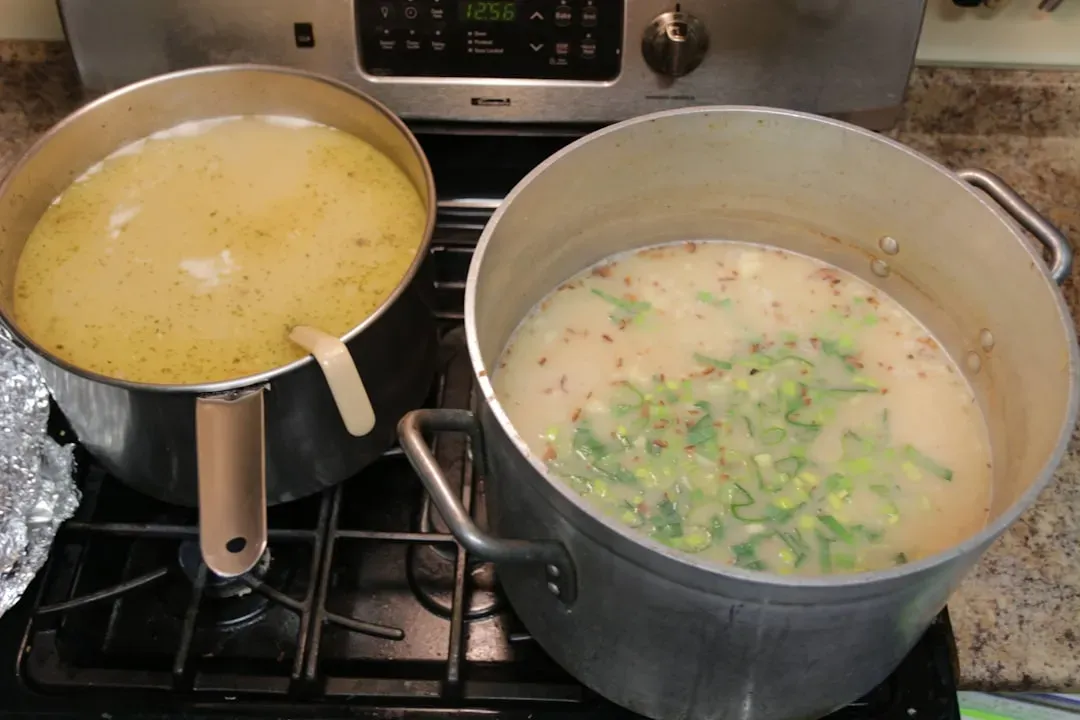
There is something almost poetic about the words “soup of the day.” It sounds fresh, seasonal, made with love that morning. The reality, however, is often far less romantic. The term “soup of the day” can be misleading, because many kitchens make enormous batches that sit around for extended periods. Think about it like leftovers at a restaurant scale. A giant pot gets made at the start of the week and reappears daily until it’s gone.
Chefs caution against the soup of the day because it is often a way for restaurants to use up leftover ingredients that are nearing the end of their shelf life. It is essentially a second life for whatever didn’t sell earlier in the week, dressed up in a bowl with a fancy ladle. Honestly, I think most diners just assume “daily” means fresh. It doesn’t always.
Soup of the day can sometimes be a clever way for restaurants to use up leftovers. Chefs may creatively combine ingredients that need to be used quickly, leading to inconsistent flavors. If a first-course experience matters to you, it is worth asking your server specifically when the soup was made before you commit to ordering it.
2. Truffle Anything – The Most Overrated Luxury on the Menu
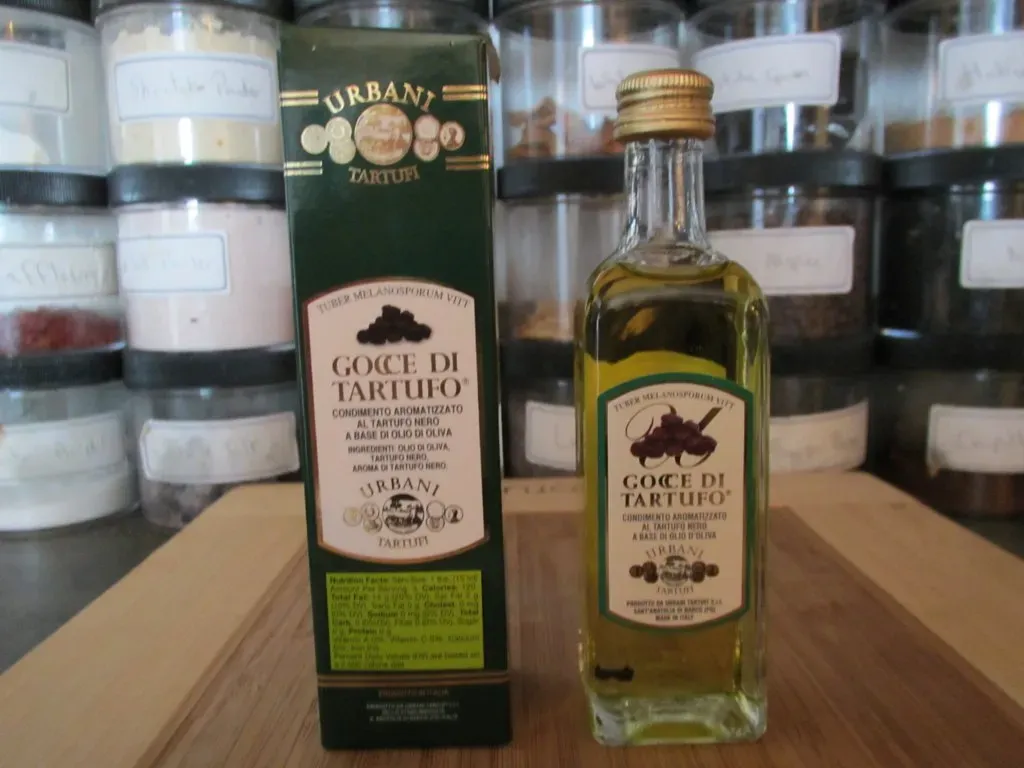
Few words on a restaurant menu trigger as much excitement as “truffle.” Truffle fries, truffle pasta, truffle aioli – it all sounds deeply indulgent. Here’s the uncomfortable truth that most chefs have known for years: many truffle oils are not made from truffles at all, but instead use manufactured aromatic compounds including 2,4-dithiapentane with an oil base. This chemical compound is the dirty little secret of the truffle oil industry. Most truffle oils do not contain any real truffles – instead, they are flavored with an aromatic petroleum-based chemical.
Those words “finished with truffle oil” on a menu mean you’re about to pay extra for synthetic chemicals. Most truffle oil contains zero actual truffles. Instead, it is regular oil infused with 2,4-dithiapentane, a laboratory-made compound that mimics truffle aroma. Think about that for a second. You are paying a premium price for a lab-synthesized fragrance, not a rare fungus dug up from an Italian forest.
Truffle oil is often made with synthetic aroma and lacks actual truffles, leading to widespread criticism from chefs. Fresh truffles, while expensive and labor-intensive to harvest, offer a unique flavor experience when used sparingly, contrasting with the artificial essence found in truffle oil. Skipping the truffle fries is one of the smartest moves you can make at a modern restaurant.
3. The Well-Done Steak – You’re Paying Premium for a Worse Cut
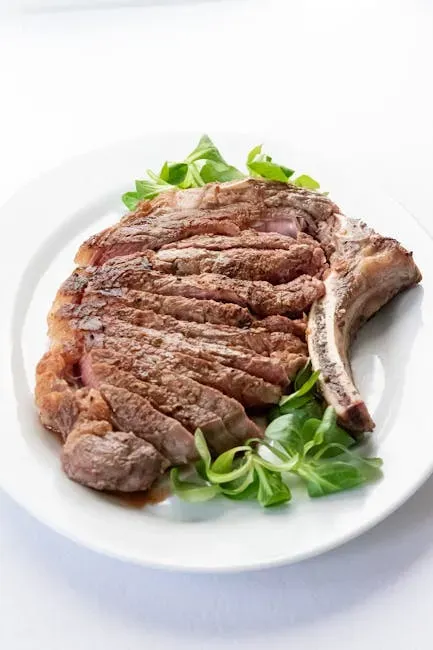
Let’s be real – this one might ruffle a few feathers. Ordering your steak well-done is not technically wrong. You are allowed to want your meat fully cooked. Yet the kitchen’s response to that request is something most diners never find out about. According to Anthony Bourdain, every now and again a cook would find a piece of steak that was tough and full of connective tissue. The chef would then have three options: throw it out, cook it for staff, or save it for a guest who ordered well-done – known as the “save for well done” practice. The reasoning being that a well-done steak would be so dry and chewy that it no longer mattered how good or bad the cut was to begin with.
The reason well-done is not the greatest is because of all the loss of flavor, fat, juice, and the promotion of tough, dry texture after a steak gets cooked past around 140 degrees. You are still paying full price for what the menu promises, but you are likely not getting the same cut as the table next to you who ordered medium-rare.
Steak is highly priced at most restaurants because of how meticulously it has been farmed and prepared. When you cook it to the highest degree of doneness, that high quality diminishes, and you aren’t experiencing its full potential – but you are still paying a premium for it. That is not a great deal by any measure.
4. The Daily Special – A Way to Clear the Fridge
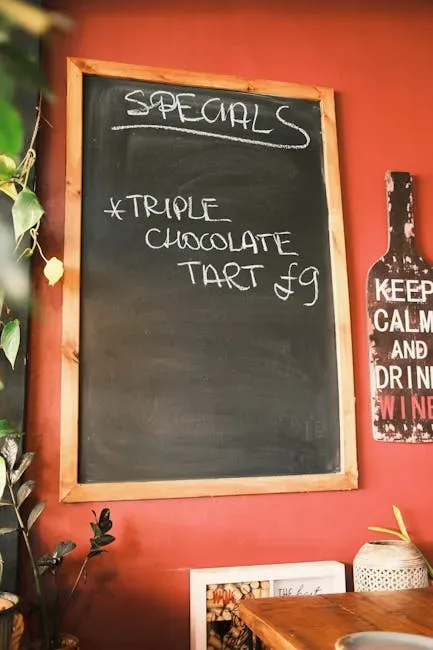
Servers love pushing the special. They describe it with enthusiasm, sometimes with a little theatrical flair. But experienced chefs know exactly why those specials exist. Some restaurants put together their specials for the day based on what’s about to expire or what they’re trying to get rid of faster. It is an economic decision dressed up as a culinary one.
One of the most commonly cited dishes to avoid is the seafood special, particularly at the start of the week. According to Business Insider, Chef Silvia Barbab, executive chef at Aita and LaRina, said that “it could be the most fresh and delicious special, but in some restaurants, specials are the way to clean up the fridge.”
Some restaurants use “specials” to get rid of old ingredients before they go bad. The smart move? Ask your server what arrived fresh today specifically. That is the dish to order – not the one that was probably earmarked for disposal by Tuesday afternoon.
5. Basic Pasta at a Non-Italian Restaurant – The Ultimate Price Trap
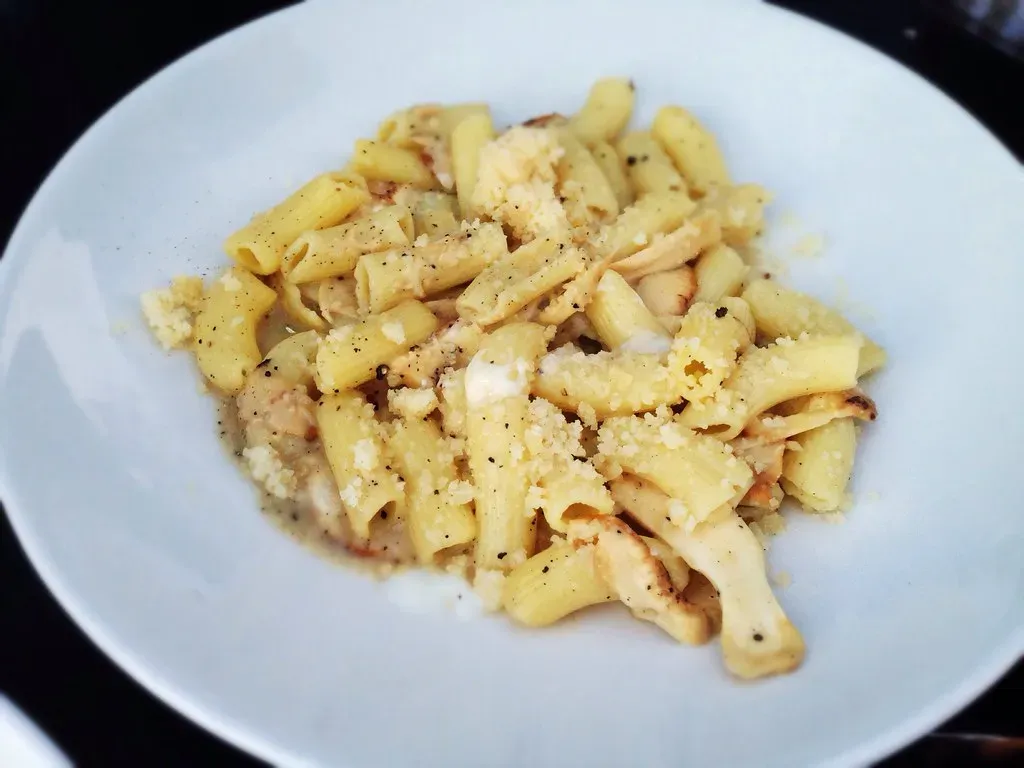
Pasta is one of those dishes that feels safe, familiar, and reassuring on a menu. The problem is the math. Pasta dishes are often overpriced, especially if you calculate the cost of the ingredients. Marcus Mooney, executive chef of Seattle Sutton’s Healthy Eating, rarely orders pasta at restaurants. He once worked for an Italian restaurant group in Chicago where they were charging $20 for a plate of rigatoni with marinara sauce, and the cost of ingredients was around $1. The only time he orders a pasta dish at a restaurant is if he knows they do it well.
Think of it like buying bottled water at a concert. The product itself is essentially worthless, but the context inflates it beyond reason. A simple pasta dish with marinara is one of the least expensive things a kitchen can produce, yet it regularly commands prices that make experienced chefs shake their heads.
What chefs tend to avoid are menu items that they know are more likely to be substandard, or else won’t give you bang for your buck. A bowl of pasta at a generic non-Italian spot almost always falls into the second category. If you are going to eat pasta out, make it count – look for restaurants where pasta is the centerpiece of the whole operation, not an afterthought on page three of the menu.
6. Scallops – A Beautiful Dish With a Very High Fail Rate
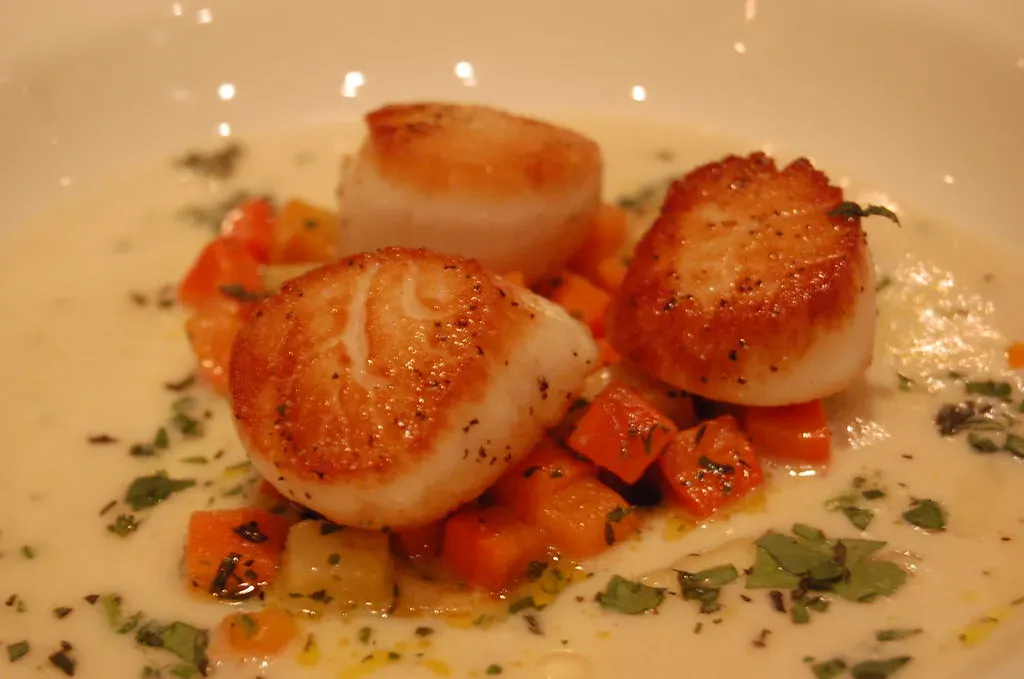
Scallops photograph beautifully. They sit there on the plate with those golden sear marks and look like something out of a food magazine. In reality, they are one of the most unforgiving dishes a kitchen can produce, and the execution gap between a perfect scallop and a terrible one is massive. Bill Collins, a personal chef and instructor who worked as a cook at the Ritz-Carlton in Boston, says scallops are a dish that is often overcooked at restaurants. It is also rare to find quality scallops, meaning restaurants are often using ones that are just so-so.
Good scallops are so hard to find that Collins doesn’t even make them very often at home. He notes that scallops are pricey, often about $25 to $45 a pound. Now imagine that price scaling up in a restaurant kitchen, combined with the chaos of a busy Friday night service. A perfectly seared scallop requires precise timing and serious attention. It is one of the first things to suffer when a kitchen gets slammed with orders.
Chef Jorge Dionicio, a classically trained Edomae sushi chef who competed in the World Sushi Cup, never orders delicate seafood when dining out unless he knows and respects the chef in question. He explained that he is “very particular about how fish is handled, aged, and presented – if those elements aren’t respected, the experience can be disappointing.” The same principle applies to scallops. They deserve a kitchen that can give them the full attention they require.
—
There is something freeing about knowing what to skip. It doesn’t mean eating out becomes less fun – honestly, it means the opposite. You stop wasting money on dishes that were never going to deliver, and you start spending it on the things a kitchen is genuinely proud of. What dazzles diners one year can quietly fade into irrelevance the next, and chefs across the country are watching it happen in real time. According to a Menu Matters survey of consumers, the overriding need for 2025 was simply “just give me something new.”
Next time you sit down and open that menu, channel your inner chef. Ask what’s fresh. Skip the truffle oil hype. Leave the well-done steak for someone else. The best meal you have ever had at a restaurant probably came from a dish you almost didn’t order. What would you have ordered instead?