
Most of us walk out of the grocery store convinced we made the right choices. The granola bars, the fruit juice, the low-fat yogurt – all sitting proudly in the cart like tiny trophies of self-discipline. But here’s the thing: the gap between what we think is healthy and what actually is, turns out to be enormous. And it’s not just about personal ignorance. There’s a full machinery behind it.
When it comes to eating healthy, one of the biggest barriers is a flood of unreliable information. Conflicting headlines, fad diets, and widespread misinformation make it genuinely difficult to sort out what’s actually good for you. Buckle up – because what follows might make you rethink your entire weekly shop. Let’s dive in.
Table of Contents
The Misinformation Machine: How We Got So Confused

Manufacturers slap misleading labels on their products, and social media influencers with no nutrition expertise regularly tout specific eating habits or diets to massive audiences. It’s a perfect storm of bad information dressed up in wellness aesthetics.
Many people who give nutrition advice lack the skills to interpret science. The term “nutritionist” isn’t tightly regulated in the United States, and many people without advanced nutrition education or credentials use it freely. So when someone with a million followers tells you that celery juice cures everything, there’s often nothing stopping them.
Health information, particularly about nutrition, has flourished on social media in recent years. However, these claims often lack proper scrutiny, enhancing the risk of misinformation. Nutrition misinformation on social media can originate from various sources, including influencers, celebrities, and journalists who often have substantial reach. Think about that next time a TikTok video convinces you that a specific “superfood” will transform your gut health overnight.
Research shows that on Instagram, completely accurate nutrition posts averaged just 4,318 likes, while on TikTok, mostly accurate posts received around 75,804 likes. The posts with the flashiest – and often least accurate – claims consistently attracted more engagement. Truth, it seems, is simply less viral than myth.
Granola Bars: The Candy Bar in Disguise
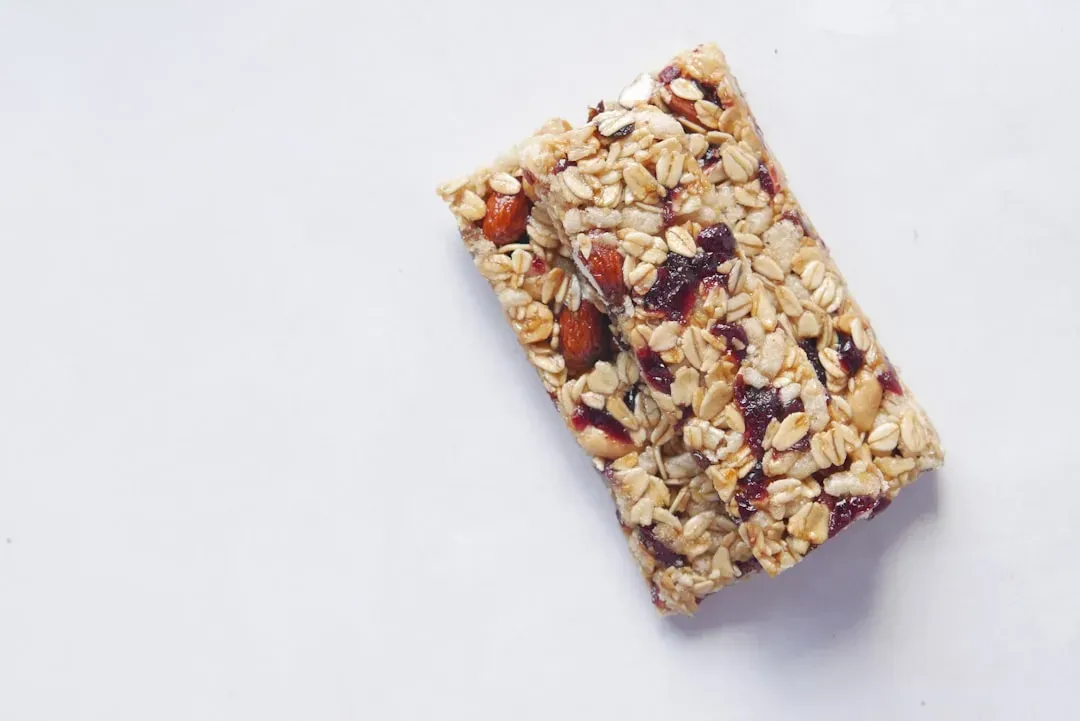
Let’s be real – is there any product more emblematic of the “healthy food” illusion than the granola bar? Oats. Nuts. Maybe a bit of honey. Sounds wholesome, right? Flip it over and read the label.
Many granola bars are highly processed and include ingredients like added sugars, vegetable oils, preservatives, and artificial flavors. Studies indicate that high consumption of processed and sugary foods can increase your risk of metabolic syndrome, a group of conditions that can lead to diabetes, stroke, and heart disease.
Some granola bars can be a good source of fiber and protein to help curb cravings between meals. However, some contain as much sugar, carbs, and calories as candy bars. That’s not a minor asterisk – that’s the whole story right there.
Some popular granola bar brands have 10 to 12 grams of sugar per serving, all from added sugars. These brands commonly use table sugar, brown sugar syrup, maple syrup, corn syrup, and fructose. That’s a dessert wearing a hiking boot. The versatility of granola bars means that food manufacturers often pump many other ingredients into their bars, turning a food item traditionally seen as healthy into something full of added sugar, saturated fat, or alternative sweeteners with their own health question marks.
The Fruit Juice Trap: Nature’s Sugar Bomb

Honestly, this one surprises even the most nutrition-savvy people. Fruit juice feels so innocent. It comes from fruit! It has vitamins! It’s practically medicine. Except it isn’t – not in the quantities most people drink it.
Both soda and 100% fruit juice pack around 110 calories and 20 to 26 grams of sugar per cup. Research consistently shows a link between sugary drinks and a higher risk of illness, such as type 2 diabetes, metabolic syndrome, high blood pressure, and heart disease.
Your perception of how healthy juice actually is can be way off. When researchers polled more than 2,000 adults, people underestimated the sugar content in juice by nearly half. That’s a staggering blind spot. The process of juicing removes an important component of whole fruits: fiber. Although humans can’t digest fiber, it’s essential to a healthy, balanced diet, because fiber slows the absorption of sugar and helps maintain stable blood sugar levels.
Compared with eating the fruit itself, the sugars in juice are digested and released into the bloodstream faster, causing blood glucose levels to spike. This triggers the body to pump out large amounts of insulin, which can prompt fat storage and increase the risk of type 2 diabetes. Drinking a glass of orange juice is genuinely not the same thing as eating an orange. Not even close.
Low-Fat Labels: The Great Nutritional Illusion
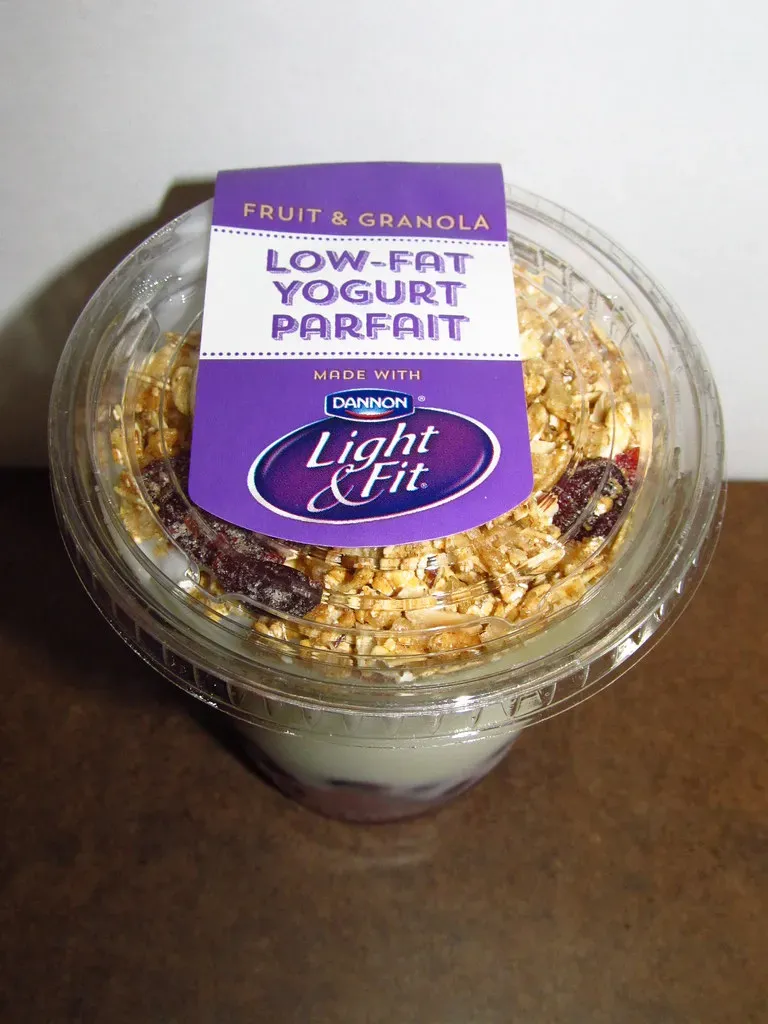
The low-fat craze never fully died. Walk through any supermarket and you’ll still see “low fat,” “fat free,” and “light” plastered across products like badges of honor. This is one of the most persistent nutrition myths of the modern era, and it has real consequences.
Products with the nutrition claims “low in fat” or “fat-free” may look healthy at first glance, but that isn’t necessarily the case. A product may only be called “low fat” if it contains no more than 3 grams of fat per 100 grams, for solid foods. The label tells you what’s missing – but not what’s been added to replace it.
The low-fat era resulted in a surge of low-fat, high-carb packaged snack foods, which were often loaded with sugar. Fat was removed, sugar rushed in to compensate for flavor and texture. The result was arguably worse. Today, we know that not all fat is created equal. Unsaturated fat from plants, like olive oil, nuts, seeds, and avocados, has many health benefits. It balances blood sugar, lowers bad cholesterol, and keeps you feeling full for longer.
Fat got a bad rap in the 1990s, when low-fat diets were all the rage, and many Americans are still confused about the role of fat in a healthy diet. We now know that all fats aren’t created equal. Decades later, that confusion still shapes what people toss into their carts every week.
Ultra-Processed “Health” Foods and the Label Game

Here’s where it gets really interesting. The concept of ultra-processed foods – or UPFs – has exploded in scientific literature recently, and the findings are not comforting. More alarming is how many foods marketed as “healthy” fall into this category.
From hot dogs and potato chips to chicken nuggets and sugary sodas, Americans are eating more ultra-processed foods than ever. Researchers estimate that up to roughly seven out of ten portions of the U.S. diet is composed of foods that are ultra-processed, meaning an excess number of substances have been added during manufacturing to help them taste better, look better, and last longer.
Ultra-processed foods include soft drinks, packaged snacks, sugared breakfast cereals, cookies, processed meats, and packaged frozen meals, but also flavored yogurts, low-calorie or low-fat products, and products “fortified” with beneficial nutrients. Notice that last part – the fortified and “better for you” products are right there in the same category.
Emerging evidence suggests a dose-response relationship between ultra-processed food consumption and negative health outcomes, meaning the more ultra-processed foods consumed, the greater the health risk. Therefore, reducing ultra-processed food intake, even modestly, may offer measurable health benefits. As one Stanford research dietitian put it, it’s not just about what’s added to these foods – it’s what’s missing. They tend to be lower in fiber, micronutrients, and phytochemicals.
Misleading Labels: “Multigrain,” “Natural,” and Other Clever Words
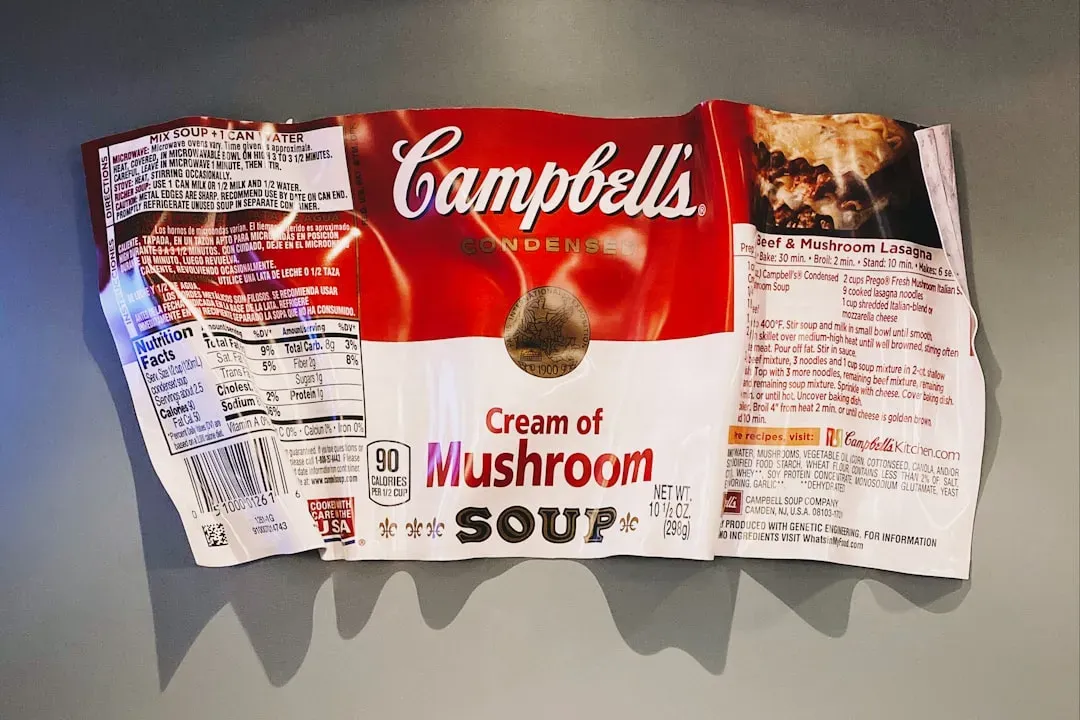
Food labels are practically a language of their own. Manufacturers spend enormous resources designing packaging that feels nutritious. Learning to decode the most common tricks is genuinely one of the most powerful things you can do for your health.
You may know that foods made with whole grains are healthier than those with refined flour, but labels can be misleading. Terms like “made with whole grains” and “multigrain” may sound healthy, but often they mean a product contains only a small amount of whole grains, while the rest is refined.
Nutrition experts recommend looking for products labeled “whole grain” or “whole wheat,” which means they’re made with at least 51 percent whole-grain ingredients. Even better, choose one that says “100% whole grain” and check that a whole grain is listed first in the ingredient list. If you have to decode marketing language to find the actual food content, that’s already a red flag.
A 2024 systematic review found that eating a diet more aligned with the Dietary Guidelines for Americans was associated with lower mortality risk. However, the average American healthy eating index score for ages two and older is just 58 out of 100, indicating poor adherence. In other words, most people know the broad strokes but are still falling far short in practice – often because the products they trust most are quietly working against them.
The Sodium Blindspot: Hidden Salt in “Healthy” Foods

We often picture salty snacks like pretzels and chips when thinking about sodium – but some of the biggest offenders are the ones we least expect, from breads to canned soups. This gap between perception and reality may be one of the trickiest challenges in modern nutrition. The 2020–2025 Dietary Guidelines for Americans recommend keeping sodium intake under 2,300 milligrams per day, a benchmark that continues to guide healthy eating habits into 2026. The average American consumes around 3,400 milligrams of sodium per day. That’s roughly one and a half times the recommended limit – every single day.
Because most of our sodium in the United States comes from prepared foods, simply avoiding the salt shaker at dinner isn’t going to make a big difference. Breads, salad dressings, pasta sauces, canned beans, cheese, and many processed foods and packaged snacks are loaded with sodium. The salad dressing on your “healthy” lunch salad could easily contain more sodium than a small bag of chips.
Even boneless, skinless chicken breasts can be injected with a brine that raises sodium levels. Restaurant food is also filled with salt, with some dishes packing the entire recommended daily amount into just one meal, according to a study in the Canadian Journal of Public Health. It’s worth pausing on that for a moment. A single restaurant meal – even something that looks lean and green – can max out your sodium for the entire day. Reading labels, cooking at home when possible, and being skeptical of packaging claims are the simplest defenses against this invisible problem.
Closing the Gap: What Actually Works
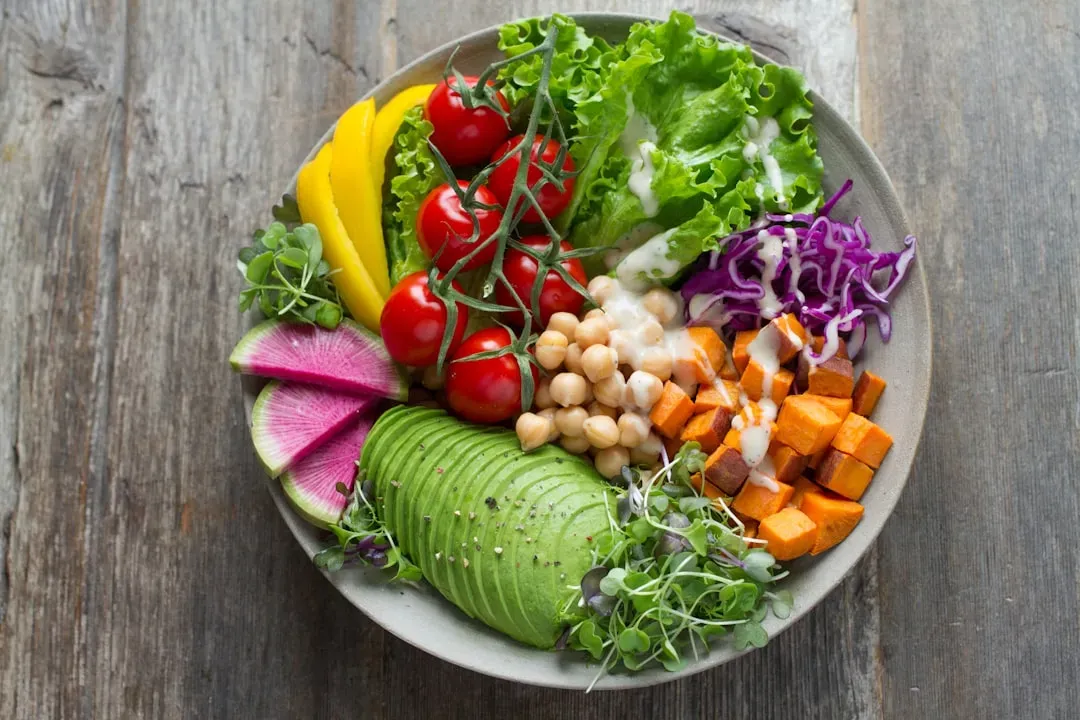
After reading all of this, it might feel tempting to throw up your hands and just eat whatever. Don’t do that. The picture is complicated but not hopeless. There are real, evidence-based principles that hold up under scrutiny – and they’re simpler than any trend diet will admit.
The American Heart Association recommends reducing the intake of most ultra-processed foods, especially those high in saturated fat, added sugars, and sodium, and replacing them with healthier options like vegetables, fruits, whole grains, beans, nuts, seeds, and lean proteins. Not revolutionary. Not glamorous. Still true.
Research has shown that when you eat a variety of plant-based proteins throughout the day and enough calories, you can easily meet all your amino acid needs. You don’t need to overhaul everything at once. Frozen and canned produce is actually picked at peak ripeness during harvesting, which means optimal nutritional value is preserved. In some cases, freezing or canning can even increase the bioavailability of some nutrients, such as lycopene in canned tomatoes. Convenience and nutrition aren’t always enemies – it depends entirely on what’s in the package.
I think the most honest takeaway here is this: the “healthy food” gap isn’t really about laziness or ignorance. It’s about a food environment deliberately designed to blur the lines between nourishing and marketed-as-nourishing. The labels, the packaging, the influencer posts – they’ve been optimized not for your health, but for your purchase. Once you see that machinery clearly, you can start making choices that are genuinely yours.
What’s one “healthy” food in your kitchen right now that you’ve never actually read the label on? It might be time to look.