
Not all nuts are created equal. Some pack a jaw-dropping nutritional punch, while others are better appreciated as an occasional treat rather than a daily staple. We snack on them mindlessly at parties, toss them into salads, or grab a handful on a busy afternoon – yet very few of us stop to ask: is the nut I’m eating actually good for me?
Nuts may look similar at a glance – tiny, crunchy, energy-dense – but nutritionally they’re wildly different. Some deliver omega-3 fats or high-quality protein, while others shine in vitamin E, antioxidants, minerals, or specialized fatty acids. The differences really do matter. So if you want to upgrade your snacking game with real science behind it, keep reading. You might be surprised by which nut ends up on top.
#6 – Macadamia Nuts: Buttery, Beautiful, but Bottom of the Pack
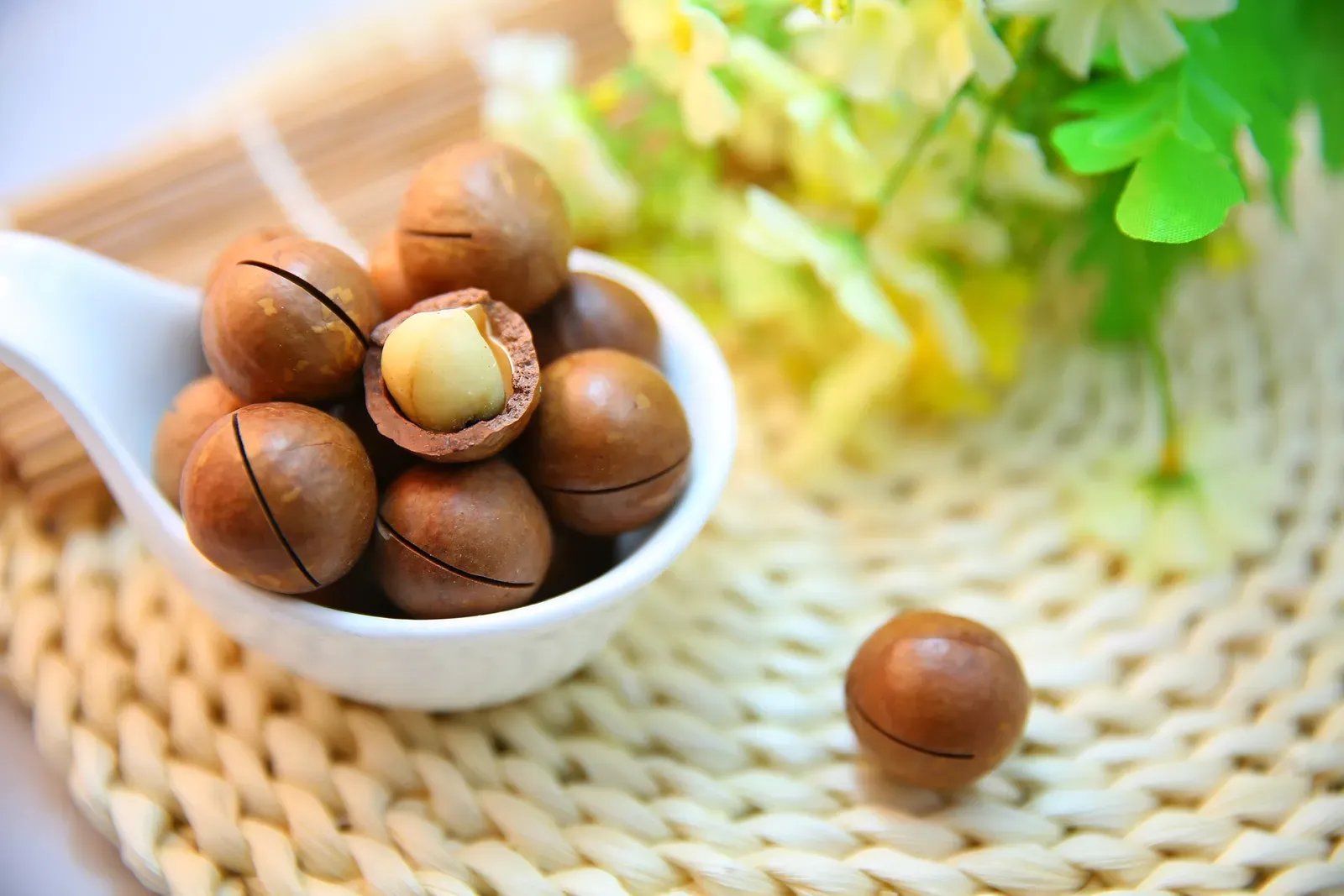
Let’s be real – macadamia nuts are delicious. There’s a reason they show up in fancy chocolates and Hawaiian gifts. But when it comes to pure nutritional value, they sit at the bottom of this ranking.
According to a 2024 dietary profile analysis published in the Journal of Nutrition, macadamias are the highest in total fat among popular nuts, with 76 grams of fat per 100-gram serving. While most of this is heart-healthy monounsaturated fat, the sheer calorie density – about 718 calories per 100 grams – makes portion control challenging for most people.
Though heart-healthy from their monounsaturated fats, macadamias are low in protein, low in fiber, and highest in calories per ounce. Furthermore, macadamias are lower in protein compared to other nuts, with only 7.9 grams per 100 grams. That’s a tough sell when you’re looking for nutritional bang for your buck.
The FDA did approve a qualified health claim for a 1.5-ounce serving of macadamia nuts and a reduced risk of coronary heart disease, according to 2023 research from Advances in Nutrition. Another 2023 study published in the Journal of Nutritional Science shows how, over just an eight-week period, cholesterol levels went down in people eating macadamias. So they’re not useless. They’re just not your best daily option.
#5 – Brazil Nuts: Selenium Superstars with a Very Real Catch

Brazil nuts have one extraordinary superpower, and it’s genuinely impressive. Brazil nuts are the ultimate selenium source – just one nut can meet the entire daily requirement. That’s remarkable. No other nut even comes close.
Brazil nuts offer nature’s richest source of selenium, a trace mineral essential for thyroid function, immune health, and antioxidant defense. Selenium also plays a role in reducing oxidative stress and supporting DNA synthesis. Honestly, for specific health purposes, they’re incredible.
Here’s the problem though. Selenium is crucial for thyroid health and immune function, but too much can be harmful. Reviews from the European Food Safety Authority warn of selenium toxicity if more than four to five Brazil nuts are consumed daily over time. Think of them less as a snack and more as a targeted supplement. Overconsumption risks selenium toxicity, which places them lower on this list – one nut every two to three days is realistic guidance for most people.
With 14 grams of protein per 100 grams and a whopping 659 calories, they’re nutritious but easy to overeat. Brazil nuts are also a significant source of magnesium and healthy fats, but they lack the broad nutritional coverage of the top-ranked nuts.
#4 – Cashews: Creamy, Convenient, but Nutritionally Complex
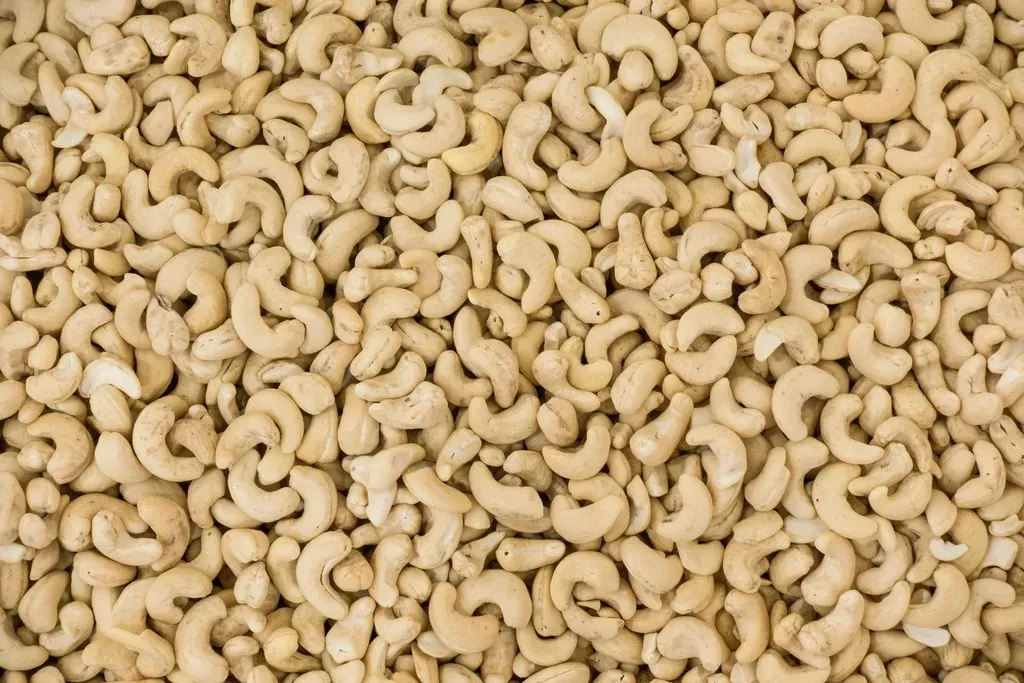
Cashews are beloved worldwide – the buttery base of vegan cheeses, curries, and afternoon snack bowls everywhere. Nutritionally, they’re solid. Not spectacular, but solid. These nuts are packed with essential minerals like zinc, copper, magnesium, and manganese, which are key for energy production, immune support, and bone health. Roughly 82 percent of their fat is unsaturated fat, the majority being heart-healthy monounsaturated fats similar to those found in olive oil.
Like other nuts with healthy fats, fiber, and antioxidants, cashews support heart health, blood sugar levels, and anti-inflammatory effects. But they stand out particularly when it comes to iron. Roughly one third of Americans need to get more iron in their diet, according to 2024 research published in JAMA Network Open – and cashew nuts come with about 2 mg per serving, around 11 percent of the daily value for women and 40 percent for men.
Cashews provide copper, magnesium, and iron, and support lipid health – but have lower fiber, more carbs, and fewer antioxidants than higher-ranked nuts. That’s what keeps them from climbing further up this list. They’re a wonderful food, but if you eat them thinking you’re getting a fiber-rich snack, you might want to reconsider.
#3 – Almonds: The Most Studied Nut in the World
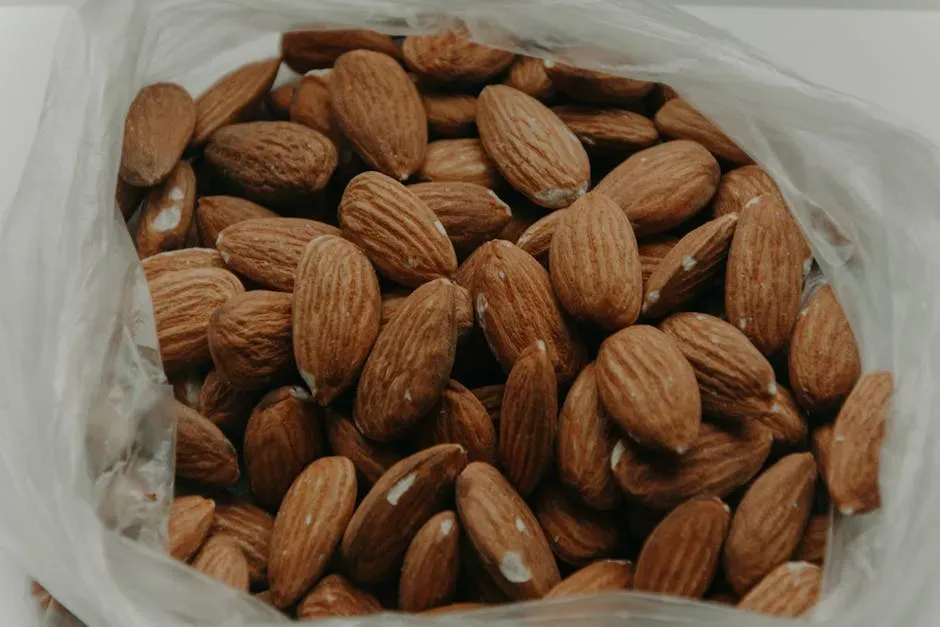
Few nuts have as much research behind them as almonds. They’re everywhere for a reason. When compared ounce for ounce, almonds are the nut highest in protein, fiber, calcium, vitamin E, riboflavin, and niacin, and they are the best source of six of the thirteen nutrients for which there are daily values, while also being among the lowest in calories.
Loaded with vitamin E, magnesium, and riboflavin, a 2025 meta-study in the European Journal of Nutrition found daily almond intake reduces LDL cholesterol by an average of 6 percent. Almonds also support weight management, as their fiber and protein combination promotes satiety. I think that combination – heart protection AND weight management – is genuinely hard to beat in a single food.
These nuts are especially rich in vitamin E, a fat-soluble nutrient that functions as an antioxidant to protect your cells against oxidative damage. Research published in the Journal of the American College of Nutrition showed that increasing almond intake helped improve insulin sensitivity and reduced cholesterol in adults with prediabetes.
Several studies have demonstrated that almond intake of 10 to 100 grams per day is associated with improvement in glucose homeostasis and lipid metabolism. The high fiber content may be the main factor related to the increase in satiety and weight control. Honestly, if you only ever kept one nut in your kitchen, almonds would be a defensible choice.
#2 – Pistachios: The Underdog That Science Keeps Elevating
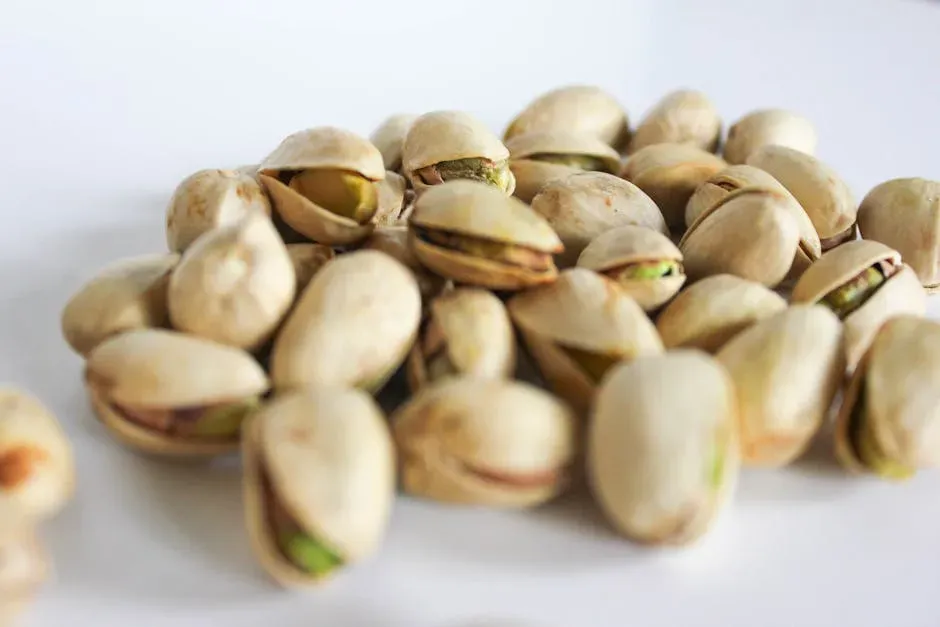
Pistachios don’t always get the attention they deserve, and that’s a shame. The data backing them up is genuinely impressive. Pistachios are among the highest in protein, lowest in fat, and lowest in calories compared to every other nut. Compared with other nuts, pistachios have a lower fat content, and they have an essential amino acid ratio higher than most other commonly consumed nuts including almonds, walnuts, pecans, and hazelnuts – plus they’re richer in fiber.
A study published in the Journal of the American College of Nutrition found that eating two to three ounces per day of pistachios improved blood lipid levels and lowered the ratio of bad LDL cholesterol to good HDL cholesterol. Another study found that eating pistachios helped maintain normal blood sugar levels after eating a high-carbohydrate meal. Other research has suggested that pistachios could improve motor function, reduce oxidative stress and inflammation, and enhance blood vessel function.
A 2025 study published in The Journal of Nutrition found that eating pistachios strengthens a part of the eye that protects the retina and reduces the risk of age-related macular degeneration, a leading cause of vision loss in older adults. That’s a finding that should make anyone over forty pay attention.
Among nuts, pistachios have the highest levels of potassium, vitamin K, phytosterols, and vitamin B6. Pistachios have been shown to lower triglycerides in people who are obese and those with diabetes. In one 12-week study in obese people, those eating pistachios had triglyceride levels nearly 33 percent lower than in the control group. The science here is stacking up fast.
#1 – Walnuts: The Undisputed Champion of the Nut World
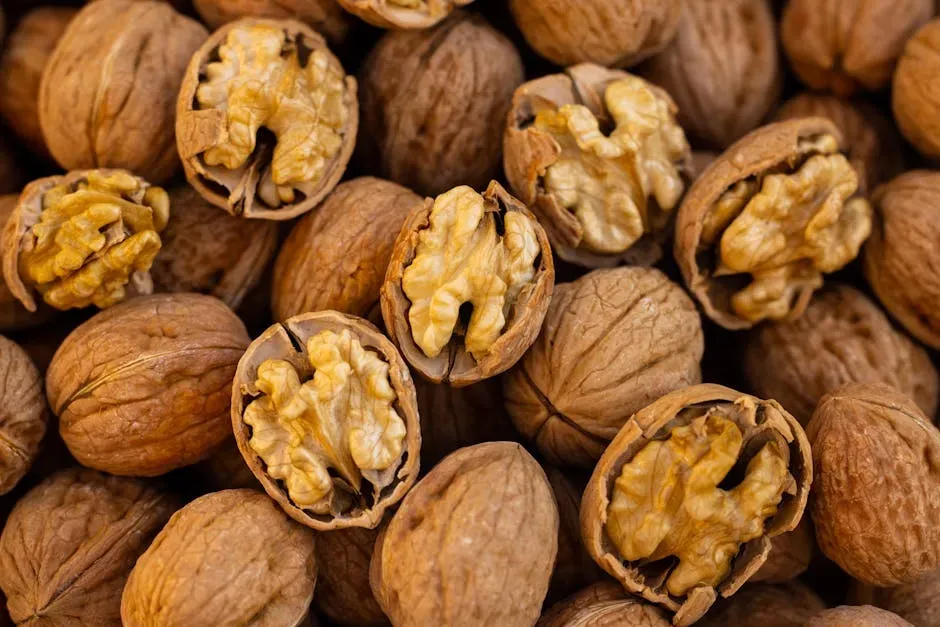
Here’s the thing about walnuts – they just keep winning. Study after study, year after year, they sit at the top. Walnuts are a great source of alpha-linolenic acid (ALA), an omega-3 fatty acid that is important for reducing inflammation. In fact, they are the only nut significantly high in these omega-3 fatty acids. Their anti-inflammatory compounds may reduce the risk of heart disease.
A 2024 review of research published in Foods and Humanity calls walnuts a “functional food” based on 23 years of study findings. The review highlights a range of associated health benefits, including that walnuts can lower bad cholesterol levels and reduce the risk of heart disease. Twenty-three years of consistent evidence. That’s not a trend – that’s a track record.
Studies have shown that the antioxidants and anti-inflammatory polyphenols found in walnuts may improve brain function and slow mental decline that occurs with aging. Cognitive functions include memory and the ability to think. Research also shows walnuts can improve gut health. In a clinical trial, adults who ate walnuts every day had healthier gut bacteria. Brain, heart, and gut – all in one small handful.
Walnuts provide the highest plant omega-3 content of all nuts, plus strong antioxidant polyphenols in their skin. They consistently improve LDL cholesterol, endothelial function, inflammation markers, and may benefit cognition. Recent research also suggests that the way fat is stored in walnuts prevents your body from absorbing all the calories. One study found that even though an ounce of walnut has 190 calories, only about 145 are usable. So even the calorie math works in your favor.
No nut combines brain health, heart protection, anti-inflammatory power, and gut support quite like the walnut. It’s wrinkled, humble, and almost universally underestimated at the snack table. Adults should aim to eat about four to six servings of unsalted nuts a week as part of a healthy diet – and if walnuts make up a good portion of that, the evidence strongly suggests you’ll be better off for it.
So next time you reach into a mixed nut bag, maybe seek out the wrinkly ones first. Did you expect the walnut to come out on top? Drop your thoughts in the comments below.