
Table of Contents
Pandemic Paranoia Changed Everything
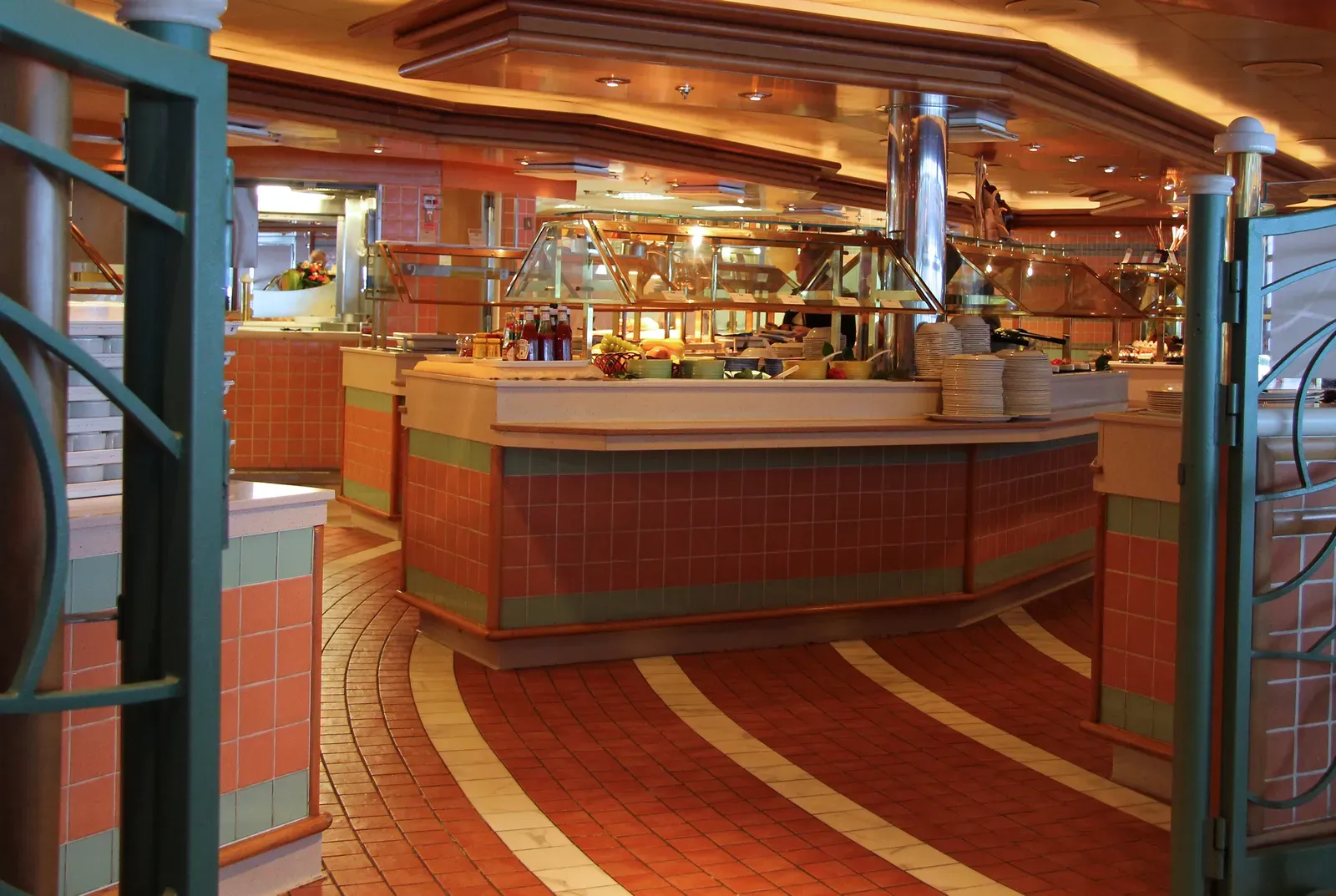
Honestly, buffet restaurants are still taking hits from the pandemic – some scars might never fully fade. Garden Fresh Restaurants, which operated Souplantation and Sweet Tomatoes buffet chains, was losing about $1 million per week after closing its 97 locations in March 2020, ultimately deciding that the all-you-can-eat format wasn’t feasible anymore. The FDA began recommending against self-service buffet or salad bars, and the entire concept clashed fundamentally with what was needed for safety. When people watched communal serving utensils being handled by strangers, they suddenly saw disease transmission instead of delicious food.
Buffets and cafeterias have shed nearly half of their pre-pandemic workforce, taking one of the hardest hits of any restaurant category. Concerns about hygiene and cross-contamination, especially heightened by COVID-19, have made diners wary of buffet settings. Even as restrictions lifted in 2023 and beyond, many customers never came back.
The Economics Simply Don’t Work Anymore

Buffets operate on razor-thin margins, with roughly 95% of revenue going toward overhead, leaving only about 5% in net profit for every $20 earned. That’s an insanely difficult balancing act even in good times. Buffets often break even on food costs and rely on minimizing labor expenses through self-service and skeleton crews in the kitchen.
Restaurants incur billions of dollars in waste-related costs annually, which includes not just the food itself but packaging. Buffets face unique pressure because they must maintain abundance to satisfy customers. By nature, buffets attract big eaters with insatiable appetites, and operators try to fill customers’ bellies as cheaply as possible using research-backed tricks.
The Shocking Scale of Food Waste

Here’s something that might make your jaw drop. All-you-can-eat buffets generate more food waste than any other restaurant format and brought in $5.5 billion in 2022 in the U.S., with much of the waste being plate waste from food diners serve themselves but don’t finish. A substantial amount of food at buffets is wasted. Think about that for a moment.
Since excess food cannot be reused or donated according to food regulations, all-you-can-eat buffets are forced to throw out large amounts of food and keep extra on hand to meet demand, making them among the highest food wasters in the industry. It’s difficult for buffet restaurants to match supply and demand, and they’d rather oversupply than undersupply because the latter would lead to frustrated customers. That economic reality is crushing profitability.
Labor Shortages Hit Buffets the Hardest
The COVID-19 pandemic led to widespread restaurant closures and industry layoffs, with workers reluctant to return when restaurants reopened. Today, 70% of restaurant operators report having job openings that are tough to fill, while 45% say they don’t have enough employees to support existing customer demand. Buffets need more staff than typical restaurants to constantly monitor and replenish food stations, clean high-touch surfaces, and manage the chaos.
During the pandemic, many restaurant managers, chefs, bartenders, and servers pursued new career opportunities in other industries, and post-pandemic, many never returned due to lower wages, long hours, lack of benefits, and limited advancement opportunities. The turnover rate in the leisure and hospitality sector stands at approximately 73%, making it nearly impossible to maintain consistent service quality.
The Great Buffet Massacre of 2020-2024

Old Country Buffet, once boasting more than 600 locations, was down to a mere 13 in total by 2023. At its peak, this buffet chain had over 600 locations but today has shuttered all its remaining stores, largely due to repeated bankruptcy filings. It’s hard to wrap your head around that kind of collapse.
According to market research firm NPD Group, the number of buffets in America has fallen by 26% since 1998 even as the total number of all restaurants has risen by 22%, with more than 1,300 buffets shutting their doors in the past 20 years. Only nine buffets remain on the Las Vegas Strip, where they were once an institution. Even Sin City couldn’t save them.
Rising Food and Operating Costs Crushed Profitability
Restaurants are grappling with increased costs for food and supplies, with 58% of operators in 2023 citing rising inventory costs as their top financial strain. Inflation almost certainly led the way in restaurant closures, with wages, ingredient costs, and other expenses increasing while cost-conscious consumers dined out less or spent less. Buffets got squeezed from both sides.
All 13 locations of Country Cookin’ closed permanently in late 2020, with company officials attributing the decision to rising food and operational costs even after restaurants had reopened from their initial COVID-19 shutdowns. Rubio’s Coastal Grill closed 48 California locations in May 2024, attributing the action to the rising cost of doing business in California, where fast-food employees’ minimum wage reached $20 an hour.
Changing Consumer Preferences Left Buffets Behind
Industry experts attribute buffet decline partly to the spread of food delivery apps, a trend toward more meals eaten at home that buffets can’t effectively capitalize on. People want convenience, not communal troughs. The rise of delivery and takeout has shifted consumer preferences away from traditional dine-in experiences like buffets, with the convenience of having meals delivered becoming more aligned with modern lifestyles.
In an era dominated by Instagram and food blogging, the visual appeal of food has become crucial, and buffets often fall short because their presentation isn’t as photogenic or unique as dishes at independent restaurants. Honestly, who wants to post a picture of a wilted salad bar on social media?
The Few Survivors Adapted or Thrived
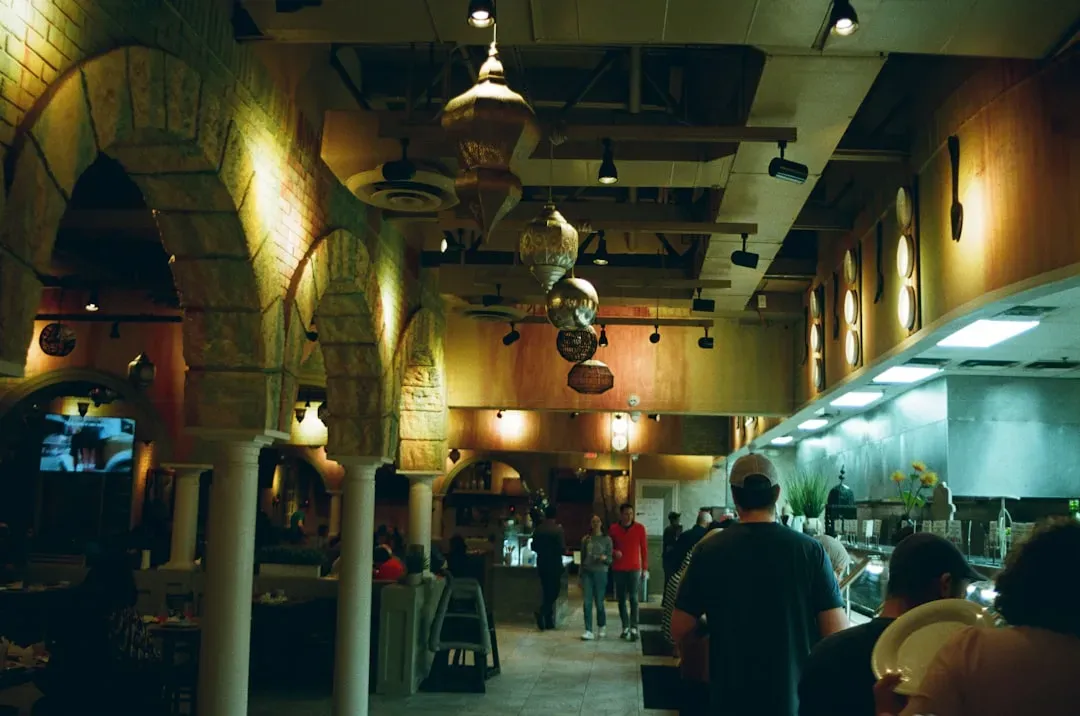
Not every buffet story ends in disaster. Business is booming for some buffet restaurants in America, bringing in $5.5 billion in sales in 2022, a big increase from 2020 when sales dropped more than 14% and struggled at under $4 billion, with Golden Corral seeing sales grow by 14% from 2020 to 2023. Combined visits to the country’s three biggest buffet chains, Golden Corral, Cicis, and Pizza Ranch, were up 125% in spring 2023. Those who survived found ways to make it work.
MGM Gold Strike Resort and Casino in Mississippi prioritized waste reduction on its all-you-can-eat buffet, slashing waste by more than 80% and decreasing food costs more than 5% in the first year alone, while Sofitel Bangkok achieved a 50% reduction in food waste, saving an estimated $60,000 per year. The ones who innovated, measured their waste, and adapted their operations found pathways forward. But they’re the exception, not the rule.
What does the future hold for all-you-can-eat dining? Some chains are betting on a comeback, while others have permanently closed their doors. The buffet model that once symbolized abundance and value now struggles against modern realities of food safety concerns, crushing operational costs, and shifting dining habits. Did you expect the decline to be this dramatic?