
Most of us grew up hearing that what we eat matters. But as the body ages, that truth becomes far more urgent. The foods that barely registered a health concern at 35 can become genuinely dangerous territory at 65. It’s not dramatic to say so. It’s just biology.
The science has caught up fast. Between 2024 and 2026, a wave of landmark research and updated dietary guidelines from major health institutions has made one thing unmistakably clear: older adults face unique nutritional vulnerabilities, and certain foods exploit every single one of them. So before you reach for that familiar snack or slice, let’s take a hard look at what nutritionists are now sounding the alarm about. Let’s dive in.
Table of Contents
1. Processed Meats: The Dementia and Cancer Double Threat

Hot dogs, bacon, bologna, deli turkey, salami. They’re convenient, they’re familiar, and they have been in American refrigerators for generations. Here’s the thing, though: the evidence against them has never been stronger, especially for seniors.
People who eat at least a quarter serving of bacon, bologna, or other processed red meat a day – about two servings a week – have a higher risk of dementia than those who eat less than one-tenth of a serving daily. That finding came from a landmark 2024 study presented at the Alzheimer’s Association International Conference. It tracked more than 130,000 people for up to four decades.
Those eating a daily average of one-quarter or more of a serving of processed red meats had a 13% higher risk of developing dementia, adjusting for numerous clinical, demographic, and lifestyle factors. On top of that, the International Agency for Research on Cancer classified processed meats as a Group 1 carcinogen for human colorectal cancer – the same classification applied to tobacco and asbestos.
The findings also suggest that people can decrease their risk of dementia by replacing one serving of processed red meat with one serving of nuts and legumes, such as beans and peas, every day. That is not a small or trivial swap. That is a genuinely actionable dietary change that could protect your brain.
2. Sugar-Sweetened Drinks: The Silent Blood Sugar Saboteur

Sodas, sweet teas, fruit punches, energy drinks. They go down easy, and that is exactly the problem. For seniors, whose metabolism has already slowed and whose risk for type 2 diabetes has climbed, sugary beverages are one of the most dangerous things in the average grocery cart.
Consuming processed meat and sugar-sweetened beverages was conservatively associated with at least an 11% increase in type 2 diabetes risk from processed meat alone, and SSB intake was associated with at least an 8% average increase in type 2 diabetes risk. These numbers represent conservative, lower-bound estimates. The real-world impact could be higher.
No amount of added sugars or nonnutritive sweeteners is recommended or considered healthy or part of a nutritious diet, according to federal dietary guidance, and people should avoid sugar-sweetened drinks. Honestly, that is about as clear a warning as official nutrition science ever gets. For older adults, especially those managing chronic health conditions, even lower levels of added sugar may be more appropriate than general population guidelines suggest.
3. High-Sodium Packaged Foods: A Blood Pressure Bomb
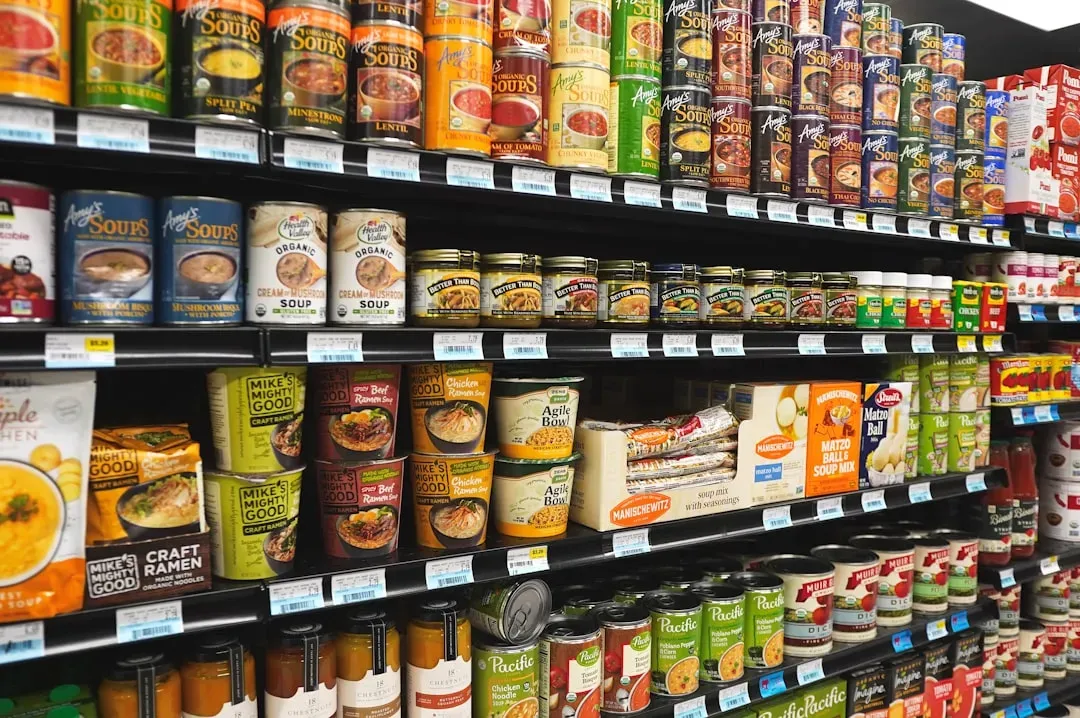
Canned soups, frozen dinners, packaged crackers, seasoning mixes. Sodium is everywhere in the American food supply, and most people are consuming far more of it than they realize. For seniors, this is not just a minor inconvenience. It is a direct path to cardiovascular damage.
Diet simulations confirm that staying below the recommended limit of 2,300 milligrams of sodium per day for ages 14 and older is difficult for all population groups, even when all foods exceeding 345 milligrams per serving were excluded. These analyses indicate that the food supply is high in sodium. Think about that for a moment. Even people trying to eat carefully are likely exceeding safe limits.
The transformation of processed meats often leaves them with a high concentration of salt, in addition to the saturated fat many meats already contain. The added salt can quickly add up, increasing blood pressure, weight, and the risk of heart disease, three common causes of cardiovascular disease. The guidelines recommend that most people over age 14 should have less than 2,300 mg a day of sodium and recommend avoiding highly processed foods high in sodium. Seniors who rely on pre-packaged convenience foods are particularly at risk of blowing past that threshold with a single meal.
4. Refined Carbohydrates and White Bread: The Empty-Calorie Trap

White bread, white rice, standard pasta, pastries, many breakfast cereals. These refined carbohydrates are stripped of the fiber and nutrients that slow digestion and stabilize blood sugar. For an aging body that already processes glucose less efficiently, they spike blood sugar sharply and then leave you nutritionally empty.
The latest dietary guidance prioritizes whole, fiber-rich grain options while calling for a significant reduction in highly processed, refined carbohydrates, such as white bread. That shift in emphasis is significant. As people age, they need fewer calories to maintain the same weight, and multiple changes occur that affect how their bodies digest and use the food they eat, along with what they need to stay healthy.
A healthy dietary pattern for individuals ages 2 years and older is higher in vegetables, fruits, legumes, nuts, whole grains, fish and seafood, and vegetable oils higher in unsaturated fat, and lower in red and processed meats, sugar-sweetened foods and beverages, refined grains, and saturated fat. Refined grains and white bread land squarely on the wrong side of that equation. Swapping white bread for a dense, seeded whole grain loaf is one of those small, daily changes that genuinely compounds over time.
5. Ultra-Processed Foods: The Longevity Wrecker

Frozen meals, chips, packaged cookies, mass-produced baked goods. The term “ultra-processed” covers a wide, alarming range. These are products engineered for shelf life and palatability, not for nourishment. For older adults, the stakes around eating too much of this category are literally life and death.
Older adults who reported consuming higher amounts of ultra-processed foods were about 10% more likely to die over a median follow-up of 23 years compared with those who consumed less. The findings are based on a large study that tracked over half a million U.S. adults for nearly three decades. That is not a marginal effect. That is a meaningful reduction in lifespan tied directly to what is on the dinner plate.
Participants with the highest ultra-processed food consumption had a 15% increased risk of all-cause mortality, and a 10% higher risk of all-cause mortality was detected with each additional 10% increment in ultra-processed food consumption. Frequent consumption of ultra-processed foods, which contain mostly additives and very few natural foods, increases the risk of sarcopenia or accelerates its onset, and a diet rich in them may lead to inadequate nutrition and lower intake of many vital nutrients such as protein, dietary fiber, vitamins A, C, and E, zinc, selenium, magnesium, and iron. For seniors already battling muscle loss, that is a devastating combination.
6. Flavored Yogurts and Sugary Dairy Desserts: The Hidden Sugar Problem

This one tends to surprise people. Yogurt sounds healthy, right? It often is, in its plain, unsweetened form. The flavored versions lining supermarket shelves are a different story entirely. They are often closer to dessert than to a health food, and the sugar content would shock most people.
Nutritionists flag flavored yogurts for their added sugars and flavorings, with warnings that a single serving of flavored yogurt may have the equivalent of five to six added teaspoons of sugar. For seniors managing blood pressure, blood sugar, or inflammation, that casual spoonful is adding up in ways they may not be tracking. Current dietary guidance takes an overall strict position on sweets, noting that no amount of added sugars or non-nutritive sweeteners is recommended or considered part of a healthy or nutritious diet.
The same logic applies to dairy-based desserts like ice cream and pudding cups. Sugar and artificially sweetened beverages, dairy-based desserts, and ultra-processed breakfast foods were all shown to have associations with higher all-cause mortality in research published in The BMJ. Plain, unsweetened Greek yogurt topped with a handful of fresh berries? Completely different story. The upgrade is simple and genuinely worth making.
7. Fried and Fast Foods: The Inflammation Engine
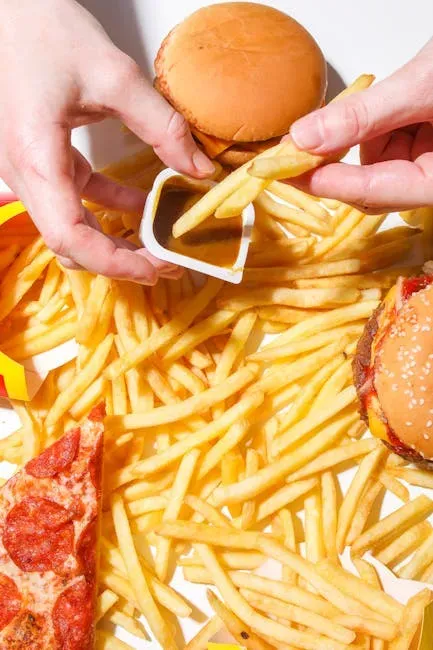
Fried chicken, fast food burgers, onion rings, French fries. These foods are designed to be irresistible. The combination of salt, fat, and engineered flavor hits every pleasure center in the brain. For seniors, however, regular consumption is one of the fastest ways to accelerate chronic inflammation, cardiovascular decline, and cognitive impairment.
Eating large amounts of ultra-processed foods like chips, frozen meals, sugary drinks, and packaged snacks may significantly raise the risk of serious heart problems. In a major U.S. study, people consuming around nine servings per day had a dramatically elevated risk of heart attack and stroke. Many fast-food meals cross that kind of serving count at a single sitting, especially when fries, a burger, and a large sweetened drink are combined.
Many seniors come to rely on less healthy alternatives such as fast foods or pre-packaged dinners, which can both be high in sodium and sugars, or simple, high-calorie snack foods such as cookies or snack cakes. The reasons are often completely understandable. Mobility challenges, isolation, and changes in appetite all push older adults toward convenience. According to data from the U.S. Centers for Disease Control and Prevention, more than half the calories Americans eat and drink come from ultra-processed foods tied to increased risks for heart disease, obesity, diabetes, and cancer. That statistic puts into perspective just how much of the default food environment works against healthy aging.
The Bottom Line: What You Put on the Plate Still Matters More Than You Think
None of this is about perfection. The goal is not to eat flawlessly at every meal for the rest of your life. The goal is awareness, and then gradual, consistent improvement. Processed meats for dementia risk. Sugary drinks for blood sugar. Sodium-laden packages for the heart. Refined carbs and fried foods for inflammation. Flavored yogurts and ultra-processed snacks for mortality risk. Each one of these items carries real, documented weight behind the warning.
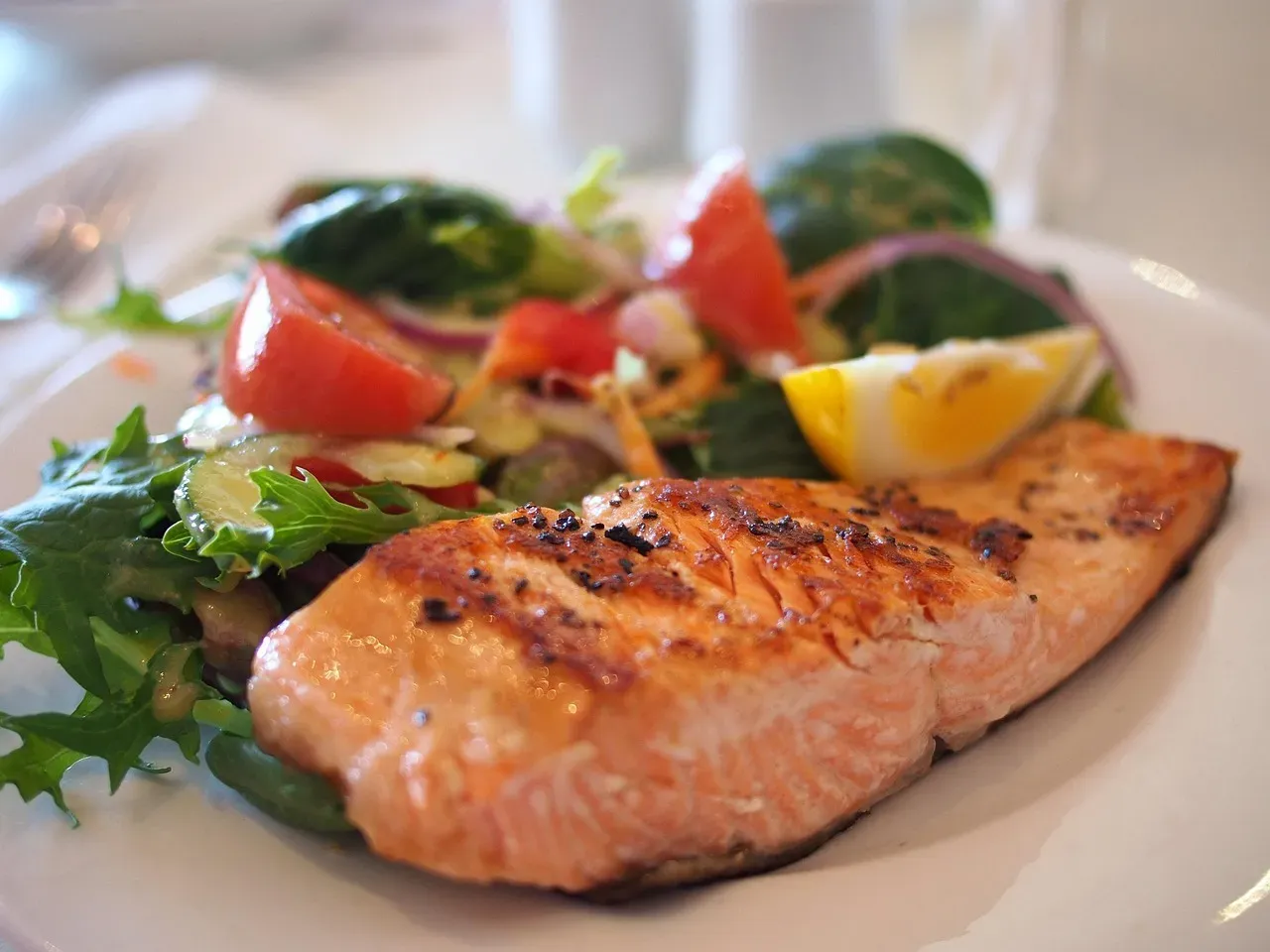
The research is not fear-mongering. It is the result of decades-long studies tracking hundreds of thousands of people. There is perhaps more scientific consensus than ever that a diet based on whole grains, legumes, vegetables, fruits, olive oil, nuts, seeds, seafood, and lean proteins, limited in added salt, sugar, and animal fat, is optimal for health. That is not a trendy opinion. That is the convergence of the best nutrition science available in 2026.
The older the body, the more it rewards clean, simple, whole food – and the more harshly it responds to the processed alternative. Making even two or three of these swaps consistently could extend your healthy years in ways that no supplement bottle ever will. What would you swap out first?