
The dinner party is having a serious moment. Eater dubbed 2024 “the year of the dinner party,” with Gen Zers embracing the format as if they’d invented it themselves, and the revival of small gatherings around a dinner table proving to be an unlikely engine for social connection. Bookings for dinner parties on Peerspace grew 14% in 2025 compared to 2024, and according to a 2025 survey by TalkerResearch, a whopping 72% of Americans prefer a night in with friends rather than a night out. Yet despite this renewed enthusiasm for hosting, one fundamental truth remains: choosing the wrong dishes for a large group can quietly unravel even the most thoughtfully planned evening. Experienced hosts know this well, and their most hard-won wisdom often isn’t about what to cook – it’s about what to avoid entirely.
Table of Contents
1. The Soufflé: A Ticking Clock No Host Needs
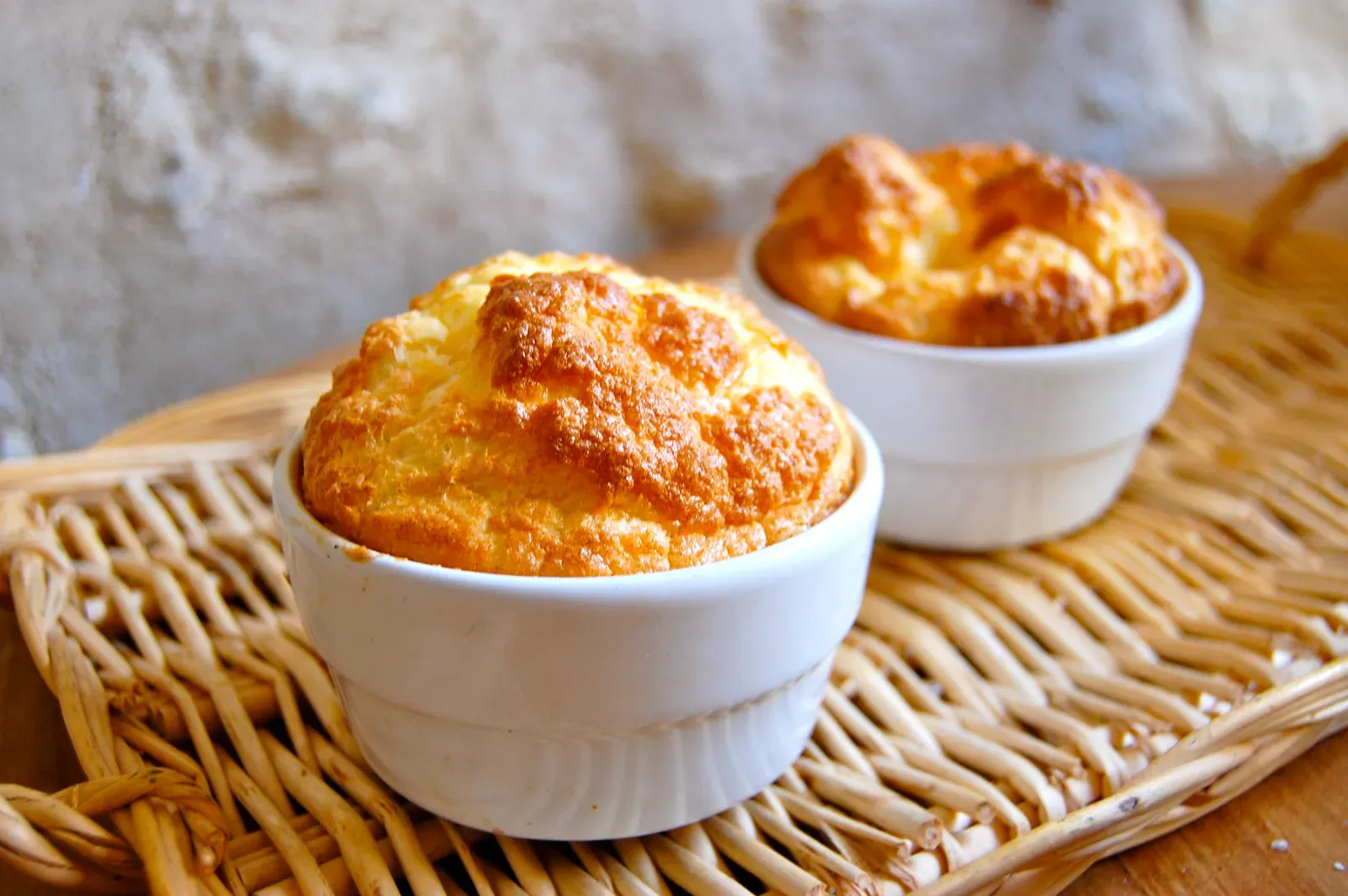
Few dishes are as punishing to a dinner party timeline as the soufflé. It demands exact oven conditions, split-second timing, and the kind of undivided attention that simply cannot be given when you’re also greeting guests, filling wine glasses, and managing three other courses. If you have only one oven and plan to cook a roast, you can’t also plan dishes that must be cooked in the oven at the same time but at different temperatures – and a soufflé is even more extreme, since it tolerates no sharing of the oven whatsoever. The margin for error collapses entirely when you’re feeding ten or twelve people instead of two.
The psychological toll is just as real as the culinary one. Some mains can be made ahead and just need to be dished up at serving time, while others require last-minute cooking, which takes you away from guests. A soufflé falls firmly in the second category and keeps you trapped in the kitchen at exactly the wrong moment. Seasoned hosts have long since moved on to dishes that can be prepped hours in advance, leaving them free to be actual hosts rather than nervous kitchen sentinels.
2. Individually Plated Steaks: Logistics That Fall Apart Fast
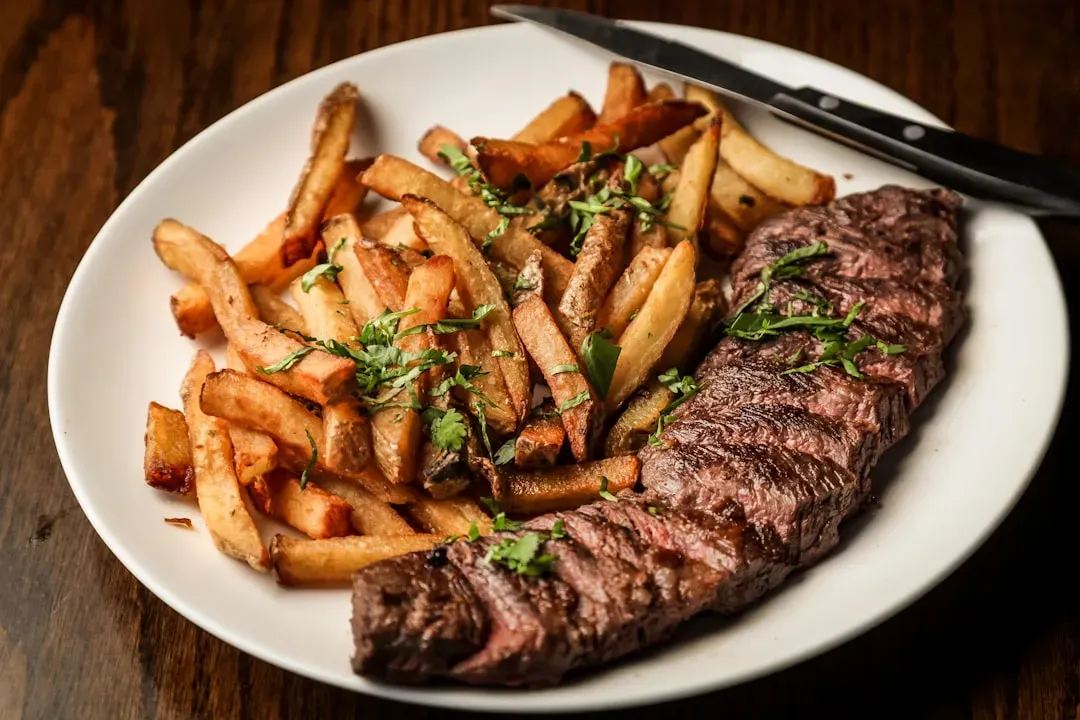
The idea sounds impressive: a perfectly seared steak for every guest. In practice, cooking individual steaks to different degrees of doneness for a large table is a logistical nightmare that even trained chefs approach carefully. Instead of buying an individual steak for each guest, experienced cooks recommend going with a flavorful and less expensive London broil, searing the beef and then slicing it against the grain into thin strips, topping the freshly sliced beef with a pat of herb butter. This approach serves the same crowd-pleasing instinct while eliminating the chaos of individual timing.
The usual recommended serving size for meat and poultry is 3 ounces, but for a party it makes sense to estimate 6 to 8 ounces of protein per person so you don’t run out. When you’re plating individual steaks, even a small miscalculation in purchasing or cooking time creates a domino effect across the entire table. The smartest hosts pivot toward roasts, braised cuts, or sliced proteins that can be prepared ahead, rested, and served communally without anyone’s meal arriving cold while someone else’s is still cooking.
3. Risotto: The Dish That Holds the Host Hostage
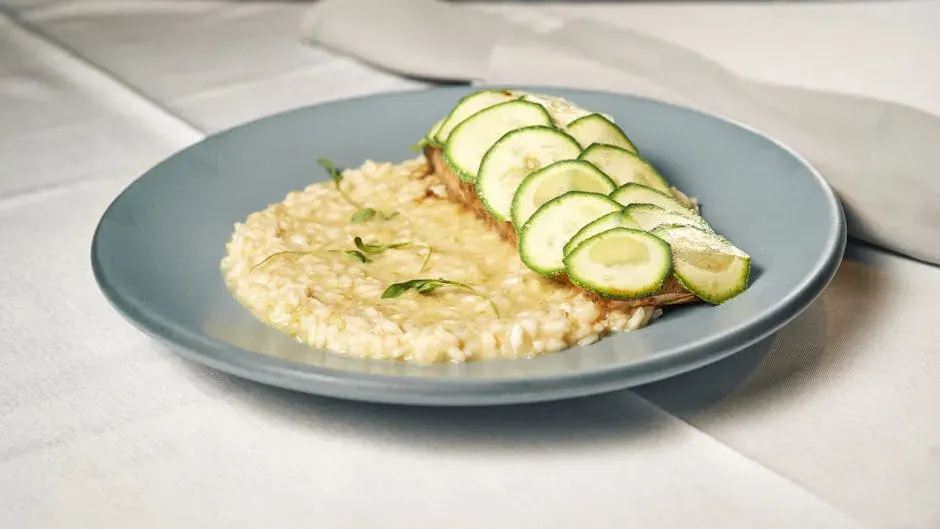
Risotto is one of those dishes that sounds perfectly elegant for a dinner party until you realize what it actually demands: constant stirring, ladle by ladle, for the better part of 30 minutes while it’s being made. That means the host must remain chained to the stovetop at the precise moment guests are arriving, settling in, and looking for conversation and drinks. It’s always better when you have a lot of guests to cook a one-pot dish, and experienced hosts advise having all the prep work done in advance – things like potatoes peeled and sitting in water ready to be boiled and proteins made and in the oven. Risotto simply doesn’t fit that model.
There’s also the scale problem. Risotto that works beautifully for four people becomes almost impossible to execute consistently for twelve, since the rice at the edge of an oversized pot cooks at a different rate than the rice in the center. The mental energy conserved by not doing a complete menu overhaul is tremendous, and experienced hosts who entertain every couple of months give their friends just enough time to forget what they always make and be delighted to be invited again. Choosing a dish you can replicate reliably – rather than one that demands Olympic-level concentration – is always the smarter play.
4. Heavily Allergen-Dense Dishes Without Alternatives
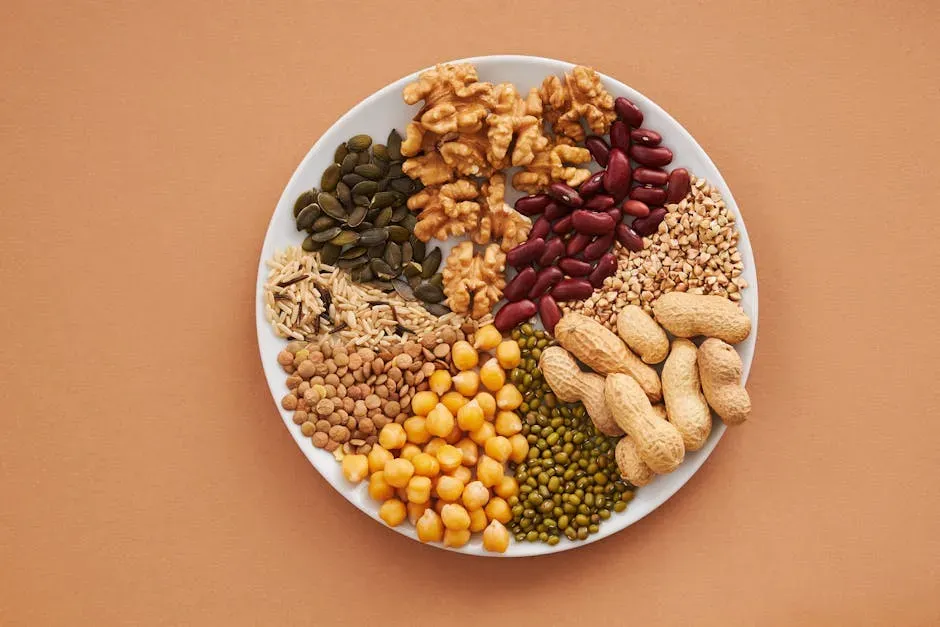
Serving a dish that is dense with major allergens and offering no alternatives is one of the most quietly damaging things a host can do. Food allergies in the United States affect an estimated 26 million adults and 6 million children – roughly 10.8% and 8% of those populations, respectively. That means at a dinner party of ten adults, statistically more than one guest is navigating some form of food allergy. Food allergies have increased in prevalence over the last few decades and continue to grow, and even trace amounts of common foods can cause a rapid allergic reaction within minutes that can be mild, severe, or even life-threatening.
These days it seems like just about everyone has some kind of food allergy or sensitivity. Experienced cooks advise making sure you’re inclusive with your menu so that vegans and those who are gluten-free don’t feel left out, typically including at least one vegan item and one gluten-free item on the menu just in case. Dishes built around the classic “big eight” allergens – peanuts, tree nuts, shellfish, fish, milk, eggs, soy, and wheat – without any safe alternative are a quiet way to ensure at least one guest goes hungry, and a fast way to earn a reputation as a host who didn’t do their homework.
5. Elaborate Multi-Component Dishes Requiring Last-Minute Assembly
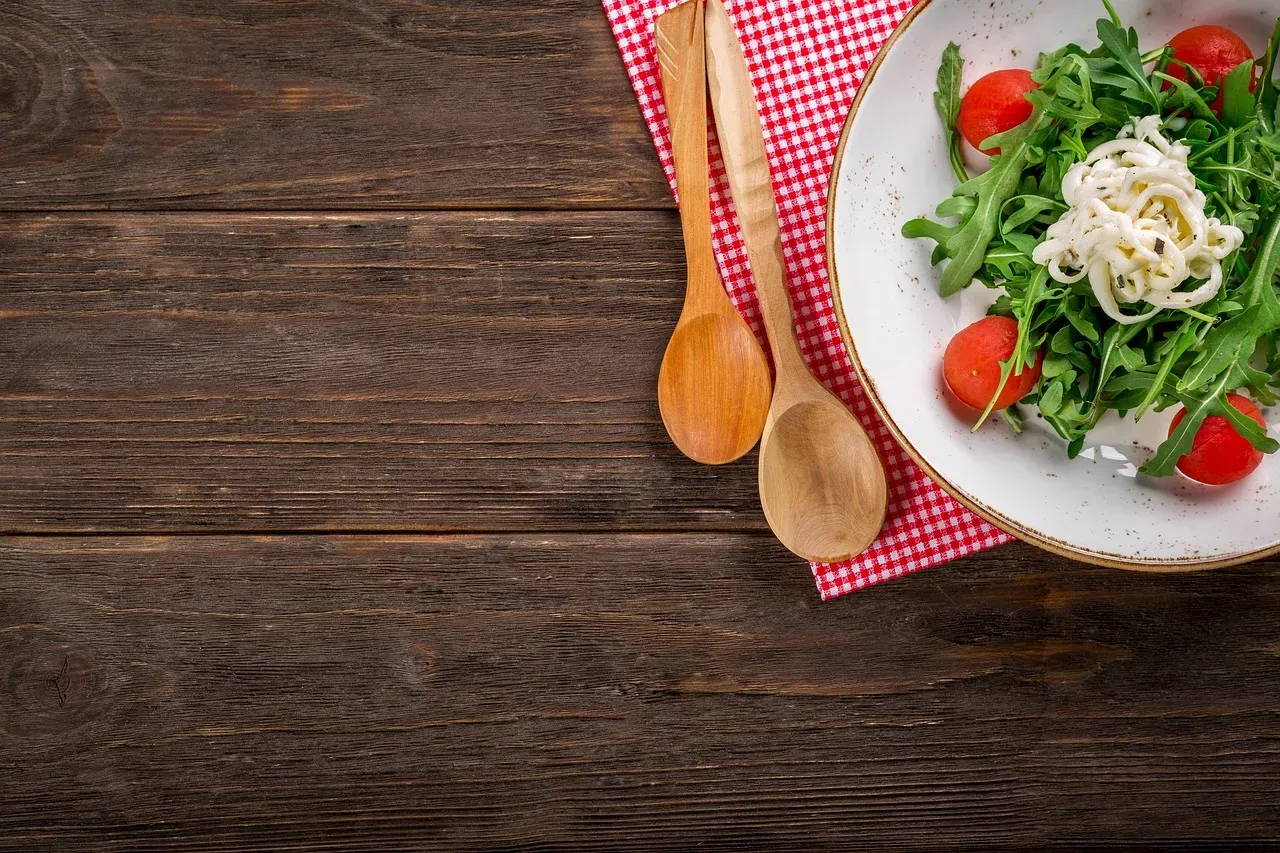
There is a particular type of ambitious dish that looks sensational on a cooking show and becomes a quiet catastrophe at a dinner party for twelve: the kind that requires several components all plated fresh at the last second. Think deconstructed terrines, individually dressed micro-salads, or dishes where a sauce must be finished to order. The experienced host prepares dishes ahead of time and carefully plans cooking times – not because simplicity is preferred, but because complexity multiplied across a large headcount becomes genuinely unmanageable.
While some mains require last-minute cooking that takes you away from guests, others can be made ahead and just need to be dished up at serving time – and pasta can still be luxe. The most successful large-format entertaining tends to rely on what chef and hosting advisor O’Brien Tingling describes plainly: “Adding more side dishes is an easy way to stretch any meal for a larger headcount.” Dishes that scale gracefully and can be plated or passed without an engineering degree are always the better choice when the guest list grows beyond six or eight.
6. Anything That Cools, Wilts, or Separates Within Minutes
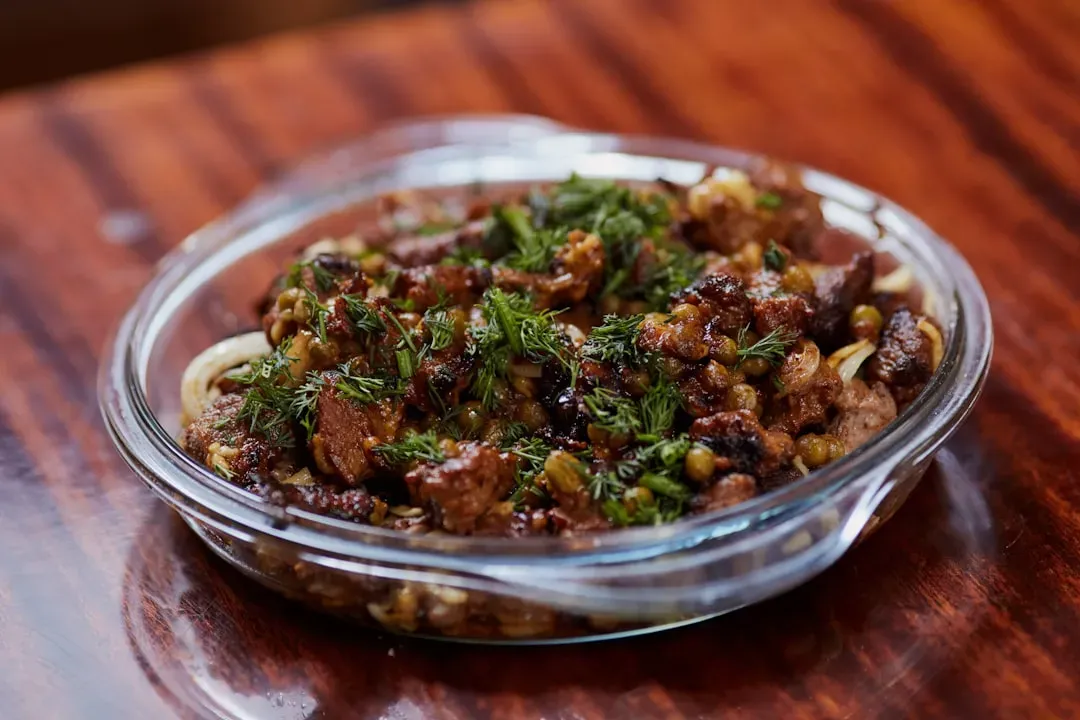
Temperature-sensitive dishes – think delicate seafood terrines, thin pasta that clumps the moment it leaves the pot, warm composed salads, or fried foods that must be eaten the instant they emerge from the oil – are brutal enemies of the large group format. The simple reality is that serving ten or more people takes time, and since any of these procedures can take time, the host should insist that guests start eating after three or four people have been served. But even with that instruction, a dish that deteriorates in four minutes puts the host in an impossible position.
Serving a family-style dinner – where food is placed on the table so guests can serve themselves – can be a powerful way to bring people together, and experienced hosts insist on this format because it’s often both easier for the host and cheaper. Dishes that hold well at the table, that can sit in a wide serving vessel for ten minutes without losing their appeal, are the real workhorses of successful large-group entertaining. O’Neill, a seasoned dinner party host, says it’s always better when you have a lot of guests to cook a one-pot dish – precisely because one-pot dishes forgive the natural delays and rhythms of serving a crowd, arriving at the table tasting just as good as they did the moment they left the stove.