
Most of us think of aging as something that just happens to us. But by 2025, science is painting a very different picture. What lands on your plate every single day – starting in your 40s and 50s – may largely determine whether your 70s are filled with hiking, laughter, and vibrant living, or spent navigating chronic conditions from a doctor’s waiting room. That gap between those two futures isn’t just luck – it increasingly comes down to food. Let’s dive in.
Table of Contents
What a Landmark 30-Year Study Just Revealed

Here’s the thing: researchers had never quite looked at healthy aging the way a groundbreaking 2025 study did. Published in Nature Medicine in March 2025, the study followed over 105,000 people for three decades, tracking not just whether they lived long lives, but whether those lives were healthy, mobile, and mentally sharp. The definition of success was reaching age 70 free of major chronic diseases, with strong cognition, good mental health, and the physical ability to move freely.
Of the more than 105,000 people studied, just roughly one in ten were considered healthy agers, and they all had one thing in common: a diet rich in plant-based foods, low in highly processed foods, with a moderate intake of animal-based products. That finding alone should stop you in your tracks. In two longitudinal cohorts followed for 30 years, the associations of eight different dietary patterns with healthy aging, encompassing cognitive, physical, and mental health, were studied, identifying food constituents linked to greater or lesser odds of healthy aging.
This is especially relevant as roughly four in five older adults have more than one chronic condition, which increases the risk of early mortality. The stakes could not be higher.
The AHEI: The Diet That Came Out on Top
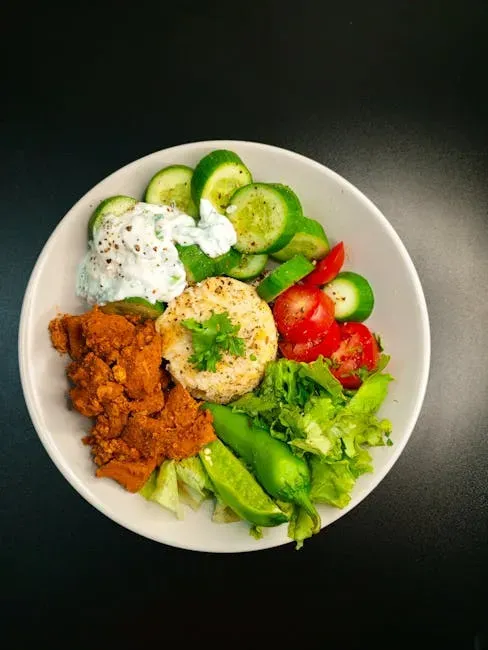
You might not have heard of it before, but the Alternative Healthy Eating Index (AHEI) just earned the title of the single most powerful dietary pattern for healthy aging in the largest study of its kind. Think of it as a smarter, science-backed update to the classic idea of “eating well.” Developed by Harvard, the AHEI prioritizes fruits, vegetables, whole grains, nuts, legumes, and healthy fats. It is not a trendy elimination protocol or a short-term fix.
Participants in the highest scoring group of AHEI adherence had an 86% greater likelihood of healthy aging at 70 years and a 2.2-fold higher likelihood of healthy aging at 75 years, compared to those in the lowest group. The AHEI diet reflects a diet rich in fruits, vegetables, whole grains, nuts, legumes, and healthy fats, and low in red and processed meats, sugar-sweetened beverages, sodium, and refined grains.
While adhering to any of the diets studied, including the Mediterranean and Planetary Health diets, increased the chances of healthy aging, the Alternative Healthy Eating Index was the most influential in improving people’s odds of maintaining strong mental and physical health at age 70. That is not a minor finding. It is a decisive one.
The Mediterranean Diet Still Delivers Remarkable Results

Honestly, the Mediterranean diet has been praised for so long that some people have started tuning it out. That would be a mistake. A 2024 Harvard-led study tracked more than 25,000 women over 25 years and found something stunning. Women who follow a Mediterranean diet, which is rich in fruits, vegetables, nuts, olive oil, whole grains, and legumes, may reduce their risk of dying over the next 25 years by nearly one quarter.
Investigators evaluated a panel of approximately 40 biomarkers representing various biological pathways and clinical risk factors. Biomarkers of metabolism and inflammation were most important, followed by triglyceride-rich lipoproteins, adiposity, and insulin resistance. In other words, it is not magic. The diet physically changes your internal biology in measurable ways.
The phytochemical compounds within the Mediterranean diet have been linked to a lower risk of developing cardiovascular disease, type 2 diabetes, obesity, cancer, and neurodegenerative diseases. That is a remarkably broad range of protection for one eating pattern.
Why Ultra-Processed Foods Are Quietly Cutting Lives Short

Let’s be real: packaged snacks, fast food, reconstituted meat products, and sugary drinks are everywhere, especially in Western diets. The research on what they are doing to older bodies is frankly alarming. According to research presented at the annual meeting of the American Society for Nutrition in July 2024, a diet heavy in ultra-processed food may even shorten your life span. The research drew on data from the NIH-AARP Diet and Health Study, which tracked the diet and health of more than half a million adults between ages 50 to 71 for almost 23 years.
In a major systematic review published in early 2025 covering over 1.1 million participants, those with the highest ultra-processed food consumption had roughly a 15% increased risk of all-cause mortality compared to those who consumed the least. A 2024 study published in the American Journal of Clinical Nutrition found that a diet rich in ultra-processed foods was associated with an acceleration of biological aging in a large sample of Italian adults.
Frequent consumption of ultra-processed foods, which contain mostly additives and very few natural foods, increases the risk of sarcopenia or accelerates its onset. A diet rich in ultra-processed foods may lead to inadequate nutrition and lower intake of many nutrients, such as protein, dietary fiber, vitamins A, C, and E, zinc, selenium, magnesium, and iron. That is a comprehensive nutritional deficit in one dietary habit.
Protein: The Underrated Hero of Aging Well

If there is one nutrient that older adults consistently underestimate, it is protein. Think of muscle mass as your body’s structural scaffolding. Once that scaffolding starts crumbling, everything else gets harder. Falls, fractures, fatigue, loss of independence – all become more likely. Sarcopenia is a progressive condition characterized by the decline of skeletal muscle mass, strength, and physical function, primarily affecting older adults. This deterioration significantly reduces mobility, increases frailty, and elevates the risk of falls, fractures, and disability, ultimately leading to a lower quality of life and increased healthcare burden.
In the United States, protein consumption worsens as individuals age, with roughly 30% of men and half of women over 71 consuming inadequate dietary protein due to a variety of factors, including changes in gut function, loss of appetite, tooth loss, financial concerns, and social isolation. Those numbers are sobering. It has been reported that older individuals with a mean age of about 71 years may require almost twice as much protein intake per meal to stimulate muscle protein synthesis to the same degree as their younger counterparts.
Research from 2023 suggests that the standard recommended amounts for older adults might not even be sufficient. People older than 50 years who weigh around 150 pounds may need to eat as much as 75 to 135 grams of protein daily to maintain muscle mass, especially if they exercise regularly. That is considerably more than what most people are actually eating.
The Foods That Consistently Show Up in Healthy Agers’ Diets
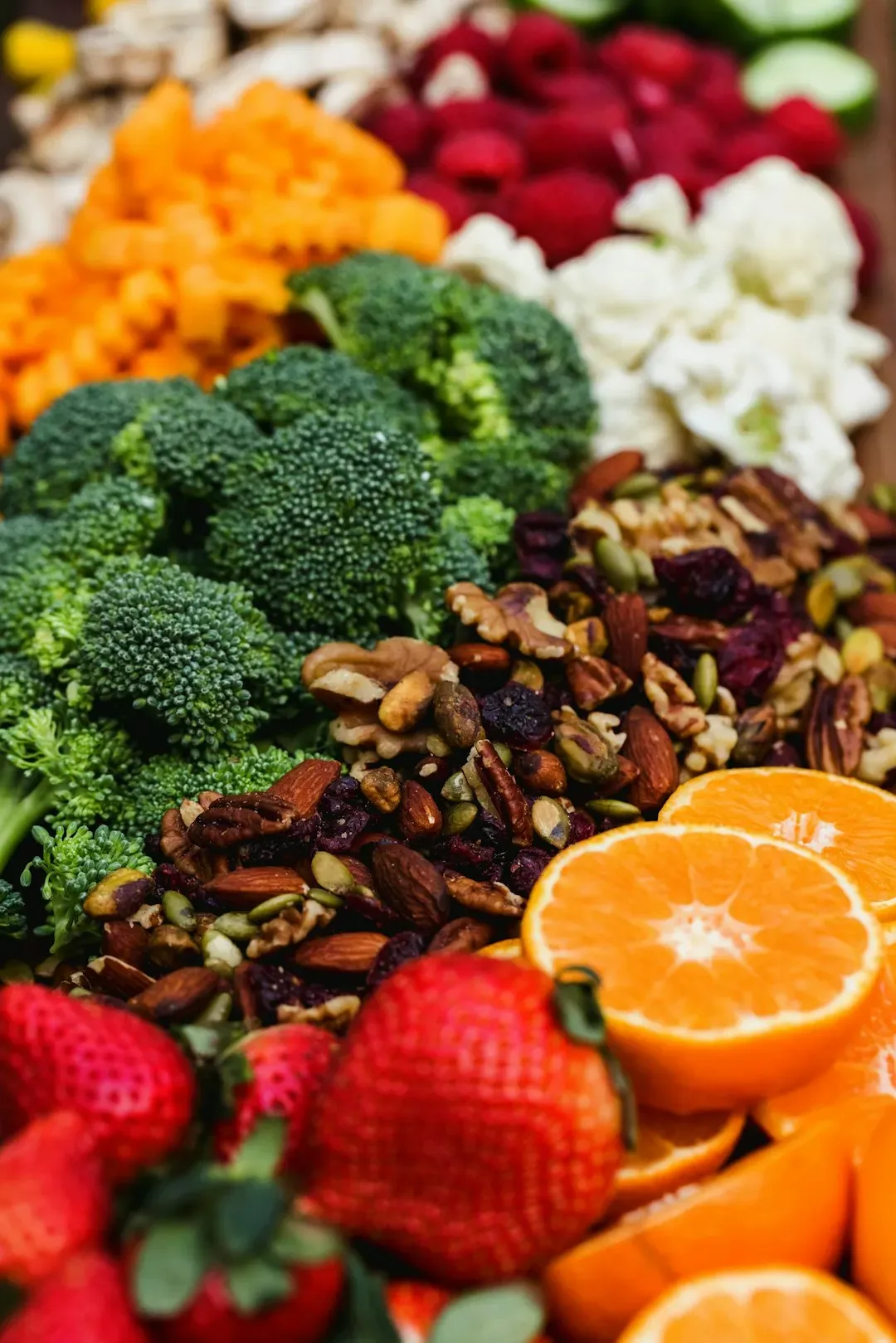
Across studies, certain foods appear again and again in the dietary patterns linked to living well past 70. Whole grains, leafy vegetables, legumes, nuts, seeds, and oily fish are the core players. It is hard to say for sure exactly which single food does the most work, but the evidence consistently points to their combined effect. Scientists found that consuming more unsaturated fats, like polyunsaturated fatty acids, was strongly linked with surviving to 70 and maintaining physical and cognitive functions.
One of the secrets to aging well starts with the foods we put on our plate every day. A balanced diet filled with nutrient-dense whole foods can help maintain healthy cognitive function and strong bones as we age, and even prevent chronic disease. The National Council on Aging describes these as superfoods, not because they are exotic, but because they are whole, minimally processed, and nutrient dense.
Regardless of scientific approach, there is a remarkable convergence of evidence on the fact that dietary patterns associated with longevity emphasize fruits and vegetables and are reduced in saturated fat, meats, refined grains, sweets, and full-fat dairy products. No matter which dietary framework you look at, the same theme keeps returning.
It Is Never Too Late to Start Eating for Healthy Aging
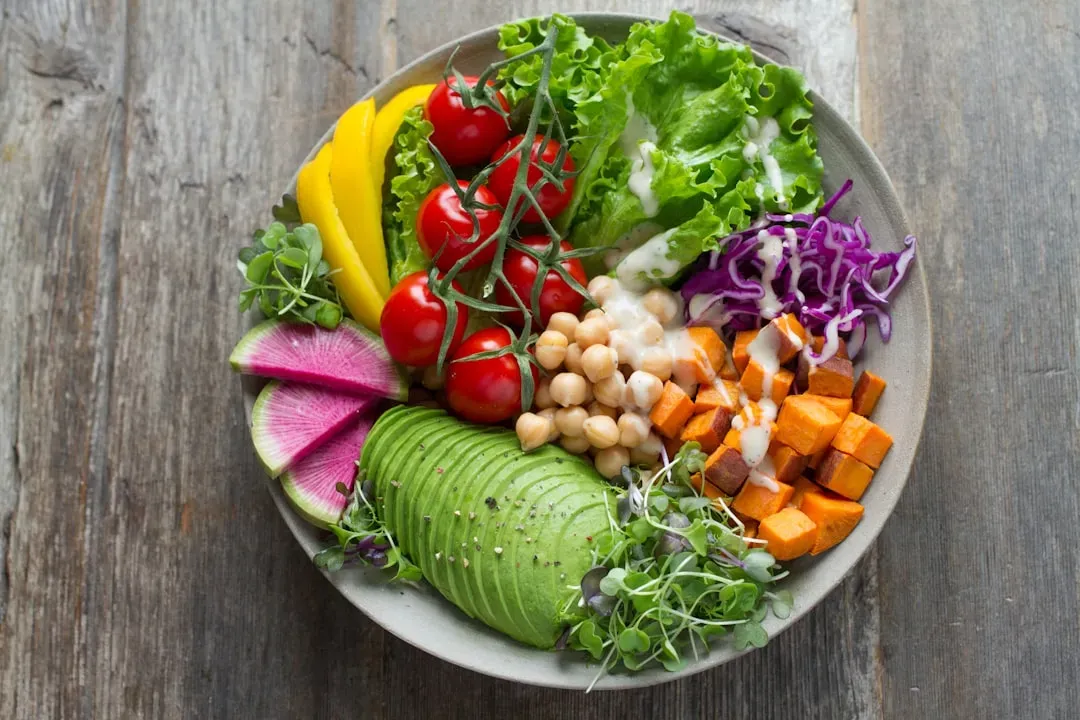
One of the most encouraging findings from all this research is that dietary change pays off even when it starts later in life. The body is remarkably responsive. Maintaining a healthy diet rich in plant-based foods, with low to moderate intake of healthy animal-based foods and lower intake of ultra-processed foods, was linked to a higher likelihood of healthy aging, according to a study by researchers at Harvard T.H. Chan School of Public Health, the University of Copenhagen, and the University of Montreal.
The study used data from the Nurses’ Health Study and the Health Professionals Follow-up Study to track individuals between the ages of 39 and 69 over a 30-year period. It contributes to research on how diet influences not only how long you live, but also how long you live in optimal health. Those midlife years matter enormously. Your 50s are not too late. Neither are your 60s.
A diet rich in protein and other nutrients, and low in calories and sugar, may help older adults best support their bodies and lower their chances of falls and age-related illness. As the body ages, muscle mass and bone density can begin to decrease, often resulting in mobility issues and even increasing a person’s risk of injury. The good news is that food can be one of the most direct levers we have for changing that trajectory. What would you do differently starting today?