
Intermittent fasting has become one of the most talked-about wellness trends of the past decade. Instagram feeds, podcasts, and self-help books have all championed it as a near-miraculous tool for weight loss, mental clarity, and even longevity. Honestly, the hype has been enormous.
But here’s the thing – behind the glowing success stories and polished before-and-after photos, there is a growing body of scientific research raising some uncomfortable, urgent questions. Questions that the wellness industry would rather you didn’t ask. Let’s dive in.
Table of Contents
The Shocking Heart Risk Most People Never Hear About

Here is something that should genuinely stop you mid-scroll. A study of over 20,000 adults found that those who followed an 8-hour time-restricted eating schedule had a dramatically higher risk of death from cardiovascular disease, compared to people who ate across 12 to 16 hours per day. That finding was presented at one of the most prestigious heart health conferences in the world.
An analysis of over 20,000 U.S. adults found that people who limited their eating to less than 8 hours per day were more likely to die from cardiovascular disease compared to people who ate across 12 to 16 hours per day, according to preliminary research presented at the American Heart Association’s Epidemiology and Prevention Lifestyle and Cardiometabolic Scientific Sessions 2024 in Chicago. That is not a fringe blog post. That is the American Heart Association.
The mortality risk was found to be particularly pronounced in individuals with preexisting heart conditions. So if you already have a weakened heart and you are squeezing all your meals into a narrow window, you may be adding serious fuel to an existing fire. Among people with existing cardiovascular disease, an eating duration of no less than 8 but less than 10 hours per day was also associated with a notably higher risk of death from heart disease or stroke.
To be fair, the study has received criticism for its observational design. Some doctors questioned the findings, saying they could have been skewed by differences – such as underlying heart health – between the fasting patients and the comparison group. Still, the signal is striking enough that ignoring it entirely would be foolish.
The Muscle Loss Nobody Wants to Talk About

Weight loss is the golden promise of intermittent fasting. Drop fat, keep muscle – that is the pitch. It’s hard to say for sure whether this is intentional marketing spin, but the science tells a more complicated story. It is often only in studies’ fine print that one particular dark side of the intermittent fasting trend is acknowledged: concerns about muscle mass loss.
According to researchers co-led by Manuel Dote-Montero and Antonio Clavero-Jimeno at the Sport and Health University Research Institute in Spain, intermittent fasting offers no advantage over a Mediterranean diet in terms of abdominal fat loss, and one graph showed that those who fasted lost muscle mass – but this was not the case for those who ate the same number of calories throughout the day. Think of it like trying to renovate a house while accidentally tearing down load-bearing walls.
The same pattern can be found in a meta-analysis of the effects of different forms of interval fasting: the study participants’ fat-free mass – their muscle mass – decreased across the board. Losing muscle is not a cosmetic problem. Muscle mass affects metabolism, blood sugar regulation, bone density, and even how long you live. Evidence suggests potential adverse effects of intermittent fasting on cardiovascular health through the loss of lean mass, circadian misalignment, and poor dietary choices associated with reward-based eating.
What Fasting Does to Your Hormones and Stress Levels

Let’s be real – most people who start intermittent fasting are already juggling stress, sleep debt, and a dozen other lifestyle pressures. Layering a severe eating restriction on top of that can stress the body in ways that are invisible until they are not. Research shows that fasting can not only elevate cortisol levels, but also disrupt the cortisol awakening response, leading to a dysregulated HPA axis that may impact long-term hormone health.
During times of fasting, the body may increase cortisol production as a way to compensate for low blood sugar, as cortisol encourages the release of blood sugar from muscles and fat stores. In short bursts, that is a normal survival mechanism. Over weeks and months, however, chronically elevated cortisol can quietly wreak havoc – disrupting sleep, increasing belly fat, and suppressing immune function.
Women are more susceptible to hormone imbalances than men, and intermittent fasting has been shown to have different outcomes for each. One study showed that men who fasted following 36-hour fasts for three weeks demonstrated an improvement in blood sugar control, while women following the same routine saw their blood sugar control worsen. That is a striking and underreported sex difference that far too few fasting guides acknowledge.
Ramadan-based time-restricted eating studies suggest that religious fasting may lead to a disruption of the circadian rhythm, with lower morning cortisol levels and higher evening cortisol levels. When your cortisol rhythm flips upside down, everything from energy and focus to sleep and mood can spiral in the wrong direction.
The Hidden Link Between Fasting and Disordered Eating

Here is a topic that gets almost no airtime in the wellness space, even though it deserves a spotlight. Intermittent fasting has grown in popularity over the past several years. However, intermittent fasting has also been shown to relate to eating disorder behaviors and psychopathology. That connection is deeply uncomfortable for an industry that sells fasting as the epitome of self-discipline and health.
Dieting is one of the most potent predictors of developing disordered eating, even if you have never had disordered eating before. It is the restriction that is a risk factor. On a population level, it is very possible that engaging in intermittent fasting could increase the risk for later development of an eating disorder. Think of restriction as a kind of pressure valve – the longer you hold it down, the more explosive the release can be.
Research published in Nutrients in December 2024 found that the fasting group scored higher in orthorexia and eating disorder symptoms than the non-fasting sample. Orthorexia – an obsessive focus on “correct” or “pure” eating – is a condition that often hides behind health-positive language. Public adoption via wellness culture further blurs the boundary between therapeutic practice and disordered-eating behavior, especially among adolescents and perfectionistic young adults.
For people with a history of eating disorders such as anorexia, bulimia, or binge eating disorder, diets of any kind, including intermittent fasting, are not recommended as they could trigger a resurfacing of conditions that threaten mental and physical health. This is not a minor caveat. It is a medical warning that deserves to be front and center, not buried in a footnote.
The Diabetes Dilemma: Who Should Really Avoid It
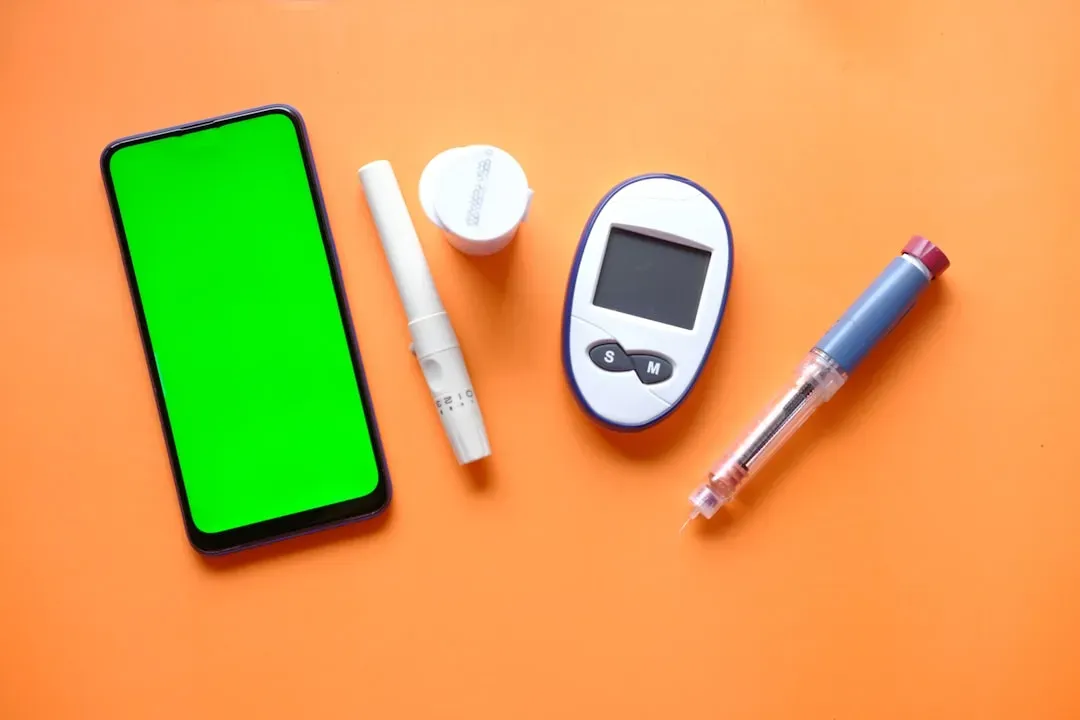
Intermittent fasting is frequently marketed to people with metabolic issues, including type 2 diabetes – precisely the group that seems to have the most to gain. The irony is that for some of these individuals, fasting may actually be the wrong tool entirely. Intermittent fasting may pose a significant risk for people with type 2 diabetes, a group that should particularly benefit from it according to popular literature.
In a 2023 study of various Arab countries, roughly a third of participants had increased glucose levels during Ramadan fasting compared with the period before the month started. That is a counterintuitive and alarming finding. For someone with diabetes, blood sugar swings are not just uncomfortable – they can be genuinely dangerous.
Longer periods without food, such as 24-, 36-, 48- and 72-hour fasting periods, are not necessarily better for you, and may be dangerous. Going too long without eating might actually encourage your body to start storing more fat in response to starvation. So the very thing people are trying to avoid – fat storage – can be triggered by overdoing the fast. It sounds counterproductive, because it is.
The Inconvenient Truth About Long-Term Effectiveness

Even setting aside the health risks, there is a more fundamental problem with intermittent fasting that researchers keep surfacing: it may not even be that much better than simply eating less. Several randomized clinical trials have shown that intermittent fasting is not more effective than standard daily caloric restriction for short-term weight loss or cardiometabolic improvements in patients with obesity. That is a statement that would send social media into a quiet panic.
Minor differences were noted between some intermittent fasting diets and continuous energy restriction, with some benefit of weight loss with alternate day fasting in shorter duration trials. The current evidence provides some indication that intermittent fasting diets have similar benefits to continuous energy restriction for weight loss and cardiometabolic risk factors. In other words, it works – but not necessarily in the special, unique way that billions of dollars of wellness marketing would have you believe.
The scarcity of observational studies addressing the effects of long-term application of intermittent fasting on cardiovascular health has been recognized as a major gap in nutrition research. We simply do not have strong enough long-term data to make iron-clad promises about what this diet does to your body over years or decades. Longer duration trials are needed to further substantiate these findings.
What does that mean for the average person who has been faithfully fasting for years, convinced they are doing something profoundly good for their body? It means the evidence is still catching up. The honest answer is that we do not fully know yet, and anyone claiming otherwise is selling you something.
Final Thoughts

Intermittent fasting is not inherently dangerous for everyone. For some people, under the right circumstances and with proper medical guidance, it may well be a useful tool. The problem is not the practice itself – it is the uncritical, one-size-fits-all enthusiasm with which it gets promoted, especially to populations who may carry real risk.
Science is slowly peeling back the layers, and what it is finding is messier and more nuanced than any wellness influencer’s before-and-after photo. The conversation deserves more honesty, more nuance, and frankly a lot more caution than it currently gets.
What would you do differently if you knew this information before you started fasting? Tell us in the comments.