
You’ve probably seen those reassuring words on your favorite snack package or drink bottle: “Made with natural flavoring.” It sounds wholesome, right? Pure. Like something your grandmother might have used in her kitchen. The clean label movement has exploded in recent years, with half of industry professionals identifying clean label ingredients as the leading consumer trend, according to recent industry surveys. Yet here’s what most shoppers don’t realize. Natural flavors can contain both artificial and synthetic chemicals, and the industry isn’t required to tell you much about what’s really in that ambiguous ingredient.
The FDA’s Loose Definition Opens a Pandora’s Box
Under FDA regulations, natural flavors can be any product from plant material, meat, eggs, dairy products, or fermentation products, and raw materials include animal products, botanical sources, and microbiological sources. Sounds reasonable enough. The problem starts when you realize this definition is broader than the Grand Canyon. In the U.S., natural flavors can be derived from a much broader range of sources including fruits, vegetables, dairy, meat, seafood, and fermentation products, and a strawberry-flavored product may contain little or no actual strawberry, as long as the components come from natural sources. Honestly, this makes the whole term feel like a bit of a shell game. Natural flavors are currently the fourth most common food ingredient listed on food labels.
When “Natural” Includes Beaver Secretions and Chemical Solvents
Let’s be real about something most people would rather not know. The FDA lists castoreum extract as a generally recognized as safe food additive, and historically compounds isolated from castoreum were used in strawberry and raspberry flavorings and vanilla substitutes. What exactly is castoreum? It’s extracted from the anal castor sacs of beavers, and beavers mix castoreum with urine to mark their territories and make their fur and tail more water-resistant.
The good news is castoreum is now seldom used due to the inconvenience and expense of harvesting it from live beavers, with annual industry consumption around 300 pounds compared to over 2.6 million pounds of natural vanillin annually. Still, the fact that it legally qualifies as “natural flavoring” tells you everything about how flexible these regulations really are. Then there’s another issue entirely. Propylene glycol is an FDA-approved synthetic substance widely used as a solvent in natural flavors. The most common carriers for flavor are food-safe solvents, most commonly propylene glycol, ethyl alcohol, vegetable glycerin, and triacetin. Here’s the thing: propylene glycol is the same chemical found in antifreeze.
The Hidden Complexity Behind a Single Word on Your Label
Flavors are complex mixtures that sometimes comprise more than 100 chemicals, and solvents, emulsifiers, flavor modifiers and preservatives often make up 80 to 90 percent of the mixture. Think about that for a second. When you see “natural strawberry flavor” on your yogurt, you might imagine crushed strawberries. What you’re actually getting could be a laboratory-created cocktail of dozens or even hundreds of compounds. According to the Environmental Working Group, a single natural flavor can contain over 100 ingredients including unnatural additions such as emulsifiers, preservatives and solvents, and that natural flavor is more like a complex combination of processed extracts formulated in a lab to taste like the flavor.
While synthetic solvents such as propylene glycol and hexane are not allowed in the production of organic certified products, they are permitted in natural flavors, and as long as the amount left in the final product has no functional effect, they do not need to be declared on the ingredients statement. So even if you’re carefully reading labels, you’re still flying blind.
The Clean Label Industry Is Booming on Consumer Trust
Despite all this ambiguity, the financial stakes are enormous. Natural flavoring agents are expected to hold a commanding 32.1% market share in 2025, reflecting their role as the largest segment in the global clean-label ingredients market, with this dominance projected to be sustained with a market CAGR of 15.5% between 2025 and 2035. The global natural flavor market was valued at $6.4 billion in 2023 and is expected to grow by a 7.5% CAGR between 2024-2030. Manufacturers have every incentive to use the “natural” label because more than 2 in 3 consumers globally say they are somewhat influenced by clean-label terminology, and 81% of shoppers say it’s important to purchase clean-label food products.
It’s hard to say for sure, but I think this creates a perverse incentive. Companies can charge premium prices for “natural” products while using ingredients that consumers would never recognize as natural if they knew the full story.
What You Can Actually Do About It
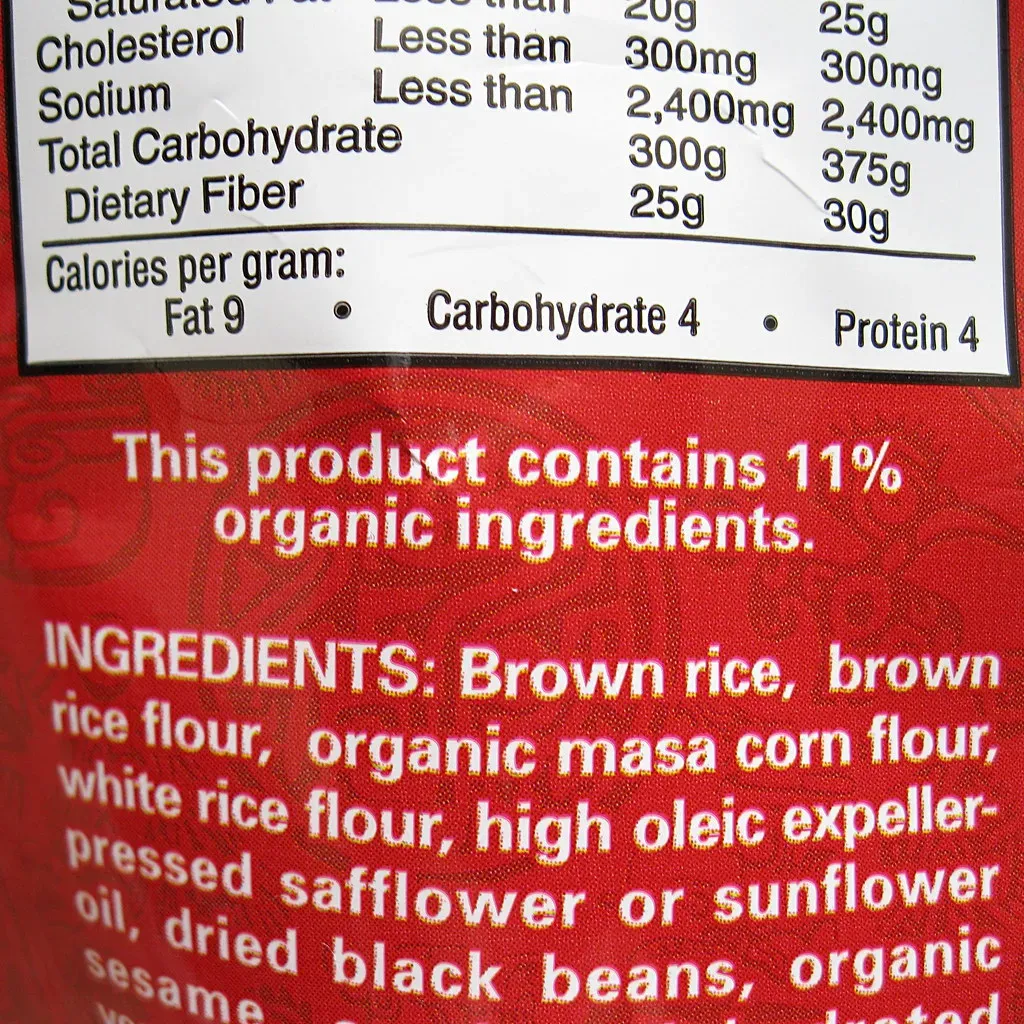
The regulatory landscape probably won’t change anytime soon. While many consumers believe natural foods are healthier, the term Natural has no formal legal definition and is merely defined pursuant to an FDA approved informal policy. Your best bet? Synthetic carriers such as propylene glycol are prohibited in organic certification, and producers are now required to use certified organic flavors when possible. For organic foods, natural flavors must be produced without synthetic solvents, carriers and artificial preservatives, and additives not allowed include propylene glycol, polyglycerol esters of fatty acids, mono and di-glycerides, benzoic acid, polysorbate 80, medium chain triglycerides, BHT, BHA, and triacetin.
Looking for products with “organic natural flavors” gives you significantly more protection than conventional “natural flavors.” Even better, choose whole foods that don’t require flavoring at all. When you buy fresh strawberries instead of strawberry-flavored anything, you know exactly what you’re getting. The clean label myth persists because regulations allow it to, and because most of us would rather not think too hard about what we’re eating. Yet transparency matters. The gap between what “natural flavoring” sounds like and what it actually contains reveals how easily food marketing can manipulate our trust. Next time you reach for that naturally flavored product, ask yourself: do you really know what’s inside?