
Heart disease remains the number one killer on the planet. Millions of people are quietly walking around with arteries that are narrowing, stiffening, and quietly accumulating plaque, sometimes for years before any symptom ever shows up. It is a slow, silent process called atherosclerosis, and what makes it so dangerous is exactly that silence.
Plaque, a fatty deposit that gradually clogs arteries, is one of the main causes of heart disease. This accumulation narrows the arteries, limits blood flow, and raises the risk of high blood pressure, heart attacks, and strokes. The good news? Science increasingly confirms that what lands on your plate every single day plays a massive role in how your arteries hold up over time.
Scientific study demonstrates that daily diet can have a significant impact on preventing plaque formation and even assisting the body in reversing early artery damage. These nine foods have earned their place on this list not through social media hype, but through real peer-reviewed research. Let’s dive in.
Table of Contents
1. Garlic: The Ancient Artery Protector with Modern Proof
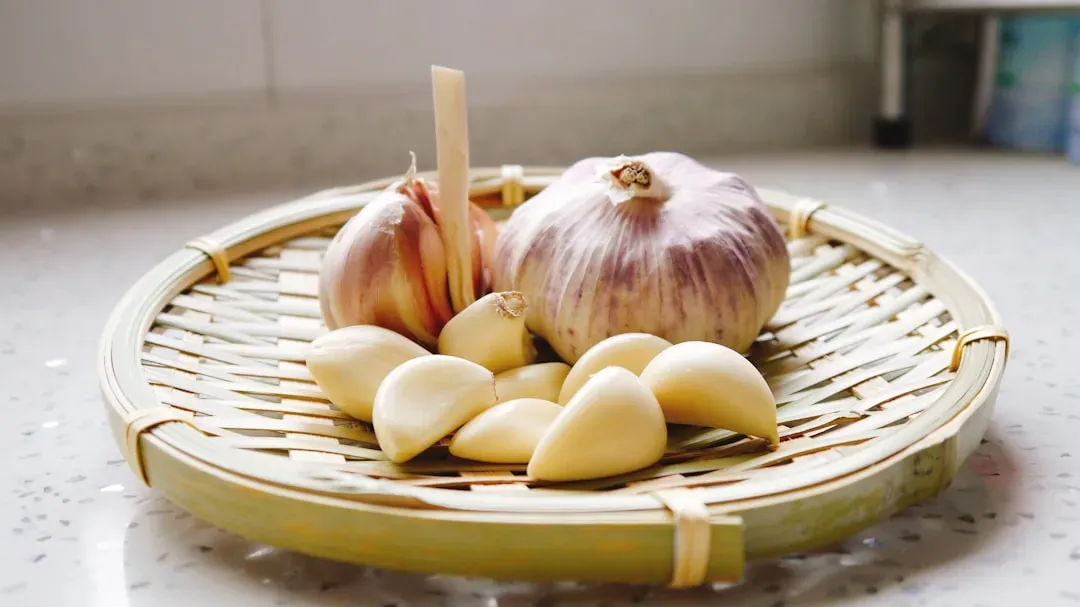
If there is one food that has stood the test of time in cardiovascular research, it is garlic. Honestly, I find it remarkable that something so ordinary, so common in almost every kitchen on earth, carries this level of scientific backing behind it.
Garlic’s power lies in allicin, a sulfur compound released when garlic is crushed or chopped. Garlic is noted for its cardiovascular benefits, particularly in reducing oxidative stress and inflammation, which are critical in atherosclerosis. Its active components, such as allicin, may inhibit lipid peroxidation.
Aged Garlic Extract has been shown to reverse the buildup of deadly plaque in arteries and help prevent the progression of heart disease. Research found a reduction in the amount of low-attenuation plaque, or “soft plaque,” in the arteries of patients with metabolic syndrome who took Aged Garlic Extract.
Garlic supplements reduced systolic blood pressure by an average of 8.3 mmHg and diastolic blood pressure by 5.5 mmHg, according to a meta-analysis of 12 studies involving 553 hypertensive participants. This reduction was linked to a 16 to 40 percent lower risk of cardiovascular events. That is a genuinely impressive number from something you can pick up at any grocery store.
2. Fatty Fish: Omega-3 Powerhouse for Flexible Arteries
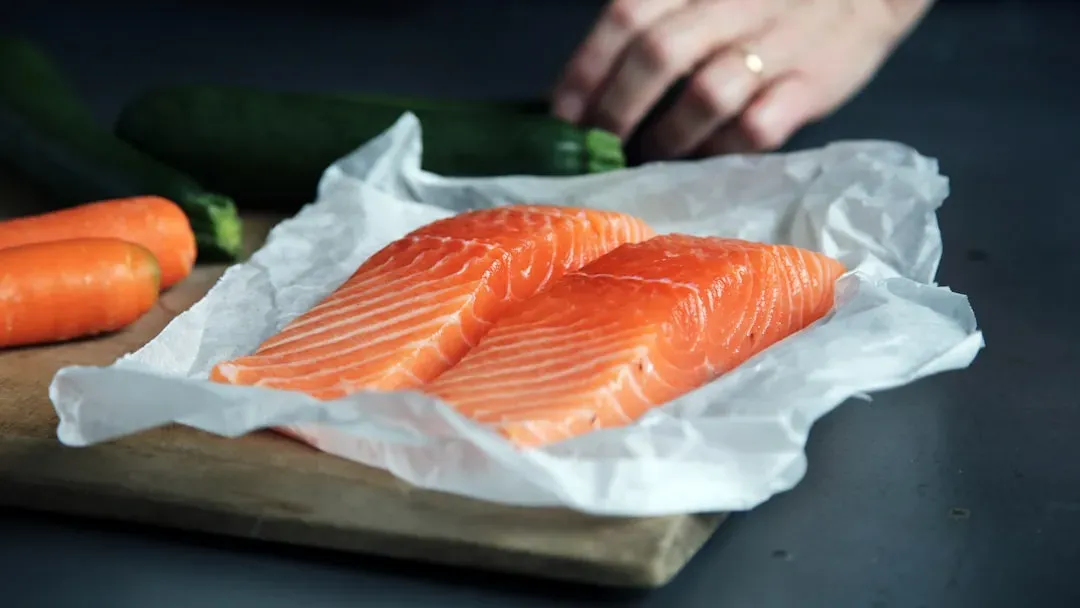
Think of omega-3 fatty acids as liquid maintenance for your arterial walls. Without them, your arteries become stiffer, more inflamed, and far more vulnerable to plaque buildup. Fatty fish is the richest dietary source of EPA and DHA, the two forms of omega-3 that matter most for your heart.
Because fatty fish is high in omega-3 fatty acids (EPA and DHA), it is one of the most potent heart-protective nutrients. These beneficial fats increase the flexibility of artery walls, prevent improper clotting, lower blood vessel inflammation, and lower triglycerides. Additionally, omega-3 fatty acids stabilize plaque, reducing the risk of rupture and heart attacks.
The American Heart Association recommends that all adults eat fish at least two times a week. Fish, especially oily species like mackerel, lake trout, herring, sardines, albacore tuna, and salmon, provide significant amounts of the two kinds of omega-3 fatty acids shown to be cardioprotective, EPA and DHA.
Salmon, mackerel, and sardines consumed twice weekly have been shown to reduce sudden cardiac death risk by roughly more than a third. The omega-3 fatty acids stabilize heart rhythm and lower triglycerides. These are numbers worth paying attention to.
3. Extra Virgin Olive Oil: The Mediterranean Diet’s Superstar
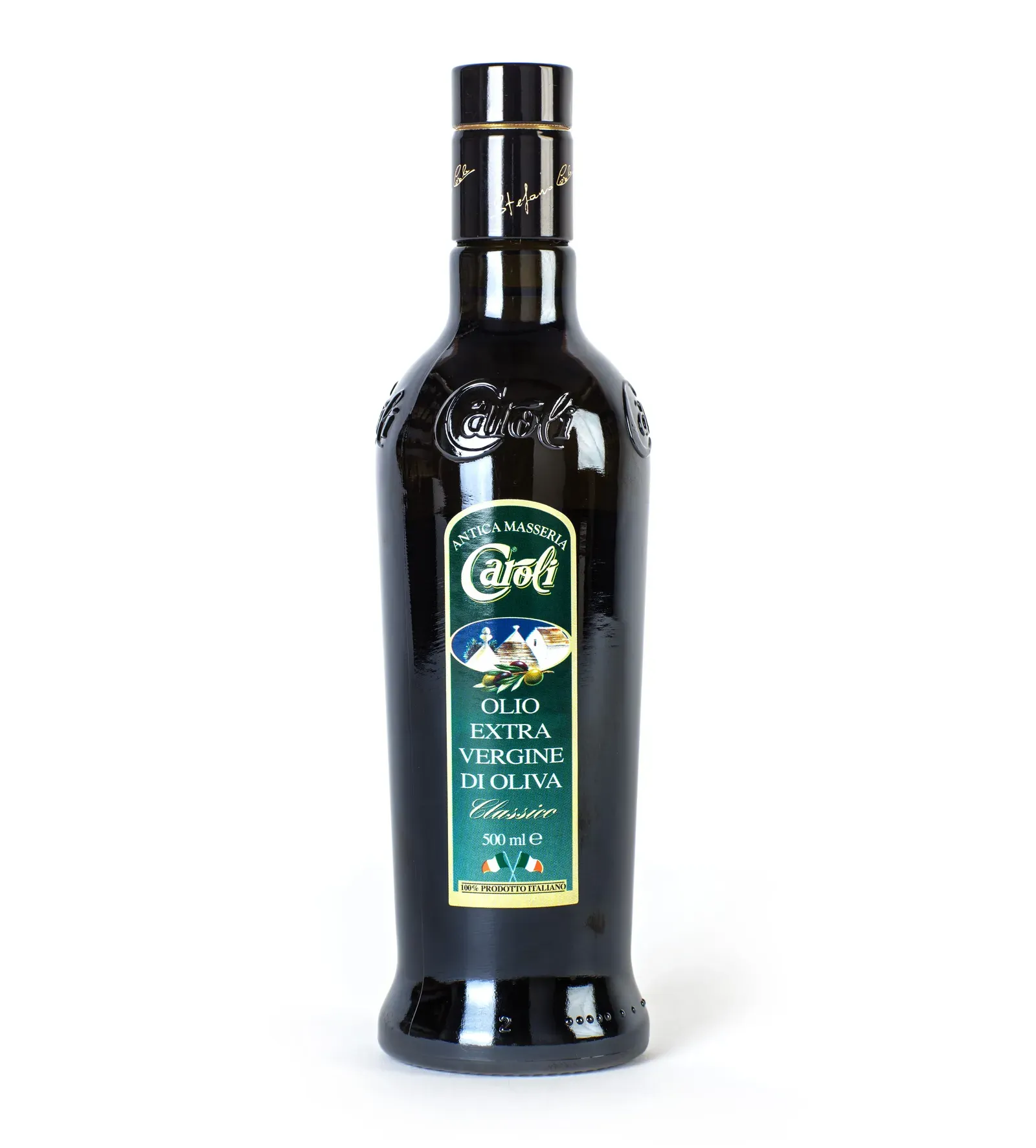
If you only make one swap in your kitchen this year, replacing whatever cooking oil you currently use with extra virgin olive oil might be it. The scientific case for EVOO and artery health is about as strong as it gets in nutritional science.
Cardiovascular diseases are the leading cause of mortality worldwide, driven by complex interactions among genetic, environmental, and lifestyle factors, with diet playing a pivotal role. Extra Virgin Olive Oil, a cornerstone of the Mediterranean diet, has garnered attention for its robust cardiovascular benefits, which are attributed to its unique composition of monounsaturated fatty acids, particularly oleic acid, and bioactive polyphenols such as hydroxytyrosol and oleocanthal.
Higher dietary oleic acid intake and olive oil consumption are associated with a lower risk of cardiovascular disease mortality, suggesting the importance of habitual intake of oleic acid and olive oil for improving cardiovascular health.
Extra virgin olive oil is the cornerstone of the Mediterranean diet, which reduces cardiovascular events by roughly a third. Four tablespoons daily significantly improves endothelial function, which is your arteries’ ability to dilate properly. The endothelium is essentially the thin inner lining of your arterial walls, and keeping it healthy is the whole ballgame when it comes to artery protection.
4. Walnuts: Tiny Nuts with a Big Cardiovascular Impact
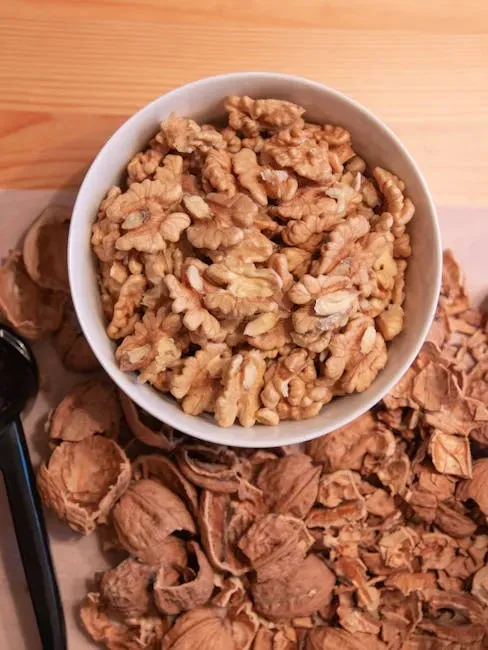
There is something almost poetic about the fact that walnuts, which literally look like tiny brains, are so profoundly good for the organ that keeps your heart beating. These little tree nuts pack an impressive nutritional punch in a very small package.
Walnuts are rich in alpha-linolenic acid (ALA), a plant-based omega-3 fatty acid. Regular nut consumption has been shown to lower inflammatory markers, reduce oxidative stress, and improve heart health.
Pooled and meta-analytic data on nut consumption show dose-dependent reductions in total and LDL cholesterol with habitual nut intake, with larger absolute reductions in participants with higher baseline LDL or lower BMI, and consistent effects across age and sex groups.
In one study, people who ate a handful of walnuts daily had significantly reduced levels of C-reactive protein and certain inflammatory markers. Nuts also promote healthy cholesterol levels and support weight management, which indirectly lowers inflammation. The effect is dose-dependent, meaning consistency matters more than quantity on any given day.
5. Turmeric: The Golden Spice That Fights Arterial Inflammation
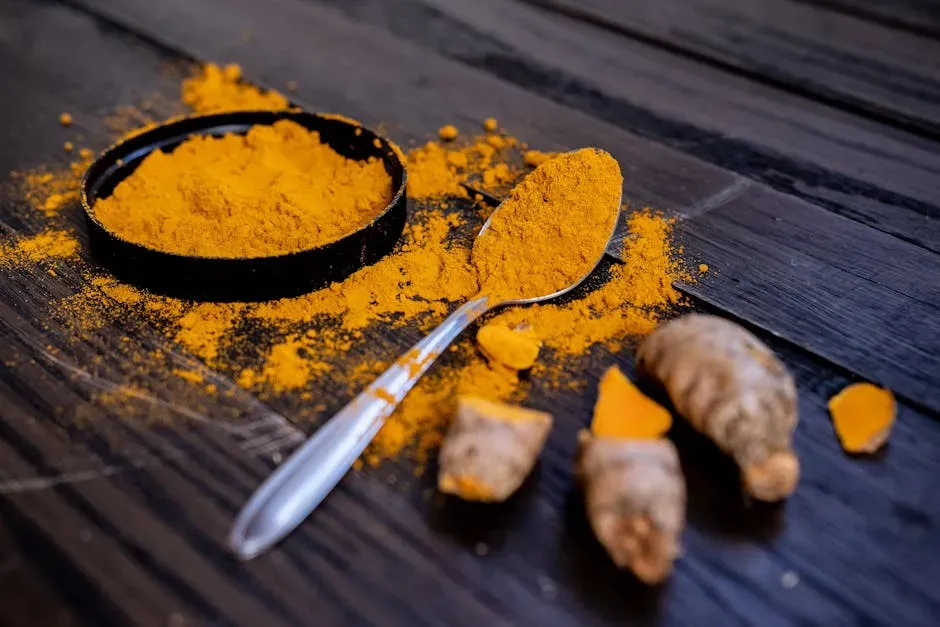
Turmeric has enjoyed an almost celebrity-level rise in Western wellness culture over the past decade. Here’s the thing though: much of the attention it gets is actually warranted, at least when it comes to artery health and inflammation.
Turmeric, with its vibrant golden hue, has been used in Ayurvedic and Chinese medicine for thousands of years. Its power comes from curcumin, a bioactive compound with strong anti-inflammatory and antioxidant properties. Curcumin targets multiple inflammatory pathways in the body. It inhibits NF-kB, a molecule that activates genes linked to inflammation, and lowers levels of inflammatory cytokines.
Turmeric is notably high in curcumin, the main compound that gives turmeric its arterial benefits. Curcumin can lower inflammation in the body and prevent LDL cholesterol from becoming oxidized, which are key processes in atherosclerosis.
Curcumin is not easily absorbed by the body on its own. Combining it with black pepper, which contains piperine, can enhance absorption dramatically. This is one of those simple, practical details that makes a real difference in how effective turmeric actually is for you day to day.
6. Berries: Flavonoid-Rich Fruits That Protect Your Arteries
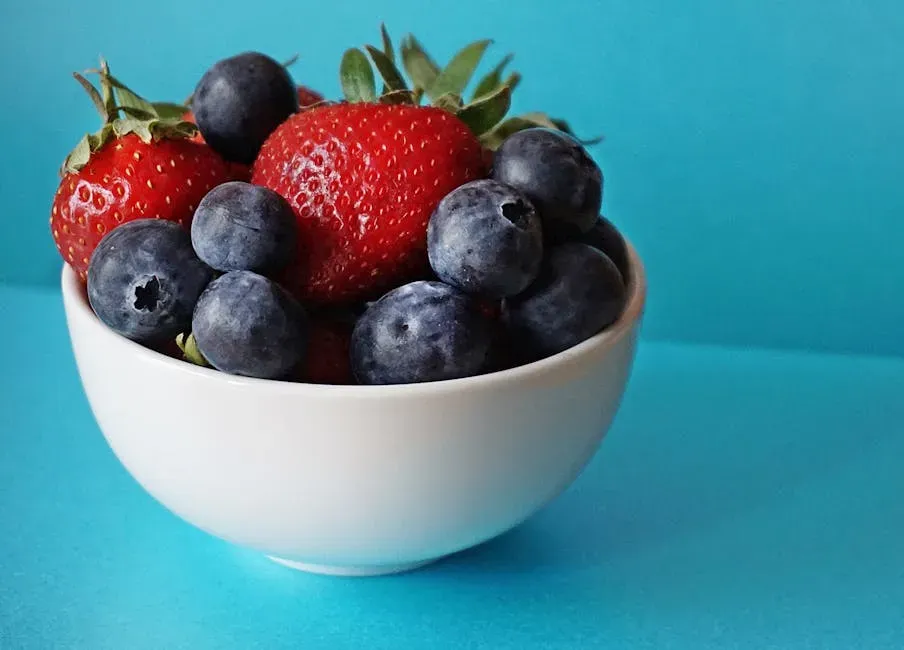
Berries are one of those rare foods that genuinely deserve every bit of praise they receive. They taste incredible, they are relatively low in sugar compared to other fruits, and the research on their artery-protecting properties just keeps getting stronger.
A 2025 study reinforces the heart-protective potential of flavonoid-rich foods, suggesting they may help reduce the risk of atherosclerosis in the arteries of the legs and neck. Top sources of these beneficial plant compounds include tea, apples, pears, peaches, oranges, and berries such as blueberries, strawberries, and raspberries, making them a simple way to support vascular health in daily meals.
Compared to people who consumed the least amount of flavonoids, those who ate the highest amounts had roughly a quarter lower odds of having plaque in their legs and nearly a fifth lower chance of plaque in their necks. The study was published in the November 2024 issue of Arteriosclerosis, Thrombosis, and Vascular Biology.
Regular consumption of polyphenol-rich foods like tea, coffee, berries, nuts, and whole grains may significantly support long-term heart health. A decade-long study of more than 3,100 adults found that those who consistently ate polyphenol-packed foods showed meaningful cardiovascular benefits. Adding a cup of blueberries or strawberries to your morning routine might be one of the simplest high-return habits you can build.
7. Green Tea: An Ancient Brew with Measurable Arterial Benefits
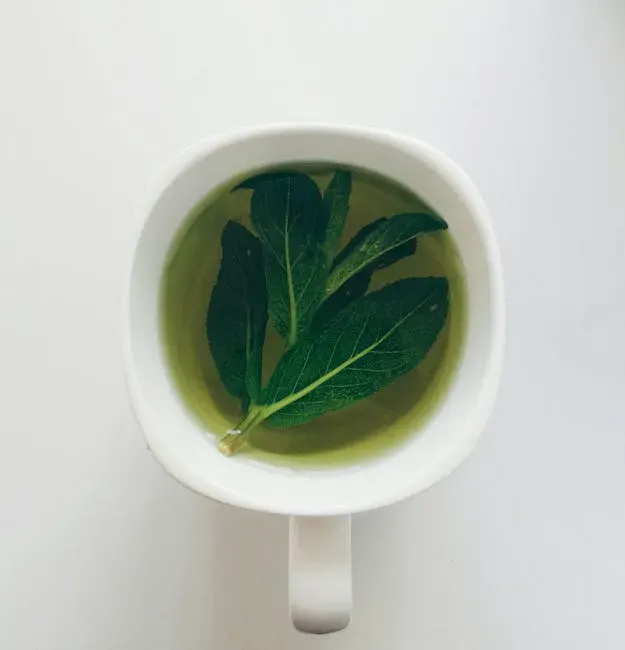
Green tea is not just a calm morning ritual. It is one of the most studied beverages in all of cardiovascular research, and the picture that emerges from decades of science is genuinely encouraging for people who drink it regularly.
Tea is abundant in bioactive compounds such as flavonoids and polysaccharides, which possess significant antioxidant and anti-inflammatory properties. These compounds play a crucial role in mitigating oxidative stress and inflammation, thereby supporting cardiovascular health. They enhance endothelial function, leading to improved vascular relaxation and reduced arterial stiffness, and exhibit antithrombotic effects.
Results from a large cohort study showed that daily consumption of roughly two cups of green tea was associated with a 22 to 33 percent reduction in cardiovascular disease mortality among the Japanese population.
Green tea extract positively impacted arterial health by reducing the central arterial augmentation index, suggesting an improvement in arterial stiffness. Tea’s anti-inflammatory properties help lower the levels of pro-inflammatory markers in the blood, which are often linked to vascular dysfunction. The reduction in inflammation further supports healthy blood vessel function by preventing the buildup of arterial plaque and reducing the risk of atherosclerosis.
8. Avocado: Healthy Fats That Support Cholesterol Balance
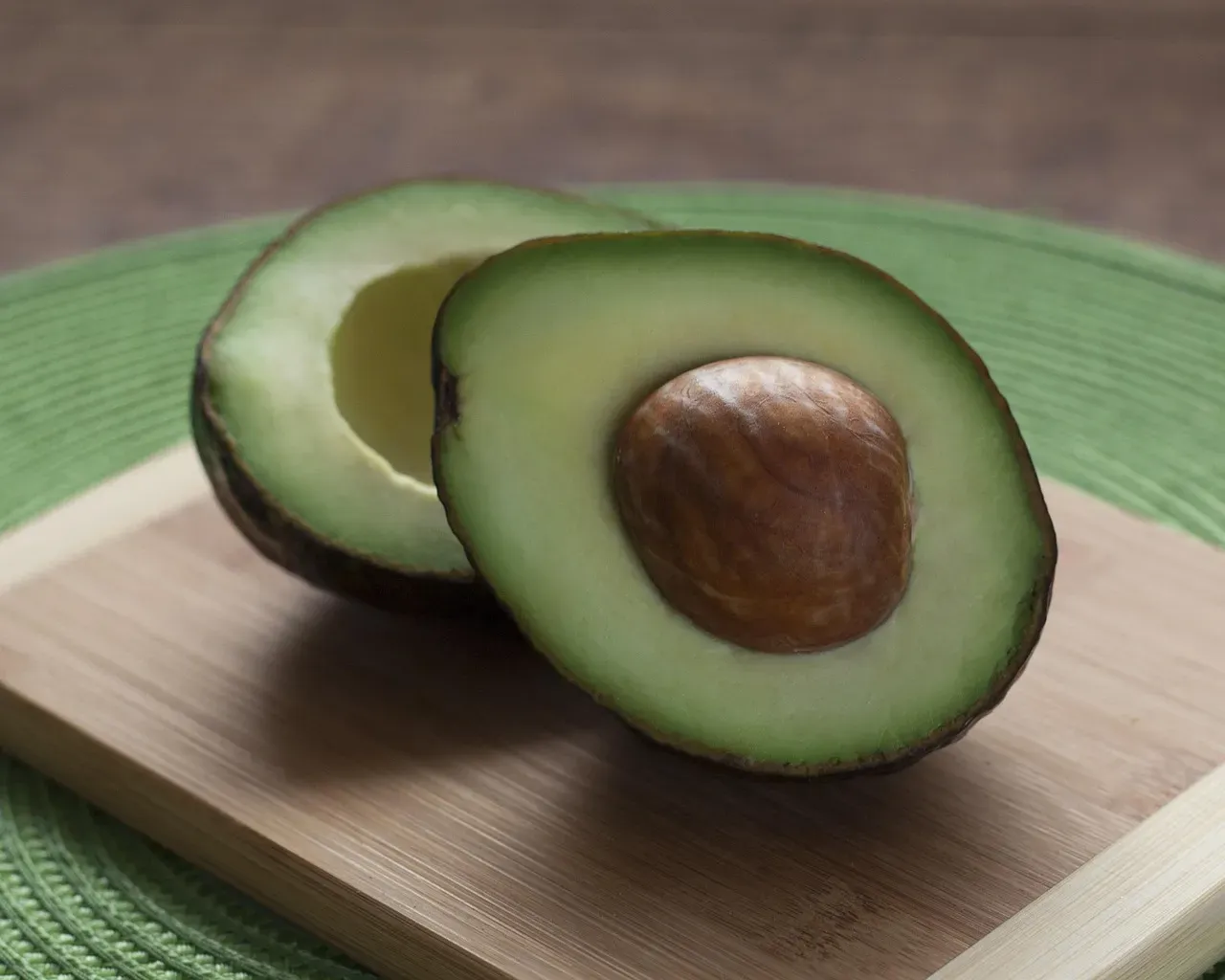
Avocado had a reputation problem for years. People feared its fat content without understanding that the type of fat matters enormously. Today, it is one of the most well-researched whole foods in the context of cardiovascular health, and it deserves a regular spot on your plate.
Regular consumption of good fats and whole, plant-based foods has a key role in lowering cholesterol levels, inflammation, and blood pressure, all of which contribute to clogged arteries. Avocados are loaded with exactly the kind of monounsaturated fat that fits this description perfectly.
A meta-analysis published in 2025 reviewed data from 10 randomized controlled trials, encompassing over 2,300 participants, to assess the effects of avocado on cardiovascular risk factors. The studies, conducted between 2005 and 2024, lasted anywhere from four to 24 weeks and included participants with a wide variety of health profiles, providing a comprehensive look at avocado’s potential role in heart health.
Avocados also deliver a meaningful amount of potassium, which helps regulate blood pressure, and dietary fiber, which directly supports lower LDL cholesterol levels. Think of avocado as the food equivalent of an all-in-one cardiovascular maintenance package. It is calorie-dense, so moderation is sensible, but half an avocado a day is consistently what research considers a practical and heart-friendly portion.
9. Dark Chocolate: The Guilt-Free Treat With Real Heart Benefits
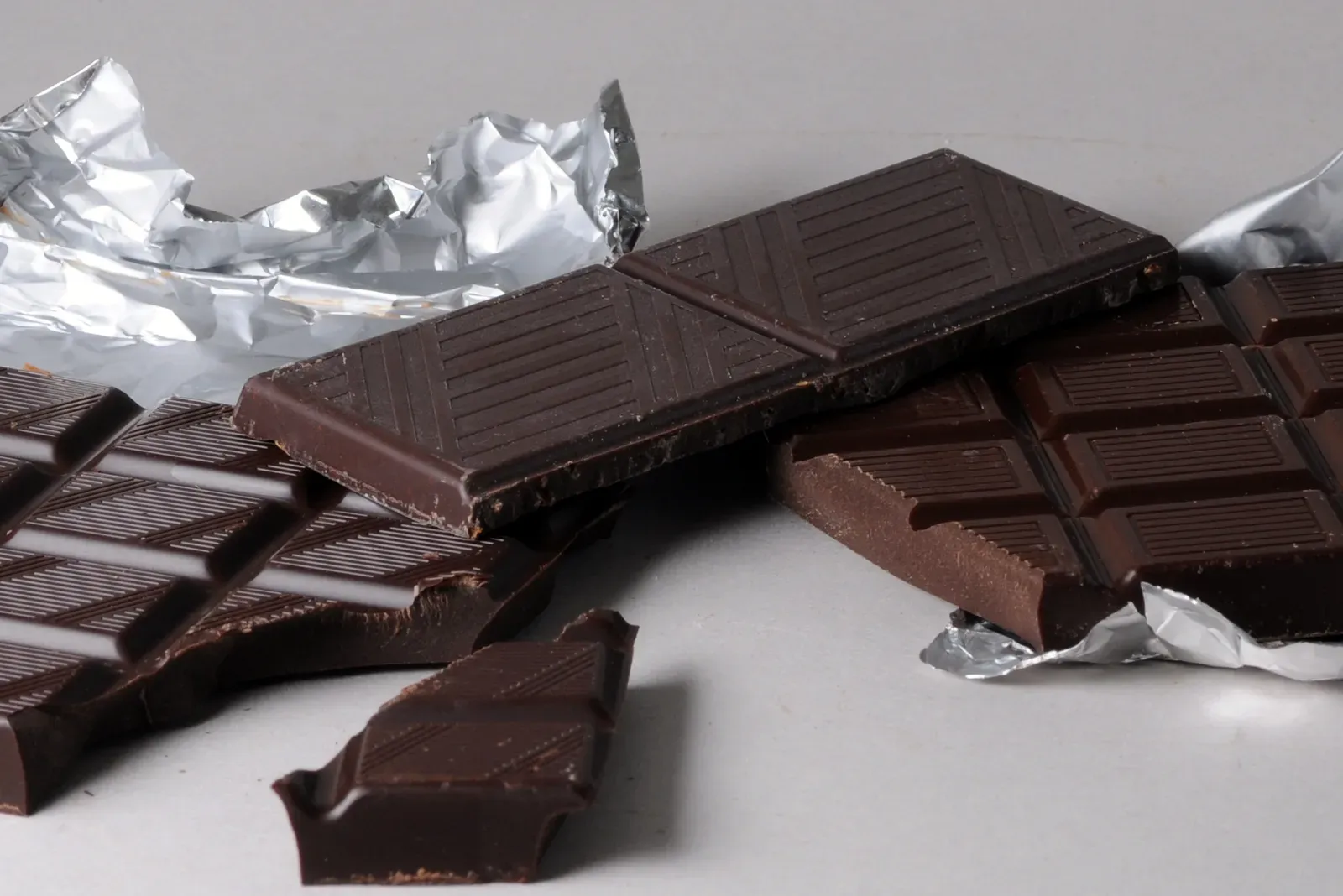
This one tends to raise eyebrows. Chocolate on a list of artery-clearing foods? Let’s be real, the catch is that it must be proper dark chocolate with a high cocoa content, not the sugar-loaded milk chocolate bars that line most supermarket shelves.
Numerous studies have identified cocoa phenolics, procyanidins, and flavan-3-ols as bioactive antioxidant compounds that enhance vascular function, reduce inflammation, and improve lipid metabolism, insulin sensitivity, and platelet aggregation. Research indicates that consuming flavanol-rich cocoa supports cardiovascular health.
Across various clinical trials, moderate flavonol-rich cocoa and chocolate consumption proved to be correlated with better heart health. Advantages include a diminished risk of heart failure, hypertension, platelet aggregation, coronary artery disease, stroke, atrial fibrillation, high cholesterol, and peripheral artery disease.
Dark chocolate is generally favored over milk and white chocolate due to its elevated concentration of flavonols. Consuming around 50 grams of dark chocolate daily or every other day has been associated with improvements in various heart health conditions. Recent research demonstrates a beneficial effect of cocoa on blood pressure, insulin resistance, and vascular and platelet function, with proposed mechanisms including activation of nitric oxide and antioxidant and anti-inflammatory effects. One or two squares of high-quality dark chocolate are all it takes to tap into these benefits.
The Bigger Picture: Diet, Arteries, and Long-Term Health
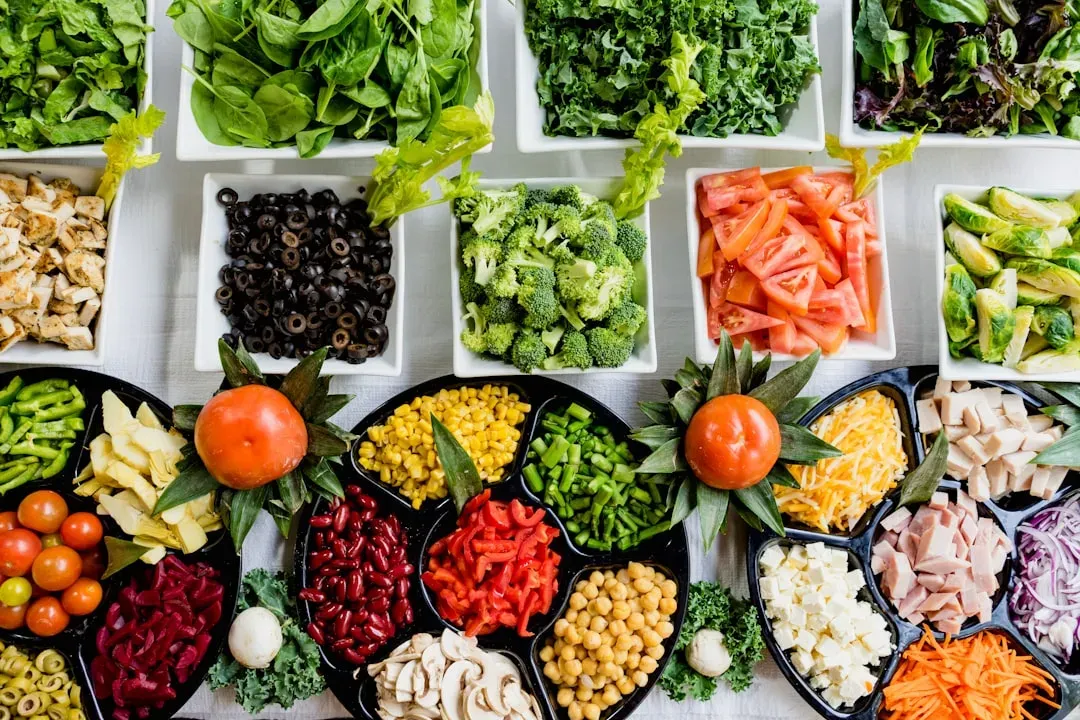
Here is what ties all nine of these foods together. They are not magic bullets on their own. None of them will single-handedly reverse decades of arterial damage. What they do is work through overlapping mechanisms, reducing inflammation, lowering bad LDL cholesterol, protecting the delicate inner lining of your arteries, and in some cases helping stabilize or even reduce existing plaque over time.
Food does not actually remove plaque like a brush when it is said to “clean” the arteries. Rather, these nutrients improve the health of the arterial lining, lower bad cholesterol, increase good cholesterol, reduce inflammation, stop fat oxidation, and in certain situations aid the body in gradually reabsorbing and stabilizing existing plaque.
Both the DASH and Mediterranean diets may slow or even partially reverse the progression of atherosclerosis. The nine foods featured in this article are not coincidentally all core components of exactly these dietary patterns. The evidence is consistent, substantial, and increasingly recent.
Your arteries are like long-term infrastructure. They do not fail overnight, and they do not heal overnight either. Small daily choices, repeated consistently over months and years, are what shape their condition. The most powerful thing about this list is that none of these foods require a prescription, a specialist, or a significant lifestyle overhaul. They require only a grocery list and a commitment to showing up for your own health, one meal at a time. What changes could you make starting today?