
Most people think managing blood sugar requires medication, strict diets, or intense gym sessions. What if the most powerful tool you have is a simple stroll around the block right after lunch? It sounds almost too easy to be true.
The science behind post-meal walking has exploded in recent years, with a growing stack of randomized controlled trials and clinical studies all pointing to the same jaw-dropping conclusion. A short, casual walk taken right after eating can do something remarkable to your blood glucose. Let’s dive in.
The Blood Sugar Spike You Don’t Know Is Happening
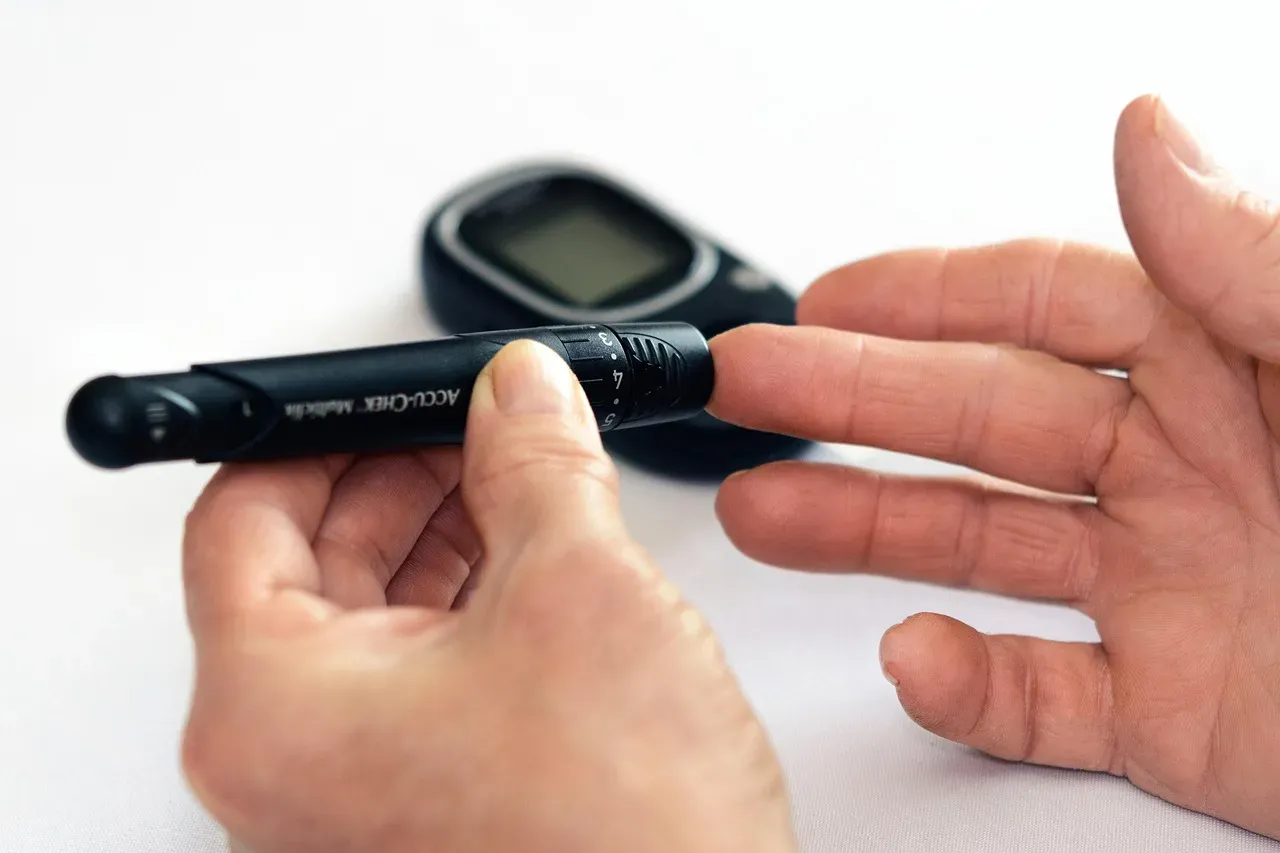
Every time you eat, your blood glucose rises. That’s completely normal. The problem is how high it rises and how long it stays elevated – because that’s where the real damage starts.
Exaggerated blood glucose spikes increase oxidative stress, endothelial dysfunction, pro-inflammatory factor levels, and the risk of developing cardiovascular pathologies. Think of it like a wave crashing hard against a shore every single day. Over time, the wall wears down.
Post-meal spikes also interfere with long-term glycemic control, marked by elevated glycated hemoglobin (HbA1c) levels, putting people with diabetes at risk of cardiovascular disease, including micro and macrovascular complications. Honestly, most people have no idea this quiet process is happening after every meal they eat.
Controlling blood glucose levels after meals, known as postprandial glucose control, is essential for reducing the risk of various health issues including cardiovascular disease and dementia. Spikes in blood sugar after eating contribute to higher glycated hemoglobin levels and are linked to increased oxidative stress that can damage blood vessels and impair cognitive function.
What the Research Actually Says About a Short Walk

Here’s the thing – researchers at Ritsumeikan University in Japan published a landmark study in Scientific Reports in 2025 that changed how we should think about post-meal exercise. The findings are hard to argue with.
In a randomized, crossover, counterbalanced trial with three conditions, twelve healthy young adults walked at a comfortable speed after glucose ingestion. The walking conditions yielded significantly lower two-hour glucose areas under the curve and mean blood glucose levels compared to the control resting condition.
The 10-minute walk condition resulted in a significantly lower peak glucose level compared to the control condition (p = 0.028), which is a clinically meaningful result. That’s a notable drop in peak blood sugar from a walk that barely breaks a sweat.
Participants chose their own comfortable walking pace, averaging a gentle 3.8 km/h (approximately 2.4 mph), which mimics how people naturally move in daily life. No running shoes required, no heart rate monitors, no special gear whatsoever.
Why Timing Is Everything: Walk Now, Not Later
You might think that a walk is a walk, no matter when you take it. The research says otherwise. Timing turns out to be the single most important variable in the whole equation.
A study investigating the effects of exercise timing on postprandial glycemic responses revealed that exercising immediately after a meal is the most effective for attenuating blood glucose elevations, and suggested that the timing of exercise is an important factor for blood glucose control.
These results highlight the critical importance of timing, as starting exercise immediately after eating prevents the early glucose spike that typically peaks between 30 and 60 minutes post-meal. That window right after your last bite is a biological golden hour. Miss it, and you miss much of the benefit.
Previous research reported that walking for 30 minutes is effective in suppressing the rise in blood glucose levels after meals. However, in the current context of low exercise rates and a busy modern society, ensuring 30 minutes of exercise after every meal is not practical. Conversely, the 10-minute walk immediately after meals could become a widely applicable strategy to effectively suppress postprandial hyperglycemia.
The Body’s Secret Glucose-Clearing Mechanism

When you start walking, something extraordinary happens inside your muscle cells. This is where the real science gets fascinating, and it’s not widely understood by most people.
Both insulin and muscle contraction stimulate the translocation of the GLUT4 transporter protein on the cell membrane of muscle. Muscle contraction itself will start glucose uptake without relying on insulin, meaning exercise can help in people with aging-related reduced insulin secretions and those with insulin resistance.
Think of GLUT4 as a tiny door in your muscle cell. When you walk, the movement physically knocks those doors open, pulling glucose out of your bloodstream whether or not insulin is around to help. Exercise-induced glucose uptake and GLUT4 translocation is not impaired in type 2 diabetes, making exercise an effective glucose-lowering intervention in patients with type 2 diabetes.
Skeletal muscle is the main site of glucose deposition in the body during meals and the major glucose utilizer during physical activity. In most conditions the rate-limiting step in glucose uptake, storage, and utilization is the transport of glucose across the muscle cell membrane. Walking essentially forces that transport to happen, fast.
Three 15-Minute Walks Beat One 45-Minute Session
I know it sounds crazy, but splitting your daily walk into three short sessions after each meal is actually more effective than doing one long walk at an arbitrary time. This is one of the most surprising findings in metabolic research.
Studies have shown that three 15-minute bouts of walking after meals in older adults at risk for impaired glucose tolerance significantly enhanced 24-hour glycemic control compared to a single, sustained 45-minute walking session. Similarly, a study from New Zealand found that walking for just 10 minutes after each main meal reduced daily blood glucose levels more effectively than completing a single 30-minute walk at any arbitrary time during the day.
A study concluded that both sustained morning walks and postmeal walks significantly improved 24-hour glycemic control. However, postmeal walks were significantly more effective in reducing three-hour postprandial blood glucose levels. That difference matters enormously over months and years of consistent behavior.
Together, these studies strongly support the consensus that even short walks of 10 to 15 minutes immediately following meals can meaningfully reduce postprandial glucose surges and contribute to long-term improvements in metabolic health.
Who Benefits Most – and What This Means Long-Term
The beauty of this habit is that it works across a wide range of people. You don’t need to already have diabetes to benefit, and you certainly don’t need to be an athlete.
For individuals managing prediabetes or type 2 diabetes, several studies have shown that a 10-to-15-minute walk following meals can significantly reduce postprandial glucose excursions, thereby supporting better long-term glycemic control, as reflected in improved HbA1c levels. These small but consistent reductions in blood sugar peaks help prevent the progression from prediabetes to overt diabetes and can complement pharmacological therapies without introducing additional side effects.
A study in Thailand compared post-meal walking with standard medication treatment in type 2 diabetic patients who failed basal insulin, comparing one prandial insulin injection with post-meal walking on glycemic control. Patients were asked to walk as fast as possible for 15 to 20 minutes after at least one meal per day. The study concluded that there were no significant differences in HbA1c and fructosamine reduction between the post-meal walking and prandial insulin groups after six weeks.
Repeated episodes of post-meal hyperglycemia stimulate excessive insulin secretion, which promotes fat storage and weight gain. By lowering the glucose spikes through light activity, individuals may improve insulin dynamics and support more favorable body composition outcomes over time, especially when combined with other healthy lifestyle habits. A 15-minute stroll after dinner, every night, compounding quietly over months – that’s a lifestyle upgrade most people can actually stick with.
The simplest habits are often the ones that stick, and this one has decades of science behind it now. So next time you finish a meal and feel the pull of the couch, remember what your blood sugar is doing at that exact moment. What would you choose to do differently starting today?