
Most of us have opened a forgotten can at the back of the cupboard and wondered: is this still good? It’s a question more people are asking seriously these days. Between global supply chain scares, extreme weather events, and economic uncertainty that seems to stick around like an unwelcome houseguest, building a long-term pantry is no longer just a prepper hobby. It’s genuinely practical.
Here’s the thing though: not all foods are created equal when it comes to longevity. Some foods look fine on the shelf, and then let you down spectacularly at first taste. Others? They last decades, sometimes longer than the people who bought them. This list covers exactly those foods. The ones that actually hold their quality, not just their edibility. Let’s dive in.
Table of Contents
1. White Rice: The Undisputed King of the Long-Term Pantry
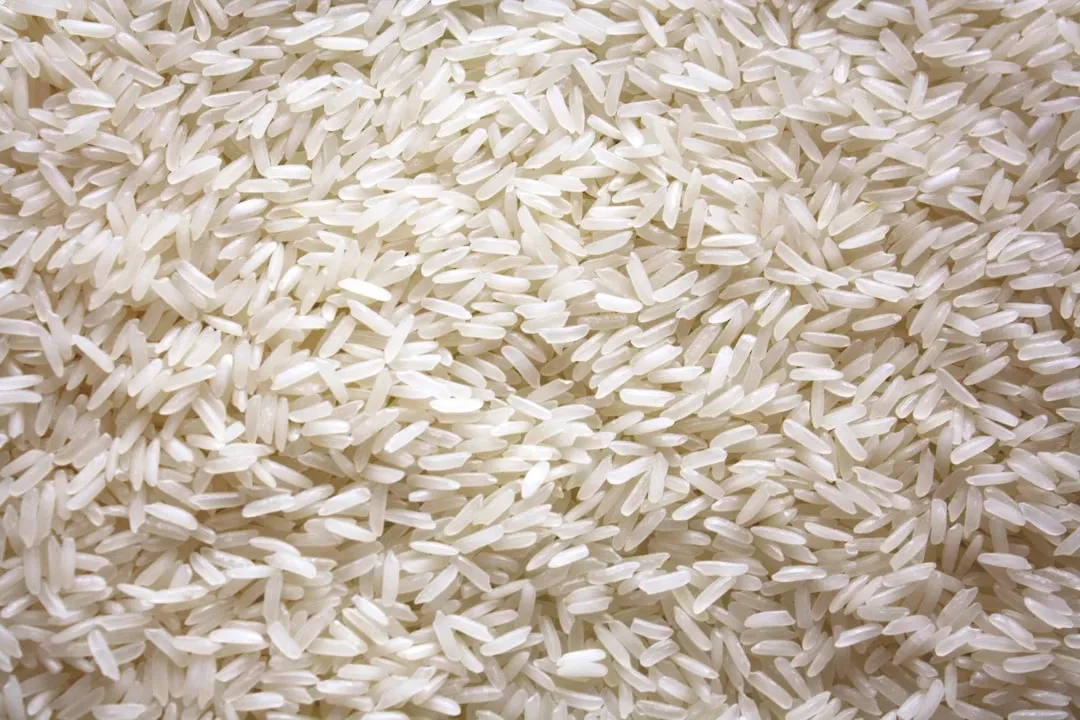
The shelf life for optimum quality and nutrition of white rice is 25 to 30 years, depending on storage temperature, and if sealed in containers using oxygen absorber packets. That is not a typo. Nearly three decades, sitting quietly in your pantry, ready to go.
According to Utah State University Extension, white rice stored at 40°F with oxygen absorbers remains viable for up to 30 years. White rice can remain good for up to a decade if kept at up to 70 degrees Fahrenheit. So even if you don’t have a perfectly cool space, you are still well ahead of most foods. Store it in Mylar bags inside food-grade buckets, keep out the moisture, and you have essentially locked in a decade-plus of security for pennies per serving.
2. Honey: The Ancient Immortal of Your Pantry
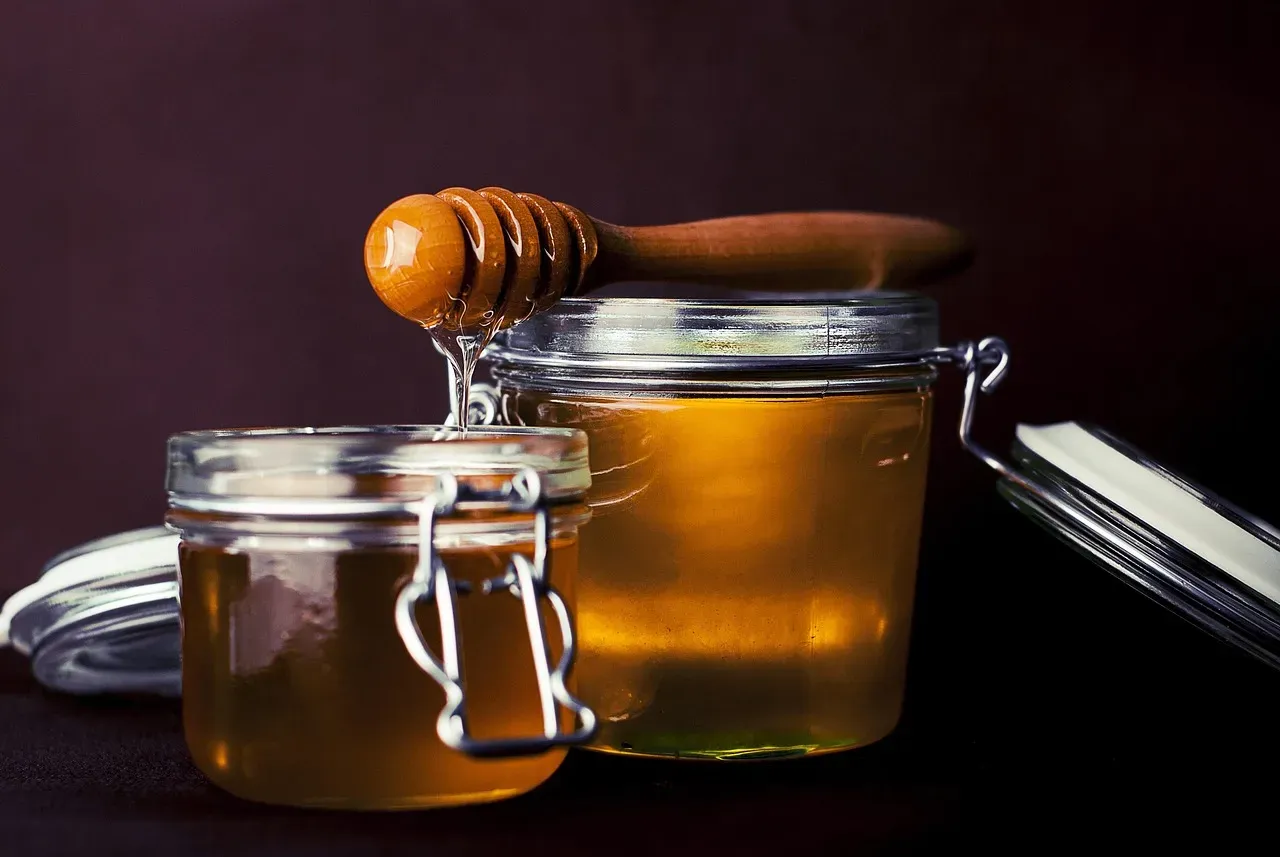
Honestly, honey might be the most impressive food on this entire list. Pure honey has no expiration date and can last indefinitely if stored properly, which makes it a perfect addition to your survival pantry. Archaeologists have reportedly found honey in ancient Egyptian tombs that was still edible thousands of years later.
Like salt, honey has an extraordinarily long shelf life. Unopened jars can literally last thousands of years. The key is keeping it sealed so moisture doesn’t get in. The antibacterial properties of honey prevent spoilage naturally. Honey not only serves as a sweetener, but it also has antimicrobial and antibacterial properties, making it a useful item in emergency medical situations. Beyond the pantry, that dual-purpose value is something few other foods can offer.
3. Salt: The Preservative That Never Needs Preserving
One of the most shelf-stable foods is plain salt. As long as it’s kept dry and away from contaminants, salt lasts indefinitely with no reduction in quality or taste. There is something almost poetic about the fact that the oldest food preservative in human history needs no preserving itself.
Salt is essential not only for flavoring food but also for preserving meats and other foods when refrigeration isn’t available. It’s lightweight, inexpensive, and a must-have for any prepper’s pantry. Pure salt without additives like iodine has an indefinite shelf life. It’s a valuable item for seasoning, preserving, and even bartering. Keep it dry, keep it sealed, and it will outlive everything else in your home.
4. White Sugar: Quiet, Cheap, and Essentially Permanent
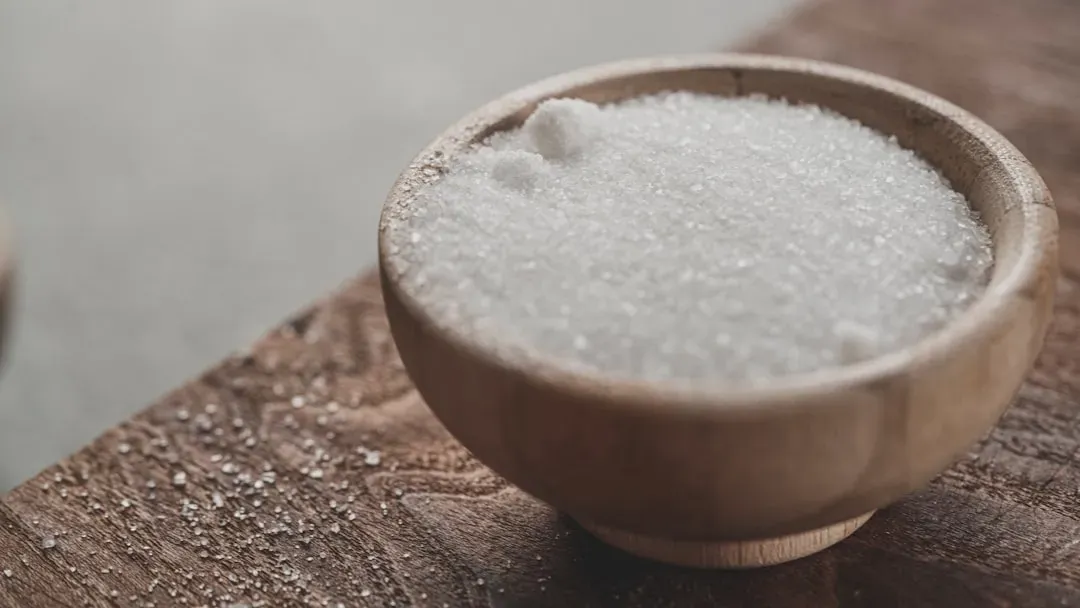
Salt and sugar are two pantry staples that essentially never spoil. Pure salt and sugar will outlive us if stored properly. Sugar’s secret is its extremely low moisture content, which leaves no room for microbial growth. It is one of those foods where the “best by” date printed on the bag is almost meaningless.
Properly packaged, low-moisture foods stored at room temperature or cooler remain nutritious and edible much longer than previously thought, according to findings of recent scientific studies. Sugar fits perfectly into that category. Store it in an airtight container, away from humidity, and you essentially have a permanent sweetener reserve. It’s not glamorous, but it’s one of the most reliable items you can stock.
5. Dried Beans and Lentils: The Long-Haul Protein Source
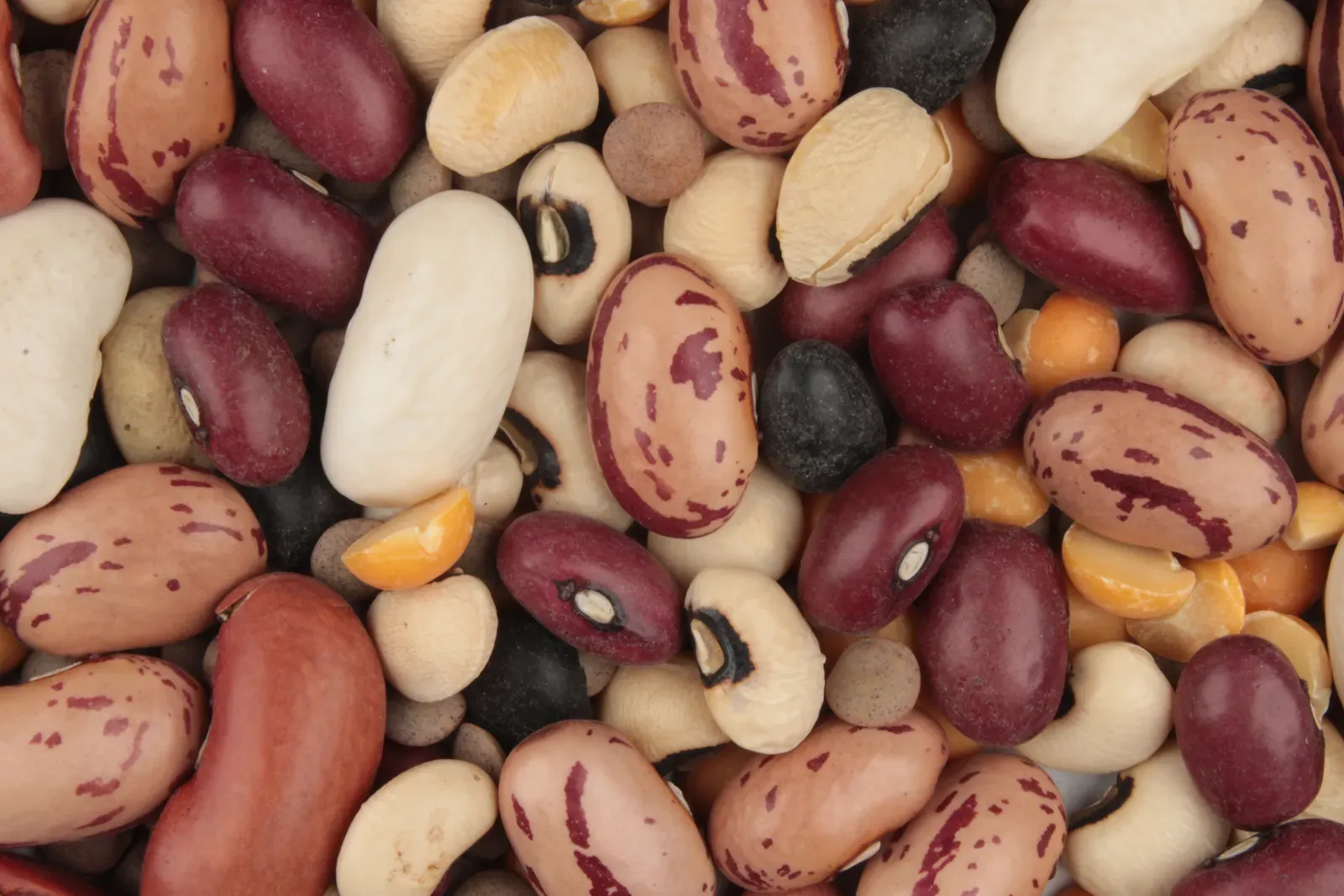
Dried beans and lentils have a shelf life of up to 30 years or more when stored properly, according to the Utah State University Extension. That’s remarkable for a food that is also a solid source of plant protein and fiber. Think of them as the nutritional workhorse of the long-term pantry.
Beans such as pinto, black, and navy beans can last 10 to 30 years when stored in a cool, dry place with oxygen absorbers. Beans will start to lose vitamins at around 2 to 3 years. But so long as they stay dry and don’t begin to grow mold, they will still be fine to eat. The tradeoff is that older beans take longer to soften during cooking, but a good overnight soak handles most of that. It is a small price for three decades of stored protein.
6. White Flour (Mylar-Packed): A Baker’s Long-Term Secret
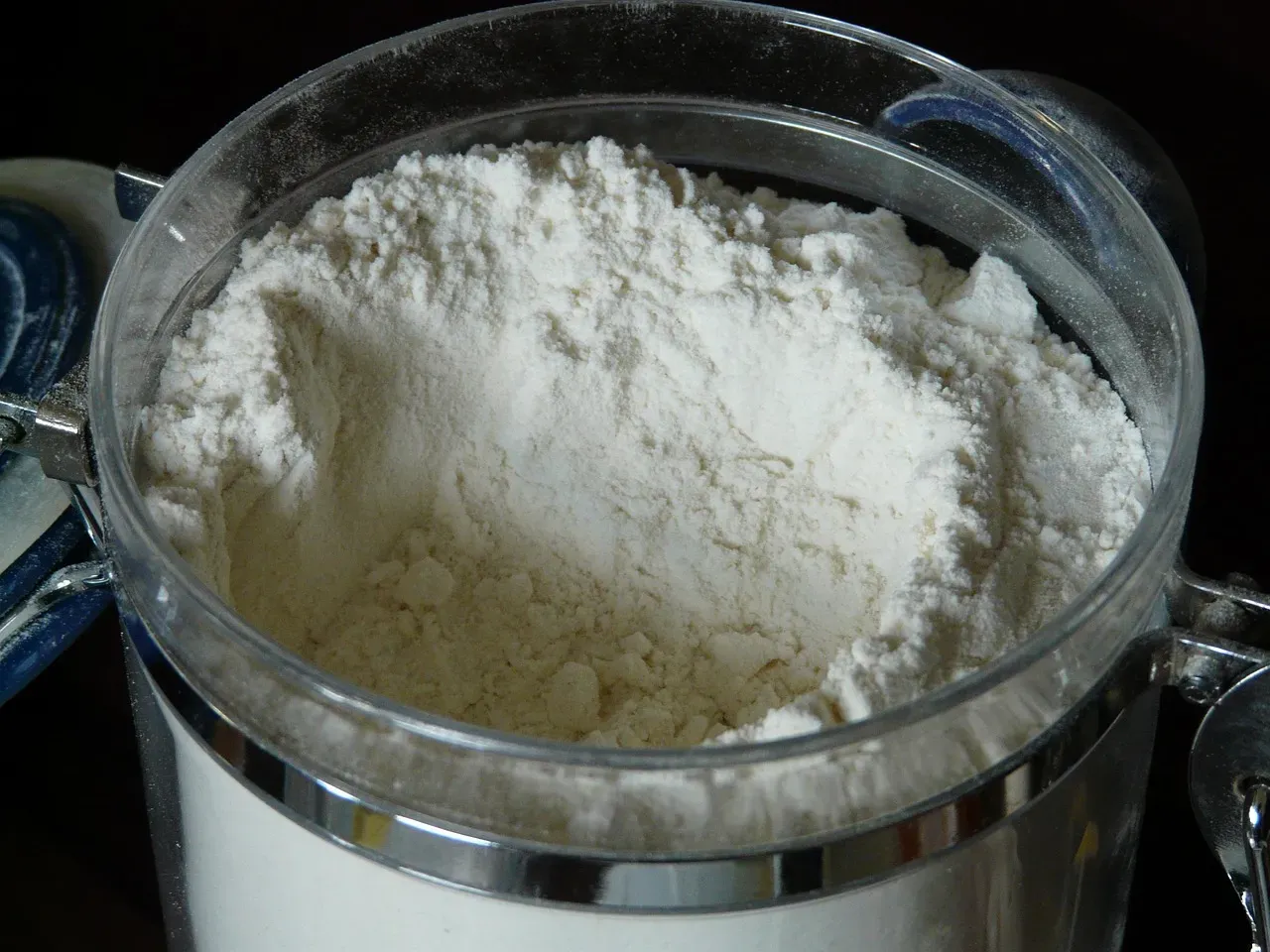
Most people know flour goes stale quickly on the kitchen shelf. But here’s the thing: the storage method changes everything. White flour stored in a cool, dry pantry has a shelf life of approximately one to two years. Whole wheat flour, which contains more oils, lasts only a few months. White and whole wheat flour will last around 10 years in a Mylar bag with oxygen absorbers.
That jump from two years to ten is dramatic, and it is entirely about packaging. The four primary factors that can interfere with proper food storage are temperature, moisture, oxygen, and light. Mylar bags and oxygen absorbers address all of those at once. If you bake regularly, this is one of the smartest investments you can make for your long-term pantry. The flavor difference between old and fresh flour is surprisingly minimal when stored this way.
7. Rolled Oats: Breakfast That Outlasts Nearly Everything
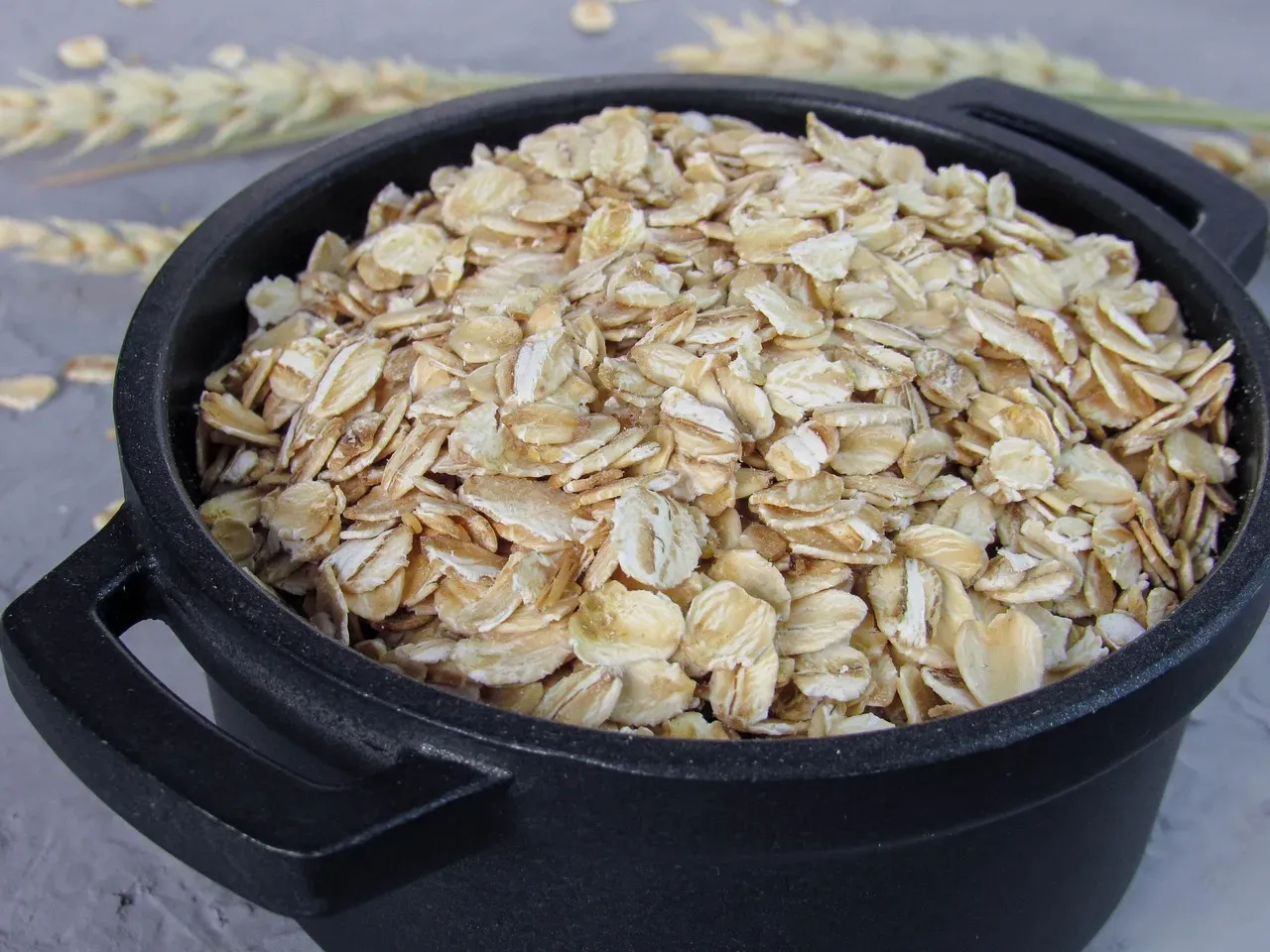
Oats are one of those foods that seem incredibly ordinary but have genuinely impressive storage potential when treated right. When sealed in Mylar bags with oxygen absorbers, rolled oats can remain fresh for 20 to 30 years, making them an excellent choice for long-term storage. It’s worth noting that only rolled oats have this impressive longevity; steel-cut oats, by comparison, have a significantly shorter shelf life.
Oats are one of the most versatile staple food items. You can boil them to make oatmeal, toast them, bake them into bread or muffins, grind them into flour, or even make them into oat milk. That kind of flexibility is gold in a long-term pantry scenario. One ingredient, many uses, and nearly three decades of shelf life when stored correctly. I think that makes oats one of the most underrated items on this whole list.
8. Pasta: The Comfort Food That Ages Like a Fine Wine
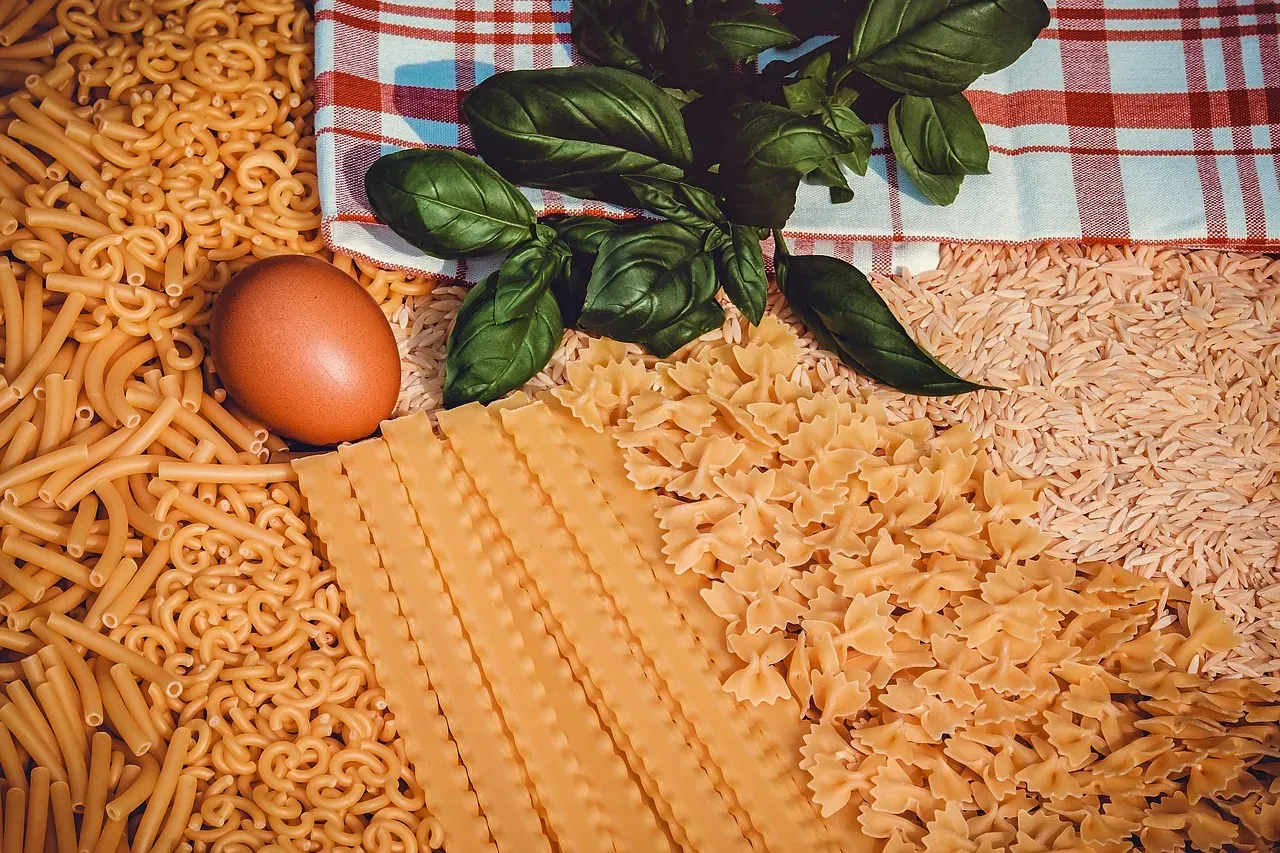
Pasta might just be the most universally loved long-term pantry item. Everyone eats it, it cooks quickly, and it is incredibly versatile. Pasta, if kept in airtight containers and away from moisture, can last 10 to 30 years. That is a genuinely wide window, and even at the lower end of that range, you are already well past a decade of reliable quality.
Pasta is another one of those “must-have” food items. Pasta is in the list of top five foods with the longest shelf life. For that reason, you would be hard-pressed to find a prepper pantry without multiple types of pasta. Transfer your store-bought pasta into sealed containers with oxygen absorbers and place them somewhere cool and dark. It’s a five-minute investment with a multi-decade payoff.
9. Vinegar: The Self-Preserving Pantry Workhorse
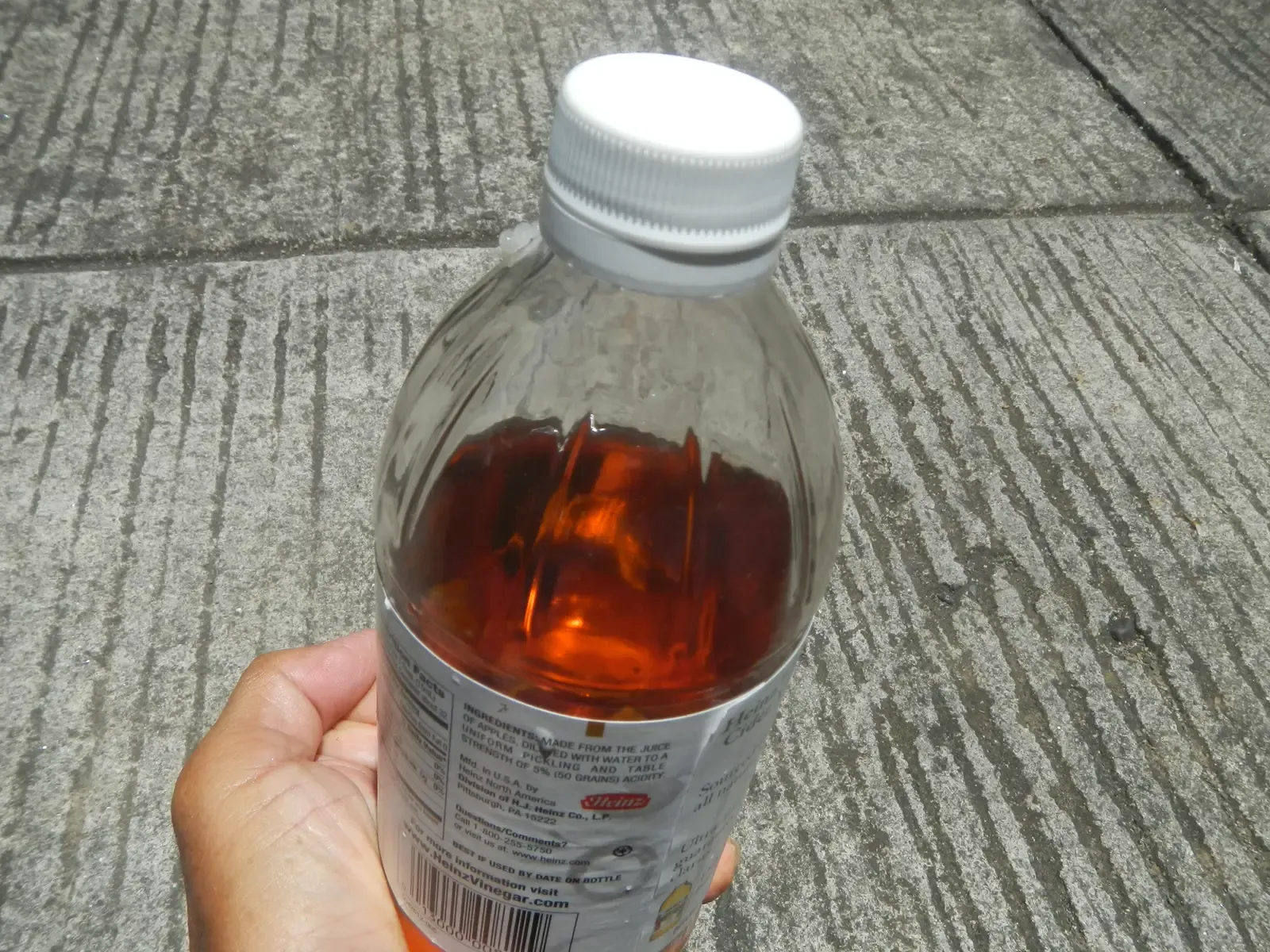
Vinegar is one of those ingredients that quietly earns its place in any long-term pantry. The Vinegar Institute reports that it has confirmed through studies that vinegar has an “almost indefinite” shelf life. The international trade association explains that because of its acid nature, vinegar is self-preserving and does not need refrigeration. White distilled vinegar will remain virtually unchanged over an extended period of time.
Apple cider vinegar contains natural probiotics and antioxidants, which can help boost gut health, prevent cell damage and possibly even help regulate blood sugar. According to the Vinegar Institute, apple cider vinegar’s shelf life is “almost indefinite,” so like other vinegars, it can stay in your pantry pretty much forever. Plus, because it’s so acidic, vinegar is self-preserving and doesn’t require refrigeration. It doubles as a cleaning agent and a food preservative. Few pantry items carry that kind of multi-functional weight.
10. Powdered Milk: Long-Life Nutrition in a Bag
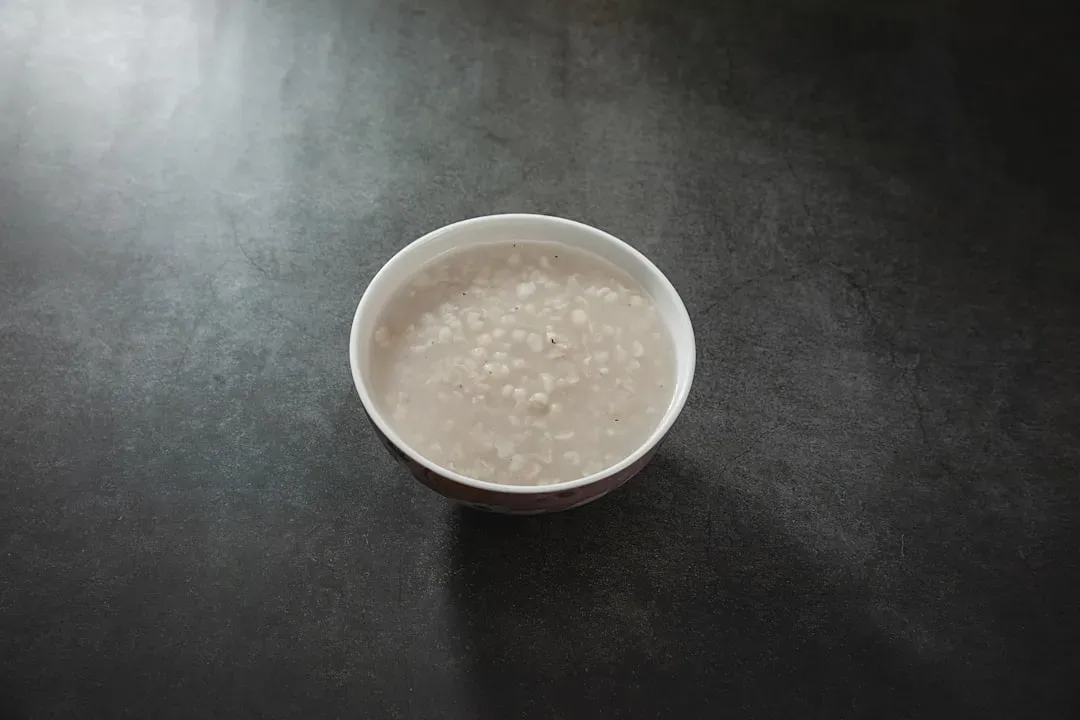
Fresh milk is obviously off the table for long-term storage. Powdered milk, on the other hand, is a completely different story. Scientific studies have determined that when properly stored, powdered milk has a life-sustaining shelf life of 20 years. That is, the stored powdered milk may not taste as good as fresh powdered milk, but it retains some nutritional value and is still edible.
According to the U.S. Department of Agriculture’s FoodKeeper storage guide, powdered milk can last in your pantry for three to five years, but keeps only three months once the package has been opened. Properly stored, non-fat powdered milk can last 10 to 20 years. It can be used in soups, stews and breads along with the obvious. The key is keeping it sealed, cool, and completely dry. Once opened, treat it with the same respect you would give a fresh carton.
11. Freeze-Dried Meat: Modern Technology, Decade-Spanning Shelf Life
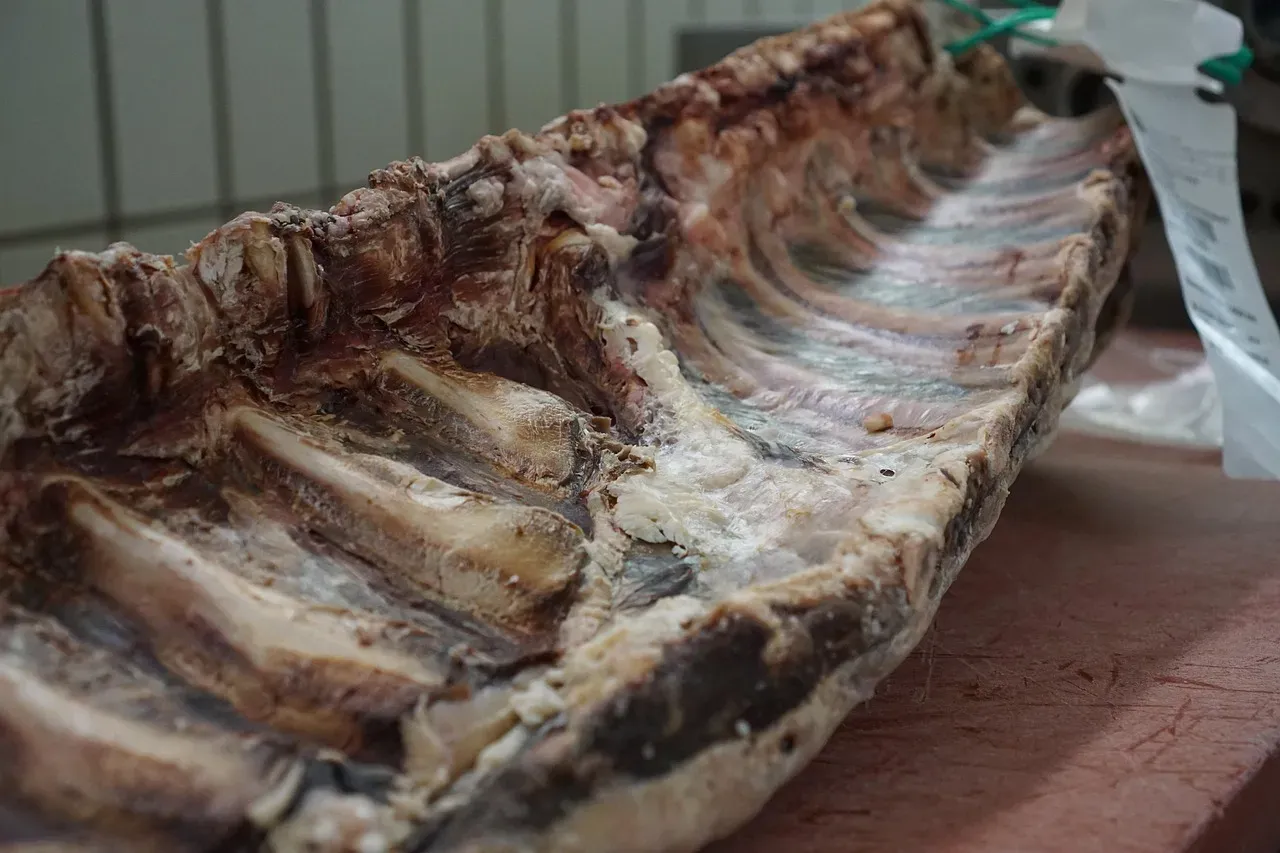
This one surprises people. Meat lasting 25 years? It sounds like science fiction. Freeze-dried meat is the ultimate long-term protein source. Its 25-plus year shelf life is unmatched by any other food item. In addition, it is lightweight, convenient to prepare, and as nutritious as the real thing.
While canned meats can last a long time, typically around 5 to 10 years, the quality may degrade over time. For 25-year storage, freeze-dried meat is a better option. Freeze-dried products typically have a 25 to 30-year shelf life when stored properly. Also, freeze-dried food stores most of its flavor and nutrients more compared to dehydrated foods or other preserved foods. The technology behind this process is genuinely impressive, and the resulting product is light, easy to prepare, and nutritionally dense.
12. Pure Maple Syrup: Unopened, It Lasts Forever
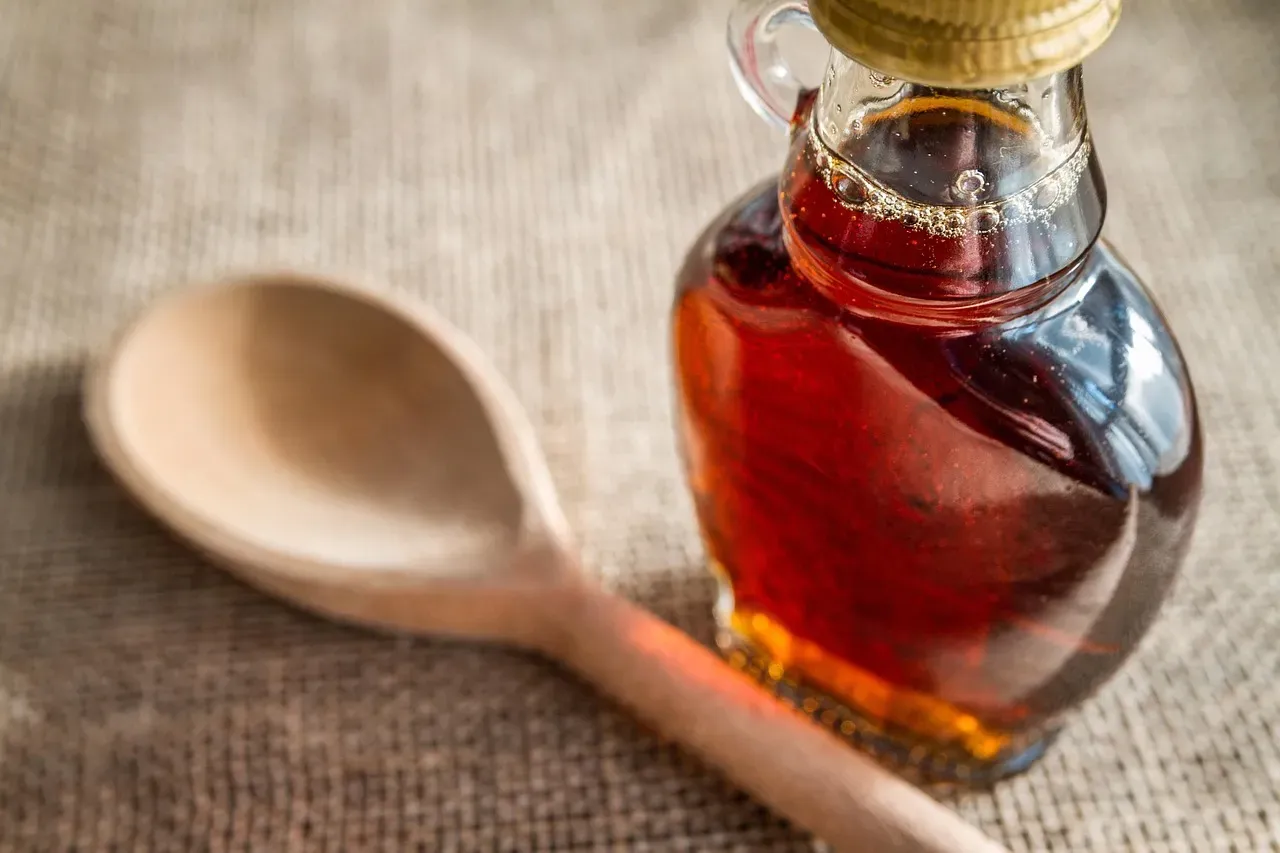
Imitation maple syrup is not the same thing here, and this matters. Pure maple syrup contains vitamins, minerals and antioxidants, and best of all, it doesn’t have any artificial ingredients. Plus, unopened pure maple syrup will keep indefinitely, so feel free to stock up when you find a deal.
Once opened, however, it needs to be refrigerated and will last about a year, according to the USDA. Pure maple syrup can last indefinitely if unopened. Once opened, it should be refrigerated, but even then, it can last for years. This is one of those pantry items that doubles as a morale booster during tough times. Having something sweet and real on the shelf is not a luxury. It’s a genuine comfort, and comfort matters during extended hardships.
13. Cornstarch: The Silent Shelf-Life Champion
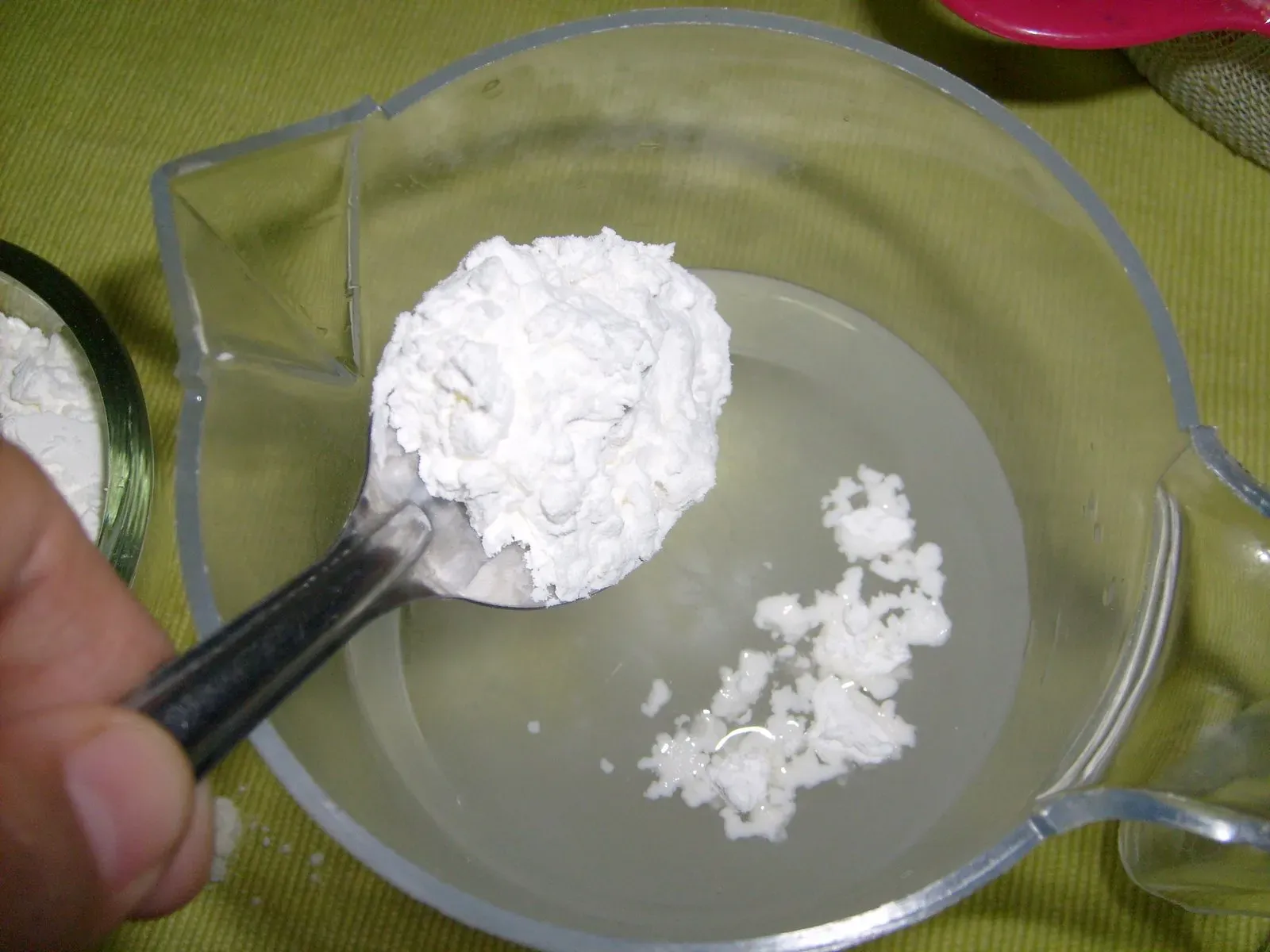
Nobody talks about cornstarch in survival discussions, and that’s a mistake. Provided that cornstarch is stored correctly in a cool, dry place in a sealed container and it doesn’t get wet and moldy, you won’t need to pick up another container of this non-perishable food until you run out. The powdery thickening agent, which is made from the starch in corn kernels, never expires or loses its potency.
Cornstarch has an indefinite shelf life if kept dry and free from moisture. It’s useful for thickening sauces and soups and even making homemade deodorant. It’s hard to say for sure just how often people factor cornstarch into their long-term pantry plans, but given that it genuinely lasts forever with zero special treatment beyond staying dry, it deserves a dedicated spot on the shelf. Think of it as the silent workhorse of long-haul cooking.
14. Powdered Eggs: Decades of Breakfast Possibility
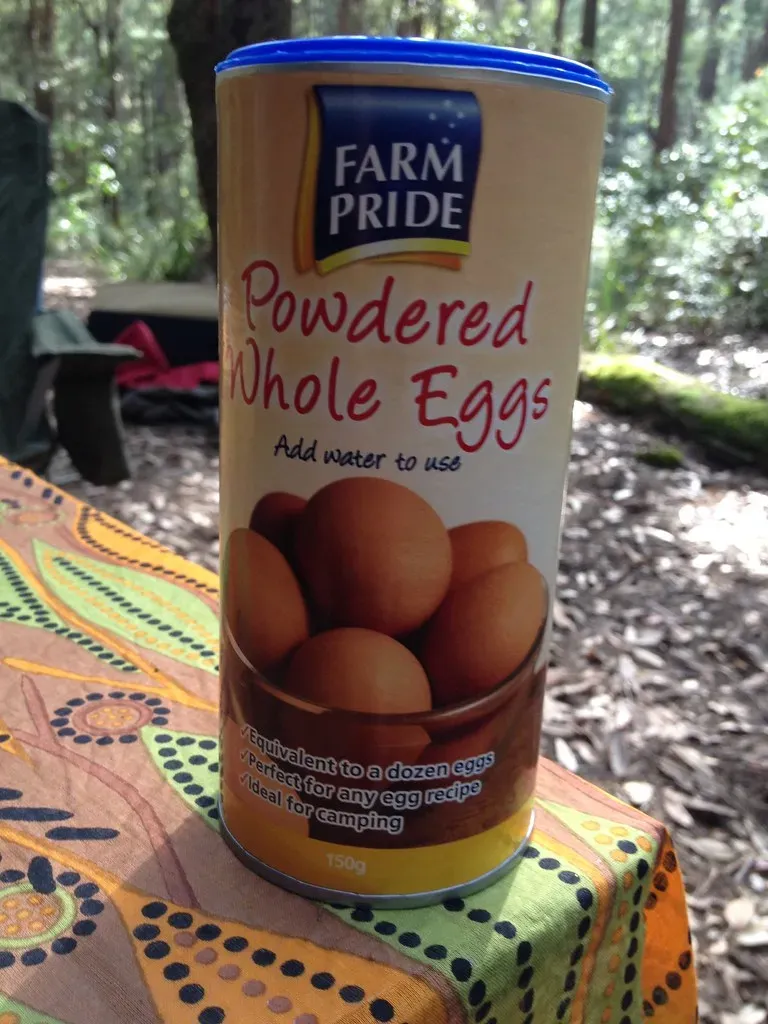
Eggs are one of the most nutritionally complete foods on earth, and losing access to fresh eggs during an extended emergency would be genuinely hard. Powdered eggs solve that problem elegantly. Powdered eggs offer convenience, ease of preparation, and an impressive 25-year shelf life. That is not an exaggeration or a sales pitch. That is the real-world capability of properly processed and stored powdered eggs.
Up to 25 years of shelf life is achievable if stored properly and sealed with oxygen absorbers in Mylar bags. Despite past concerns about cholesterol, eggs are packed with protein, vitamins A and D, amino acids, and choline essential for brain development. Powdered eggs, being a complete protein, stand out as an excellent choice for vegetarians. With a 25-year shelf life, they prove versatile in various recipes, from cakes to scrambled eggs and casseroles. That nutritional depth, combined with the storage window, makes powdered eggs a serious long-term pantry asset.
15. Freeze-Dried Fruits and Vegetables: Nutrients That Survive the Decades
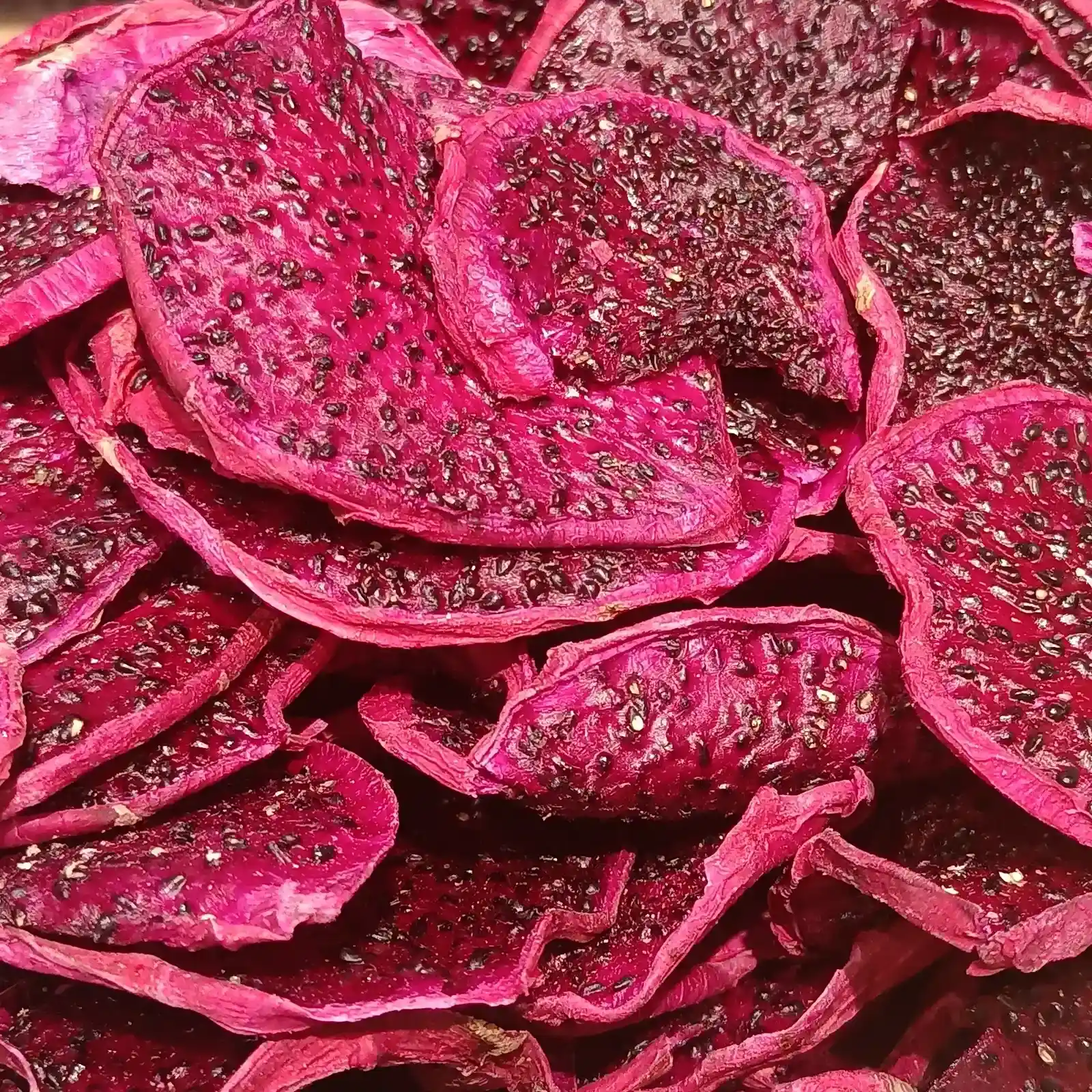
Fresh produce is the first thing to disappear during any crisis, and it is the hardest to replace in a long-term storage setup. That is exactly where freeze-dried fruits and vegetables step in. Freeze-dried fruits and vegetables can last 25 to 30 years if stored properly. They retain most of their nutrients and can be easily rehydrated.
Vegetables are another freeze-dried staple, with a shelf life ranging from 15 to 25 years, depending on the type. Some producers put a short, five-year shelf life for vegetables such as broccoli, noting that degradation can start kicking in after that. Freeze-dried fruits, such as berries, pome fruits like apples and pears, and stone fruits like peaches, watermelon, and mangoes, have a shelf life of 15 to 20 years. These fruits retain much of their flavor, texture, and nutritional value, making them a popular choice for long-term storage. In a world of beige, shelf-stable foods, freeze-dried produce is the closest thing to color on your emergency plate.
Building Your 10-Year Pantry: A Final Thought
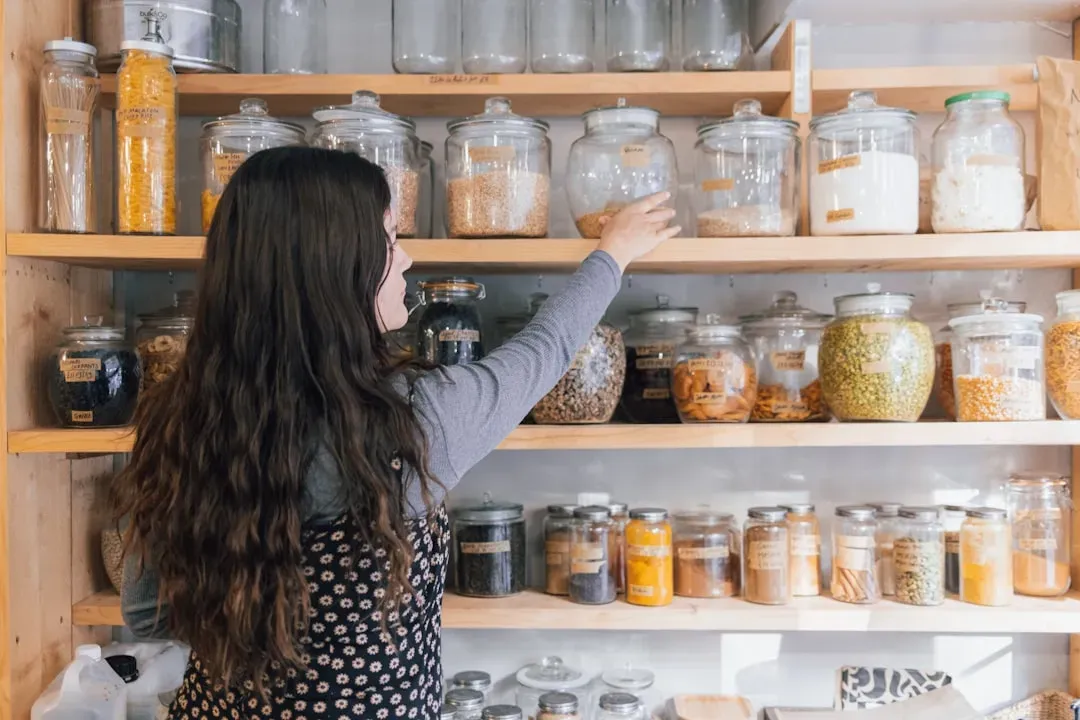
The foods on this list share something important. They are not exotic survivalist items. Most of them are everyday staples that happen to last remarkably long when treated with a bit of care. Properly packaged, low-moisture foods stored at room temperature or cooler remain nutritious and edible much longer than previously thought, according to findings of recent scientific studies. Estimated shelf life for many products has increased to 30 years or more.
The four primary factors that can interfere with proper food storage are temperature, moisture, oxygen, and light. Master those four variables and you have essentially mastered long-term pantry management. It does not require a bunker or a fortune. It requires good containers, a cool dark space, and a little forward planning.
A well-stocked pantry is not about fear. It’s about freedom. The freedom to not panic when shelves go empty, to weather disruptions without anxiety, and to take care of your household no matter what comes. So the real question is not “why would I do this?” The better question is: what are you waiting for?