
Home cooking is having a genuine renaissance. Research published in 2025 analyzing American Time Use Survey data found that home food preparation can be an affordable method for improving diet quality and reducing intake of ultraprocessed foods, two important drivers of diet-related chronic diseases. Millions of people are spending more time in the kitchen than ever before – yet a staggering number of those meals never quite reach their potential. The food is there. The ingredients are good. So what’s going wrong?
Honestly, it’s almost never the recipe’s fault. It’s the quiet, sneaky habits that creep into our routines. The pan that’s never hot enough. The meat that never gets to rest. The salt that comes too late. These are the mistakes that quietly rob a meal of everything it could have been. Let’s fix them, one by one.
Table of Contents
1. Overcrowding the Pan
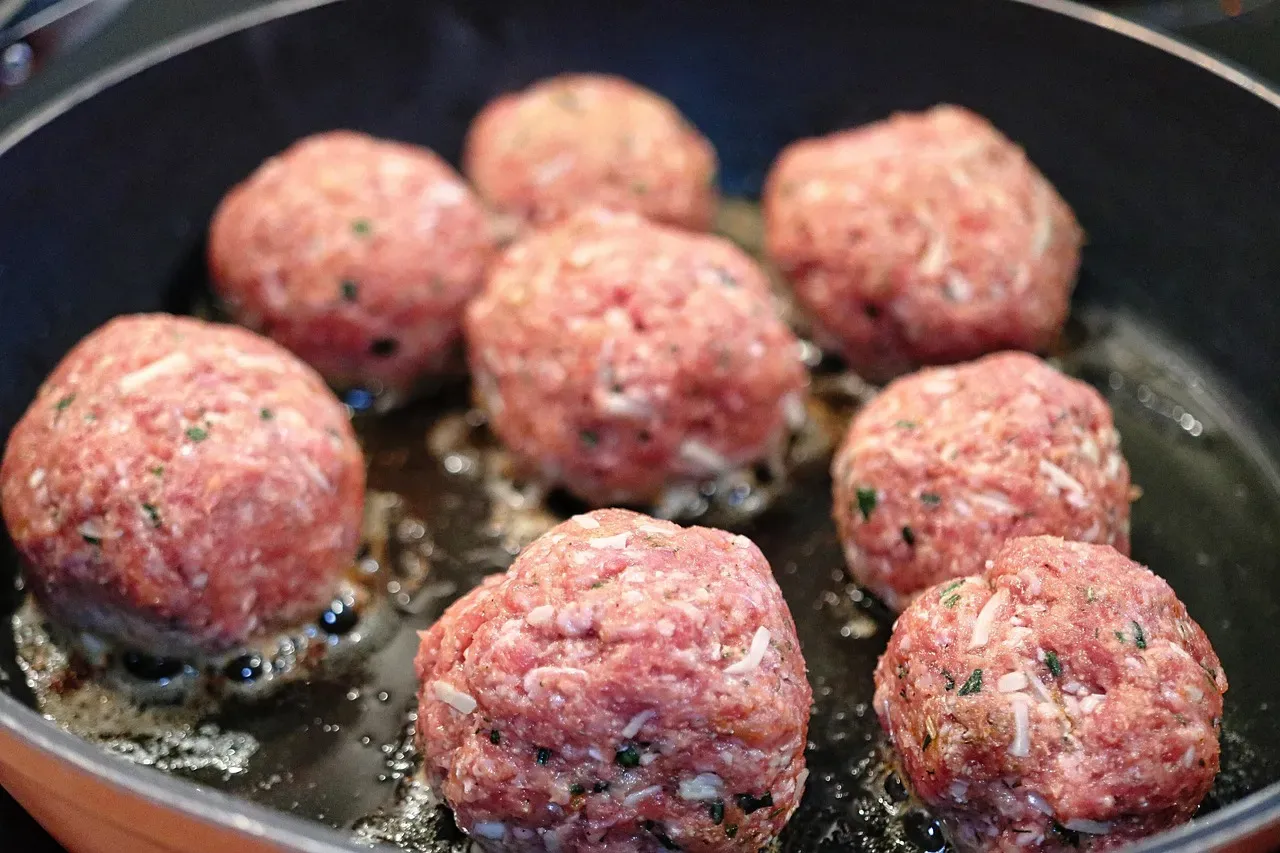
Here’s the thing – most home cooks have done this a hundred times without realizing the damage. An overcrowded pan is the reason meat cuts end up dry, dull-looking, and lacking savory flavor. The goal is a good sear, and you won’t get this when your pan is overcrowded. Lots of meat on the pan means lots of moisture is released, and the temperature drops drastically. As a result, evaporation can’t happen fast enough for caramelization to occur, and you end up stewing the meat instead of searing it.
The culprit here is a chemical process called the Maillard Reaction. The Maillard Reaction is the reaction that comes from the heating of amino acids, found in protein, and sugar. This reaction gives browned foods their desirable flavor. When you crowd the pan, you shut that process down entirely.
A good rule of thumb is to have at least 1 inch between pieces of meat, and to not cover more than about half of the surface area. If necessary, brown the meat in batches. Yes, it takes a bit longer. But the payoff is enormous.
2. Not Resting Your Meat After Cooking
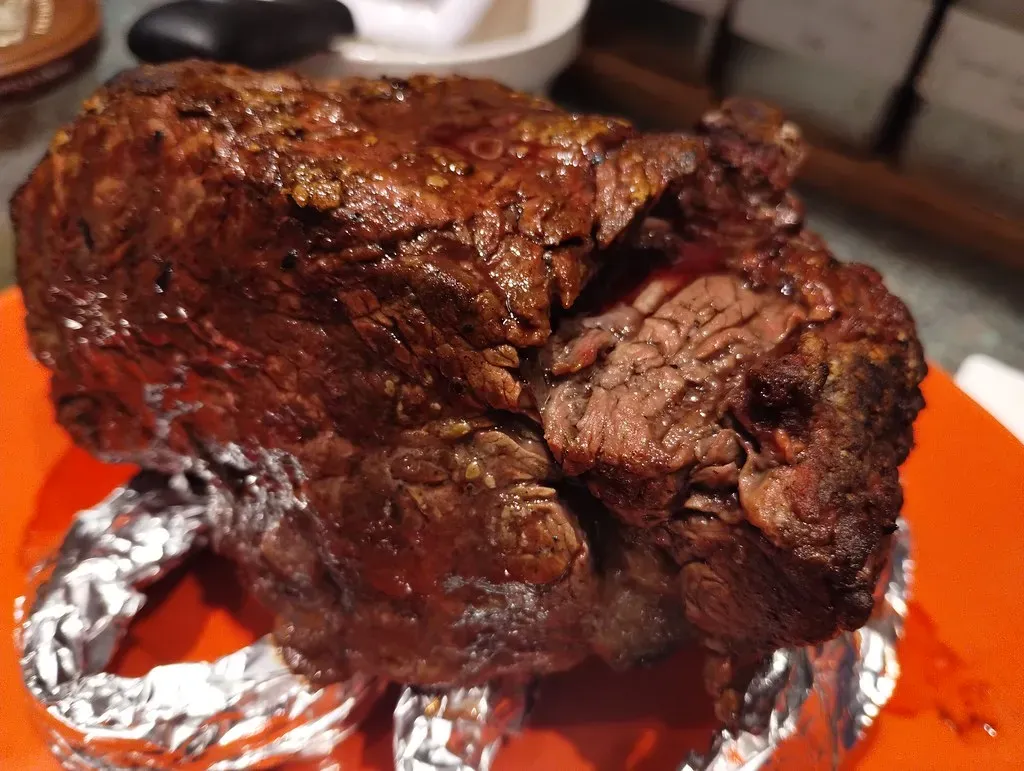
This one drives professional chefs absolutely wild. Have you ever sliced into your meat too soon, only to watch the juices pour out? Resting your meat after cooking is a crucial step in ensuring it’s as tender and flavorful as possible. When meat cooks, the proteins contract, pushing juices to the centre. Resting allows the fibres to relax, redistributing the juices throughout the meat, resulting in a moist and tender texture.
Plan your meals so that meat you roast, grill, sear, or sauté has time to rest at room temperature after it’s pulled from the heat. That cooling-off time helps the juices, which migrate to the center of the meat, to be distributed more evenly throughout.
The general rule is to rest smaller cuts like steaks for about 5 to 10 minutes, while larger cuts like roasts should rest for 15 to 20 minutes or more, depending on size. Think of it like letting a pressurized container settle. Cut too soon, and everything escapes.
3. Skipping the Pan Preheat
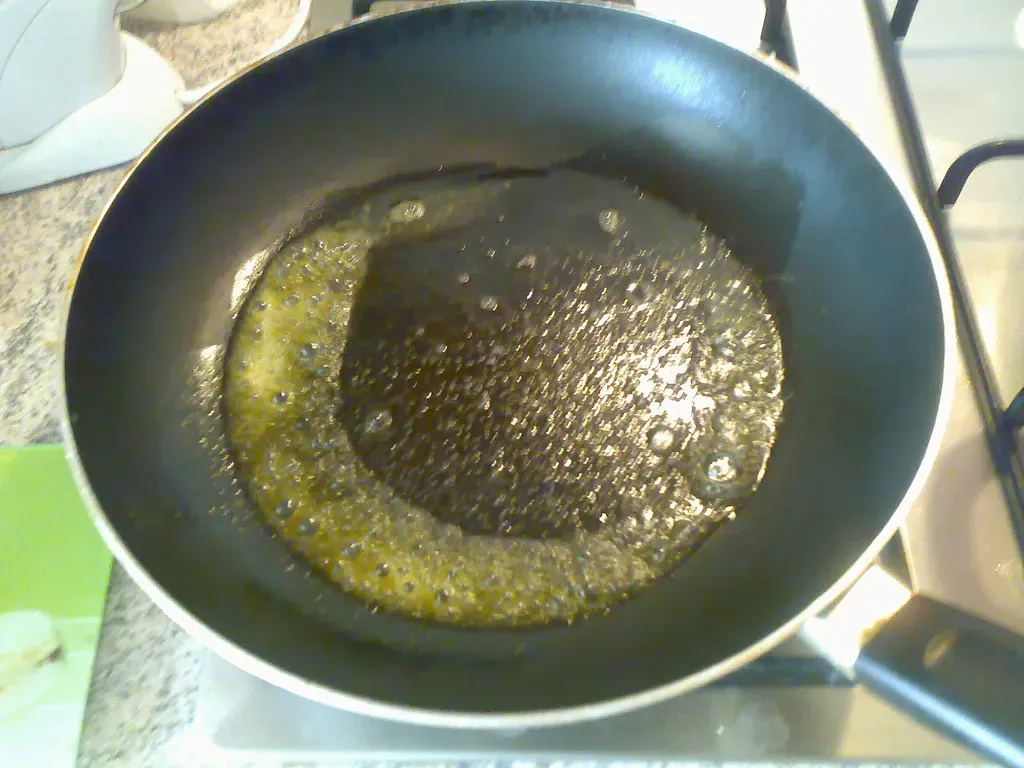
Starting with a cold pan is one of those mistakes that seems harmless in the moment but quietly destroys the final result. Starting with a cold pan causes food to cook unevenly, and it can also lead to sticking, especially with proteins like chicken or fish. You’ll miss out on the golden-brown crust that adds flavor and texture to your dish.
Always preheat your pan before adding oil or food. A properly heated pan ensures even cooking and prevents sticking. There’s a simple trick to test it: to test if your pan is hot enough, add a drop of water – if it sizzles and evaporates immediately, it’s ready.
It sounds almost too simple to matter, but the difference between a preheated and a cold pan is the difference between a crust and a disappointment. Give your pan at least two minutes to properly heat before anything goes in.
4. Using the Wrong Oil for the Heat
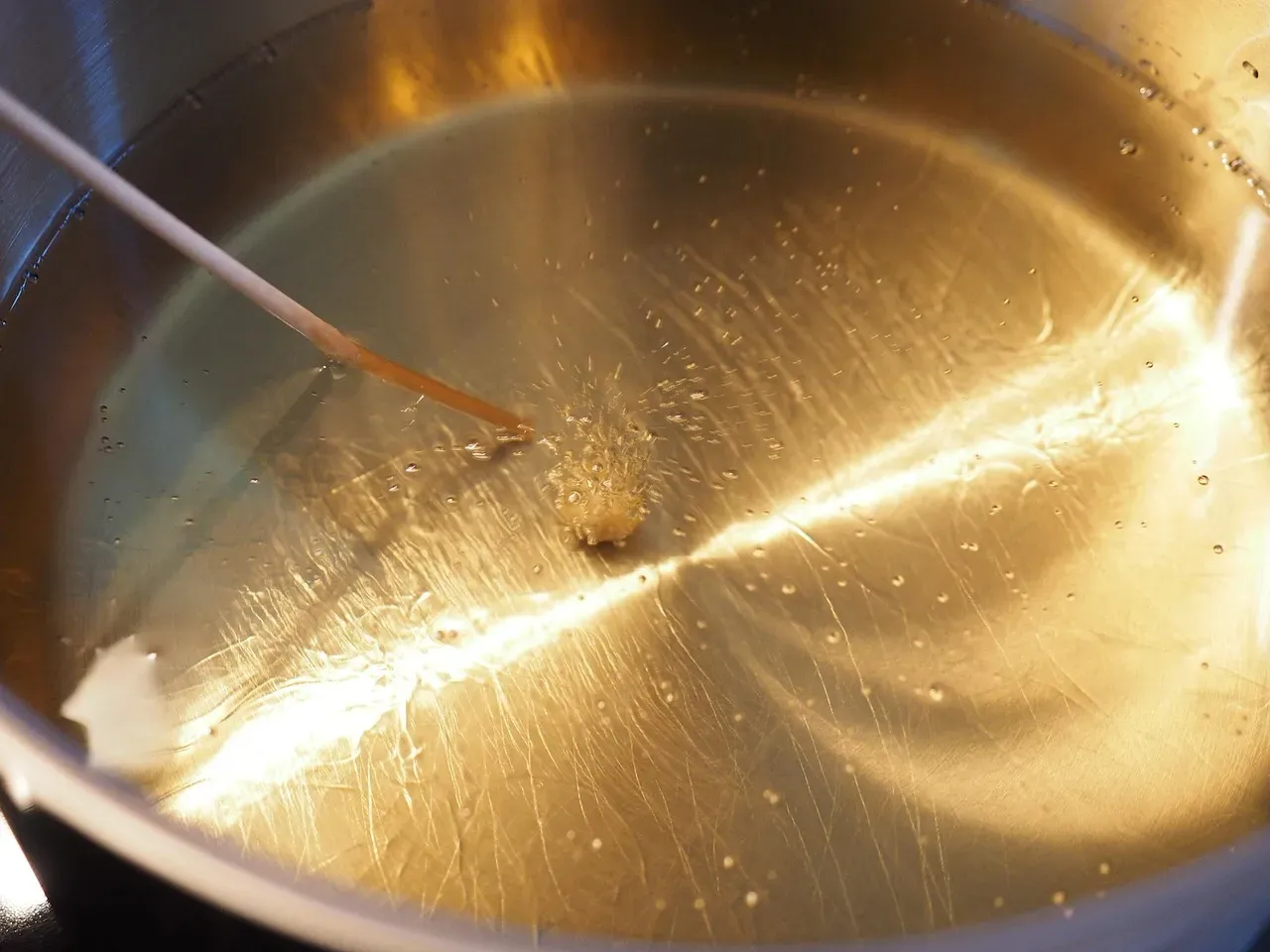
Not all oils are created equal. This is something people rarely think about, yet it’s one of the most consequential decisions in any cooking session. Different cooking methods require different types of oils with specific smoke points and flavor profiles. Using the wrong oil can result in unpleasant flavors, smoking, and even the production of harmful compounds. For high-heat cooking methods like stir-frying or pan-searing, it’s best to use oils with high smoke points such as avocado oil or grapeseed oil. These oils can withstand the heat without breaking down or releasing smoke.
For salad dressings or low-heat cooking, extra virgin olive oil or walnut oil can provide a delicious flavor. The rule of thumb: match the oil to the temperature. Getting it wrong means bitter flavors and potentially harmful byproducts. Getting it right is almost invisible – as it should be.
5. Boiling Instead of Simmering
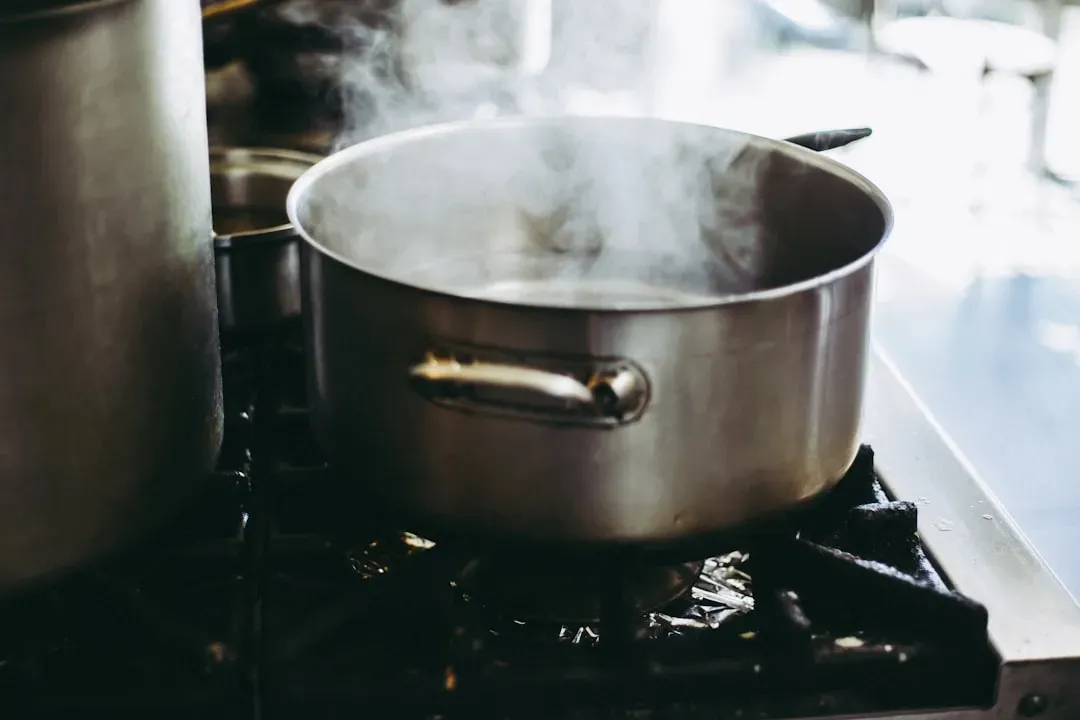
This is one of the most common kitchen errors, and it’s deceptive because the cook thinks they’re doing the right thing by applying more heat. The result is a hurried-up dish that’s cloudy, tough, or dry. This is one of the most common kitchen errors. A simmer means a bubble breaks the surface of the liquid every second or two. More vigorous bubbling than that means you’ve got a boil going.
The difference sounds subtle. It isn’t. A hurried-up dish can turn cloudy, tough, or dry because of this single confusion alone. Meat cooked too quickly in liquid loses all its tenderness, ironically turning dry despite being submerged in moisture. Low and slow is not just a barbecue philosophy – it’s kitchen science.
6. Adding Ingredients in the Wrong Order
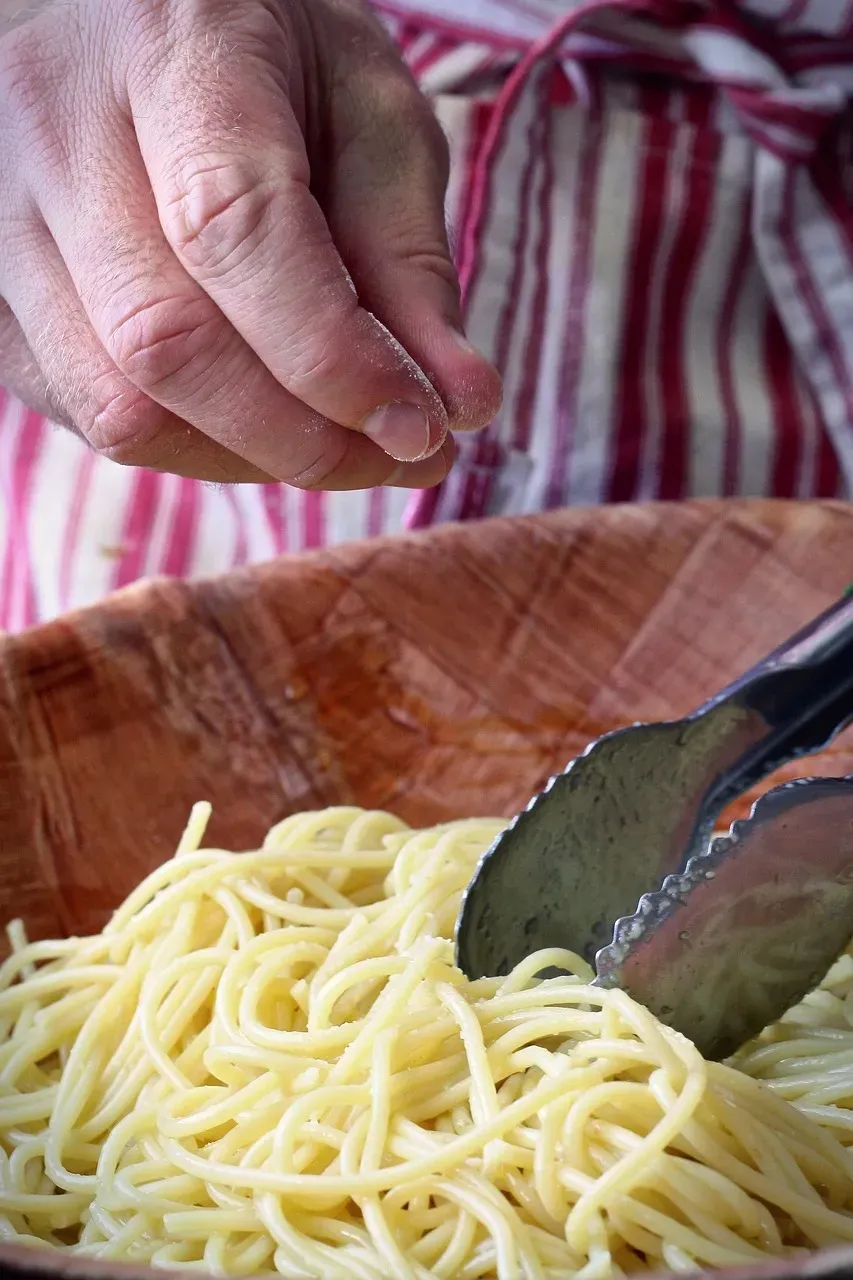
Recipes aren’t fussy for the sake of being fussy. There’s actual chemistry behind the sequence. A recipe has steps you’re supposed to follow for a reason: flavor development. If you add your ingredients out of order, you risk ruining the dish or creating a meal that tastes different from the original recipe. For example, a lot of herbs, like parsley and chives, are added towards the end of the cooking process because they tend to lose their flavor the longer they cook.
Think of it like building a house. You can’t put the roof on before the walls. Each layer of flavor needs to go in at the right moment for the final result to make sense. Recipes have you add ingredients in a specific order for flavor development. If you add them out of order it could ruin your dish or taste different than the original recipe.
7. Not Using a Meat Thermometer
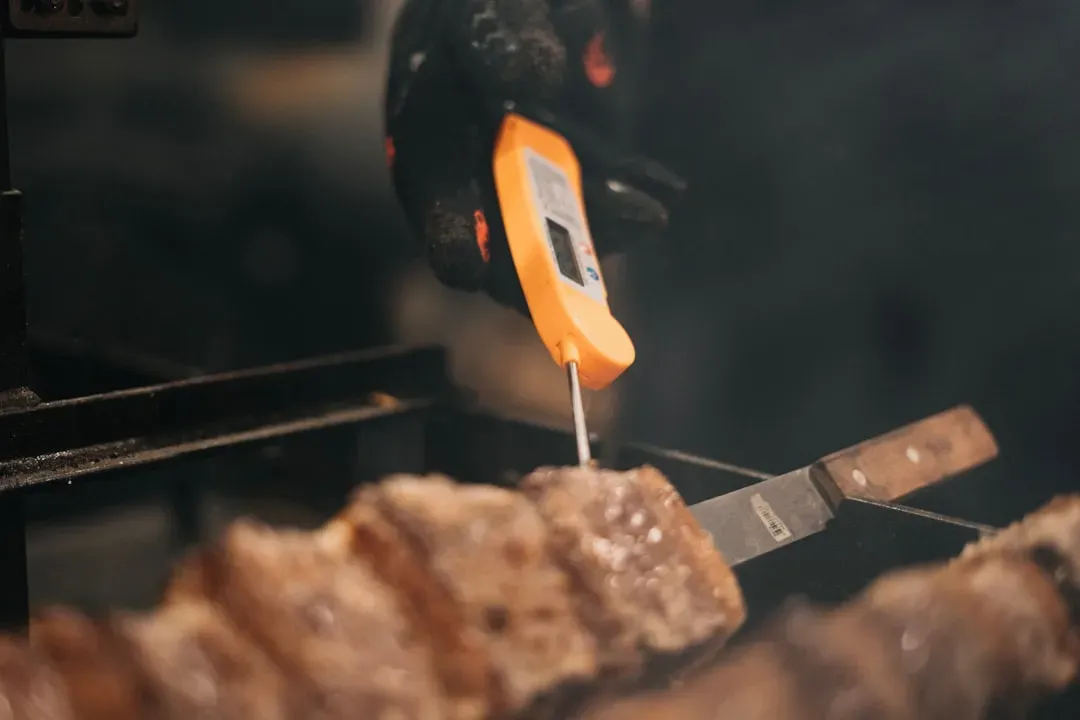
I know it sounds overly cautious. A lot of home cooks rely on color or touch, and most of the time they get away with it. Most of the time. Cooking food to proper internal temperatures is designed to kill harmful pathogens. When food isn’t cooked thoroughly, pathogens survive and can cause illness. Inadequate time and temperature control during initial cooking contributed to 11% of all foodborne outbreaks analyzed by the CDC. The only reliable way to verify that food has reached a safe temperature is by using a food thermometer. Visual cues like color and texture are unreliable.
Different foods require different minimum internal temperatures: whole cuts of meat need 145°F, ground meats require 160°F, and all poultry must reach 165°F. A thermometer costs next to nothing and removes all the guesswork in an instant. The most crucial tool for perfect meat isn’t an expensive pan or premium seasoning – it’s a simple meat thermometer.
8. Ignoring Mise en Place (Prepping as You Go)
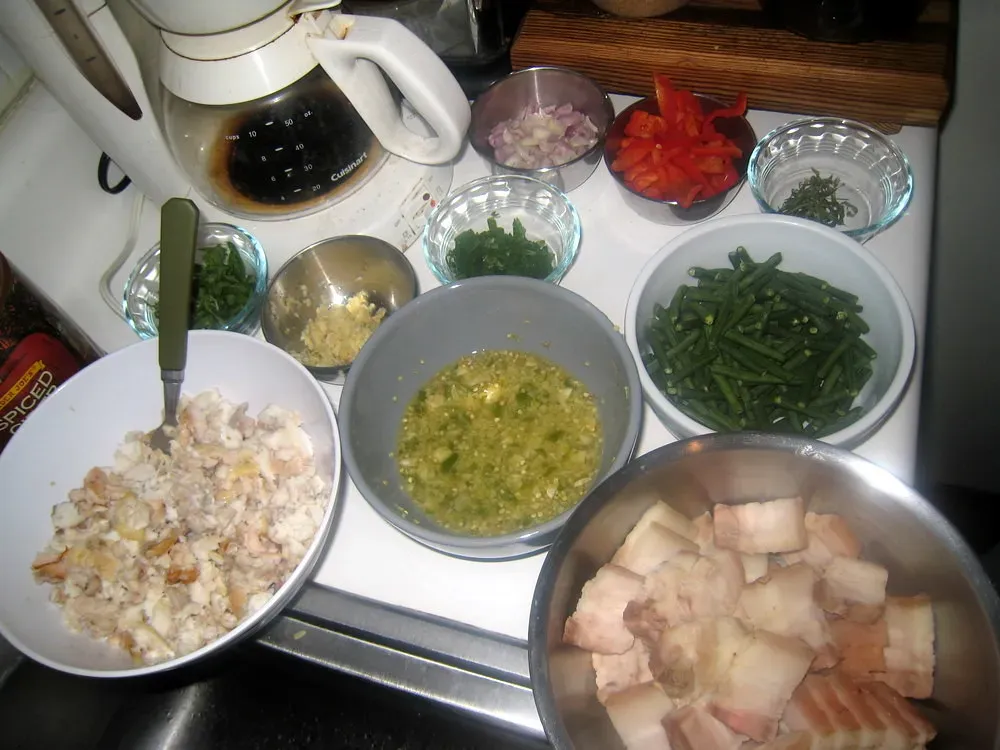
Mise en place is a French term that translates roughly to “everything in its place.” Professional kitchens live by it. Home cooks mostly ignore it – and pay the price. If you want to save time and end up with a tastier meal, you should have all your ingredients measured out and prepped before you start the cooking process, not during. The French even have a phrase for this: “mise-en-place,” which translates to “putting in place.”
If the recipe calls for adding minced garlic right after the broccoli, you need the garlic ready and minced. Spending time mincing garlic mid-step may actually end up ruining the recipe. Imagine being mid-sear on a beautiful piece of fish while frantically chopping shallots. That’s a recipe for disaster. Prep everything first, then cook.
9. Ignoring Food Safety Temperature Zones
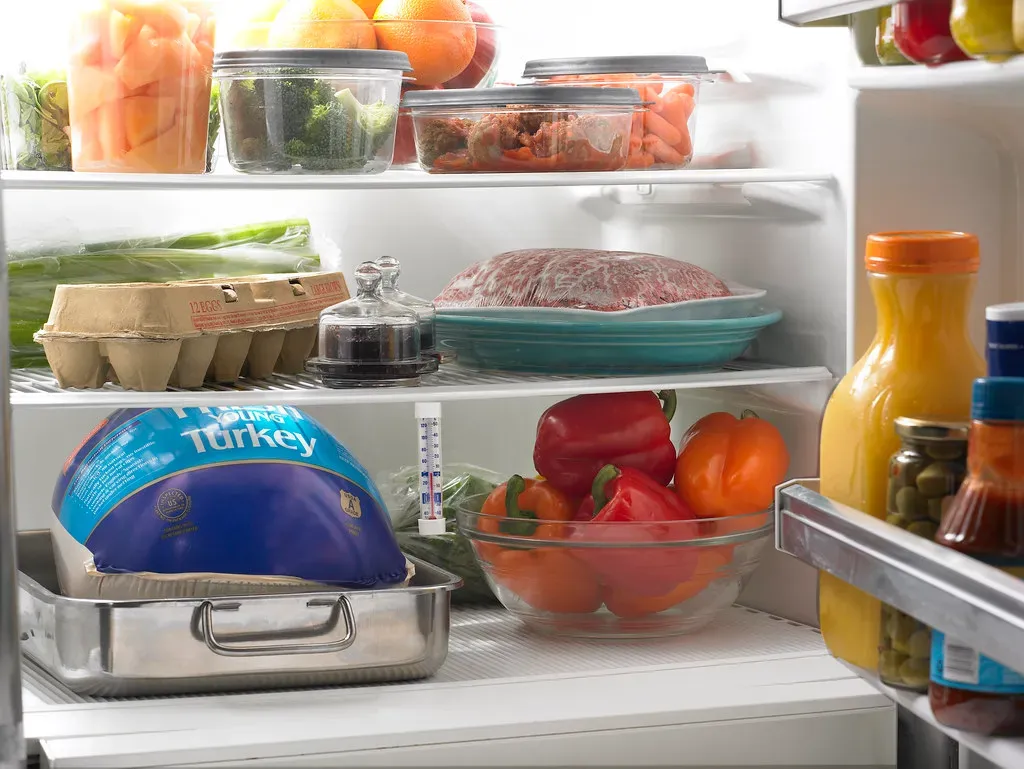
This one goes beyond taste – it goes into genuine health risk territory. Foodborne illness is a preventable public health challenge that causes an estimated 48 million illnesses and 3,000 deaths each year in the United States. That number is staggering. Many of those cases trace directly back to the home kitchen.
Bacteria multiply rapidly between 40 degrees F and 140 degrees F. To keep food out of this “Danger Zone,” keep cold food cold and hot food hot. Leftovers sitting on the counter for hours, partially thawed chicken left on the worktop – these are the moments where meals stop being meals and start being hazards. One of the most common causes of foodborne illness is improper cooling of cooked foods. Bacteria can be reintroduced to food after it is safely cooked. Leftovers must be put in shallow containers for quick cooling and refrigerated at 40°F or below within two hours.
10. Using Poor-Quality or Wrong Ingredients
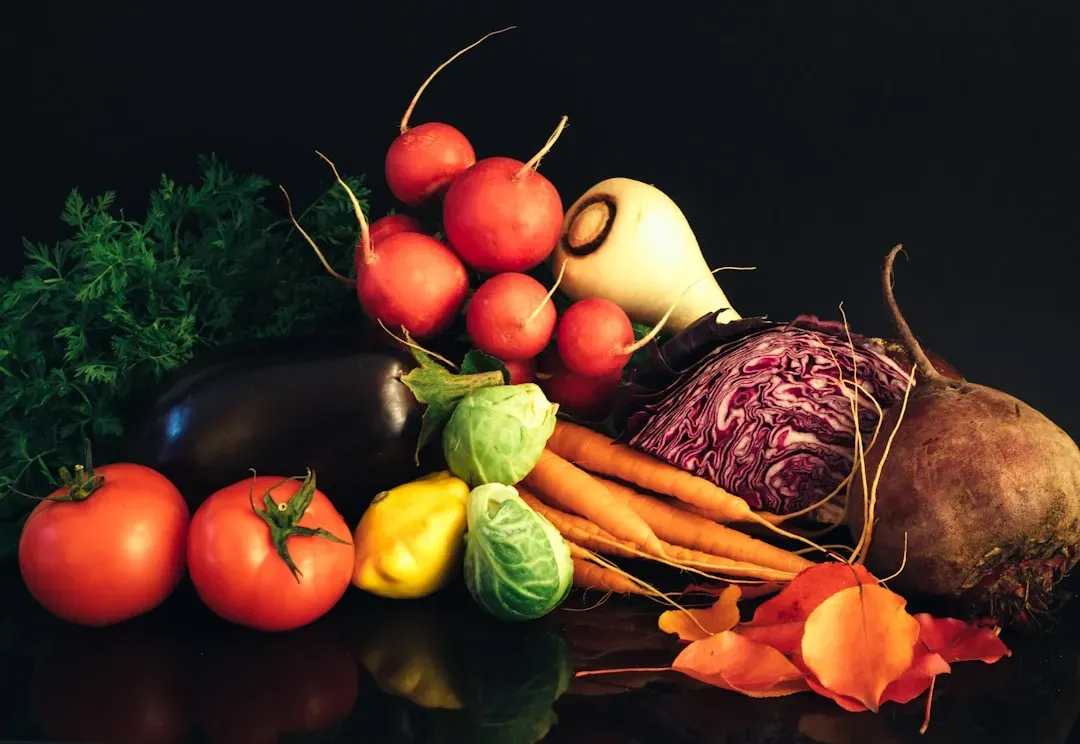
Let’s be real: no amount of technique will rescue bad ingredients. It’s probably the hardest truth in cooking. Good food begins and ends with the ingredients. The dishes you cook will only be as mediocre, good, or superb as the ingredients you put in them. As a rule, using high-quality ingredients whenever available and affordable is the strongest foundation.
Cooking skills play a huge role in shaping food choices, diet quality, and diet-related disease risk. Research from Johns Hopkins Bloomberg School of Public Health, published in 2024, reinforced that if you don’t know how to cook an eggplant, or fish, or lentils, you won’t purchase them, and you certainly aren’t turning them into a meal. Ingredient quality and ingredient knowledge are deeply intertwined.
Poor ingredients produce poor meals, regardless of skill. Invest in knowing what you’re buying. Seasonal vegetables, properly stored proteins, and fresh aromatics are not luxuries – they are the baseline. Everything else is just execution.
Conclusion
Most cooking failures come down to habits rather than ability. The ten mistakes covered here are not rare or exotic – they happen in kitchens every single day, in almost every household. The good news is that every single one of them is fixable, and none of the fixes require professional training or expensive equipment.
Preheat the pan. Rest the meat. Respect the temperature. Prep before you cook. These are small pivots that produce dramatically better results. Avoiding these common cooking mistakes can transform your home-cooked meals from frustrating to fantastic. Whether it’s giving your meat time to rest or preheating your pan properly, these small adjustments can have a big impact on the taste and texture of your dishes.
The kitchen is not a place that rewards shortcuts – but it absolutely rewards awareness. Which of these mistakes surprised you the most? Drop your thoughts in the comments below.