
Walk into any grocery store with the intention of grabbing just milk and bread. Walk out with a cart full of snacks, magazines, and things you never knew you needed. Sound familiar? Let’s be real, it’s not entirely your fault. Grocery shopping is a carefully orchestrated process where every feature of the store is designed to lure customers in, keep them there, and seduce them into spending money.
Each tactic used within the supermarket draws on known psychological ties and subconsciously compels shoppers to follow the general pathway through the store, with large grocery store brands consulting with psychologists to better understand how to influence consumer perceptions. Here’s the thing, these techniques work so well that you barely notice them. From the moment you step through the entrance to the checkout line, you’re navigating a carefully designed maze meant to maximize every dollar you spend. So let’s dive in.
Table of Contents
The Strategic Layout: Essentials Hidden at the Back
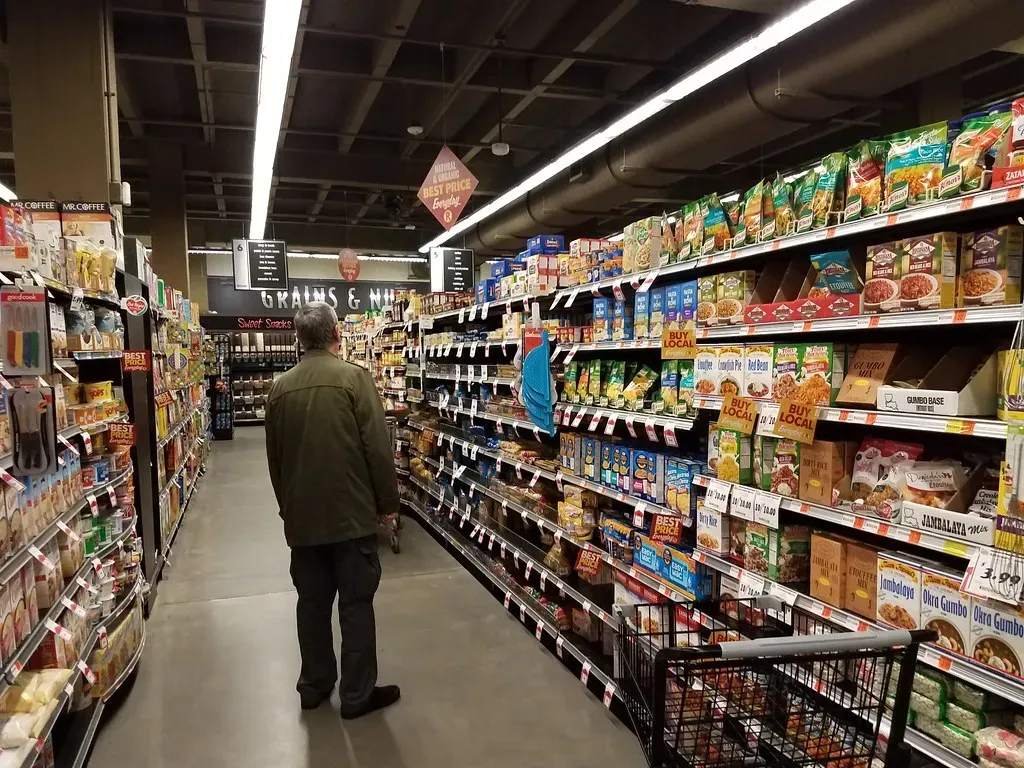
Supermarkets design the layout of the store to purposely put staple foods such as milk and bread far away from each other and usually at the back of the store. Why? Simple. This strategically designed layout forces shoppers to spend as much time in the store as possible and results in exposure to thousands of colorful and enticing products. Optimizing the layout of a grocery store can increase revenue by up to 13.71% compared to traditional square-shaped store designs. The longer you wander those aisles searching for your basics, the more likely you are to toss in extras you hadn’t planned for.
Eye Level Is Buy Level: Premium Product Placement
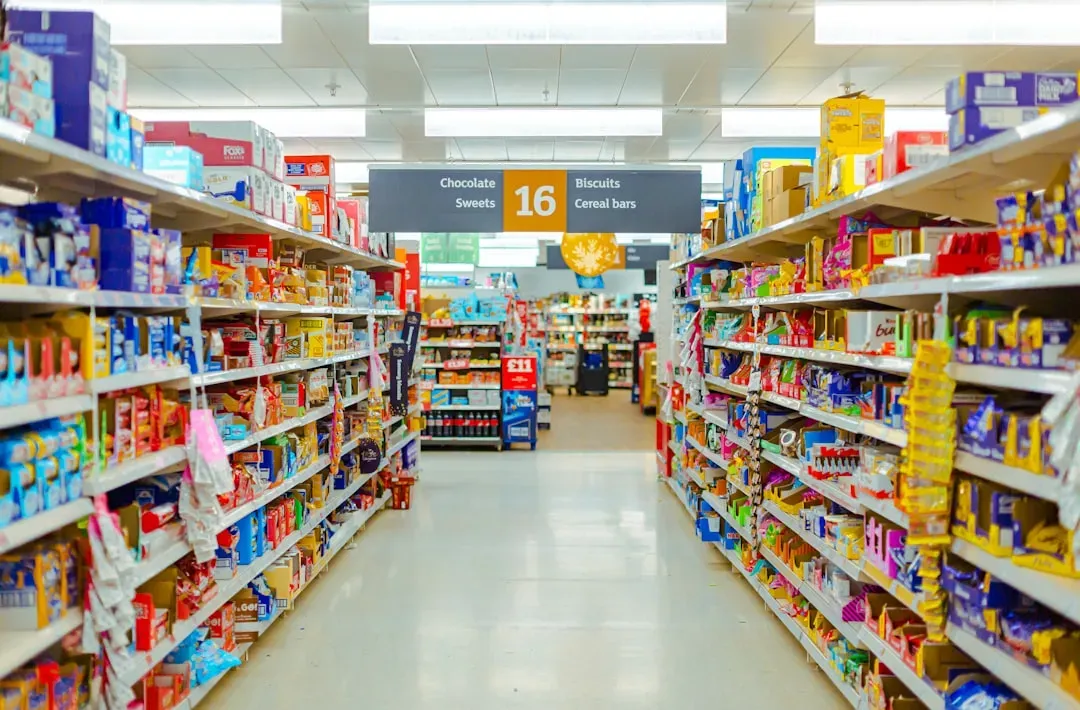
The most expensive items are generally placed conveniently at eye level, while generic brands are on the lower shelves such that to get at them, you have to crouch. It’s sneaky but effective. A study found that a product is most likely to draw your eye if it’s directly in front of you or one shelf below, and shoppers are more likely to look at the products on their right side. Even kids aren’t spared from this tactic. Foods meant to appeal to kids are set at kids’ eye level, and one study by researchers at Cornell found that kid-targeted cereal packaging is designed such that cartoon characters on the boxes make eye contact with passers-by. Next time you’re shopping, crouch down and check those bottom shelves. That’s where the bargains usually hide.
The Shopping Cart Size Trap
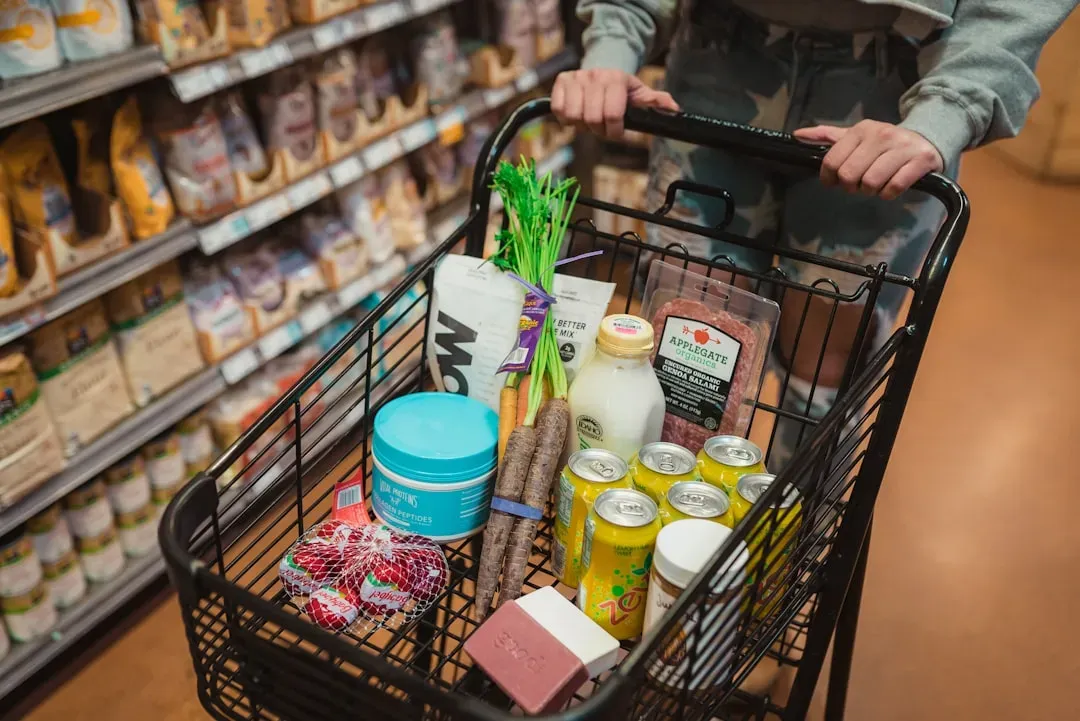
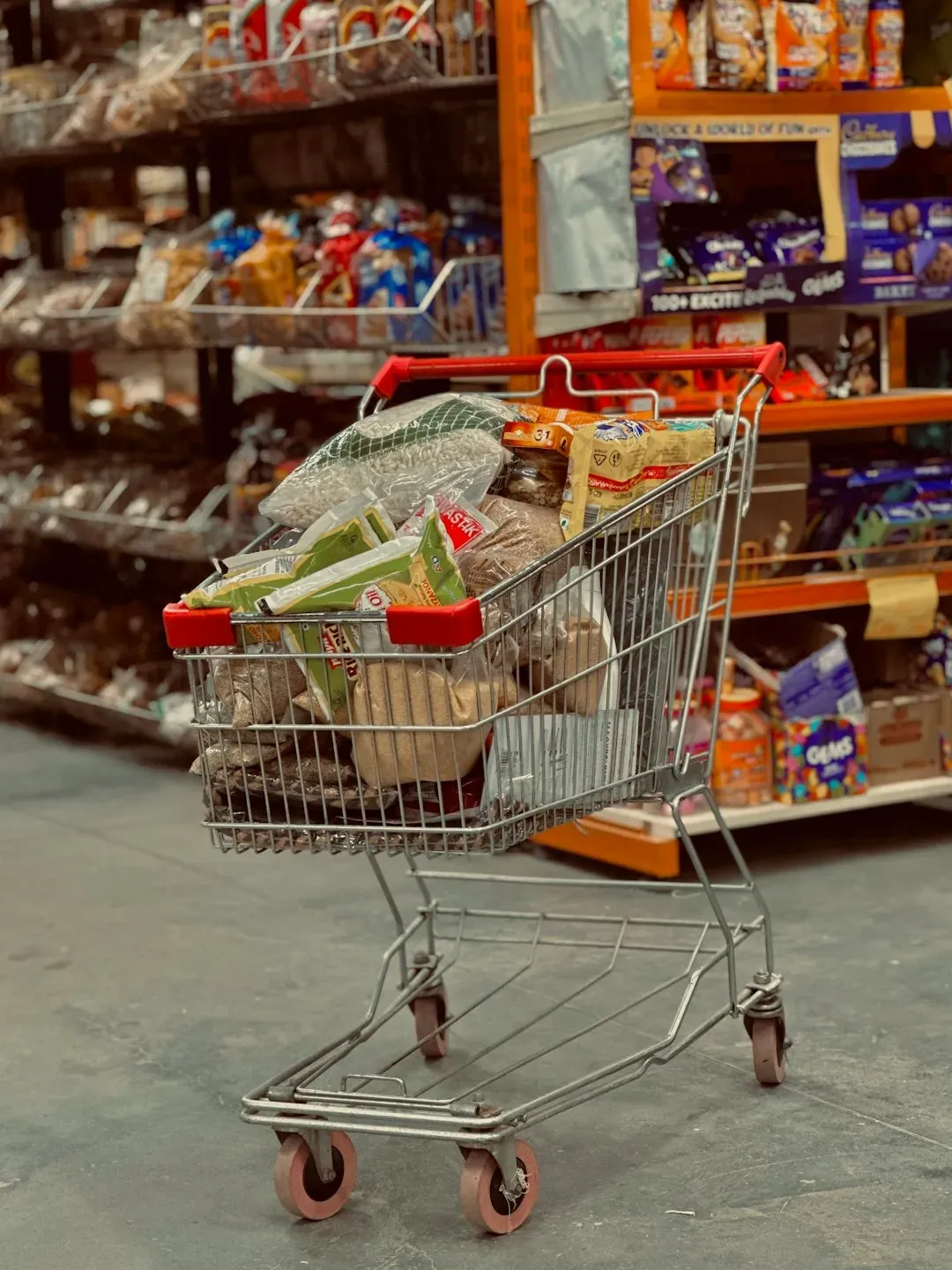
If their shopping cart is doubled in size, people typically spend 40% more whether they realize it or not. Honestly, I know it sounds crazy, but the research backs it up. Marketers have found that the bigger the cart, the more stuff you’ll put in it, with experiments showing that doubling the size of the shopping cart results in people buying 40 percent more. Just having a shopping cart increases the chance of buying more, which was the impetus behind their invention by grocery store owner Sylvan Goldman in 1937. Those massive carts at big box stores aren’t just for convenience. They’re designed to make your current purchases look small, nudging you to fill up the empty space.
Endcap Illusions: Not Everything Is on Sale
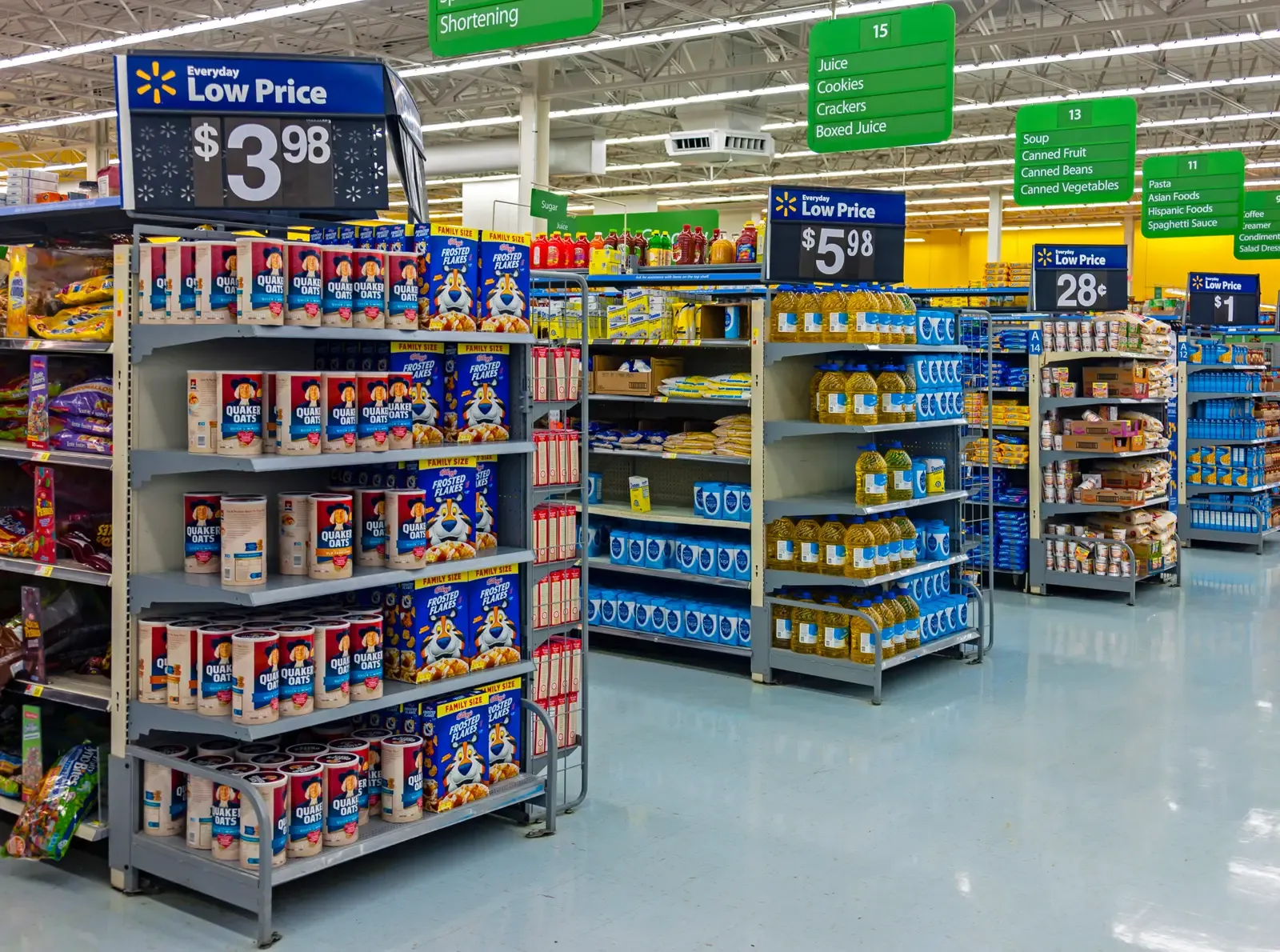
The supermarket shelves that face outward at the end of an aisle are called endcaps, and stores often place sale items there, which causes customers to be lulled into thinking that anything they pick up from an endcap will be on sale. Wrong. Sometimes they place pricier items there or mix in expensive items alongside the sale items because they count on hurried shoppers to assume it’s all on sale. Companies pay high prices to display their products there since these are hot spots for impulse buying, with a product at an end cap selling eight times faster than the same product shelved elsewhere on the aisle. Always check the price tags carefully at those endcaps before assuming you’re getting a deal.
Time Manipulation: No Clocks, Slow Music
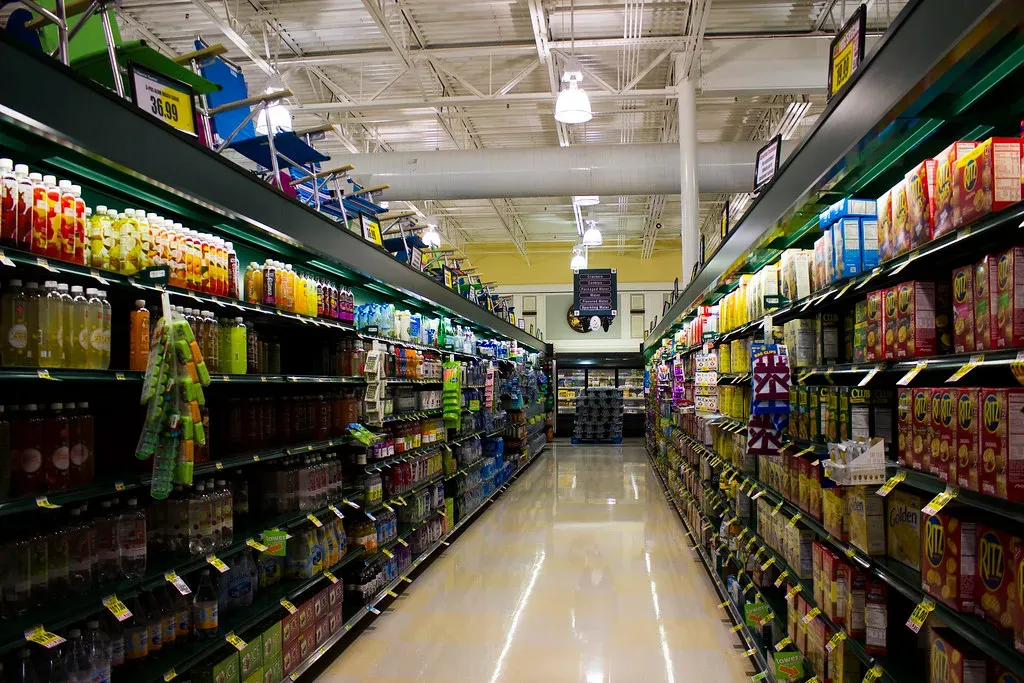
A famous study of background music and supermarket shoppers conducted in 1982 found that people spent 34 percent more time shopping with a corresponding uptick in sales in stores that played music. The tempo and type of music isn’t random either. Supermarkets tend to be devoid of external time cues with most having no windows or skylights and shoppers often hard pressed to find a clock, with the rationale being that the longer you stay in the store, the more stuff you’ll see and the more you’ll buy. Scientific research has shown that after a certain threshold of time spent in the store is met decision-making becomes more emotional, with brain-scanning technology showing that after 23 minutes in a mock-up supermarket customers began making more emotionally-based decisions rather than decisions from the frontal lobe. The store wants you disoriented and lingering.
Sensory Overload: Fresh Scents and Colorful Displays
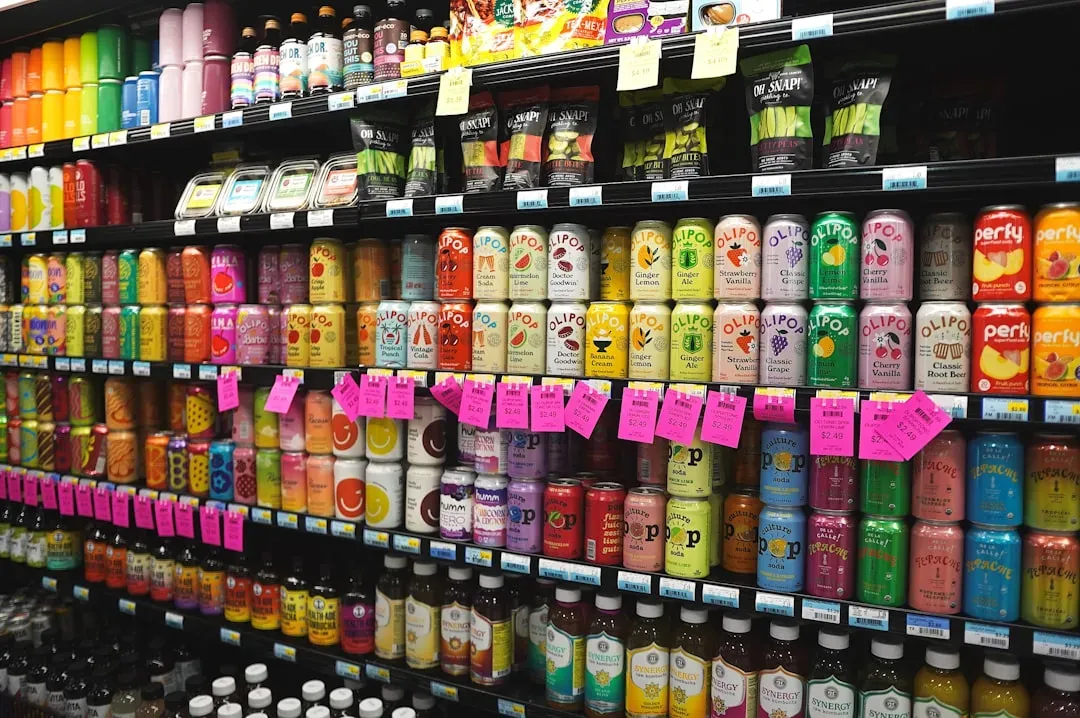
The sensory impact of scents, textures, and colors like fat tomatoes and glossy eggplants makes customers feel both upbeat and hungry, with store bakeries usually near the entrance with their scrumptious smell of fresh-baked bread and flower shops with buckets of tulips sending the message that the store is a welcoming place, fresh, natural, fragrant and healthy. However, it’s carefully staged theater. The produce department is less garden and kitchen than stage set, with lighting chosen to make fruits and veggies appear at their brightest and best, and periodic sprays of fresh water that douse the produce bins all for show. These sensory cues prime you to feel happy and generous with your wallet from the moment you walk in.
Impulse Buys at Checkout: The Final Ambush
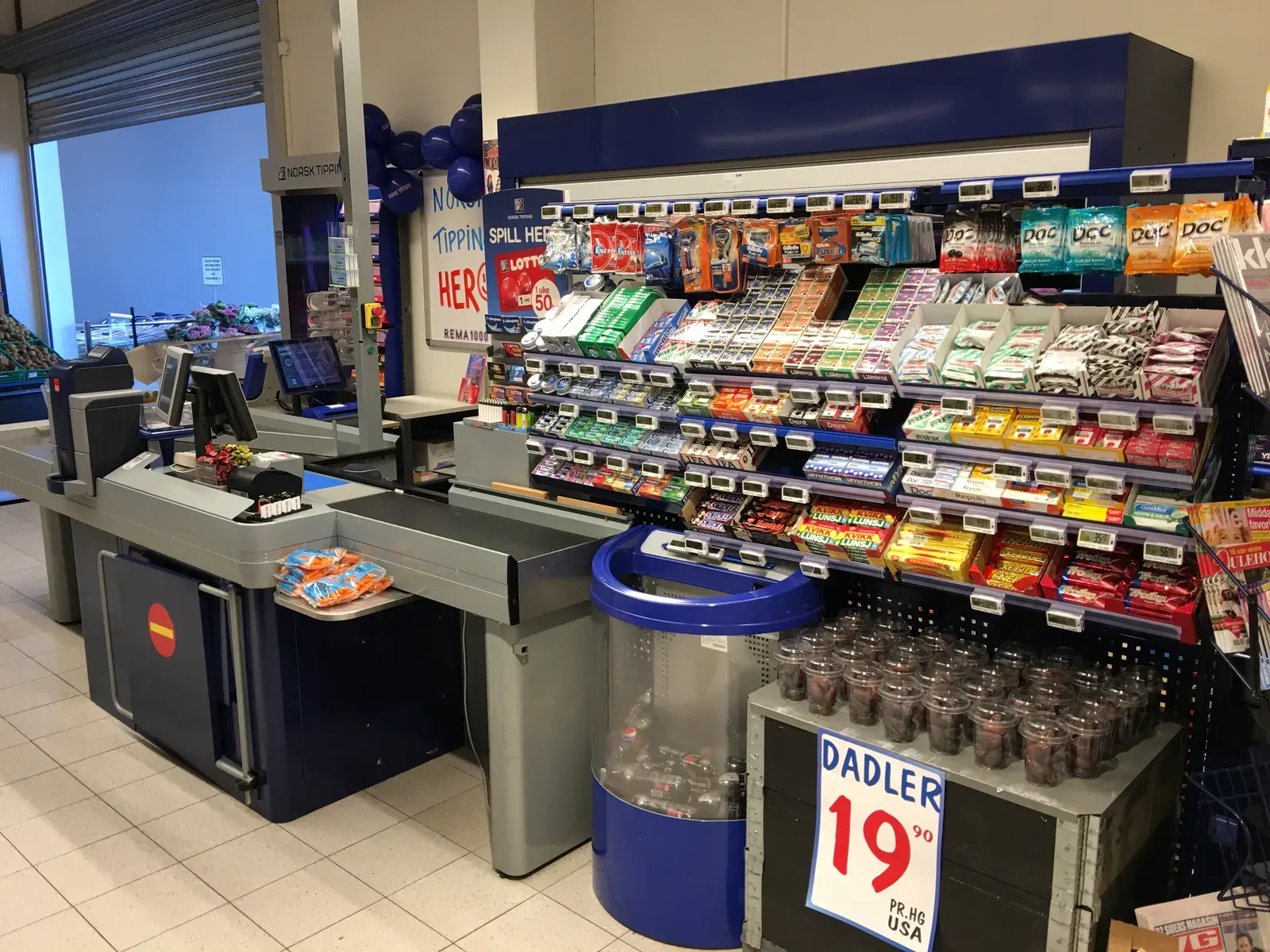
Consumers are likely to impulse buy while shopping for groceries at a rate of 50%, with impulse buying accounting for up to 62% of grocery sales revenue and up to 80% in some product categories. The checkout line is designed to exploit this vulnerability. Stores have long put an assortment of soft drinks, candy bars, and other treats in the checkout area, with these checkout area sales raking in upwards of $6 billion for US stores each year. People can get bored, hungry, or thirsty while waiting in line, and having just finished their shopping, they might not have enough willpower to resist their impulses. That candy bar or magazine seems harmless, but those tiny purchases add up fast across millions of shoppers.
Conclusion
The next time you’re pushing your cart through the aisles, remember that you’re not just shopping. You’re navigating a psychological battlefield designed by experts who understand human behavior better than most of us understand ourselves. Armed with this knowledge, you can fight back. Make a list, stick to it, avoid shopping when you’re hungry, and always question those “too good to be true” displays. Did you expect that your grocery store was this calculated? What tricks have you noticed in your local supermarket?