
Table of Contents
Superior Cuts Are Where You Should Splurge
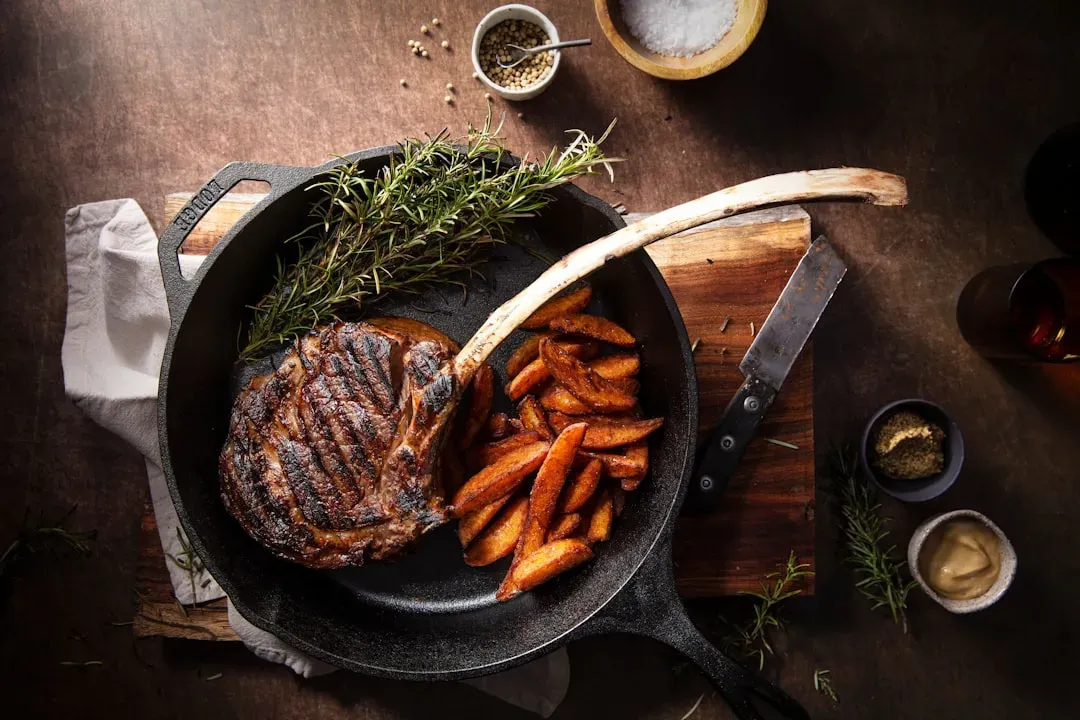
Dennis Turcinovic owns the historic Delmonico’s steakhouse in New York City and he’s pretty clear about one thing. When you’re at a high-end steakhouse, skip the filet mignon and go for something with more personality. Turcinovic recommends seeking out the best beef option possible, suggesting cuts like a ribeye or larger ribeye, such as a Tomahawk steak or côte de boeuf. He often orders A5 wagyu, which is the ultimate expression of marbling and flavor. Think about it this way: you’re already spending serious money at a top-tier steakhouse, so you might as well get something that truly showcases what the kitchen can do with premium beef.
Filet Mignon Usually Disappoints
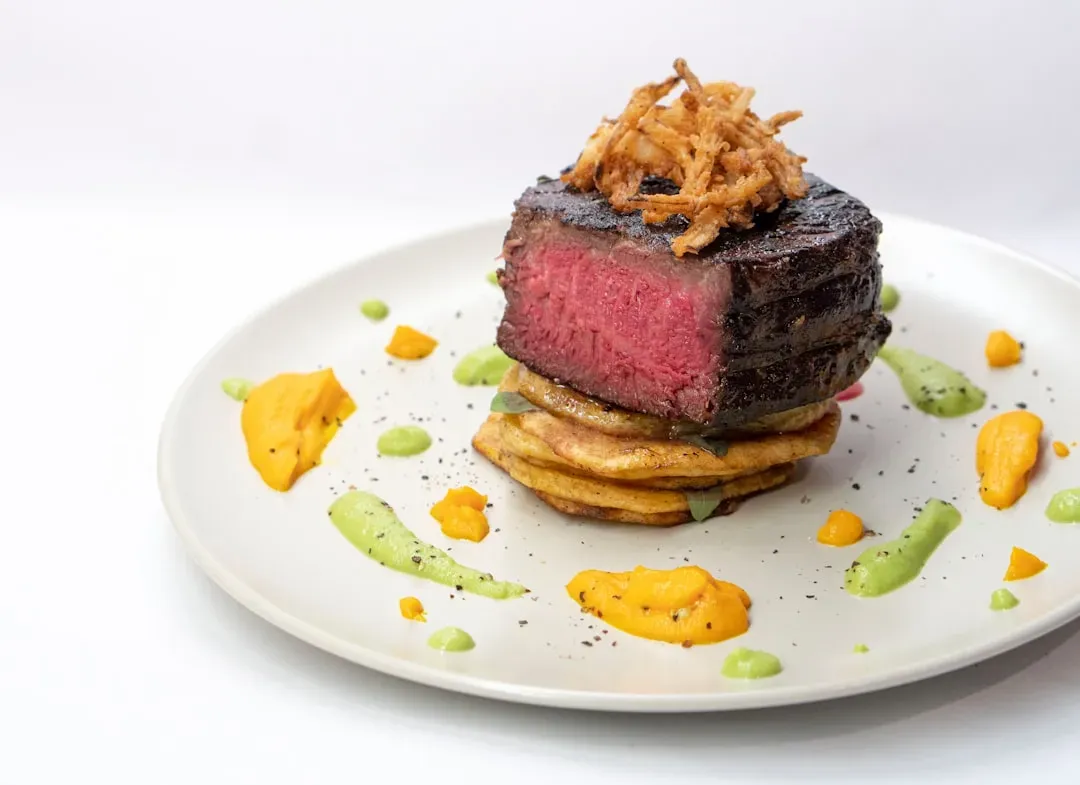
Unless you’re really craving it, filet mignon isn’t a cut that’s worth splurging on at a steakhouse, according to Turcinovic. Chefs routinely complain that filet mignon has a one-dimensional, flat flavor and a lack of tenderness, and when the person in the kitchen is limited by the composition of the beef itself, there’s not a lot they can do. Sure, it’s tender, but that’s about where the excitement ends. At Alexander’s Steakhouse, a filet mignon costs $71, which is a hefty price tag for something that lacks the robust flavor you’d expect from a steakhouse experience. Let’s be real, if you wanted tenderness without much taste, you could probably make something similar at home for far less money.
Start With a Seafood Tower
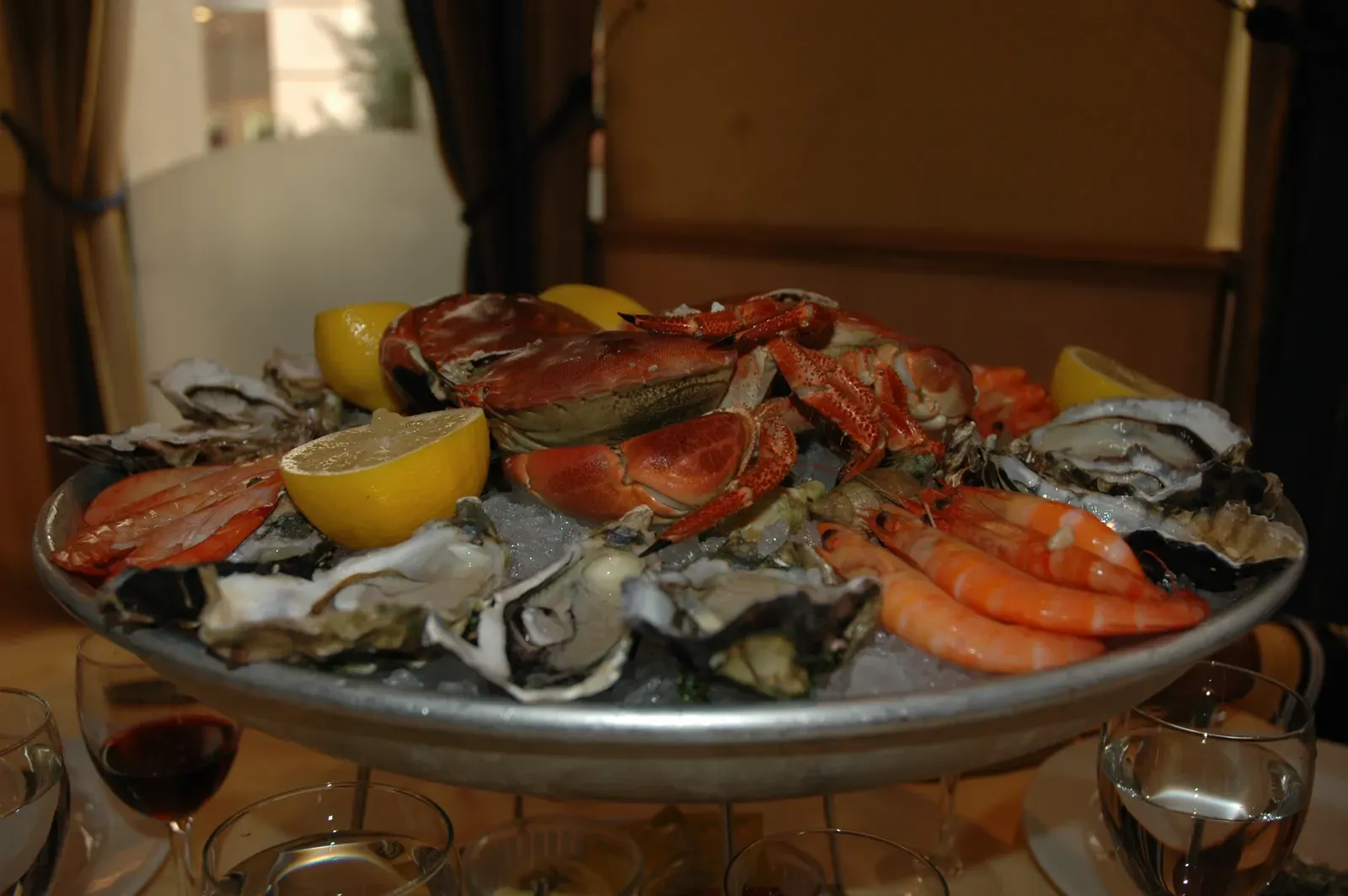
Turcinovic would definitely start with a seafood tower, calling it classic in a steakhouse and often a beautiful centerpiece and an exciting way to kick off a special meal. Here’s the thing: steakhouses have always had this weird but wonderful relationship with seafood. The tower is pure theater, stacked high with oysters, shrimp, crab, and other oceanic delights that cleanse your palate before the main event arrives. Just don’t get too carried away with the size of the tower, and save room for the main event. Honestly, there’s something about the briny freshness that makes the richness of steak taste even better when it finally hits the table.
In-Season Produce Is Always Worth It
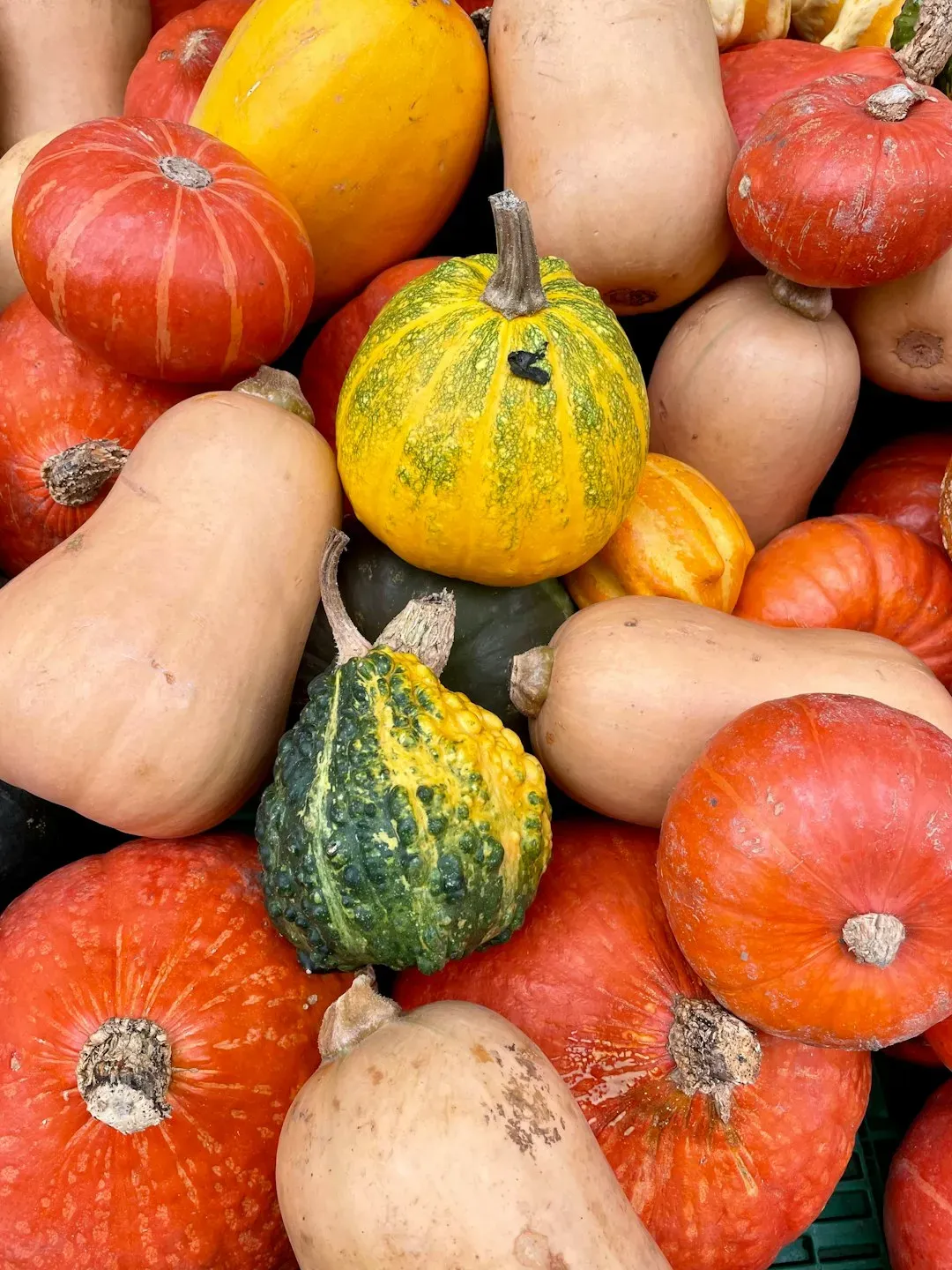
If you spot something on the menu and know it’s the peak season for it, Turcinovic says to consider ordering it regardless of the cost, with truffles and ramps being two of his favorite things to splurge on when they’re in season. This is one of those insider tips that can completely transform your meal. In general, pay attention to specific varieties, and don’t be afraid to ask questions about the produce; if you see fries on the menu and it happens to be somewhere between late summer and early winter, ask what kind of potatoes are being used. Seasonal vegetables at their peak have flavor profiles that simply can’t be replicated any other time of year, and a good steakhouse knows how to let that shine.
Pass on Tomato and Onion Salad Unless It’s Summer
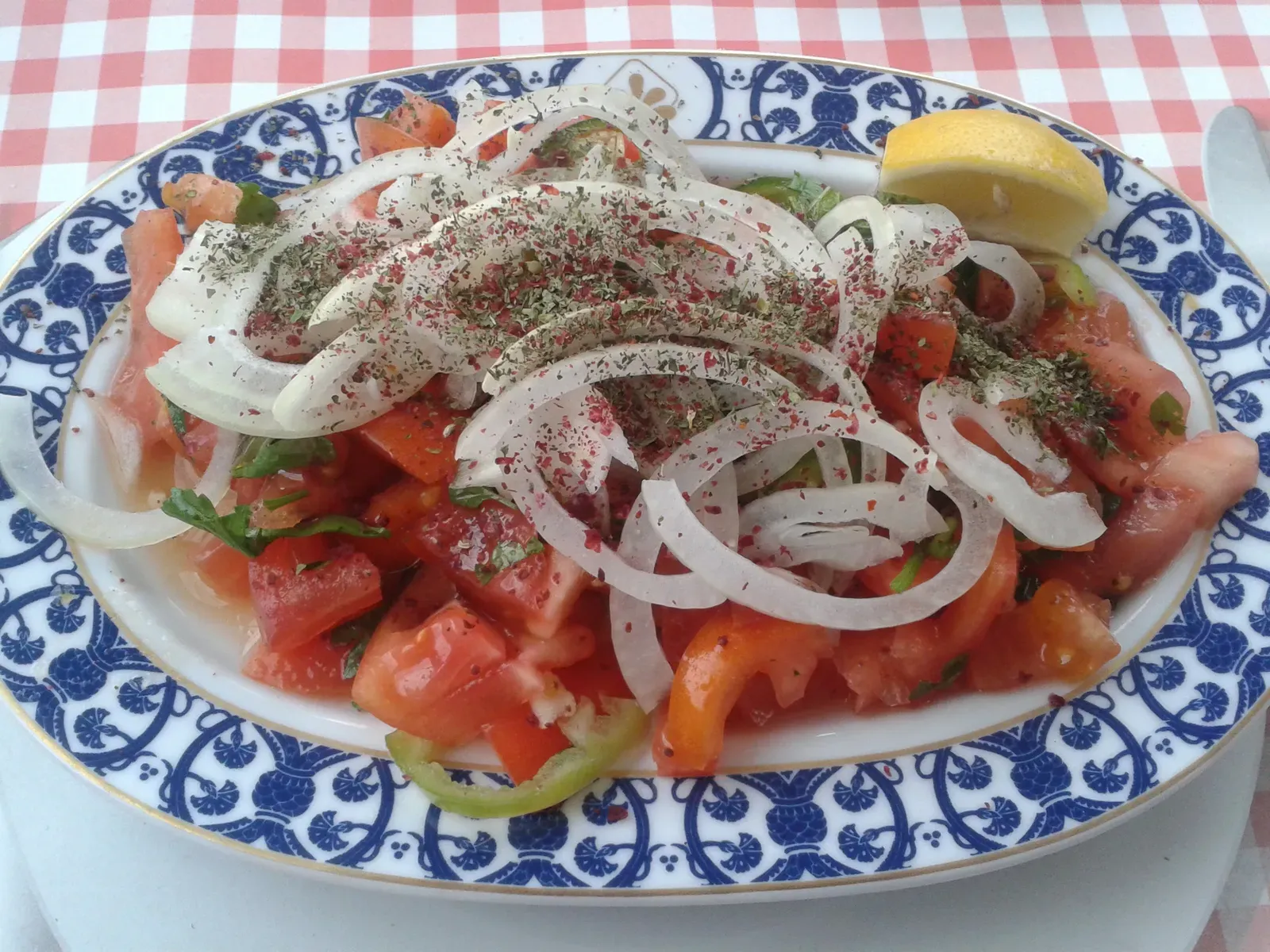
Tomato-and-onion salad can be popular at steakhouses, but Turcinovic said it’s not worth splurging on unless there’s something stand-out about it and it’s peak tomato season. Winter tomatoes are basically flavorless disappointments masquerading as vegetables. They’re pale, mealy, and entirely underwhelming compared to their summer counterparts. Steakhouse dishes tend to go heavy on onion and tomato tastes anyway, so ordering a salad that also has them can make your experience a little samey; you might just want to go for a simple green salad, which is often cheaper. Trust me, save that appetite space for something more worthwhile.
Skip the Mac and Cheese
Though mac and cheese may be a good add-on if the price is right, Turcinovic wouldn’t suggest spending too much on it at a steakhouse, and in his experience, the dish can just be heavy and not very good. He said that in general, he would never order a pasta dish at a steakhouse, especially if it didn’t have a protein or align with the restaurant or chef’s area of expertise. Unless you are in a restaurant that offers some type of lobster dish or is passionate about their seafood program, the lobster meat was brought prefabricated in a sealed bag, and because lobster is so expensive, chefs and owners are less likely to throw this item out and will hold on to it longer, potentially past its time of peak deliciousness. That expensive lobster mac you’re eyeing? It’s probably not worth the premium price.
Try Something Unique But Steakhouse-Appropriate
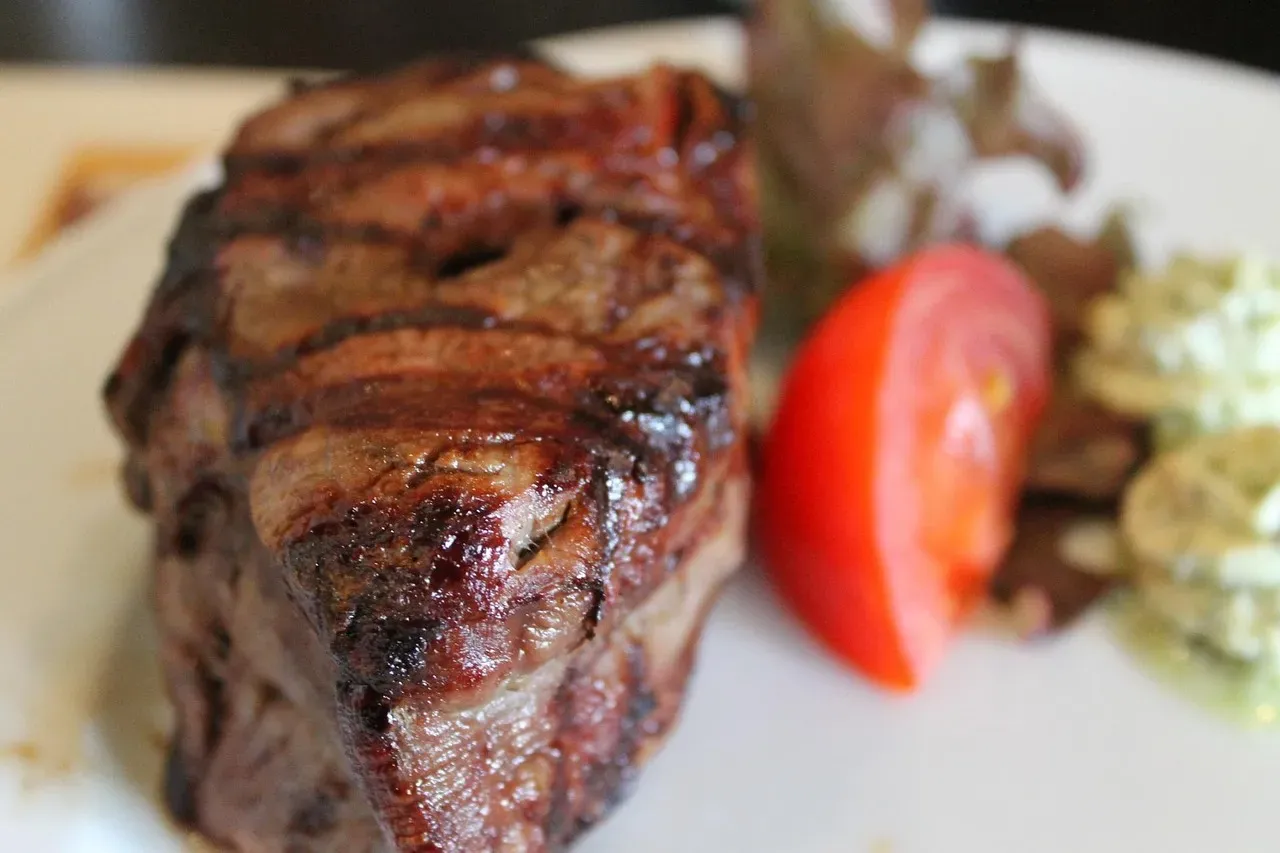
If there’s something on a menu you don’t often see or get to try, it’s probably worth ordering as long as it’s within the realm of steakhouses; for example, a special cut of smoked meat or uniquely prepared vegetable side could be worth trying. This is where you can separate the truly memorable meals from the forgettable ones. A fun pasta dish or dessert may not be worth getting at a steakhouse, as some dishes are probably on the menu to appease other people who don’t want steak, not because they taste particularly wonderful. Stick with items that showcase the restaurant’s actual strengths rather than menu fillers designed to accommodate the one person in your group who doesn’t eat red meat.
Dessert Is Usually Store-Bought
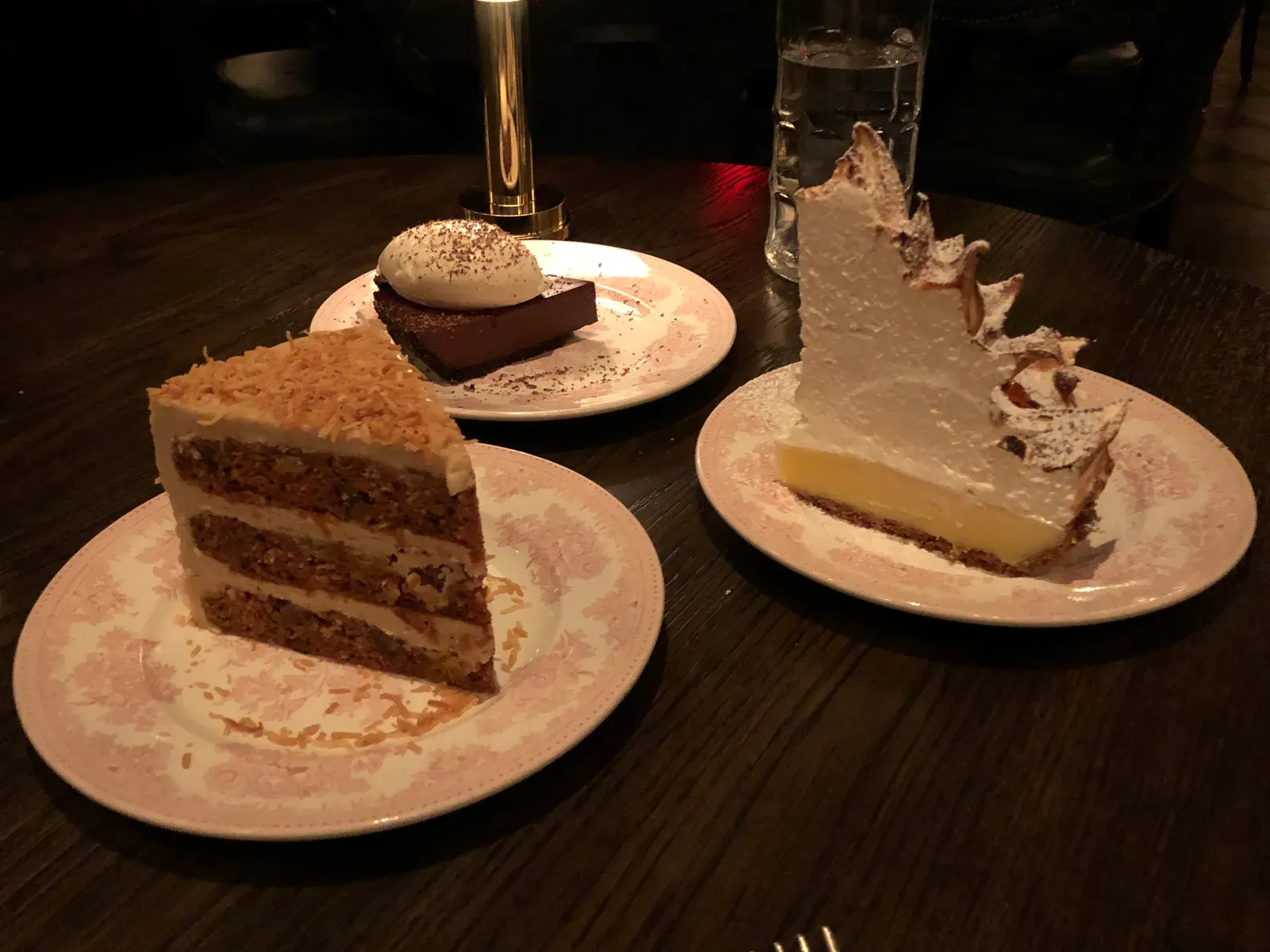
The problem with ordering a dessert at a steakhouse is that it’s usually the least considered part of the meal, and while steakhouse chefs spend years perfecting how to cook the perfect ribeye or tomahawk steak, when it comes to dessert, they’re often buying cakes from a store, cutting them, and putting them on a plate, according to Delmonico’s owner Dennis Turcinovic. That’s pretty shocking when you consider how much they charge for a slice of cheesecake. I’m not saying every steakhouse does this, but enough do that it’s worth knowing before you shell out another fifteen bucks for something you could grab at a bakery. Did you expect that reveal? What dishes do you always order at steakhouses, and will this change your mind next time?