
There’s a certain unspoken code that governs kitchens. It’s not written on any wall. Nobody hands you a rulebook at the door. Yet violate even one of these invisible rules, and the atmosphere shifts – subtly at first, then unmistakably. The kitchen, after all, is the most personal room in any home.
Cooking is not merely a practical activity. In many contexts, it is a culturally embedded behavior that reflects social roles, values, and deep-rooted personal identity. That’s precisely why stepping into someone else’s kitchen requires more social awareness than most people realize. In the wake of the pandemic, many people rediscovered home cooking as a mindful ritual that fosters connection, creativity, and well-being. Mealtime continues to evolve, and for many, getting food on the table is about setting aside time for the highest form of self-care. That’s a big deal. So let’s dive in.
1. Never Touch Someone Else’s Knives Without Asking
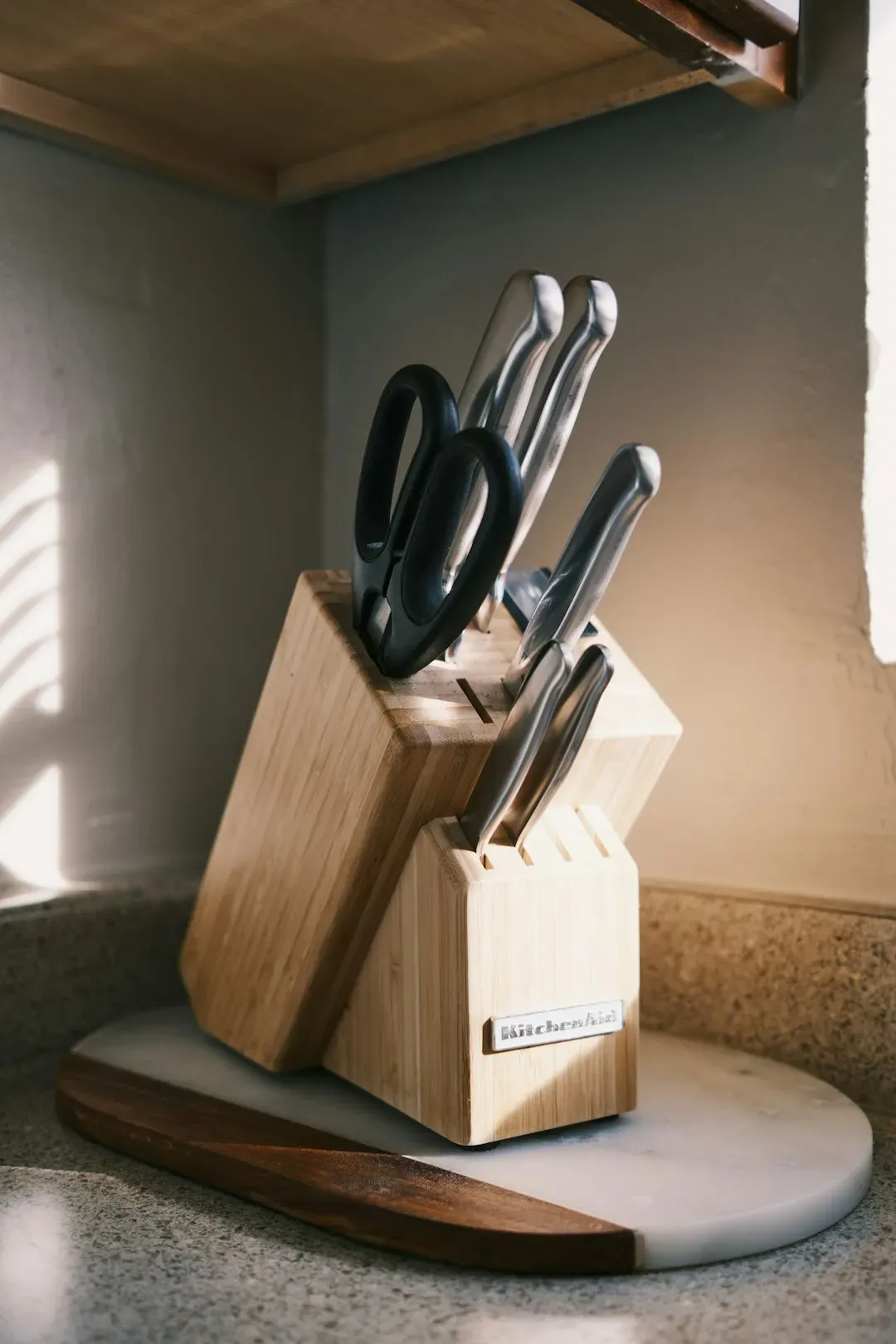
Here’s the thing. A serious home cook’s relationship with their knives is almost sacred. This isn’t about being precious or dramatic – it’s rooted in practical reality. You NEVER use someone else’s knives without their permission. That rule comes straight from professional kitchen culture, and it applies just as firmly in a home setting.
The reason goes beyond sentiment. Knife blades and handles can harbor harmful bacteria, especially after usage with raw meats, fish, poultry, and eggs. Storing a soiled knife allows more time for bacteria to grow and spread to anything else it contacts, like utensil drawers, knife blocks, and other blades.
When you share a knife with other people, it’s important to clean and sanitize it to keep food safe and stop the spread of possible germs. Cross-contamination is more likely to happen when more than one person uses the same knife, especially if different foods are being made. On top of health concerns, improperly handling a well-sharpened knife can damage its edge – and replacing a quality blade isn’t cheap. Just ask first. Always.
2. Don’t Rearrange Items or Move Things Around

I know it sounds minor. You just moved the cutting board slightly to the left. No harm done, right? Wrong. The kitchen is a system that its owner has built through repetition, habit, and personal logic – even if that logic looks like complete chaos to you.
A disorganized kitchen can quickly dissolve into pure chaos where no one can find what they’re looking for, employees are fighting over counter space, or cannot use an appliance because someone else is already using it. That rule applies to home kitchens just as much as professional ones. When you move something, the owner loses their flow.
Every aspect of the kitchen, from the layout to the storage spaces, has to be considered in day-to-day kitchen operations. Make sure people know where everything goes, and which area is used for what task. Disrupting that system – even briefly – can cause real friction. It’s a bit like someone reorganizing your phone’s home screen while you’re in the middle of using it. Infuriating, even if they meant well.
3. Never Leave Dirty Dishes in the Sink “Just for a Minute”
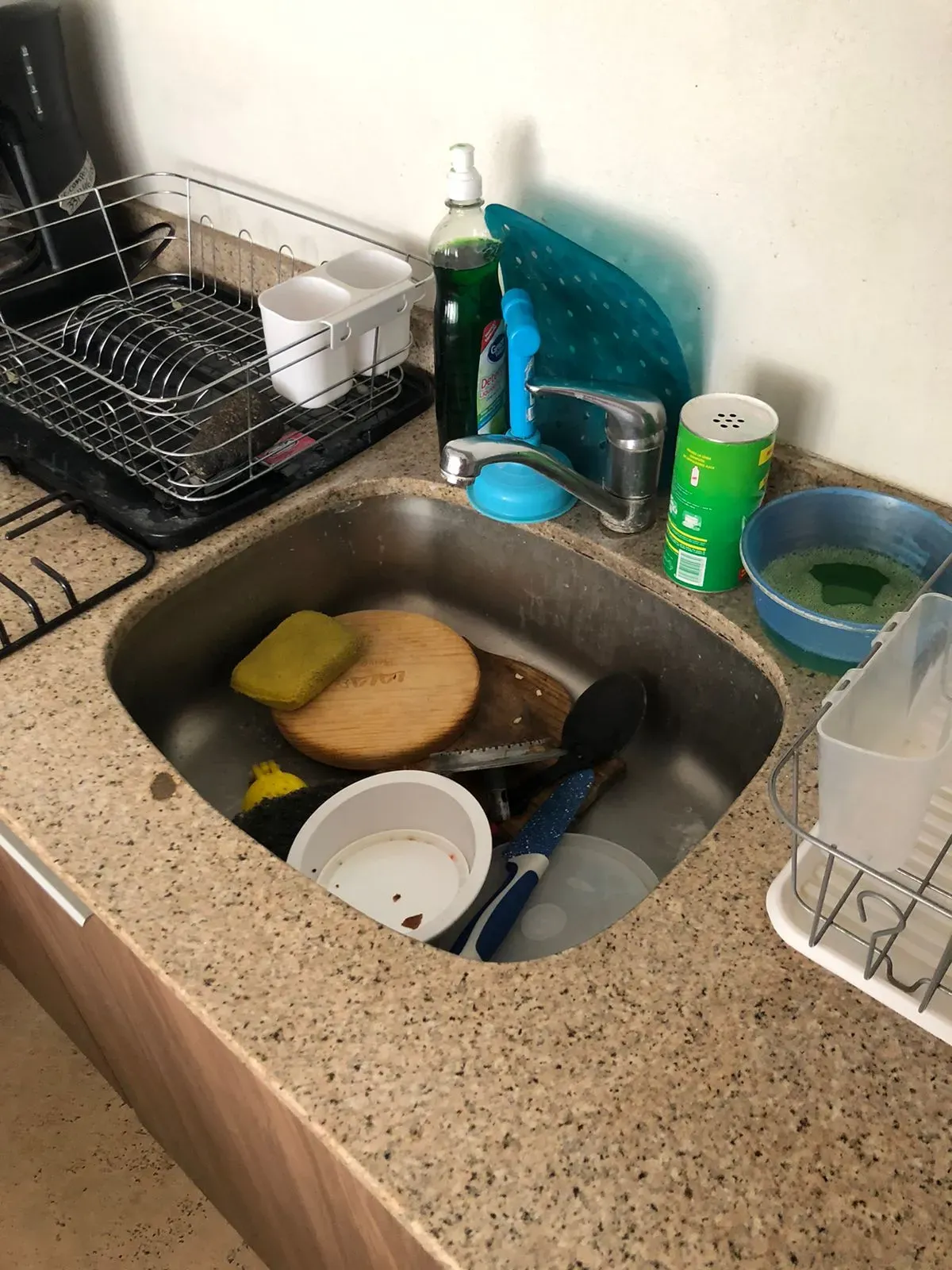
Let’s be real. “Just for a minute” almost never means a minute. The biggest pet peeve in shared kitchen spaces is leaving your washing up in the sink saying you’ll get to it later. You never do, whether it’s intentional or not, and it creates clutter that makes the sink difficult to use.
This isn’t just about tidiness – it’s a signal about respect. Do not leave your dirty dishes in the sink for somebody else to wash later. You are not more important than anyone else, and nobody is paid to clean up after your kitchen mess. Honestly, it’s one of the most reliable ways to damage a relationship slowly, like a dripping tap you keep ignoring.
No one should ever be forced to address someone else’s mess. Each person should leave the kitchen ready for the next person to cook in, without the need to pre-clean before even beginning. That’s a reasonable, common-sense standard that most hosts secretly hold you to – even if they never say a word about it.
4. Don’t Help Yourself to Ingredients Without Checking
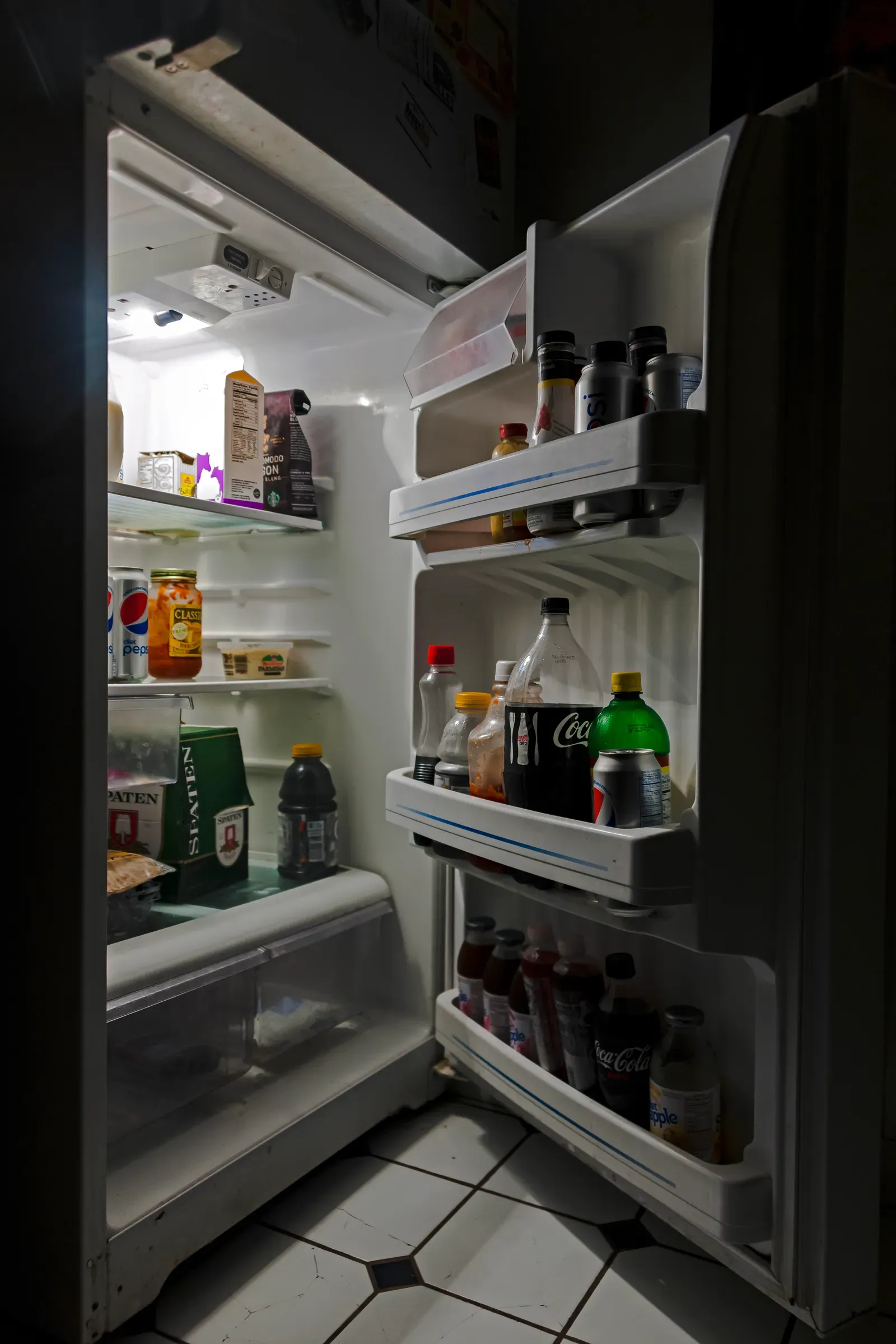
Opening the fridge and helping yourself feels natural in some households. In others, it’s a quiet boundary violation that the host will simply never bring up. The problem is you rarely know which type of kitchen you’re in until it’s too late.
Someone else shouldn’t have to deal with their food disappearing because you helped yourself. Hosts often stay on top of specific quantities, use-by dates, and meal plans that you may not be aware of. That last portion of cream you used for your coffee might have been earmarked for tonight’s dessert. It happens more often than you’d think.
Social norms are implicit codes of conduct that provide a guide to appropriate action. There is ample evidence that social norms about eating have a powerful effect on both food choice and behavior. The kitchen is exactly where those implicit codes are most easily broken – and most keenly felt. When in doubt, simply ask. It takes five seconds and saves a surprising amount of awkwardness.
5. Avoid Using Appliances You’re Not Familiar With
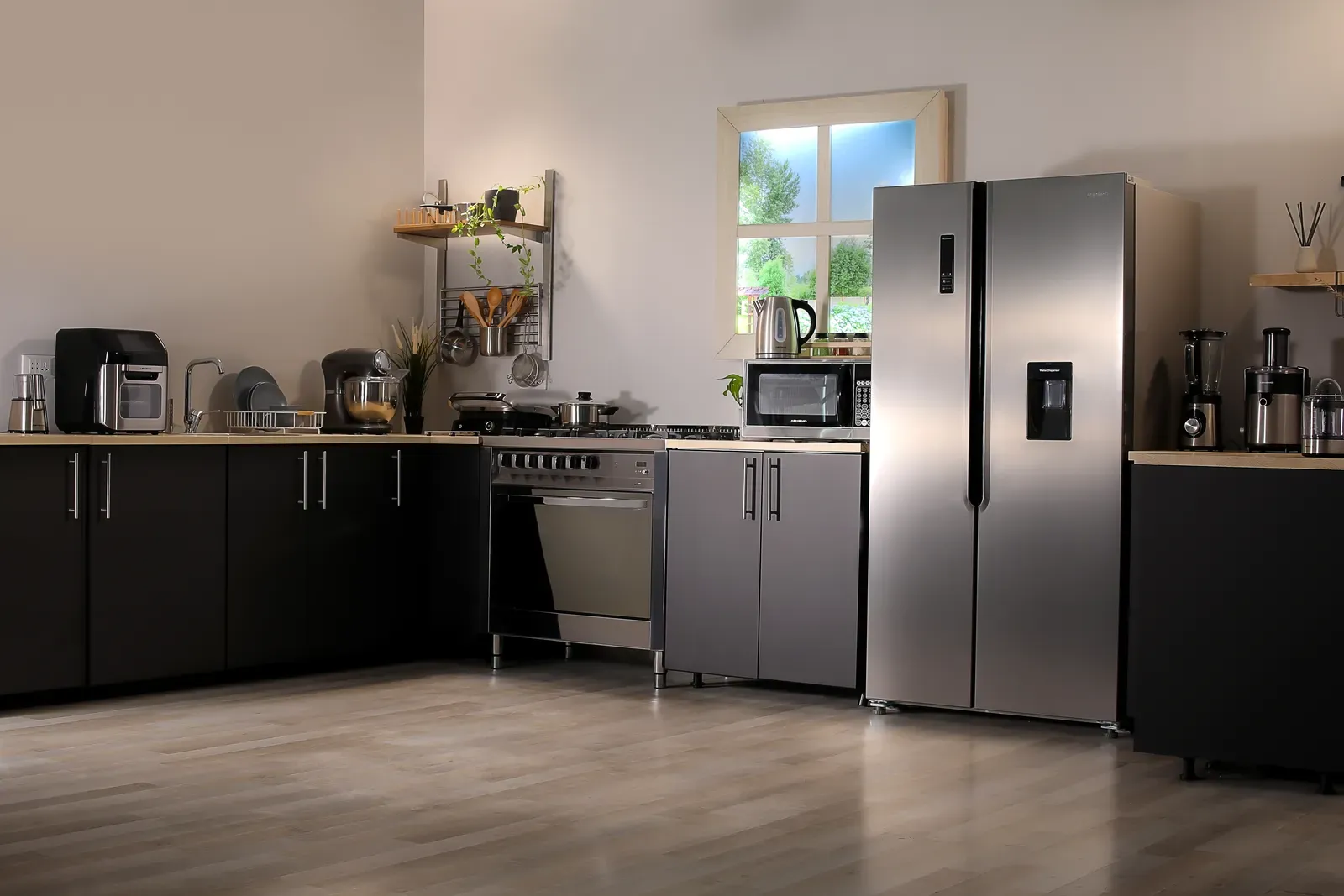
Every kitchen has that one appliance with quirks. The oven that runs hot on one side. The coffee machine with a temperamental pressure valve. The cast iron pan that needs a very specific cleaning approach. You won’t know about any of this unless you’re told – and most hosts won’t think to mention it until something goes wrong.
The kitchen appliances are there for everyone, but the rule is simple: leave the machine as you would want to find it. If you spill something in the microwave or the coffee machine overflows, just give it a quick wipe down after it’s done. That’s the bare minimum. Going further and touching unfamiliar equipment without permission is where real damage can happen.
Think of it this way – your host’s expensive stand mixer or their specialty espresso machine is not a piece of gym equipment anyone can just hop on. Put utensils and equipment close to where they’re meant to be used, and set up the workstations so that you only need one step to reach everything you need. Every kitchen has its own workflow. Respecting that means not disrupting it with your personal curiosity about what button does what.
6. Don’t Create Cross-Contamination Risks – Even Accidentally
This is the one people most often overlook, especially in someone else’s kitchen where you’re not fully aware of the layout or food storage habits. Cross-contamination isn’t just a professional chef concern. It’s a genuine health risk that plays out in home kitchens every single day.
Cross-contamination is when pathogens – harmful bacteria or viruses – are transferred from one surface to another. This happens frequently in a kitchen setting and most of the time it is completely unintentional. It’s rarely a matter of carelessness. It’s more often a matter of simply not knowing the rules well enough. Poor hygiene and improper food preparation practices in consumers’ homes have previously been demonstrated as contributing to foodborne diseases.
Research published in the journal Food Microbiology and funded by the U.S. Food and Drug Administration found something that should give every kitchen guest pause. Produce that contained bacteria would contaminate other produce items through the continued use of knives or graters – the bacteria would latch onto the utensils commonly found in consumers’ homes and spread. The USDA’s Food Safety and Inspection Service recommends keeping raw meat, poultry, fish, and their juices away from other food, using separate cutting boards when possible, and washing the cutting board, knife, and countertops with hot soapy water after cutting raw meats. In someone else’s kitchen, where you don’t know which board is for what, the safest move is to ask before you start chopping anything at all.
—
The kitchen is a deeply personal space, and walking into someone else’s requires a kind of quiet respect that doesn’t always come naturally to everyone. A noteworthy majority of people feel joyful when cooking for others, while very few feel stressed or bored about it. Protect that feeling in the people who open their kitchens to you. The rules above aren’t about being rigid or oversensitive – they’re about being the kind of guest whose presence people actually enjoy.
What would you add to this list? Tell us in the comments – chances are you’ve witnessed a kitchen horror story or two of your own.