
It sounds like the perfect financial plan. Stop eating out, fire up the stove every single day, and watch the savings pile up. Millions of Americans have tried exactly this, especially since food prices have surged dramatically over the past few years. The logic seems airtight on paper.
Except it isn’t always. Cooking every meal at home comes with a surprisingly long list of hidden traps, sneaky costs, and frustrating realities that nobody warned you about. If you’ve ever gone all-in on home cooking to save money only to end up more confused about your budget than before, this one’s for you. Let’s dive in.
Table of Contents
1. Grocery Prices Quietly Rose Faster Than You Noticed
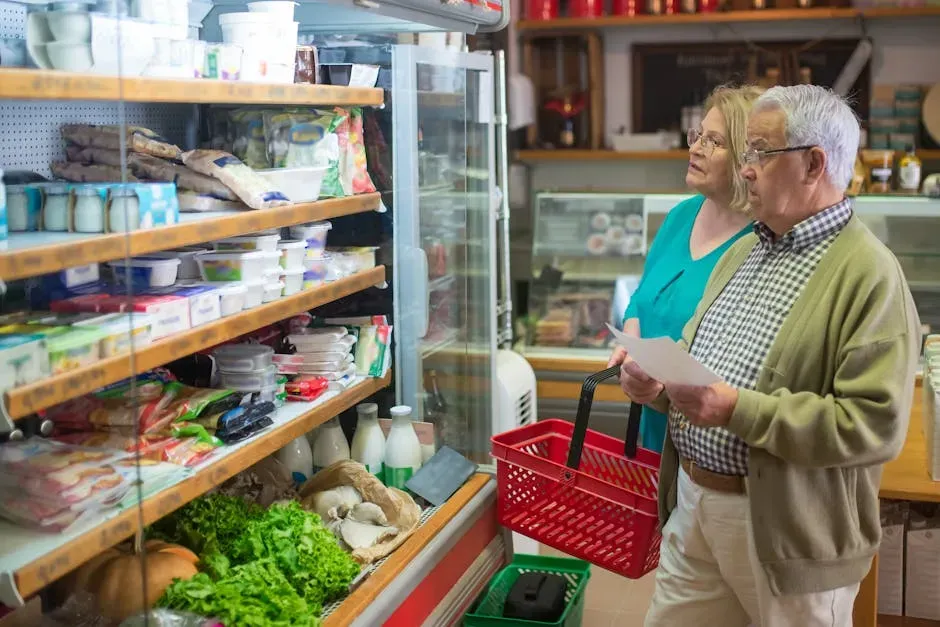
Here’s the thing nobody tells you upfront: while home cooking is still technically cheaper than dining out, your grocery bill didn’t stay quiet either. Food prices increased a staggering amount from 2020 to 2024, according to the U.S. Department of Agriculture’s Economic Research Service, rising by roughly a quarter overall. That’s not a rounding error. That’s a category-wide shift in what you pay for basics.
Food prices continued to rise through 2024 and 2025, with food-at-home costs increasing in both years – albeit at a pace below the historical average. But that’s only part of the story. Those smaller percentage increases are stacking on top of the massive spikes seen during the pandemic years. Between 2020 and 2024, grocery prices climbed by roughly 25%. By 2025 and into 2026, the rate of increase has slowed to just a couple of percent annually – but that moderation comes after a significant reset in baseline prices. In other words, prices aren’t rising as fast, but they’re still rising – and they’re doing so from a much higher starting point than consumers were used to just a few years ago.
2. Shrinkflation Meant You Got Less for the Same Price
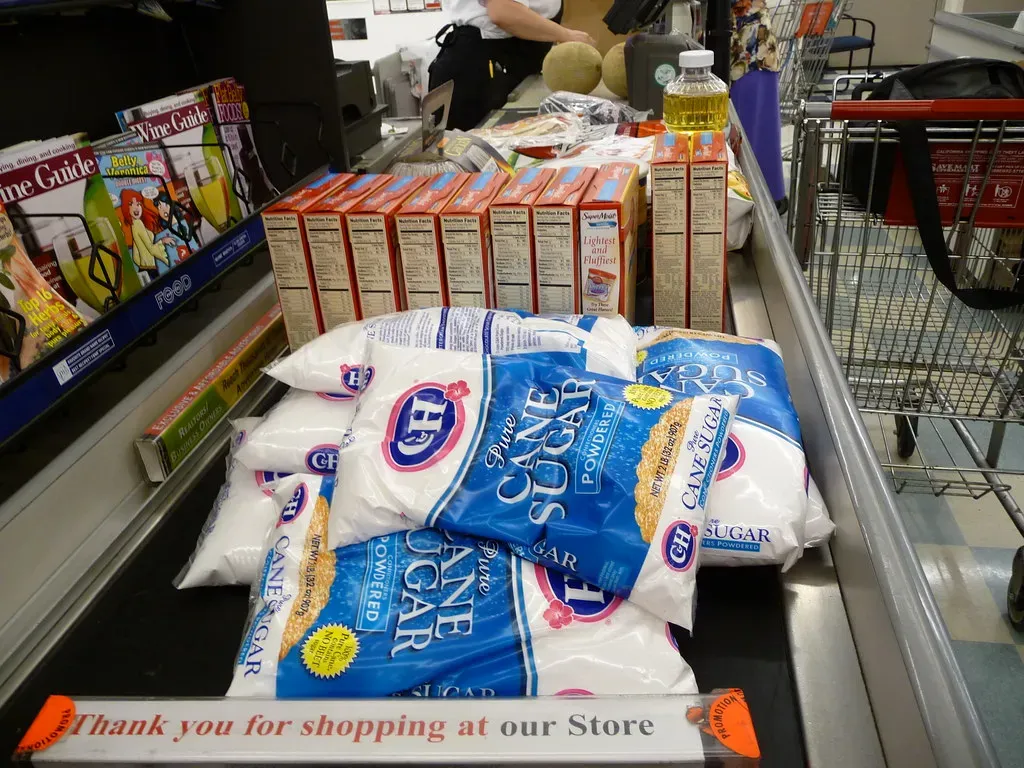
You kept paying your usual grocery bill, sticking to your budget – and somehow running out of food faster than ever. That’s not your imagination. One in three common grocery products analyzed by LendingTree shrank between 2019 and 2024, with paper products hit hardest at roughly three-fifths of items affected. Your bag of ingredients is quietly getting smaller every year.
Shrinkflation, the practice of reducing product sizes while maintaining prices, has become a common cost-management strategy for manufacturers, allowing them to manage rising costs without alarming consumers with outright price increases. According to Purdue University’s October 2024 Consumer Food Insights Report, more than three-quarters of surveyed consumers said they noticed shrinkflation while grocery shopping over the month. You’re essentially cooking more often but working with smaller raw ingredients for the same spend.
3. The Time Cost Was Never Part of the Math
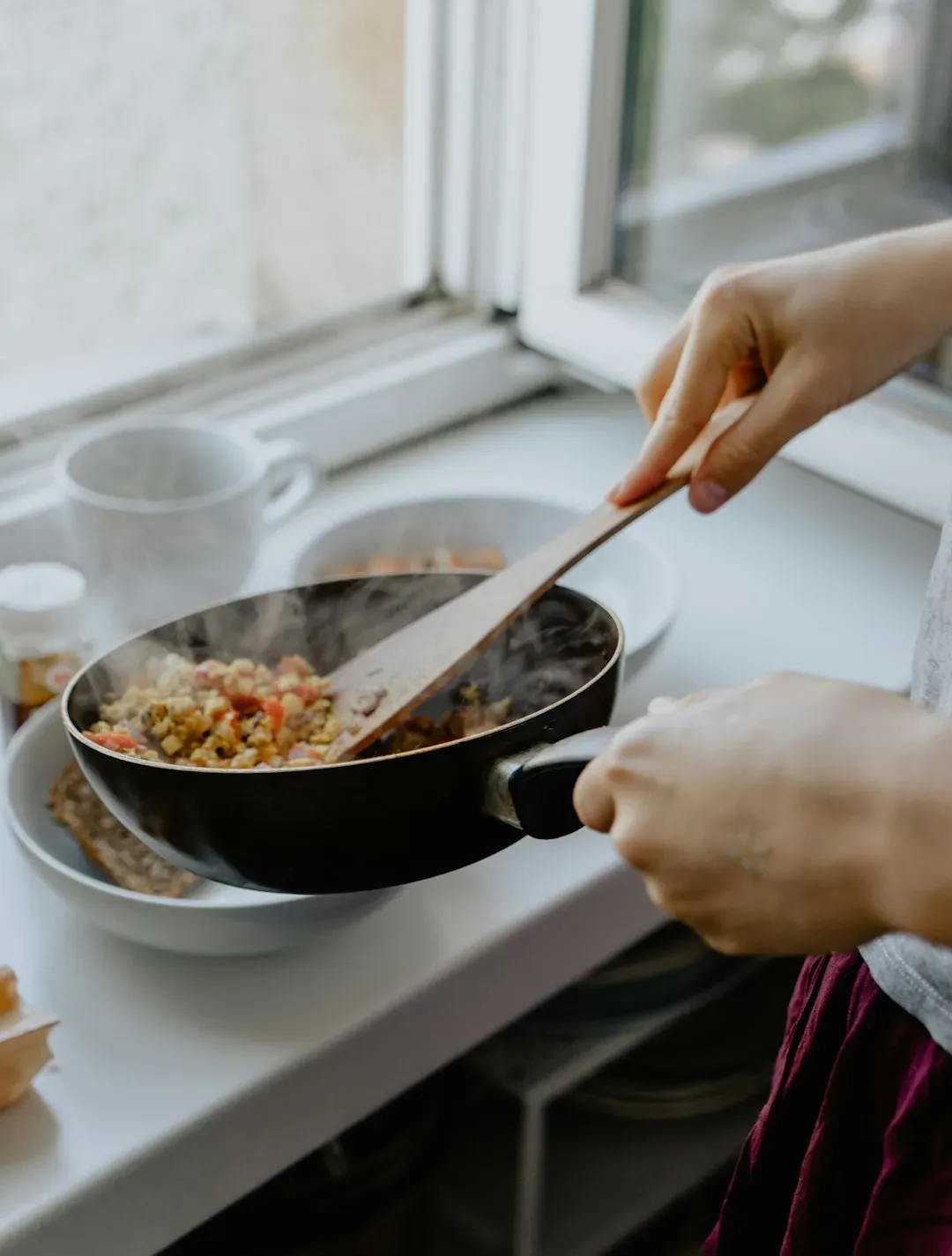
Let’s be real. Time is money. Honest economists know this, and yet most “cook at home to save money” articles never mention it. You can’t just snap your fingers and have a meal prepared. Home cooking requires meal planning, research, grocery store trips, preparation, and cleaning – not to mention the actual time it takes to cook. For people with demanding jobs, that invisible cost can be enormous.
Think about it this way: if you earn a decent hourly wage, and cooking one meal from scratch takes you 90 minutes end-to-end including shopping and cleanup, you’ve just “spent” real economic value. Not having to cook motivates roughly two-fifths of consumers to order takeout, and not having to do dishes afterward appeals to more than one-third – a desire shared equally by people whether they dine out or order in. The time pressure is very real, and it quietly bleeds into your financial picture.
4. Food Waste Ate a Shocking Portion of Your Savings
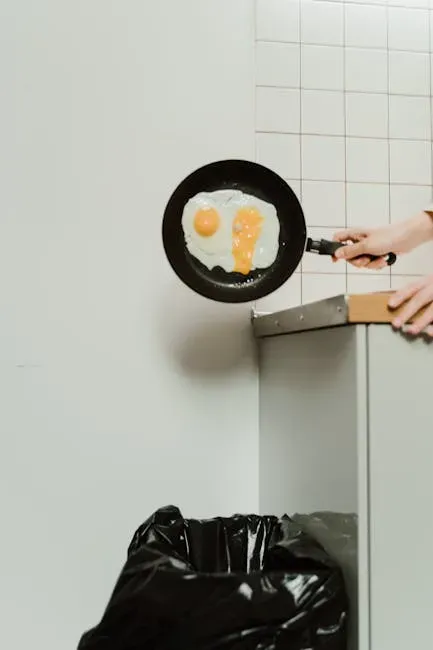
Every time you cooked at home, you almost certainly threw some food away. It happens to everyone. You buy a bunch of cilantro for one recipe, use a tablespoon, and throw the rest out on day four. In the U.S., nearly two-fifths of food is lost or wasted annually, costing an estimated $218 billion – roughly 1.3% of the country’s GDP. That’s a national crisis playing out in everyone’s refrigerator.
Using research conducted at Ohio State University, the residential sector has been identified as the largest generator of waste, with consumers discarding nearly 25 million tonnes of food annually through uneaten groceries and restaurant plate waste, at an annual cost of $261 billion. Comparing the estimated cost of food waste to the average annual food expenditure, food waste represents approximately 11 percent of total annual food expenditures both inside and outside the home. Roughly one in ten dollars you spent on groceries likely ended up in the trash.
5. Unplanned Grocery Trips Quietly Drained Your Budget
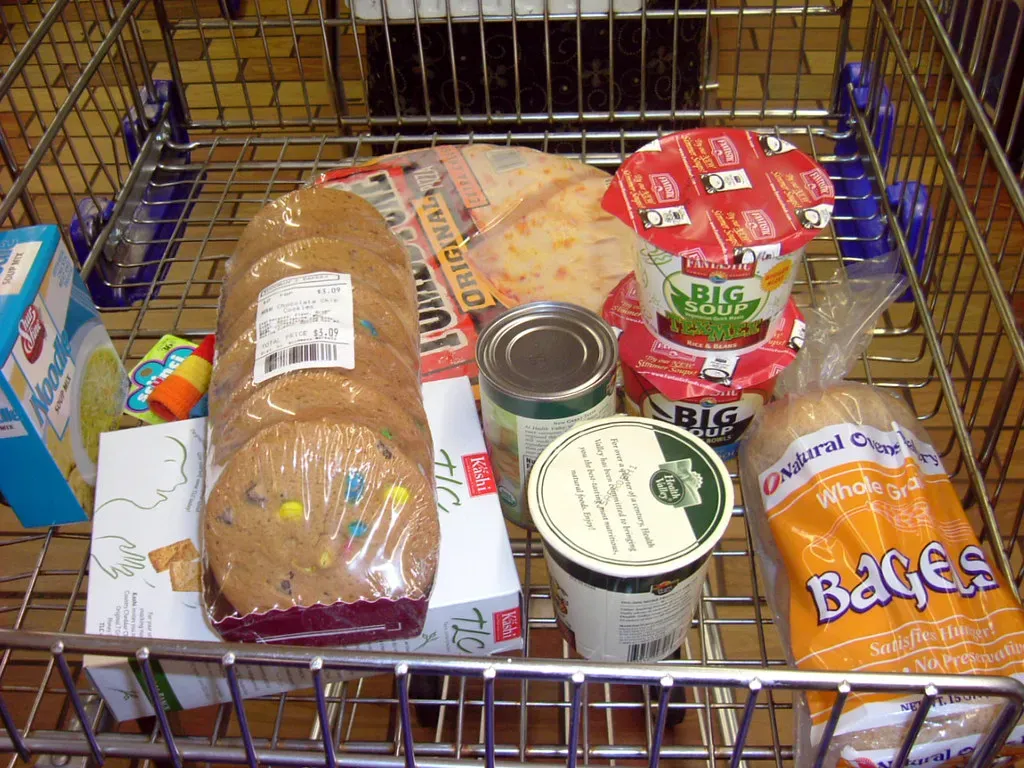
You ran out of an ingredient. Then another. Then you had a craving for something specific. Before you knew it, you were making multiple grocery trips every week instead of one tidy planned shop. Each of those detours cost you more than the item you came in for. Research from the Food Marketing Institute shows that the average unplanned grocery trip costs $54. Make two of those a week on top of your main shop, and that’s an extra $432 a month – you went in for milk and left with $54 worth of things you didn’t plan to buy.
Honestly, this one shocked me when I first came across the numbers. The math adds up to more than many people’s monthly restaurant budgets. Inflation, regional price differences, and cultural preferences all add complexity, but disposable income and digital accessibility increasingly determine whether consumers choose to dine out, order in, or cook at home. Impulse buying inside grocery stores is a quiet but powerful financial drain that rarely gets counted in the “I saved money cooking at home” spreadsheet.
6. Egg and Protein Prices Made Budgeting Unpredictable
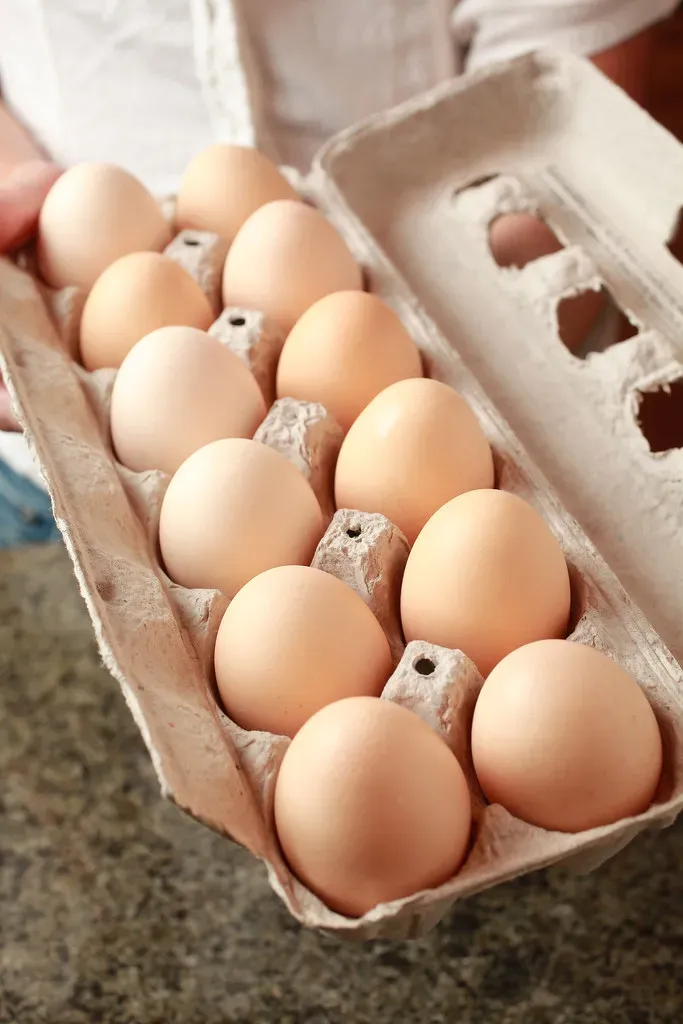
If you built your home-cooking budget around eggs as a cheap, reliable protein, the past few years have been a rude awakening. An ongoing outbreak of Highly Pathogenic Avian Influenza – which began in 2022 – has repeatedly disrupted egg supply by wiping out large portions of egg-laying flocks. Prices spiked sharply in 2022, stayed volatile through 2023 and 2024, and surged again by nearly 20% in 2025. Even into 2026, egg prices remain far less predictable than they once were. What used to be one of the most dependable budget staples has turned into a category defined by supply shocks and sudden price swings.
Due to a resurgence of a highly pathogenic avian influenza outbreak, egg prices rose the most across all food products in 2024. The second largest price increase in 2024 was in beef and veal prices, followed by sugar and sweets. Entire categories of affordable cooking proteins started shifting upward in price simultaneously, making meal-cost planning feel like trying to hit a moving target.
7. The Hidden Costs of Cooking Equipment Added Up Fast
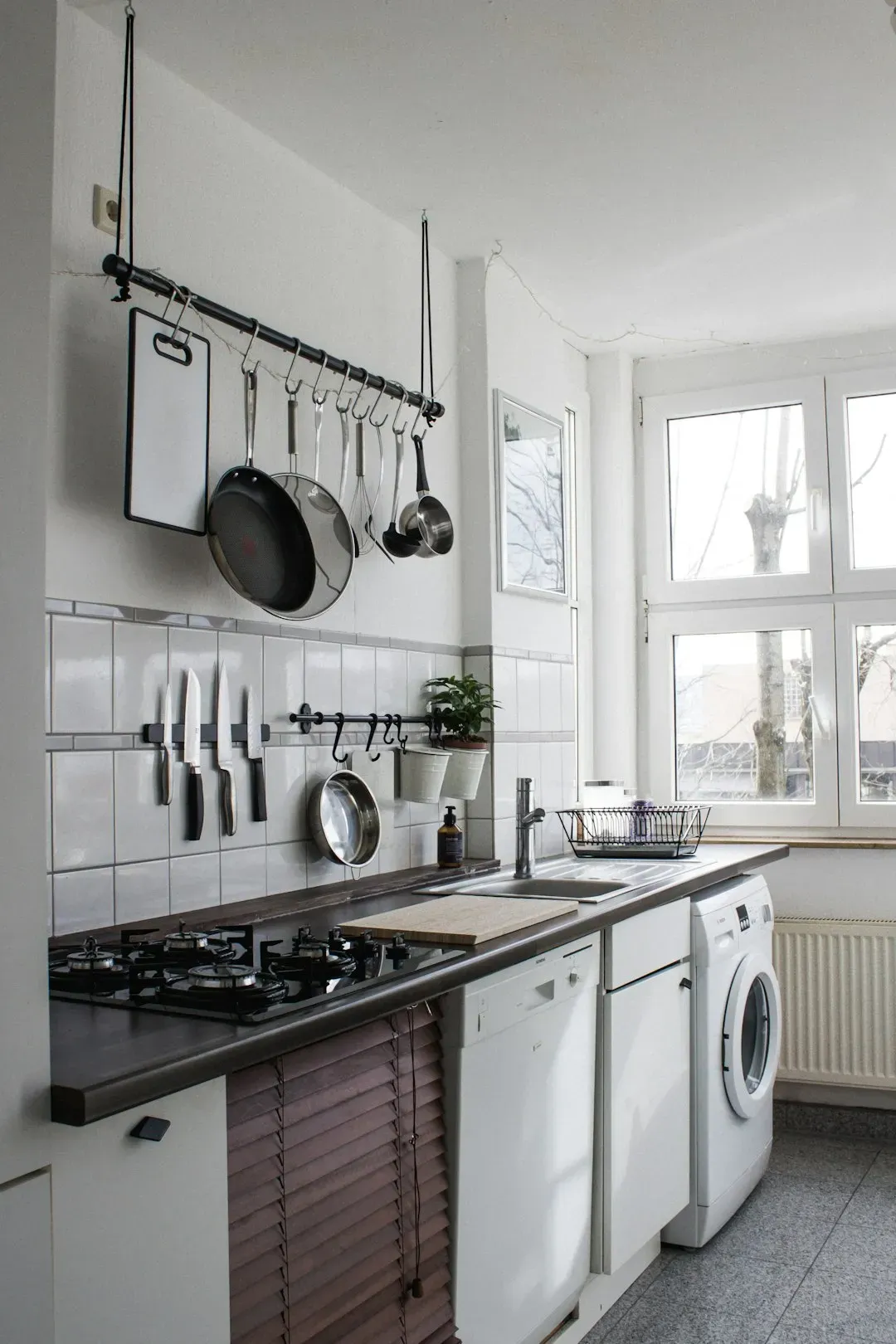
When you commit to cooking every single meal at home, your kitchen gets a serious workout. Knives need sharpening. Pans wear out. The non-stick coating on that skillet you’ve used daily for two years starts flaking. These aren’t dramatic expenses individually, but they compound over time in ways that never appear in “how much I saved cooking at home” calculations.
Think of it like buying a car to save on Uber costs. The vehicle itself is a depreciating asset with ongoing maintenance. A quality chef’s knife costs upward of $80. A decent non-stick pan runs $40 to $120. A stand mixer, if you decided to bake bread, can cost several hundred dollars. If you’re unfamiliar with cooking, you may find it challenging to match what you can buy from a restaurant. Tasty home-cooked food can seem intimidating to prepare, and certain dishes require equipment or ingredients not readily available to you. That equipment gap tends to get filled with purchases.
8. Energy and Utility Bills Climbed Right Along With Your Cooking
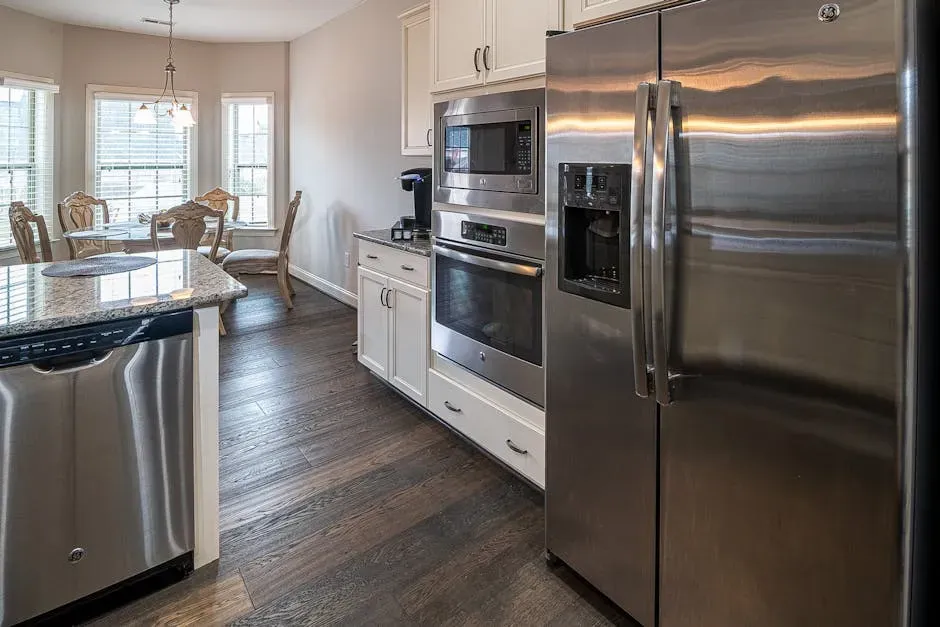
Cooking three meals a day at home means your stove, oven, range hood, dishwasher, and refrigerator are all working significantly harder than they did when you ate out half the time. Energy costs are real, and they get routinely ignored in home-cooking budget comparisons. Running your oven for an hour at high heat isn’t free. Boiling pasta every night adds up on your electric or gas bill over months.
Besides inflation, reasons food costs continue to rise include global conflict, corporate greed, transportation costs and fuel, fair labor wages, animal disease, and bad weather, according to the Center for Science in the Public Interest. Those same forces drive energy costs too. When you cook more at home, your household energy footprint grows, and your utility bill notices even if you don’t track it deliberately.
9. The Grocery-Dining Gap Narrowed More Than People Realized
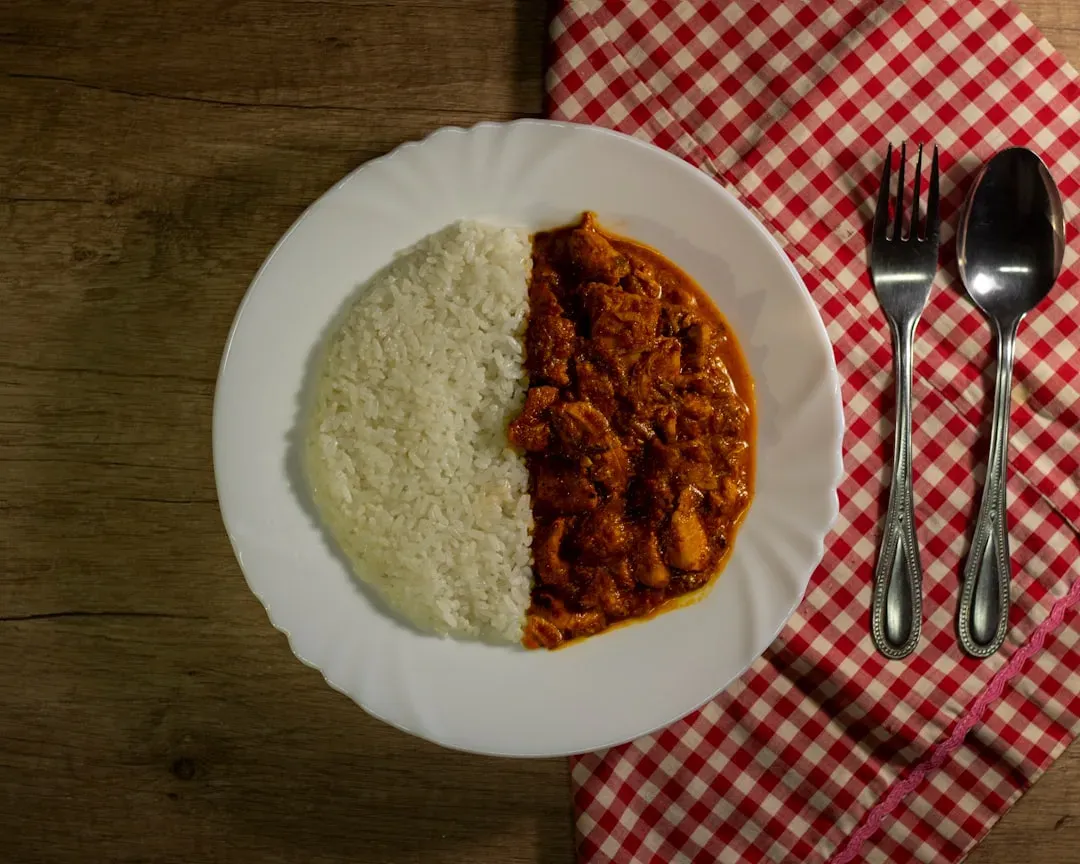
Here’s the counterintuitive reality: the financial gap between eating out and cooking at home has been narrowing. Not disappearing – but shrinking in ways that actually matter for everyday decisions. According to Vericast’s Restaurant TrendWatch, restaurant prices have been rising faster than grocery prices, averaging around 5% annually compared to roughly 1% for food at home. That dynamic has continued into 2026, even as overall inflation has cooled. Home cooking still comes out ahead on cost, no question – but the margin isn’t what it used to be. And for many consumers, that smaller gap makes convenience a much more tempting trade-off.
However, in 2024, Americans spent $447 billion, or roughly two-fifths more, on food away from home, as convenience, quick-service options, and rising grocery costs narrowed the price gap with eating out. Eating at home can cost around $4 to $6 per person, while dining out can be $15 or significantly more per person. Still a real difference – but factor in food waste, unplanned trips, and time, and the practical gap shrinks fast.
10. The Mental Load of Cooking Every Meal Became Its Own Tax

This one doesn’t show up on any balance sheet. Deciding what to eat, three times a day, 365 days a year, is a surprisingly exhausting cognitive burden. Researchers call it “decision fatigue,” and it’s very real. According to a recent survey from First Insight, nearly three in five consumers were worried about a recession heading into 2025, and close to two-thirds said price is the single most influential factor in their purchasing decisions. That mindset hasn’t gone away in 2026 – it’s intensified. With persistent economic uncertainty and elevated living costs, consumers are making faster, more price-driven decisions, often defaulting to what feels safest for their budget rather than weighing every options. Stress around money and food creates a feedback loop that slowly wears people down.
When Americans choose takeout or delivery, the dominant factor is convenience, with nearly two-thirds citing it as a top reason, and more than four-fifths citing the ability to enjoy their meal at home while multitasking. That pull toward convenience isn’t laziness. It’s the human brain trying to recover bandwidth. A survey found that more than four-fifths of U.S. consumers report that saving money is a bigger priority in 2025 than it has been in other years. The mental cost of managing all that pressure – every single meal – can eventually make the whole plan collapse.
Conclusion

Cooking at home is still, on average, cheaper than eating out. The USDA data, the consumer surveys, the price comparisons – they all confirm that basic truth. But the full story is messy, complicated, and far more nuanced than any single headline suggests.
Food waste, shrinkflation, unplanned grocery trips, rising utility costs, worn-out equipment, and plain old mental exhaustion all quietly chip away at the savings you thought you were banking. The plan works best when it’s strategic rather than absolute. Cooking every single meal at home, with no flexibility, no planning system, and no awareness of these traps? That’s where it starts to backfire.
So next time someone tells you to just cook at home to fix your budget, maybe ask them to run the full numbers first. What would you have guessed was eating the biggest chunk of your so-called savings?