
The American fast-food landscape changes constantly, with new concepts emerging while beloved chains fade into memory. Some closures happen gradually over years, while others shock loyal customers with sudden shutdowns. These six chains once served millions of customers but have now completely disappeared from the maps, leaving behind only nostalgic memories and empty storefronts.
Old Country Buffet – The All-You-Can-Eat Dream That Couldn’t Survive
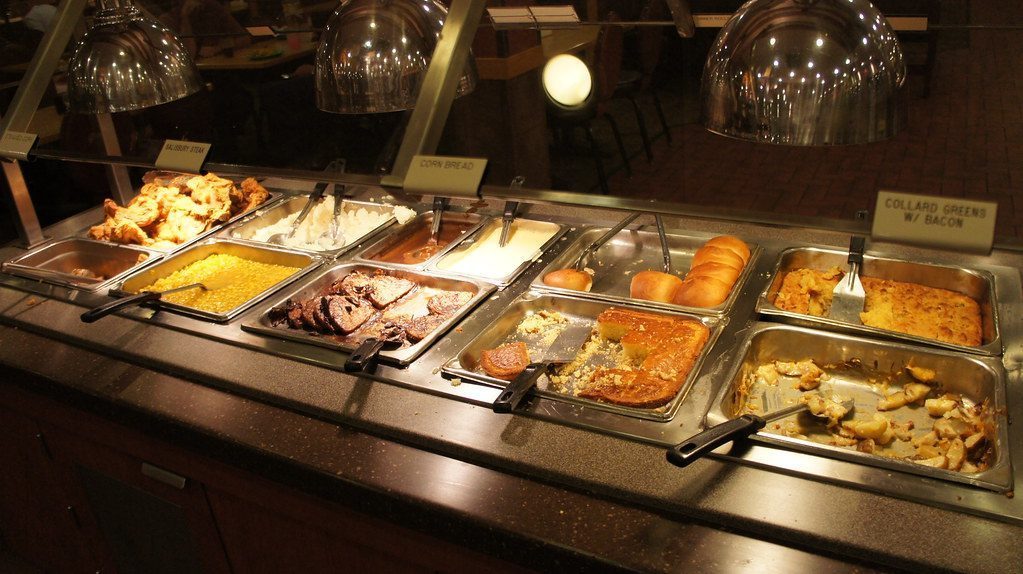
Old Country Buffet once had hundreds of locations nationwide, cementing its popularity among families looking for an affordable meal out, but in the 21st century it definitely had some setbacks. Due to the COVID-19 pandemic, all of the buffet-style restaurants closed in March 2020, and as of January 5, 2021, all Old Country, HomeTown, and Ryan’s Buffet locations have permanently closed. Old Country Buffet fell victim to changing dining preferences, multiple bankruptcies, and the impacts of the 2020 pandemic on the restaurant world. Nowadays, you won’t be able to find any Old Country Buffet locations still in business. The chain has finally been acquired by a new buyer, who’s confirmed they have no plans on reviving it. For generations who remember weekend family outings to load up plates with fried chicken, mashed potatoes, and soft-serve ice cream, the complete disappearance of this buffet giant marks the end of an era.
Chi-Chi’s – From Tex-Mex Pioneer to Hepatitis Victim
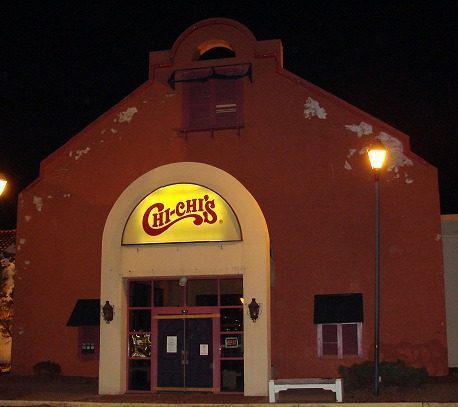
If you had a craving for Tex-Mex in the 1970s, you went to Chi-Chi’s, and the joint served chimichangas, nachos, and salsa, and was owned by former American football star Max McGee and restaurateur Marno McDermott. Popular in Canada and the US, it ran into plenty of financial trouble over the years, but it was a hepatitis A outbreak in the 2000s (the largest in US history at the time) that ended its run in the States. However, Chi-Chi’s continues to operate at various international locations, including in Austria and other European countries. The chain pioneered casual Tex-Mex dining for mainstream America, introducing millions to concepts like sizzling fajitas and tableside guacamole preparation. Though in December 2024, Chi-Chi’s announced that it’s hoping to come back to the US in 2025, the original chain that once dominated shopping centers nationwide remains permanently closed. The hepatitis outbreak that sickened over 660 people and killed four ultimately proved insurmountable for the brand’s reputation in its home market.
Blue Cactus Tacos & Tequila Bar – Ottawa’s Quirky Mexican Haven
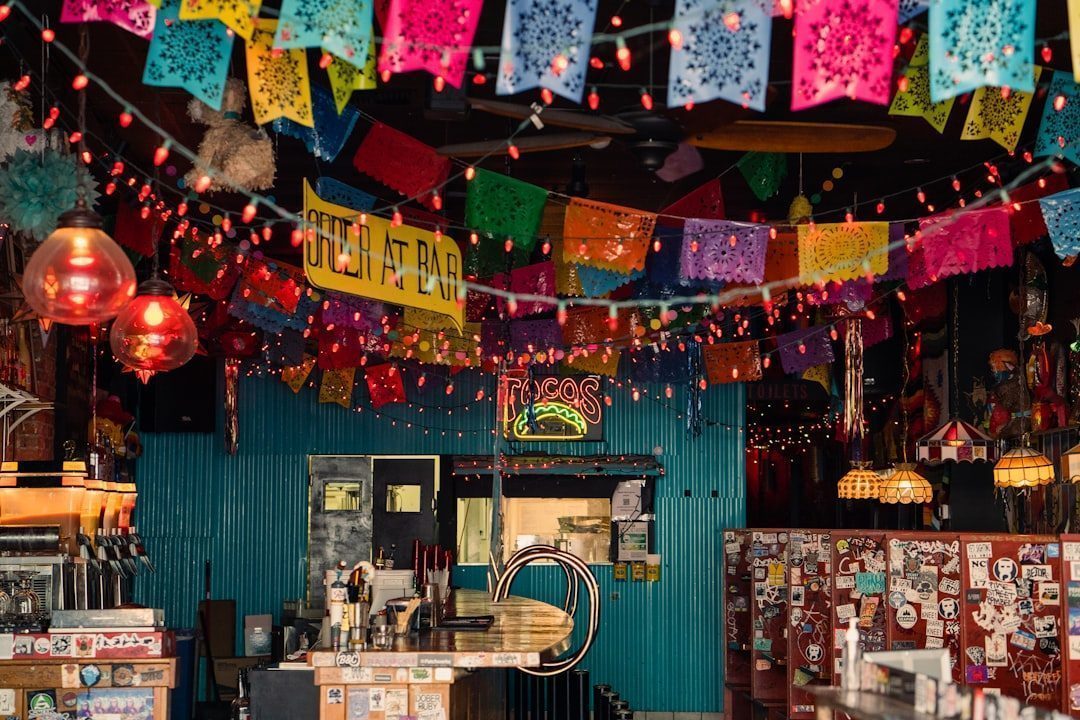
Blue Cactus Tacos & Tequila Bar, opened around 1990 in Ottawa’s ByWard Market by owner Bob Firestone, provided quick-service Mexican fare including tacos, burritos, and margaritas in a lively, urban setting that drew locals and tourists, with limited expansion to a handful of Ontario sites. The chain closed permanently on New Year’s Eve 2024, impacted by post-pandemic economic pressures and rising operational costs in the hospitality sector. For over three decades, this Canadian chain offered a unique blend of quick-service efficiency and vibrant bar atmosphere that made it a fixture in Ottawa’s multicultural food scene. The timing of its closure on the last day of 2024 symbolically marked the end of an era for this regional favorite. While never achieving massive scale, Blue Cactus had built a devoted following among locals who appreciated its fresh, customizable Mexican options and festive environment that bridged the gap between fast food and casual dining.
The Main Deli Steak House – Montreal’s Smoked Meat Legend

Once a staple of Montreal’s food scene, The Main Deli Steak House was established in 1974 by Peter Varvaro and his family, and the spot had a huge fanbase for its Montreal-style smoked meat sandwiches, poutine, smoked meat burgers, and house-made coleslaw. Famously, it was located opposite Schwartz’s, another iconic Montreal deli, leading to a friendly rivalry and comparison among locals and visitors. The Varvaro family sold the restaurant in 2013, and many say the quality suffered while prices increased, resulting in the iconic spot shuttering in 2023. This legendary establishment represented nearly five decades of Montreal’s rich deli tradition, serving as a cultural landmark that attracted both locals and tourists seeking authentic smoked meat experiences. The rivalry with neighboring Schwartz’s became part of Montreal folklore, with passionate debates among food lovers about which deli reigned supreme.
Rosedale Diner – Toronto’s Eclectic Neighborhood Favorite
Home to everything from lamb burgers to hummus and hefty breakfast plates, the Rosedale Diner was an icon on Toronto’s food scene, and loyal customers were devastated when the owners retired in 2023 after 45 years in business, known for its eclectic menu, especially its signature duck poutine, which featured on Food Network’s Diners, Drive-Ins and Dives. This beloved family-run establishment represented the heart of Toronto’s diverse dining culture, offering an ambitious menu that reflected the city’s multicultural character. The restaurant gained national recognition when Guy Fieri highlighted their famous duck poutine on television, introducing their unique fusion approach to audiences across North America. After nearly half a century of service, the owners decided to close rather than sell, ensuring their legacy remained intact but leaving a significant void in Toronto’s neighborhood dining scene. The closure represented more than just losing another restaurant; it marked the end of an era when independently owned diners could thrive with creativity and community connection.
Red Barn – The Highway Icon That Couldn’t Compete
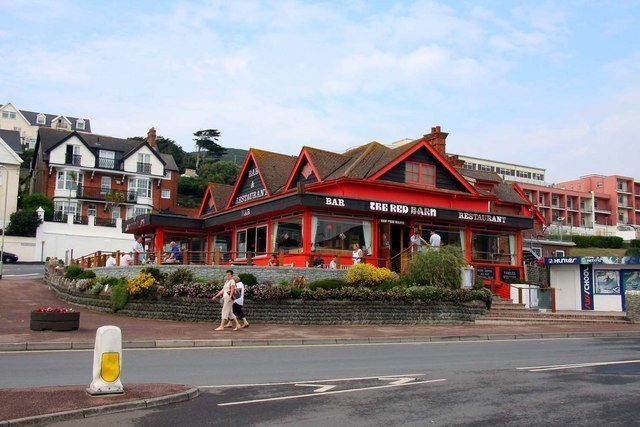
As you might expect, this country-themed restaurant was painted red and shaped like a barn, making it really stand out on the highway, known for its Big Barney (like a Big Mac), Barn Buster (similar to a Quarter Pounder), and catchy TV jingle ‘When the hungries hit, hit the Red Barn,’ which made you want to get in your car and drive to the nearest outpost. The chain was founded in Ohio in 1961 and grew to 400 restaurants across 22 states, with locations in Canada and Australia, too. Red Barn’s distinctive architecture made it instantly recognizable to highway travelers, while its memorable advertising jingle became embedded in American pop culture. The chain successfully competed with early McDonald’s and Burger King by offering similar menu items with a unique rustic branding approach that appealed to families on road trips. Though it achieved significant scale with international expansion, Red Barn ultimately couldn’t sustain growth against larger competitors who had superior supply chains and marketing budgets, gradually disappearing from the landscape it once helped define.
Conclusion

These six chains represent different aspects of American and Canadian dining culture that have been lost forever. From the all-you-can-eat abundance of Old Country Buffet to the highway nostalgia of Red Barn, each offered something unique that modern fast-food giants don’t replicate. Their disappearance reflects broader changes in how we eat, from health consciousness reducing buffet appeal to corporate consolidation eliminating regional favorites. While new concepts constantly emerge, these vanished chains remind us that even successful restaurants aren’t guaranteed permanence in an ever-evolving industry.
What memories do you have of these disappeared chains? Share your stories in the comments below.