
Picture this. You’re holding a knife over a fish that could kill thirty people if you make one wrong cut. Your hands are steady, but one slip means contamination. One nick of the liver means the dish becomes lethal. Japan’s Health Ministry states that up to 50 people fall sick with pufferfish poisoning each year, and honestly, most of those cases happen when amateurs try to prepare it at home. The professionals? They’ve spent years mastering an art that sits somewhere between culinary skill and life-or-death precision.
This is the world of fugu, Japan’s most dangerous delicacy. Tetrodotoxin is estimated to be 1,200 times more toxic than cyanide and just 2 milligrams can be sufficient to kill a person. Yet thousands of diners seek it out every year, placing their lives in the hands of chefs who’ve undergone some of the most rigorous training in the culinary world.
Table of Contents
The Poison That Paralyzes Without Mercy
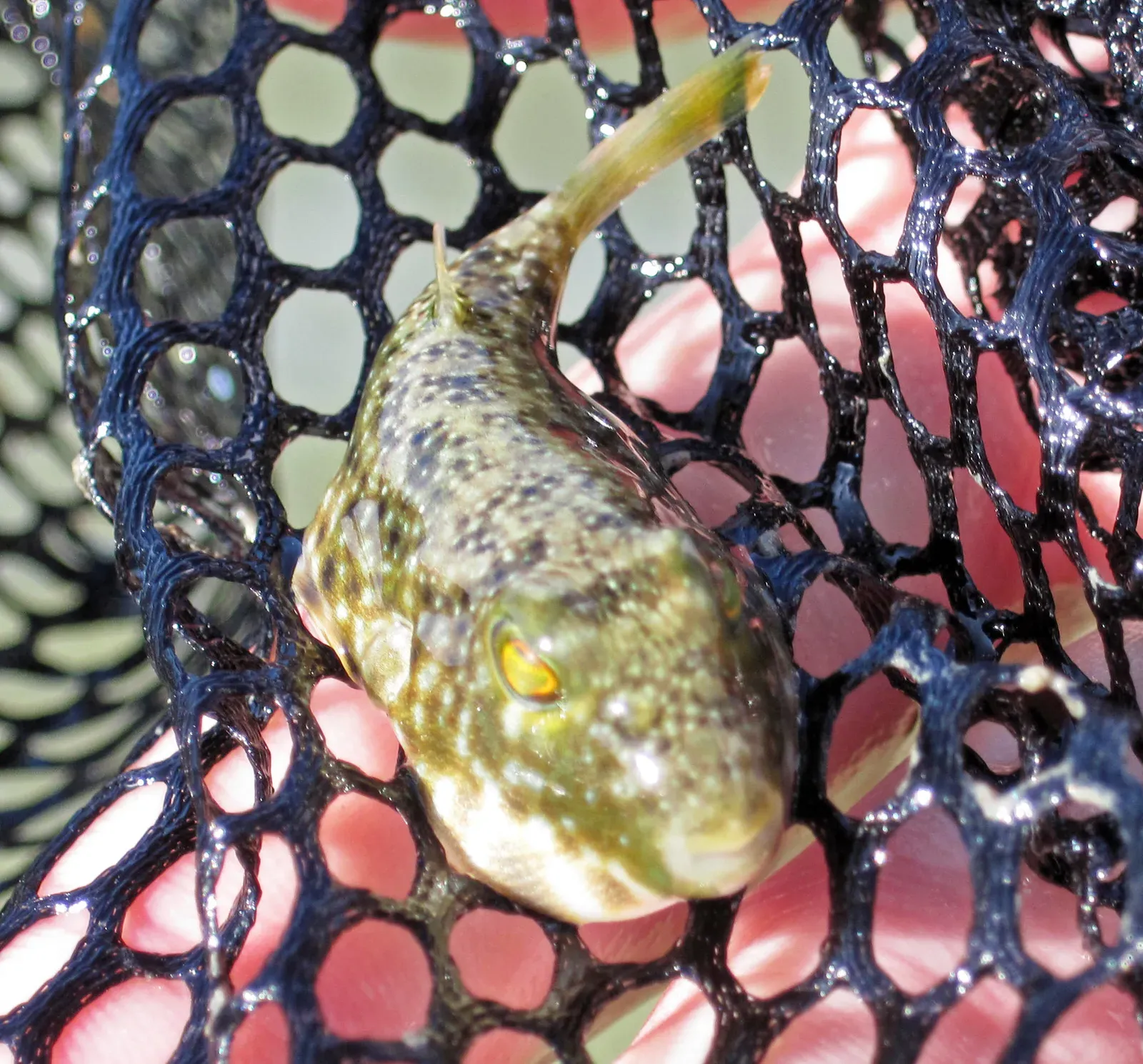
Fugu contains lethal amounts of the poison tetrodotoxin in its organs, especially the liver, ovaries, eyes, and skin. The poison, a sodium channel blocker, paralyzes the muscles while the victim stays fully conscious; the poisoned victim is unable to breathe and eventually dies from asphyxiation. Think about that for a moment. You’re awake through the whole ordeal, aware of what’s happening as your body shuts down piece by piece.
There is no known antidote for fugu poison. The standard treatment is to support the respiratory and circulatory systems until the poison is metabolized and excreted by the victim’s body. Medical teams can only keep you breathing artificially and hope your body processes the toxin fast enough. It’s a waiting game measured in hours, and the clock doesn’t always run in your favor.
What makes tetrodotoxin especially terrifying is where it comes from. A fugu’s tetrodotoxin comes from eating other animals infested with tetrodotoxin-laden bacteria, to which the fish develops insensitivity over time. The fish itself is immune to what makes it deadly, a natural defense mechanism that’s been perfected over millennia.
Years of Training Before Touching a Single Fish
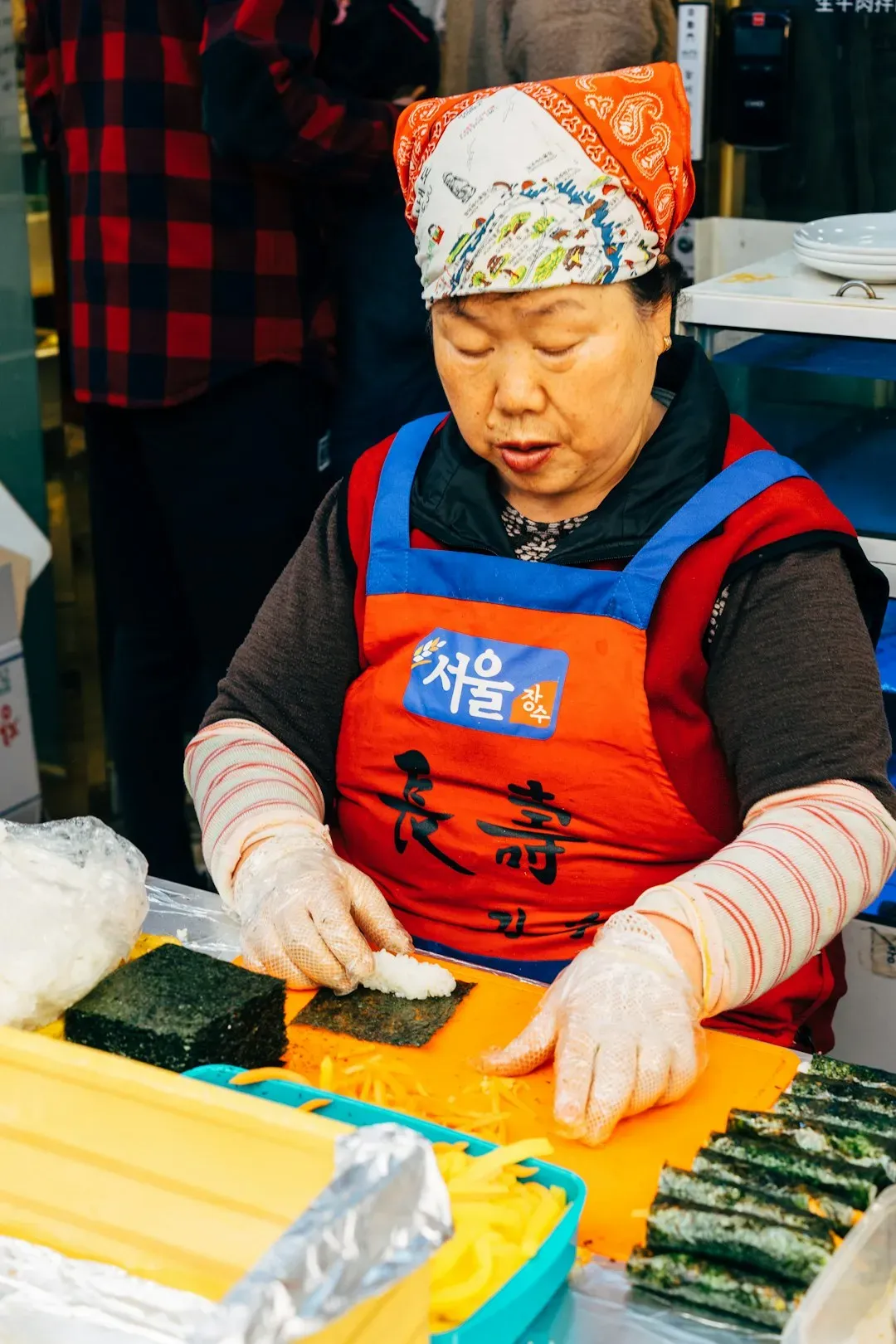
Since 1958, fugu chefs must earn a license to prepare and sell fugu to the public. This involves a two- or three-year apprenticeship. Some sources suggest even longer timelines. Real fugu chefs must serve at least a 10-year apprenticeship, according to one veteran chef with decades of experience. The path varies by region, but the commitment is always intense.
Most fugu chefs start as apprentices in the kitchen at the age of 15. Training takes at least two years, some as long as three depending on the city, and they can take the practical test at 20, when they become of age in Japan. These aren’t casual cooking lessons. In the process of learning how to remove organs, apprentices clean more than 200 fish and spend thousands of dollars of money just learning how to clean fugu fish.
It’s hard to say for sure, but this level of dedication speaks volumes. You’re not just learning recipes. You’re learning anatomy, toxicology, and knife work that leaves zero room for error. The stakes couldn’t be higher.
The Exam That Ends Most Dreams
The licensing examination process consists of a written test, a fish-identification test, and a practical test, preparing and eating the fish. Let’s be real, that last part is intense. You prepare the dish, and then you eat what you made. If you messed up, you’re about to find out firsthand.
Only 35% of the candidates who apply are granted a licence. In Tokyo, for example, the pass rate for the exam has historically been under 35%, testifying to its exacting standards. Two out of every three candidates walk away without certification, their years of training not quite enough to meet the standard.
The practical exam requires identifying different fugu species, separating edible from toxic parts, and preparing a complete dish. They have to identify the edible and inedible parts of the fish after studying them, before removing the toxic parts, cooking the fugu, peeling the skin and finally making the fugu dish. The pupils then have to eat the dish they have prepared. No pressure, right?
One Knife, One Purpose, One Mistake Changes Everything
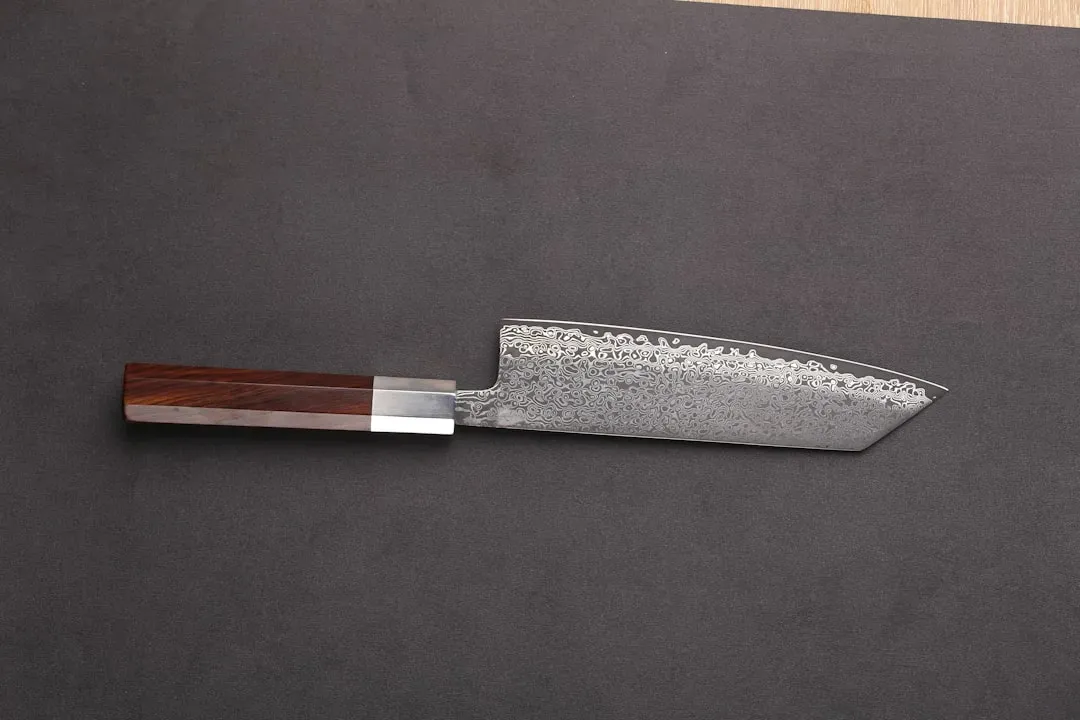
To clean and prepare the fish, fugu chefs also use a special knife called a fugu hiki, which is usually stored separately from other knives. This isn’t just tradition for tradition’s sake. Cross-contamination could turn a safe meal deadly, so the knife never touches anything else. It’s a tool reserved for one purpose only.
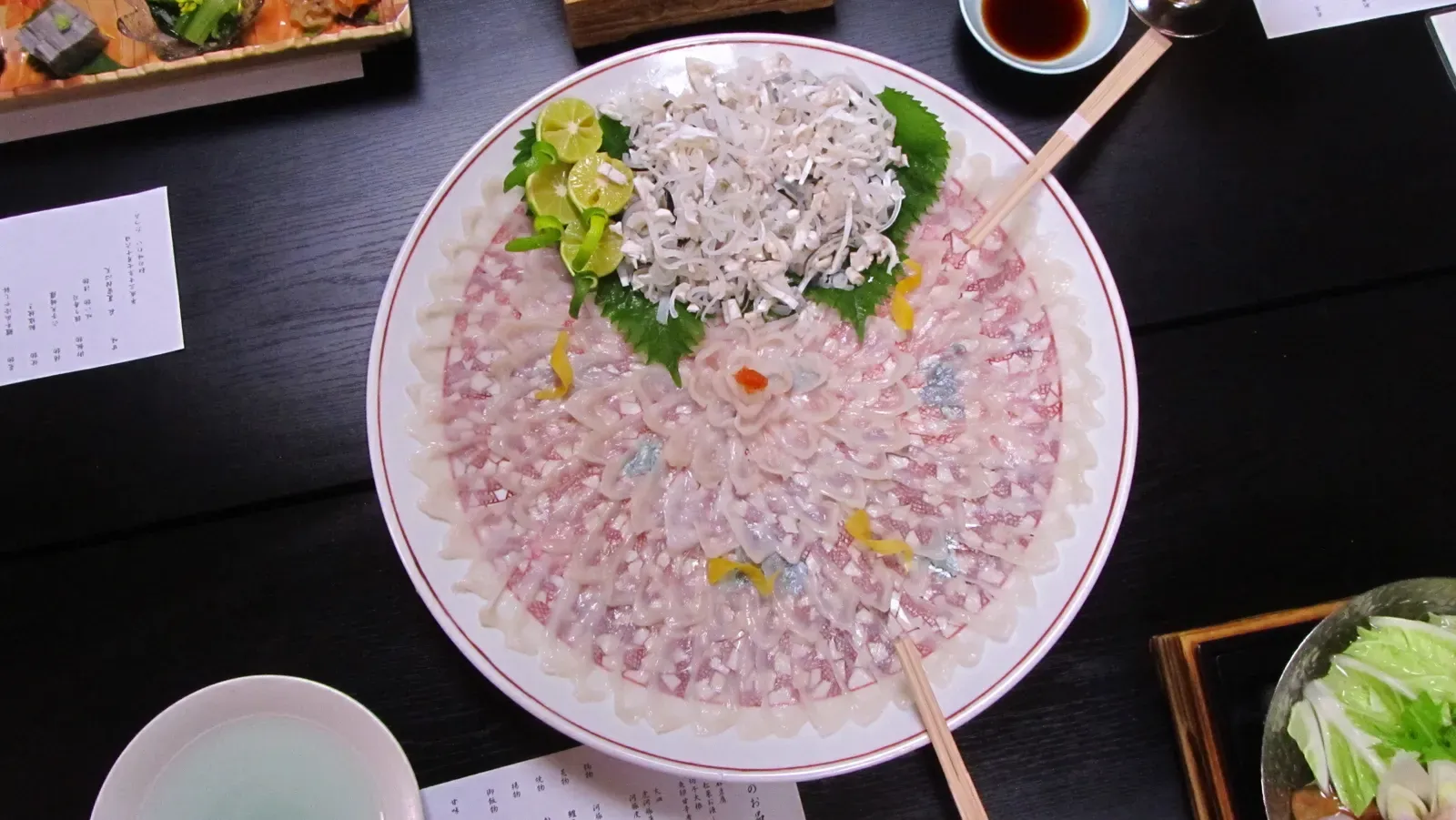
The cutting technique demands surgical precision. The slices must be so thin as to be almost transparent, often arranged in a chrysanthemum pattern on the plate. You’re looking at paper-thin pieces of fish, delicate enough to see light through. Chefs spend years perfecting this skill alone.
During preparation, removed organs must be handled with extreme care. Removed toxic parts are stored in a special lockable garbage can to prevent any accidents. Even after the fish is prepared, the danger persists until those parts are properly disposed of. One carelessly discarded liver could still cause harm.
When Professional Chefs Break the Rules
In November 2011, a chef of two-Michelin star “Fugu Fukuji” in Tokyo was suspended from his post. The chef served fugu liver to a customer who, despite being warned of the risks, specifically asked that it be provided. The 35-year-old customer subsequently required hospital treatment for mild symptoms of tetrodotoxin paralysis, but made a full recovery. Even licensed professionals occasionally cave to customer demands, with predictable results.
The liver, widely thought to be the most flavorful part, was traditionally served as a dish named fugu-kimo, but it is also the most poisonous, and serving this organ in restaurants was banned in Japan in 1984. The ban exists for good reason, yet some diners still seek out the forbidden parts. The allure of danger, apparently, never fades.
These incidents highlight something important. Licensed chefs know exactly what they’re doing when they break protocol. They understand the risk, and they choose to take it anyway. It’s a calculated gamble that doesn’t always pay off.
Death Statistics Paint a Sobering Picture
Statistics from the Tokyo Bureau of Social Welfare and Public Health indicate 20–44 incidents of fugu poisoning per year between 1996 and 2006 in the entire country, leading to 34–64 hospitalizations and 0–6 deaths per year, for an average fatality rate of 6.8%. Modern regulation has dramatically reduced deaths compared to historical numbers.
Much higher figures were reported in earlier years, peaking in 1958 when 176 people died from eating fugu in a single year. That’s staggering when you compare it to today’s statistics. The licensing system, for all its strictness, has saved countless lives.
Of the 23 incidents recorded within Tokyo between 1993 and 2006, only one took place in a restaurant, while the others all involved fishermen eating their catch. The pattern is clear. When licensed professionals prepare fugu, deaths become extremely rare. When amateurs try it at home, tragedy follows.
The Written Test That Covers Life and Death
The written part tests the regulations concerning the handling of fugu and general knowledge of fugu fish. Candidates must master fish biology, toxicology, food safety laws, and emergency procedures. It’s not enough to know how to cut. You need to understand why every step matters.
The written test covers questions on fugu biology, different preparation methods, and emergency procedures for fugu poisoning. Aspiring chefs study for months, memorizing species characteristics, toxin distribution patterns, and legal requirements. One wrong answer could mean the difference between passing and failing.
The theoretical knowledge forms the foundation for practical skills. Understanding where tetrodotoxin concentrates in different species helps chefs avoid contamination. Knowing emergency protocols means they can respond if something goes wrong, though by that point, options are limited.
Practical Skills That Take Thousands of Hours
The practical test consists of a test to identify the species of fugu and a second part in which they have to identify the edible and inedible parts of the fish after studying them, before removing the toxic parts, cooking the fugu, peeling the skin and finally making the fugu dish. Species identification alone requires extensive experience. Different types of fugu have varying toxicity levels and organ placements.
Aspirants must undergo a minimum of three years’ training, rising to five depending on the region. This training generally takes place under the tutelage of an already-certified master. In Tokyo, a two-year apprenticeship is required before taking the exam, while in Yamaguchi prefecture, considered the strictest, a minimum of three years is required. Master chefs watch every movement, correcting technique and building muscle memory through repetition.
The mentorship model ensures knowledge passes from one generation to the next. Apprentices learn not just from instruction but from observation, watching masters work day after day until the movements become second nature. There are no shortcuts in this process.
When Regulations Failed to Stop the Inevitable
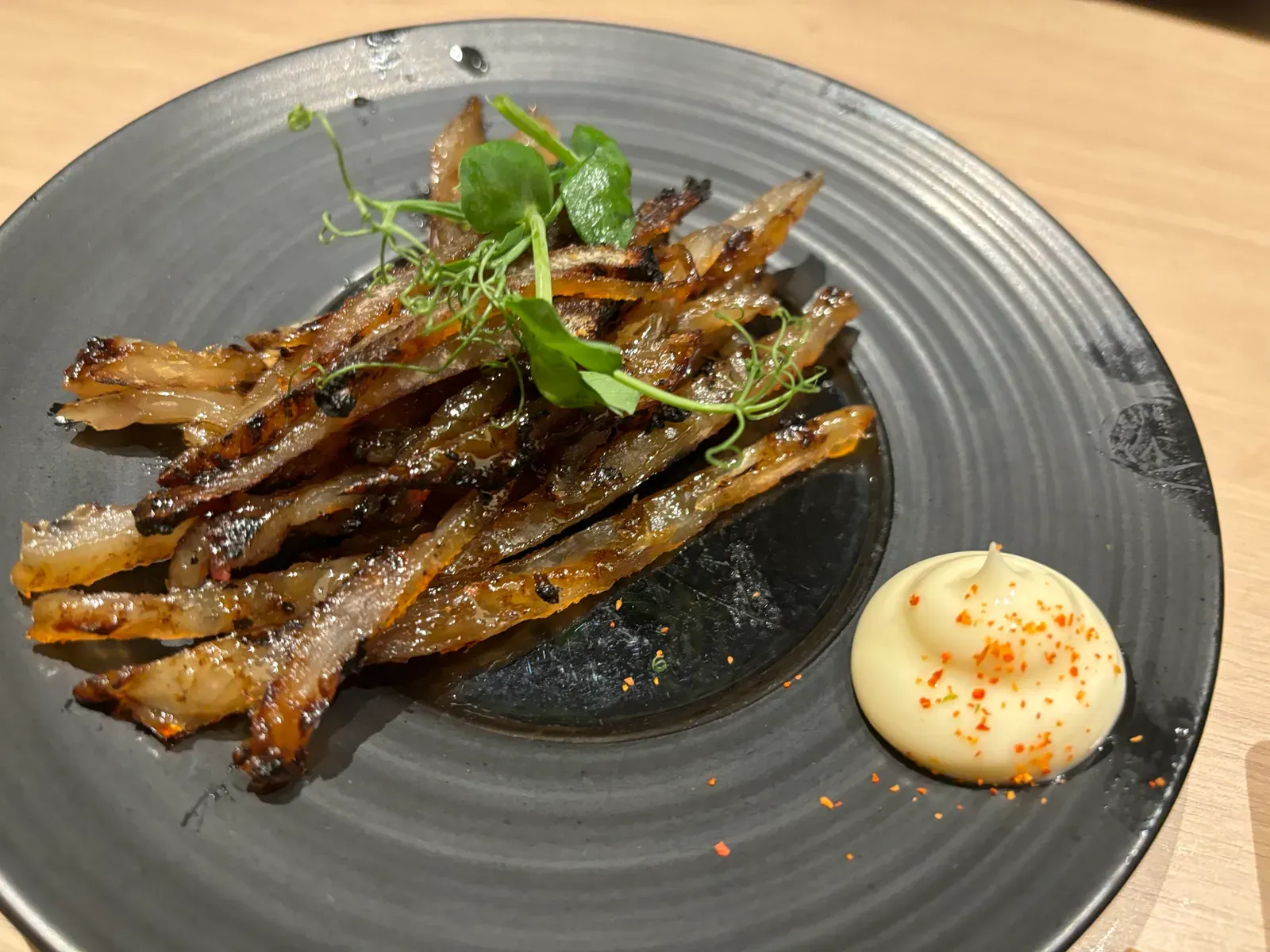
In March 2023, an elderly woman and her husband in Malaysia died after consuming pufferfish purchased from a fishmonger. In January 2024, a Brazilian man, 46, died after eating pufferfish given to him by a friend. Outside Japan’s strict regulatory framework, deaths continue to occur. Unregulated sales and home preparation remain the primary causes of fatalities worldwide.
In December 2020, 3 people in the Philippines died, while 4 more were hospitalized after eating pufferfish. These tragedies happen when people underestimate the danger or simply don’t know what they’re dealing with. The fish looks harmless until it’s not.
The lesson here is brutal. Without proper training and regulation, fugu kills. The licensing system isn’t bureaucratic overkill. It’s the thin line between a prized delicacy and a funeral.
Becoming a fugu master demands years of sacrifice, surgical precision, and unwavering dedication to a craft where failure means death. Fugu chefs in Japan are considered the elite of Japan’s highly competitive culinary world. They’ve earned that status through thousands of hours of training and certification processes that reject most applicants. The next time you see those translucent slices arranged on a plate, remember the decade of training behind each cut. Did you expect that level of commitment for a single fish? What would you risk to master something this dangerous?