
Anyone who has ever worked a dinner rush knows the feeling. The dining room is packed, the kitchen is firing tickets nonstop, and somewhere in the middle of it all, a customer is doing something that makes the entire front-of-house team quietly lose their minds. Restaurant staff are professionals. They show up, they smile, they hustle through eight-hour shifts without a real break.
What most diners don’t realize is that certain behaviors, often completely unintentional, create real friction behind the scenes. Some of them push already-stretched workers right over the edge. If you’ve ever wondered what goes on in a server’s head when you do that one thing, well, get ready to find out.
Table of Contents
1. Snapping Fingers or Waving Wildly to Get Attention
Let’s start with the one that makes every restaurant veteran’s eye twitch. Snapping fingers or wildly waving to get a server’s attention is considered one of the rudest habits in a restaurant setting, reducing the interaction to a command rather than a courteous request, making someone look impatient or entitled. It might feel harmless from the diner’s side of the table, but trust me, it is not received that way.
Snapping, flailing your arms wildly, or loudly calling out across the room doesn’t speed things up. It actually sends stress signals rippling through the entire dining room, with the server taking the brunt of that nerve-rattling energy. Before barking at your server, consider they are juggling multiple tables, and the odds are very good they’ve already clocked your empty glass and are heading your way as fast as they can. When you animatedly wave at them, it breaks their rhythm and adds unnecessary tension to an already hectic, fast-paced job.
2. Walking In Right Before Closing Time
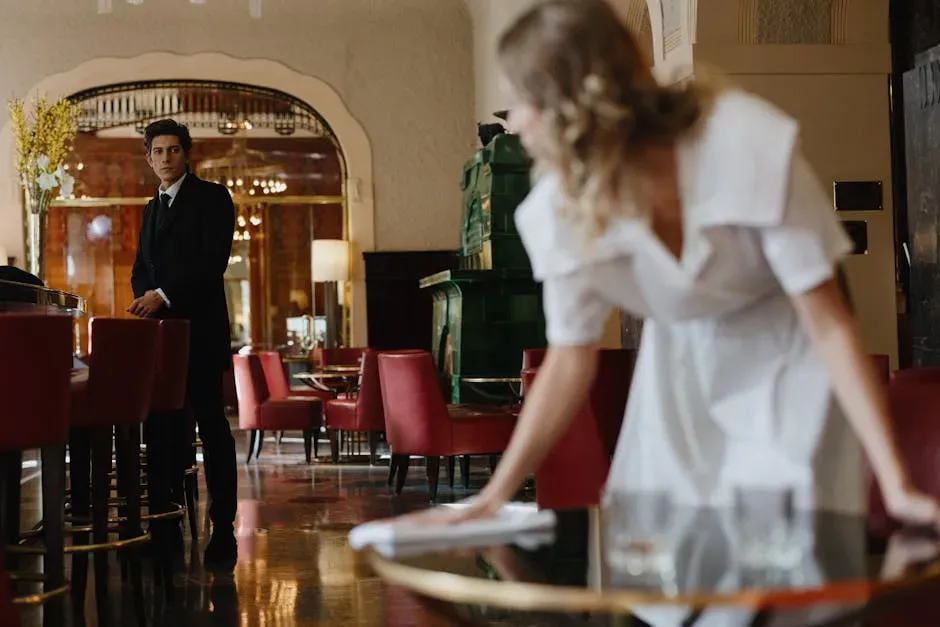
This one is practically legendary among restaurant workers. The kitchen has already started breaking down, the staff have been on their feet for eight-plus hours, and then a group of four walks in at two minutes to close demanding the full menu experience. If Google says the restaurant closes at 11, the right time to order is not three minutes before closing. The staff are not people willing to work every single day overtime as though they had no lives of their own.
It’s not just an inconvenience, it’s a genuine morale killer. Long shifts, high-pressure environments, and minimal recovery time easily burn out staff members. In a recent survey of 500 U.S. hospitality frontline managers, nearly half are experiencing burnout from the demands of their jobs. Strolling in at the last minute adds fuel to a fire that is already burning very hot.
3. Extreme, Unreasonable Menu Modifications
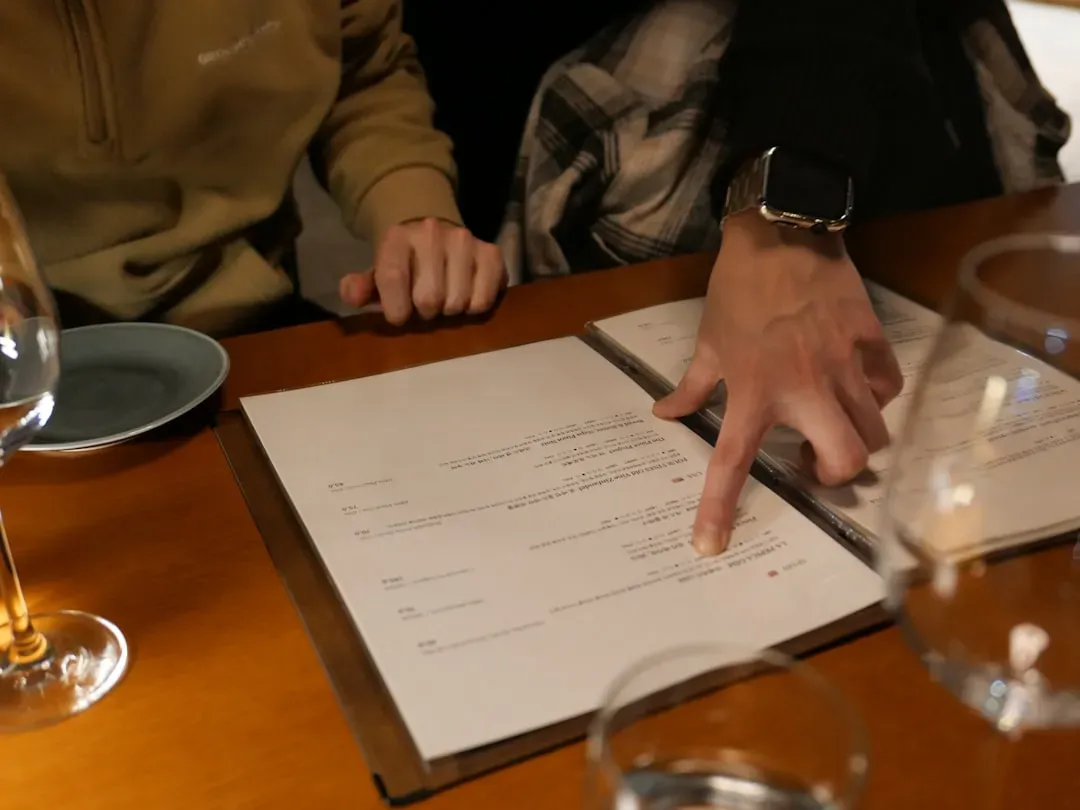
Dietary restrictions are real, and good restaurants absolutely accommodate them. Nobody is arguing with that. The problem starts when the modification list becomes a rewrite of the entire dish. There’s a fine line between a simple menu alteration and what can only be described as culinary fan fiction. If your request changes the dish so dramatically that it no longer resembles what’s actually on the menu, that’s more of a metamorphosis than a modification.
Think of it this way: ordering pasta and then asking to remove the pasta, the sauce, the cheese, and substitute three off-menu ingredients is not really ordering pasta anymore. Allergies, intolerances, and strong ingredient aversions are part of the dining world, and no one is trying to ban gluten-free bread or the lactose-intolerant. The issue is the cascade of requests that creates chaos in a kitchen already running at full speed during peak service.
4. Being Rude or Dismissive Toward Staff
Honestly, this should go without saying in 2026, yet here we are. Uncivil and hostile interpersonal interactions with customers were found to contribute to poor mental health outcomes, including depression, anxiety, and burnout, according to a 2024 systematic review published in the American Journal of Industrial Medicine. The research covered over 15,000 workers across 26 studies in the US, UK, Australia, and beyond.
When customers are uncivil and violate the norms of social interactions, employees are still expected to display positive emotions as per service display rules. This often results in undesirable consequences for hospitality employees, such as emotional exhaustion, burnout, and a desire to leave their job. Nearly half of frontline hospitality managers have had to ask a guest to leave or ban a guest from returning within the last year due to poor treatment of workers. That statistic alone should give everyone pause.
5. Sitting at the Table Long After the Bill Is Paid
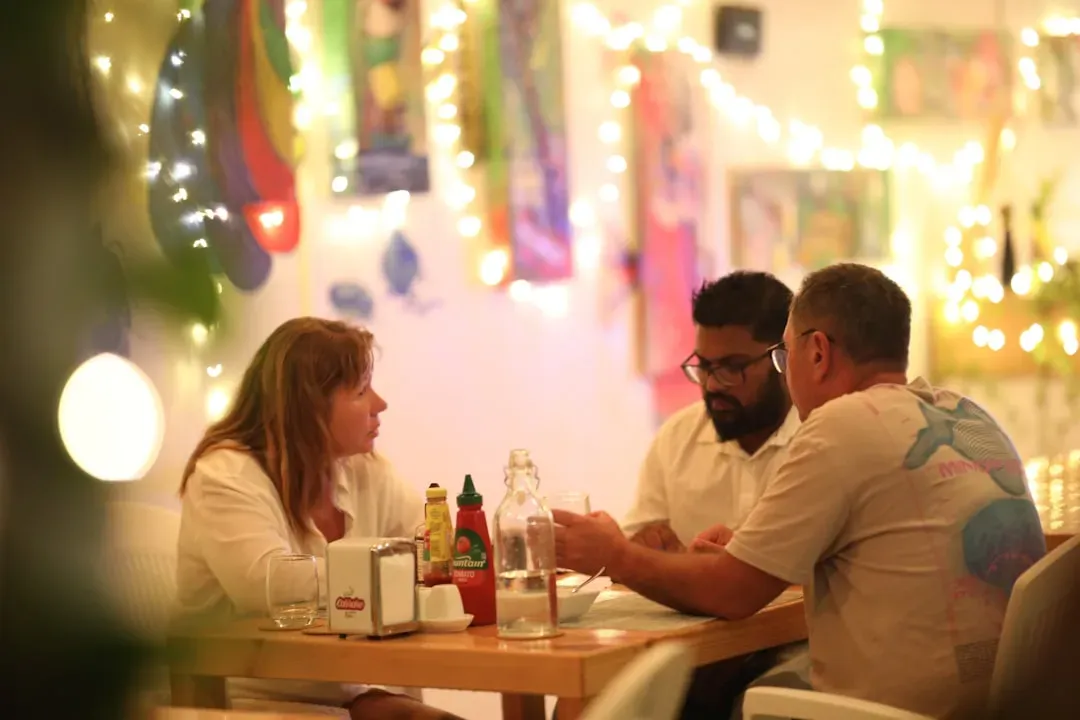
You’ve eaten. You’ve had your coffee. The bill has been paid, and you’re still deep in conversation an hour later. There’s a word for this in the industry: “camping.” And while no one wants to rush a guest, table turnover rates are the lifeblood of a restaurant’s profitability, with casual dining expecting roughly 1.5 to 2 hours per table, fast-casual spots 45 minutes to an hour, and fine dining around 1.5 to 2 hours for a more leisurely pace.
When a table of four lingers for an extra 90 minutes after finishing dessert, that’s lost revenue the server also misses out on. Servers are typically paid based on tips from the tables they serve. Holding a table hostage, even unintentionally, directly impacts how much someone earns that night. Tips account for roughly 58 percent of a waitstaff’s hourly earnings, making every served table count.
6. Tipping Poorly or Not at All
Few things sting a server more than watching a table walk out after a two-hour meal and leaving almost nothing. The numbers tell the story clearly. Industry data shows the average tip at full-service restaurants has fallen to 19.1%, the lowest in seven years, a meaningful drop from the nearly 20% average seen just a few years ago. For the roughly 2.4 million tipped workers in the U.S., this downturn spells real hardship, as many earn a federal minimum of just $2.13 per hour and rely on tips for the bulk of their income.
Nearly two-thirds of frontline hospitality managers have noticed guests leaving lower tips on average, and according to managers, lower tips are increasing frustration among workers, causing some to quit, leave their shifts early, or have emotional reactions. It’s a chain reaction that starts at the table and ends with a stressed-out server wondering if they can cover rent. The likelihood of tipping generally increases with age, with Gen Zers and millennials standing out as the least frequent tippers.
7. Letting Children Run Wild Through the Restaurant
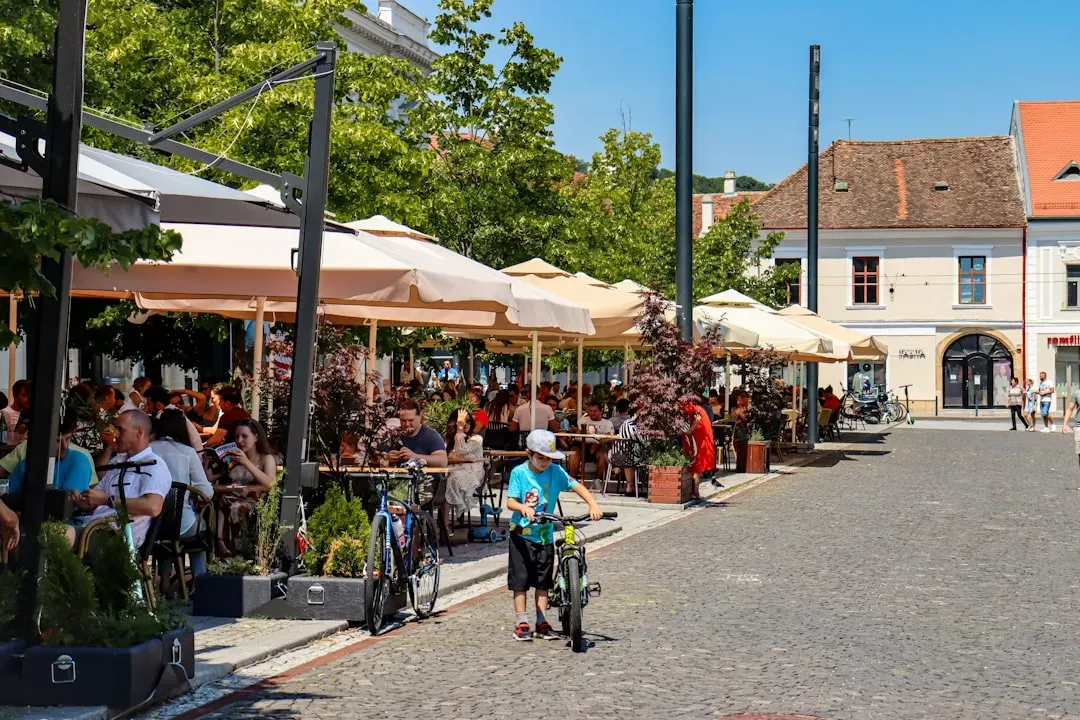
Here’s the thing: nobody dislikes children. Most restaurant workers are parents themselves, or at least have some capacity for empathy with exhausted caregivers. What genuinely creates a problem is when kids are allowed to run unsupervised through a busy dining room. From letting your kids run around unattended to snapping their fingers, these are the most annoying things patrons do that consistently annoy servers.
A busy restaurant floor is genuinely dangerous for a child who is sprinting between tables. Hot food is being carried at height, servers are moving fast, and the noise levels can make it hard to hear a hazard coming. Beyond the safety concern, it disrupts other diners and creates anxiety for the entire floor team. Rude and high-pressure situations can trigger or worsen mental health issues like chronic stress and anxiety, and with no one to help, employees can feel they have no control over the situation.
8. Being Glued to the Phone While Ordering

There is something quietly maddening about trying to take someone’s order while they are staring at their screen, half-listening, and then repeating back the wrong thing when you read the order back to confirm. Servers urge customers not to be glued to their phones, especially in a large party. In one tapas restaurant, a table of ten ignored runners and servers bringing food, causing dishes to be returned or eaten by different table members, leading to complaints from guests who never received the food they ordered.
It creates error, confusion, and then often results in the customer complaining about a mistake that was entirely caused by their own distraction. Wait times and order accuracy rank as the main pet peeves for customers themselves, according to Revenue Management Solutions research. So it’s a little ironic that phone distraction is one of the top causes of order errors in the first place. It cuts both ways.
9. Treating Servers Like Personal Servants
A restaurant is not your house. You’re a paying customer, the staff get that and respect that. But do not forget that you are a guest. When you request that staff turn down the music, turn up the lights, or adjust the air conditioning, they may not be able to make that accommodation even if you ask nicely. If you demand such accommodations, you’re not only disrespecting the staff but also the other guests, who may not desire the same things you do.
This sort of behavior is what customer entitlement looks like – people expecting the impossible, getting annoyed over tiny hiccups, or thinking it’s okay to yell at or harass the staff. The stress from misbehaving customers causes emotional dissonance and exhaustion on frontline employees, often resulting in turnover intentions and labor attrition. In plain terms: entitlement drives good staff out of the industry entirely.
10. Complaining to Get Free Food
Experienced managers can spot this pattern from across the dining room. A customer eats most of their meal and then calls over a manager to complain about something vague, hoping to get a free dessert, a discount, or the dish comped entirely. It’s a tactic. While the industry has grown accustomed to believing that the customer is always right, this mindset can be detrimental to a team’s well-being, and anyone in customer service can tell you just how quickly a difficult customer interaction can turn a good day into a bad one.
The frustrating part for staff is that the complaint is rarely about the food at all. It becomes a theater of power, with servers and managers caught in the middle. A sizable portion of restaurant operators reported a decline in customer traffic between 2023 and 2024, and nearly four in ten said their business was not profitable in 2024. Margins are brutally thin. Every comped dish hits harder than most customers realize.
11. Being Dismissive or Rude About the Bill

The bill arrives, and suddenly a table that has been perfectly pleasant becomes combative. Customers who question every line item, argue about prices they agreed to when ordering, or try to manipulate the math to reduce their total are a specific kind of draining. U.S. restaurants continue to face challenges including staffing at roughly half of operators, and within the food service industry, a strikingly high share of workers want to quit their job. A difficult billing interaction after a long shift can be the thing that makes someone decide not to come back tomorrow.
The restaurant industry has experienced an average annual turnover rate of nearly 80 percent over the last decade, and emotional fatigue from handling difficult customers and peak service pressure accelerates burnout. When customers are hostile about the check, they are often the last straw for workers who are already running on empty. A gracious goodbye, a fair tip, and a simple “thank you” cost nothing – and they mean far more than most diners know.
The Bigger Picture Behind These Pet Peeves
Step back and look at all eleven of these together, and a pattern emerges. Most of the behaviors on this list don’t come from malice. They come from a lack of awareness about what the job actually involves. The restaurant industry thrives on its people, but job challenges can drive even the most passionate workers away, with several pain points weighing heavily on employees’ minds and becoming more pressing year over year.
According to managers, the main factors contributing to increased burnout include high stress levels, understaffing, long working hours, customer and guest volatility, and changing guest expectations. A 2024 survey in the UK found that more than three quarters of hospitality workers reported experiencing mental health challenges at some point in their careers, up from a significantly lower figure in 2018. These numbers tell the story of an industry under real pressure.
The good news is that awareness changes behavior. Most customers, if they truly understood what their server’s shift looks like from the inside, would naturally treat them better. Restaurant work is physically demanding, emotionally taxing, and chronically underappreciated. The next time you sit down to a meal, consider that the person bringing your food has likely been on their feet for six hours already, juggled a dozen tables, and smiled through dozens of challenges you never saw.
What would you do differently at your next dinner out?