
Table of Contents
Spaghetti and Meatballs
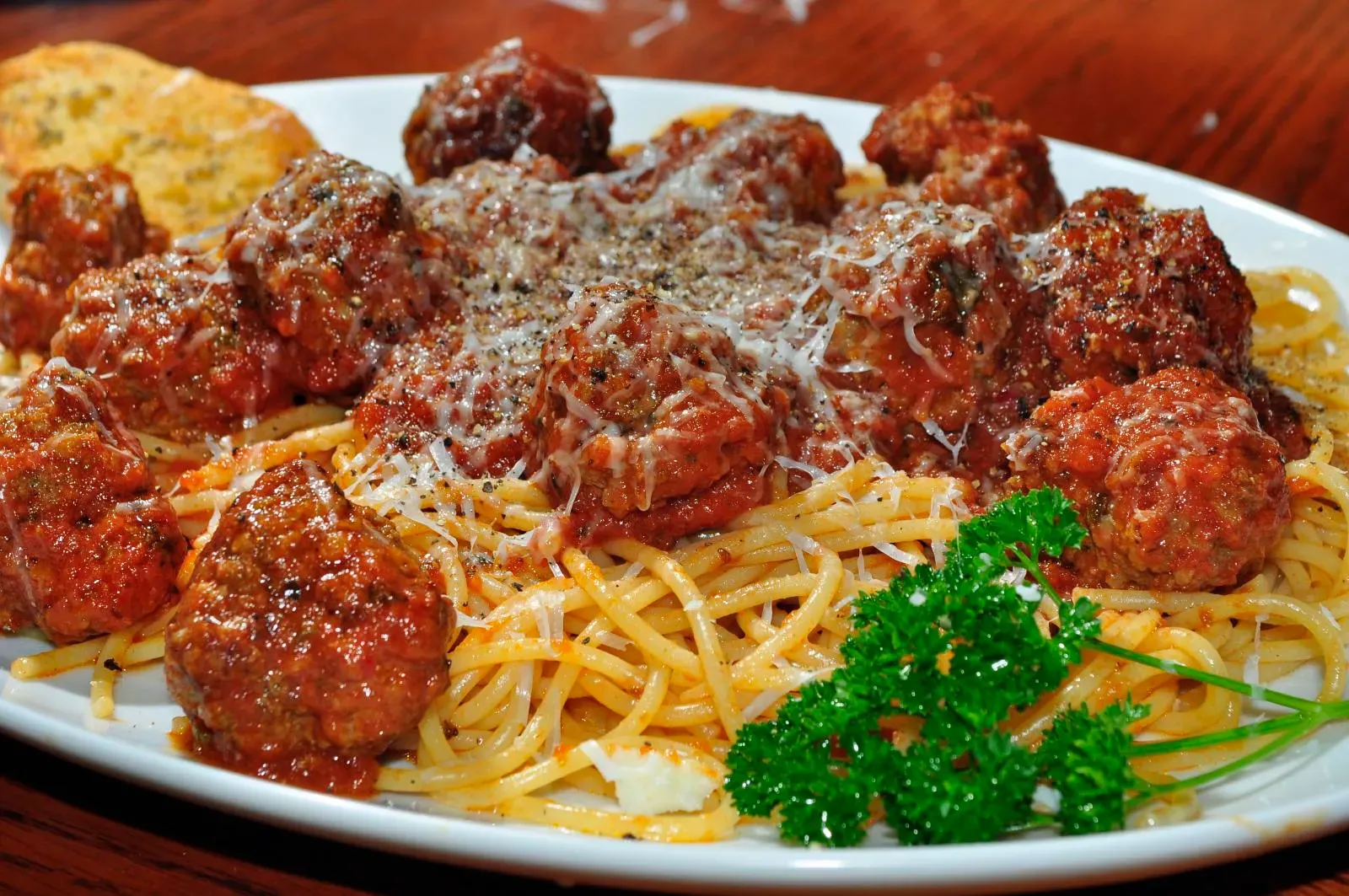
Let’s be real, if you walk into a restaurant in Rome and ask for spaghetti and meatballs, you’re going to get some puzzled looks. In Italy, you won’t find a dish called spaghetti and meatballs, except probably to satisfy American tourists. Italian meatballs are called polpette, and in most regions they’re fried and eaten as they are, mostly as a second course without sauce. About 4 million Italians immigrated to America from 1880 to 1920, with roughly 85 percent coming from southern Italy where political and economic circumstances left the region extremely impoverished. These poor immigrants went from spending three quarters of their income on food in Italy to only a quarter in America, and with more money came more food, making meat a meal staple instead of a rare luxury.
Chicken Alfredo
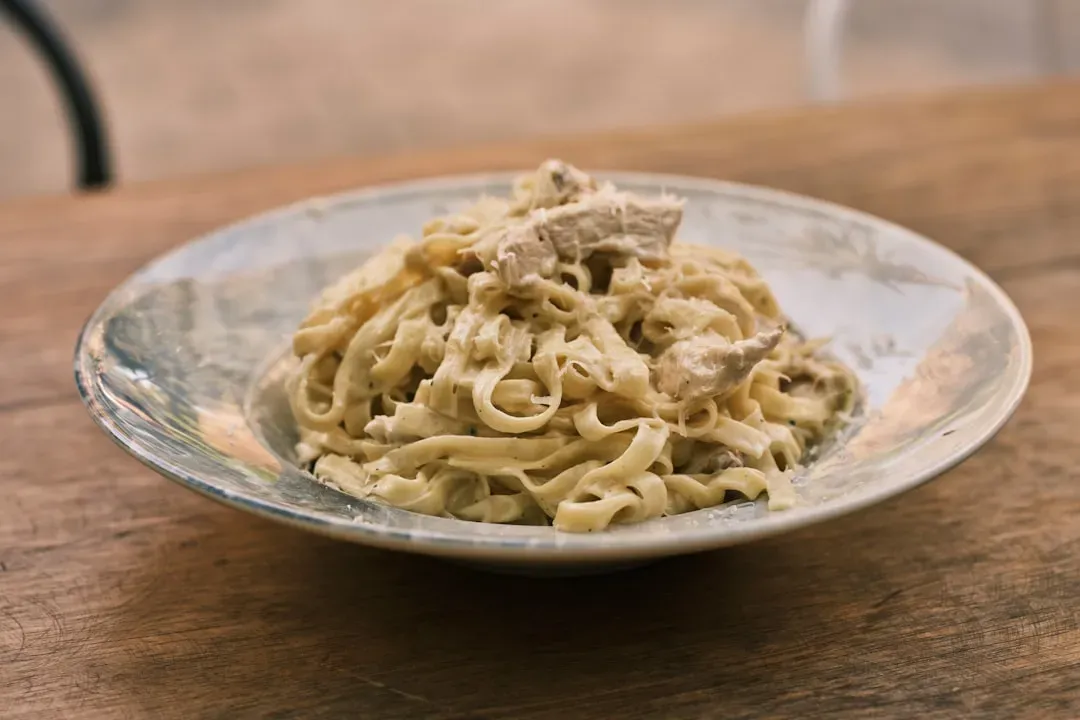
Here’s the thing about Fettuccine Alfredo. The dish is named after Alfredo Di Lelio, a Roman restaurateur who is credited with its creation and subsequent popularization. However, the creamy version Americans love is completely different. Outside of Italy, cream is sometimes used to thicken the sauce, and ingredients like chicken, shrimp, or broccoli may be added, but neither cream nor other additional ingredients are used in Italy, where the dish is rarely called Alfredo outside of Rome. The world-renowned butter and parmesan dish never caught on in Italy, but did morph into a cream-based sauce that dominated in the United States, with the authentic rendition eventually replaced by a sauce enriched with cream, eventually sold in jars and popularized by Olive Garden where shrimp and chicken were added.
Pepperoni Pizza
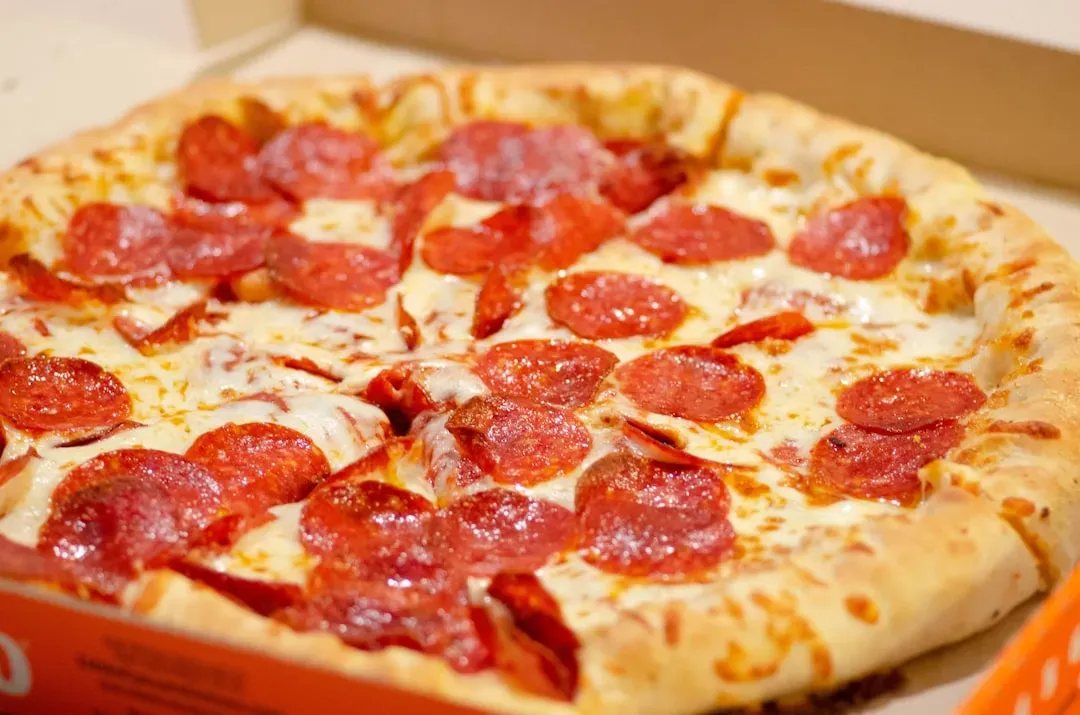
Pepperoni is so American that you can’t even find it in Italy outside of high-profile tourist destinations. Although it looks the part, pepperoni isn’t a traditional type of Italian cured sausage; rather, it was invented by Italians who came to the United States in the early 20th century, with the pepperoni sausage first appearing in Lower Manhattan, New York City in 1919, developed by Italian immigrants who added paprika and a mix of other chili-pepper-based spices to dry salami. If you’re at a pizza shop in Rome, they might know what you mean, but if you ask for pepperoni anywhere else in Italy, you’re more likely to get a plate of sliced bell peppers. The air-dried spicy salami first appeared in Italian-American markets following World War I but didn’t make its debut as a pizza topping until much later, with photographic evidence of a wall menu at a New Haven pizzeria called The Spot pointing to the 1950s.
Caesar Salad
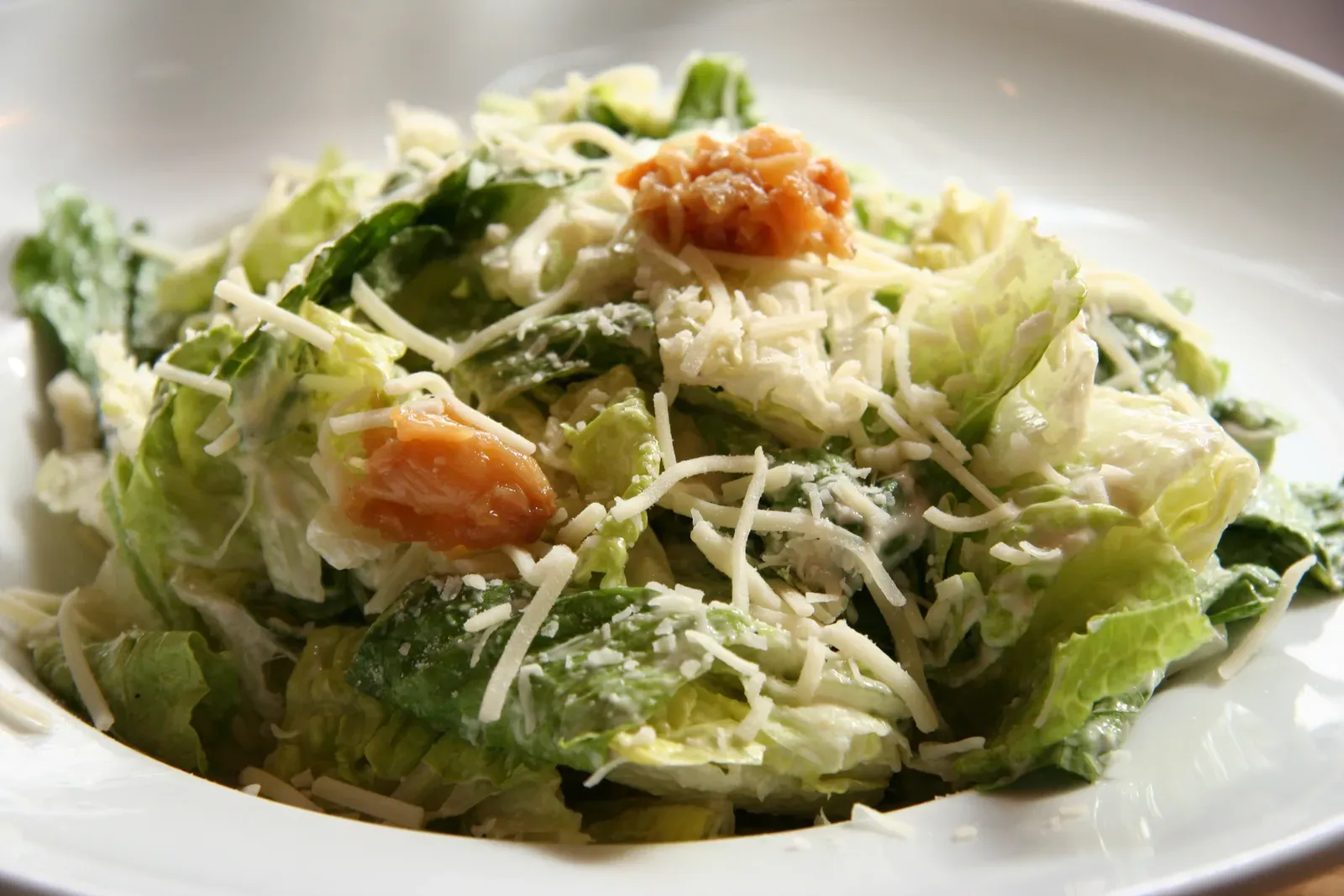
I know it sounds crazy, but one of the most Italian-seeming salads you can order isn’t from Italy at all. The salad was created on July 4, 1924, by Caesar Cardini at Caesar’s in Tijuana, Mexico when the kitchen was overwhelmed and short on ingredients; the salad’s creation is generally attributed to the restaurateur Caesar Cardini, an Italian immigrant who lived in San Diego but ran one of his restaurants, Caesar’s, in Tijuana, Mexico to attract American customers seeking to circumvent the restrictions of Prohibition. His daughter Rosa recounted that her father invented the salad at the Tijuana restaurant when a Fourth of July rush in 1924 depleted the kitchen’s supplies, and Cardini made do with what he had, adding the dramatic flair of table-side tossing by the chef. The dish became a sensation but never originated anywhere near the Italian peninsula.
Chicken Parmesan
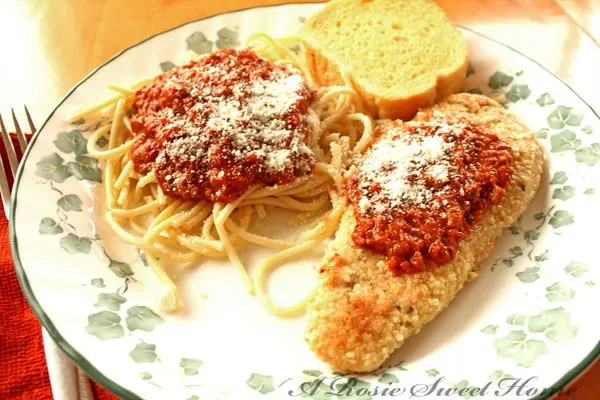
Chicken Parmesan is one of those dishes that feels quintessentially Italian-American, and that’s because it is. The real Italian Parmigiana is the eggplant one, prepared with tomatoes, mozzarella, and basil, but in the United States a version with breaded chicken breast, tomato sauce, and cheese has spread, which has nothing to do with the original Italian recipe. Eggplant parmigiana comes from Sicily and has been reproduced more or less faithfully in America, but Chicken and Veal Parm were invented by immigrants to the United States and Canada, possibly in response to meat being much more affordable than it’d been in the old country. It’s hard to say for sure, but the abundance of meat in America clearly transformed what was traditionally a vegetable-based dish into something meatier and more filling.
Garlic Bread
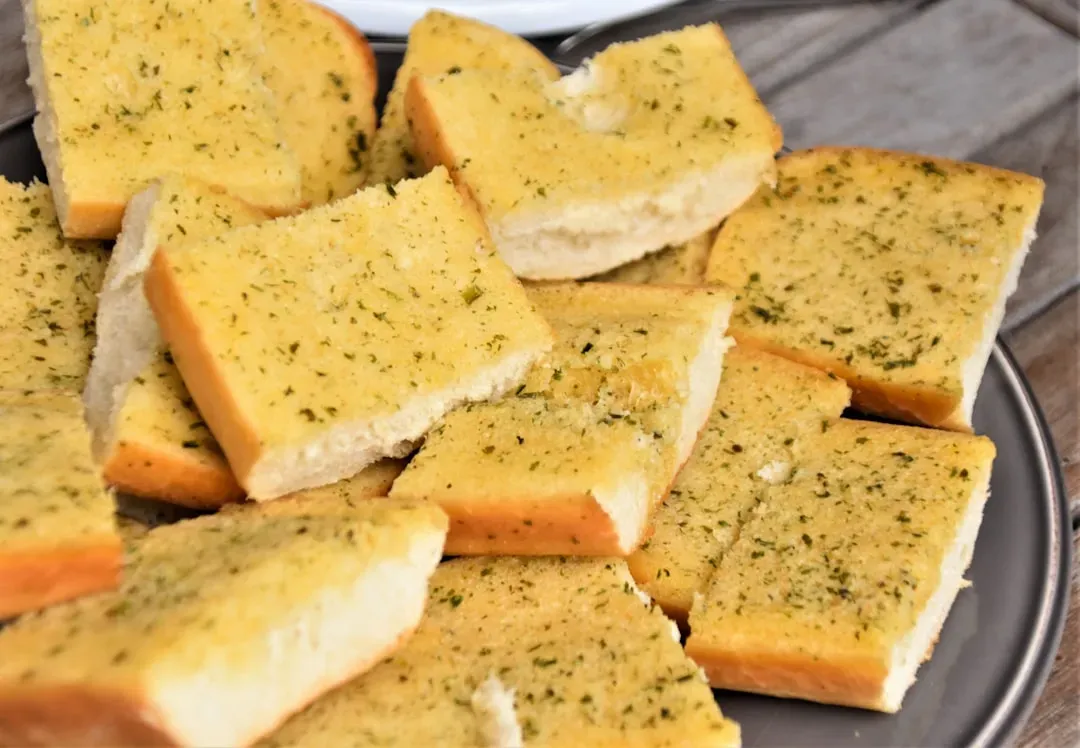
Honestly, garlic bread as we know it is pretty much an American invention. Bread that’s been toasted and then rubbed with oil and seasonings is a real thing in Italy, except it’s done by the slice and called bruschetta; the whole loaf of bread, split and baked with garlic is not as much, and topped with a ton of mozzarella even less so. The buttery, garlicky, cheese-covered version you get at chain restaurants? That’s pure Americana. In Italy, they keep things simple with bruschetta, which is typically rubbed with garlic and drizzled with olive oil, served in modest portions. The concept of slathering an entire baguette with butter, garlic, and melted cheese is about as Italian as apple pie.
Italian Dressing
This one’s a giant nope. There’s not even an Italian recipe that remotely resembles Italian dressing; Italian salads get oil and vinegar applied individually at the table, and this dressing is from Missouri, named most likely for the oregano and garlic usually found in it. In Italy, the traditional condiment for salads is simply olive oil, salt, and sometimes vinegar or lemon juice; what’s known as Italian dressing abroad is actually a type of salad vinaigrette made with vinegar or lemon juice, vegetable oil, chopped peppers, sugar or corn syrup, and a blend of herbs and spices including oregano, fennel, dill, and salt, and this dressing is a North American invention not directly derived from Italian tradition.
Baked Ziti
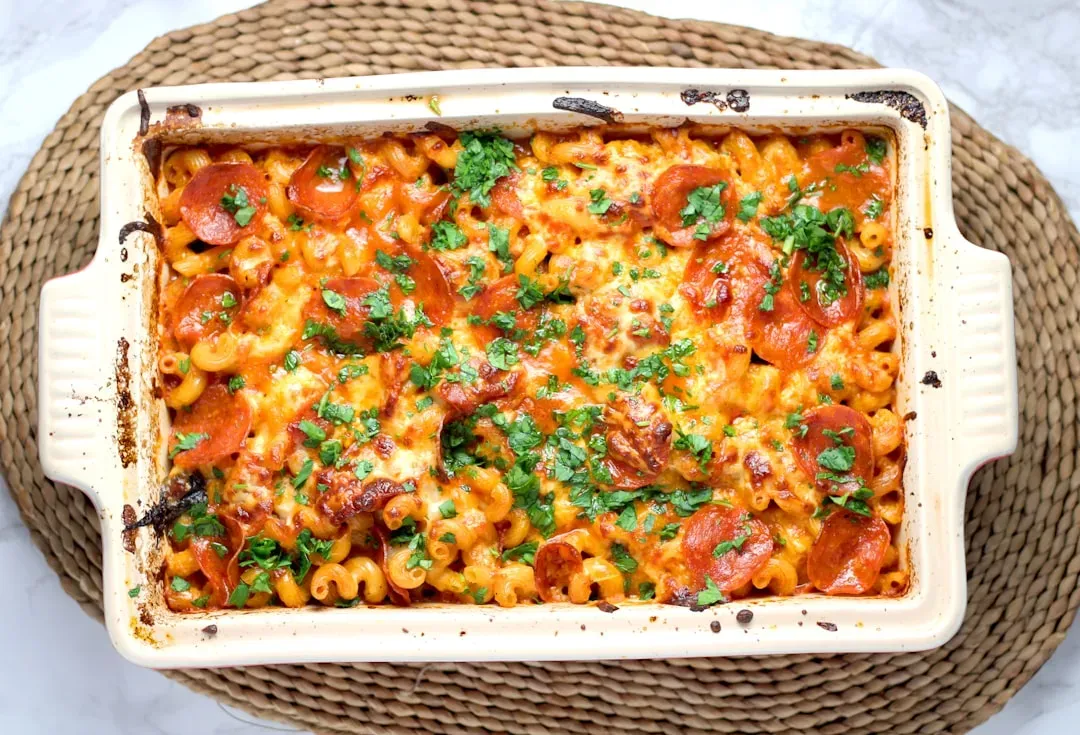
Baked pasta dishes do exist in Italy, no question about it. Baked pasta, known as pasta al forno, has a long and storied history in Italian cuisine, but Baked Ziti specifically with tomato sauce and something ricotta-y is enshrined more as a staple in Italian-American cuisine; it’s not wrong necessarily, but it’s also not canon. The American version tends to be heavier, cheesier, and more indulgent than what you’d typically find in an Italian household. Italian baked pasta dishes are usually more restrained and regional, whereas the Italian-American version became a crowd-pleaser at family gatherings and red-sauce joints across the United States. The dish represents how immigrants adapted their traditional recipes to suit American tastes and available ingredients, creating something both familiar and entirely new.
What did you think of these revelations? Did any of them catch you off guard?