
There’s something thrilling about eating food that could literally kill you if someone messes up in the kitchen. It sounds absurd, right? Yet around the world, people regularly consume dishes that walk a razor-thin line between delicious and deadly. These aren’t obscure ingredients from forgotten corners of the globe. Many are beloved staples, national treasures even, that demand respect and skill from anyone who dares to prepare them. One wrong cut, an impatient cook, or a moment of carelessness can transform a meal into a medical emergency. So let’s dive in.
Table of Contents
Fugu: The Japanese Thrill on a Plate
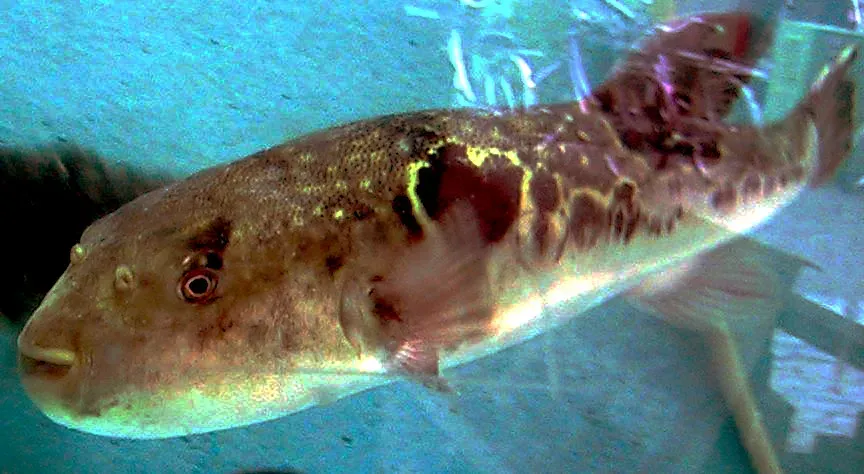
Fugu requires meticulous preparation to prevent contamination with tetrodotoxin, and restaurant preparation is strictly controlled by law in Japan, Korea and several other countries, with only chefs qualified after three or more years of rigorous training allowed to prepare the fish. The stakes couldn’t be higher. The mortality rate for pufferfish poisoning can reach up to 60% for individuals who ingest tetrodotoxin, making this literally a coin flip with death.
According to Japan’s Health Ministry, around 50 people get poisoned by pufferfish each year, with a handful of deaths. Recent incidents paint a grim picture. In March 2023, an elderly woman and her husband in Malaysia died after consuming pufferfish purchased from a fishmonger, and in January 2024, a Brazilian man, 46, died after eating pufferfish given to him by a friend. The Malaysian health ministry said 58 poisoning incidents involving pufferfish consumption, including 18 deaths, were reported in the country between 1985 and 2023. The toxin paralyzes muscles while victims remain fully conscious, unable to breathe, leading to death by respiratory failure. There’s no antidote.
Cassava: The Staple That Hides Cyanide
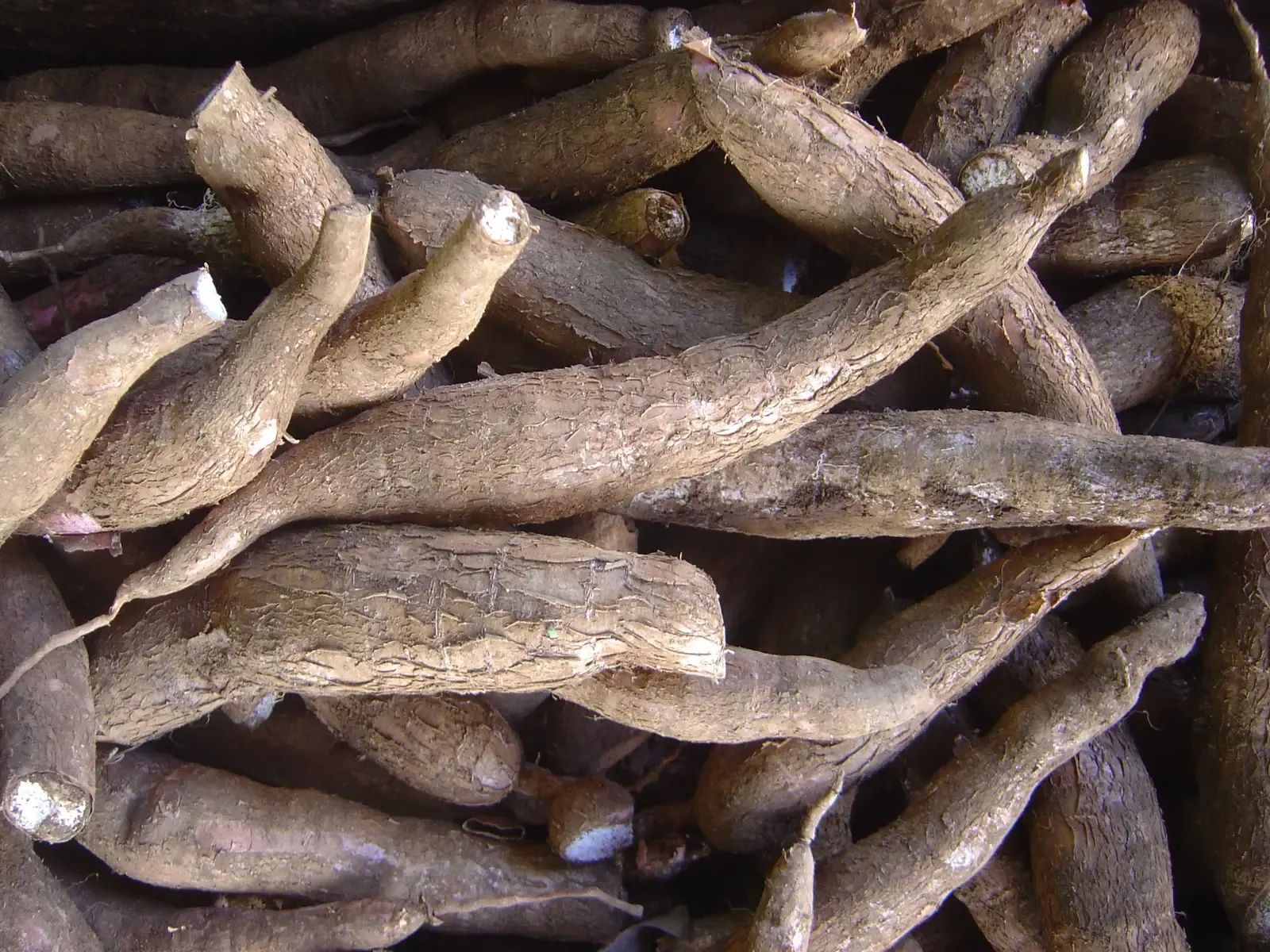
This root vegetable feeds roughly a billion people worldwide, particularly across sub-Saharan Africa. The problem? Cassava contains cyanogenic glycosides, which can result in fatal cyanide poisoning if not properly detoxified by soaking, drying, and scraping before being consumed. The danger is real and recent.
In September 2017, an outbreak of suspected cyanide poisoning related to consumption of cassava flour, involving 98 cases with two deaths, occurred in western Uganda. Cyanide concentration in cassava tubers and products across SSA ranges from 9 to 1148 ppm – most exceed the World Health Organisation’s recommended safe level of 10 ppm. The symptoms are brutal. Clinical signs of acute cyanide intoxication include rapid respiration, drop in blood pressure, rapid pulse, dizziness, headache, stomach pain, vomiting, diarrhoea, mental confusion, twitching and convulsions. Processing matters enormously here. Sweet varieties require peeling and thorough cooking, while bitter varieties demand days of heap fermentation to become safe.
Ackee: Jamaica’s Dangerous National Fruit
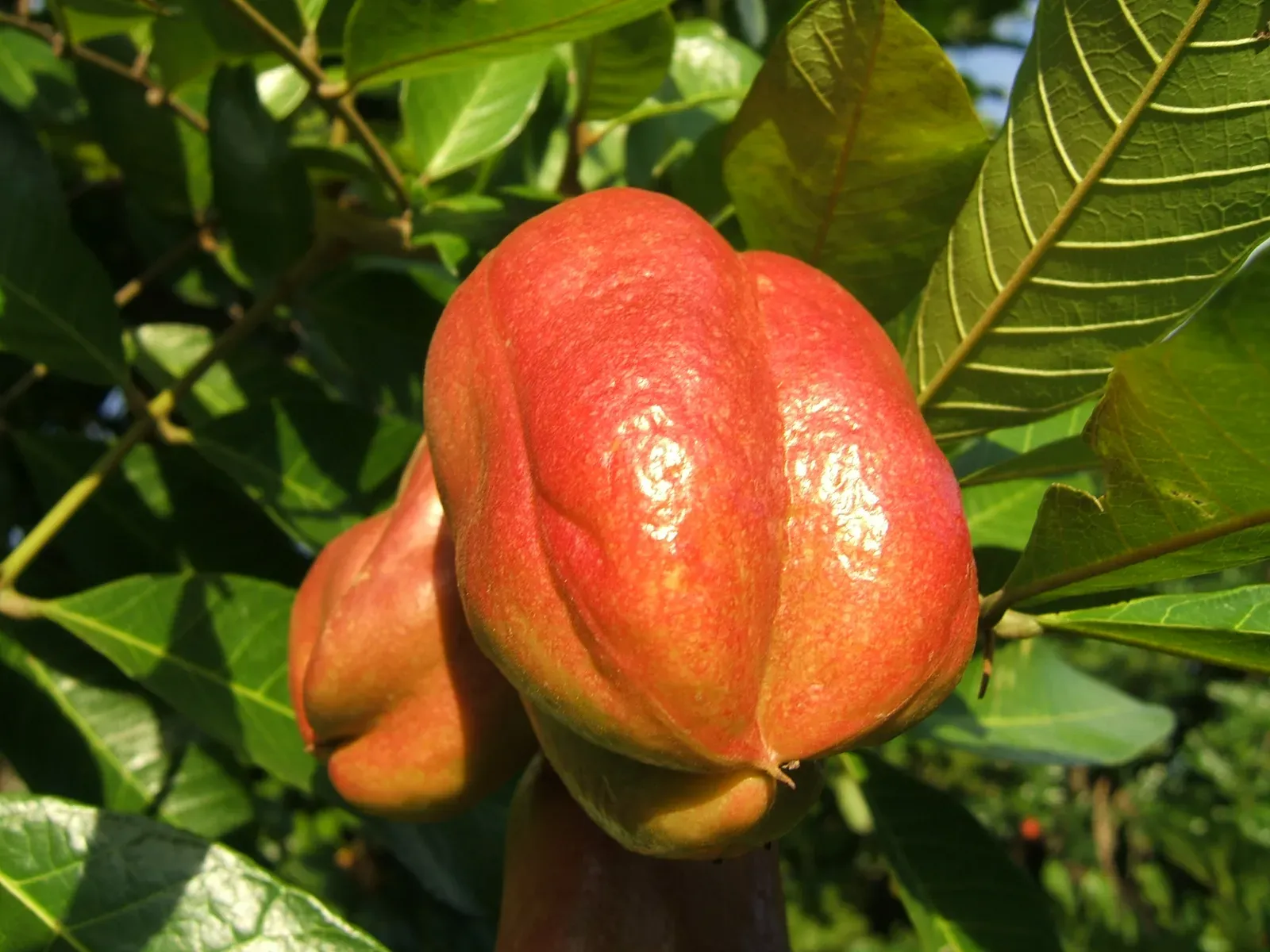
Ingestion of unripe Ackee fruit may result in the metabolic syndrome known as “Jamaican vomiting sickness,” with clinical manifestations including profuse vomiting, altered mental status, and hypoglycemia, with severe cases causing seizures, hypothermia, coma, and death. The timing is everything. Honestly, it’s terrifying how precise you need to be.
A green unripe ackee fruit has high levels of hypoglycin A in all its parts at roughly 1000 parts per million (ppm), and if an ackee fruit has more than 100 parts per million (ppm) hypoglycin A, the FDA considers it to be adulterated and unsafe for people to eat. In March 2023 alone, there were five cases of the illness and one associated death in Jamaica. The toxin wreaks havoc by inhibiting gluconeogenesis and blocking fatty acid metabolism. The onset of hypoglycemia is delayed for a few hours, but once present rapidly progresses, with deaths reported within 12 to 48 hours.
Raw Kidney Beans: The Slow Cooker Trap
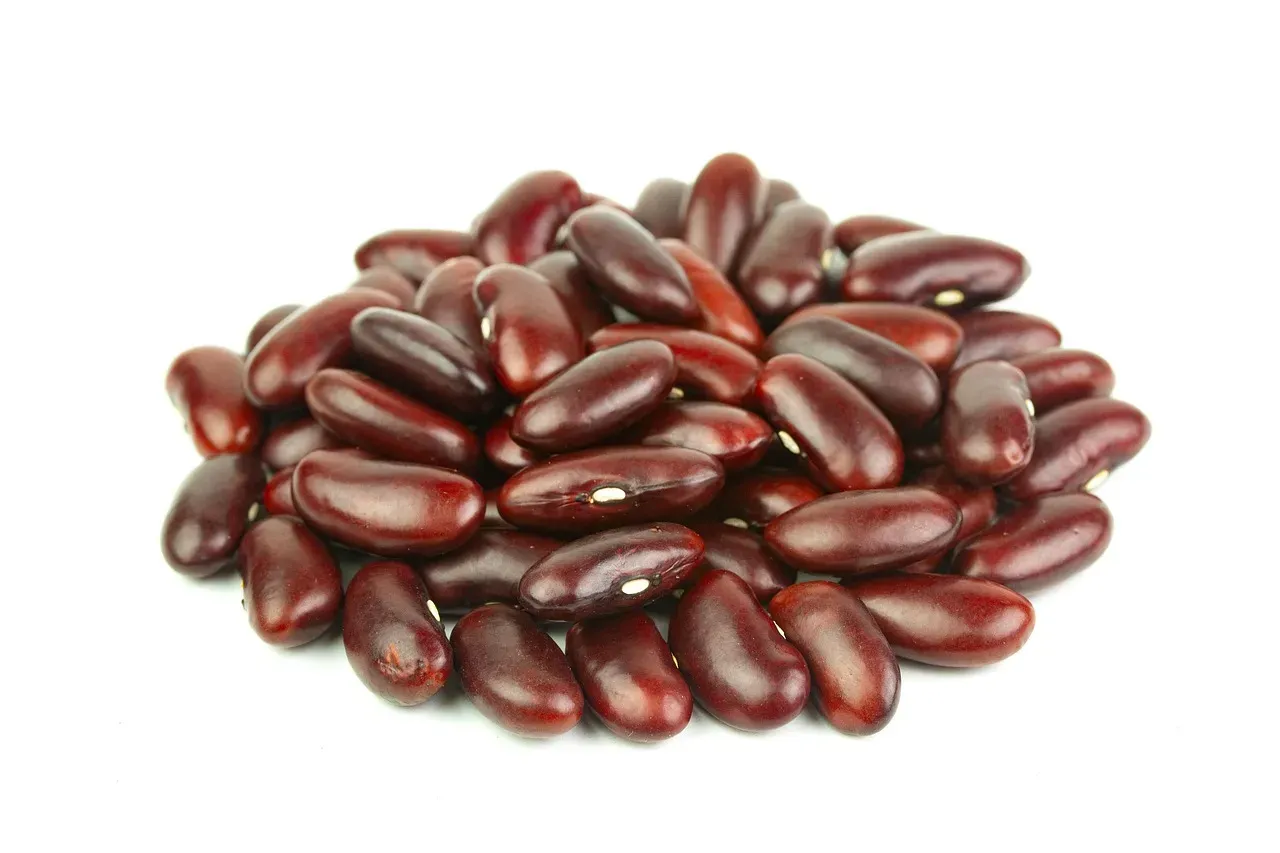
Most people have no clue that their pantry staple could send them to the hospital. PHA is found in the highest concentrations in uncooked red kidney beans and as a toxin can cause poisoning in monogastric animals, such as humans, through the consumption of raw or improperly prepared legumes. The reaction is swift and unpleasant.
Symptoms can be induced from as few as four to five raw beans, usually beginning with extreme nausea and vomiting within one to three hours of ingestion, followed by diarrhea, with recovery usually spontaneous and rapid, occurring within three to four hours after onset of symptoms, although some cases have required hospitalization. Here’s the kicker: slow cookers can actually make things worse. Cooking in a slow cooker may actually make the beans more dangerous because low temperature cooking increases the toxicity. Undercooked kidney beans were behind a large outbreak in France caused by plant toxins, where patients reported that some red kidney beans in chili con carne were hard, signaling improper preparation. Boiling at full heat for at least ten minutes is essential.
Elderberries: The Backyard Hazard
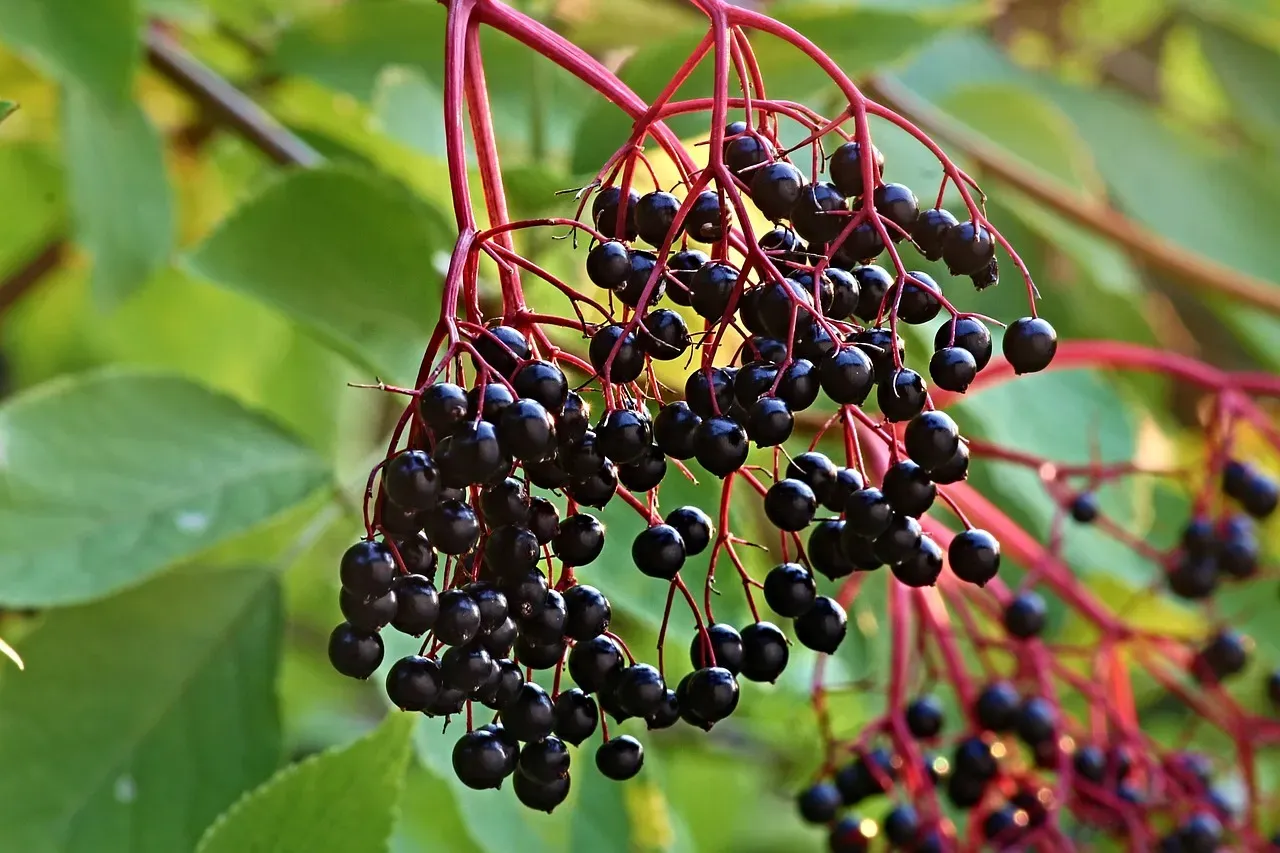
These berries grow wild across North America and Europe, tempting foragers everywhere. The problem is they’re loaded with trouble if you eat them raw. Many varieties of elderberries contain toxic compounds called cyanogenic glycosides, and people consuming improperly prepared elderberry products have been poisoned, so you should always cook elderberries before eating them.
Eating raw elderberries or drinking raw elderberry juice can cause nausea, and in some instances has led to serious illness and hospitalization, with symptoms of cyanide poisoning including nausea and vomiting, abdominal cramps and weakness, with severe cyanide poisoning resulting in dizziness, seizures and even death. The Centers for Disease Control and Prevention did issue a bulletin about a poisoning incident on 26 August 1983 involving a group in California attributed to consumption of juice prepared from fresh wild elderberries along with leaves and stems. Cooking eliminates the risk entirely, as heat destroys the cyanogenic glycosides. Let’s be real, raw elderberries are never worth the gamble.
Sannakji: The Octopus That Fights Back
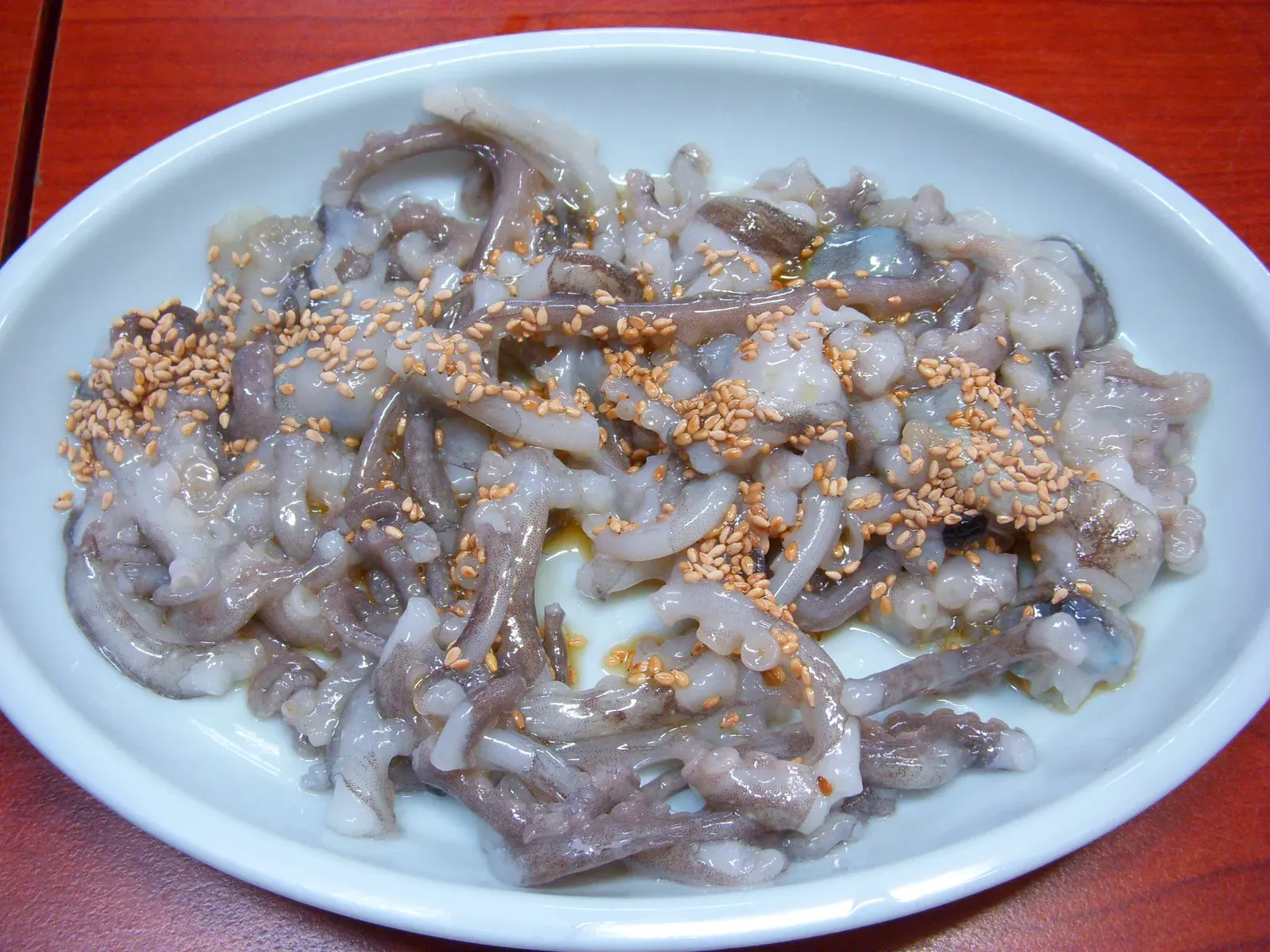
Live octopus is a delicacy in South Korea, served wriggling on the plate. The danger isn’t a toxin but pure physics. The tentacles keep moving even after being cut, and those powerful suction cups can latch onto your throat on the way down. It sounds almost comical until you realize people actually die from this.
The octopus pieces can stick to the mouth or throat, blocking the airway and causing choking. Several deaths occur annually in South Korea from diners who underestimate just how strongly those suction cups can grip. Chewing thoroughly is absolutely essential, yet the cultural appeal lies partly in swallowing the pieces while they’re still squirming. The challenge is exhilarating for some, but for others it becomes a fatal miscalculation. There’s no preparation error here, just the inherent risk of eating something that refuses to go down quietly.
Wild Mushrooms: Nature’s Russian Roulette
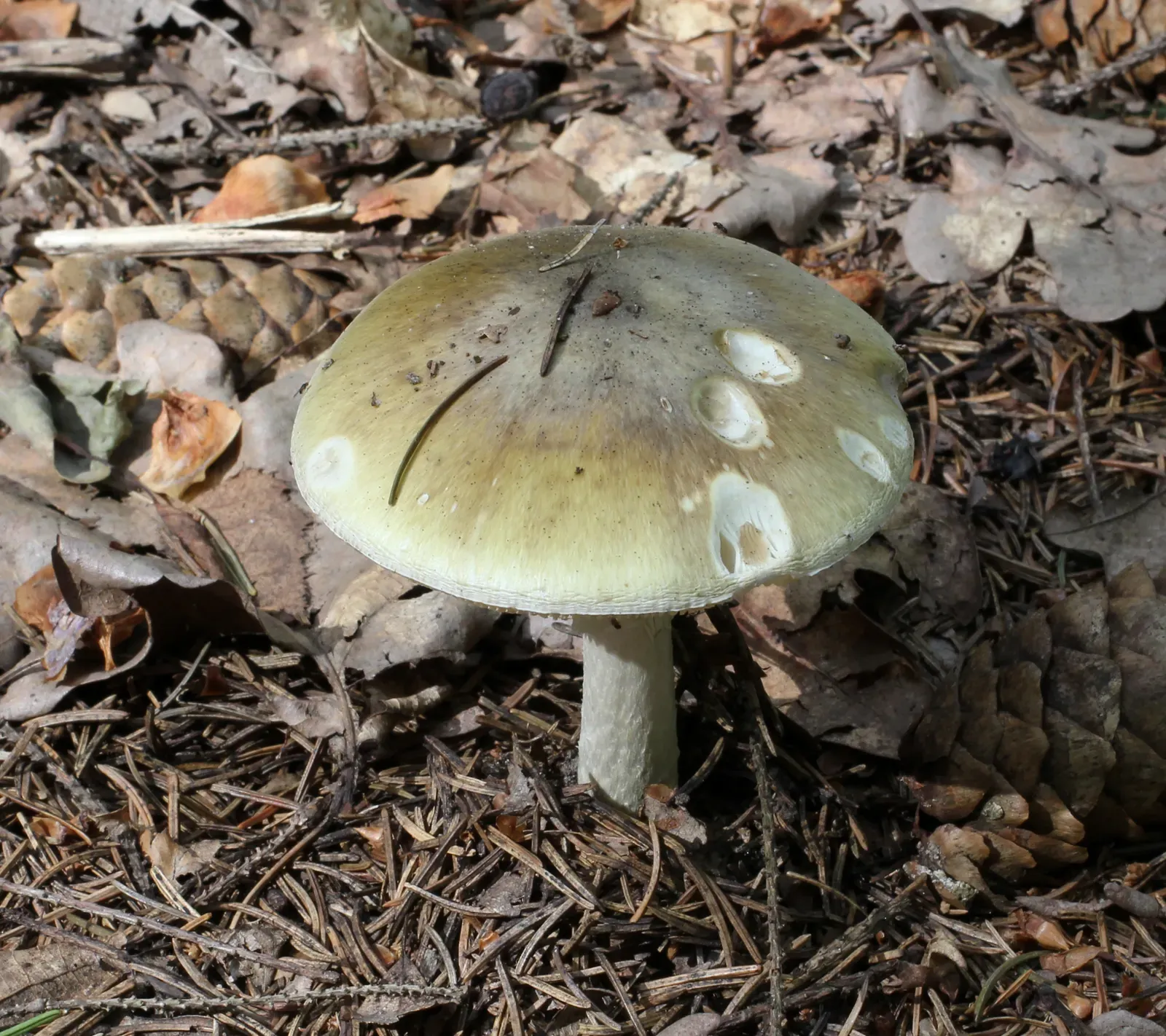
Mushroom foraging has exploded in popularity, but the margin for error is nonexistent. Death cap mushrooms (Amanita phalloides) alone account for the vast majority of fatal mushroom poisonings worldwide. They look disturbingly similar to edible varieties, and just half a mushroom can contain enough toxin to kill an adult.
The toxins in death caps destroy the liver and kidneys, and symptoms often don’t appear until 6 to 24 hours after ingestion, by which point the damage is already severe. Throughout 2023 and 2024, numerous fatal poisonings were reported across Europe, North America, and Australia, often involving experienced foragers who made identification mistakes. There’s no antidote for amatoxin poisoning. Treatment involves aggressive supportive care and sometimes liver transplantation, but survival depends heavily on how quickly medical intervention begins. Honestly, unless you’re an absolute expert with years of training, wild mushroom foraging is a gamble with stakes far too high.
Rhubarb Leaves: The Garden Killer

The stalks are perfectly safe, tart and delicious in pies. The leaves, though, are packed with oxalic acid and anthraquinone glycosides that can cause serious harm. Most people know not to eat them, yet poisonings still happen, usually from someone making tea or soup with the wrong part of the plant.
Oxalic acid binds to calcium in the body, potentially causing kidney damage, and the anthraquinones irritate the digestive tract severely. Symptoms include nausea, vomiting, diarrhea, difficulty breathing, and burning sensations in the mouth and throat. Severe cases can lead to kidney failure and seizures. The lethal dose of oxalic acid is estimated at around 25 grams, which could be present in several pounds of rhubarb leaves depending on the variety and growing conditions. It’s less commonly fatal than some other items on this list, but the potential for serious harm is absolutely there. The simple rule: stick to the stalks, and compost the leaves far away from the kitchen.
What do you think? Would you dare to try any of these if given the chance? The line between culinary adventure and medical emergency is thinner than most of us realize.