
Table of Contents
The Foundation of Flavor: When Hunger Meets Heritage
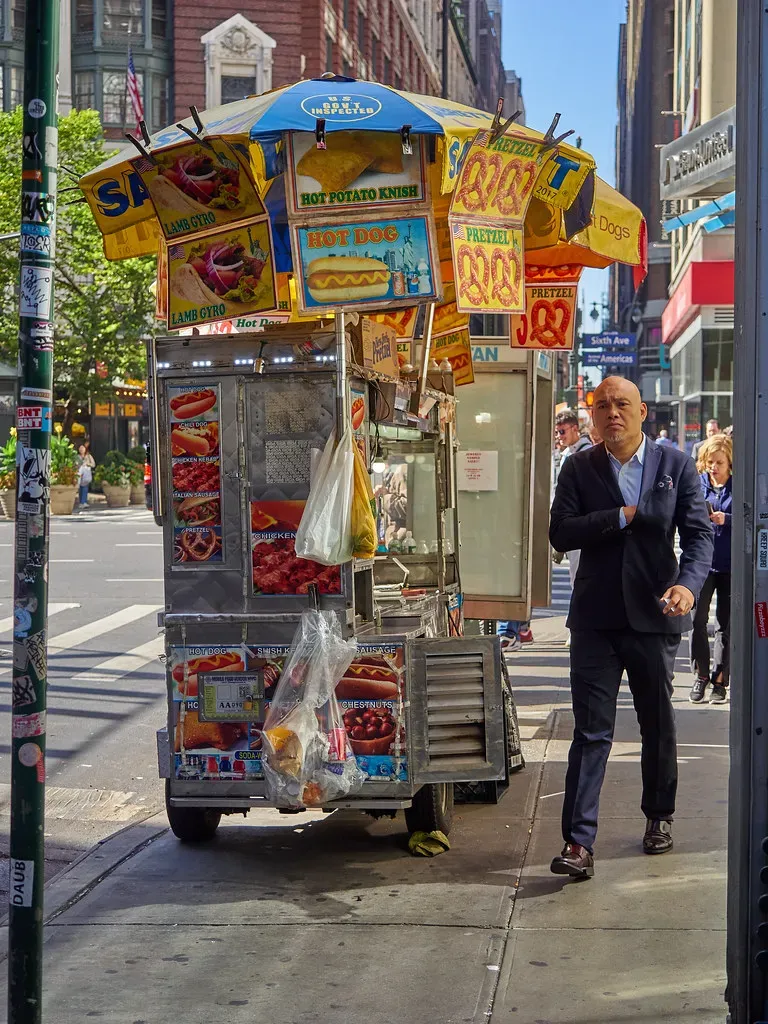
Walking through New York City, it’s hard not to notice the smells that drift from tiny storefronts and crowded food carts. There’s something about a five dollar meal that tastes like it came from someone’s grandmother’s kitchen. The reality is simpler than you’d think. As of 2019, there are 3.1 million immigrants in New York City, accounting for 37% of the city population and 45% of its workforce. These numbers tell only part of the story, though.
The truth is, immigrant cooks didn’t set out to revolutionize budget dining. They just brought what they knew. A Bangladeshi woman rolling dough in Jackson Heights isn’t thinking about culinary trends. She’s thinking about feeding people the way her mother taught her. Still, that authenticity created something remarkable across the five boroughs.
Queens: The Global Kitchen Nobody Expected
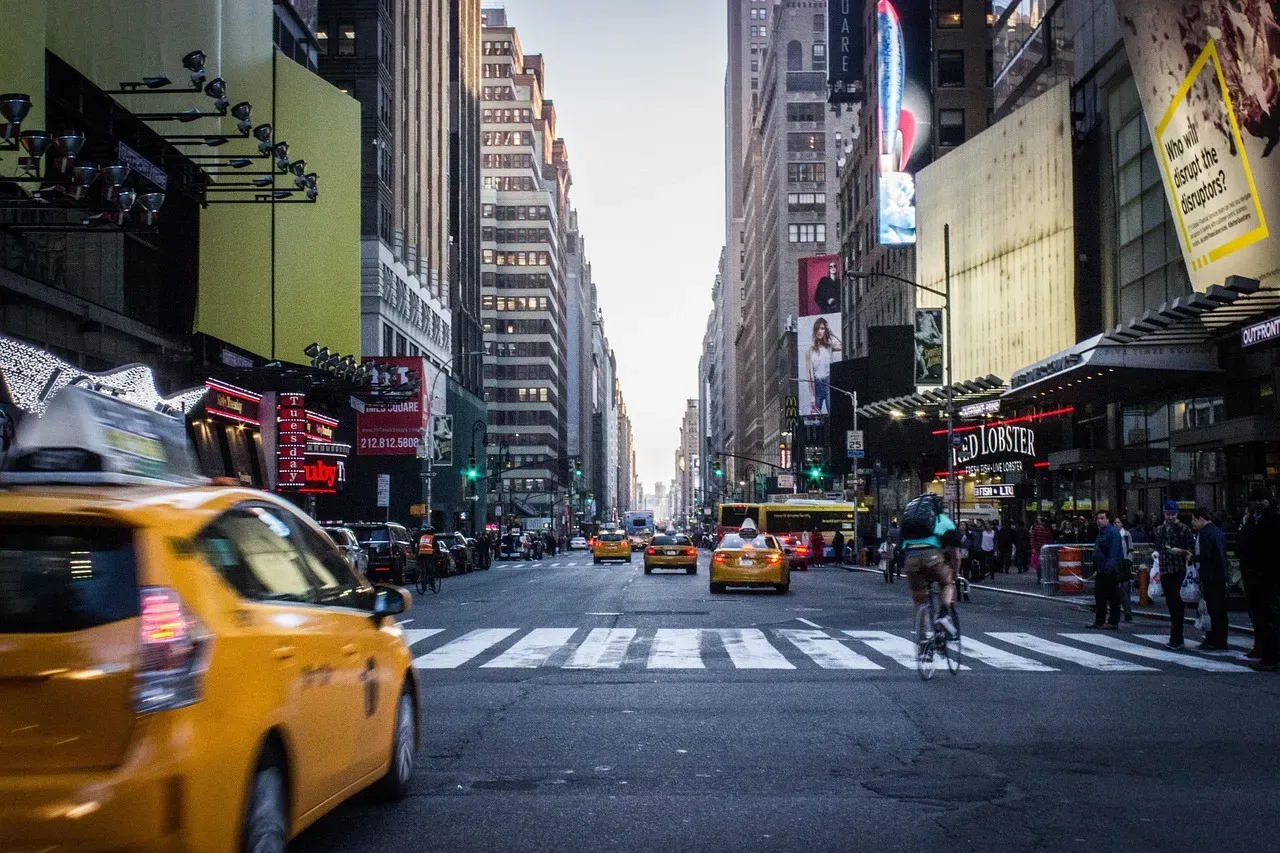
Jackson Heights in Queens is the epicenter of South Asian culture in NYC, with the neighborhood bustling with restaurants offering everything from spicy curries to savory chaats. Let’s be real, this isn’t some polished food hall experience. It’s messy, crowded, and absolutely electric. Jackson Heights reflects remarkable multiculturalism, home to Little Colombia, Little Tibet and Little India, with around 63% of the population foreign born and 167 different languages spoken.
You can grab momos for less than the cost of a subway swipe. The Vietnamese restaurants along Roosevelt Avenue have lines out the door during lunch, not because of some Instagram hype, but because the food is genuinely incredible. Bánh Anh Em has been a sensation from day one, with chef Nhu Ton and restaurateur John Nguyen making nearly everything in house, from the crackly baguettes for the bánh mì to the smooth rice flour sheets for the bánh cuốn.
Chinatown’s Evolution: Beyond the Tourist Traps
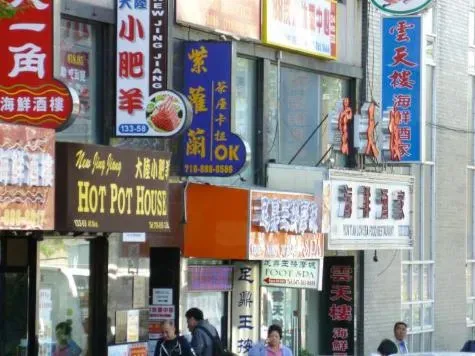
Italian and Chinese immigrants were attracted to Little Italy and Chinatown in the late 1800s, but in the 1960s, as Italians stopped coming in large numbers, Chinese immigrants did the opposite, hence Little Italy gradually shrank as Chinatown gradually grew. Honestly, this shift tells you everything about how immigrant communities reshape the city’s food landscape. What tourists see on Canal Street barely scratches the surface.
The real action happens in Flushing now. Flushing, Queens, is synonymous with authentic Chinese cuisine, with the neighborhood rivaling Manhattan’s Chinatown with its incredible array of regional specialties. At the New World Mall food court, vendors serve hand pulled noodles and dumplings that would cost triple anywhere else. This isn’t charity. It’s competition driving down prices while quality stays sky high.
Street Vendors: NYC’s Original Food Entrepreneurs
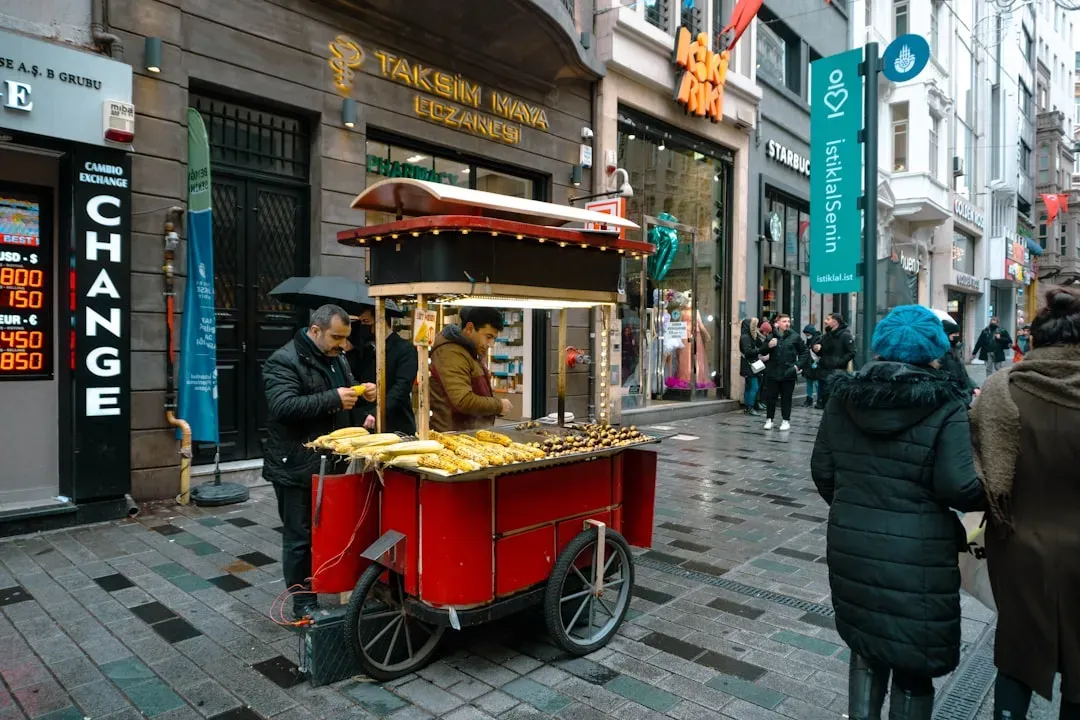
The overwhelming majority of street vendors in New York are immigrants, with 96 percent born in a country outside of the United States, while the U.S.-born share represents only 4 percent. These aren’t people playing around. Among food vendors, 27% are undocumented immigrants, with the largest percentages coming from Mexico, Ecuador, and Egypt. They’re running businesses with almost no safety net, facing incredible pressure from enforcement.
The number of NYPD tickets to vendors in 2024 was five times higher than in 2019, and twice as many as in 2023 when police issued about 4,213 tickets. Despite this crackdown, vendors keep showing up. They serve tacos, arepas, and kebabs for prices that make eating out accessible to everyone, not just the wealthy. New York has papers documenting how the city has been cracking down on the immigrant street vendors who feed us hot, delicious meals for fair prices.
The Economic Reality Behind Affordable Plates
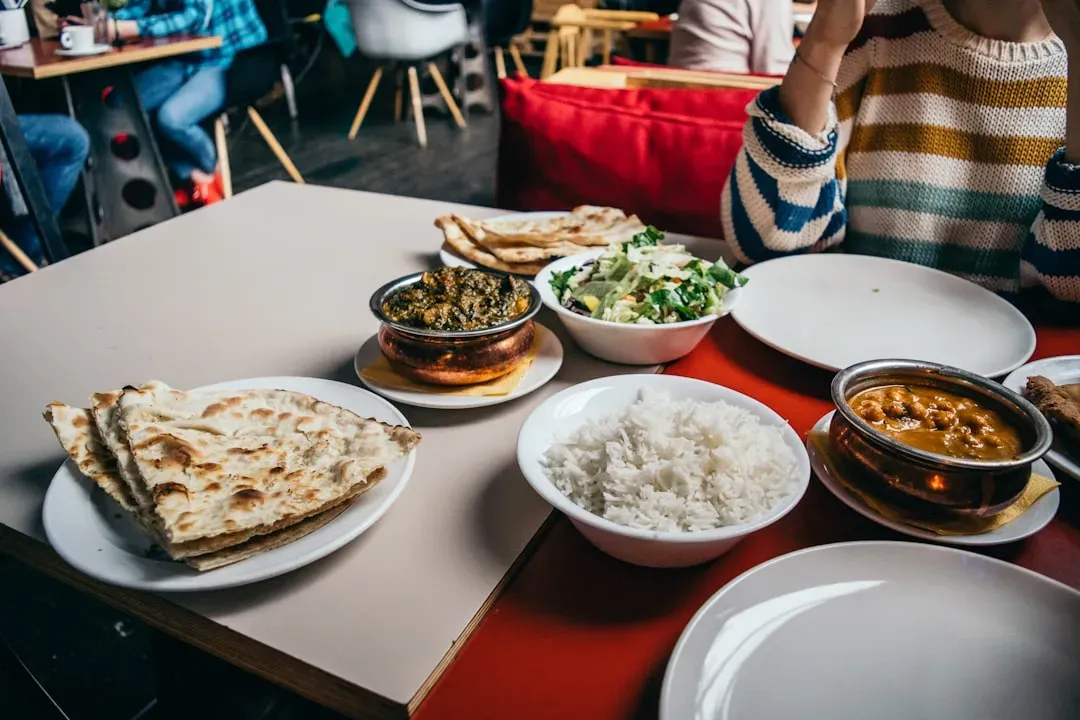
Immigrant restaurateurs play a crucial role in the local economy through tax contributions, entrepreneurship, and job creation. Here’s what people miss about cheap eats. Low prices don’t mean low standards or exploitation. Often it means family labor, shared kitchens, and razor thin margins that corporate restaurants couldn’t survive on.
Immigrant entrepreneurs make up 22.6 percent of all entrepreneurs nationwide, representing one third of entrepreneurs in the accommodations and food service sector. These restaurant owners work longer hours than almost anyone else in the city. They’re not trying to build empires. They’re trying to build stability, one meal at a time. The side effect? Affordable food that feeds construction workers, students, and everyone else watching their wallets.
Brighton Beach and Beyond: Eastern European Comfort on a Budget
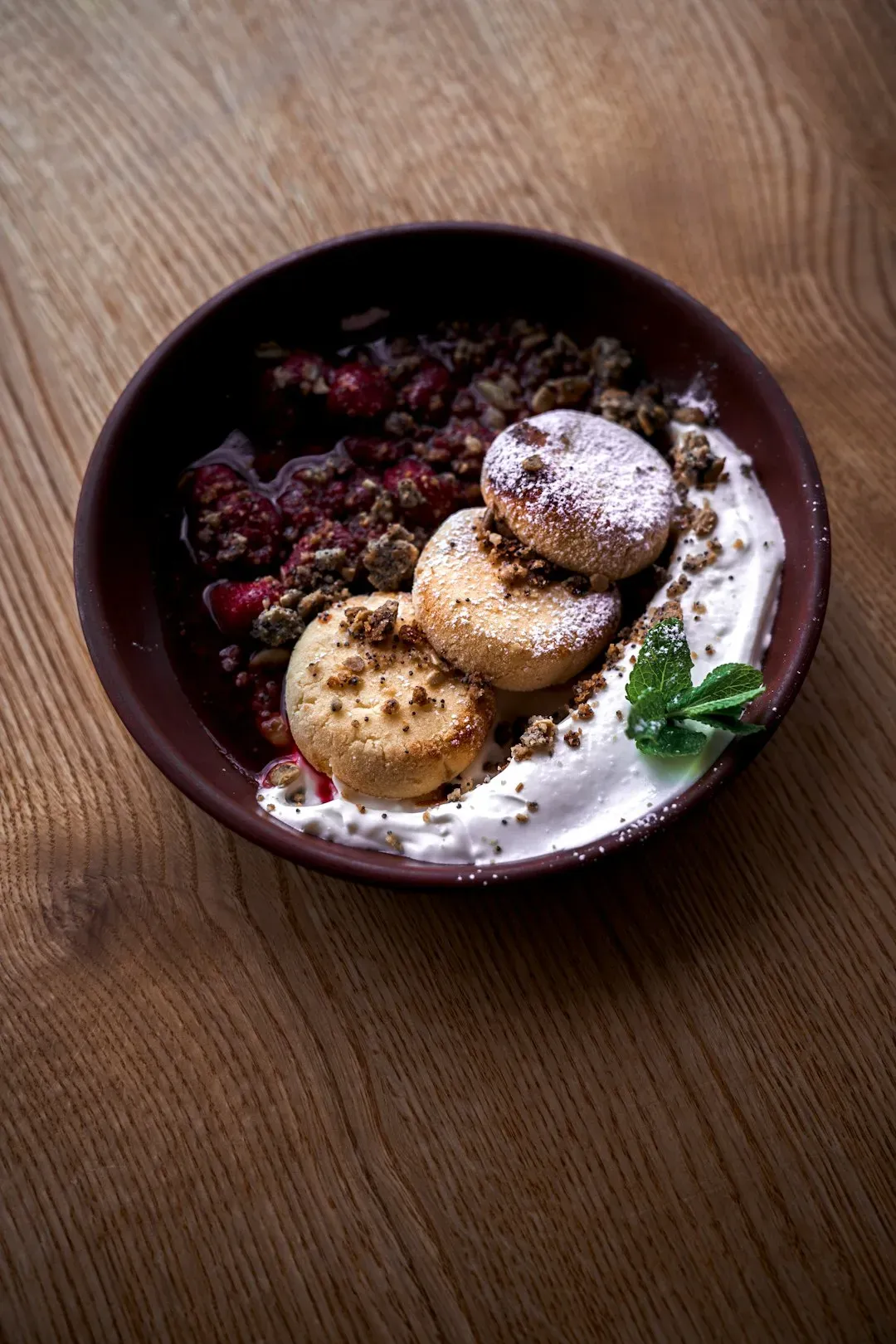
The modern Russian Brighton is a mini USSR where you can buy Ukrainian sweets, CDs of hits from the 80s, and Uzbek herbs, with restaurants serving Ukrainian, Russian, Georgian or Uzbek cuisine like khachapuri, Russian salad, borsht, dumplings, pilaf and okroshka, with 84% of Brighton Beach Brooklyn residents being emigrants from Russia, Ukraine, and Uzbekistan. It’s hard to find a meal over ten dollars if you know where to look.
The Georgian restaurants serve khinkali that could feed you for two days. Russian tea rooms offer full spreads with salads, soups, and mains that cost less than a single appetizer in Midtown. This abundance stems from community focused business models where regulars matter more than one time diners.
Washington Heights: Dominican Food as Cultural Anchor
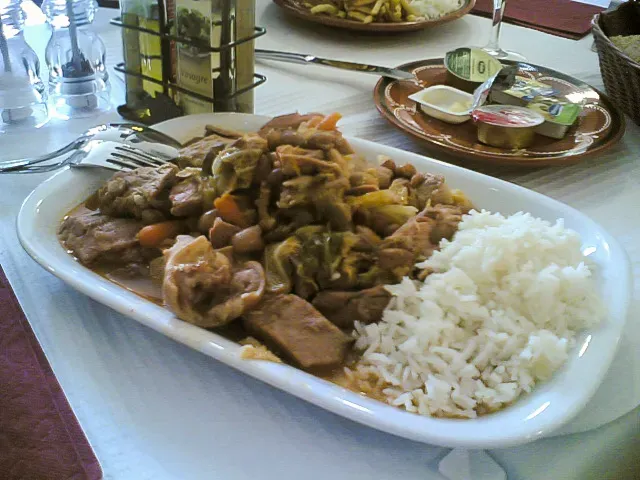
The Washington Heights area was considered an Irish quarter a hundred years ago, then chosen by Jewish refugees after World War II, and is now considered Dominican, with flags of the Dominican Republic everywhere, mostly Spanish heard on the streets, and restaurants offering authentic Latin American cuisine. The mofongo here isn’t fusion or elevated. It’s the real thing, served in portions that require a to go box.
As of the 2021 American Community Survey, Dominicans were among the largest ethnic groups, and as of 2023 Dominicans were the largest Hispanic group in the city and the largest self identified ethnic group in Manhattan. Their restaurants reflect that presence. You can eat a full meal with rice, beans, meat, and plantains for roughly what a sad desk salad costs downtown. It’s honest food that reminds people of home while feeding the neighborhood.
The Future of Immigrant Led Budget Dining
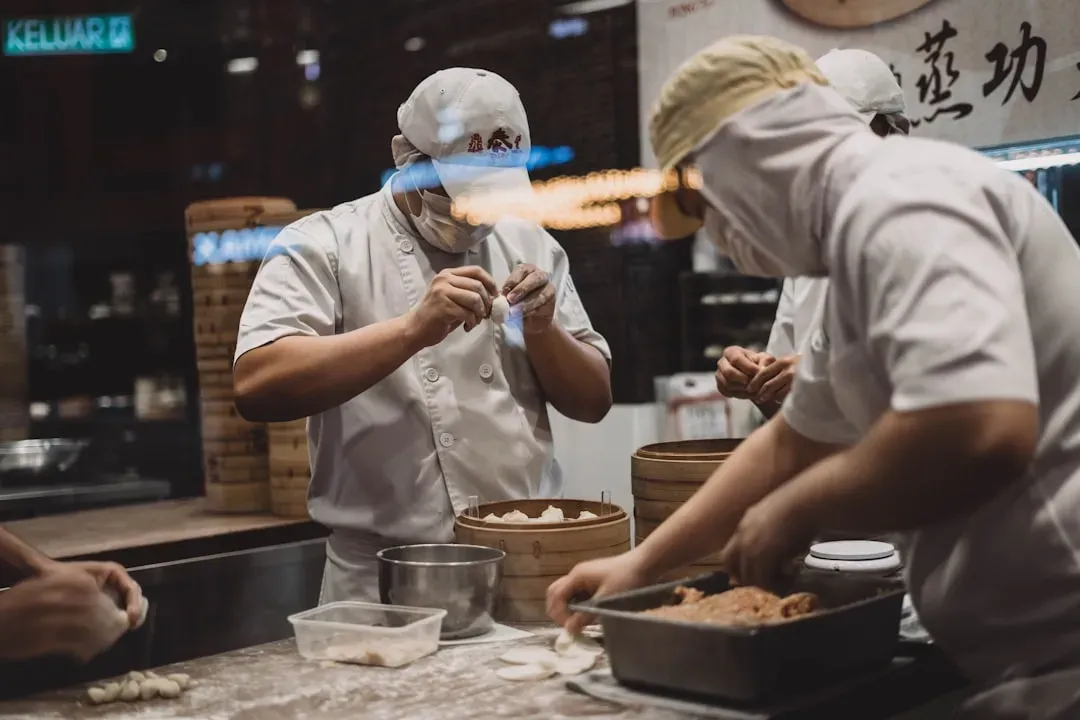
In New York City, 60% of restaurant and food service workers are foreign born, and it’s likely that one in five are undocumented, according to the Mayor’s Office of Immigrant Affairs in 2023. This dependency cuts both ways. The city relies on immigrant labor to keep restaurants running, yet enforcement threatens the very people who make the food ecosystem work. Roughly 4,800 restaurant workers have left the city since March 2025 due to immigration crackdowns, resulting in fewer hands in the kitchen, shorter hours, reduced menus, and in some cases, closures.
Despite the challenges, new restaurants keep opening. In 2023, New York City saw more restaurant openings than any other urban center with 4,739 additions. Many of these are immigrant owned spots offering affordable meals. The question isn’t whether immigrant communities will continue shaping NYC’s food scene. They will. The question is whether the city will support them or continue making it harder to operate. What’s certain is this: without immigrant cooks and entrepreneurs, New York’s legendary budget dining would simply disappear. Did you ever stop to think about who’s really feeding this city?