
Walk into any professional kitchen and you’ll quickly learn that what a chef refuses to buy often matters more than what ends up in the shopping basket. After two decades behind the stove, experience sharpens your instincts about quality, value, and what truly belongs in a recipe – and what doesn’t. These six grocery items aren’t just minor inconveniences; they’re culinary shortcuts that cost more and deliver less, and the science increasingly backs that judgment up.
Table of Contents
1. Pre-Shredded Bagged Cheese
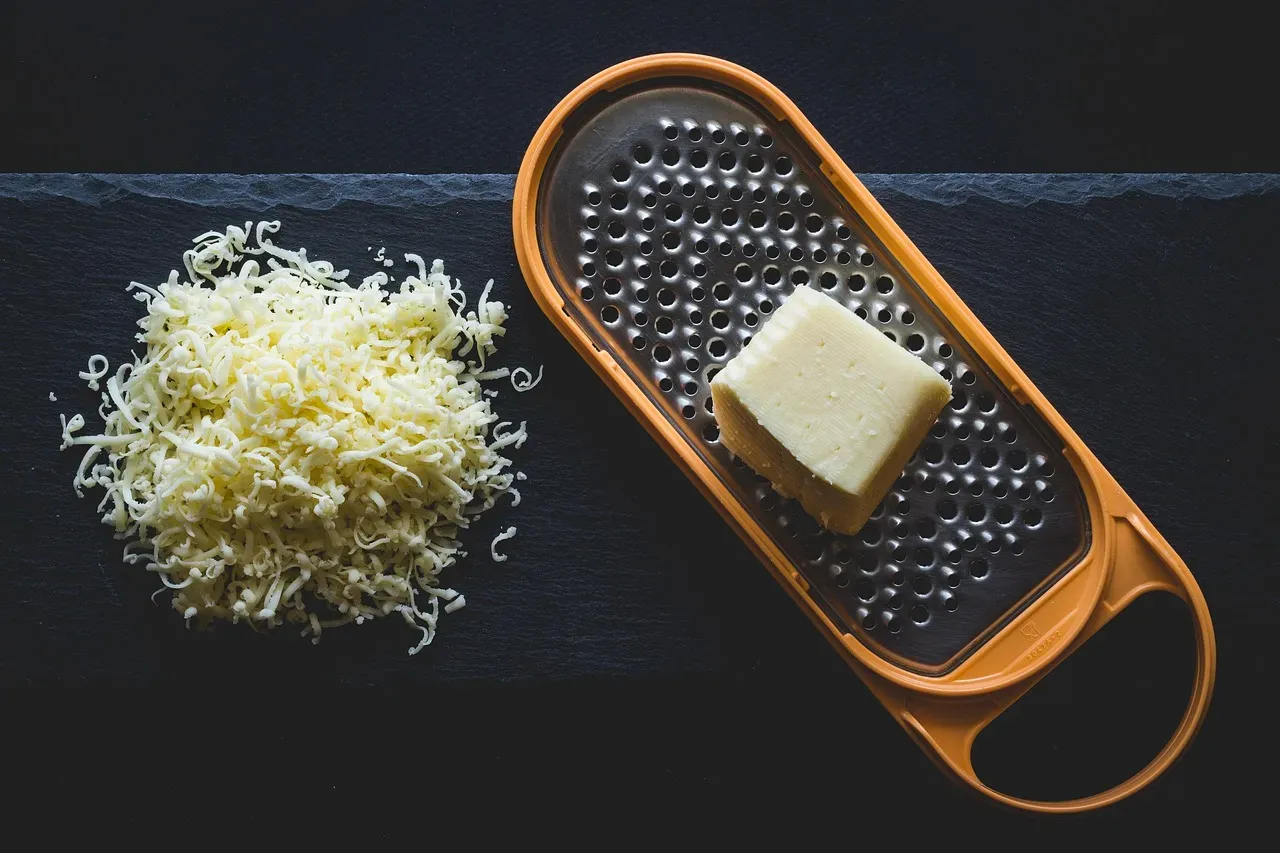
Many commercially shredded cheeses contain small amounts of cellulose, usually cellulose powder or microcrystalline cellulose, used as an anti-caking and anti-clumping agent. Many cheese products, including those by leading shredded-cheese maker Kraft-Heinz or those sold as store brands at Walmart and Albertsons, contain up to 9 percent cellulose. That number should give any serious cook pause, especially when the whole point is to melt cheese into a sauce or onto a pizza.
The primary function of cellulose is to prevent caking by forming a barrier and soaking up any water inside the packaging that might cause the cheese to clump – and this is one reason why some pre-shredded cheeses don’t melt, as the addition of cellulose works to keep the shreds separate. The additives and preservatives used in shredded cheese “can slightly affect the flavor, making it less fresh tasting than freshly grated cheese to some people.” Buying a block and shredding it yourself takes two minutes and produces a completely different result – in taste, melt, and culinary integrity.
2. Bottled Salad Dressings
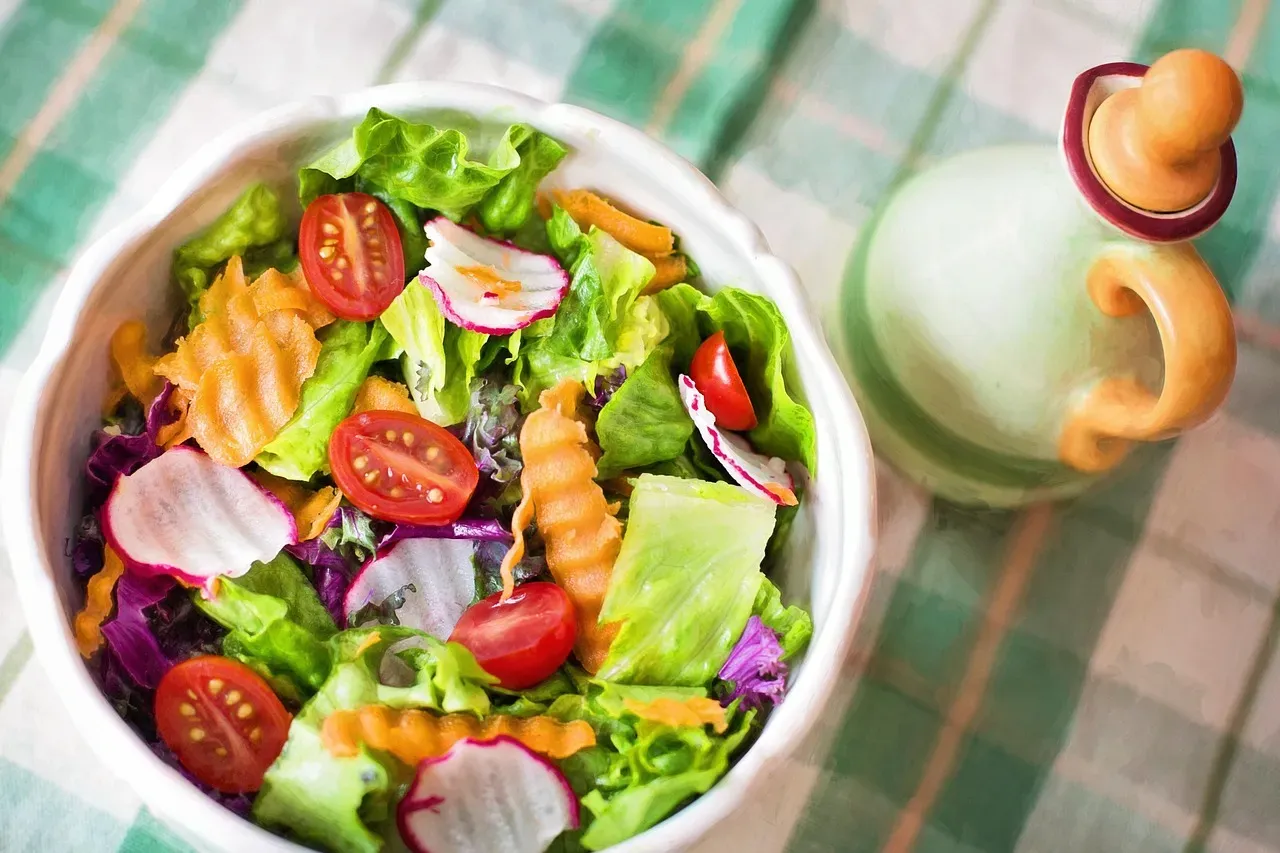
Many store-bought salad dressings contain ingredients such as added sugar and chemical preservatives that can take away from the health benefits of the salad. “Some dressings have 300–500 mg of sodium per 2 Tbsp – that adds up quickly if you’re eating salad often.” For a chef, pouring this kind of product over carefully sourced greens feels like a contradiction in terms.
Many dressings found in the grocery store use color additives linked to health harms, like titanium dioxide, which can damage DNA and which the European Food Safety Authority has said is no longer safe for human consumption. Other food additives frequently found in salad dressings are the synthetic dyes Red 40 and Yellow 5, both of which have been shown to make children vulnerable to hyperactivity and other behavioral problems. The best alternative is to make dressing from scratch – in fact, a homemade vinaigrette comes together in minutes. A ratio of two parts good olive oil to one part acid, with a pinch of salt and some Dijon, beats any bottle on the shelf.
3. Bouillon Cubes
Commercial bouillon contains 800–1,500 mg sodium per cup when reconstituted – up to five times more than homemade stock. A single Knorr cube has 1,180 mg sodium, exceeding half the American Heart Association’s daily limit. In a professional kitchen, this kind of uncontrolled sodium load makes it nearly impossible to season a dish with precision. Stock is control; bouillon is chaos in cube form.
Most commercial bouillon contains no actual meat or bones. Ingredients typically list salt, hydrolyzed protein, corn syrup solids, and artificial flavors. Stock comes from simmering bones with vegetables and aromatics for several hours; as the bones cook down, they release collagen, which gives stock its body and slightly silky texture. Chefs often rely on stock when they want richness without heavy seasoning. Freezing homemade stock in portions is one of the simplest habits that separates a good cook from a great one.
4. Pre-Cut and Pre-Packaged Vegetables
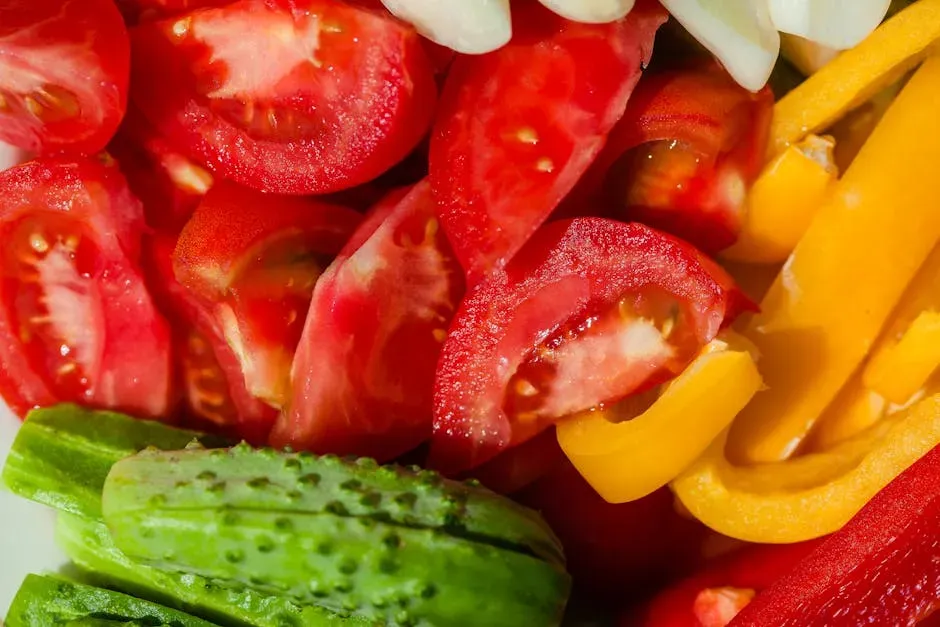
These convenience items are actually some of the highest-markup items at the grocery store. You’re paying significantly more for someone else to chop your vegetables – tasks that take just minutes at home. Pre-cut produce also loses nutrients faster and has a shorter shelf life. From a purely economic standpoint, you are paying a premium for something that is already in decline the moment it hits the shelf.
Vegetables are made up of cells, and cutting can open up those cells and disturb what lies inside. Carrots, for example, contain a group of chemicals known as polyacetylenes; one of those chemicals, falcarinol, has been linked in a rat study with a reduction in cancer risk. To see how polyacetylenes were affected by preparation methods, researchers cut carrots into disks, batons, or left them whole during cooking – and they found that carrots left whole retained the most polyacetylenes. The knife work takes a few minutes at home. The nutritional cost of skipping it is harder to measure, but it’s real.
5. Pre-Mixed Spice Blends and Seasoning Packets
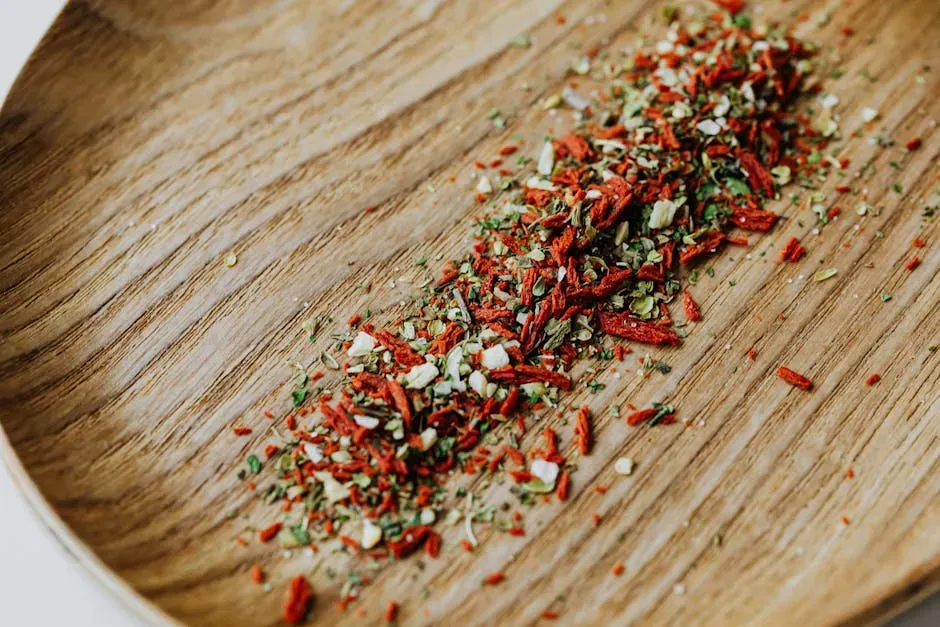
Those convenient spice mix bottles promise chef-level flavor, but they’re often packed with excess salt, preservatives, and fillers. You’re paying a premium for something you can easily make yourself with basic spices. Creating your own spice blends lets you control the flavor profile and sodium content while using fresher ingredients. This is one of the most fundamental lessons taught in culinary school – your seasoning is your signature, and handing that over to a factory defeats the purpose entirely.
Flavor enhancers like monosodium glutamate or glutamates are common in packaged seasonings. Fats come in small amounts from dehydrated meat or oils in some varieties. Sugar and starches are sometimes used as binders or carriers. Preservatives and additives such as hydrolyzed vegetable protein, yeast extracts, artificial flavors, colorants, and anti-caking agents appear in many formulations. A well-stocked spice rack with whole or freshly ground individual spices will always outperform any foil packet, both in flavor depth and ingredient transparency.
6. Pre-Marinated Meats
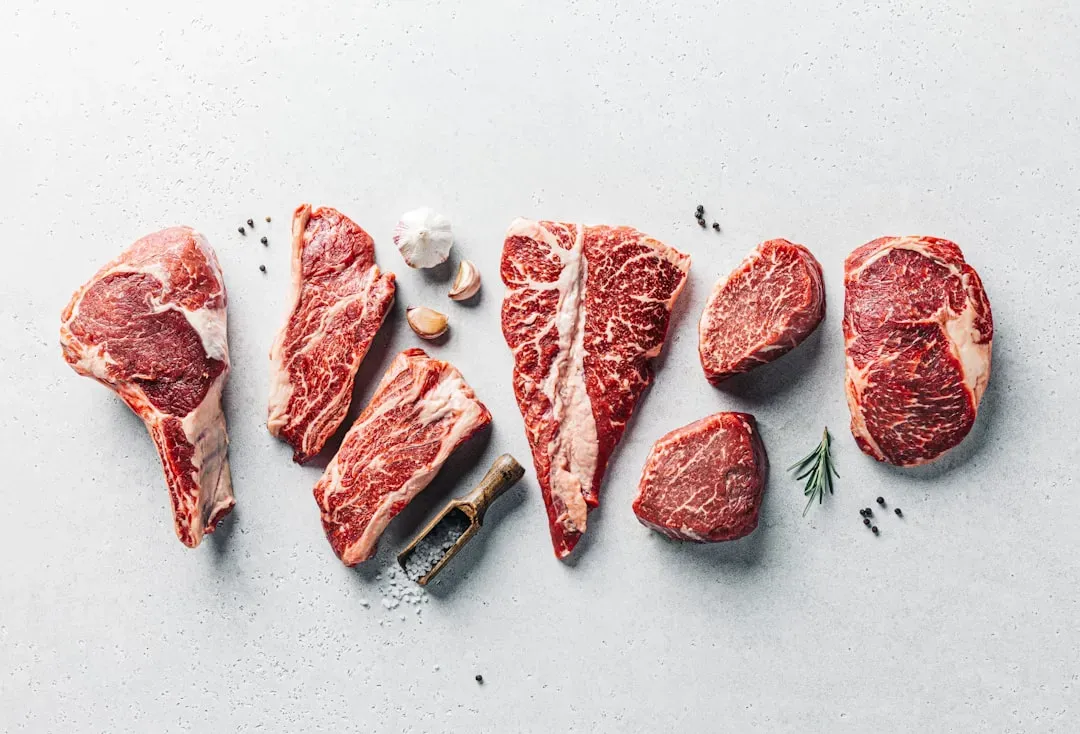
Pre-marinated meats often contain excessive sodium and additives. What supermarkets don’t advertise is that pre-marination is frequently a technique used to extend shelf life or mask the quality of the underlying protein. A chef always wants to see and smell raw meat in its natural state before committing to it – marination before purchase removes that ability entirely.
Most store-bought marinades and seasonings often contain high levels of sodium, added sugar, damaged oils, and additives like MSG and phosphoric acid, which can pose health risks, unlike healthier homemade options. Making your own marinade from scratch – olive oil, citrus, garlic, herbs, and salt – takes under five minutes and gives you full control over every variable in the cooking process. Food departments are fueling recent price increases, with Meat up by 11% and Dairy up by 7%, which makes the case even stronger for buying quality unmarinated cuts and treating them yourself, rather than paying extra for inferior, additive-laden convenience products.