
There is something quietly thrilling about opening an old recipe box and finding a handwritten card stained with decades of use. Maybe it’s the scrawl, the smudge, the smell. Honestly, there is a whole emotional universe packed inside those faded index cards that no food app can replicate. And here is the thing – the dishes on those cards were not just meals. They were rituals.
From bubbling casseroles to comforting one-pot wonders, retro creations from the 1950s through the 1990s are staging a serious comeback, fueled by nostalgia and a desire for comfort amid today’s uncertainties. In 2025, nostalgia-based trends are emerging across the board, and while rising economic pressures and cultural shifts are contributing to unease, many Americans are turning to the familiar dishes of their childhoods. The dinner table, it turns out, is one of the most powerful time machines ever built. So let’s dive in.
1. Beef Stroganoff – The Dish That Traveled the World
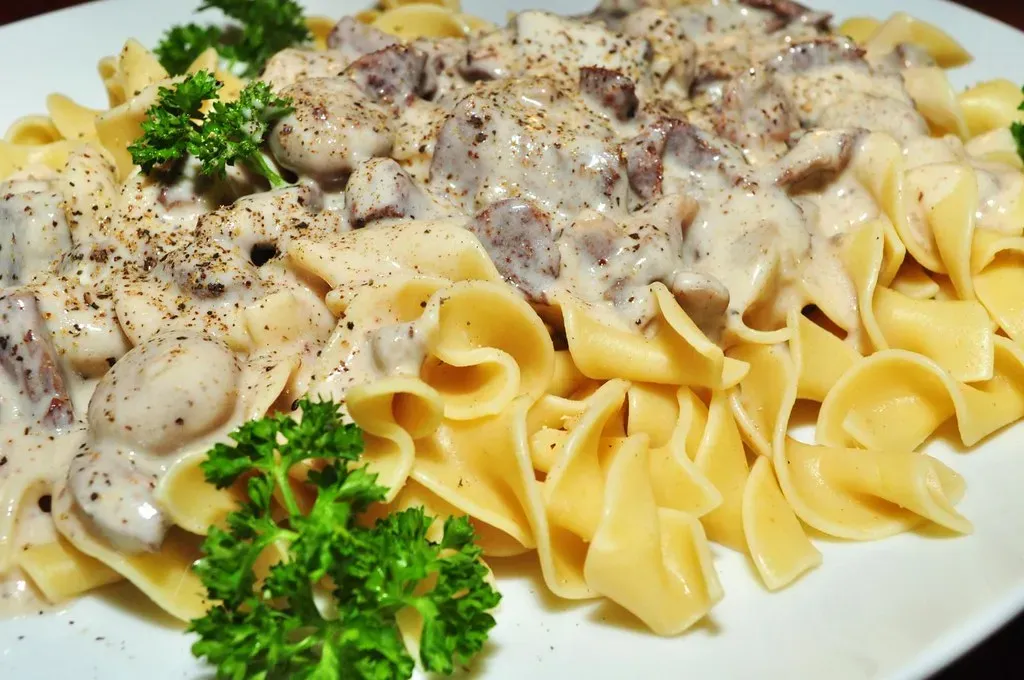
Beef Stroganoff is a Russian dish that took off in America during the 1950s following World War II. Though created in Russia for the Stroganov family, it was perfect for midcentury diners with its rich sour cream sauce. Imagine strips of tender beef, earthy mushrooms, and a silky sauce pooling over buttered egg noodles. It is the kind of dinner that makes you want to slow down.
Though which member of the Russian Stroganoff family this dish is named for remains unsettled, it was later popularized by the Russian Tea Room in New York City. Stroganoff became a hit with home cooks who loved turning inexpensive cuts of beef into relatively quick-cooking stews that pleased crowds with a rich and tangy sauce. This rich comfort food has simmered its way back into culinary relevance. Today’s versions feature freshly sautéed wild mushrooms, crème fraîche, and grass-fed beef.
2. Tuna Noodle Casserole – The Budget King of Weeknight Dinners
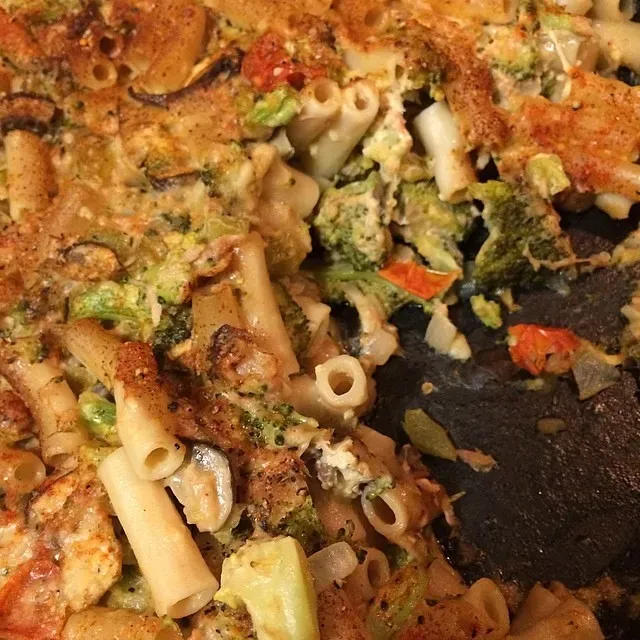
Tuna and noodles, baked into a casserole with little more than cheese and a can of condensed soup, dates back to the 1930s, but gained so much popularity in later decades that we tend to associate it with the 1950s. It was the kind of meal that could feed six people for almost nothing, and it tasted like someone actually cared.
These days, you do not have to be beholden to the can of soup. Fresh aromatics, vegetables, and a dab of Dijon mustard bring this casserole solidly into the 21st century. A crunchy panko topping works beautifully – although the classic crushed potato chip topping will also never go out of style. Rising food costs make these resourceful meals particularly appealing. Designed to maximize flavor while minimizing expense, dishes like this cater to families seeking cost-effective ways to eat well.
3. Classic Meatloaf – The Underdog of American Cooking
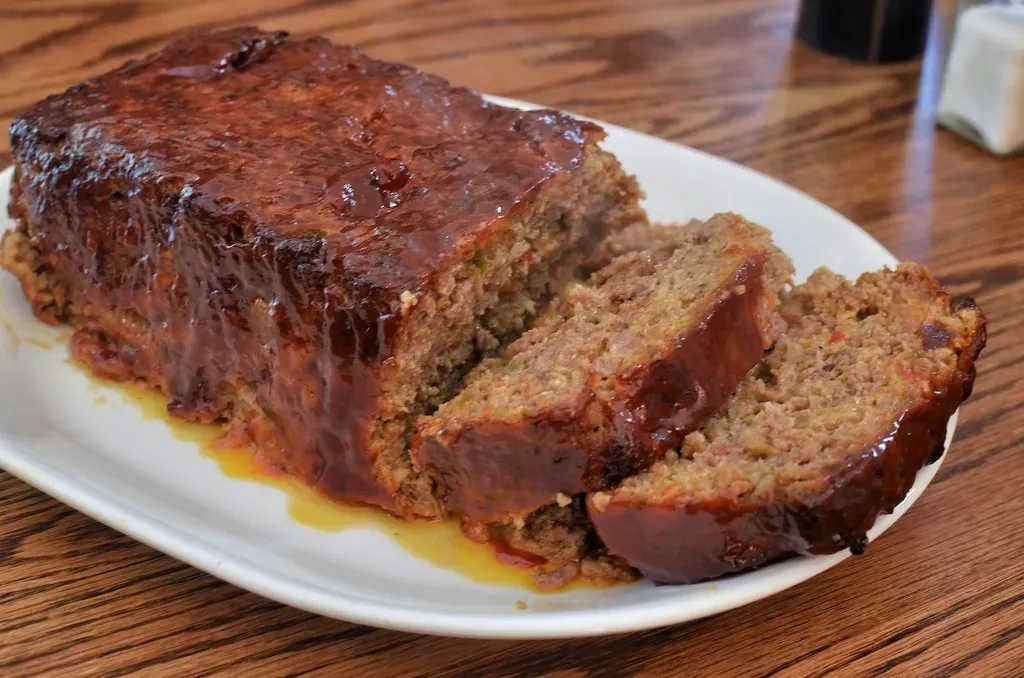
With origins in Germany, Scandinavia, and Belgium, meatloaf turned up in American kitchens toward the end of the 19th century and was popular during the Depression and World War II as a way to stretch out meat supplies. It is still served but not as much as it used to be. Let’s be real – meatloaf got a bad reputation somewhere along the way, mostly from bad versions that were dry, dense, and unloved.
This savory loaf of ground beef, breadcrumbs, and seasonings is baked to perfection and topped with a sweet, tangy ketchup glaze that caramelizes beautifully in the oven. Meatloaf was once a staple in nearly every home because it turned a few ingredients into two full dinners. It is hearty, classic, and makes potatoes feel necessary again. A properly made meatloaf is practically a work of art – one that feeds you twice if you count the sandwich the next day.
4. Cheese Fondue – The Ultimate Social Dinner
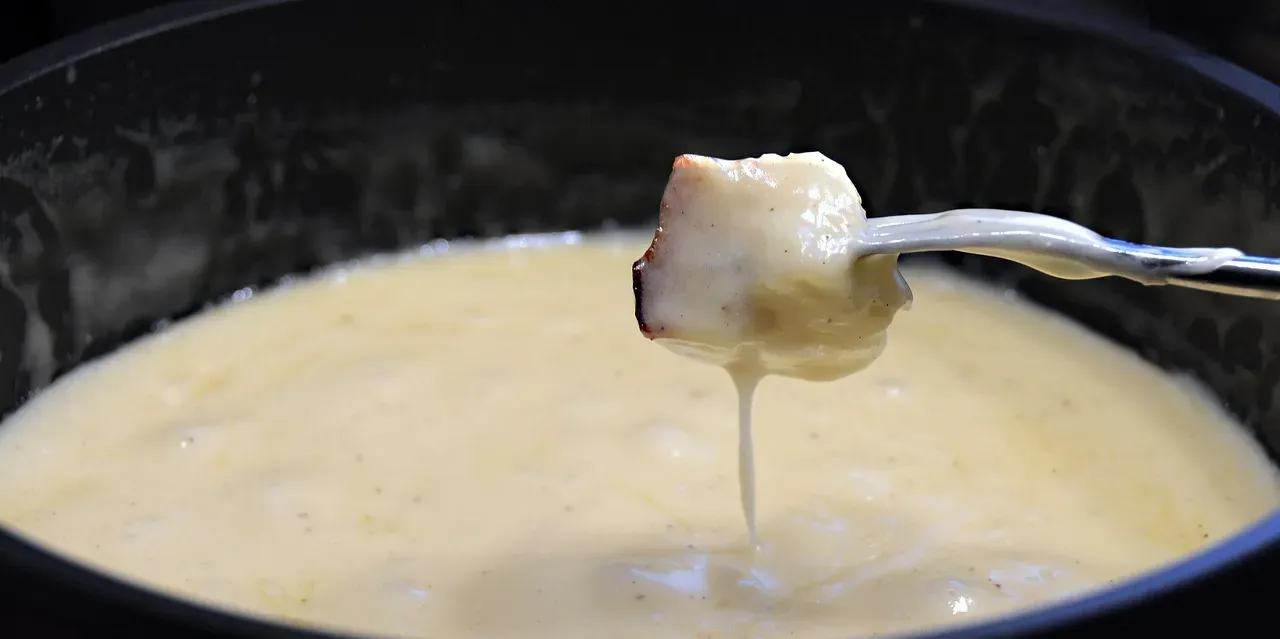
Fondue as we know it – a hot pot of melted cheese fortified with wine – originates with the Swiss and was declared the national dish of Switzerland in 1930. It had a genuine moment as a fad in the 1960s and 70s, when it became expected that anyone who loved entertaining would add a fondue pot and long fondue forks to their arsenal. Think about it: there are very few dining experiences that force you to slow down, lean in, and actually talk to the people across the table from you.
Fondue parties were the pinnacle of 70s entertaining. Families gathered around these tabletop wonders, dipping bread cubes and fruit while discussing the events of the day. In recent years, there has been a resurgence of interest in retro foods, with many people rediscovering these classic dishes and putting their own modern twist on them. Today, fondue nights feel almost revolutionary in the age of solo screen dining.
5. Chicken Kiev – The Dinner Party Star Nobody Remembered
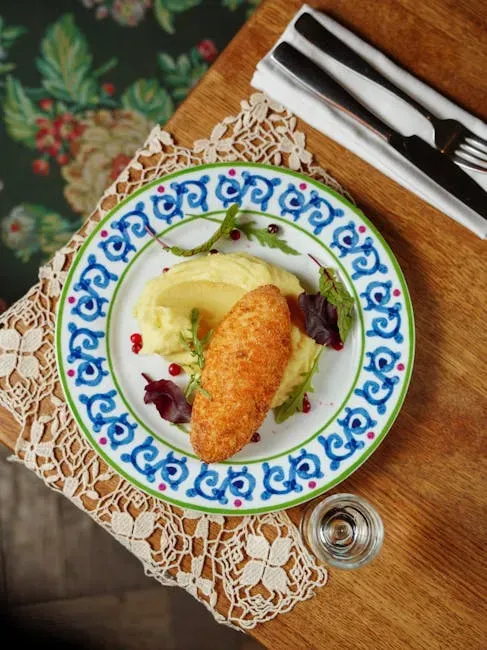
In 2024, a poll of foodies found that Chicken Kiev is one of the most nostalgic dishes for people in the UK. The dish has a long history around the world, but it was a dinner party favourite in the 1970s and 1980s. It was actually the first ready meal put out by iconic British retailer Marks and Spencer in 1979. To make it, chicken breast is stuffed with a garlicky herb butter, coated in breadcrumbs, and fried or baked to perfection.
Chicken Kiev is a classic dinner that still feels like a special plate from an earlier era. The chicken cooks around a buttery garlic filling that melts into the center as it bakes. The flavor is savory, rich, and garlicky, with juicy chicken and buttery sauce in every bite. The moment that golden breadcrumb crust breaks open and the herb butter runs onto the plate – honestly, it is hard to explain why this ever went out of style.
6. Salisbury Steak – The TV Dinner That Deserved Better
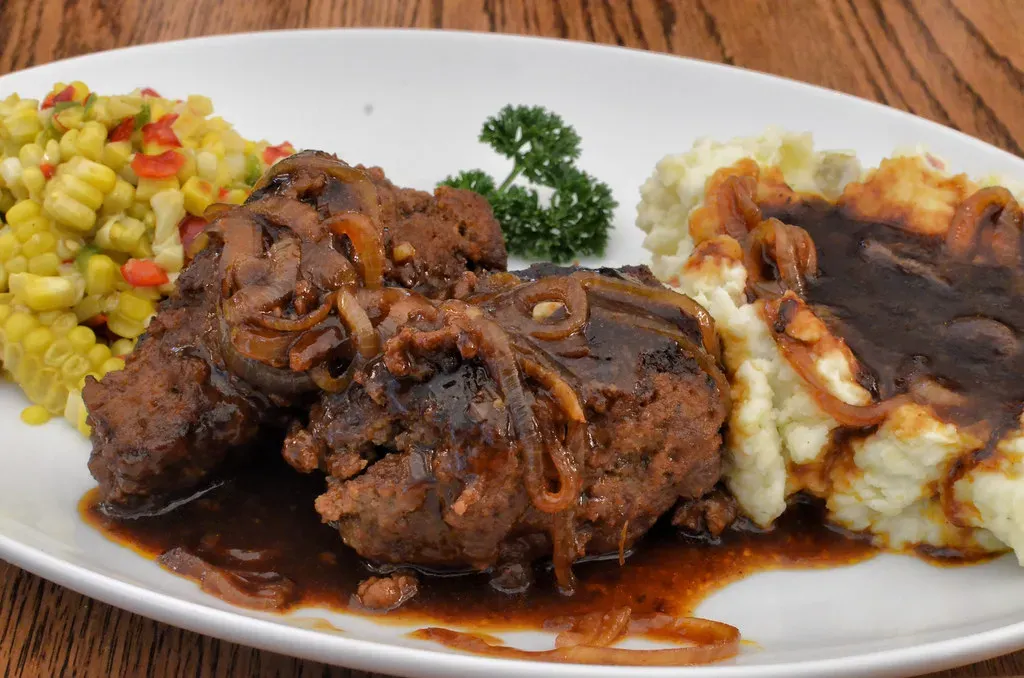
Salisbury steak persists in our memories as the iconic TV dinner entrée. The dish dates back much further and is the rare food with an indisputable, well-documented origin story. Dr. James Henry Salisbury of Cortland, New York, came up with this “steak” – really ground beef formed into a patty and served with a very savory sauce – as a cure for digestive woes among troops during the American Civil War.
Ground beef patties smothered in mushroom gravy – TV dinner royalty that made its way to home tables. Far from just hamburgers in disguise, these were sophisticated enough for company. Served alongside mashed potatoes and peas, this dinner made kids clean their plates without complaint. You could easily give this dish a modern makeover with sweet potato mash and homemade onion gravy. It is, at its core, a deeply satisfying plate of food.
7. Green Bean Casserole – The Holiday Hero That Got Forgotten
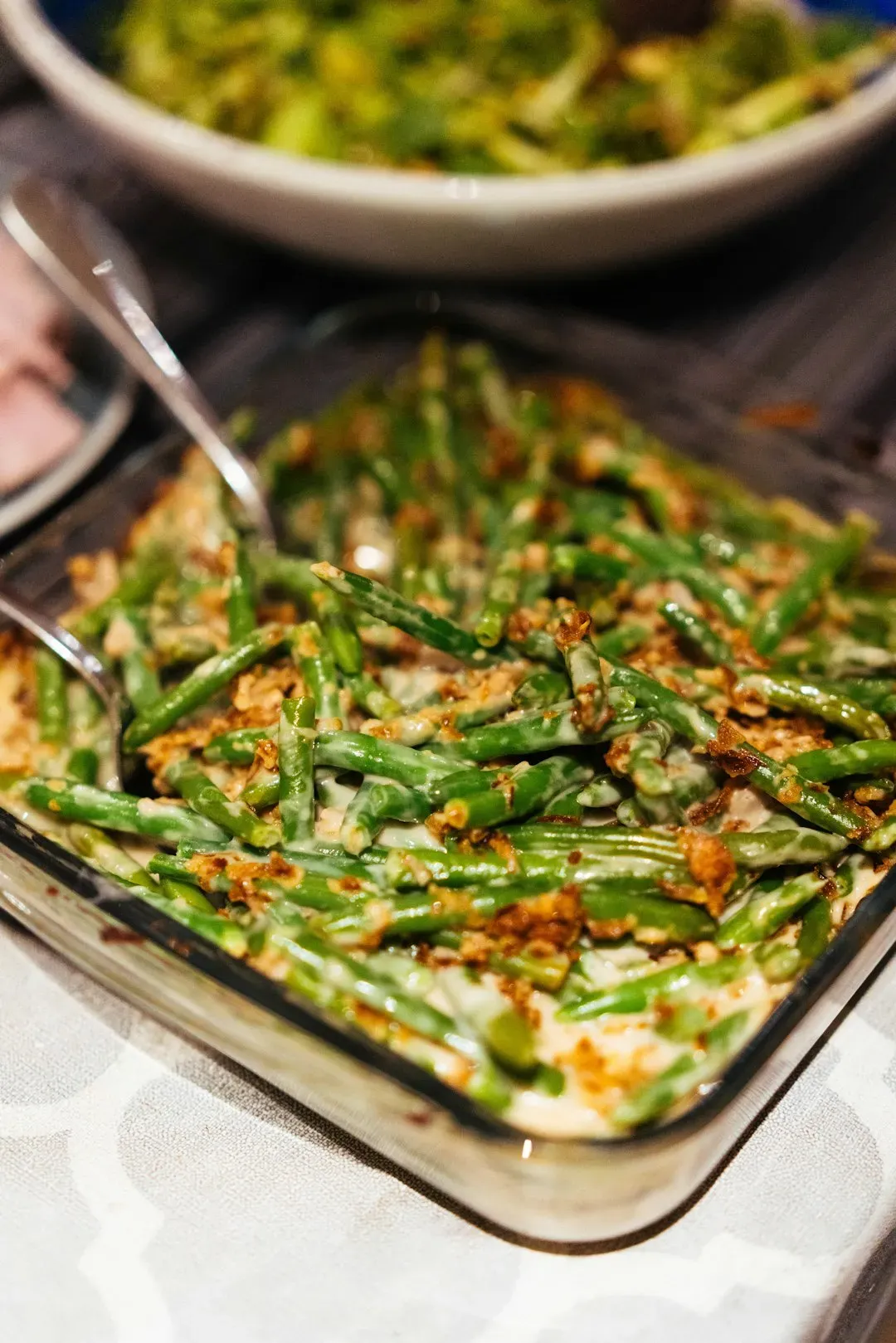
Green Bean Casserole became synonymous with holiday gatherings in the 1950s. It features tender green beans baked in a creamy mushroom sauce, topped with crispy fried onions for an irresistible crunch. This casserole was both convenient and delicious, perfect for busy home cooks looking to impress without spending hours in the kitchen. Its rich flavors and textured layers made it a beloved side dish, often stealing the spotlight at Thanksgiving and Christmas dinners.
Upscale green bean casserole made with premium ingredients is now turning a simple staple into an Instagram-ready centerpiece. While the nostalgic charm of vintage dishes endures, many of them are now being adapted to meet contemporary tastes, with casseroles enhanced with fresh, seasonal ingredients and plant-based alternatives. Consider swapping the canned soup for a homemade béchamel and watch the whole thing transform into something almost elegant.
8. Chicken à la King – The Forgotten Aristocrat of Comfort Food
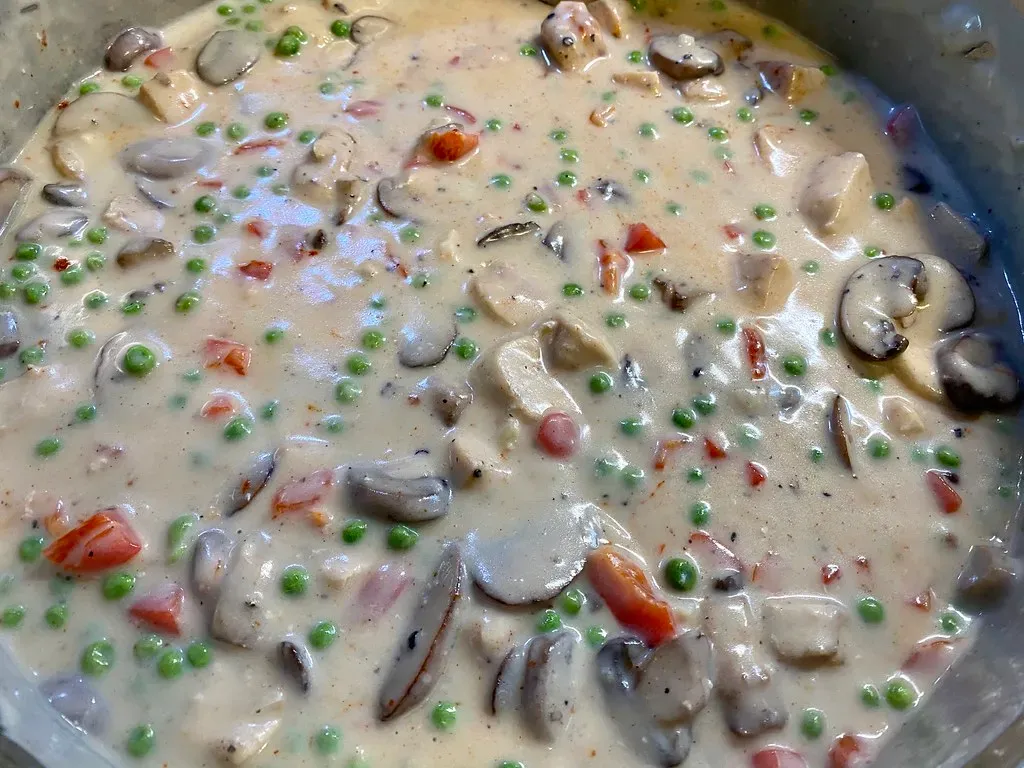
Chicken à la King was the epitome of elegance in the 1950s. This dish features tender chicken pieces swimming in a luscious sauce of butter, cream, and sherry, accompanied by mushrooms and green peas. Serve it over toast points or flaky puff pastry for a meal that still whispers of grandeur and sophistication. Originally a delight at high-end restaurants, it quickly became a household favorite.
By the time James Beard wrote American Cookery in 1972, Chicken à la King had traveled the arc from its invention at the turn of the century – combining chicken, mushrooms and often peppers in a white sauce – to a heyday in the midcentury, and a downfall in the seventies, largely due to shortcut versions that employed cans of condensed soup. The original version, though, is a completely different experience. It is rich, refined, and quietly spectacular.
9. Stuffed Bell Peppers – Colorful, Wholesome, and Wildly Underrated
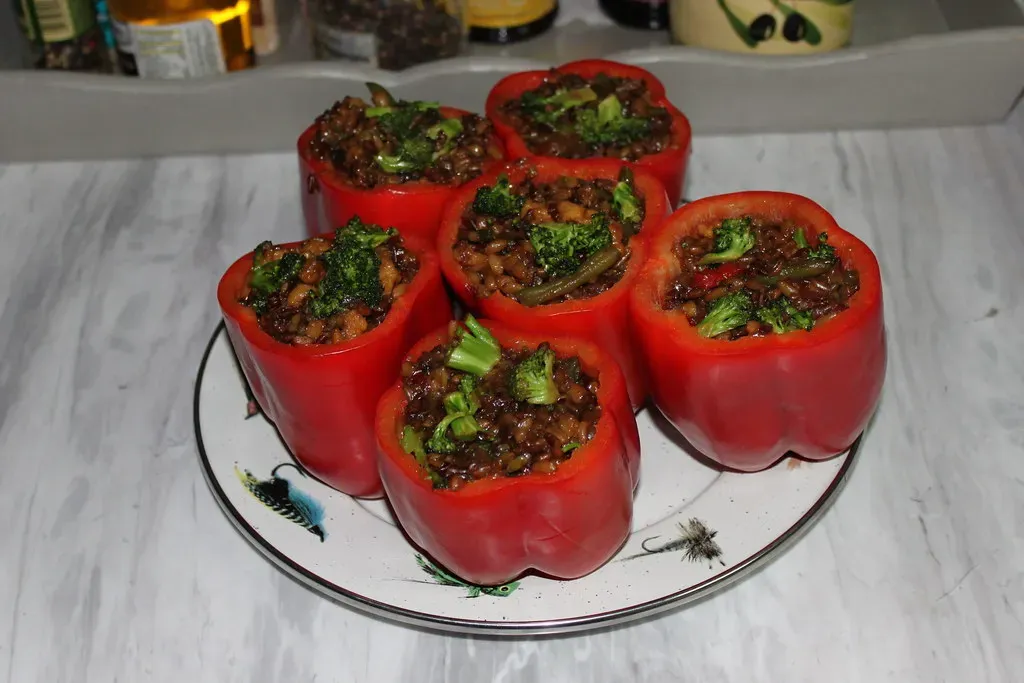
Stuffed Bell Peppers were a vibrant staple of the 1960s dinner table. Filled with seasoned beef and rice, these colorful peppers were baked until tender. The dish was both eye-catching and satisfying, offering a delightful mix of textures and flavors. Families appreciated its wholesome nature and distinctive appearance.
Stuffed peppers might be the most visually honest vintage dish on the list. What you see is exactly what you get – a sturdy, edible vessel filled with something warm and satisfying. And while they may feel old-school, they are quietly aligned with where food trends are heading now. The National Restaurant Association’s “What’s Hot” culinary forecasts have continued to highlight the rise of reimagined classics, with stuffed vegetables standing out as part of the broader return to familiar dishes with modern twists. It turns out the trend cycle is generous – and in 2026, it is still making room for the humble pepper.
10. Swedish Meatballs – A Global Classic with Timeless Appeal
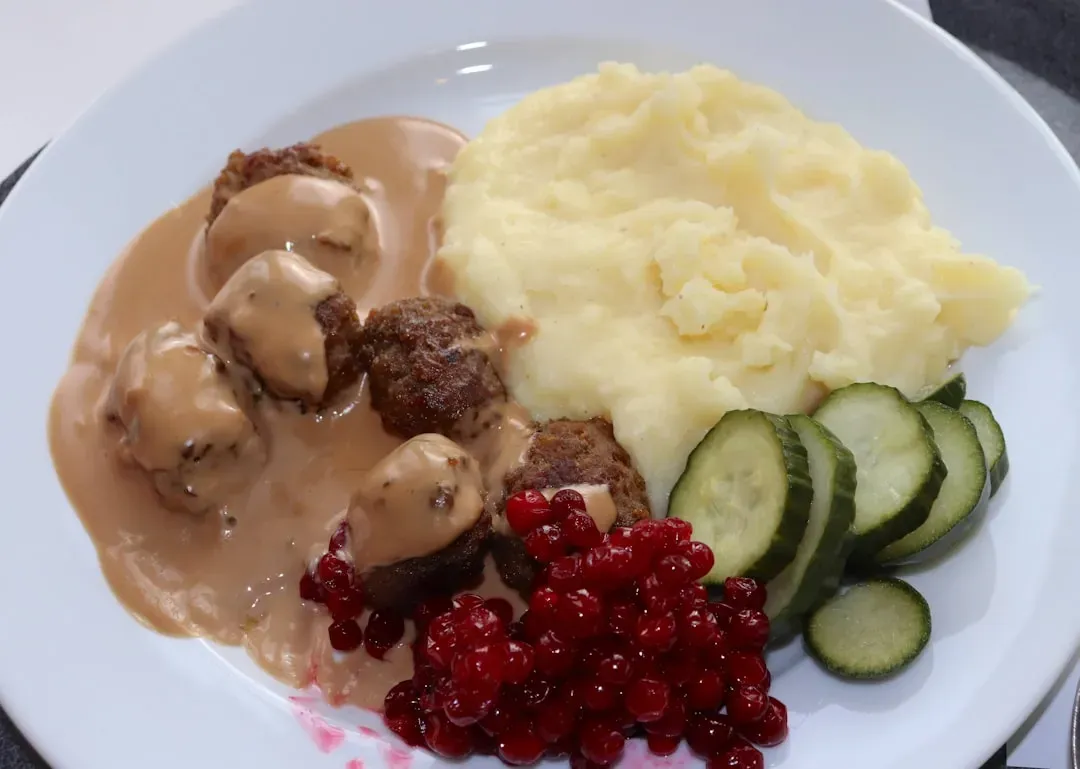
Swedish meatballs date back to the Ottoman empire and were trendy in the 1950s, but their labor-intensive quality made many home chefs eventually back off. That is a real shame, because a plate of properly made Swedish meatballs – small, tender, and bathed in a creamy brown gravy – is one of the most genuinely satisfying things you can put on a dinner table.
Nostalgic comfort foods continue to resonate with consumers, with menu mentions rising by roughly one-fifth in recent years, according to Campbell Soup Company’s Culinary TrendPulse Report – a signal that the appetite for familiar, feel-good dishes is still going strong in 2026. These dishes evoke a sense of nostalgia and comfort for those who remember them from their childhood and teenage years. Food can be connected to feelings and emotions, and eating something that reminds us of better days can be genuinely comforting. Swedish meatballs, served over egg noodles or buttered potatoes, are practically a therapy session on a plate.
11. Pineapple Upside-Down Cake – Sweet, Retro, and Utterly Theatrical
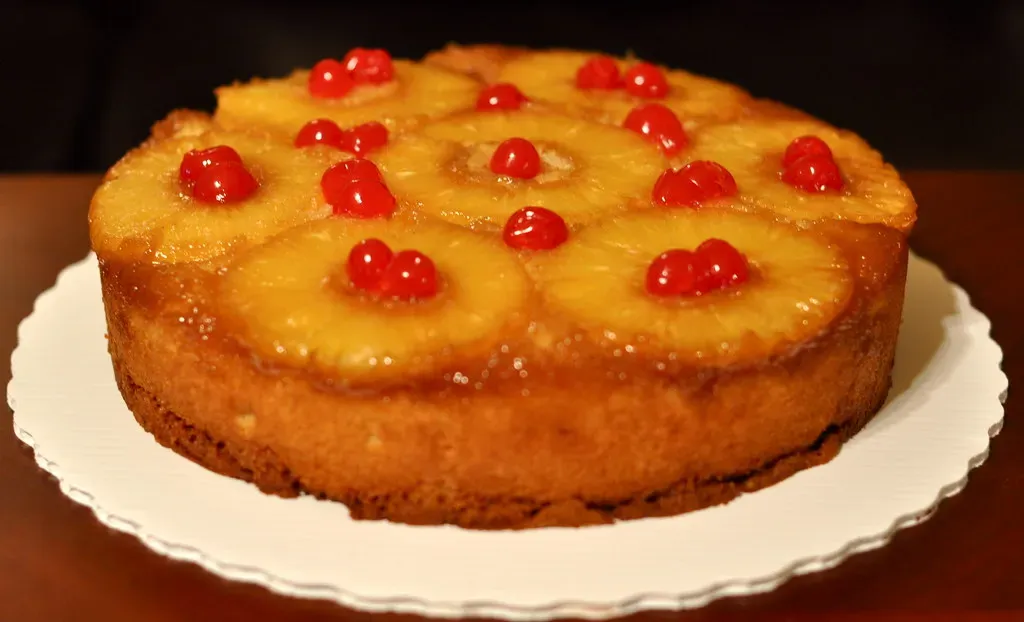
The concept of an upside-down dessert – where a fruity sauce is cooked and then a batter is poured on top for baking, then inverted to serve – dates back centuries. There is a reason this cake, topped with pineapple rings and studded with nearly fluorescent maraschino cherries, skyrocketed in the early 20th century. It is hard to say for sure, but part of the appeal was always the reveal – that dramatic flip moment that turned dinner into a performance.
Maraschino cherries nestled in pineapple rings, suspended in caramelized brown sugar glory – this dessert was practically mandatory if you owned a cast-iron skillet. The dramatic flip reveal at serving time never failed to impress guests. Those perfect rings arranged like a retro sunburst pattern made it almost too pretty to eat. Consumers are looking for comfort, and dishes like this are making a comeback, this time with bold, unexpected twists and modern menu updates delivering both high appeal and room for differentiation.
12. Chicken and Rice Casserole – The Quiet Champion of the Dinner Table
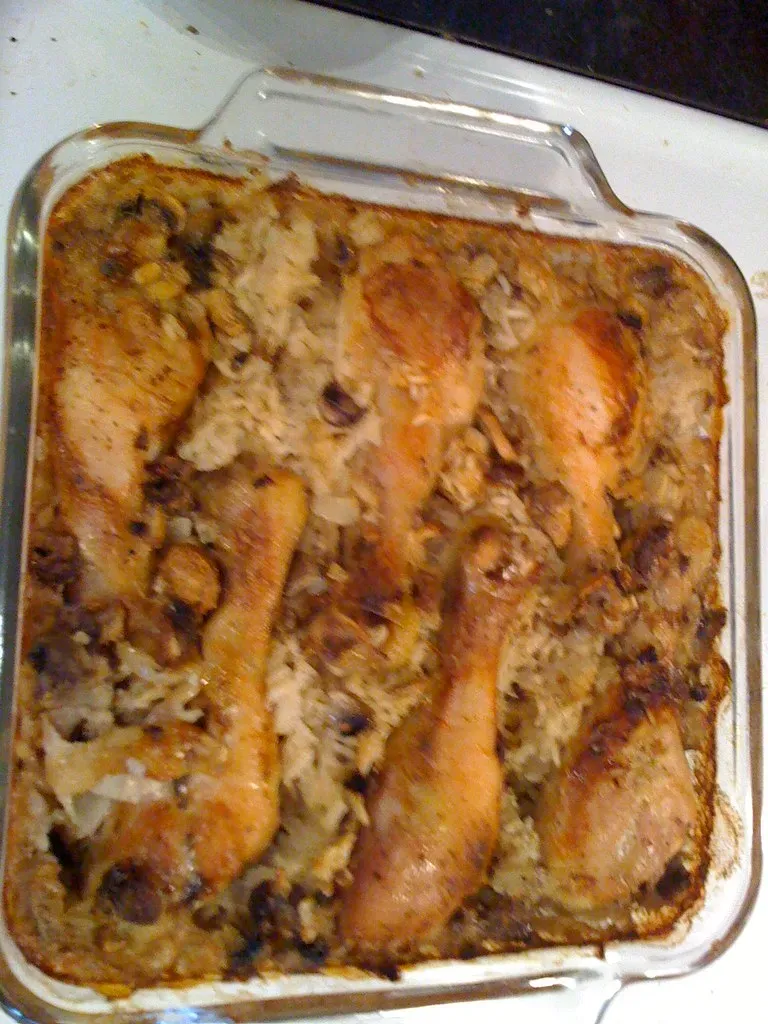
Chicken and Rice Casserole is a classic baked dinner that feels like the kind of recipe families keep forever. Chicken cooks with rice, onions, carrots, and warm spices into a hearty, scoopable dish. The flavor is savory, lightly spiced, and comforting, with rice soaking up all the seasoning. It is not glamorous. It does not need to be.
Sustainability also drives the interest in vintage recipes. Many recipes from the late 20th century were resourceful, relying on leftovers and minimizing waste. These qualities align with modern, eco-conscious values. Whether it is a casserole made from pantry staples or a dish that reimagines yesterday’s dinner, these recipes reflect the sustainable approach to cooking growing throughout the 2020s. With the stress of modern living seemingly not going to abate anytime soon, these nostalgic and legacy foods are not just a passing trend – they are here to stay, at least for the foreseeable future.
Why Vintage Recipes Are More Relevant Than Ever
In light of global crises such as the pandemic, followed by inflation, consumers are leaning on nostalgic foods to remind them of good times and for reassurance regarding quality and taste. There is a reason these dishes keep coming back. Two thirds of global consumers surveyed in 2024 said they seek out small indulgences for self-care purposes at least some of the time, and roughly four in ten have described turning to comfort food and drink more frequently over the last twelve months.
Market research firm Datassential, in its latest FoodBytes trend report, highlights consumer cravings for familiar, comforting flavors as a significant trend. This yearning for the past is not just about reliving old memories – it is about reimagining them in new and exciting ways. These recipes are more than just favorite comfort foods. They serve as conduits for cultural and familial traditions. Preparing a dish passed down through generations offers a tangible connection to each cook’s heritage, anchoring individuals in their family’s history.
These twelve recipes are not relics. They are blueprints – templates for how good food is supposed to feel. Warm, honest, and made with intention. The only question is: which one are you making first tonight?