
You trust a chef to know good food. That’s basically the whole deal. So what happens when those same professionals, the ones who spend their entire working lives inside a kitchen, sit down on the other side of the table? They order very differently than the rest of us do. Turns out, the most tempting things on a menu can be the biggest traps, at least if you know what’s actually going on behind the pass. Chefs have seen it all. The shortcuts, the reheated specials, the creative saucing over questionable proteins. Their insider view changes everything.
Here is a look at 12 dishes that working chefs quietly skip when they eat out, and their reasons are far more fascinating than you might expect. Let’s dive in.
Table of Contents
1. The Daily Soup Special
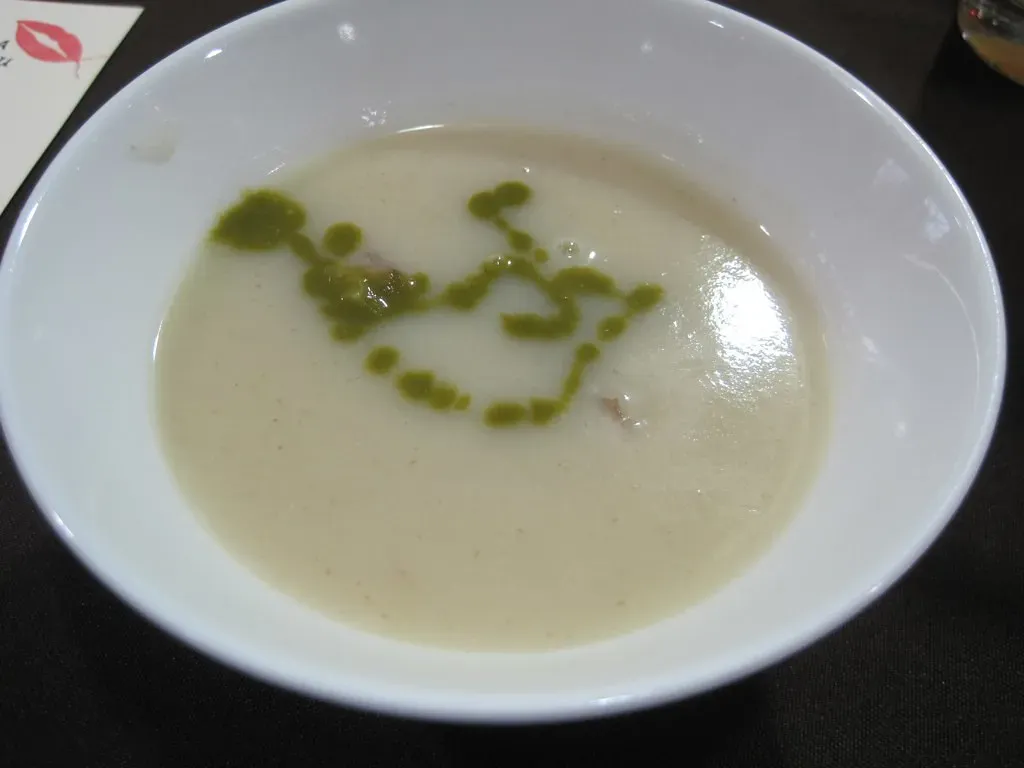
According to chef Michael DeLone of Nunzio in Collingswood, New Jersey, ordering the soup of the day is essentially “code in the hospitality industry for the back of the house trying to get rid of its walk-in inventory from the weekend before vendor deliveries come in.” Honestly, that one line alone should change the way you scan a menu.
The famous chef Gordon Ramsay is very clear about avoiding ordering soup in a restaurant, namely because it can be a clever way for chefs to use up old ingredients. Restaurants have a tendency to serve their soup of the day several days in a row. This is done to decrease food waste, but it can result in you ordering a fairly expensive dish that’s neither special nor fresh.
The soup of the day is also an item you’ll never see Gordon Ramsay ordering at a restaurant, with the celebrity chef citing similar reasons. He recommends asking your waiter what the soup du jour was yesterday, as their answer can clue you into how fresh and daily that soup really is. Additionally, asking what the general specials were over previous days gives you a real idea of ingredient freshness. Think of it like this: that rich, hearty minestrone might just be Sunday’s roast chicken converted into something soupier by Tuesday. Proceed with caution.
2. The House Salad
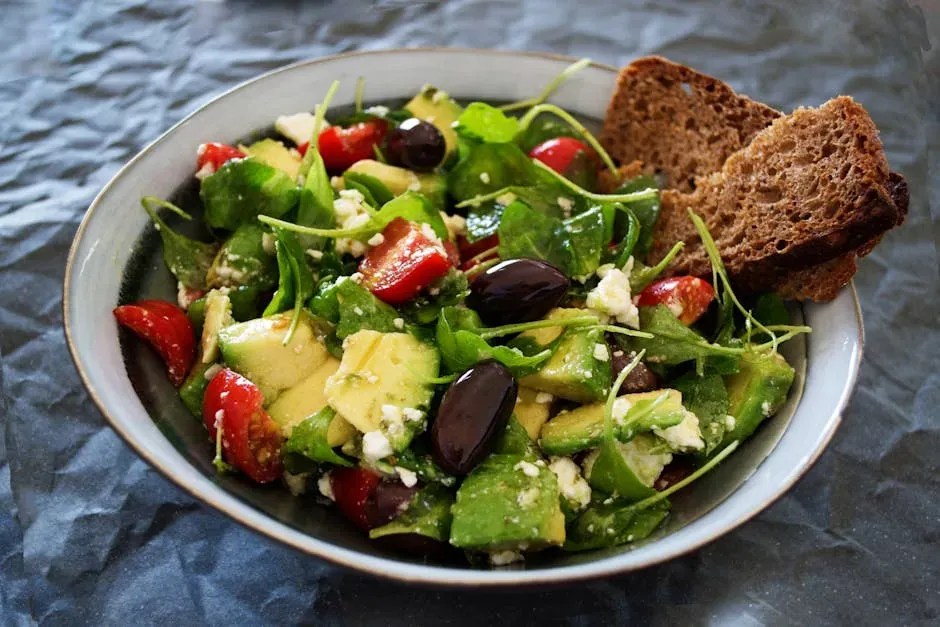
There’s another meal starter to avoid if you’re not looking to eat the kitchen’s leftover goods: the house salad. Chef Suhum Jang, co-owner and managing partner of Hortus NYC, is an item he personally avoids ordering, steering clear of restaurant salads overall. He has observed restaurants repurposing leftover scraps from other dishes as salad ingredients. Additionally, the base greens aren’t always fresh, and heavy dressings are often used to mask this lack of quality.
Even foods most Americans consider “healthy” can pose serious foodborne illness risks, experts warn, and salads, sprouts, and deli meats are among the everyday items they personally refuse to eat. Food safety experts warn that these items pose foodborne illness risks despite their healthy reputation. Leafy greens now cause more outbreaks than hamburgers. That last fact is genuinely shocking when you first hear it. A humble garden salad carrying more risk than a burger? Yet here we are in 2026, and the data backs it up.
3. Risotto
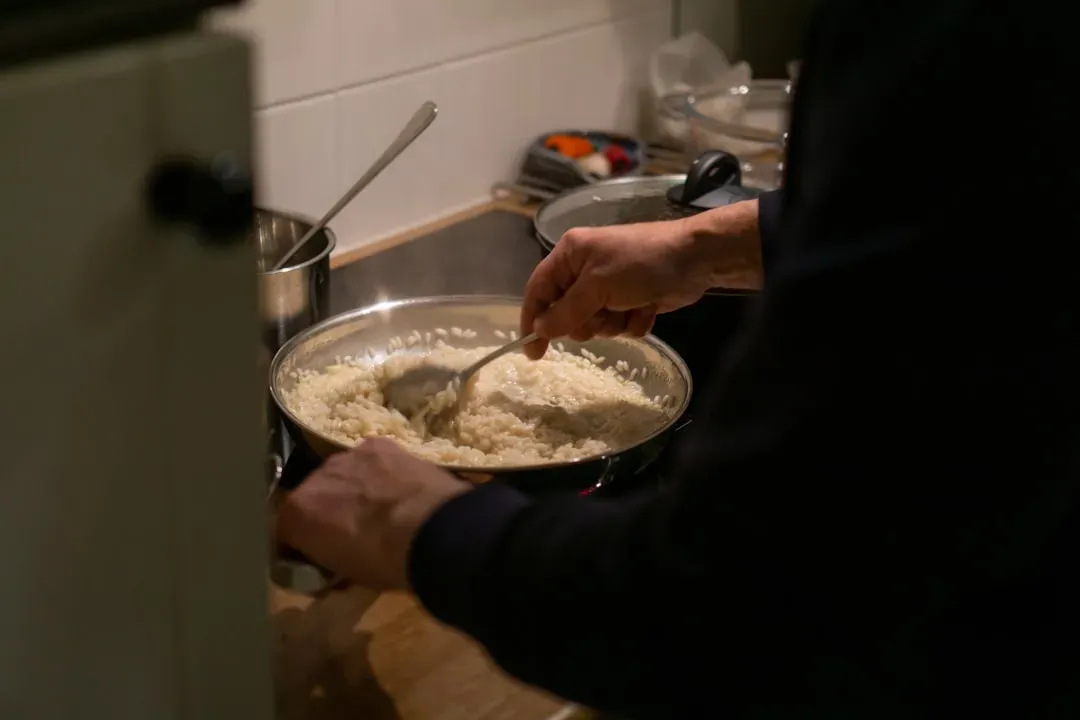
Brian Motyka, executive chef of Longman and Eagle in Chicago, says that the number one main dish he never orders at a restaurant is any sort of risotto. He explains that most of the time risottos are pre-cooked, heated up, finished with cream, and then over-cooked beyond the al dente texture you’re looking for. The use of cream is considered a shortcut that serious cooks deeply object to.
Risotto, with its creamy texture, can be deceptively tricky to execute well. The labor-intensive cooking process requires constant attention, something busy restaurant kitchens may struggle to provide. A proper risotto demands someone standing at the stove, ladling stock by hand for up to 25 minutes straight. During a Saturday dinner rush with 80 covers going out? That simply doesn’t happen. What arrives at your table is usually a reheated approximation.
4. Chicken Dishes at Non-Specialist Restaurants
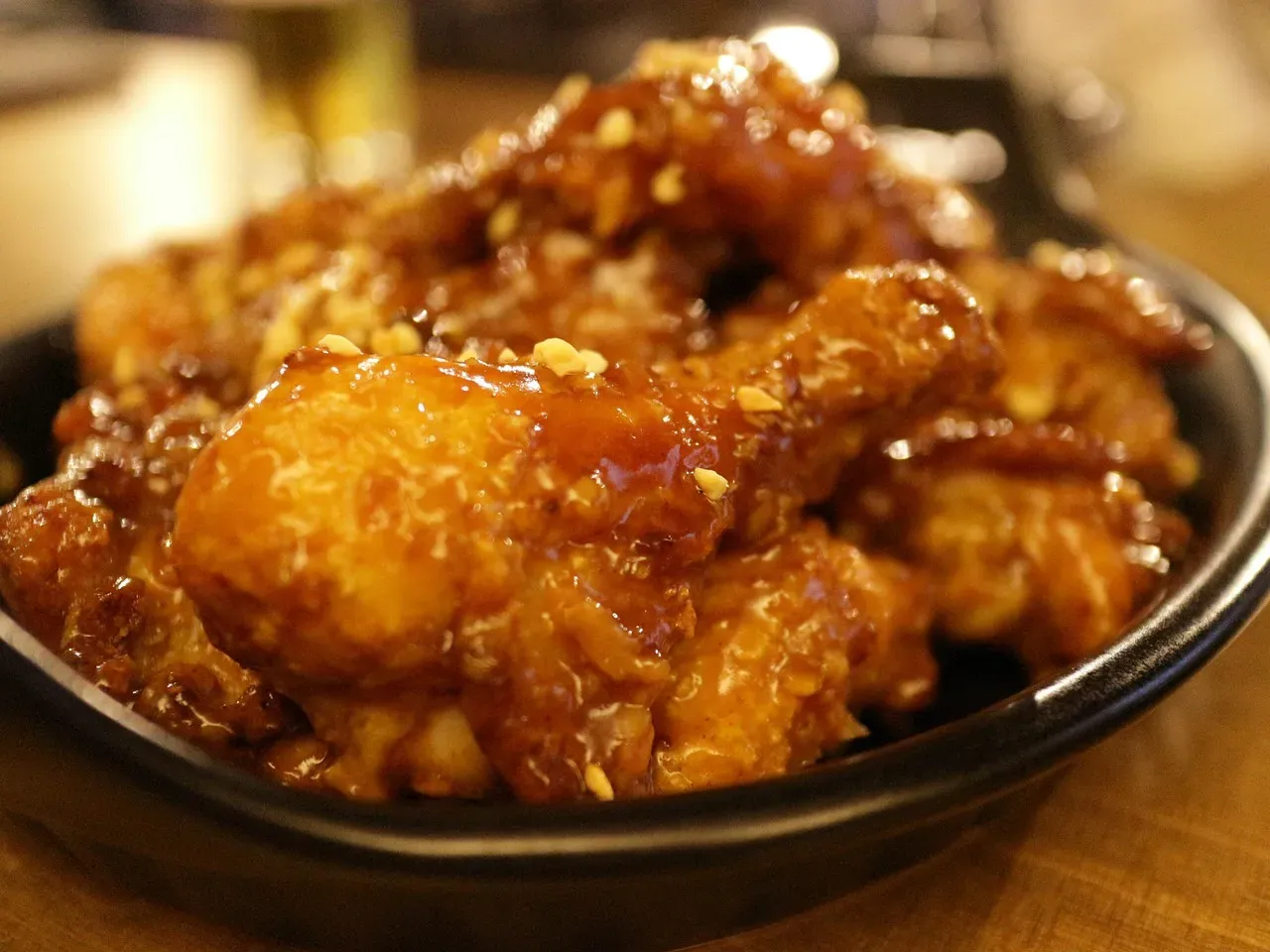
Most of the time you’ll be given a plate of protein that’s dry, handled poorly, totally tasteless, and just plain boring. One of the most famous moments of chefs warning against ordering chicken was given by the late Anthony Bourdain, who stated in a 1999 New Yorker article that chicken is simply a chore for cooks to make.
Ryan Ososky, executive chef of The Church Key in West Hollywood, says he will order almost anything when he goes out, but never chicken because it tends to be overcooked at most restaurants. He is not alone in his no-to-chicken stance. According to the Food Network’s website, chefs avoid ordering chicken in restaurants for many reasons, including overinflated price and lack of originality. Let’s be real: if a chef who cooks protein all day won’t bother ordering it, that tells you something important about the average kitchen’s relationship with poultry.
5. Raw Oysters at the Wrong Restaurant
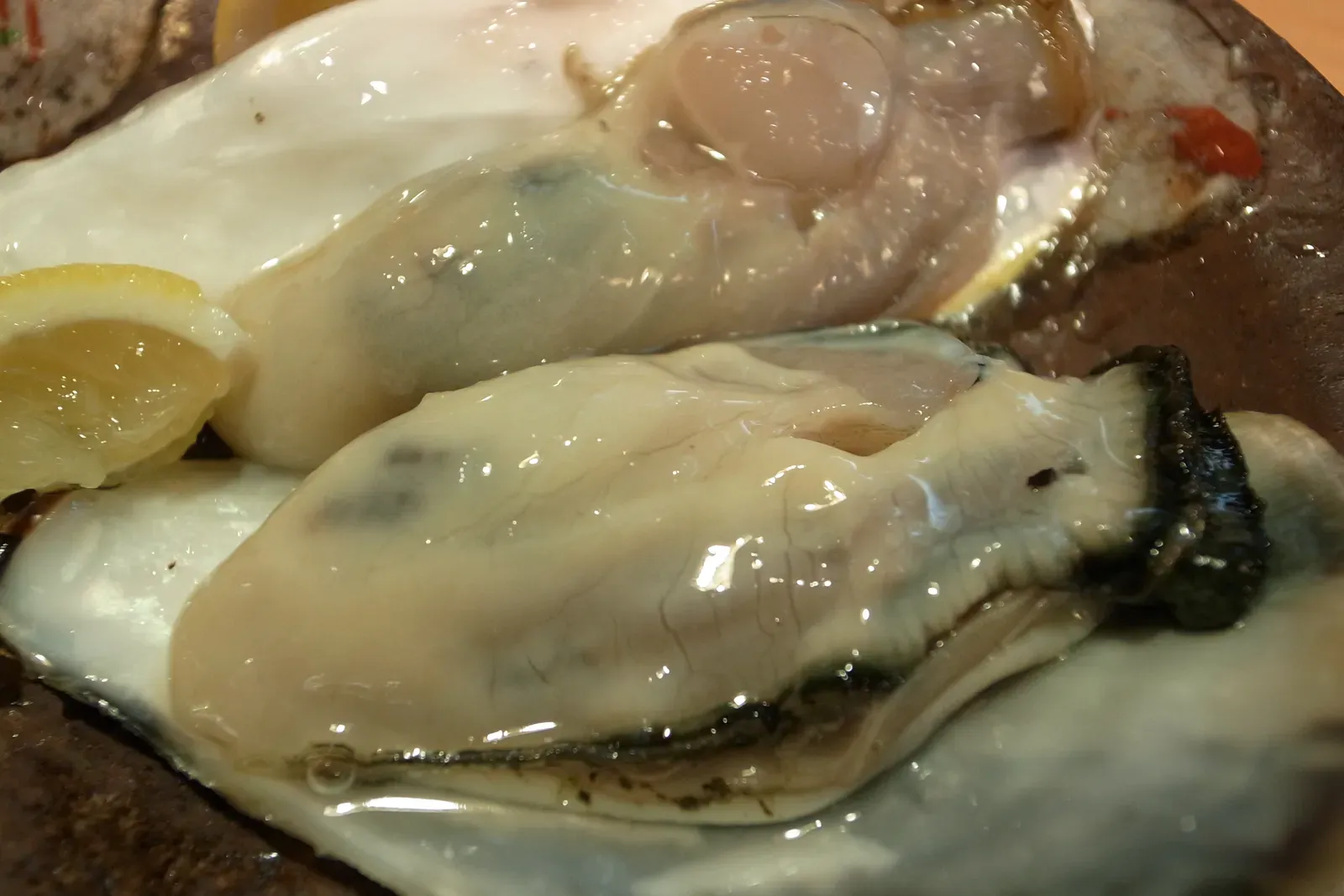
When it comes to eating oysters, all bets are off, at least according to Cordon Bleu-trained chef Mark Nichols. Nichols, who owns the high-end catering service JC’s Catering, won’t go near raw oysters if they were harvested more than 100 miles away from the restaurant serving them. “If handled and stored incorrectly, raw oysters can kill you,” he explains.
Many chefs avoid raw oysters or mussels in a place that looks half-empty, especially early in the week. They gravitate to dishes that rely on ingredients a kitchen burns through constantly, such as whole roasted chicken, simple grilled fish, and seasonal vegetables. The logic is almost unnerving in its simplicity: if a restaurant isn’t turning over shellfish at speed, those oysters have been sitting around. High turnover equals freshness. Low turnover equals risk.
6. Anything with “Truffle” in the Name
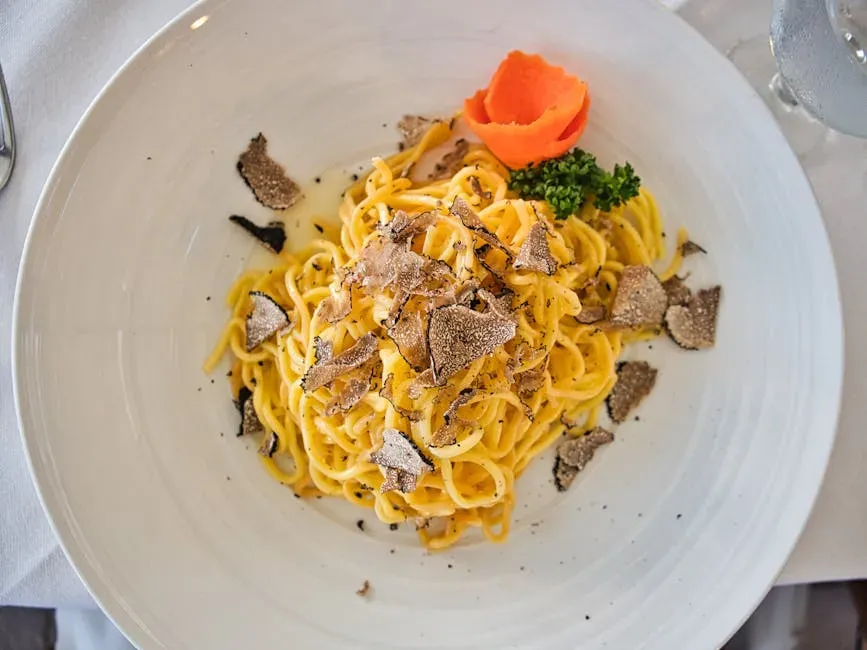
Another menu buzzword that’s usually subpar in its quality is truffles, and some say it’s usually a red flag. Pastry chef Saura Kline at Local Jones in Denver advises never ordering anything that has the word “truffle” in it. Unless you’re at a high-class fine-dining restaurant, this usually means truffle oil, which is very rarely made with actual truffles. It tends to be used aggressively and will immediately increase the price of any dish you’re eating, regardless of its actual quality.
Truffle oil is none of the complexity of real truffles. It is synthetic, most often a compound not found in real truffle dissolved in neutral oil with a few decorative shavings for show. The result is artificial, heavy, and one-note, described as the gastronomic equivalent of cheap cologne. Chef Chuck Valla noted that he doesn’t think truffles taste any better than dried shiitake mushrooms, while chef Sarabjit Singh Assi warned that the obsession with truffle mushrooms and synthetic truffle oil overpowers dishes, lacks nuance, and often masks what could have been great ingredients.
7. The Daily Fish Special (Especially on Sundays)
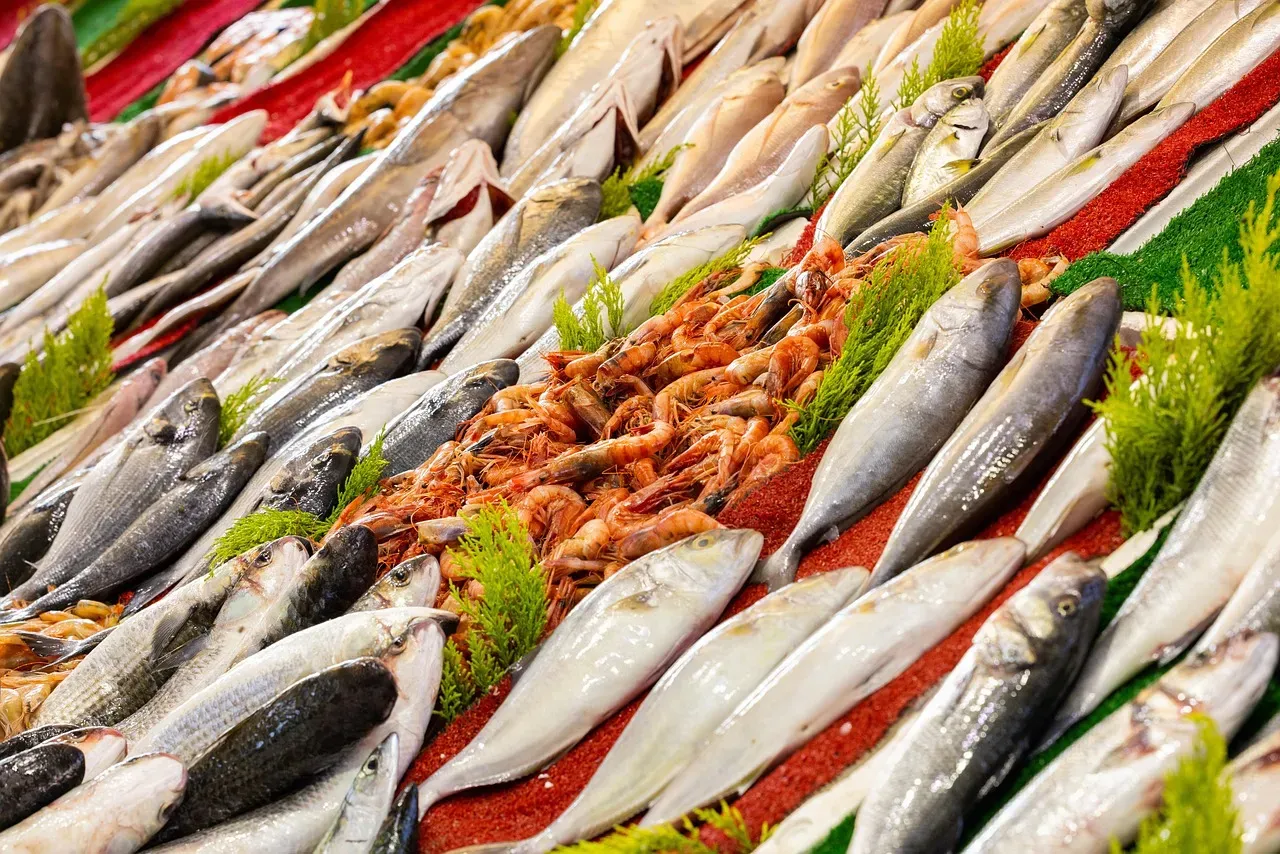
Eric Duchene, executive chef of the JW Marriott Scottsdale Camelback Inn Resort and Spa, warns to avoid “fish specials” with bacon. He notes that bacon is used to cover up the smell of old fish. Similarly, he points out that raw fish should not be ordered on Sunday nights, because restaurants don’t receive deliveries on Sunday, so you will not get the freshest products.
Since most fish markets don’t deliver on weekends, the don’t-eat-fish-on-Monday debate continues to rage on between freshness-loving chefs. Many avoid it like the plague, but others are comfortable ordering fish if the restaurant has a coastal location or is known for seafood. Geography and specialization matter enormously here. A seafood shack on the coast of Maine operates in a completely different world from an inland bistro slapping a salmon fillet onto their prix fixe on a Monday night.
8. Pasta at Non-Italian Restaurants
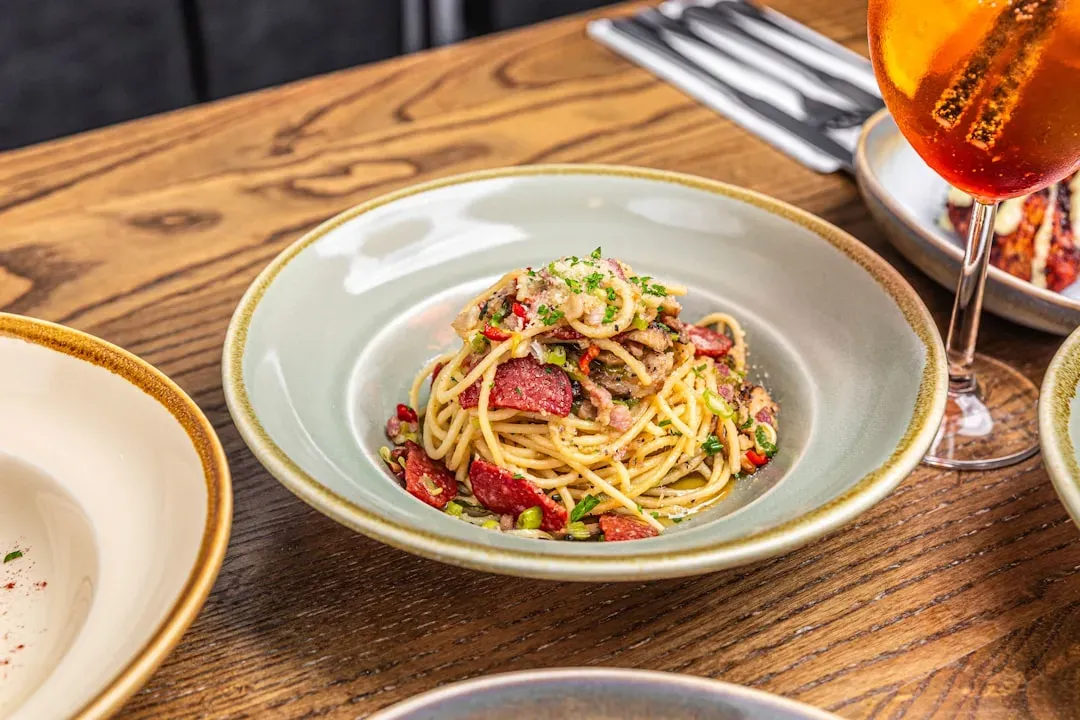
Ryan Jones, the co-founder and executive chef of Free Reign Restaurants in Charleston, South Carolina, often hesitates to order pasta at a restaurant due to the relatively high prices. He finds the pasta is typically made with dry pasta instead of fresh and has seen prices as high as $38. When he has a craving, he makes it himself, calling a well-made cacio e pepe a dish he truly savors and enjoys making at home.
Spaghetti, fettuccine, or penne is common on non-Italian restaurant menus, yet pasta dishes are often overpriced, especially if you calculate the cost of ingredients. Marcus Mooney, executive chef of Seattle Sutton’s Healthy Eating, has high standards for pasta and rarely orders it at restaurants. He once worked for an Italian restaurant group in Chicago and says they were charging $20 for a plate of rigatoni with marinara sauce that cost $1. The only time he orders pasta at a restaurant is if he knows they do it well, such as a lasagna or ravioli, or a great carbonara. The markup on simple pasta is, I think, one of the most brazen things in modern dining.
9. The Margherita Pizza
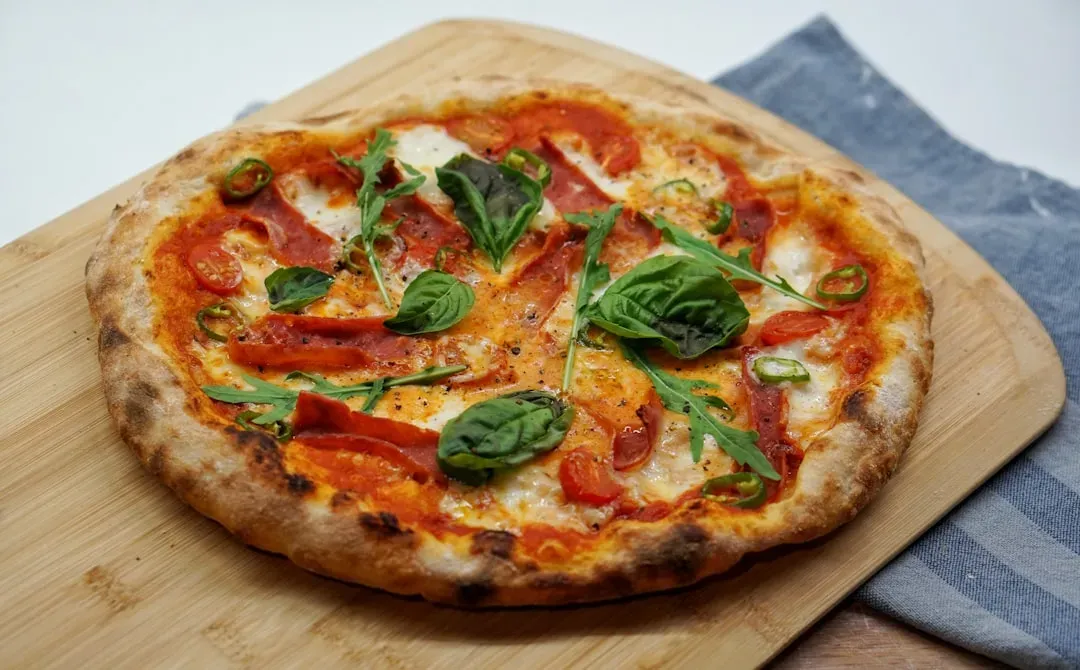
If you’re eating in a joint that may not be spending top dollar on its ingredients, you’re best to give this pizza a miss for the sheer reason that you’re falling prey to an obscene mark-up. For chef Julia Helton, ordering the margherita is a huge error. It’s just dough, a little sauce, a few pieces of basil, and part of a log of mozzarella. You’re paying $12 minimum for a dish that costs $1 to make.
Helton points to her own experience as the executive chef in an Italian restaurant, showing that even the most traditional eateries can serve up margheritas that aren’t worth it. Instead, she suggests ordering pizzas that have ingredients you can’t get anywhere else, or that combine toppings in a way you’d never thought to do. Go for something different, instead of ordering the same old thing. The margherita is like the plain white T-shirt of pizza. Fine at home. At a restaurant, you’re paying designer prices for basics.
10. Scallops
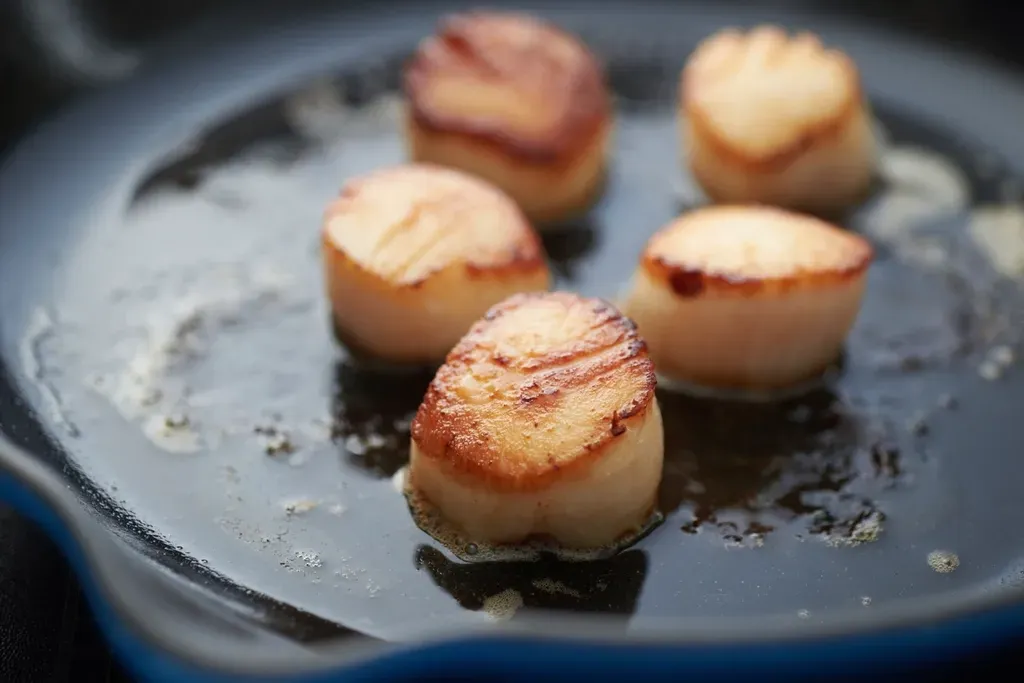
Scallops may be a dish you seek out when you want to celebrate a special moment, but Bill Collins, a personal chef and instructor who worked as a cook at the Ritz-Carlton Boston, says it’s a dish that’s often overcooked at restaurants. It’s also rare to find quality scallops, meaning restaurants are often using ones that are just so-so. Good scallops are so hard to find that Collins doesn’t even make them himself very often. Good scallops are also pricey, often about $25 to $45 a pound.
Here’s the thing about scallops: they are one of the most technique-dependent proteins in the entire kitchen. A perfect sear requires a screaming hot pan, dry scallops, and precise timing measured in seconds. Dishes that are tricky to hold at safe temperatures, or easy to pre-cook and reheat, become risky under pressure. Busy kitchens juggle dozens of tickets at once. Scallops that get plated early or sit under a lamp even briefly turn soft, watery, and disappointingly flat.
11. Lobster Rolls at Tourist Hotspots
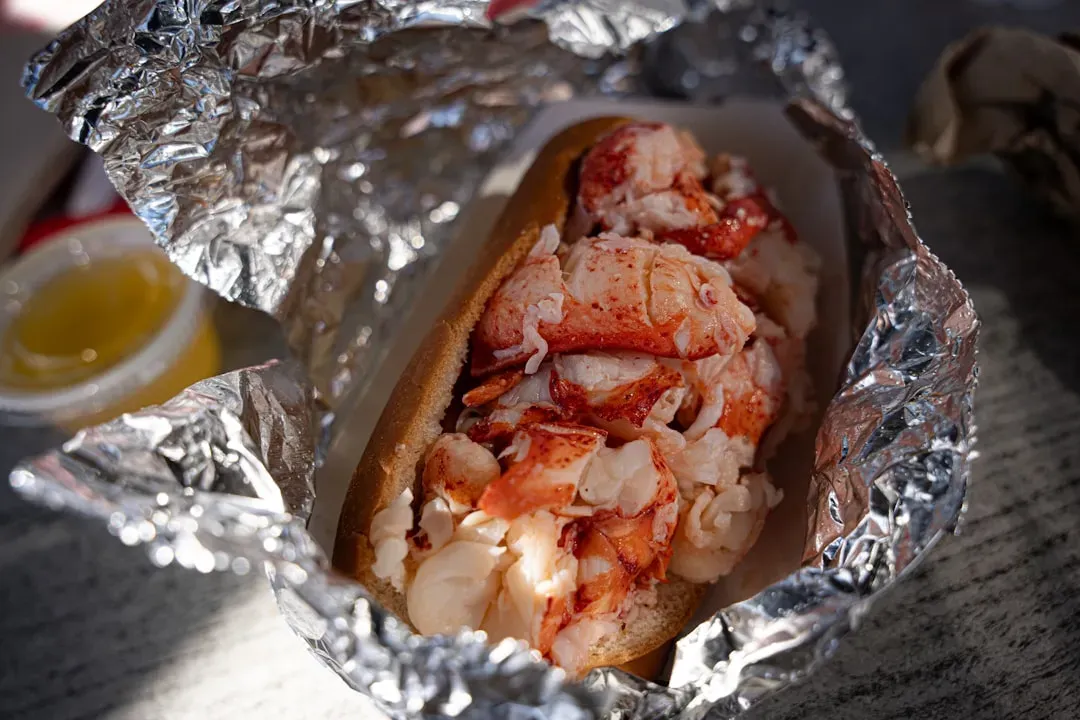
Evan Hennessey, chef and owner of Stages at One Washington in Dover, New Hampshire, says he likes lobster but not enough to justify the cost of a $40 to $50 lobster roll. He understands there’s a lot of labor involved in harvesting and prepping lobster, but the rest of the ingredients cost very little. He feels people have become used to paying higher prices without questioning them, saying the market has been driven so high that people are willing to pay astronomical amounts without blinking.
He calls it “tourist pricing,” and locals don’t appreciate it. It’s a phrase that rings painfully true across coastal tourist towns every summer. Chefs suggest checking with the server about when the seafood was delivered. For the freshest experience, enjoy lobster closer to delivery days, like Thursdays or Fridays, ensuring each bite is as succulent as it should be. Even if you do decide to order it, timing your visit around delivery days can make a genuine difference.
12. The Daily Special at Low-Volume Restaurants
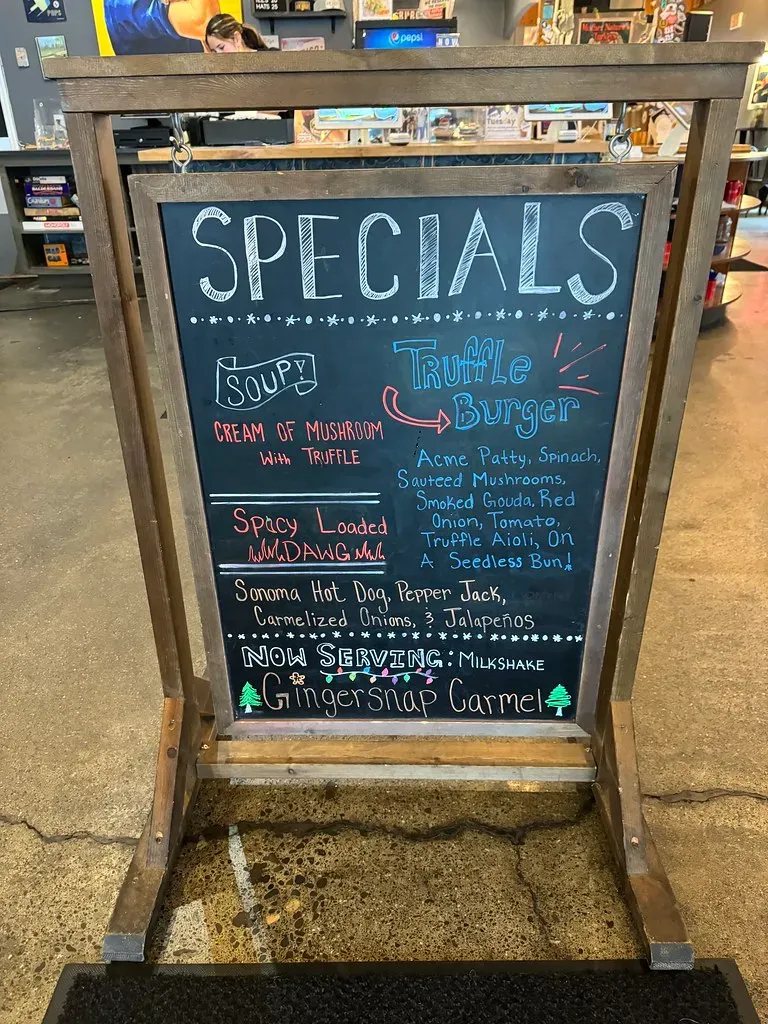
Ever notice how restaurant servers push the special of the day? Their reasons may be more economic than culinary. There are lots of foods you shouldn’t order in restaurants because of how long they take to make or how difficult they are, but what chefs tend to avoid are menu items that they know are more likely to be substandard, or won’t give you bang for your buck. This means that some all-time classics are actually often skipped by chefs. Elsewhere, chefs will avoid ordering items that they know won’t be fresh and could potentially be hazardous to your health.
Chefs know where corners get cut when margins are thin and rush hours are brutal. Dishes with mixed proteins, heavily sauced plates, and endless brunch buffets are all fertile ground for older ingredients, overworked prep, or sloppy temperature control. The special that never seems to disappear from the chalkboard is worth treating with the same suspicion as week-old leftovers. The first thing chefs look for is movement. They ask themselves how quickly does this dish sell, and does it rely on ingredients that spoil fast? That is a question worth stealing for your own next restaurant visit.
A Final Thought Worth Taking to Your Next Dinner Out
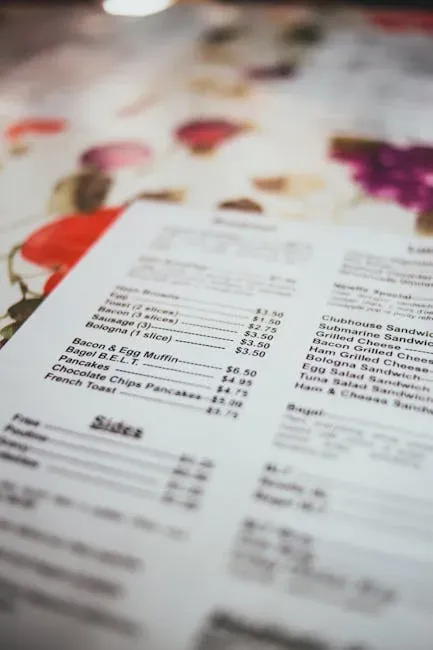
There is something refreshing and slightly humbling about realizing that the people who make food for a living are just as skeptical about menus as any savvy diner. They just know which specific questions to ask. None of this means you can never order a risotto or a lobster roll again. Context is everything. A coastal seafood house with queues out the door is a completely different beast from an inland brasserie with a truffle oil fryer.
The CDC estimates that each year roughly 1 in 6 Americans gets sick, 128,000 are hospitalized, and 3,000 die of foodborne diseases, with more than half of all foodborne illness outbreaks in the United States associated with restaurants, delis, banquet facilities, schools, and other institutions. Those numbers matter. Chefs are not being paranoid when they quietly pass on certain dishes. They are being informed.
Next time you sit down with a menu, channel your inner chef for just a moment. Ask yourself: is this dish one the kitchen burns through quickly? Is this a genuine specialty of the house, or a box-ticking exercise? Sometimes the most interesting thing you can do at a restaurant is skip the familiar and trust the kitchen to show you what it does best. What do you think? Would any of these dishes still make your regular order? Tell us in the comments.