
There’s a whole invisible world happening on the other side of your table. Every time you walk into a restaurant, your server is already reading you before you’ve said a single word. The way you handle the menu, how you call for attention, the pace of your requests – it all tells a story that experienced servers pick up on almost instantly.
Honestly, most diners have no idea how transparent their habits are. Some behaviors mark you as a dream table. Others label you as a nightmare before the appetizers even arrive. Whether you want to improve your dining experience or are simply curious about what servers actually notice, what follows might surprise you. Let’s dive in.
1. Claiming You’re Ready to Order When You’re Clearly Not
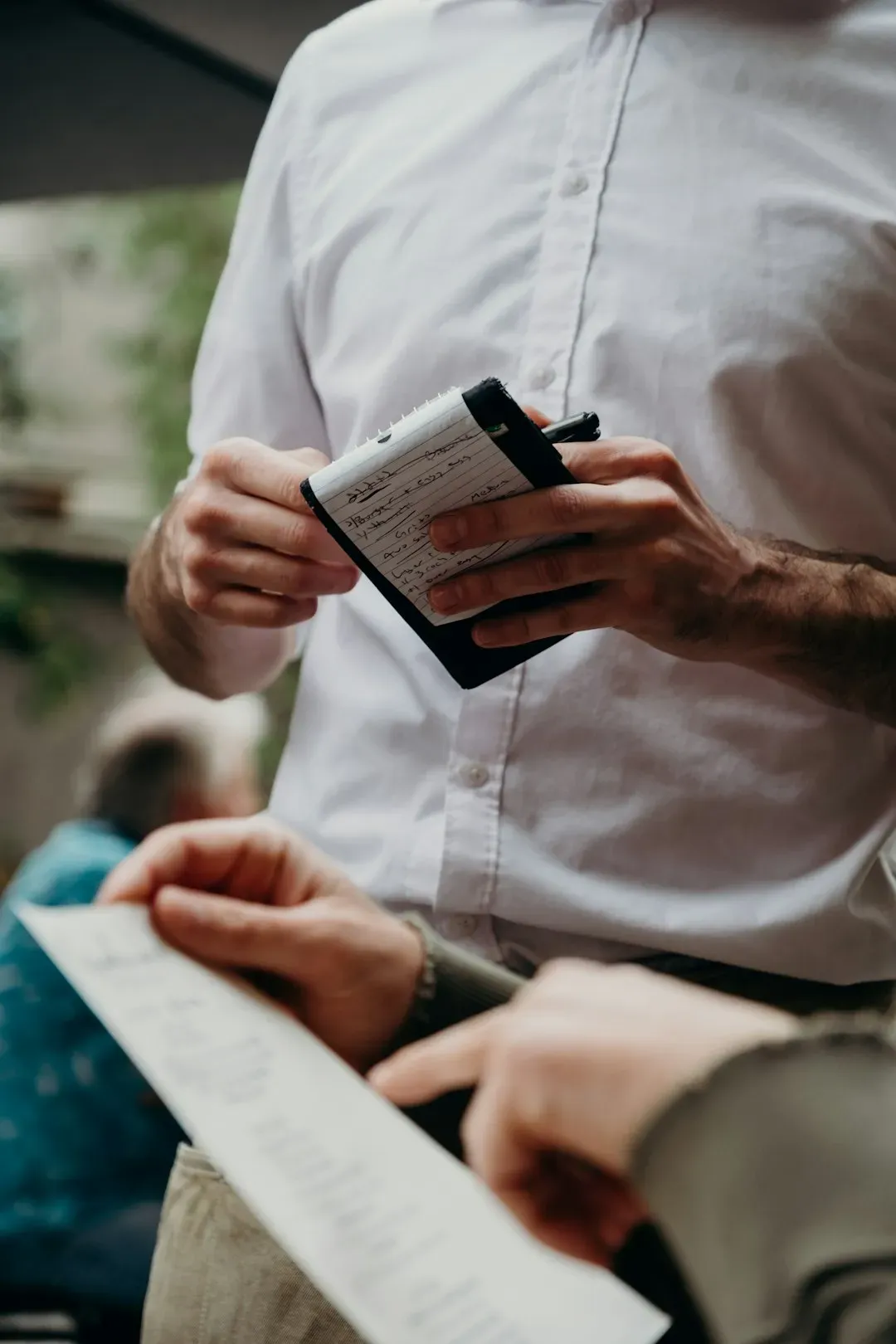
Here’s the thing – this one drives servers absolutely crazy, and it’s shockingly common. Servers on Reddit frequently share that one of their top frustrations is when people say they’re ready to order when they’re not, acting like they have to order right that second or they’ll starve, when they haven’t even looked at the sides yet. It sounds harmless, but consider what actually happens when you summon a server prematurely.
Servers confirm they hate it when customers say they’re ready to order when they’re really not – if you’re still looking at the menu, that’s fine, but let your server know so they can go take care of other things, and they promise they will come back in just a few minutes. Think of it like waving down a taxi and then not knowing where you want to go. The ripple effect on a server’s workflow can be enormous, especially during a packed Friday night rush.
2. The “One More Thing” Trap – Known as One-Timing
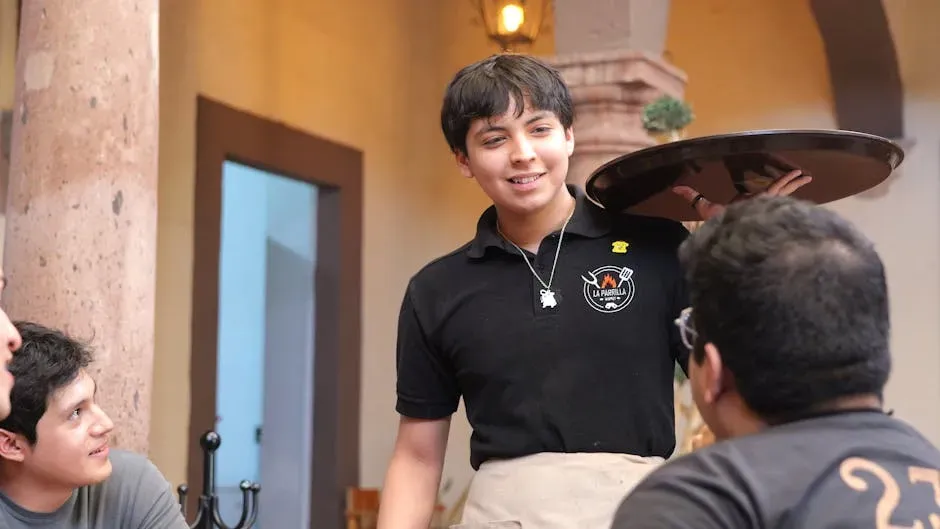
This habit actually has a name among industry insiders: “one-timing.” It happens when a diner calls the server over repeatedly, asking for just one more thing each time – extra napkins, then a side of ranch, then lemon for the water, then a spoon for the soup, more ice in the drink, and so on. In isolation, each request is perfectly reasonable. Together, it becomes what servers describe as the restaurant version of death by a thousand cuts.
This happens because customers forget to ask for everything they need and the server fails to anticipate their needs, according to a server at a chain restaurant in Texas. Sometimes diners need a lot of extras and tell their server their needs one at a time, thinking the server might forget everything at once – but servers would rather make one big trip than multiple small ones, because it saves time and gives the diner a dining experience with fewer interruptions. Consolidating your requests into one go is one of the simplest, most effective things you can do for a smooth meal.
3. Extensive Menu Modifications That Basically Redesign the Dish
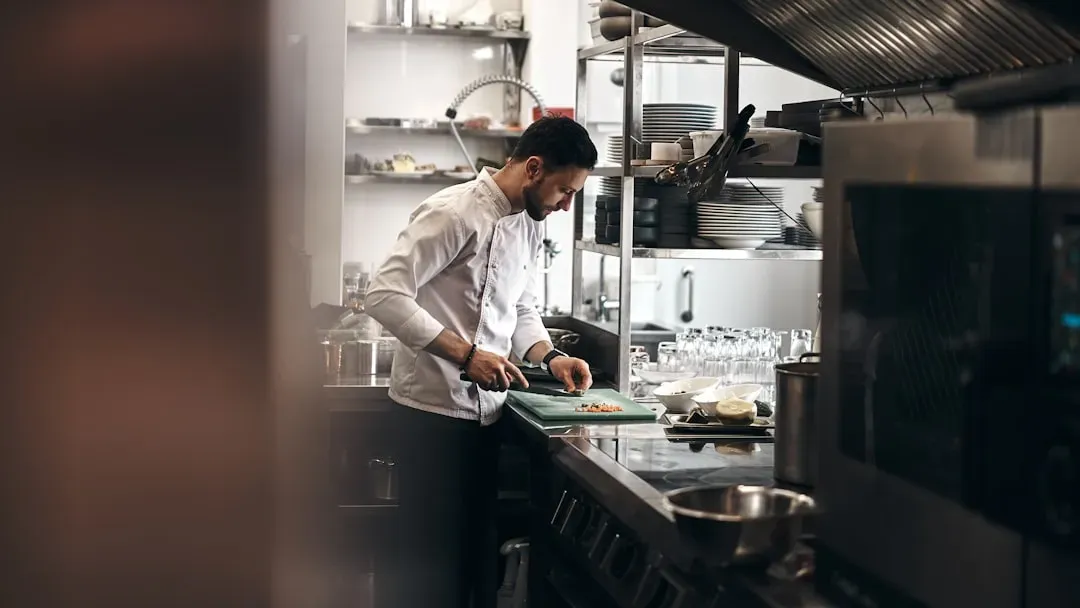
There is a clear difference between necessary modifications due to dietary needs and redesigning the entire menu – requests like getting the pasta with the sauce from the fish dish, the vegetables from the steak plate, cooked differently, and with added chicken prepared a special way are the kind of orders that immediately stand out. Servers absolutely notice the difference between a genuine allergy accommodation and a full culinary reinvention. I think most people don’t realize how complicated these requests get once they hit the kitchen.
Reddit servers have also noted that ordering something, modifying it, and then sending it back because you don’t like what you yourself created is one of the most baffling and frustrating customer behaviors they encounter. Some of the most divisive customer behaviors from a survey standpoint include asking for multiple modifications to a menu item, dividing public opinion sharply. Servers do their best to accommodate – but the more creative the order, the higher the chance something gets lost in translation between table and kitchen.
4. Snapping Fingers or Shaking a Glass for Attention
At least eight in ten Americans say it is unacceptable for diners to snap their fingers to get the waiter’s attention, according to a YouGov poll conducted in April 2024 with over 1,000 U.S. adults. Yet it still happens with surprising regularity, and servers notice it immediately. It sets a tone for the entire table interaction that is very hard to recover from.
Servers report that when people shake their glass at them for a refill, it’s immediately irritating – and snapping fingers is worse, because, as one server put it, they are not your dog or your servant, and you should not snap at them. A server’s job is high-stress by nature – they have to get used to the fast-paced environment and juggle different customer demands while keeping a smile on their face. Treating them like a household appliance you can switch on with a snap makes the entire dynamic uncomfortable for everyone.
5. Claiming You Won’t Pay for a Dish You Already Ate
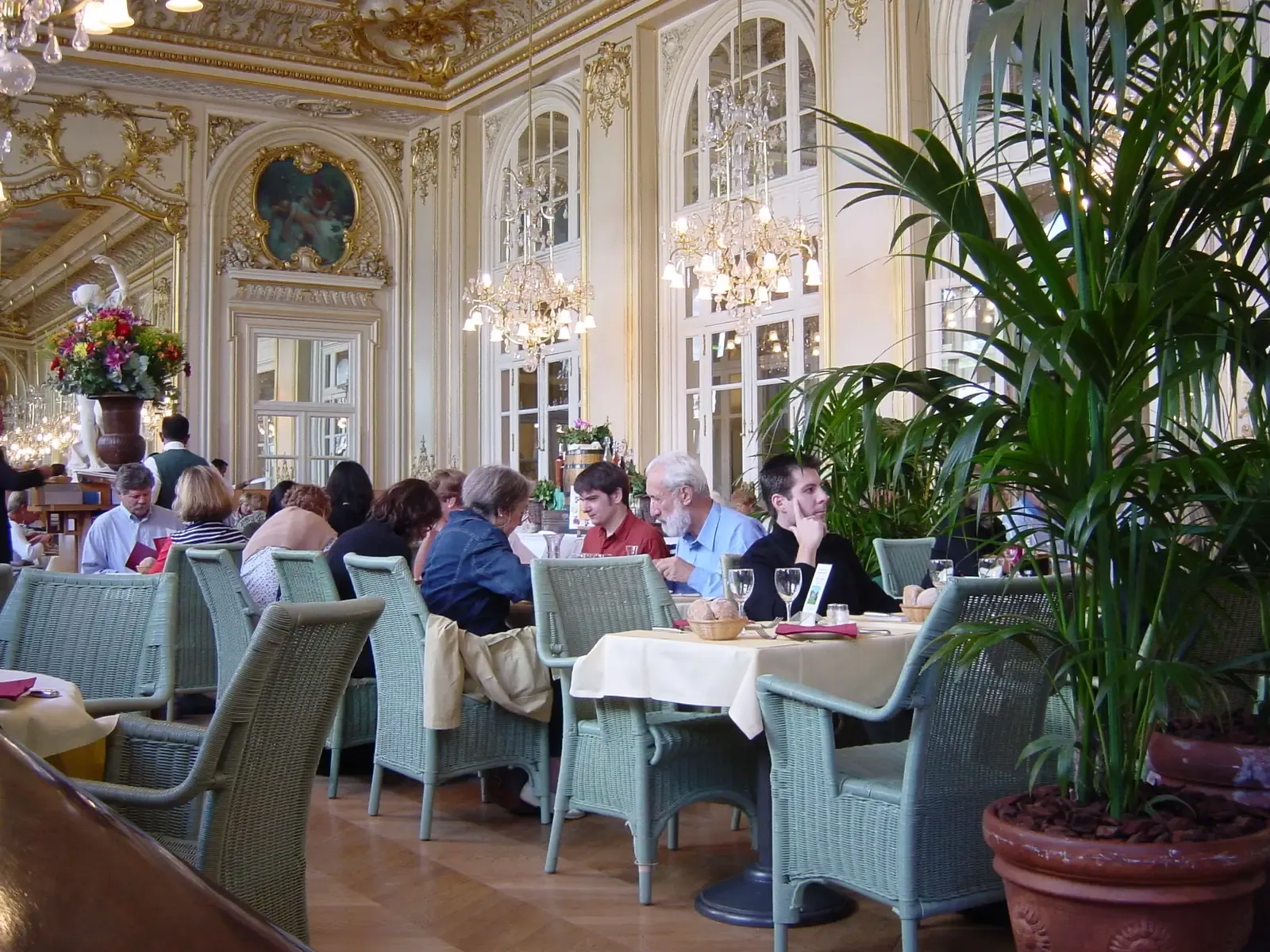
At least eight in ten Americans say it is unacceptable for diners to say they won’t pay for a dish they didn’t like but already ate. Yet servers encounter this maneuver with enough regularity that it’s become something of a restaurant legend. You eat most of the plate, then suddenly declare it wasn’t good enough to pay for. Servers see this coming from a mile away.
Eating half a meal and then saying it wasn’t good and wanting a comp is one of those tricks that was old when servers’ grandparents were around. It immediately signals to staff that a table may be difficult and potentially in bad faith. The unspoken rule, well understood by both sides, is that if food was genuinely problematic, you raise it early – not after the plate is clean. Servers remember tables like this, and honestly, so does the kitchen.
6. Debating Menu Prices With the Server
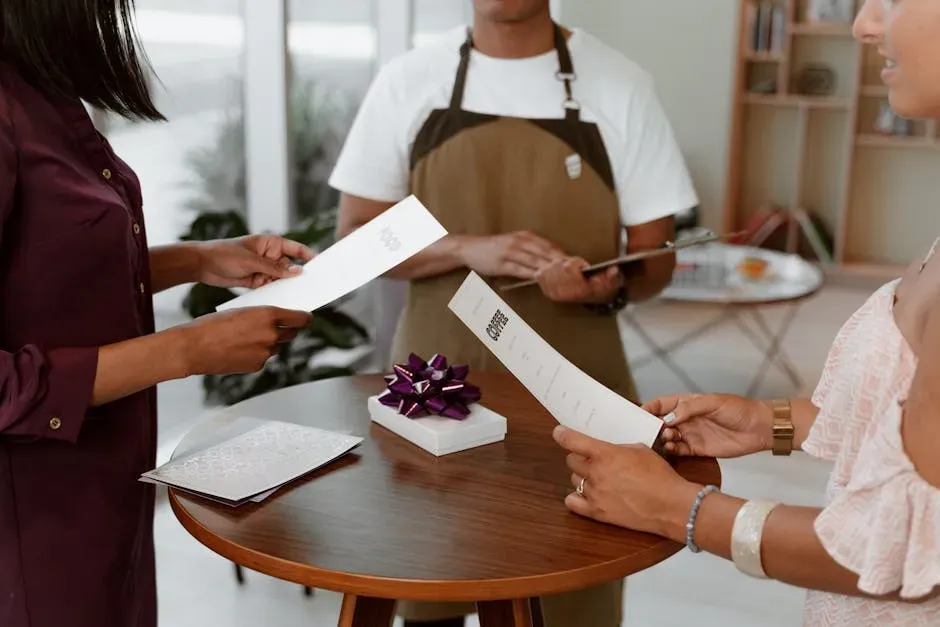
Debating menu prices with the staff is considered unacceptable by roughly eight in ten Americans, per YouGov’s 2024 poll. Still, servers regularly find themselves on the receiving end of complaints about what things cost – as though they personally set the prices. Let’s be real: your server has zero control over whether the salmon is $34 or the cocktail is $18.
Technomic data reveals that well over half of diners choose restaurants based on lower price points – the highest share on record – but what “value” means for customers has changed and now includes a combination of quality, convenience, and experience rather than just price. Servers pick up immediately on guests who are price-sensitive in a combative way versus those who are simply value-conscious. One is fine. The other makes for an uncomfortable table for everyone involved, including nearby diners.
7. Asking Every Staff Member Who Passes for the Same Thing
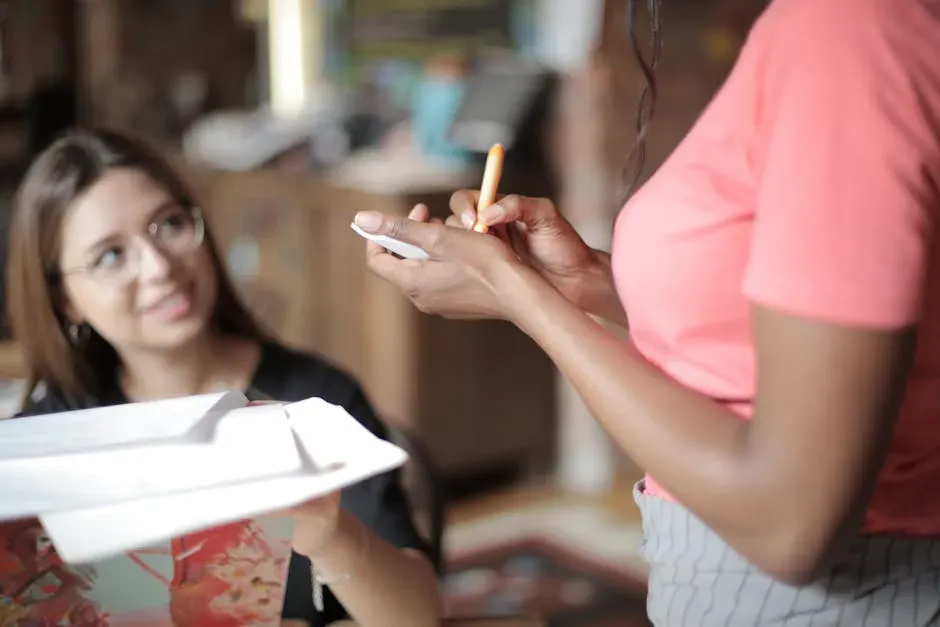
One of the most commented-upon server pet peeves is when a customer asks every employee that passes their field of vision for the same thing – for example, extra ranch. The instinct behind it makes a certain kind of sense. You figure that if you ask enough people, surely someone will bring it faster. In reality, you might end up with four portions of ranch and a confused kitchen.
This habit signals impatience, and experienced servers clock it instantly. It also creates a communication breakdown between front-of-house staff when multiple people think they’re handling the same request. Servers put their smile on for every table, but sometimes the phony grin disappears the moment they turn around – and the tables that seem determined to have a bad time and test staff patience really do get talked about. Waiting a little and trusting your original server to follow through goes a long way.
8. Stacking Plates to “Help” the Server Clear the Table
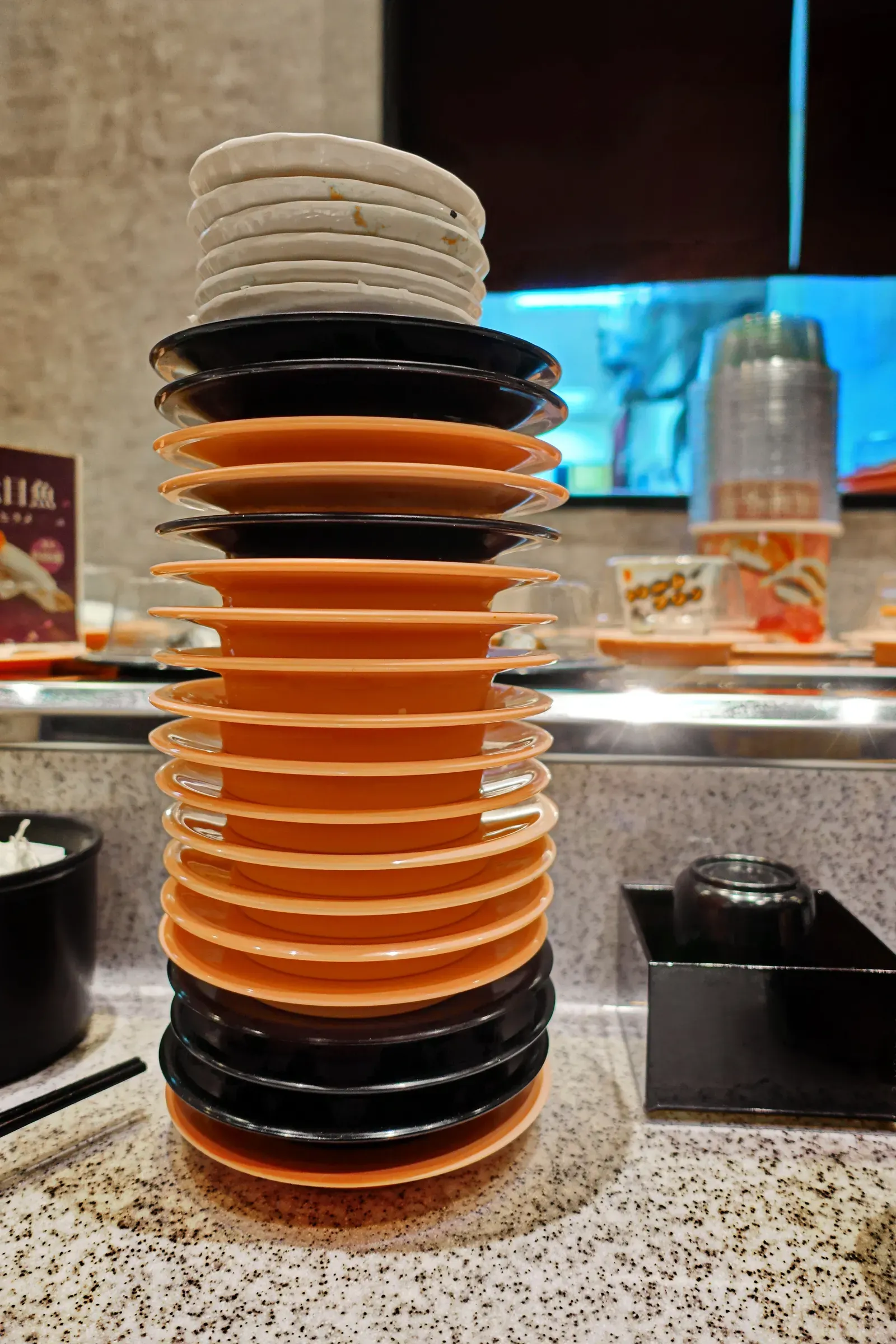
It seems thoughtful. It looks helpful. Stacking your own dishes when you’re done eating feels like you’re being considerate of a busy server’s time. Turns out, it’s actually a well-known dining faux pas that servers immediately recognize as the mark of an inexperienced diner. While you may be trying to be helpful by stacking dirty dishes, etiquette experts note that stacking plates sends a signal to other diners that the waitstaff is not tending to the table properly, and the waitstaff usually has a well-practiced system for clearing plates, utensils, and glassware that stacking interferes with.
Think of it like rearranging the papers on someone else’s organized desk because they looked messy to you. The system was working. It might seem like a good signal for the plates to be cleared, but it actually makes them harder to reach and clutters up the table for companions – and a good waiter will watch and ask if you’re done anyway. Simply sit back and enjoy the hospitality. That’s literally what you’re there for.
9. Staying Glued to Your Phone Throughout the Entire Ordering Process
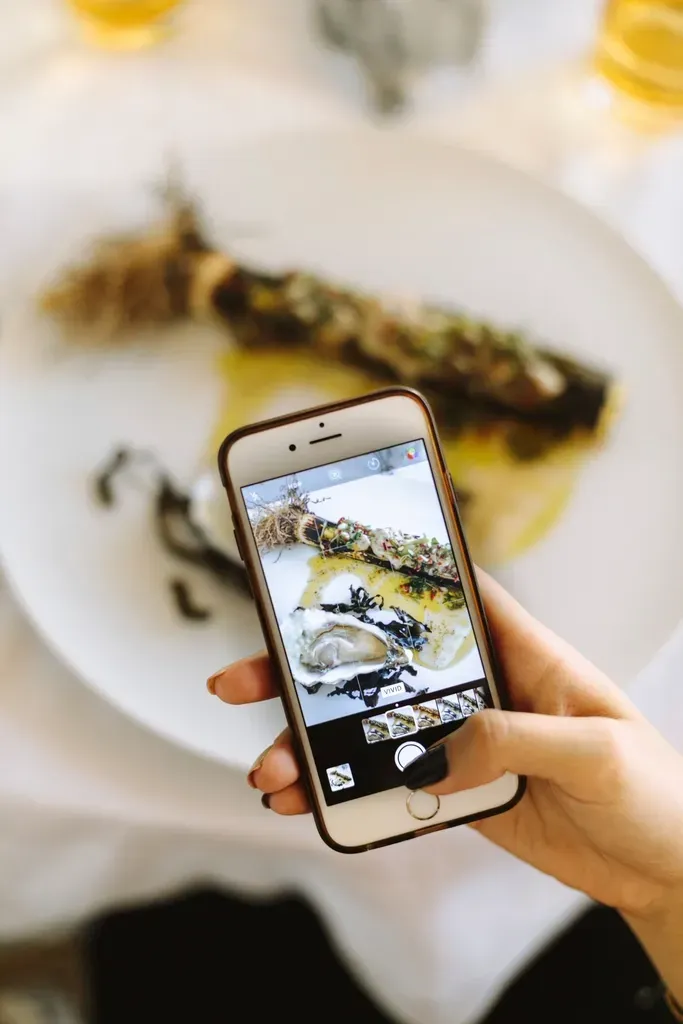
Whether it is texting, calling, or photographing your starter, nothing will annoy restaurant staff more than being on your phone during service – and it’s simply rude. Servers make note of tables where phones are out during the ordering moment specifically, because it slows down an already tightly timed service window. The table that’s only half paying attention when the server arrives for orders tends to take twice as long to get through.
Interestingly, the attitudes around phones in restaurants do split along generational lines. Women are more likely than men to say it’s acceptable for restaurant customers to take photos of their food – roughly eight in ten versus about seven in ten. But there’s a difference between a quick snap of your plate and conducting what amounts to a full business meeting while your server stands there waiting. Servers know the difference. They always do.
10. Skipping the Tip or Tipping Creatively
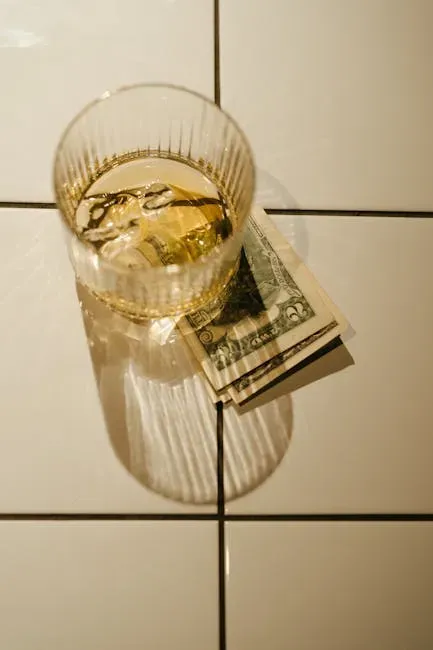
One of the most irritating habits that servers consistently report is when people tip in “creative” ways – one memorable example being a group that put change into a full water glass, placed a menu over the top, and flipped it upside down so the only way to retrieve the tip was to spill water everywhere, making a giant mess on top of what already had to be cleaned up. Let’s be clear: servers in the U.S. operate on a wage structure that makes tips not a bonus but a necessity. Servers typically make just $2.13 per hour in base pay in many states.
Diners reported spending an average of $54 when dining out at a restaurant in 2024 – up from $48 in 2023 – but despite higher bills, most diners aren’t adjusting their tipping habits, with about six in ten saying they tip the same as the year before. Servers notice not just the tip amount but how it’s delivered. Cash left respectfully, a card tip with a polite note, or a straightforward digital gratuity all communicate something. A grudging few coins or a deliberate “creative” tip communicates something too – and it’s not what most diners intend. It’s common for people who never worked at a restaurant to not fully understand what a thankless job it is, because not getting properly tipped is just the tip of the iceberg – the job is high-stress by nature and requires juggling different customer demands while keeping a smile on.
Conclusion
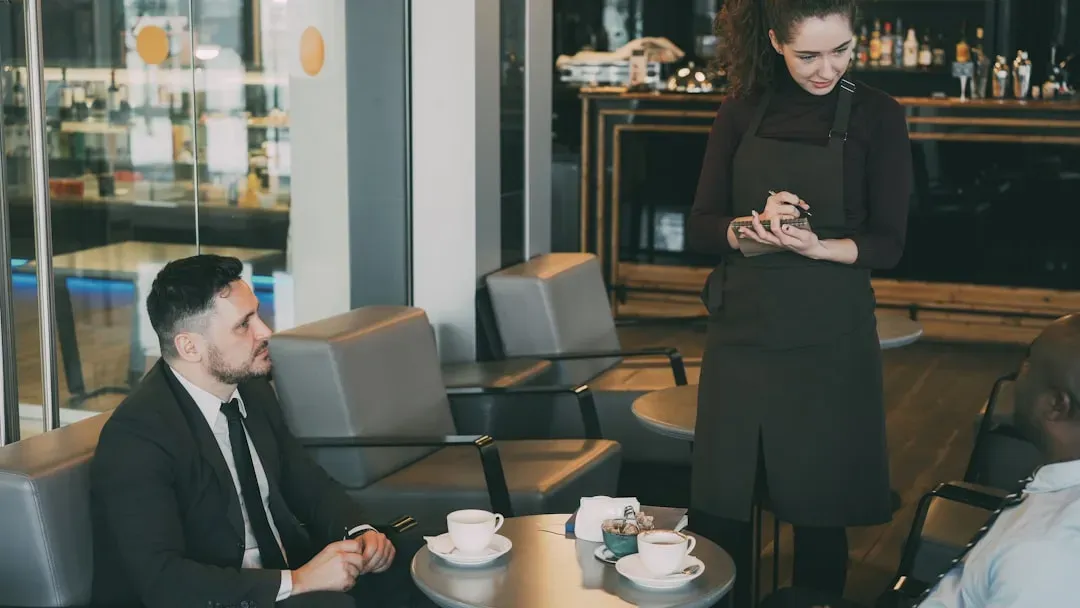
The truth is, most people don’t walk into a restaurant trying to be difficult. They’re hungry, they’re distracted, and they’re navigating social dynamics while someone stands over them with a notepad. But the habits above reveal how much goes unnoticed by diners – and how little goes unnoticed by the people serving them.
Servers are professionals managing multiple tables, personalities, and kitchen timelines simultaneously. The ordering habits that stand out most are rarely about malice. They’re about awareness. A little mindfulness during those first few minutes of interaction can genuinely change the experience for everyone at the table – including you.
Next time you sit down, take a breath, actually read the menu before waving your server over, consolidate your requests, and leave a fair tip. Small gestures, enormous difference. Have you ever caught yourself doing any of these without realizing it? Tell us in the comments.