
There’s something happening in American kitchens and restaurants right now that nobody really expected. After years of chasing global fusion bowls, plant-based everything, and Instagram-perfect grain salads, people are quietly sneaking something else onto their plates. Something old. Something warm. Something that smells exactly like your grandmother’s kitchen on a Sunday afternoon.
After years of chasing novelty, American diners are craving comfort – but with a twist. The “nostalgia wave” in 2026 is less about reheating old recipes and more about reviving heritage dishes in modern, elevated ways. Honestly, I find that fascinating. It says a lot about where we are culturally. So buckle up, because some of these might genuinely surprise you. Let’s dive in.
Table of Contents
1. Salisbury Steak: The TV Dinner That Became Fine Dining
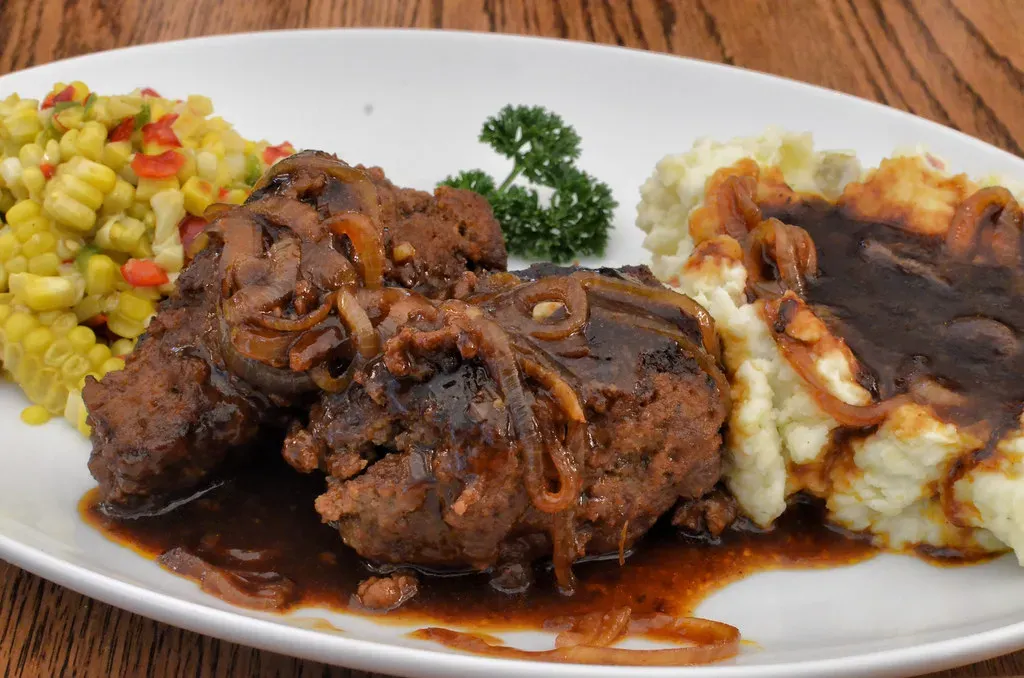
Few dishes carry more cultural baggage than Salisbury steak. For most people, it lives in the memory as a gray, gravy-soaked patty inside a foil tray, something you ate in front of a television set in the 1970s. Salisbury steak is a meat dish originating in the United States, made from a blend of ground beef and other ingredients, and is usually served with a gravy similar in texture to brown sauce, along with various side dishes such as mashed potatoes and cooked vegetables.
But here’s the thing – it’s showing up in some unexpected places now. Chef Greg Baxtrom of Brooklyn’s Patti Ann’s Family Restaurant is serving up pot roast and meatloaf without a hint of irony, and the menu even includes a dish of duck Salisbury steak, a reimagined tribute to Midwestern cuisine. A duck Salisbury steak. In Brooklyn. If that doesn’t tell you something about where comfort food is heading, nothing will.
Comfort food is great at rising to the moment, and old-school comfort food, in particular, satisfies long term – a timeless antidote to all of life’s problems. Salisbury steak perfectly fits that description. It’s hearty, deeply savory, and requires almost zero pretension to enjoy.
2. Meatloaf: America’s Most Underestimated Classic
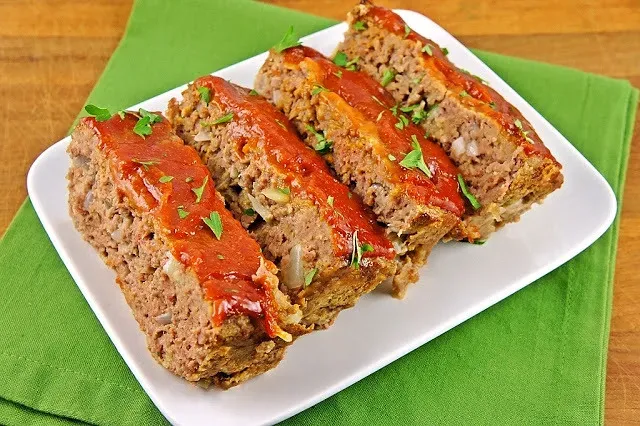
Let’s be real – meatloaf spent the better part of two decades being the punchline of American culinary conversation. Everyone either loved it or acted embarrassed by it. Then something shifted. For those in the mood for a meatloaf dinner that tastes like the kind enjoyed in childhood, chains like Cheddar’s Scratch Kitchen have been delivering – the Texas-based restaurant, started in 1979, makes a meatloaf that rivals Grandma’s.
Greg Baxtrom in Brooklyn is serving up both pot roast and Meatloaf without irony, almost as a Zen rejection of ego. That framing feels exactly right. Meatloaf doesn’t need a glow-up or a rebrand. It just needs people willing to stop overthinking it. And that’s exactly what seems to be happening across America in 2025 and 2026.
The dish has also found renewed relevance thanks to rising food costs. Rising food costs make these resourceful meals particularly appealing, and dishes like meatloaf and casseroles cater to families seeking cost-effective ways to eat well. When ground beef and pantry staples are all you need, suddenly a humble meatloaf feels like both comfort and smart budgeting in one loaf pan.
3. The Tuna Noodle Casserole Comeback
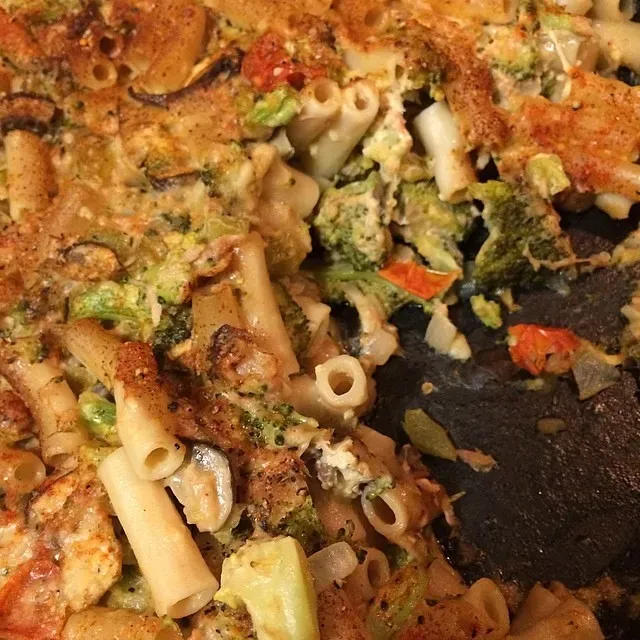
There is probably no dish more divisive in the American comfort food canon than tuna noodle casserole. Some people adore it. Others visibly shudder. But its return is undeniable. The notion of comfort food has gained renewed significance in recent years, and a classic tuna noodle casserole plays a notable role – besides being a convenient weeknight dinner, it symbolizes resilience and familial connection.
From bubbling casseroles to layered trifles, retro creations from the 1950s through the 1990s are staging a comeback, fueled by nostalgia and a desire for comfort amid today’s uncertainties. Casseroles in general are having a moment, and tuna noodle is right at the center of it. The combination of crispy breadcrumb topping, creamy sauce, and soft noodles hits in a way that no trendy dish can replicate.
Factors contributing to the revival include rising food costs, the pandemic’s lasting impact on cooking habits, and the influence of social media. Platforms like TikTok and Instagram have become key drivers of the trend, as younger cooks discover these recipes for the first time and share them with genuine excitement rather than iron.
4. Beef Tallow Cooking: The Fat That Ran American Kitchens

This one is genuinely fascinating to watch unfold. Before the rise of industrial seed oils, beef tallow was one of the most common frying mediums in American restaurants, diners, and burger joints – it wasn’t trendy, it was simply a matter of how food was cooked. From the 1940s through the late 1980s, tallow powered everything from French fries to fried chicken.
Beef tallow is making a comeback in 2025 and 2026. Steak ‘n Shake kicked off the trend by announcing plans to use 100 percent all-natural beef tallow across its restaurants, with fries, onion rings, and chicken tenders now cooked exclusively in tallow. The flavor difference has been described as significant. Research firm Technomic projects that beef tallow will appear on menus at more than double the current rate over the next two years.
Social media has played a major role in reviving its popularity, often presenting it as a cleaner, more natural alternative to seed oils. This trend is part nostalgia, part rebellion – as more consumers question industrial agriculture and hyper-processed ingredients, old-school fats like tallow feel refreshingly back-to-basics. Whether you agree with the health angle or not, the flavor argument alone is hard to dismiss.
5. Rice Pudding: Grandma’s Windowsill Dessert
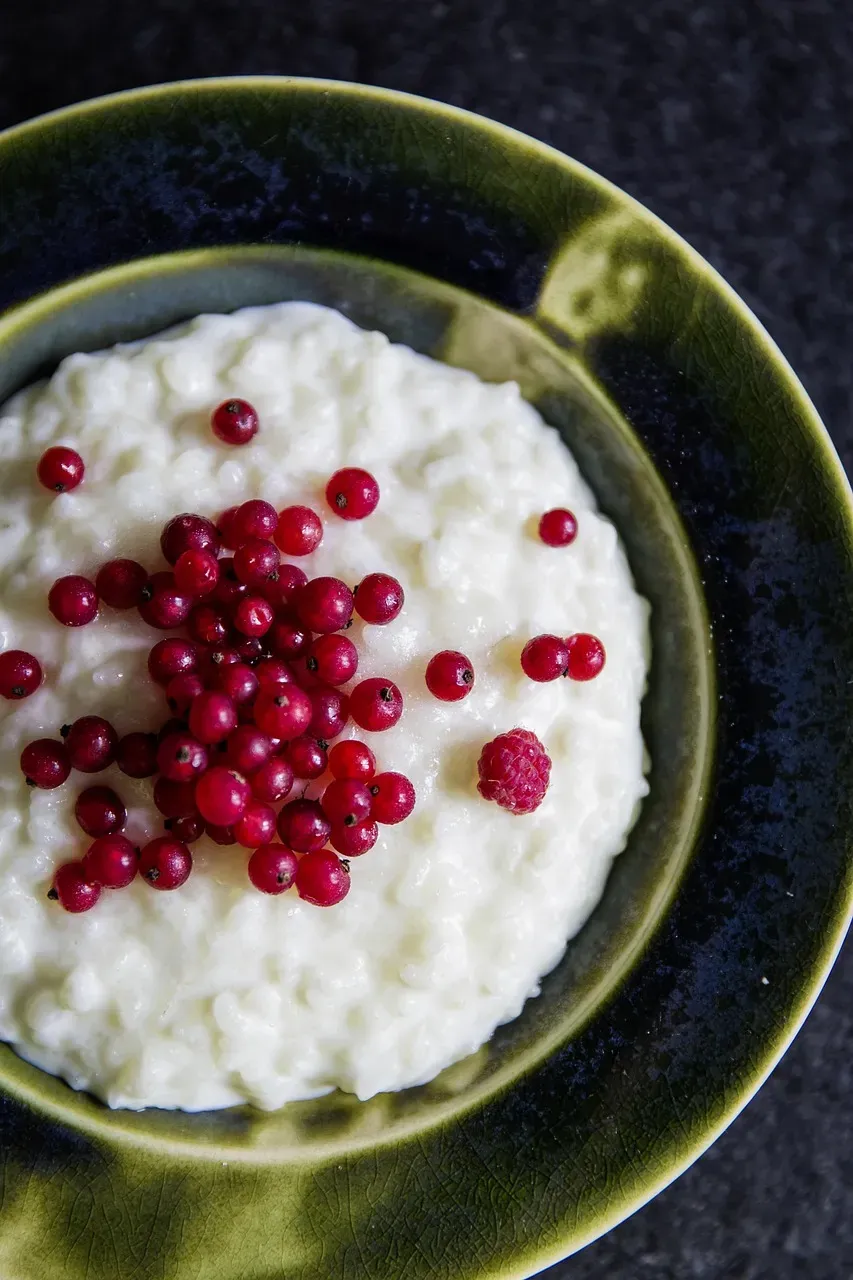
Rice pudding is one of those dishes that barely registers in modern food culture. It’s not flashy. It doesn’t photograph dramatically. It doesn’t even have a strong identity in the current food scene. But its quiet, creamy presence is making its way back into home kitchens and upscale restaurant dessert menus alike. Think of it as the most understated comeback on this entire list.
The rise of nostalgic foods during the pandemic gave consumers a sense of comfort to help combat stress, and food and beverage brands have explored how to capture attention and love of nostalgia through formulations and marketing. Rice pudding fits this emotional lane perfectly. It’s warm, familiar, and almost meditative to eat. It asks nothing of you except to slow down.
In 2026, nostalgia isn’t just a feeling – it’s a strategic force. Welcome to the era of neo-nostalgia, where brands are reimagining retro flavors, formats, and packaging for a new generation of consumers. This isn’t just about bringing back old favorites – it’s about modernizing them and aligning them with today’s expectations around health, quality, and experience. Rice pudding, updated with better dairy and seasonal flavors, is exactly that kind of dish.
6. Root Beer Floats and Soda Fountain Drinks
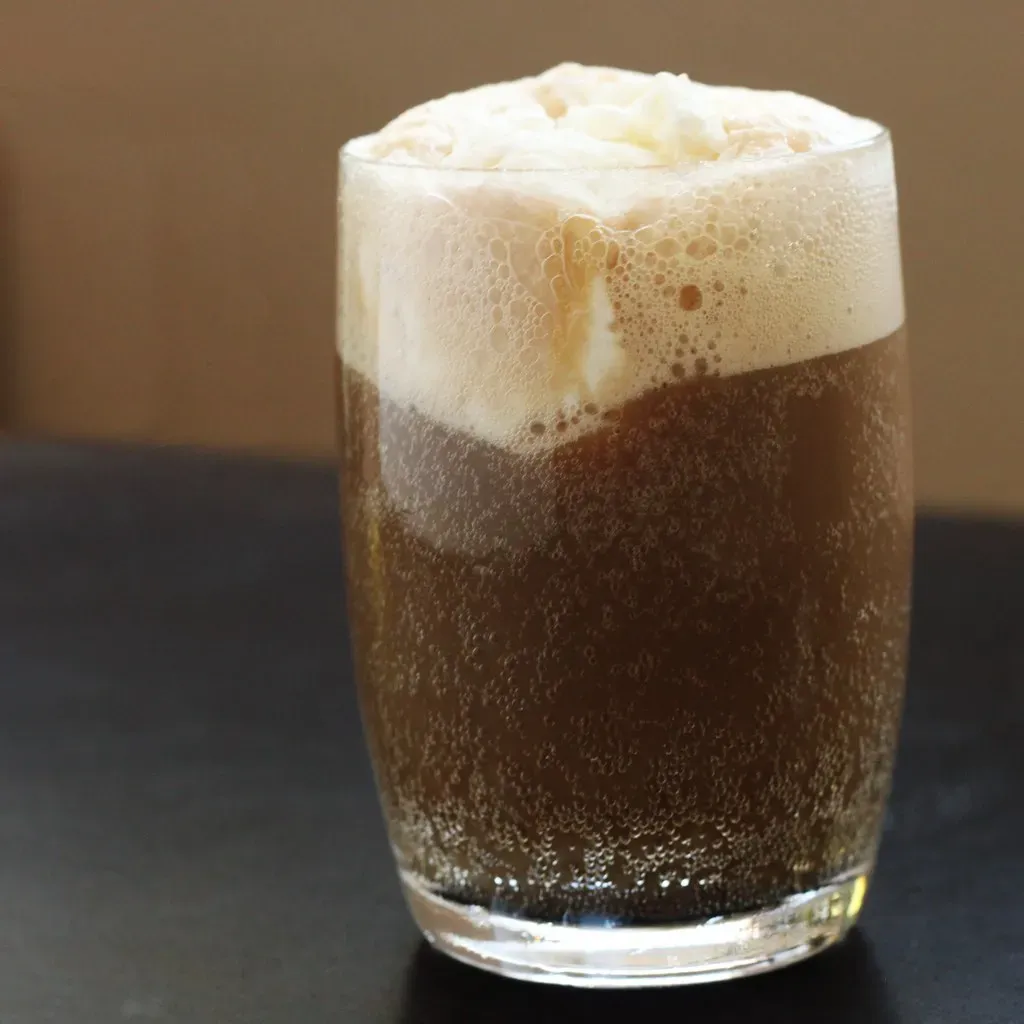
Walk into any diner from the 1950s and a root beer float was essentially mandatory. Then fast food arrived, drive-through culture took over, and the float quietly disappeared from mainstream relevance. That’s changing now, and in a way that’s genuinely exciting. Root beer floats, malt shakes, and gooey brownies are trending again – no longer called “old-fashioned.”
Consumers are longing for the past, with an uptick in searches for nostalgic floats. Trending search terms include cream soda aesthetic, fruit soda, homemade soda, root beer aesthetic, and soda drink recipes. Gen Z, it turns out, is especially drawn to these soda fountain concepts – not out of memory, but out of curiosity and aesthetic appeal. That’s a powerful demographic to have on your side.
Cream soda originated in the 19th century as a luxurious treat that mimicked the flavors of an ice cream soda. Early recipes combined carbonated water, sugar, and vanilla or other flavorings, and its popularity peaked in the 20th century as a staple in American soda fountains. Now it’s back, and younger generations are treating these drinks like something newly discovered, which is both charming and commercially smart.
7. Pot Roast: The Sunday Dinner Centerpiece
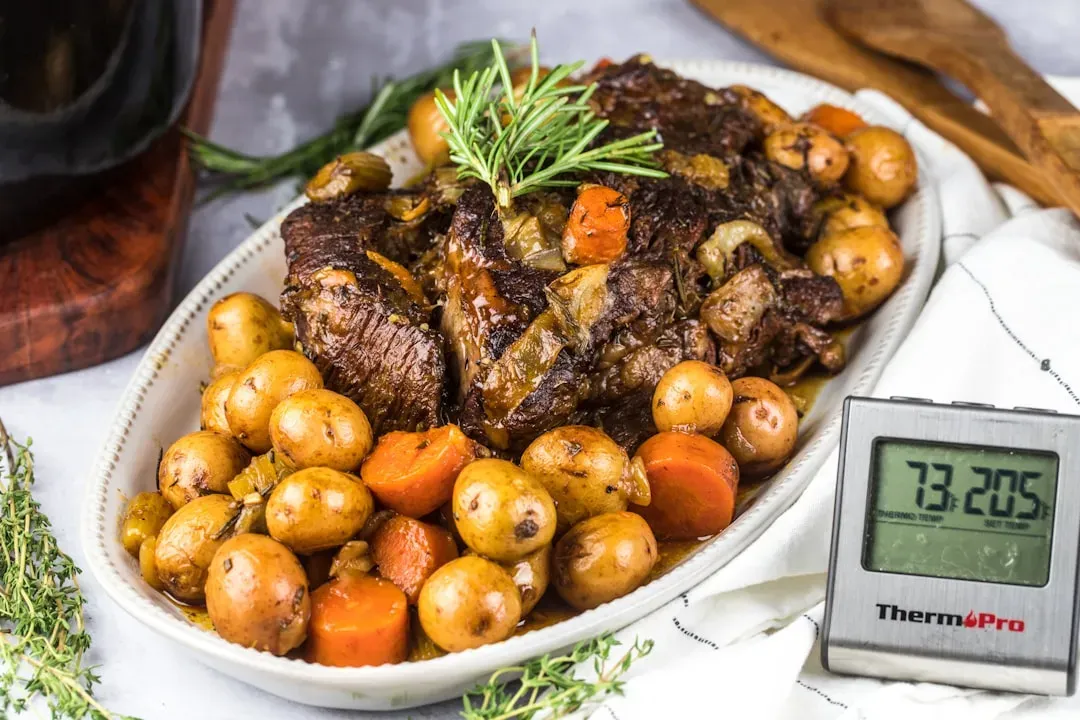
Pot roast was the unspoken contract of the American Sunday. You came home, the house smelled incredible, and somehow the world felt a little more manageable. It fell out of fashion during the decades when weekends got busier and nobody had five hours to dedicate to a Dutch oven. But right now, it’s finding its way back – both in homes and in restaurants.
In 2025, nostalgia-based trends are emerging across American culture. While rising economic pressures and cultural shifts may contribute to unease, many Americans are turning to the familiar dishes of their childhoods, rooted in the traditions of the 1950s through the 1990s. Pot roast sits squarely in that emotional space. It’s the edible equivalent of a safety blanket.
The pandemic also reshaped Americans’ approach to cooking. Traditional recipes offered a means of finding comfort and stability during periods of uncertainty, and preparing hands-on dishes like casseroles became a form of therapy for millions stuck at home. That habit never fully went away. Slow cooking and braising skills that people picked up have stuck around, making pot roast a perfectly natural beneficiary.
8. Jell-O Salads and Retro Gelatin Desserts
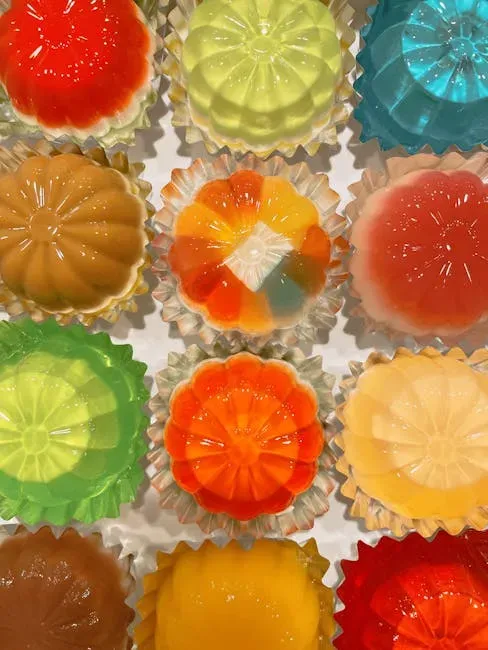
Okay, I’ll admit this one had me doing a double-take. Jell-O salads. You know the ones – bright green or yellow gelatin molds packed with canned fruit, whipped cream, and sometimes cream cheese, sitting proudly in a Bundt pan at every potluck between 1955 and 1988. They’re not exactly what you’d call cutting-edge cuisine. Yet here they are, creeping back into the conversation. I know it sounds crazy, but stick with me.
Social media platforms like TikTok and Instagram have played a pivotal role in amplifying the appeal of retro recipes. These visually striking, wobbling, technicolor desserts are genuinely made for social sharing. They’re unexpected enough to be interesting and nostalgic enough to feel warm. That’s a potent combination for the current algorithm-driven food culture.
Legacy products that once relied on artificial colors or preservatives are being updated with simplified ingredient lists, plant-based substitutions, or allergen-friendly alternatives – allowing brands to keep the emotional resonance of the original while appealing to modern values around wellness and transparency. A once-popular gelatin dessert brand relaunching with vegan pectin and fruit purée is a real-world example of this shift, and it’s brilliant market thinking.
9. Mac and Cheese: The Elevated Return of a Childhood Staple

Mac and Cheese never truly disappeared, of course. But the version making waves in 2025 and 2026 is a different animal entirely from the bright-orange powdered stuff. Today’s mac and cheese is baked golden, often finished with truffle oil, sourdough crumbs, or even vegan cashew cream – nostalgic yet elevated. It follows the same emotional blueprint, but with far more intention and craft.
A 2024 YouGov survey of U.S. adults found that almost half would choose a traditional American comfort dish over any fad or novel new recipe. That’s a striking number. Nearly half of adults are actively preferring the classics. Mac and cheese, in its elevated form, is perfectly positioned to capture that appetite while still feeling relevant to younger diners.
Popular American foods like burgers, pizza, and Mac and Cheese are getting global makeovers, while Americans still love the classics – now served with personality, and sometimes a drizzle of hot honey. Hot honey mac and cheese has become a genuinely common menu item across U.S. restaurants in 2025 and 2026, serving as the perfect metaphor for this entire movement.
10. Old-Fashioned Fruit Pies: The Dessert That Outran Every Trend

Croissants had their moment. Cronuts happened. The cookie craze peaked. Choux pastry had a brief but intense run. Yet through all of it, the humble American fruit pie just kept quietly sitting there on the windowsill, waiting. And now, in a delightful full circle, it’s the one getting the last word. Apples, cherries, and pecans in desserts that feel like Grandma’s kitchen are warming their way back into home kitchens, bringing with them a sense of nostalgia and comfort, and making for the perfect comfort snack for festive seasons.
The news and our lives are filled with plenty of stress these days, which means people are turning wherever they can to find respite and stress relief, including at restaurants. We learned just how important comfort foods were to our well-being during the COVID-19 pandemic, and restaurants are sure to capitalize on this idea again in 2026. A flaky-crusted fruit pie filled with real, seasonal fruit hits that stress-relief target better than almost any other dessert on the market.
Childhood comfort foods are being reimagined with modern, better-for-you ingredients, resulting in a wave of products that satisfy emotional cravings while delivering functional benefits. Gluten-free pie crusts, locally sourced fruit, and reduced-sugar fillings are giving the classic American pie a genuinely modern identity – one that doesn’t compromise on what made it great in the first place.
The Bigger Picture: Why Comfort Is Winning Again

Comfort foods paired with a nostalgic flair continue to shape consumers’ culinary interest. There’s something deeper going on here than just food preferences. These recipes anchor people to tradition, offering a sense of continuity in an era marked by rapid change. Food, more than almost anything else, has the ability to deliver that feeling of groundedness quickly and reliably.
The concept of “nostalgic brand love,” coined by researchers at Worcester Polytechnic Institute, is defined as the longing to buy and consume a beloved brand that is no longer available. The rise in nostalgic foods during the pandemic gave consumers a sense of comfort to help combat stress. That longing never fully resolved. It simply evolved into the broader nostalgia wave we’re experiencing right now across all corners of American food culture.
Honestly, the return of these forgotten American comfort foods feels less like a trend and more like a reckoning. After years of chasing the new, the global, and the technically complex, a growing number of Americans are simply asking for something that feels like home. The foods on this list never stopped being delicious. We just forgot to look for them. What would you bring back to your own table first?