
Most people walk into a restaurant thinking about the menu, not the warning signs plastered all around them. You scan for a good table, maybe glance at the specials, and settle in. What you probably don’t do is check the condiment bottles, peek at the bathroom log, or wonder whether the server sneezing near the kitchen is actually contagious. Honestly, most of us don’t think about any of that until we’re hunched over a toilet at 2 a.m. wondering what went wrong.
The CDC estimates that 48 million people get sick from a foodborne illness every year in the United States alone. That’s not a small rounding error. That’s roughly one in six Americans, and most of them had no idea anything was off when they sat down to eat. The clues were there. They just weren’t looking. Let’s change that.
Table of Contents
1. The Bathroom Tells You Everything
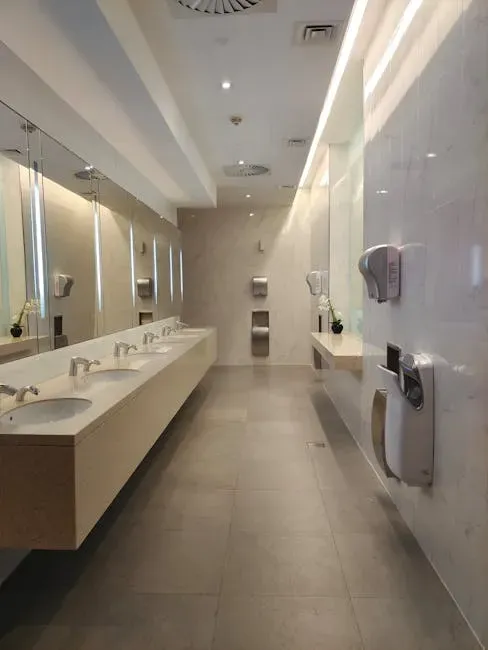
Here’s a truth most diners skip right past: the state of a restaurant’s bathroom is one of the most reliable indicators of what’s happening behind the kitchen door. Think of it like checking the inside of someone’s fridge before you trust them to cook dinner. A dirty bathroom is a real deal breaker, though busy service times should be factored in. If it’s a packed Friday night, some wear is expected. But a bathroom that is perpetually neglected is a different story entirely.
In many restaurants, the dining room restroom is the only one on the premises, which is why nearly all restaurant bathrooms have signs telling employees to wash their hands before returning to work. So if there’s no soap in the soap dispenser, the odds are pretty good that the folks about to prepare your food haven’t thoroughly washed their hands. That single detail, soap missing from the dispenser, should be enough to make you reconsider staying. The bathroom should smell neutral or, better yet, like disinfectant or cleaning solution. Paper goods and soap should be well stocked, and the floor should be clean. If those basics are missing, you’d be right to wager the kitchen isn’t kept clean either.
2. Sticky Menus and Grimy Condiment Bottles
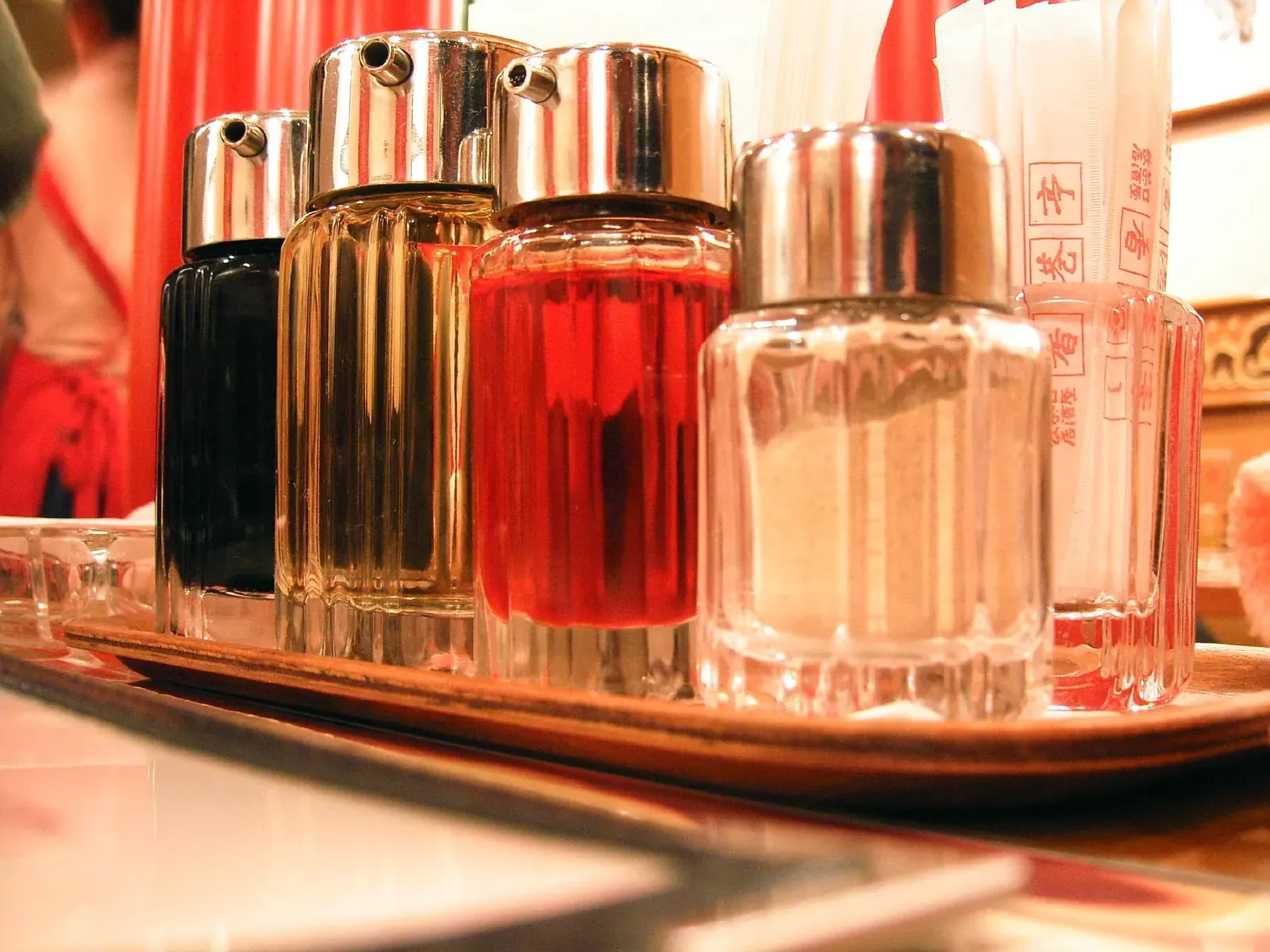
You touch the menu before you touch your food. Most diners don’t think about that, but it matters enormously. The physical menu can tell you a lot about a restaurant. Dirty or beaten-up menus are a bad sign, the kind of small factor that might signal greater problems. If the staff don’t care about the little things, it may follow that the larger issues aren’t that important to them, either.
The state of condiments and table items can be a clear indication of whether the restaurant cares about health regulations. If a sauce bottle has gunk crusted around the nozzle, there’s no saying when it was last cleaned properly. Probably enough time for harmful bacteria to grow. Condiments that are missing caps, have crusty caps, or are not refilled, alongside sticky or splotchy menus, are signs that things are not cleaned routinely. I know it sounds almost too simple, but these are the details that separate a well-run kitchen from a disaster waiting to happen.
3. Sick Staff Still Showing Up to Work
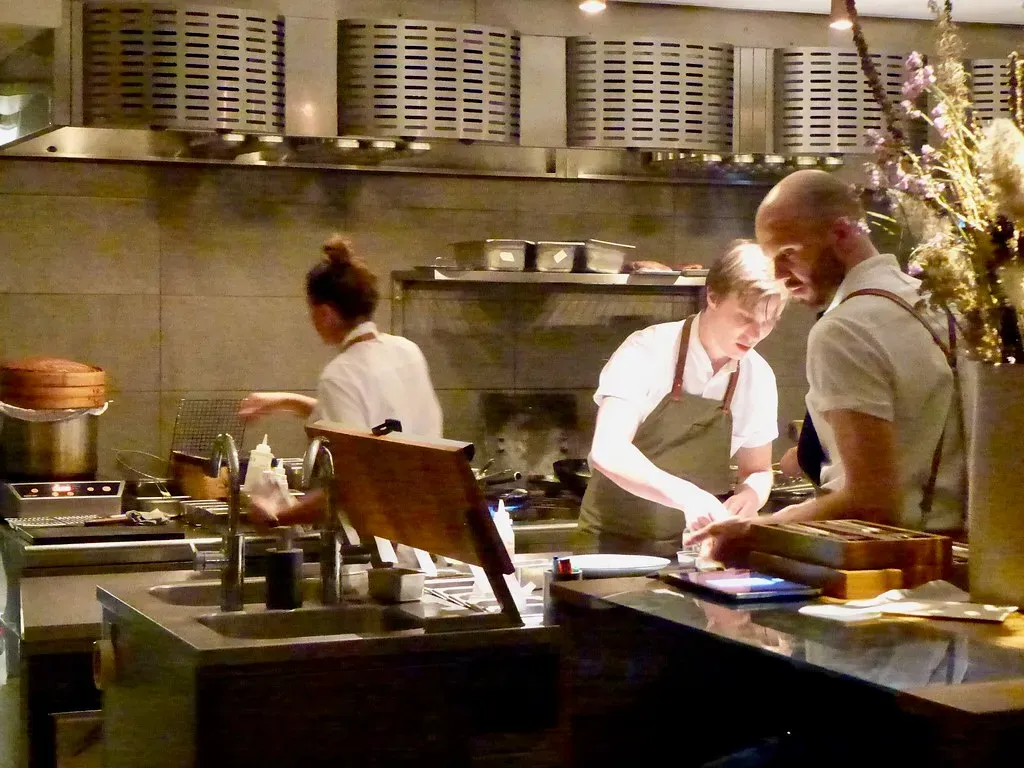
This one is probably the most alarming red flag on this entire list, and it’s one most diners would never even think to look for. Forty percent of US foodborne illness outbreaks at restaurants and other food-serving establishments from 2017 to 2019 were related to a sick worker. Four in ten. That number doesn’t exactly inspire confidence during your next dinner reservation.
The CDC found that one in five food workers had worked while sick with vomiting or diarrhea for at least one shift in the previous year. The reasons are painfully predictable. Workers most commonly cited the following four reasons for working while ill: the restaurant did not have paid sick leave or a sick leave policy, the restaurant was understaffed or they couldn’t find someone to cover their shift, they didn’t feel bad or thought their illness symptoms didn’t seem contagious, and they felt obligated to coworkers or had a strong work ethic and didn’t want to miss work. If a server looks visibly unwell, trust your gut. It’s okay to ask for someone else or simply leave.
4. A Chaotic or Dirty Dining Area
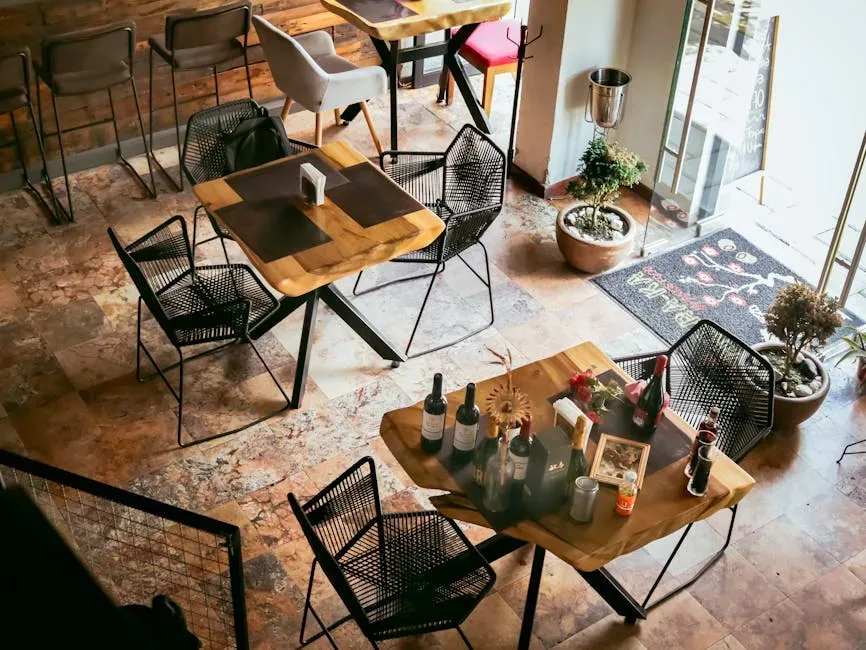
There’s a useful principle here that experienced diners understand intuitively: what you can see reflects what you cannot. Executive Chef Alan Gosker of Lola at the National Exchange Hotel says he always looks at common areas when visiting a restaurant he hasn’t been to before. “Floors, menus, waiting area – if those look cared for, the rest usually falls in line.” There’s a difference between a restaurant that’s a little worn and has heart, and one that people don’t give a damn about. Dirty floors, tables that haven’t been wiped down properly, baseboards that have never seen a duster are all bad signs.
Slow service cleaning up can show a lack of care. An essential aspect to consider is how quickly servers or bussers handle tables and their process for clearing them. A dirty table or dishes left for an extended period can signify poor service and a lack of attention to detail. A restaurant can be loud, cramped, and wonderfully imperfect. Still, basic cleanliness should never be the thing that slips. Four out of five diners, roughly 82 percent, say they lose their appetite when they see grease or dirt at a restaurant. Your instincts are usually right.
5. Staff Who Look or Seem Visibly Unclean
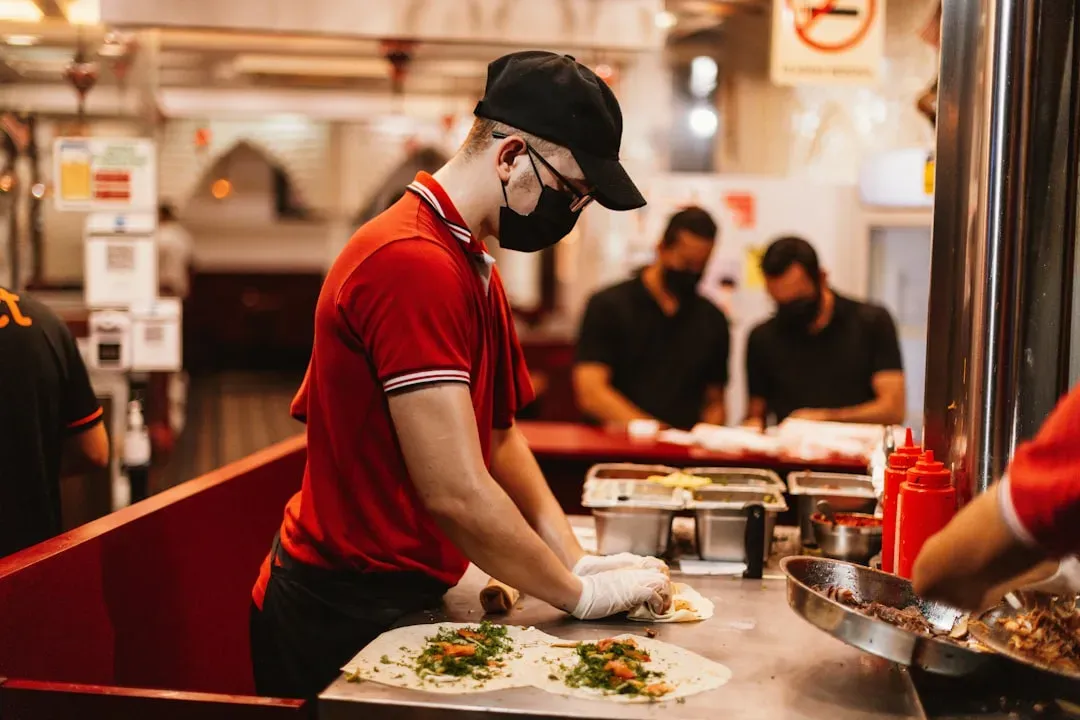
Let’s be real: nobody enjoys pointing this out, and nobody wants to be the diner who complains about a server’s appearance. However, the hygiene of the people handling your food is a genuine safety concern, not just a matter of preference. Employees’ personal hygiene and behavior can reflect the establishment’s standards. Clean uniforms, hairnets where appropriate, and gloves matter, as does the practice of washing hands before handling food and after any task that could lead to contamination.
In a 2024 survey conducted by NSF, over 100 Directors and Operators from fast food and restaurant chains across the U.S. shared insights on the pressing risks and opportunities impacting their food safety operations. The survey provides a snapshot of the industry’s current challenges, offering valuable benchmarks for organizations striving to navigate the evolving landscape of food safety. Respondents identified people as the greatest risk at 61 percent, followed by products at 47 percent. People, not ingredients, not equipment. The humans in the kitchen and on the floor are the single biggest variable in whether your meal is safe.
6. Overflowing Trash, Visible Pests, or Suspicious Smells
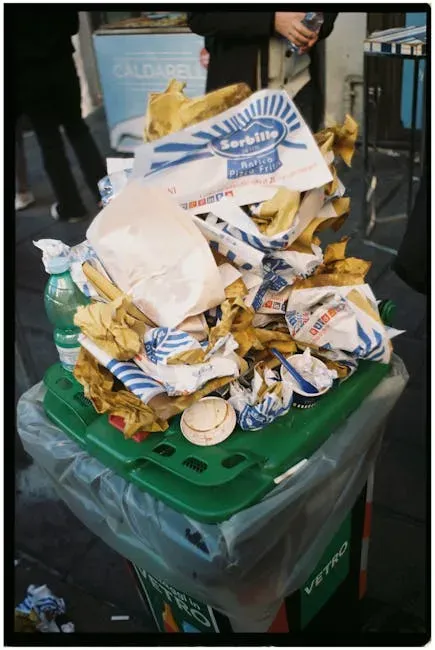
This is the red flag most people notice but don’t always act on, possibly because they’ve already ordered and feel awkward leaving. Don’t be that person. When you step inside a restaurant, take a sniff. If it smells like garbage, grease, or anything unpleasant, leave. A kitchen that’s functioning properly has a distinct, food-forward smell. What it should never smell like is rotting waste or uncleaned drains.
Effective pest control in food service establishments is a legal necessity under food safety regulations. The most effective prevention involves keeping the environment clean and hygienic, sealing all possible points of entry, and removing sources of food, water, and shelter that pests need to survive. Doors at rear exits should be kept closed when not in use. Signs of infestation include droppings, nesting, strange smells, and structural damage. If you’re swatting flies away while eating, that means the cooks are doing the same while preparing your food. Fly infestations are indicative of a larger hygiene problem. A single fly buzzing around your plate is not a fluke. It’s a symptom.
7. Low or Undisclosed Health Inspection Scores
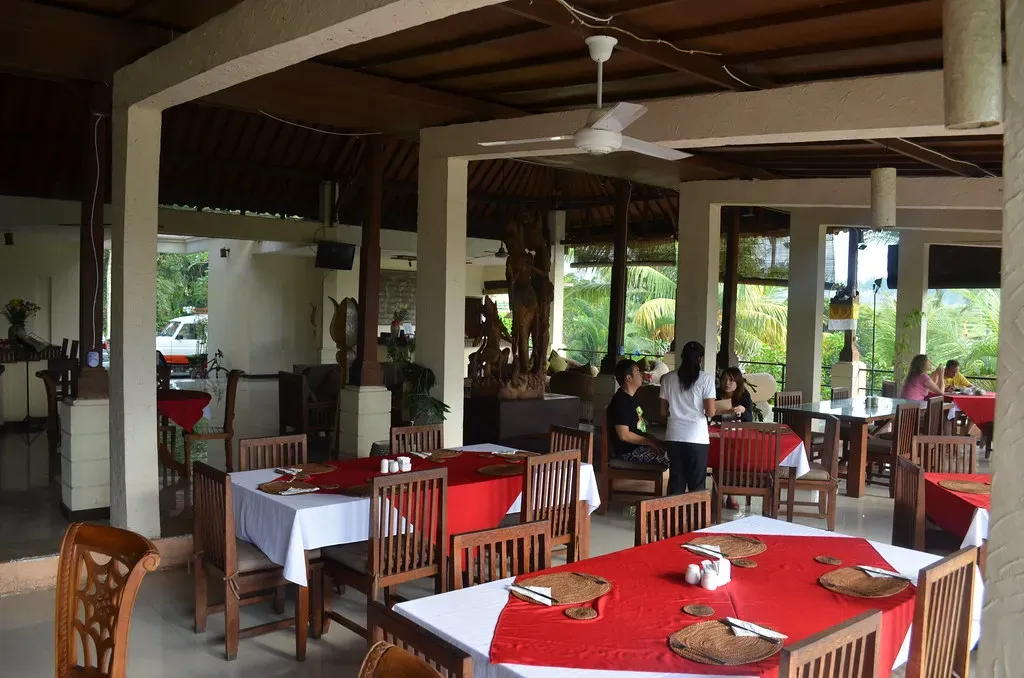
Here’s the thing most diners never bother to check, even though the information is often freely available. Health inspection scores are one of the most transparent data points you have access to before you ever walk through the door. Some cities make restaurants display health department scores on their front windows, and others make them public via an online database. Checking these scores before committing to dining somewhere is worthwhile, as a low rating increases the chance of getting sick.
Food safety is the foundation of health and safety regulations in the restaurant industry, encompassing everything from how food is stored and prepared to how it’s served to customers. In 2024, food safety regulations became even more stringent as new research and technology highlighted better ways to protect consumers. The Food for Thought 2025 report shows that 1,392 Americans in 2024 became ill after consuming a contaminated food item, up from 1,118 in 2023. The number of hospitalizations more than doubled, rising from 230 to 487, and deaths climbed from 8 to 19. Those numbers represent real people who sat down for a meal without suspecting anything was wrong. While health departments may consider scores above a certain threshold acceptable, food safety is not something to compromise on. Repeated failures show that too many establishments are cutting corners when it comes to cleanliness and public health.
Conclusion: Your Gut Feeling Is a Safety Tool
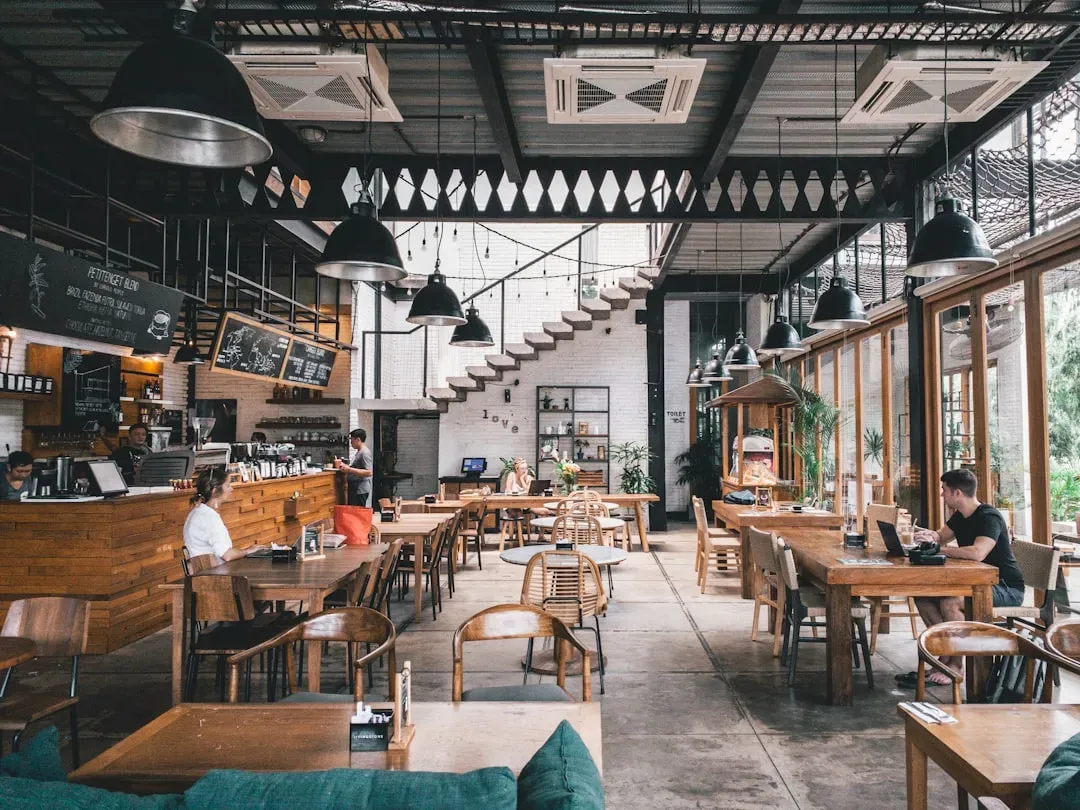
Most of us have walked into a restaurant, felt something was slightly off, and stayed anyway because we didn’t want to make a fuss or because we were too hungry to care. Honestly, we’ve all been there. The problem is that the warning signs described above rarely exist in isolation. A dirty bathroom usually comes with sticky menus. Visible pests rarely appear in a kitchen that’s otherwise spotless. These red flags cluster together, and each one you spot increases the probability that the next one is just around the corner.
The CDC estimates that about one in six Americans get sick from foodborne illness each year, leading to about 128,000 hospitalizations and 3,000 deaths. Experts say these numbers only capture a small fraction of foodborne illnesses occurring nationwide. The scale of what goes unreported should make all of us a little more attentive before we settle in for the evening. A restaurant does not have to be fancy to be safe, and it does not have to be expensive to be clean. The signs are there if you look. The question is whether you’ll notice them before it’s too late.
What’s the most alarming red flag you’ve ever spotted at a restaurant? Tell us in the comments.