
There’s a reason millions of Americans plan entire vacations around eating. Food isn’t just fuel anymore – it’s culture, community, identity, and sometimes a full-blown obsession. The United States, for all its sprawling variety, has a handful of cities that do something truly remarkable. They don’t just serve great food. They make you feel like you belong the moment you sit down.
These aren’t simply cities with a high density of restaurants. They’re places where the culture around food is warm, accessible, inclusive, and bursting with life. Whether you’re chasing Michelin stars or a $10 plate of something magnificent, these cities have that rare thing: a dining scene that genuinely welcomes everyone to the table. Let’s dive in.
1. New Orleans, Louisiana – The World’s Best Food City (And It Isn’t Even Close)
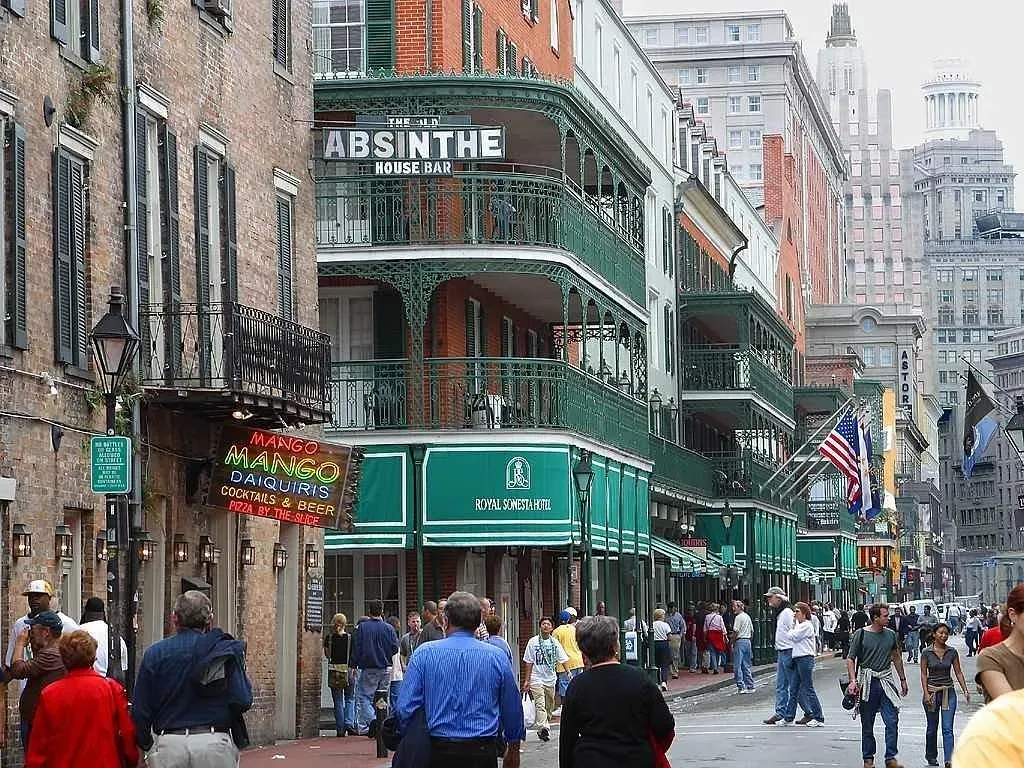
Here’s the thing – New Orleans didn’t just rank highly in 2025. It took the top spot. The city beat culinary heavyweights like Bangkok, Madrid, and Paris to claim No. 1 on Time Out’s list of the best food cities in the world. That’s not a local boast or regional bias – it comes from a global survey. An impressive 93% of New Orleans locals rated their city highly for restaurants and dining out, with Time Out’s panel of food experts echoing that enthusiasm.
With a rich, diverse culinary history shaped by global influences, New Orleans offers a dining scene as vibrant as its culture. From traditional favourites like gumbo and beignets – celebrated at dedicated festivals – to world-class fine dining and iconic street food, the city serves up something for every palate. The city’s culinary scene blends French, Spanish, Vietnamese and African influences, offering everything from historic fine dining at Antoine’s to casual favourites like Parkway Bakery & Tavern.
TripAdvisor also named New Orleans as the top food city in the U.S. in its 2025 Best of the Best food destinations. Think about that for a second – two major global platforms, two number one rankings, in the same year. Honestly, the city doesn’t need any more validation, but it keeps getting it anyway. In a city where finding a mediocre meal is nearly impossible and culinary excellence is the standard, narrowing down favorites is no small feat.
2. Miami, Florida – Diversity on a Plate, With Year-Round Sun
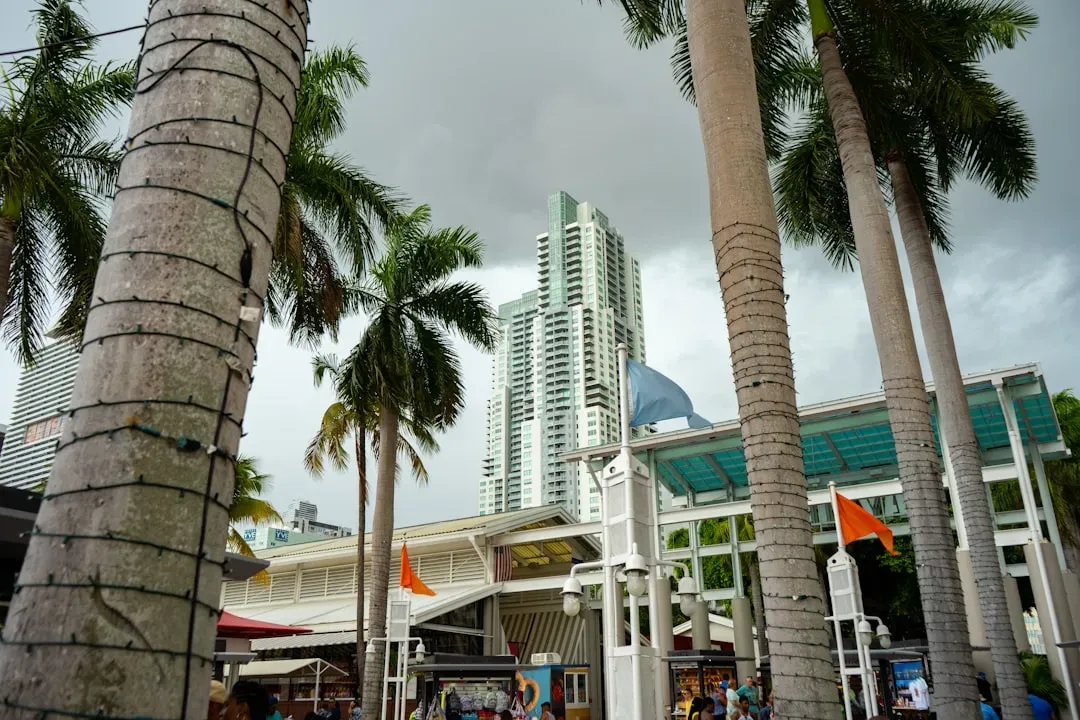
Miami victoriously claimed the No. 1 spot as America’s Best Foodie City in WalletHub’s 2025 rankings, with a burgeoning food scene that delivers on two key factors: a balance of diversity, accessibility, and quality with affordability. For a city this size to pull off that balancing act is genuinely impressive. Food lovers can enjoy 14 Michelin-starred restaurants, including the renowned L’Atelier de Joël Robuchon, which holds two stars.
For those who prefer to cook at home, Miami ranks third for farmers’ markets and offers the most kitchen supply stores per capita, making it a paradise for home chefs as well. That’s a detail that gets overlooked. Miami isn’t just for diners. It’s for food people, full stop. Regular food events and festivals happen around the city as well: you can round up your friends for intimate chef-hosted dinners, rub elbows with Food Network personalities at the South Beach Wine and Food Festival, or hop on a golf cart tour of the city’s artistic district while sipping locally brewed craft beer.
Miami provides tourists a unique blend of Southern favorites and Cuban masterpieces – meaning you can eat chicken and waffles for brunch then enjoy frita burgers for dinner. Few cities on earth offer that kind of culinary code-switching, and Miami does it effortlessly. The food scene here feels less like a curated experience and more like a natural conversation between dozens of cultures all sharing one enormous table.
3. Portland, Oregon – Proof You Don’t Need Michelin Stars to Be World-Class
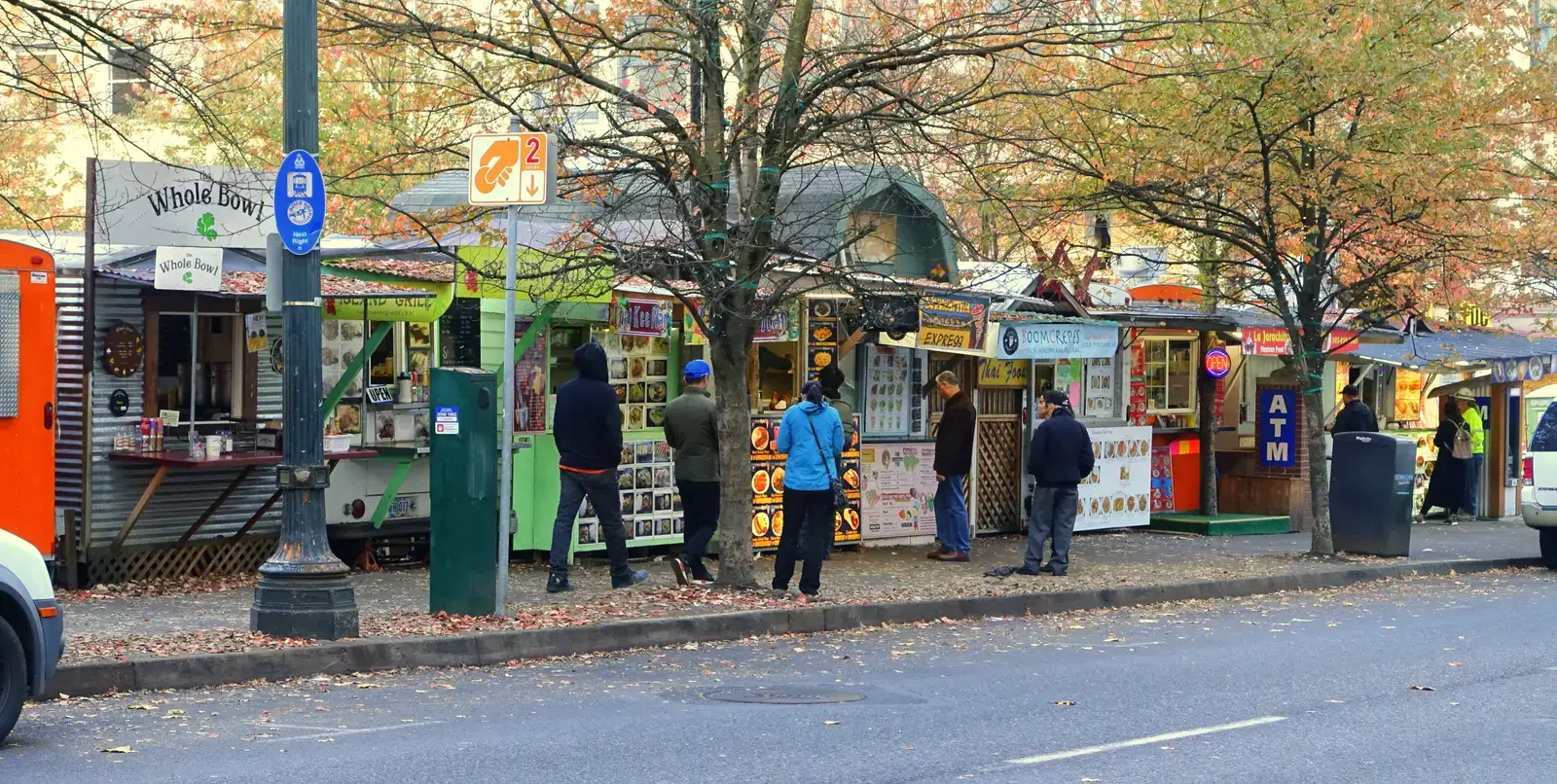
Portland secured the title of America’s second-best foodie city in WalletHub’s 2025 rankings without a single Michelin-starred restaurant to its name – proof that exceptional access to affordable and diverse food and drink options is what it takes to build a worthy culinary scene. That’s a bold statement, and Portland backs it up every single day. Portland stands out in terms of the number of craft breweries and wineries, herbs and spices shops, food and wine tours, and food festivals per capita.
Brimming with artisanal food makers and chefs devoted to sustainably sourced dining, Portland offers food lovers too much tastiness for just one trip. The city has a kind of low-ego food culture that’s refreshing – there’s no need to impress anyone. The city doesn’t impose any tax on food, be it groceries or prepared meals, so whether you’re planning a home cookout or treating yourself to a restaurant dinner, you won’t have to spend a dime on tax.
I think that last point is more meaningful than it sounds. Affordability changes who gets to participate in a food culture. When great food is accessible to nearly everyone, the community around it becomes richer and more welcoming. That’s exactly what Portland has built, and it shows.
4. San Francisco, California – Where Culinary Innovation Was Born
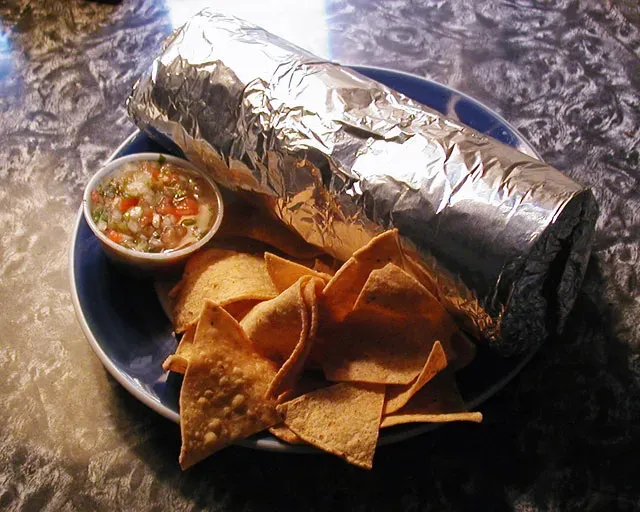
San Francisco is a city known for innovation, and that extends to its gastronomic history. Today, with scores of Michelin-starred restaurants, a wealth of farmers markets and plenty of unique hole-in-the-wall eateries serving everything from wings to dumplings, the City by the Bay continues to lead the way in terms of culinary creativity. That legacy of invention is baked into the city’s DNA. San Francisco is among the top foodie cities, offering a very high number of restaurants per capita and one of the best selections of affordable restaurants rated at least 4.5 out of 5 stars.
San Francisco scored 91.47 points out of 100 in one culinary ranking study, with its vibrant food scene, diverse offerings, and innovative approaches to food solidifying its position at the top. San Francisco also boasts the highest ratio of mom-and-pop establishments to chain restaurants among major U.S. cities. These independent eateries contribute to the city’s unique gastronomic identity and support local entrepreneurship.
There’s something deeply welcoming about a city where the small, independently owned spot gets more love than the corporate chain on the corner. San Francisco doesn’t just tolerate the little guys – it celebrates them. That spirit makes it a city where chefs and diners alike feel genuinely free to experiment.
5. Nashville, Tennessee – From Hot Chicken to Michelin Stars
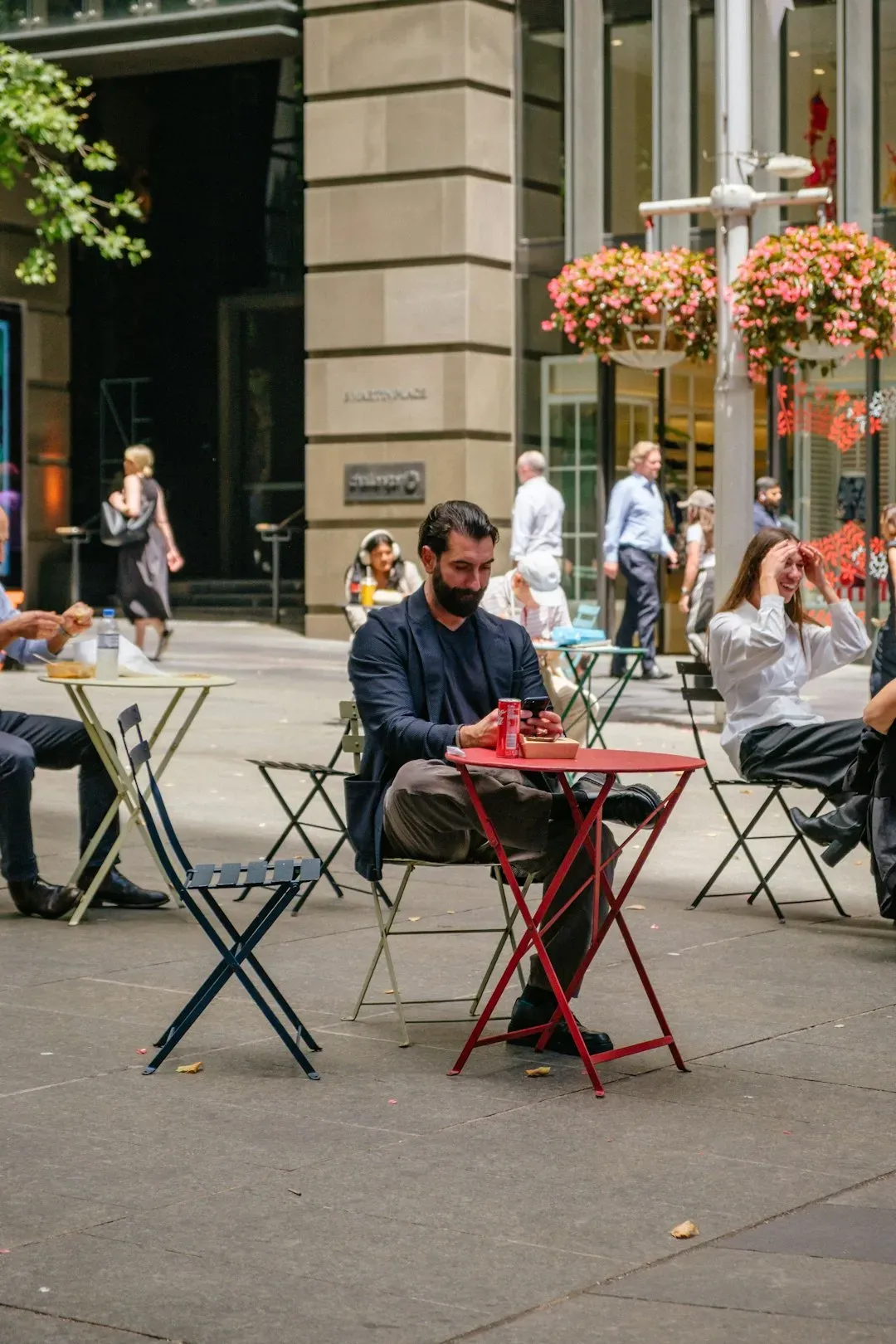
2025 was another year of incredible growth for Nashville, with a steady stream of new residents arriving at the reported rate of about 80 per day. Buildings continue to fly up out of the ground, creating new commercial centers, and with the influx of new neighbors comes the desire for a more diverse range of dining choices – Nashville has responded with a dizzying array of creative new restaurants. That momentum is real and accelerating. Twenty-one restaurants were added to the Michelin guide and three Nashville restaurants were awarded a prestigious Michelin star – Locust, Catbird Seat and Bastion.
Chef Jake Howell, from the restaurant Peninsula, won the James Beard Award for Best Chef: Southeast in 2025. It’s hard to overstate what that means for a city that not long ago was known primarily for meat-and-threes and hot chicken. Whether you were savoring handmade pasta at Iggy’s or taking a culinary journey through Chef Sean Brock’s Appalachian heritage at Audrey, Nashville kept delivering on its rich food culture, one that felt more self-assured than ever in 2024.
Nashville diners are now thrilled by an ever-widening scope of global dining experiences, delivering new tastes and perspectives: Lebanese, Japanese, Chinese, Peruvian, Laotian-American, Brooklyn-Italian. Nashville is indeed enriched by its diverse community serving their distinctive cuisines, often in personal interpretation. The city went from a single iconic dish to a full-blown culinary identity, and it did it without losing any of its Southern warmth in the process.
6. Chicago, Illinois – 77 Neighborhoods, 77 Reasons to Eat
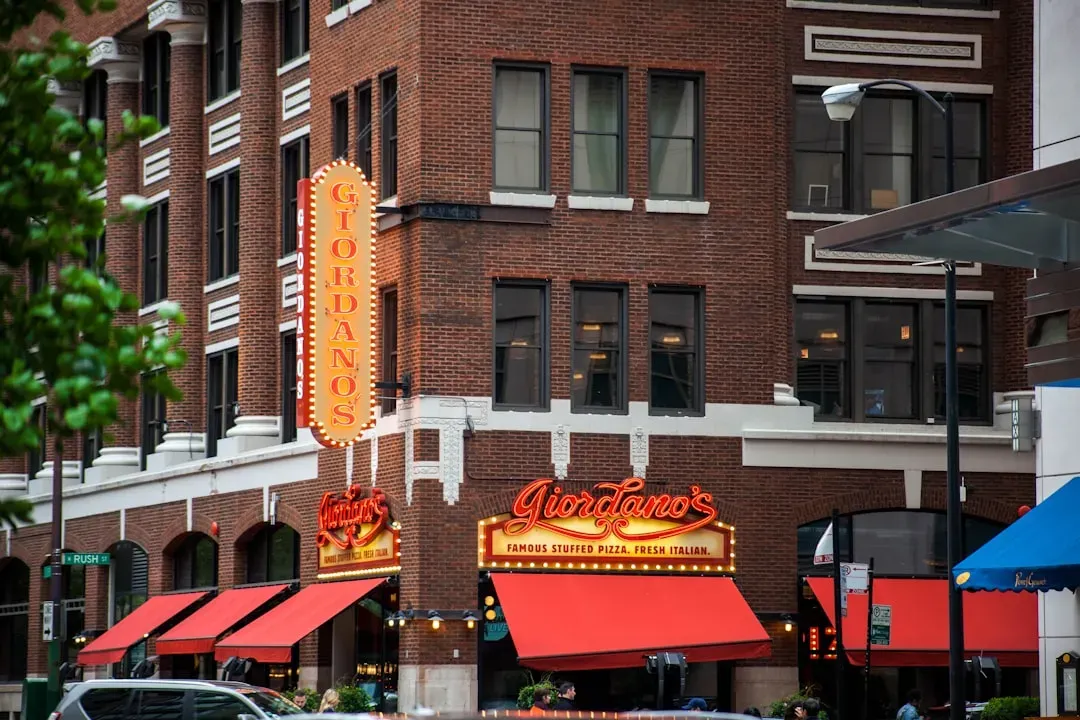
Chicagoans can be particular about their food. There is a strict no-ketchup policy on a Chicago hot dog, and bringing up deep dish pizza sparks a heated debate. Still, this foodie city’s dining scene stands out beyond those dishes that are uniquely Chicago, with no shortage of Michelin-starred restaurants and trendy developments like the Fulton Market district. Chicago’s food pride is almost territorial, and somehow that makes it more charming, not less.
With 77 neighborhoods in the city, each with its own identity, you can find authentic cuisine in pretty much any category, be it saganaki in Greektown, carnitas in Pilsen or dim sum in Chinatown. That’s not a small thing. Most cities have a few distinct food neighborhoods. Chicago has dozens. Chicago ranked in the top five for restaurants per capita alongside Orlando, Las Vegas, Miami and San Francisco.
Let’s be real – no other Midwest city even comes close to what Chicago offers in terms of sheer culinary range. It’s a world city that happens to be in the middle of America, and its food scene reflects that beautifully. You could spend two full weeks eating in Chicago and barely scratch the surface.
7. Los Angeles, California – The Fusion Capital of the World
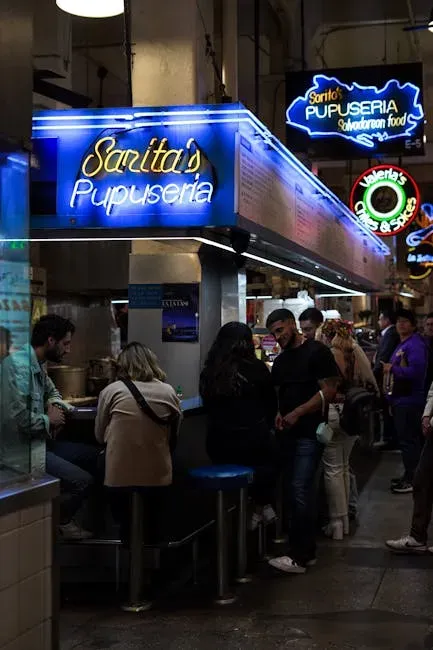
Los Angeles is able to do what few other cities can – create a globally representative food scene that’s as unique as it is accessible. The city’s melting pot of cultures has made its penchant for fusion cuisine famous. This isn’t just marketing language. LA is genuinely unlike anywhere else in the world when it comes to the breadth of what’s on offer. The culturally diverse city, with more than 145 languages represented, has welcomed innovative chefs with open arms and emerged as the intersection between Chinese, Vietnamese, Mexican, South American and Southern cuisines.
You could spend days eating your way through Koreatown alone, and even Hollywood, once relegated to tourists, is having a mouthwatering moment. LA’s acclaimed street food means that even if you skip the upscale restaurant scene, your palate won’t be disappointed – and neither will your wallet. There’s an egalitarian spirit to the LA food scene that often gets overlooked in favor of its celebrity chef reputation.
Think of LA like a mosaic. Every single tile is a different cuisine, a different neighborhood, a different story. The whole picture is extraordinary, but each individual piece is worth examining on its own. That’s a food city that doesn’t just welcome you – it invites you to get genuinely lost.
8. Asheville, North Carolina – The Farm-to-Table Soul of the South
Asheville is a small Western North Carolina mountain town that has received a lot of recognition for its culinary scene. Also known as “Foodtopia,” Asheville is home to James Beard Award-winning chefs and restaurateurs who all have an emphasis on local. For a city this size, that level of recognition is staggering. While paying homage to its Appalachian roots, there isn’t a single restaurant in Asheville that doesn’t support local farmers. Here, local isn’t just a buzzword – it’s a way of life. Sustainability and in-season produce can be found anywhere, from barbecue to Spanish tapas-style restaurants.
Asheville also has an incredible brewery scene which is a whole different culinary scene to explore on its own. The city functions almost like a living, breathing philosophy of food – one where the relationship between chef and farmer is genuinely sacred. While hungry diners can find cathead biscuits at Biscuit Head, there are also many fine dining options, from Chef Katie Button’s Cúrate to decadent truffles at French Broad Chocolates.
Asheville is proof that you don’t need size to have a big food scene. It’s the kind of place where a single meal can feel like a genuine act of community. Every bite has a story, and the people serving it almost always want to tell you that story.
9. New York City, New York – The City That Feeds the World
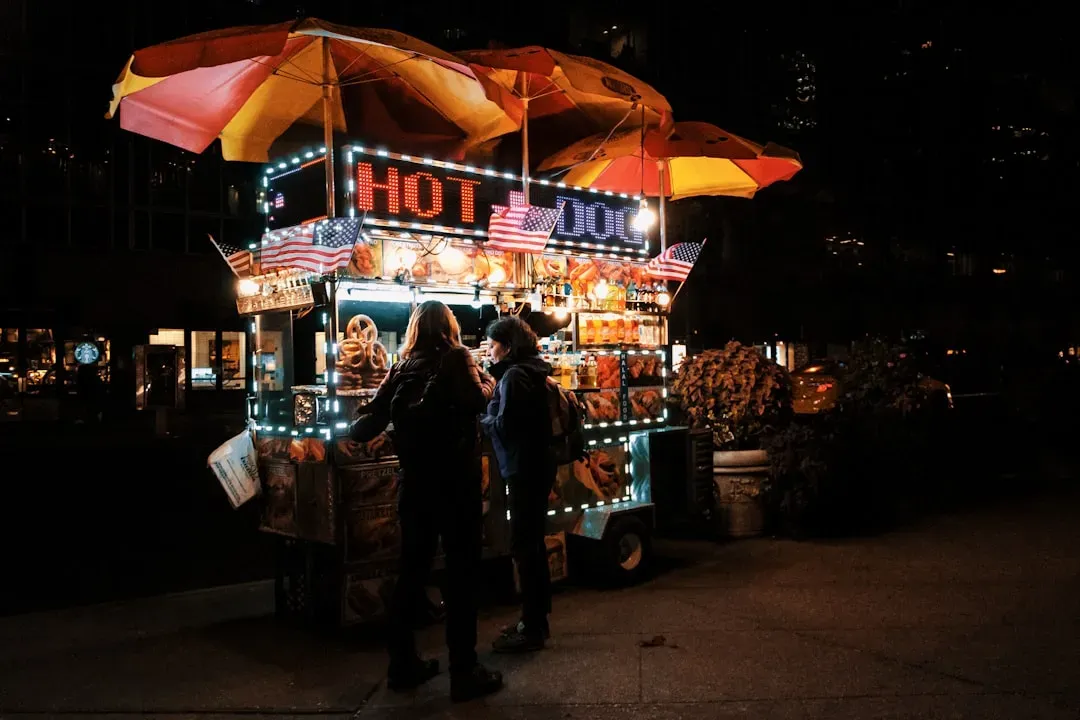
The City that Never Sleeps is known around the world for a dining scene that’s vast in both volume and diversity. There’s virtually no type of food experience travelers can’t find in the Big Apple, from French fine dining to hidden izakayas to 99-cent pizza slices. That alone is an impressive feat, but this gastronomic heavyweight is also home to a high concentration of accolades from Michelin-starred restaurants to James Beard Award-winning chefs.
There’s more than one manner of biting into the Big Apple, from twirling up tagliatelle on Staten Island to digging into cheesecake in Brooklyn. One thing is for certain: NYC is undoubtedly one of the best foodie cities in the world. Up north in the Bronx along Arthur Avenue, you’ll find old-school Italian eats, Korean delicacies and other NYC foods that take inspiration from countries all over the world, with celebrated family-run gems like Casa Della Mozzarella and Calabria Pork Store specializing in handmade salami.
What makes New York truly welcoming isn’t the Michelin stars – it’s the sheer democratic nature of the whole thing. According to WalletHub, New York City stood out as having among the best diversity, accessibility, and quality of dining options and groceries. You can spend a fortune or practically nothing and eat extraordinarily well either way. That’s a rare kind of city, and honestly, it’s one of the most food-welcoming places on the planet.
Final Thoughts: What Makes a City Truly Foodie-Friendly?
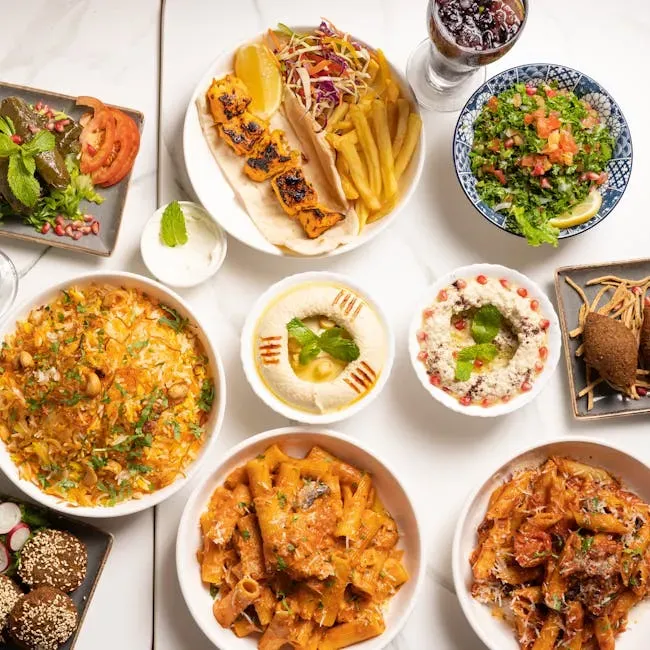
Looking at all nine of these cities together, a clear pattern emerges. The most welcoming food scenes aren’t defined by the number of Michelin stars or the size of the dining budget required. Many cities across the U.S. offer budget-friendly options that don’t sacrifice quality, and the best foodie-friendly cities appeal to both home cooks and adventurous eaters eager to sample local flavors. That inclusivity is the real ingredient.
From New Orleans blending French, Vietnamese, and African influences at the same table to Asheville’s mountain-town dedication to local farms, each of these cities offers something that goes beyond good food. They offer a feeling. A sense that the table is big enough for everyone. These cities provide an array of food experiences, from Michelin-starred restaurants to vibrant local food festivals, making them a must-visit for culinary enthusiasts.
Ultimately, the best food cities are the ones where eating feels like a shared human experience rather than a performance. They’re cities that feed not just your stomach but your curiosity, your sense of adventure, and your connection to other people. Which of these nine cities is already on your food bucket list?