
The snack aisle used to feel like a sure thing. You grabbed your favorite bag, tossed it in the cart without a second thought, and moved on. But something has quietly shifted. Shoppers are looking at ingredient lists, reconsidering their spending, and reaching for things that actually do something for their bodies. The brands that once seemed untouchable are now watching their numbers slip.
By April 2025, consumer research from NielsenIQ found that nearly half of US shoppers said they were buying fewer snacks, with a notable share actively chasing promotions and dropping premium treats altogether. It’s a seismic shift that the biggest names in the industry simply cannot ignore. So which once-beloved snacks are feeling it the most? Let’s dive in.
Table of Contents
1. Snack Cakes (Twinkies and the Hostess Family)
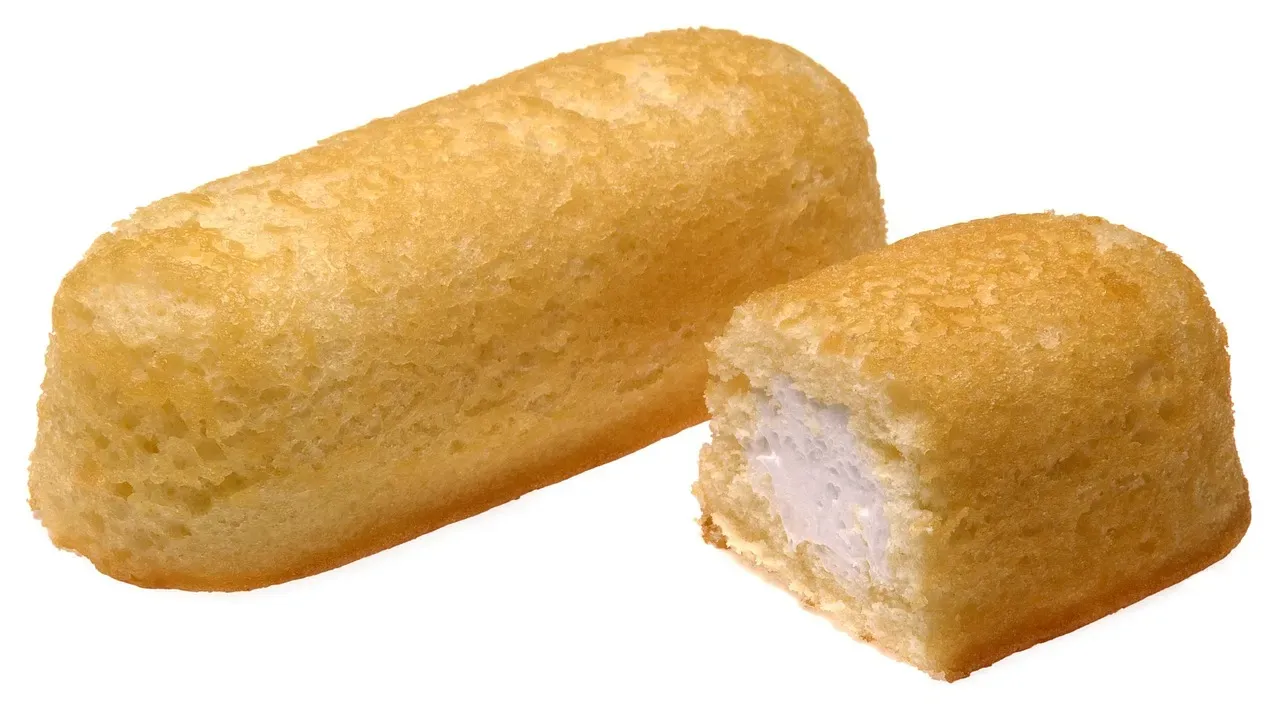
Few snacks carry as much nostalgic weight as a Twinkie. That golden, cream-filled sponge cake is practically a symbol of American childhood. Still, even icons aren’t immune to changing tastes.
In its fiscal fourth quarter, J.M. Smucker, the parent company of Hostess Brands, saw sales in the sweet snacks segment fall sharply, with total sales declining by over a quarter, and the company pointing directly to lower demand for snack cakes, donuts, and private-label products. That’s not a small blip. That’s a signal.
According to the International Food Information Council’s 2024 Food and Health Survey, roughly three in four consumers are actively trying to limit or avoid added sugars. Twinkies in particular are experiencing a decrease in popularity among health-conscious consumers looking for natural or plant-based options, and this trend is especially noticeable among younger generations who emphasize clean-label and functional foods.
2. Traditional Granola Bars
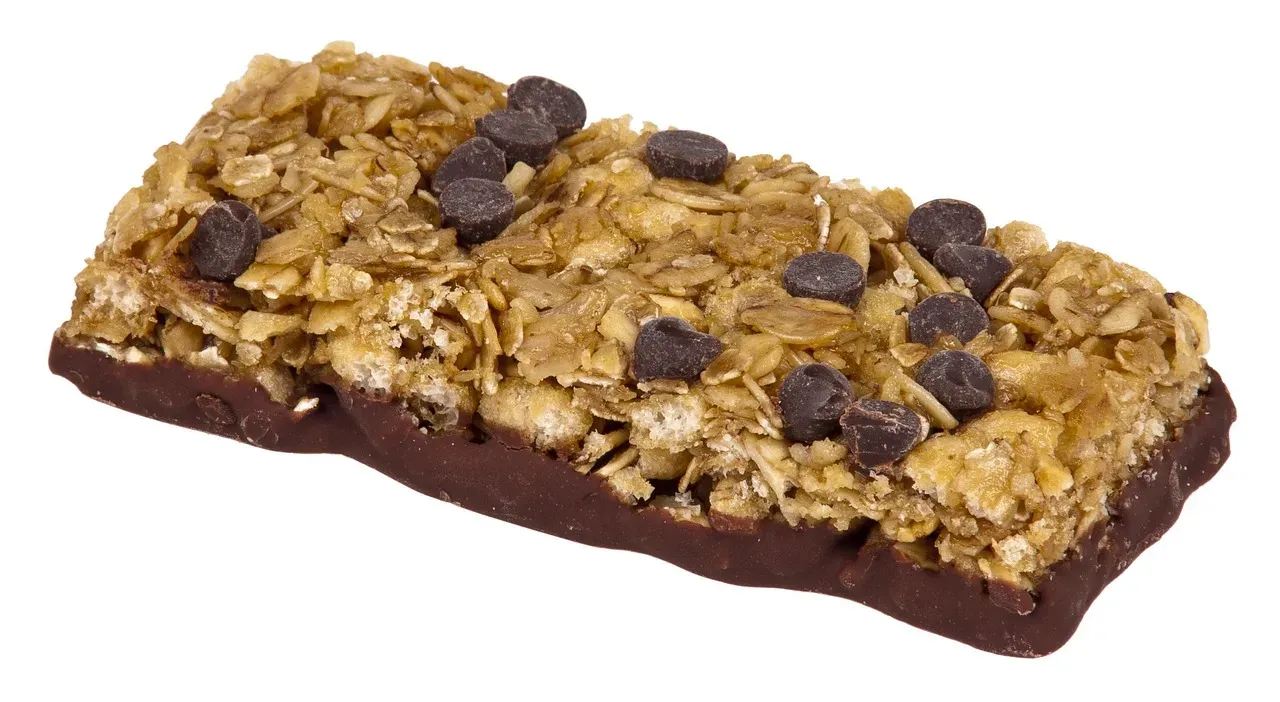
For years, granola bars were the go-to “healthy” snack. Toss one in your bag, feel virtuous at your desk. Honestly, it was a great illusion while it lasted.
The granola bars subcategory made around $1.8 billion in sales but saw a drop of nearly six percent overall. General Mills, the leading brand, experienced a 7.3% decrease, and Quaker Oats, part of PepsiCo, saw a staggering drop of more than a third in sales. Those are dramatic numbers for a category that once felt bulletproof.
The contrast is telling: sales of nutritional and intrinsic health value bars in convenience stores rose nearly four percent in the same quarter, while granola bar sales dropped around ten percent. Shoppers haven’t stopped wanting a bar. They just want one that works harder for them now.
3. Cheese Puffs and Cheese Snacks
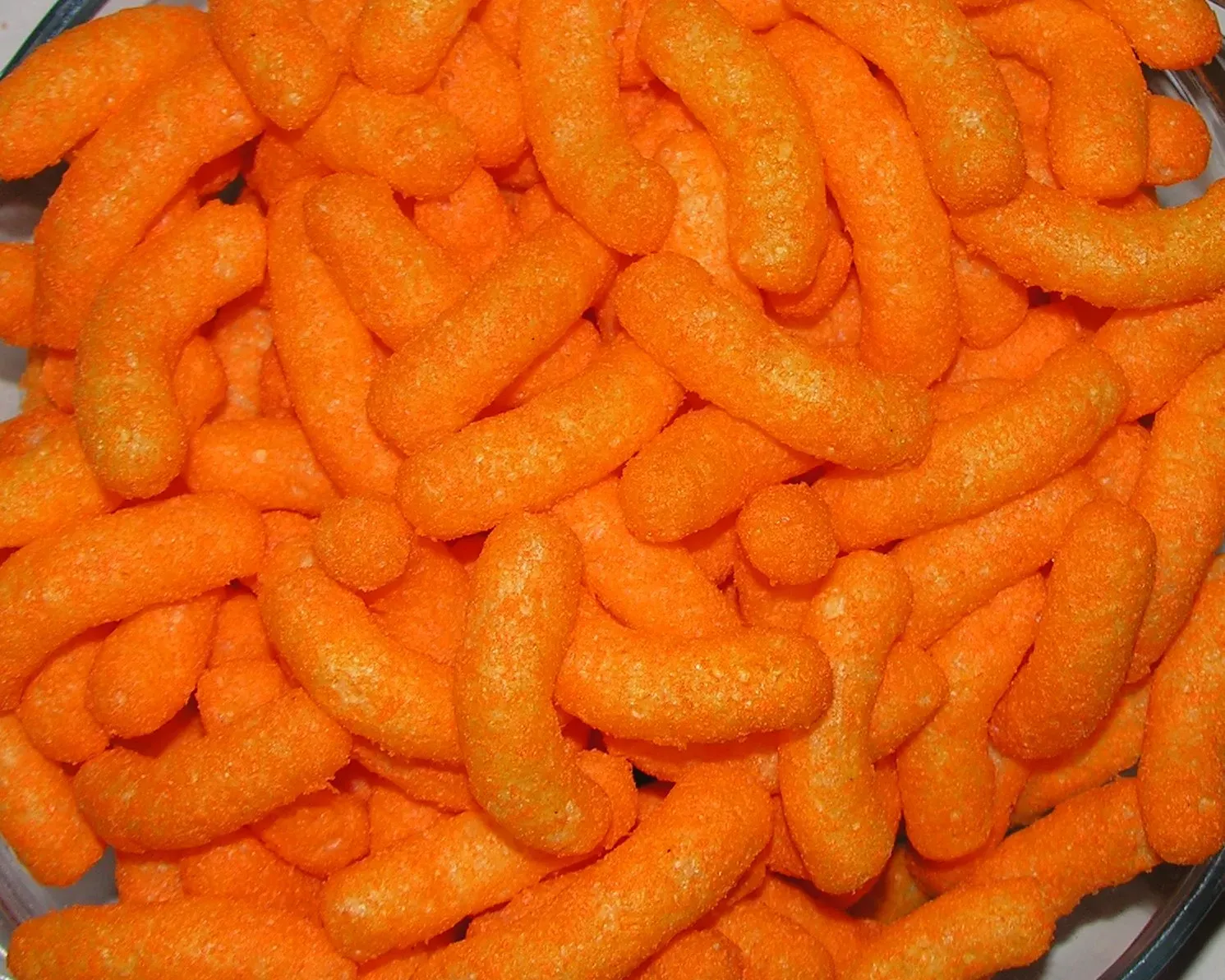
Cheese snacks have always had a devoted fanbase. Bright orange fingers, satisfying crunch, impossible to eat just one. Yet even this seemingly invincible category is starting to show cracks.
Americans spent $2.8 billion on cheese snacks last year, though both dollar sales and volume dipped slightly, by roughly two percent each. Cheese snack sales were broadly down in 2024, and while dollar sales actually increased a little over one percent, unit sales fell by nearly four percent. In other words, people are spending slightly more on fewer bags. That’s a classic sign of a shrinking base.
When potato chip sales were challenged in 2023 due to high inflation, cheese snacks had a strong year. Now that demand for potato chips has bounced back, some of that demand appears to have shifted back. It’s a bit like musical chairs, and cheese snacks are currently left standing.
4. Classic Microwave Popcorn
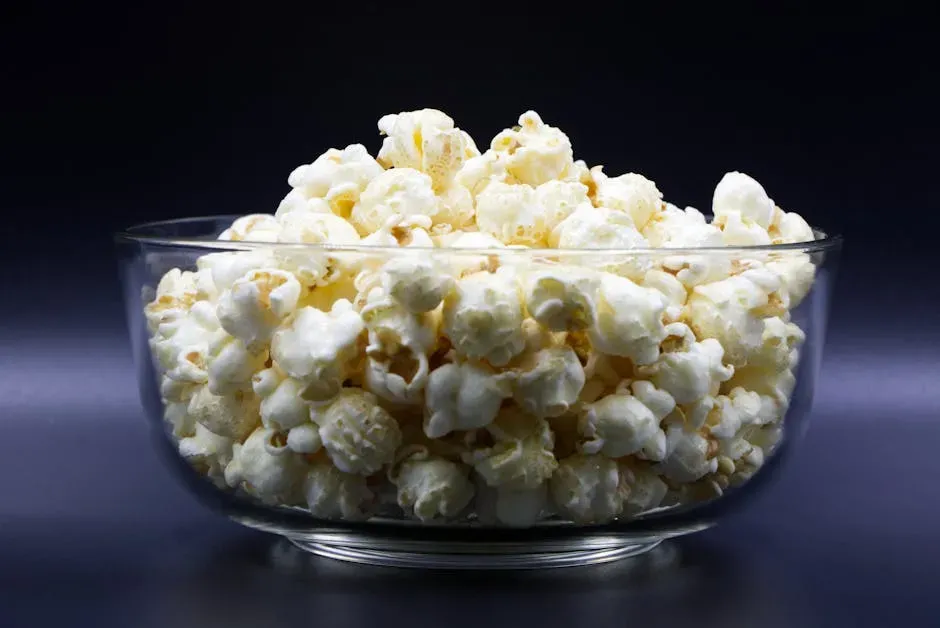
Popcorn as a category is not dying. Let’s be clear about that. Ready-to-eat gourmet popcorn is actually doing well. The trouble is specifically with the more traditional, basic microwave variety, which is facing real competition from healthier and more exciting formats.
From a performance perspective, 2023 saw a sharp contrast to 2022, when total popcorn sales rose sharply and most of the top brands posted double-digit increases. By 2023, dollar sales recorded only a small increase while unit sales fell more than four percent. That downward unit trend has continued as consumers’ tastes evolve.
Industry insiders believe the ready-to-eat popcorn category will have to continue to innovate to compete with the wave of innovation taking place within other salty snack categories like pretzels, pork rinds, plantain chips, and puffs. Plain butter microwave popcorn, in particular, is looking increasingly like a relic.
5. Traditional Crackers
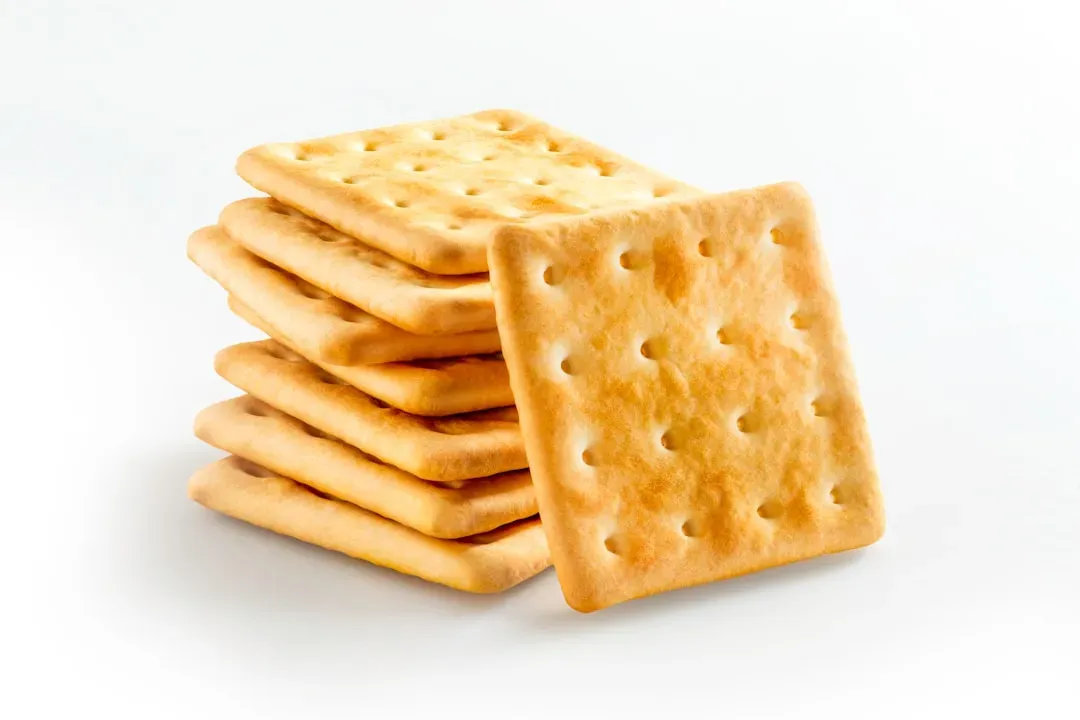
Crackers occupy a weird in-between space in the snack world. They’re not exactly exciting, but they’ve always been reliable. The problem is that “reliable” doesn’t cut it anymore when consumers are demanding more.
Cracker sales topped $9.4 billion with a dollar sales increase of more than seven percent, but unit sales actually dropped more than three percent. More money, fewer boxes. That math reveals an uncomfortable truth: fewer people are buying crackers even if prices are keeping revenues afloat.
The $9.5 billion cracker market held its own over the past year, with dollar and volume sales up slightly, but unit sales were still down around one percent. As health and wellness continue to be top priorities for consumers, there has been a rise in demand for healthier snack options, leading to the emergence of various plant-based and functional snacks that are beginning to eat into traditional cracker territory.
6. Sugary Fruit Snacks
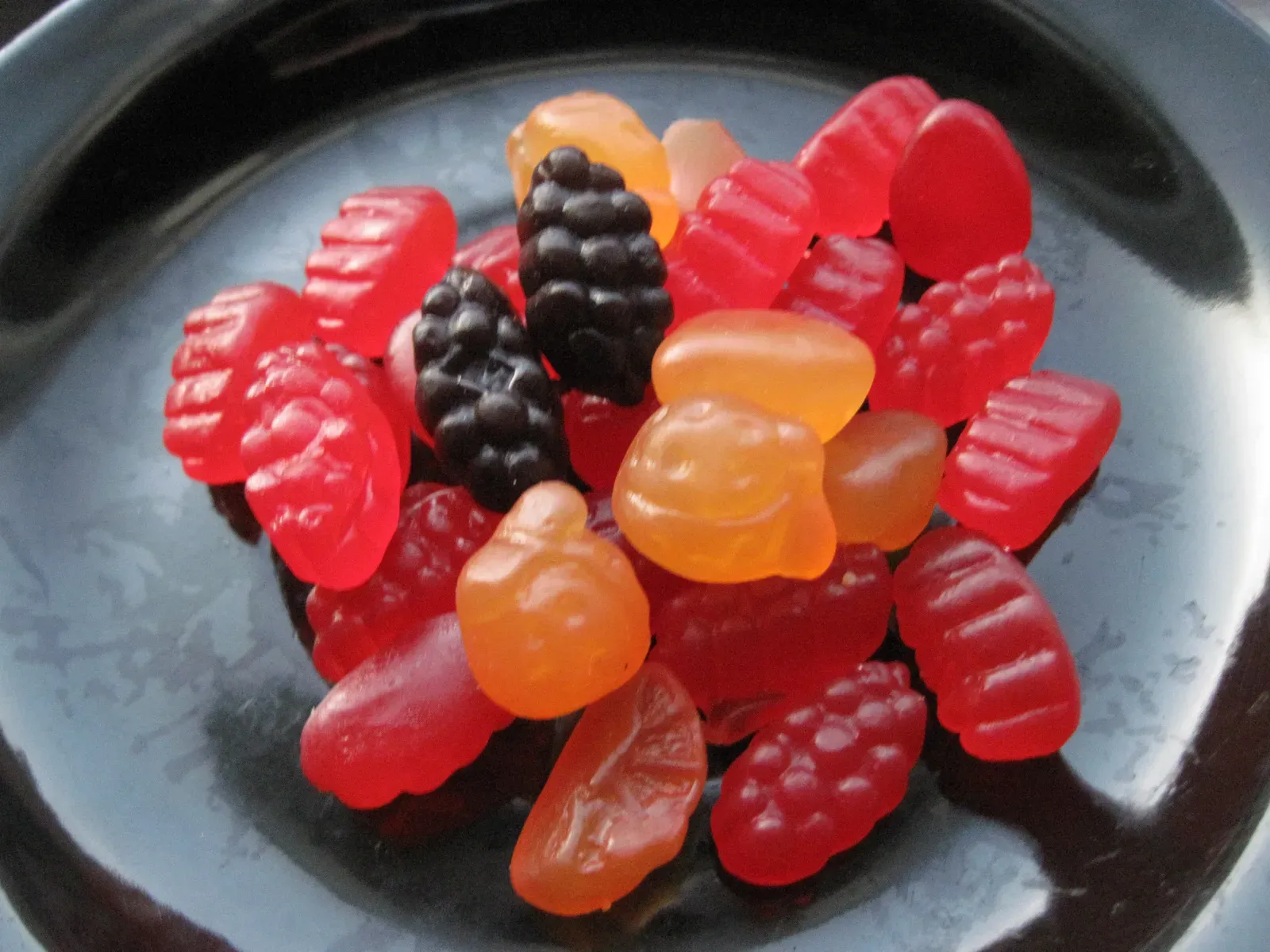
Fruit snacks were a lunchbox legend. Sticky, sweet, shaped like little animals. They seemed harmless enough. Yet the data paints a more complicated picture as modern parents start reading what’s actually in them.
Classic salty treats and sugary baked goods are gradually being edged out by healthier options such as fruits, nuts, seeds, and protein-rich choices. Fruit snacks, loaded with added sugar and artificial colors, fall squarely on the wrong side of that shift. In the US, demand for better-for-you snacks continues to rise, with NielsenIQ reporting growth in categories like plant-based snacks, fruit-based treats, and products with simplified ingredient lists – none of which describes the classic gummy fruit snack.
It’s hard to say for sure exactly where the tipping point is, but parents armed with smartphones and ingredient-scanning apps are simply a very different shopper than the one who put fruit snacks in the cart twenty years ago without a second thought.
7. Basic Snack Nuts (Branded, Non-Flavored)
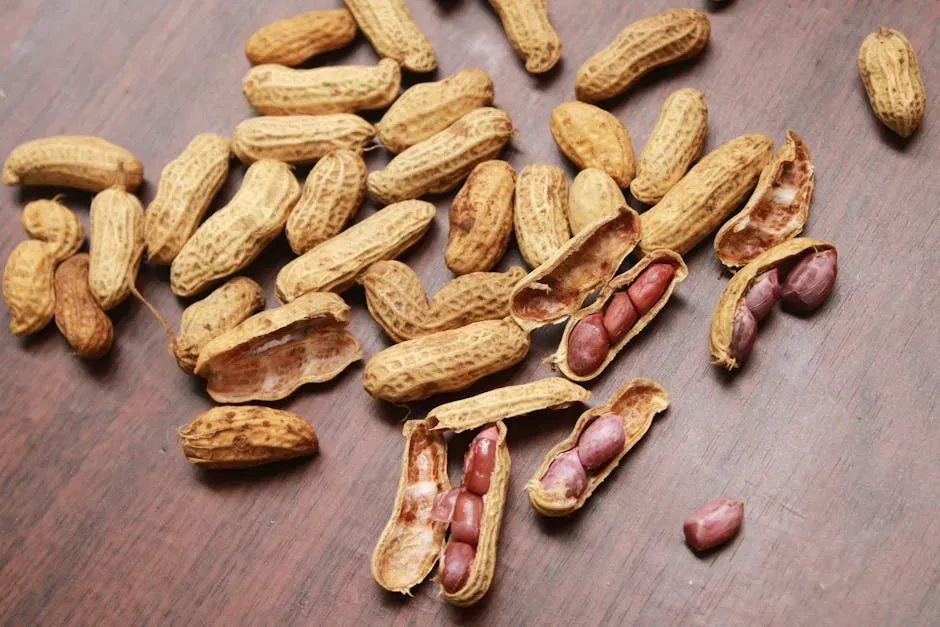
Nuts seem like the perfect health food, and in many ways they are. High protein, good fats, convenient. Here’s the thing, though – the plain, standard branded versions are quietly losing ground even as the overall nuts category stays relevant.
Data from Circana for the 52 weeks ending mid-2025 show that sales in the snack nuts category fell slightly, dropping nearly 1% to just over $6.5 billion. The nuts and snack mixes categories have seen slightly diverging fortunes, with sales of snack nuts down moderately while trail mixes have risen a bit over the past year.
Private label made up nearly half of total snack nut sales, actually growing two percent. That tells you something important: people still want nuts, they just increasingly don’t want to pay for the name on the bag. Branded plain nuts are getting squeezed from both sides, by cheaper private labels below and exciting flavored options above.
8. Standard Breakfast and Cereal Bars

The breakfast bar was once the busy person’s answer to the morning rush. Quick, portable, and just convincing enough to call it a meal. But consumers have become a lot more savvy about what those bars are actually delivering.
The breakfast and cereal snack bar subcategory declined by nearly three percent but still brought in around $2.4 billion in sales. Kellanova, parent brand to RXBar, saw a decrease of more than twelve percent in this space. That’s a meaningful signal from a brand that was once considered premium and aspirational.
Meanwhile, the nutritional and intrinsic health value bar subcategory brought in over $5 billion with healthy growth of more than five percent. Consumers haven’t abandoned the bar format at all. They’ve simply upgraded their expectations of what a bar should offer – and the old-school breakfast bar just doesn’t make the cut anymore.
9. PepsiCo Frito-Lay Classic Salty Snacks (Broader Portfolio)
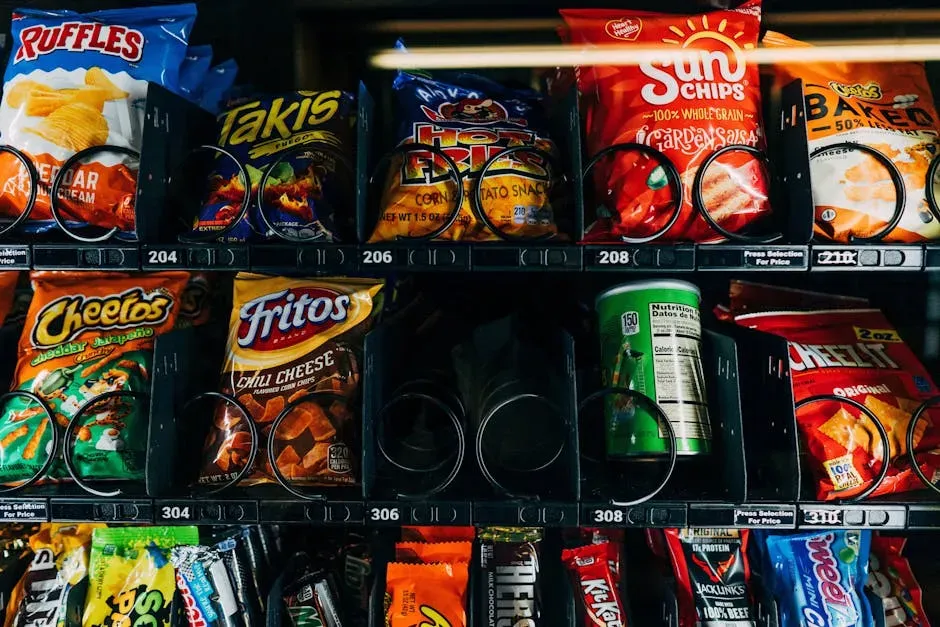
This one might surprise you. Frito-Lay products like Lay’s, Fritos, and their stablemates have been the backbone of the American snack aisle for decades. They feel as permanent as the aisle itself. Yet even this giant is feeling the pinch in a very real way.
Snack giant PepsiCo has faced challenges with volumes declining five quarters in a row, and the company reported a two percent dip in organic revenue in its North American foods division during the first quarter of 2025. Its savory snack portfolio, including the iconic Frito-Lay brands, showed subdued performance.
The IFIC survey found that nearly all respondents have noticed food prices rising, leading many to reassess their spending habits. While convenience remains important for more than half of consumers, its influence has been declining as more consumers opt for fresh, whole foods over pre-packaged snacks. Even the giants, it turns out, are not exempt from this sweeping rethink of what we reach for between meals.
What Is Actually Driving This Shift?
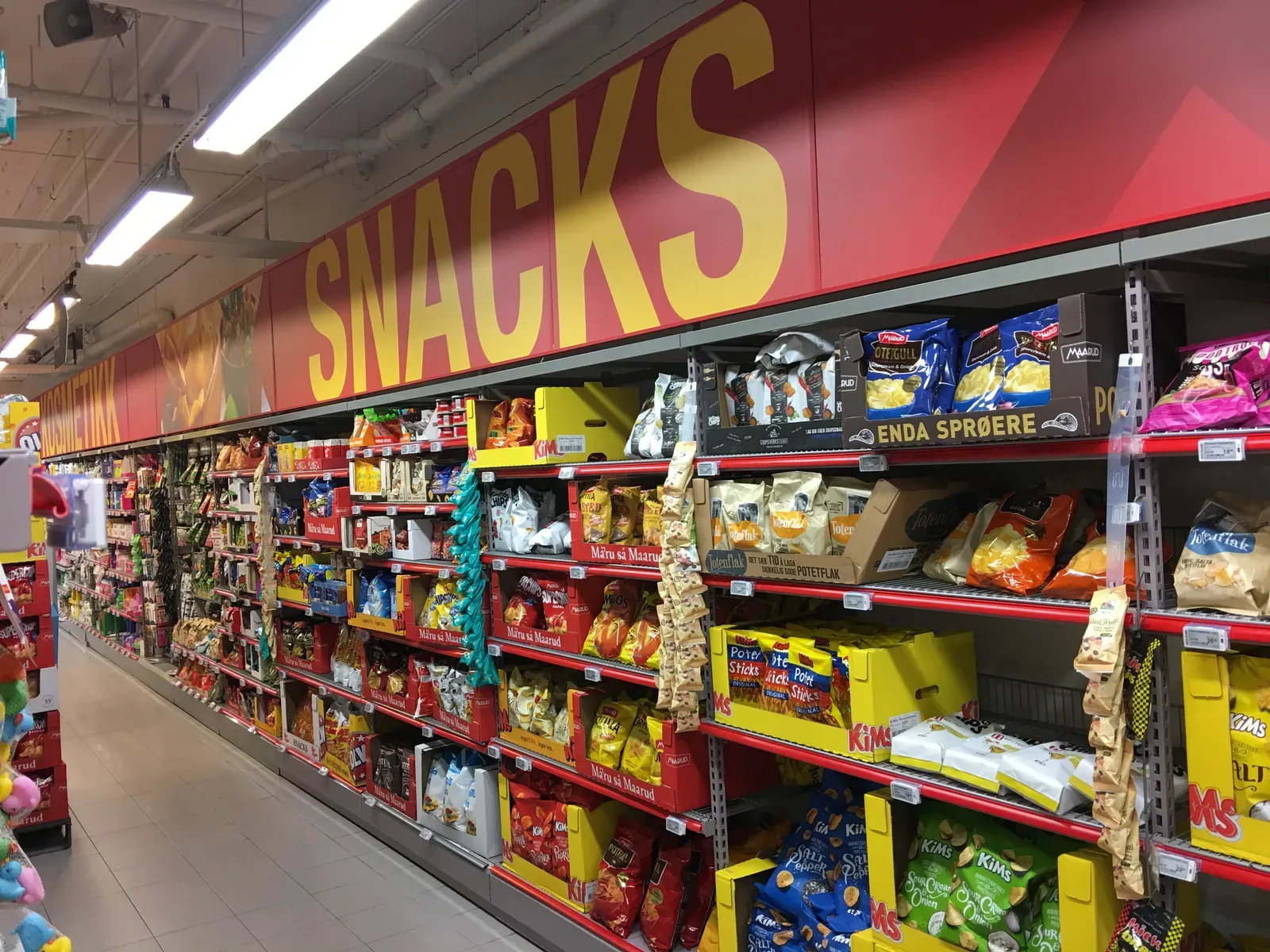
The decline of these snacks isn’t random. There are real, structural forces at work. With overall food and beverage prices roughly thirty percent higher compared to 2019, the industry has outpaced wage growth, forcing consumers to find ways to buy only what they truly need, resulting in fewer snack purchases, smaller sizes, and lower frequency.
CPG companies have responded by releasing new versions of their products as well as brand-new items to appeal to health-minded consumers, including snacks packed with protein and mini sizes. Roughly half of consumers now point to protein as the most important health claim on a snack. That’s a dramatic realignment of priorities.
It also appears that consumers are spending less on snacks overall, with the highest-spending group having shrunk compared to 2023, while the share that says they spend only a small portion of their monthly budget on snacks has increased. The snack aisle is being held to a higher standard than ever before, and the products that can’t rise to meet it are slowly being left behind.
What do you think? Is your old favorite snack on this list, or have you already made the switch? Drop your thoughts in the comments.