
Fruit is nature’s candy. Literally. And honestly, most of us don’t think twice about grabbing a bowl of grapes or slicing up a mango, because, well, it’s fruit – it’s supposed to be good for you. The problem is that when you’re actively trying to reduce your sugar intake, a handful of the “wrong” fruits can quietly push your numbers way higher than you’d expect.
That doesn’t mean fruit is the enemy. Far from it. Fruit is an excellent source of nutrients, providing water, fiber, vitamins, and antioxidants – and while it does contain natural sugars, those sugars come packaged with fiber, which helps slow digestion. Still, for anyone managing blood sugar, trying to lose weight, or simply dialing back on sweetness, knowing which fruits pack the biggest sugar punch is genuinely useful information. Let’s dive in.
1. Mango – The King of Sweetness

If there’s one fruit that earns a top spot on this list without much debate, it’s mango. One mango has a whopping 46 grams of sugar – not your best choice if you’re trying to watch your weight or how much sugar you eat. To put that in perspective, that’s roughly the same amount of sugar as a large soft drink.
Nutrients in mangoes include vitamin C, potassium, and protocatechuic acids like beta carotene and mangiferin, known for their antimicrobial, anti-diabetic, anti-inflammatory, and anti-carcinogenic properties. So it’s not without its virtues. The issue is pure portion reality – eating an entire mango in one sitting is incredibly easy, and that’s where the sugar load becomes hard to ignore.
For those trying to control weight or blood sugar levels, mangoes may not be the best choice. If you enjoy mangoes but want to limit sugar intake, consider eating just a few slices and saving the rest by storing it in the refrigerator.
2. Grapes – Small But Stealthy
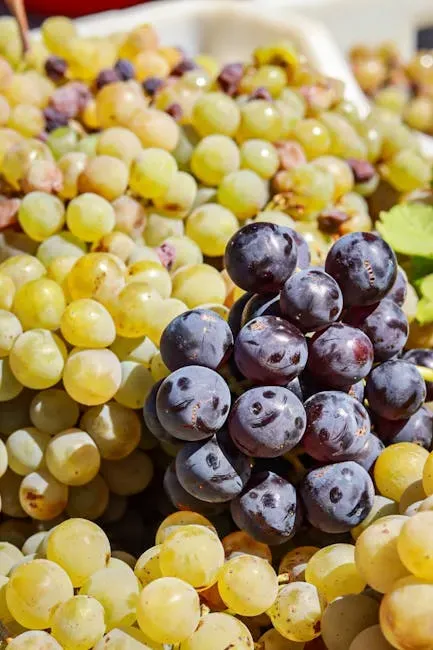
Here’s the thing about grapes: they’re dangerously easy to overeat. You pop one, then another, and before you know it, the whole bunch is gone. A cup of grapes – about 22 seedless grapes – contains 23 grams of sugar, which is a substantial amount for such a small serving.
While the sugar in grapes is natural, it still contributes significantly to your daily calorie load. Grapes also provide less fiber compared to fruits like berries or apples, meaning they may not keep you full as long. Their small size and appealing taste make it easy to eat far more than intended.
Grapes are high in natural sugars and can cause significant blood sugar spikes, making them less advisable for individuals managing diabetes with a low-carb diet. Their moderate glycemic index combined with relatively high sugar content can lead to rapid increases in blood sugar. If you love grapes, try pairing them with a small handful of nuts to slow sugar absorption.
3. Banana – The Everyday Offender
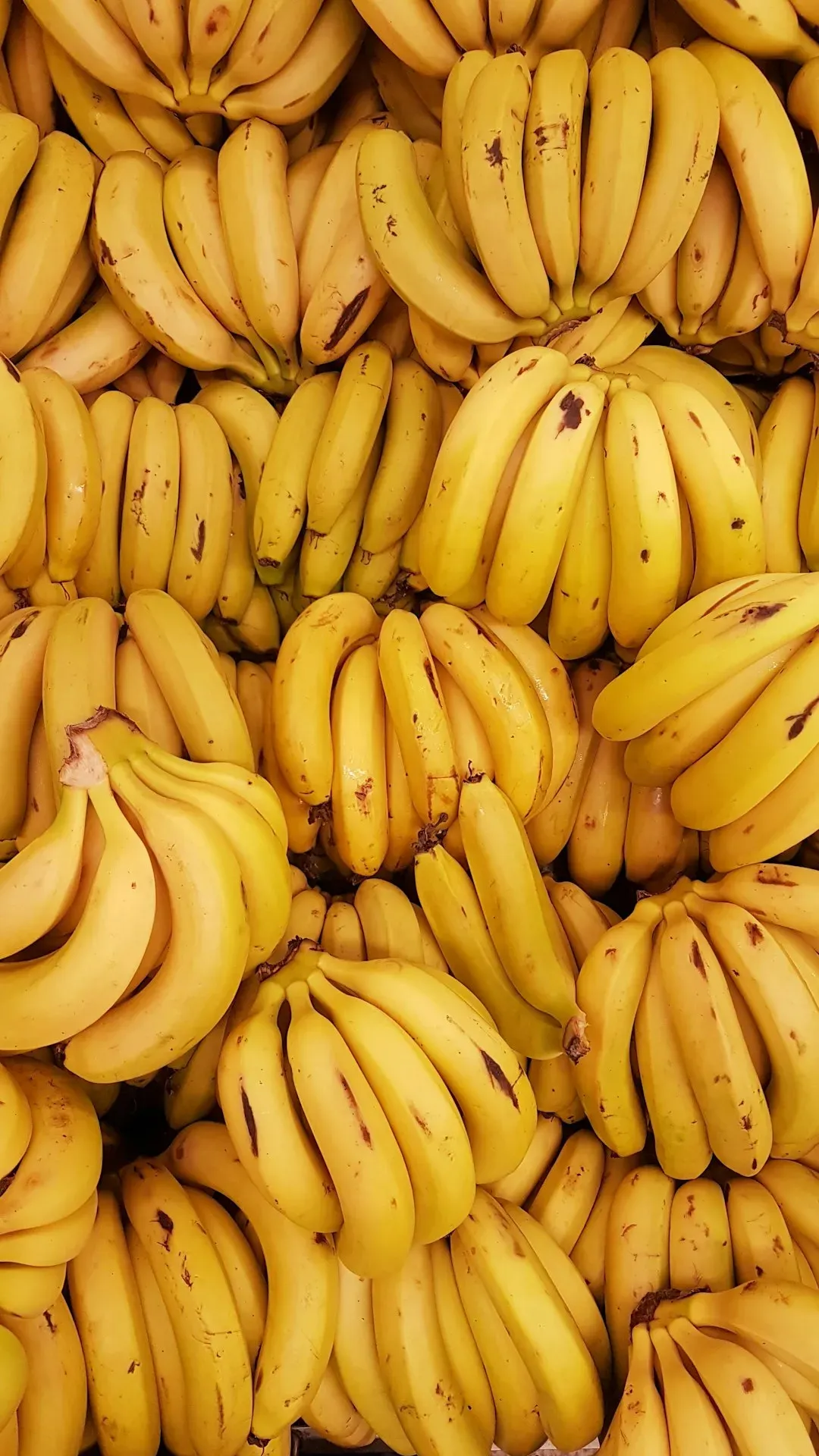
Bananas are possibly the most universally beloved fruit. They’re convenient, cheap, filling – and quite high in sugar. One banana contains about 15.4 grams of sugar, which is roughly equivalent in sweetness to a glazed donut. Bananas may not seem like the sweetest of treats, but there’s a decent amount of sugar hidden beneath that peel – and the sugar content increases as bananas ripen and go from green to yellow.
As a banana ripens, its sugar content increases, so riper bananas will raise blood sugar more than less ripe ones. Think of a bright yellow, spotty banana versus a firm, slightly greenish one – they are genuinely different in terms of glycemic impact. If you’re cutting back on sugar, reach for the less ripe option.
Bananas contain an advantageous carbohydrate called resistant starch when they are still green, which behaves more like fiber in the body than a simple sugar. That green banana is actually doing you more favors than you might think.
4. Cherries – Dangerously Snackable
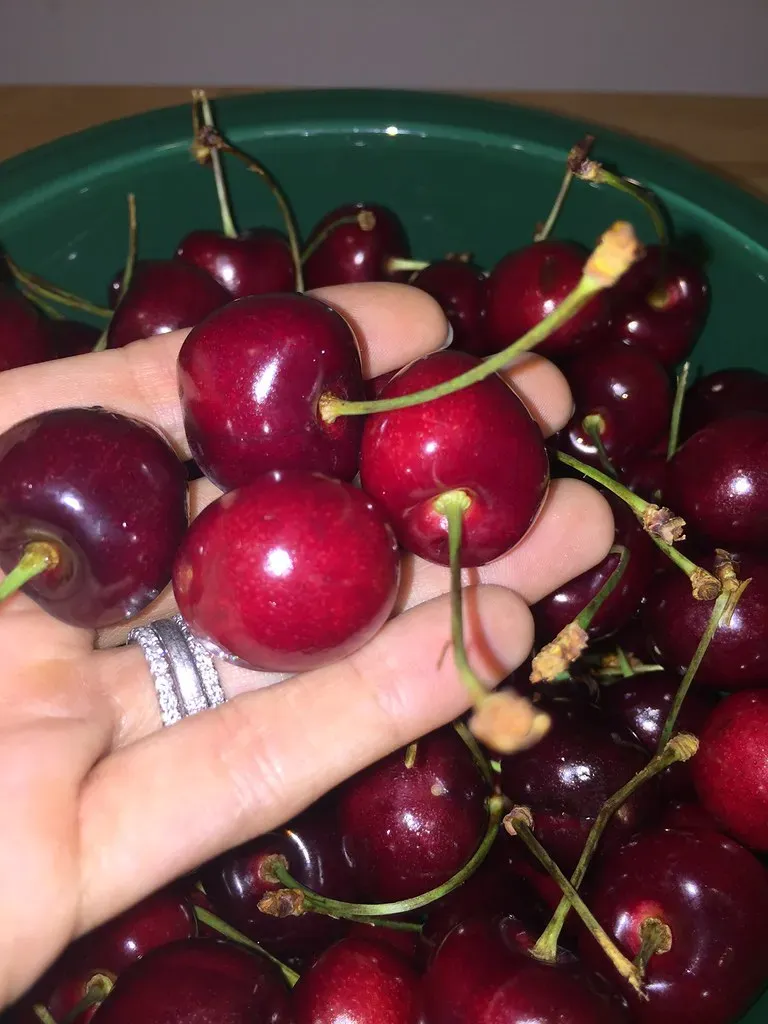
A cup of cherries contains 19.7 grams of sugar – which Cleveland Clinic notes is the sweet-treat equivalent of a regular-sized Snickers bar. That fact alone should give most sugar-watchers pause. Cherries are bite-sized, addictive, and incredibly easy to mindlessly overeat at a picnic or from a bowl on the counter.
Both sweet and tart cherries are low in calories and come with plenty of nutrients including fiber, potassium, and vitamin C. Cherries are also a natural source of melatonin, so they may improve sleep. There are genuine upsides here. Still, if sugar reduction is your goal, portions matter enormously with cherries.
Cherries’ low glycemic index isn’t the only thing they have going for them. Research found that women with diabetes who consumed tart cherry juice showed decreased A1C levels. Cherries are also powerful inflammation fighters, containing polyphenols and vitamin C – both of which have antioxidant and anti-inflammatory properties. Impressive fruit, but approach it with portion awareness.
5. Pineapple – Tropical and Treacherous
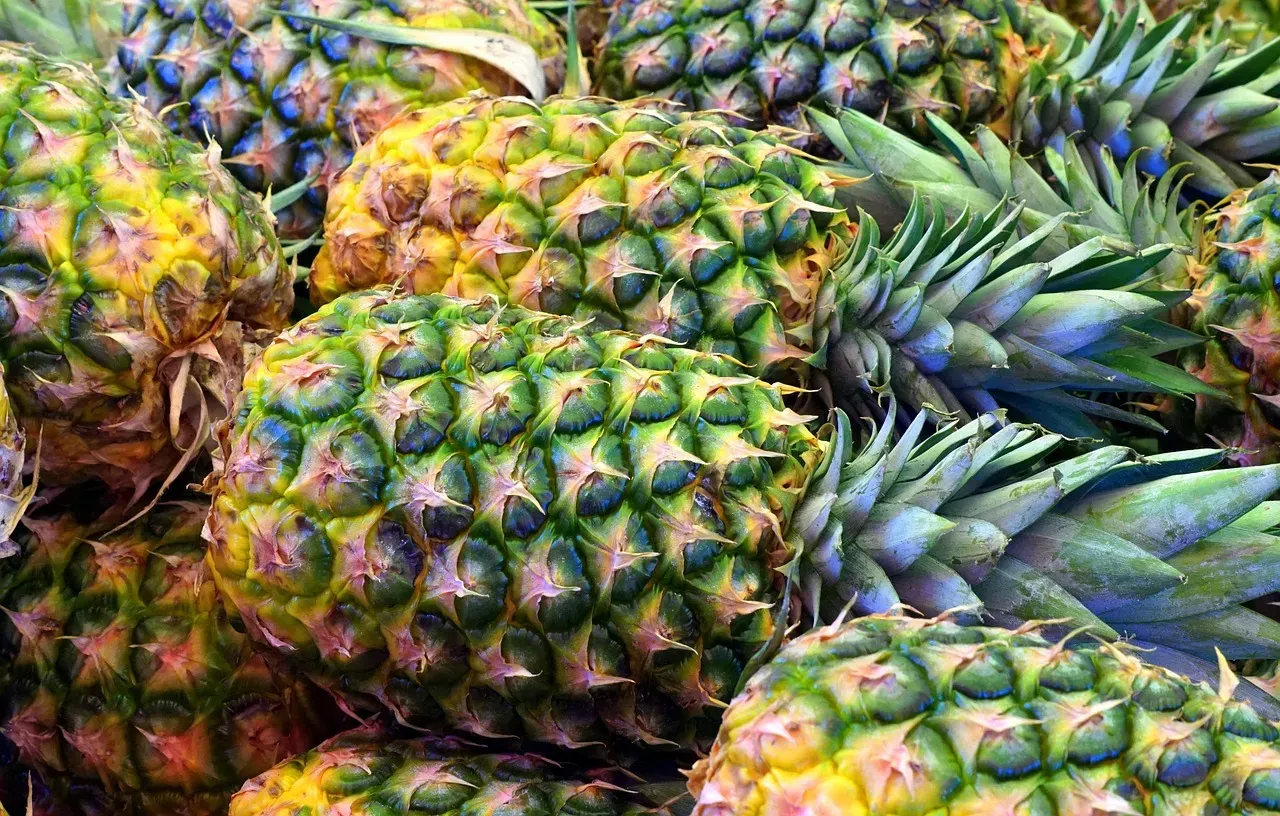
Pineapple feels like a health food. It’s tropical, bright, and famously packed with bromelain. A cup of pineapple chunks contains 16.3 grams of sugar. Pineapple’s sticky sweetness owes itself to high sugar levels – and those levels only go up if the fruit is juiced, dried, or served in a sugary syrup. Moderation is key if you’re trying to get the benefits without a sugar rush.
Pineapple, being moderate in fiber and high in sugar, has a glycemic index count higher than many other popular fruits, at around 59. Too much pineapple may raise your blood sugar levels noticeably. That GI score puts it firmly in the territory that warrants careful portion control for those monitoring their blood sugar.
Pineapple contains bromelain, an enzyme that breaks down proteins and has anti-inflammatory properties, according to the National Cancer Institute. The fruit is also good for the gut, with plenty of insoluble fiber that helps keep the bowels moving regularly. So there’s a lot to like – just watch how much you slice up at once.
6. Figs – Ancient Fruit, Modern Sugar Problem
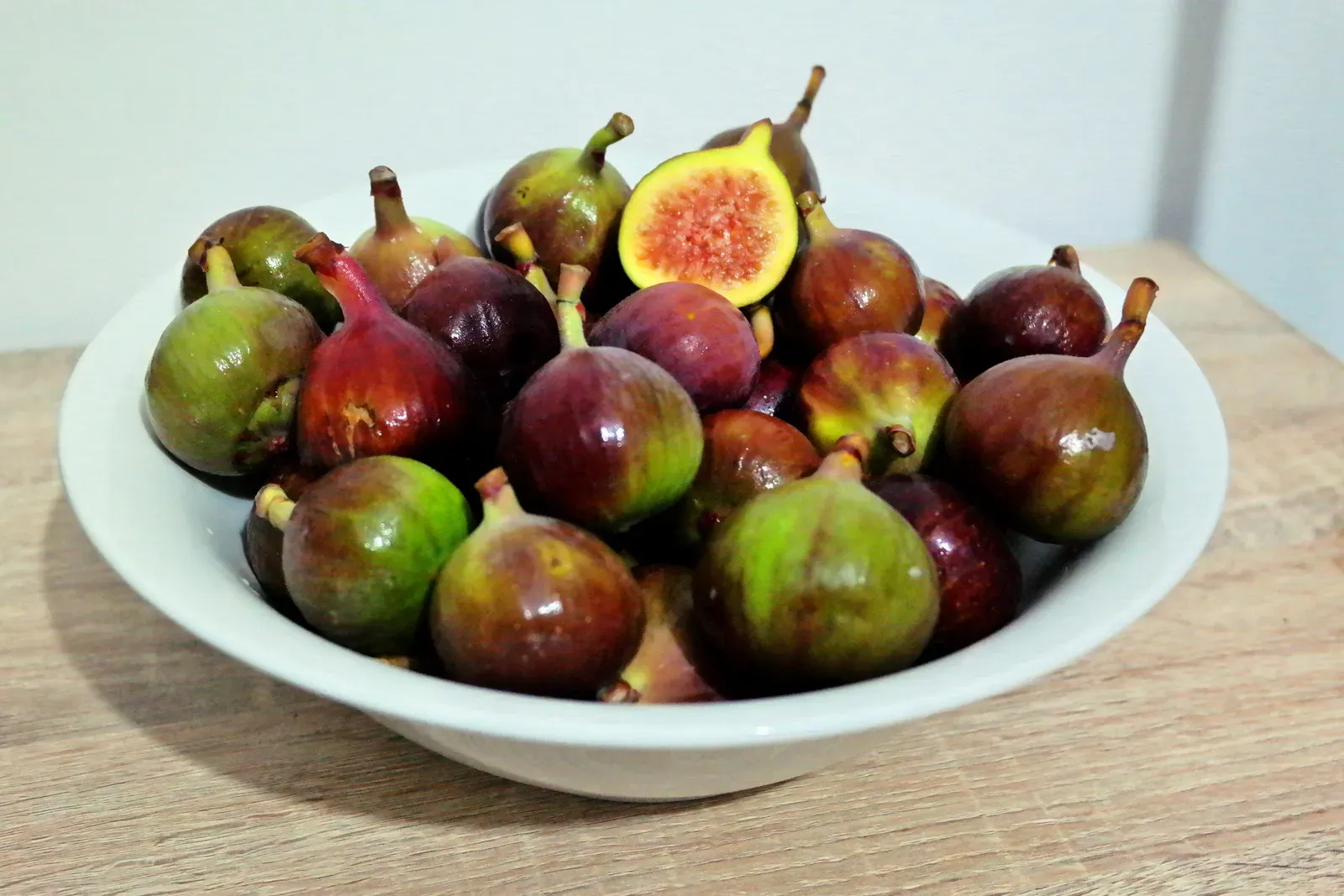
Figs are one of the oldest cultivated fruits on earth, dating back thousands of years. They’re delicious and nutritious – and surprisingly sugary. In a 100g serving of figs, there are approximately 19 grams of carbohydrates, primarily consisting of natural sugars and dietary fiber. That’s a meaningful amount, especially since fresh figs are small and easy to eat several of in one sitting.
The glycemic index of fresh figs is 61, leading to a medium impact on blood sugar levels. That medium GI means blood sugar will rise at a moderate pace after eating them – not catastrophically fast, but enough to matter if you’re managing your intake carefully. Dried figs are even more concentrated in sugar, making them a much larger concern.
Dried figs soar to a whopping 48 grams of sugar per 100 grams, with a GI score of around 61, meaning those cautious of their blood sugar levels may want to monitor portions carefully. Figs are a nutrient-dense fruit that offers essential vitamins and minerals including potassium, calcium, magnesium, and vitamin K, and are also a good source of dietary fiber. Fresh and in small amounts – that’s the smarter move.
7. Pears – Quietly Sugary
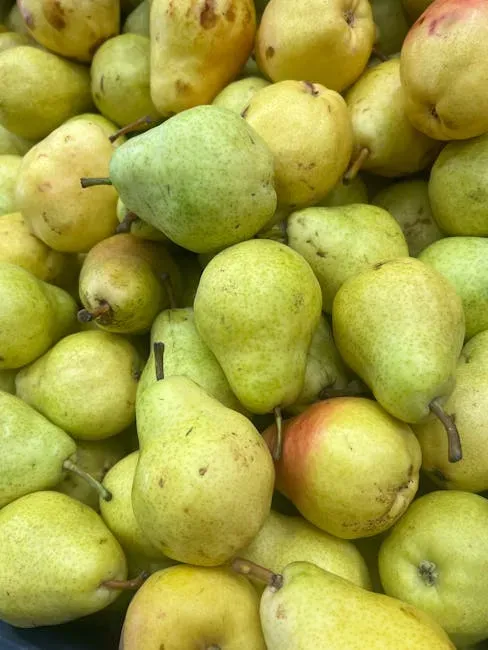
Pears tend to fly under the radar on sugar lists, which is part of what makes them worth highlighting. People think of them as a mild, wholesome fruit – and nutritionally they are. A medium pear contains 17.4 grams of sugar, which is more than many people would guess. That’s almost as much as a large cinnamon roll equivalent, gram for gram in sweetness.
The sugar story with pears is similar to apples regarding fructose and fiber – those benefits come with eating the whole fruit. Canned pears packed in sugary syrup can negate some of the positives and drive the sugar content even higher. So always reach for fresh pears over canned versions when you’re watching your sugar levels.
I think pears are one of the most underestimated fruits on this list, purely because they don’t taste as intensely sweet as a mango or a ripe pineapple. That subtlety is almost deceptive. The sugar is there – it’s just disguised by a mild, almost buttery flavor that doesn’t trigger alarm bells the same way.
8. Apples – The Beloved Daily Habit
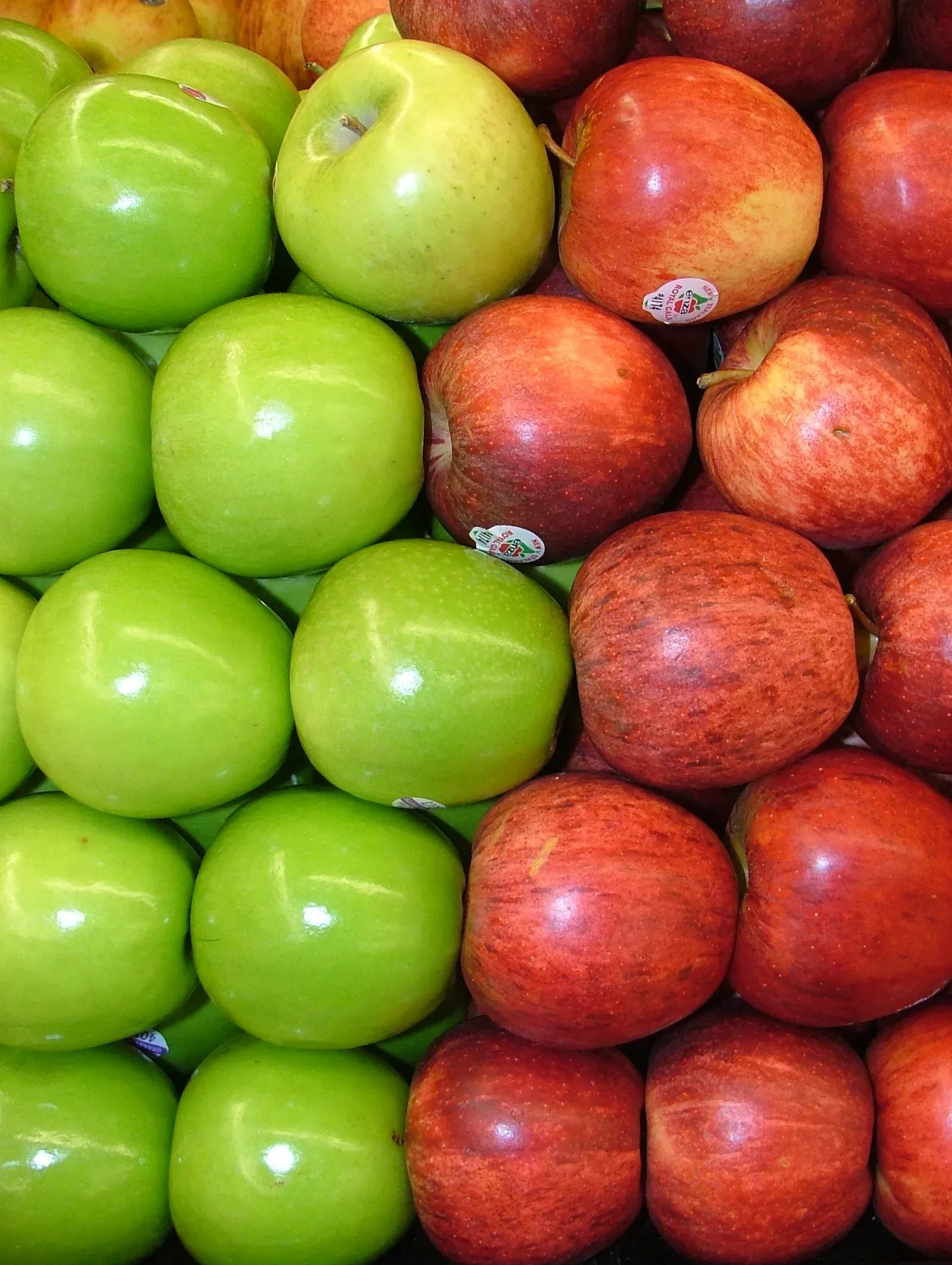
An apple a day keeps the doctor away – but it also delivers a surprisingly solid dose of sugar. A medium apple contains about 19 grams of sugar, making it one of the higher-sugar fruits among everyday choices. That classic red apple from your lunch bag? It’s packing more sweetness than you might have expected.
Most of the sugar in apples is fructose, often dubbed a “fruit sugar.” Fructose doesn’t cause blood sugar or insulin levels to spike nearly as much as other sugars, such as glucose or sucrose. That’s genuinely reassuring context. Still, if you want to limit your potential sugar intake from apples, pay attention to colors – research shows that green apples typically have less sugar than red-colored varieties.
Research on apples points to their benefits for heart health, diabetes, cancer, gut health, weight loss, and inflammation. So don’t ditch the apple entirely. Just maybe swap from red to green, and consider skipping the apple juice entirely – juice strips out the fiber that makes the whole fruit a smarter choice.
9. Lychee – Small, Exotic, and Very Sweet
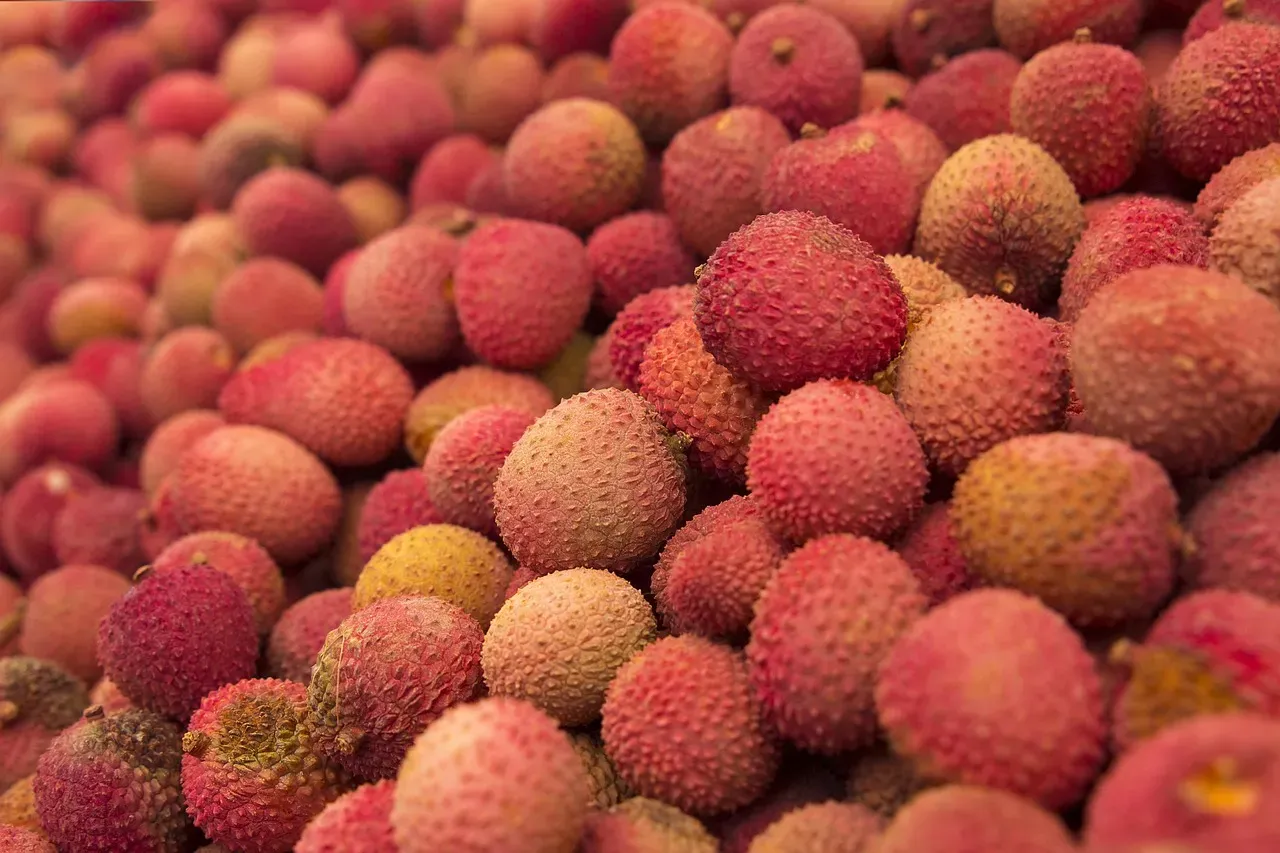
Lychees are one of those fruits that feel luxurious – delicate, floral, and intensely juicy. Nutritionally, lychees are potent, teeming with flavonoids, polyphenols, vitamin C, potassium, and manganese. However, they are also quite high in sugar, with around 15 grams per 100-gram serving. The lychee’s GI score is usually around 50.
The fruits with the highest sugar content include black grapes, lychees, bananas, and pineapples – and lychees frequently appear near the top of those rankings. They’re small enough that you can easily eat ten or fifteen without feeling like you’ve had a “portion” of anything significant.
When canned in syrup, the real sugar issues with lychees can emerge. Lychees swimming in sweet syrup in a tin can contain as much as 22 grams of sugar, with GI scores close to 80. That’s a dramatic leap from fresh lychees. If you’re going to enjoy them, always choose fresh over canned.
10. Pomegranate – The Antioxidant Trap
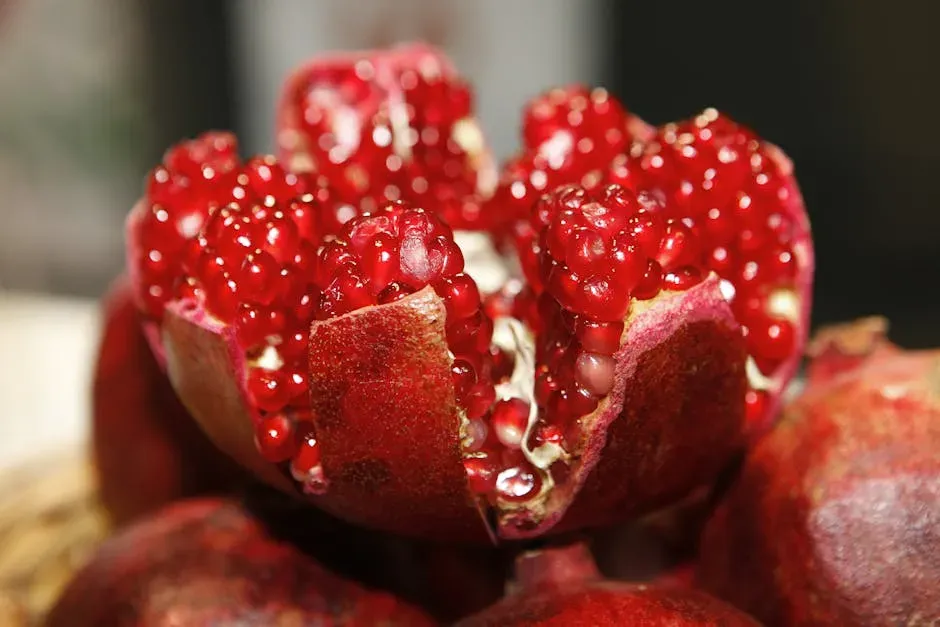
Pomegranates have built an almost mythical health reputation, and it’s not entirely undeserved. They’re rich in antioxidants and genuinely good for heart health. Half a cup of pomegranate seeds has about 12 grams of sugar. That might not sound alarming in isolation – but the way people eat pomegranate seeds makes it easy to consume far more than half a cup.
The pomegranate clocks in at 14 grams of sugar per 100 grams and is one of the more sticky-sweet fruit-eating experiences. The relatively high sugar count shouldn’t come as much of a surprise, considering that munching on the seeds is akin to digging into a delicious bowl of candy.
Pomegranate juice is an even bigger concern. Like most fruit juices, it concentrates the sugar while removing the fiber that would normally temper the blood sugar response. Fruits are high in fiber, which helps to slow the digestion of sugar – and this reduces the impact on blood sugar because the sugar from fruit is released into the bloodstream more slowly than the sugar in processed foods. Juice takes that fiber advantage away entirely.
11. Dried Fruit – All Fruit, Concentrated Sugar
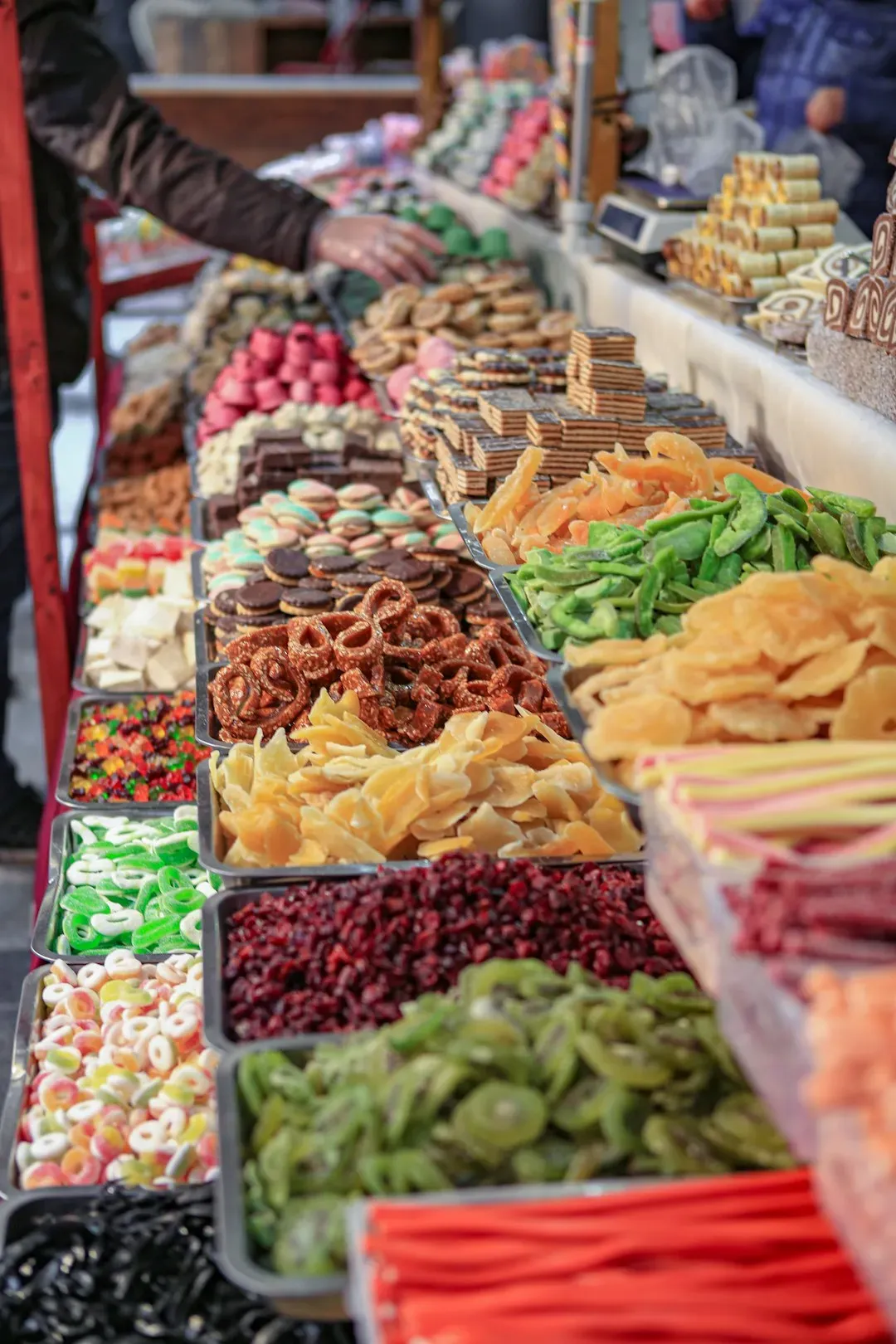
This one isn’t a single fruit but a category that deserves its own entry – because the sugar math on dried fruit is genuinely startling. Dried fruits have the highest sugar content of all fruits because the water is removed, which concentrates the natural sugars. Examples include prunes and dried figs. Essentially, you’re eating a fraction of the volume but the same amount of sugar as the original fresh fruit.
You’ll want to take note of the high levels of sugar dried fruits contain – as they more closely resemble commercial candy than fresh, whole fruit. That’s a bold statement, but the numbers back it up. A small handful of raisins, for example, can contain as much sugar as several full-sized fresh grapes.
Most of the time, you’ll want to choose fresh fruit over dried. Calories and sugar content are among the main reasons to make that choice. Some dried fruit products also contain added sugar or glucose syrup, which boosts sweetness and changes the glycemic load – sweetened cranberries and mangoes are common examples. Always check the label.
12. Oranges and Orange Juice – Not as Innocent as You Think

Oranges have a squeaky-clean image. Vitamin C champion, breakfast staple, the symbol of wholesome health. Yet a large orange contains about 17 grams of sugar, and a large orange clocks in at 17.2 grams of sugar – equivalent in sweetness to four twisted red licorice ropes. The fiber in oranges can help ease the release of sugar into your blood, but for that to work you need to eat the fruit instead of drinking a glass of OJ. The sugar is much more concentrated in orange juice.
Packing plenty of vitamin C, a small orange contains about 9 grams of sugar, while a large counterpart might contain about 17 grams. Size truly matters with oranges. The temptation to grab the biggest, juiciest one at the grocery store is real – but nutritionally, smaller is better when you’re counting sugar grams.
Honestly, orange juice might be the biggest villain in this entire category. 100% fruit juice is so loaded with sugar that it’s often compared to soda. Fruit juices provide little to no fiber compared with whole fruits and a higher sugar content – which means none of the natural brakes on blood sugar are in play. Eat the orange. Skip the glass of juice.
Conclusion: Fruit Isn’t the Enemy – Portion Size Is
Let’s be real: none of the fruits on this list are “bad” foods. Whole fruit promotes good health despite its natural sugar content because it also contains essential fiber, vitamins, minerals, and antioxidants. The conversation about fruit sugar only becomes truly important for people specifically managing blood sugar, following a low-carb plan, or actively trying to break a sugar habit.
Consuming too many high-sugar fruits may hinder your weight loss efforts or make it difficult to manage your blood sugar levels effectively. The fix isn’t to avoid these fruits entirely – it’s to be aware, control portions, and pair them with protein or healthy fat when possible to slow that sugar hit.
The most surprising takeaway from all of this? It’s not the fruit itself that trips people up most of the time – it’s the juice, the dried version, or simply the habit of eating far more than a single serving. What would you have guessed before reading this list? Tell us in the comments.