
You sit down at a restaurant, open the wine list, and suddenly feel like you need a finance degree. Pages of unfamiliar names, mysterious price jumps, and a sommelier hovering nearby. Most people just pick something and hope for the best. Honestly, that’s exactly what the restaurant is counting on.
The wine list is one of the most quietly powerful tools in the hospitality business, and it’s designed with your wallet in mind just as much as your palate. From inflated markups to optical illusions buried in the menu structure, there are some very clever tricks at play every single time you dine out. Let’s dive in and expose them one by one.
1. “The House Wine Is a Great Deal” – It Almost Never Is
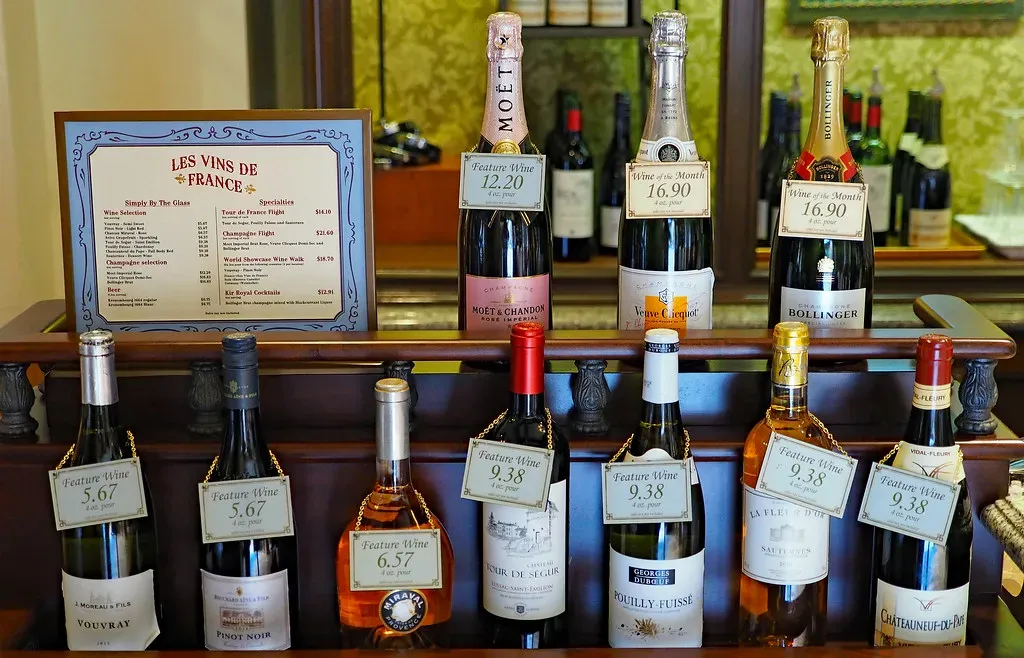
Uploaded by tm, CC BY 2.0)
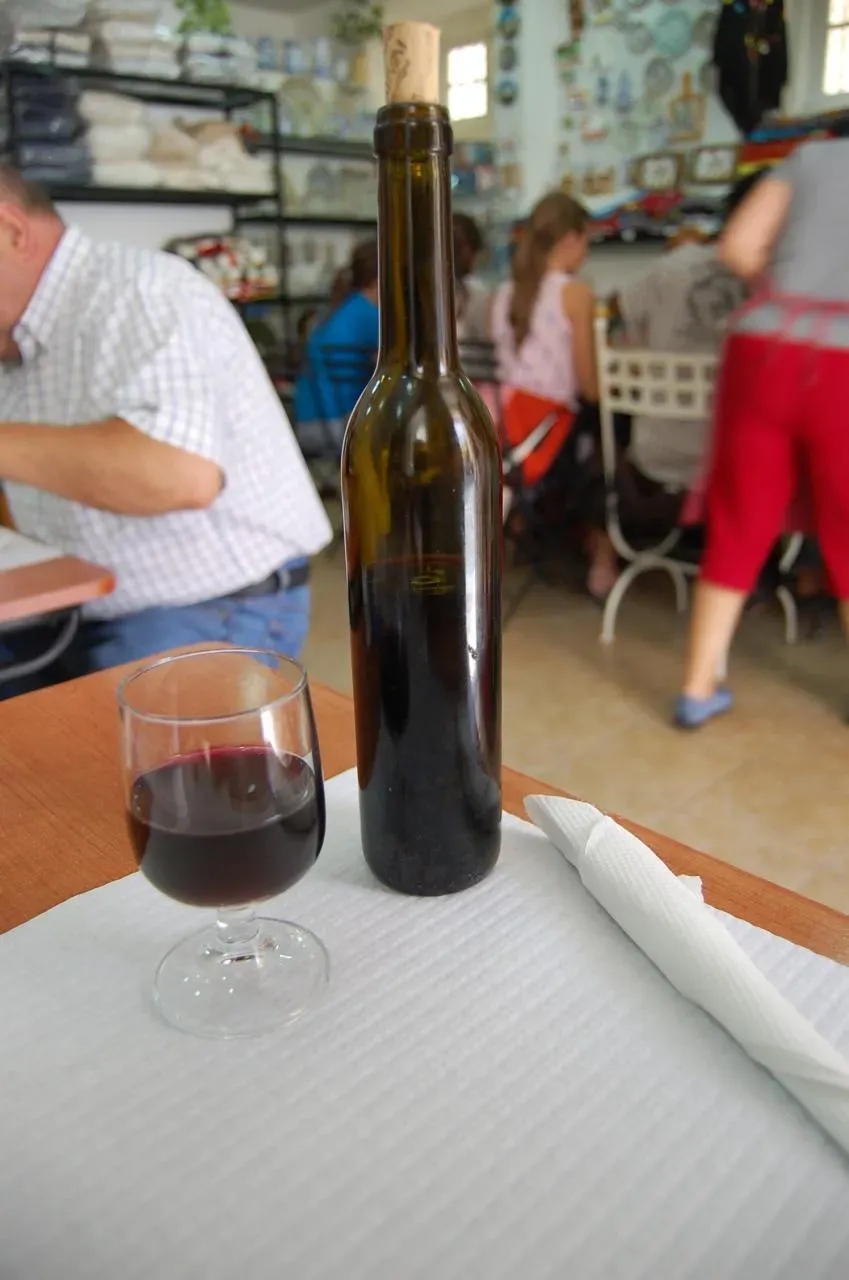
There’s a reason the house wine gets pushed so hard. The words “house wine” used to signify the cheapest wine on the menu, though that is slowly changing as more sommeliers team up with esteemed winemakers. In most everyday restaurants, though, the reality is far less glamorous. House wines are typically the lowest-cost bottles the restaurant can source, marked up dramatically to appear like a bargain.
The industry standard is to mark up a bottle of wine 200 to 300 percent over its retail sales price, meaning a bottle that retails for around $20 is likely to sell for $60 to $80 at a restaurant. The house wine is no exception to this rule. In fact, it often bears an even steeper percentage markup precisely because diners assume it’s the safe, affordable option. That assumption costs you money every time.
2. The Second-Cheapest Bottle Trap
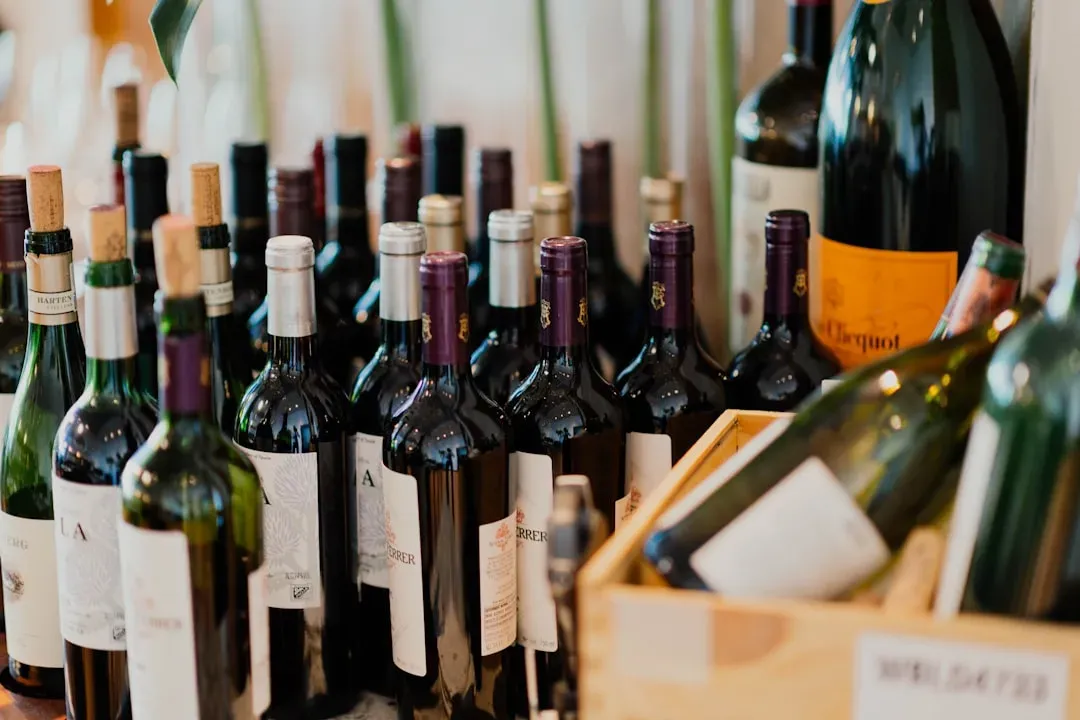
Here’s the thing: most diners instinctively avoid the cheapest wine on the list. It feels embarrassing. So they do what feels rational and grab the second-cheapest option. Restaurants know this. The pull toward the second-cheapest glass comes down entirely to how diners define value. It feels like a smart compromise, a step above the bottom, but still responsible.
What most diners don’t realize is that the second-cheapest wine is often where restaurants deliberately concentrate their highest profit margins. It’s a classic anchor pricing move, the same psychological trick furniture stores and car dealerships use to nudge you toward a specific tier. The cheapest bottle exists largely to make the second option look like the sensible pick. Don’t fall for it.
3. The Enormous Markup Hidden in Plain Sight
Restaurant wine pricing frequently draws customer attention, and it’s easy to see why. When diners spot a $20 retail bottle priced at $60 to $80 on the menu, they naturally question the markup. Behind the scenes, however, restaurants depend on these margins to keep their wine programs profitable. The gap between what you pay and what the bottle actually costs in a shop is not a dirty secret, it’s baked into the entire business model.
Wine’s high margins help offset the razor-thin profitability of food items and provide the financial cushion restaurants need to remain viable. While a pasta dish might generate only a marginal profit margin after ingredient and labor costs, a table’s wine selection contributes significantly more to the bottom line. In the restaurant industry, food and labor expenses each consume roughly a third of total sales, making high-margin beverages such as wine vital for overall profitability. That’s not an excuse, but it is the reality buried behind every elegantly printed wine list.
4. Wine by the Glass Is Almost Always a Bad Deal Mathematically
Wine by the glass programs follow different pricing strategies. The most basic approach is to price each glass at the wholesale cost of the entire bottle. If a restaurant pays $15 wholesale for a bottle, they’ll typically charge $15 per glass. This pricing model assumes restaurants will pour four to five glasses per bottle, generating $60 to $75 in revenue from a $15 wholesale investment. So by the time you order your third glass of something, you’ve already paid more than the bottle costs on the shelf.
A standard bottle holds five glasses of wine, and it is often less expensive to purchase a bottle than to purchase wine by the glass. Yet the perceived convenience and casualness of ordering by the glass keeps most diners blissfully unaware of how much more they’re paying per ounce. I think this is genuinely one of the most widespread and overlooked financial traps on any restaurant table.
5. Long Wine Lists Signal Prestige, Not Value
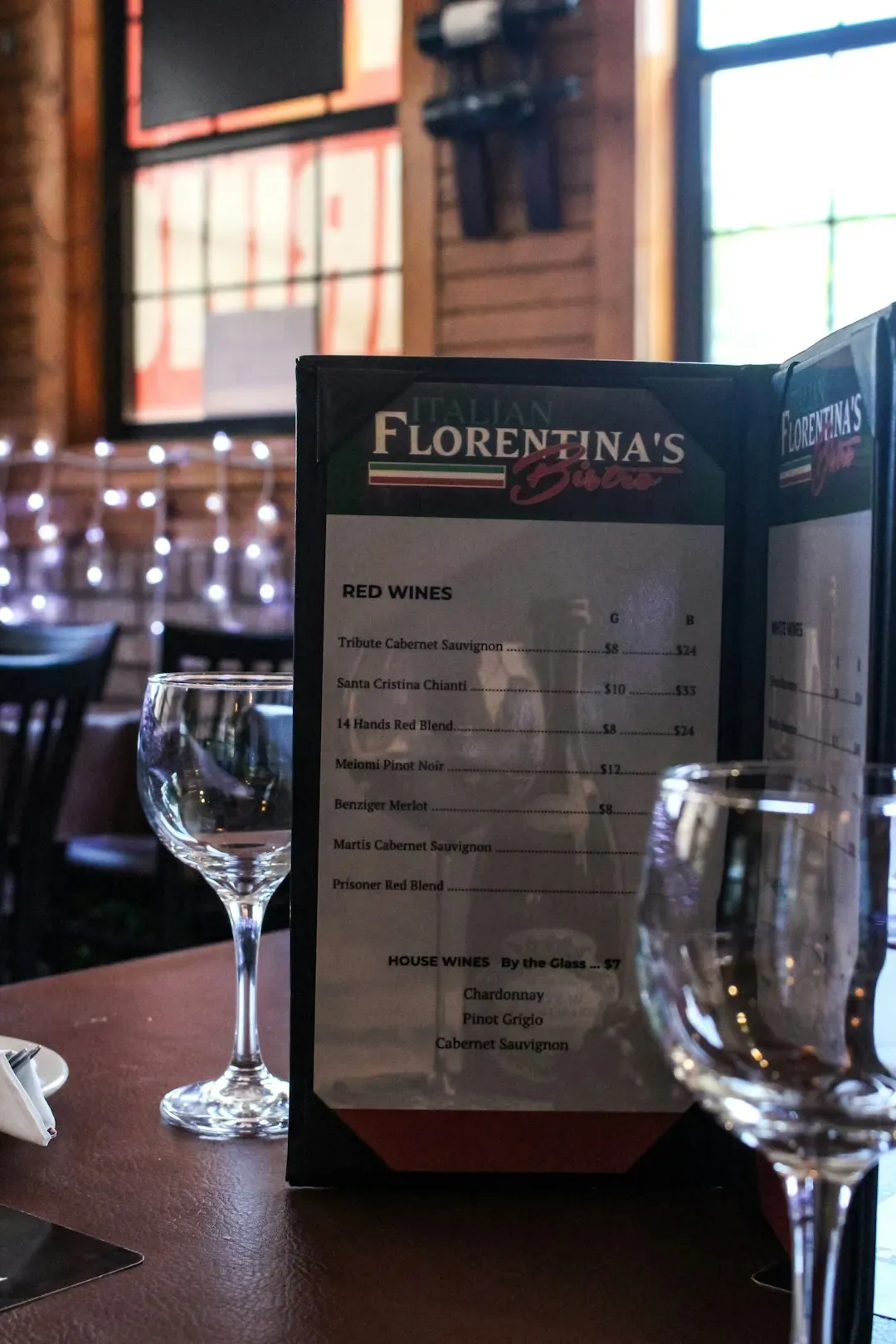
A wine list the size of a small novel can feel deeply impressive. Surely, a restaurant with 200 bottles on its list must be offering tremendous choice and value? Not exactly. Extravagantly long wine lists are now out of vogue, replaced by more concise, pared-down lists in many informed dining circles, and for good reason. Lengthy lists can actually obscure pricing inconsistencies and make comparison nearly impossible.
Think about it like a supermarket aisle with 40 near-identical cereals. The sheer volume prevents meaningful comparison, and you end up grabbing something familiar or mid-priced out of pure overwhelm. Wine lists work exactly the same way. Several factors influence wine bottle pricing at restaurants, including the quality and rarity of the wine, the restaurant’s target demographic, its location and ambiance, and the overhead costs associated with running the establishment. A long list simply gives management more opportunities to bury overpriced bottles where few diners think to look.
6. Premium Wines Are Actually Where the Better Value Hides
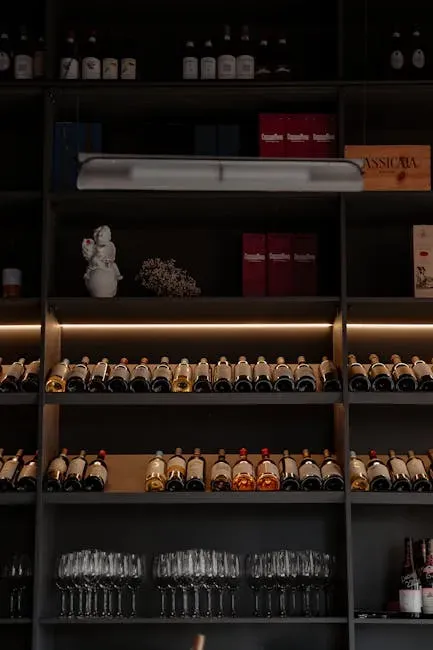
This one surprises almost everyone. Most diners assume the cheapest wine has the smallest markup, and the expensive bottles are pure extravagance. It’s actually often the opposite. For more than a decade, a growing number of hotels, restaurants, and wine bars have used a graduated scale markup which decreases as the bottle price goes up. In general, after a $40 to $50 per bottle profit, restaurants will start to work in a more considerate partnership with the more knowledgeable wine enthusiast.
To illustrate this, a $25 wholesale bottle may be sold for $65 at around 2.5 times markup, while an $80 bottle might be listed for $160 at 2 times markup, and a $150 bottle might appear for $225 at just 1.5 times markup, still generating a $75 per bottle profit. So paradoxically, if you’re celebrating something special and willing to spend, you often get closer to fair pricing in the higher price brackets than in the low or mid-range. It’s counterintuitive, but very real.
7. Extreme Outliers Are More Common Than You Think
Most people assume wine list pricing, while marked up, stays within some reasonable range. The data tells a very different story. There are striking variations in markups on specific bottles. A few wines are priced at over 20 times their retail price. If you think those are wild outliers, 14 percent of all wine lists analyzed had at least one bottle priced at 10 times retail, and 34 percent had at least one bottle priced at 7 times retail.
In a December 2024 analysis of general wine pricing in restaurants, covering 278 separate restaurant wine lists, the average markup to retail price was 3.03 times, though with a lot of variation within that figure. For rare, expensive, or specialty wines, markups could be as high as 400 percent. So that lovely sounding “cellar selection” on the back page of the menu? It might be one of the worst value purchases on the entire list. Always cross-reference with a wine pricing app before ordering anything obscure.
8. The Tasting Ritual Isn’t About Whether You Like the Wine
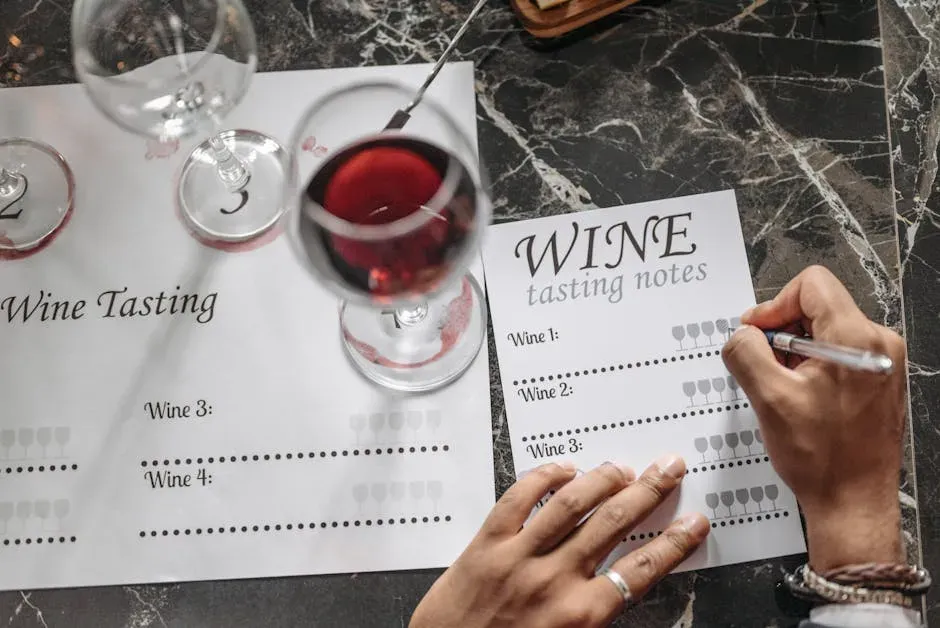
Almost every diner at some point has received that small pour from the sommelier, sipped it, nodded, and said “yes, lovely.” Most of them had no idea what they were actually supposed to be doing. The sommelier pours just a small amount into the glass, and the purpose of this step is solely to ensure the bottle has no faults. It is not to ensure you actually like the wine. Restaurant wine etiquette dictates that once you’ve selected a wine, you’ve accepted it, unless it’s faulty.
The purpose of tasting in a restaurant is not to establish whether you like the wine or not: it’s to find out whether the bottle is good and free of defects. The main detectable defect in wine is the corky taste. So if you nod along to a glass of oxidized wine because you didn’t want to seem difficult, the restaurant keeps the revenue and you’re stuck with something genuinely flawed. When the bottle is presented to you, check that the wine is correct, because different vintages carry different prices, and you could get quite a shock when the bill arrives after several bottles of the wrong vintage. Speak up, check the label, and remember that the tasting ritual exists entirely for your protection.
The Bottom Line
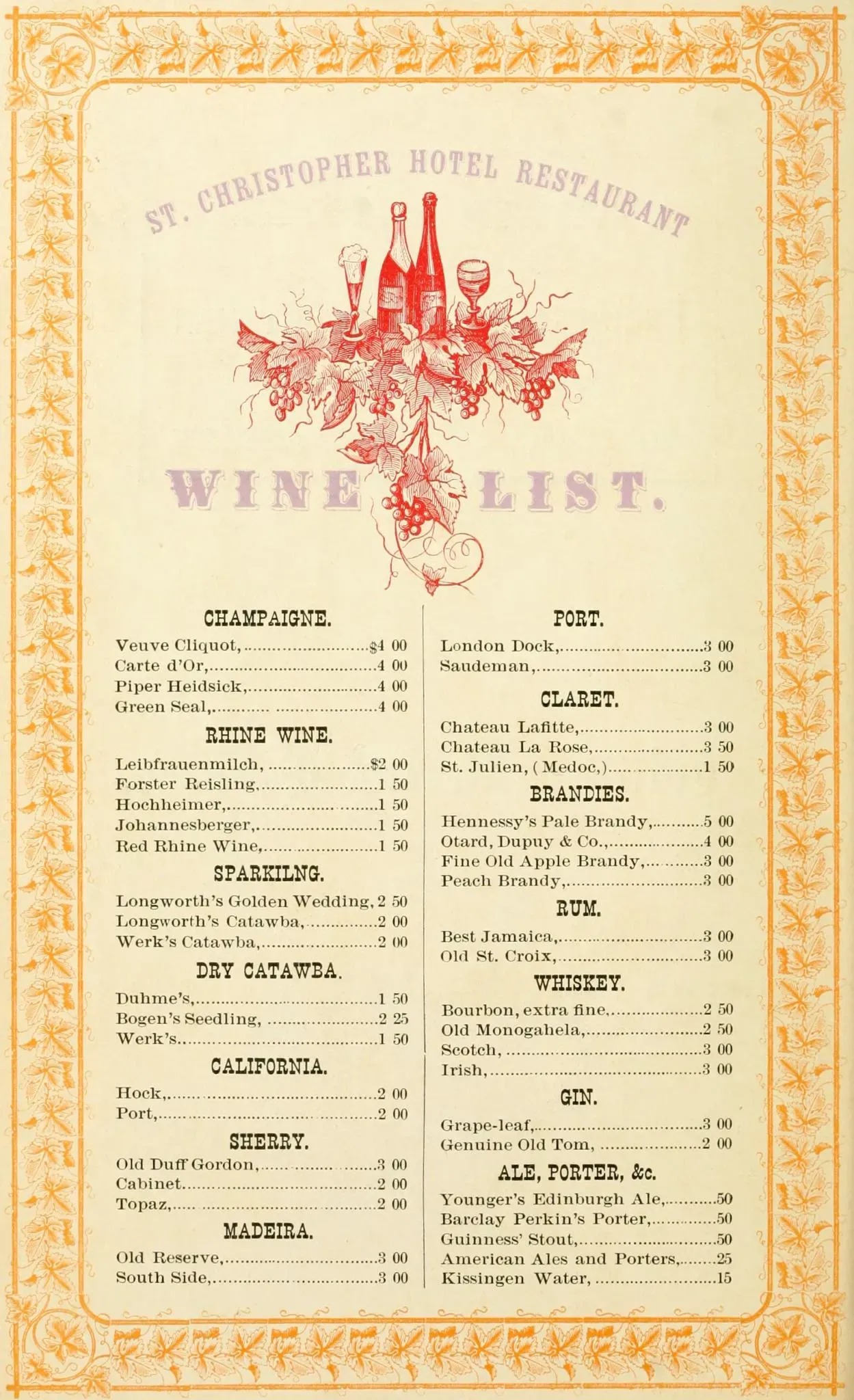
Wine lists are not neutral documents. They are carefully engineered profit tools, and understanding that changes everything about how you order. The data is clear: customers tend to be more sensitive to food prices because they usually have a sense of what a steak should cost. Consequently, restaurants often let the wine list do a lot of the heavy lifting when it comes to profit margins.
Being a smarter wine diner doesn’t mean being cheap or difficult. It means knowing the game before you sit down to play it. Check wine prices on apps like Vivino or Wine-Searcher before you order anything unfamiliar. Consider ordering higher up the price list for better relative value. Know that the tasting pour is your legal right to catch a faulty bottle. And above all, never assume the wine list is on your side.
Next time someone hands you that leather-bound wine list, you’ll know exactly what you’re really holding. What would you have guessed before reading this?