
There’s something almost ritualistic about weekend brunch. You drag yourself out on a Saturday morning, wait forty-five minutes for a table, and then pay twenty dollars for two eggs on toast while sipping a mimosa that’s mostly orange juice. Sound familiar? Brunch has become a cultural institution – a social event dressed up as a meal – and restaurants have quietly turned it into one of their most profitable weapons.
The numbers, honestly, are pretty staggering once you start digging into them. From skyrocketing ingredient prices to alcohol markups built on the cheapest possible bubbly, the brunch industry is a masterclass in getting customers to pay premium prices while feeling like they’re getting a treat. Let’s pull back the curtain on exactly what’s happening.
The “Experience” Markup You’re Paying For Without Knowing
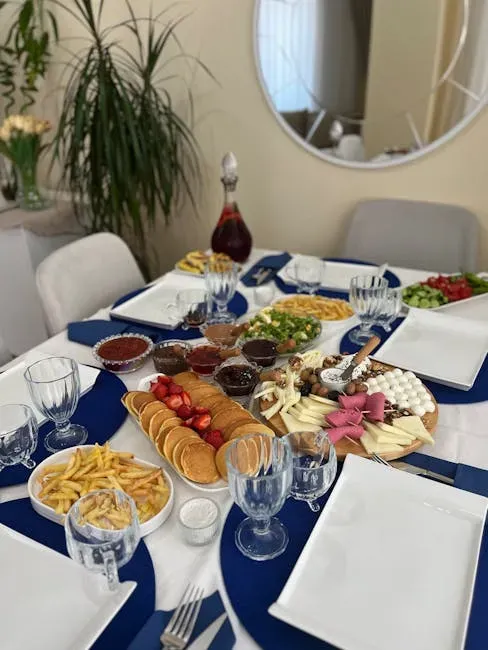
Brunch isn’t just a meal. Restaurants know that. Brunch has evolved into a highly anticipated social event, complete with themed menus, bottomless drinks, and creative twists on traditional breakfast items. That transformation from “morning food” to “curated experience” is precisely what gives restaurants the cover to charge significantly more for the same eggs and bread you could make at home for a few dollars.
Young professionals, groups of friends, and those celebrating special occasions have turned brunch into a weekend ritual, and social media has amplified this trend as diners often post pictures of elaborate brunch spreads and share their experiences online. That Instagram moment has a price tag. Every decorative garnish, every rustic wooden board the avocado toast arrives on – it’s all been factored into your bill.
Restaurant operators are tasked with reinventing breakfast and brunch, offering compelling experiences that make diners opt for foodservice over cooking at home. The strategy works brilliantly. Consumers keep paying, not for the food itself, but for the feeling of being somewhere special on a Sunday morning.
Menu Prices Have Skyrocketed and They’re Not Coming Back Down
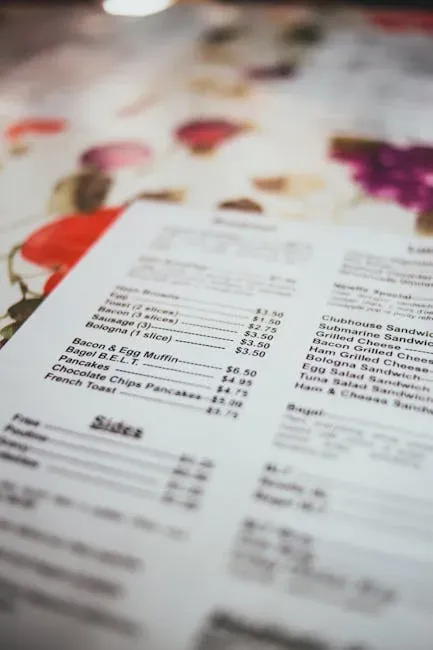
Here’s the hard truth about restaurant pricing in 2026: what goes up almost never comes back down. Average menu prices increased 31% between February 2020 and April 2025, according to data from the Bureau of Labor Statistics. That means your brunch bill today reflects years of compounding increases stacked on top of each other like a towering stack of overpriced pancakes.
Even though inflation has cooled slightly since 2024, most signs point to prices staying elevated into 2025 and beyond – and once menu prices go up, they rarely drop again. Restaurants have essentially reset the price floor. The idea of menus getting cheaper? It’s practically fiction at this point.
As of mid-2025, restaurant prices are up 3.9% year-over-year, well above grocery prices at 2.7%, and full-service restaurants have taken the biggest hit, with menu prices rising 4.6%. Brunch, a full-service weekend indulgence, sits squarely in that most-affected category.
The Bottomless Mimosa Con Is Almost Genius
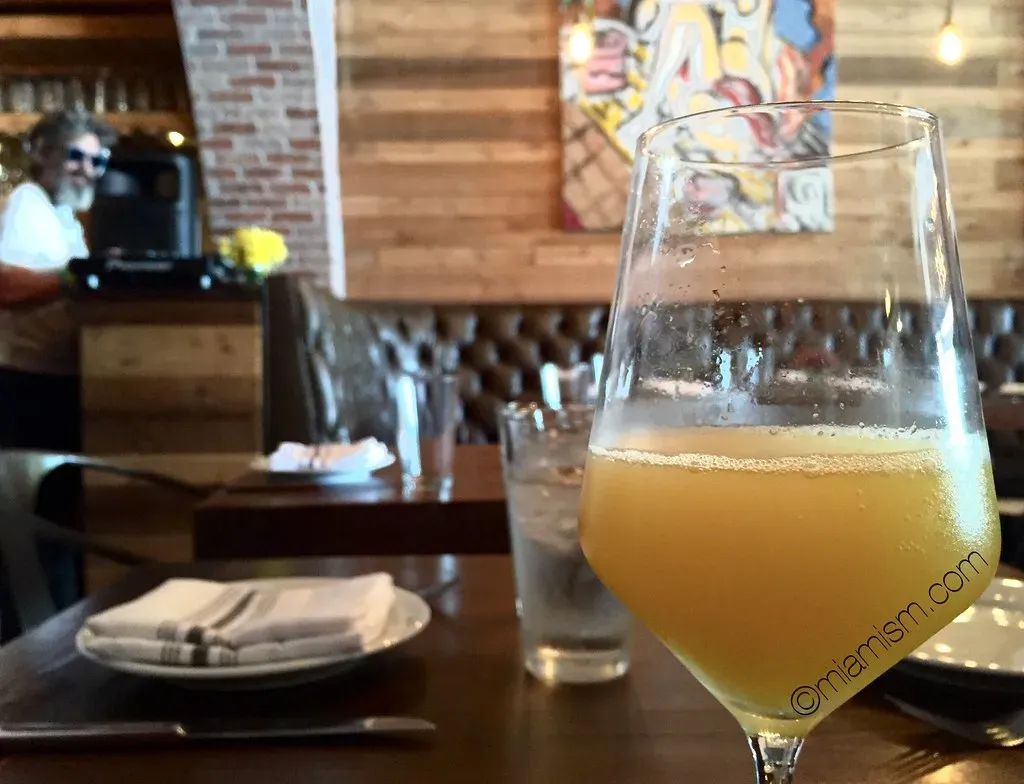
Let’s be real: bottomless mimosas are one of the greatest marketing sleights of hand in the food industry. You’re paying anywhere from twenty to fifty-five dollars for “unlimited” drinks, and restaurants are perfectly fine with that arrangement. Restaurants that offer this promotion look for very cheap bubbly to put into drinks like mimosas – we’re talking two or three dollars a bottle, wholesale, at most – plus cheap beers and well spirits for Bloody Marys, Screwdrivers, and Greyhounds.
Think about that ratio for a second. A bottle of prosecco used for bottomless mimosas might cost the restaurant three dollars. That same bottle is stretched across multiple glasses and sold to you as part of a twenty-five dollar package. Restaurants charge a bit more than you’d normally pay for eggs Benedict and hope the higher food prices minus the loss on the cheap booze nets them in the black – which is also why many places set a time limit on how long you can sit before politely asking you to leave.
In New York City alone, bottomless brunch packages range from forty-seven dollars per person for ninety minutes to as much as seventy-two dollars per person for large parties seeking three hours of bottomless drinks. The “deal” framing is the trick. It never really feels like you’re overpaying when it’s all-inclusive.
Egg Prices Turned Brunch Into a Luxury Product
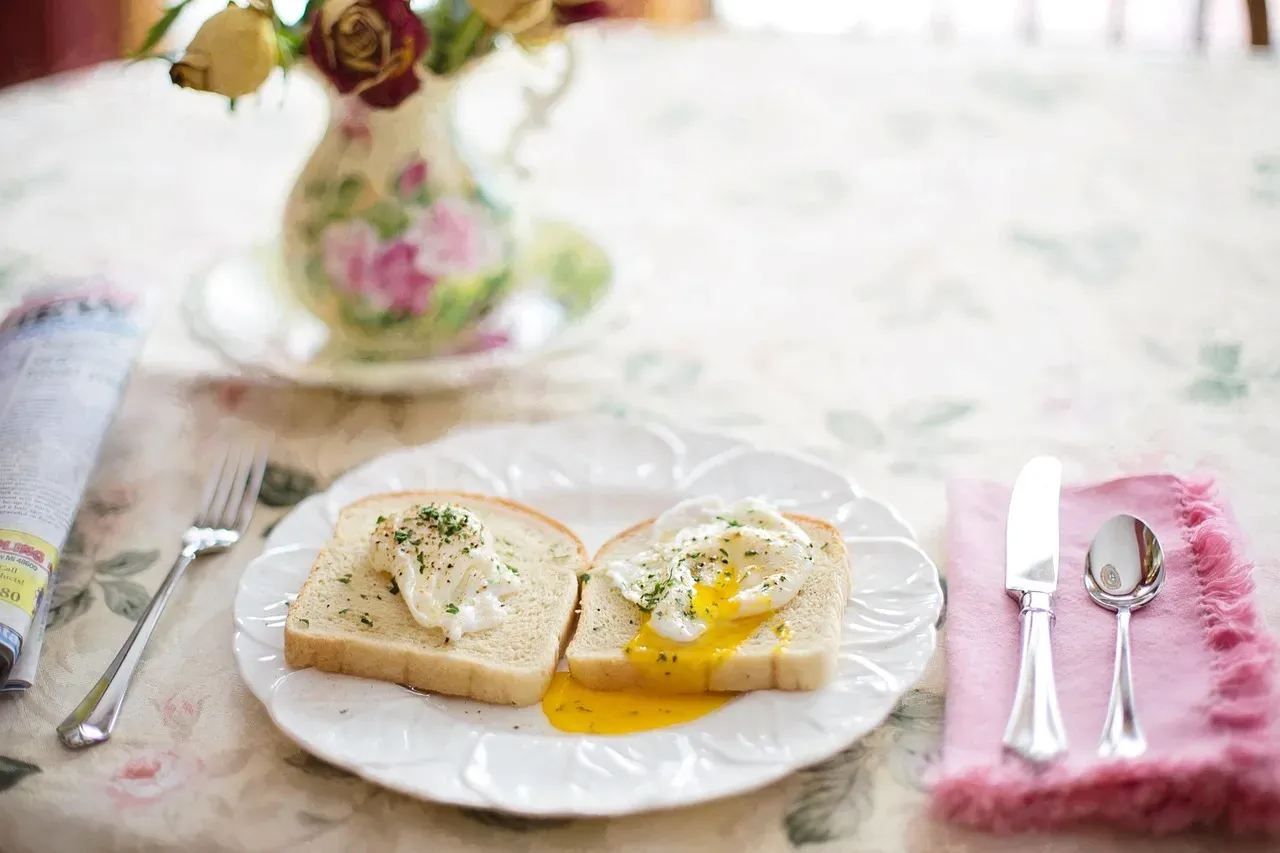
Eggs are the backbone of brunch. Benedicts, scrambles, frittatas, omelets – the menu is essentially built around this one ingredient. So when egg prices spiraled out of control, brunch restaurants were hit harder than almost anyone else in the food industry. The combination of inflation and highly pathogenic avian influenza (HPAI) caused egg prices to rise more than 350% per dozen compared to the same period a year prior.
According to the USDA Economic Research Service, the monthly national average price for large Grade A eggs reached a record $4.95 per dozen in January 2025. Supply pressures intensified soon after, with roughly 12 million birds lost in February alone, and the daily national average price for a dozen large eggs climbing as high as $8.15 by early March 2025. Restaurants, of course, passed those rising costs directly on to consumers through menu surcharges and higher prices.
One Tex-Mex restaurant owner in Philadelphia described facing a six-time cost increase on their most common ingredient, saying they were eleven weeks into 2025 and would have been profitable – except for eggs – and were spending over a thousand dollars a week extra on eggs alone. Those costs don’t evaporate. They land on your plate, and on your bill.
The “Value” of Brunch Is Statistically Questionable
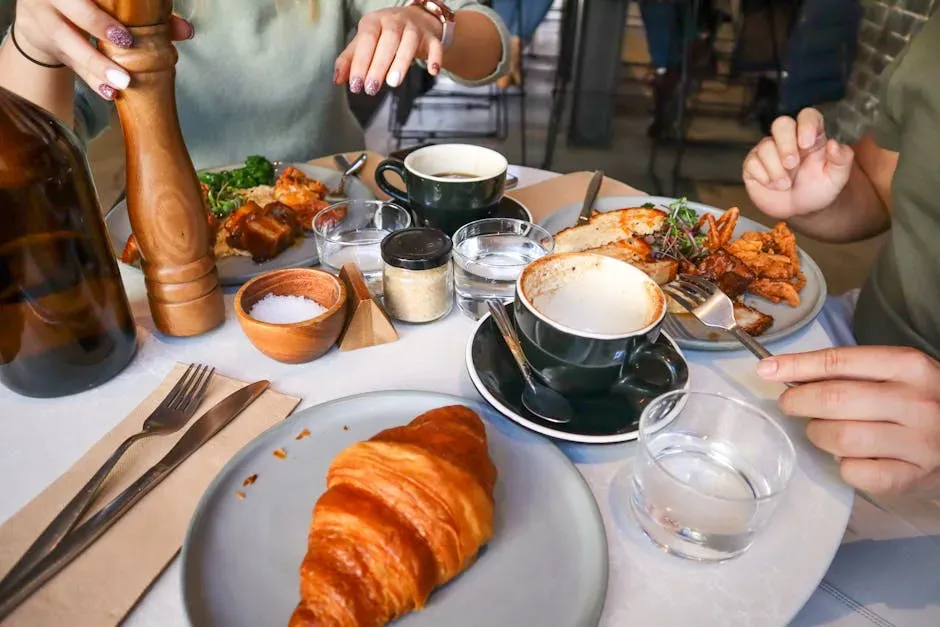
Consumers are waking up to this. Literally and financially. In Q3 of 2024, roughly more than half of U.S. adults reported they were spending less on eating out, up from a similar figure earlier in the year. People are recalculating what a brunch outing is actually worth compared to what they pay for it.
Today’s economically cautious consumer keeps value and convenience at the center of decision-making, and economic headwinds including inflation, ingredient price swings, and tariffs amplify price sensitivity, pushing operators toward agile menu offerings and bundled deals. In other words, even the industry knows the brunch value proposition is under pressure.
It’s hard to say for sure how much of a brunch bill is “fair,” but consider this: for eggs, avocado toast, yogurt, and coffee, a typical check has gone up by 44% since January 2018 and 52% over the past five years. You’re not imagining it. Brunch has gotten dramatically more expensive, faster than almost anything else you regularly buy.
Labor Costs Are Built Into Every Bite
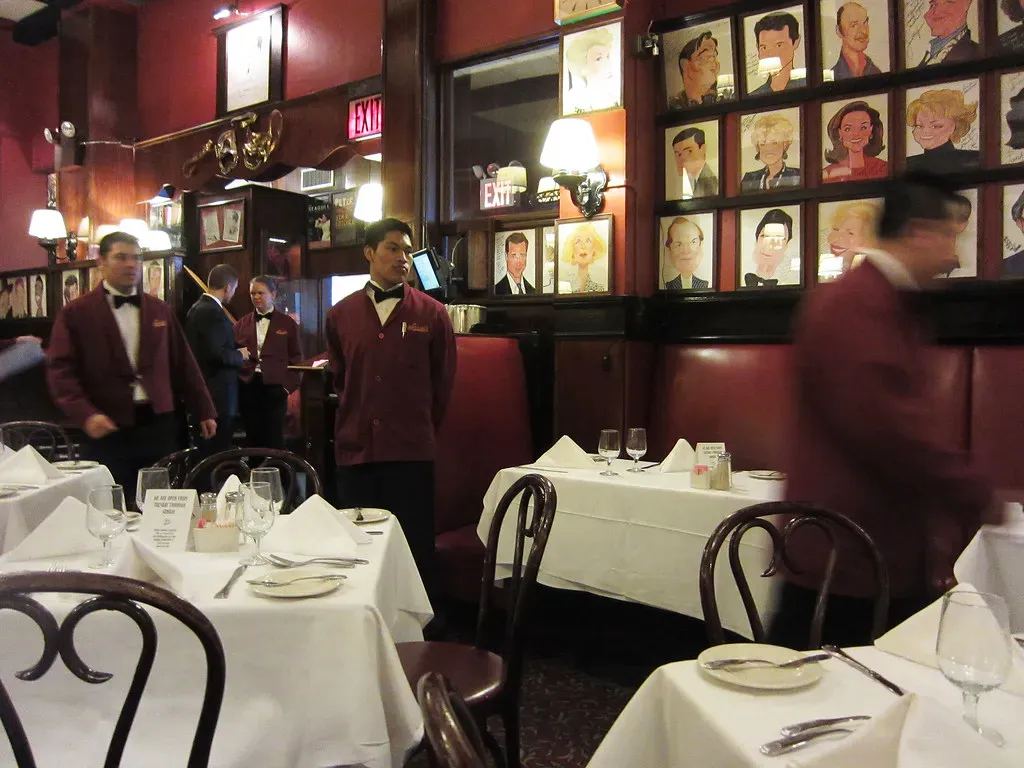
Restaurants operate on razor-thin margins. In the last five years, food and labor costs for the average restaurant have each gone up 35%. When you sit down at a brunch spot on a Sunday morning, you’re not just paying for food. You’re paying for the chef who came in at 7 a.m., the servers pulling weekend shifts, and the dishwasher in the back running nonstop.
A staggering 96% of full-service restaurants cited labor costs as a major challenge in 2024. Brunch is uniquely demanding because it concentrates an enormous amount of table turnover and kitchen activity into a short window – usually just a few hours on Saturday and Sunday. That intensity of labor gets baked into every price on the menu.
Minimum wage increases across multiple states are compounding this pressure. New York, for example, increased its minimum wage to $16.50 in New York City, Westchester County, and Long Island on January 1, 2025, with further increases of fifty cents planned for 2026. Someone has to fund those wages. Spoiler: it’s the person ordering the eggs Florentine.
Brunch Is Statistically a Niche Meal That Commands Premium Pricing
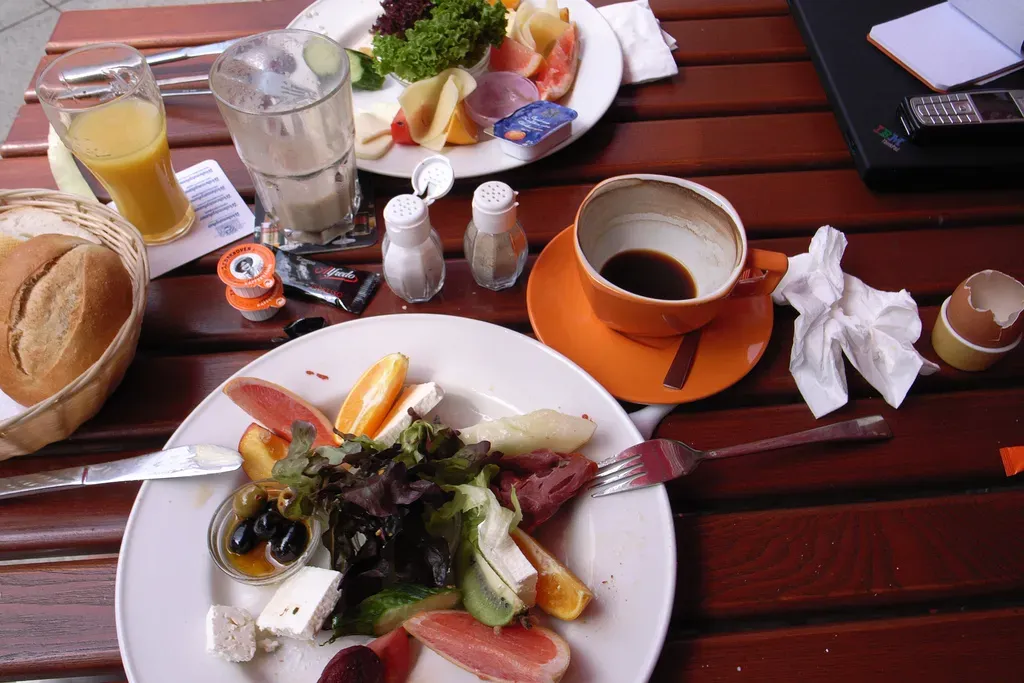
Here’s an interesting quirk in the data that most people don’t realize. Breakfast and brunch represents only 5% of the meals that Americans dine out for, compared to lunch at 17% and dinner at a dominant 75%. Brunch is, statistically speaking, a niche daypart – a small slice of total restaurant visits.
That rarity is actually what makes it so easy to charge premium prices. Brunch operates in a weekend-only, occasion-driven bubble where consumers are already in a celebratory, less price-sensitive mindset. The breakfast and brunch daypart is being reshaped by two parallel forces: routine reliability for weekday on-the-go occasions and experience-driven, social visits that invite indulgence. That “indulgence” framing is doing a lot of heavy lifting.
While eating breakfast is important to roughly two-fifths of diners, only about a third choose foodservice options for breakfast, brunch, and morning snacks, and while diners appreciate the treat factor of ordering at restaurants, many prefer to reserve their dining expenses for sit-down occasions that feel worth it. The bar for “worth it” keeps getting set higher – and higher prices follow.
Shrinkflation Is Quietly Hitting Brunch Menus

Alongside price increases, there’s another quieter strategy restaurants are using to protect their margins: giving you less. Portion sizes have been shrinking across the food industry since 2022, and brunch menus are no exception. Restaurants are increasingly getting creative in how they manage rising costs while still keeping customers satisfied – what some in the industry are now calling “Shrinkflation 2.0.”
Nearly one-quarter of restaurant operators have been substituting ingredients to control food costs. That means the avocado on your toast might be a slightly smaller half. The salmon on your eggs Benedict might be a thinner slice. Nobody announces these changes. They just quietly happen, and the price stays the same or goes up.
Restaurants are tweaking portion sizes or pairing dishes with higher-margin items, and updating menu descriptions to highlight premium ingredients – often that small change makes customers more accepting of a price increase. It’s a subtle psychological game, and it happens every time a brunch menu gets reprinted.
Social Media Has Made Brunch More Expensive for Everyone
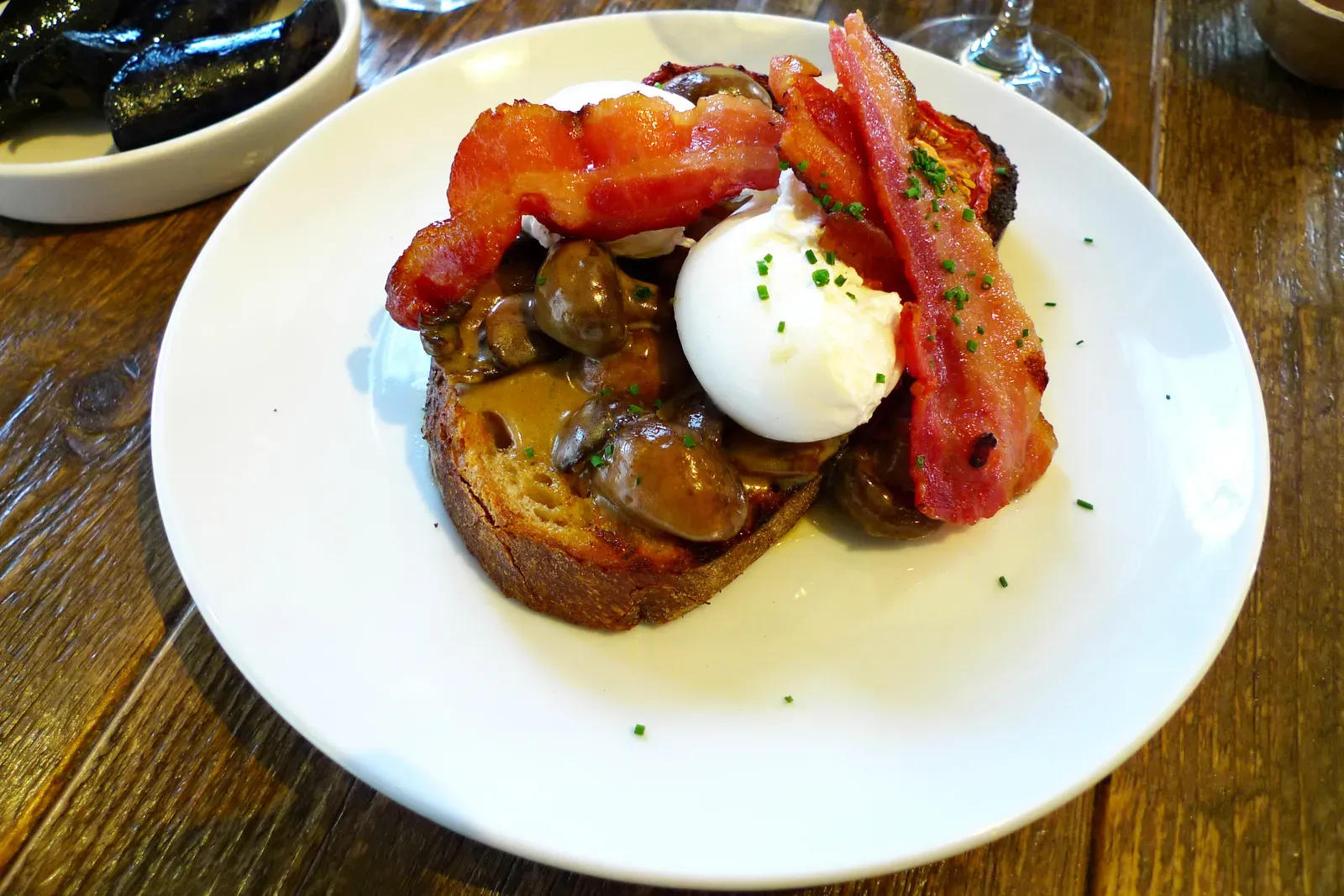
Uploaded by tm, CC BY-SA 2.0)
Honestly, we helped create this monster. The brunch economy runs on Instagram aesthetics and TikTok food videos, and restaurants have happily obliged. Many restaurants now offer brunch-specific experiences like “build-your-own mimosa” stations or rotating seasonal brunch menus that create a sense of excitement and novelty. These theatrical additions cost money to produce – and that cost flows straight to your check.
The more visual and shareable a dish, the more justification restaurants have to charge a premium. A plain bowl of oatmeal is five dollars. The same oatmeal in a carved-out pumpkin with edible flowers and a dusting of gold flakes? Eighteen dollars, and someone will absolutely photograph it. Social conversations about brunch have actually dropped by nearly 29% over the past year, with only about 2.4% of restaurants actively offering it on their menus.
The irony is that as brunch’s social media buzz cools, the prices it generated are here to stay. The hype machine inflated expectations and price points simultaneously, and the industry has no incentive to walk either one back.
Consumers Are Pushing Back – But Quietly

There are signs that the brunch bubble is under pressure. Around three-fifths of restaurant operators said their restaurant experienced a decline in customer traffic between 2023 and 2024. People are tired of being surprised by a sixty-dollar brunch tab for what is essentially breakfast food with a social media-friendly backdrop.
A CivicScience study from June 2024 found that 57% of consumers were dining at home more often, up from 51% in 2019, likely as a way to save money. For many households, the calculus has shifted. A carton of eggs, a bag of bread, some cream cheese, and a bottle of prosecco from the grocery store will cost a fraction of one person’s brunch bill at a trendy spot in any major city.
For those who have reduced their away-from-home breakfast occasions, higher prices are a deterring factor – though for some, premium ingredients remain important for making the dining experience feel worthwhile. That last group is exactly who the brunch industry is banking on. They just need enough people willing to keep paying for the atmosphere, the ambiance, and the validation of a beautifully plated meal.
Conclusion: Is Brunch Worth It Anymore?
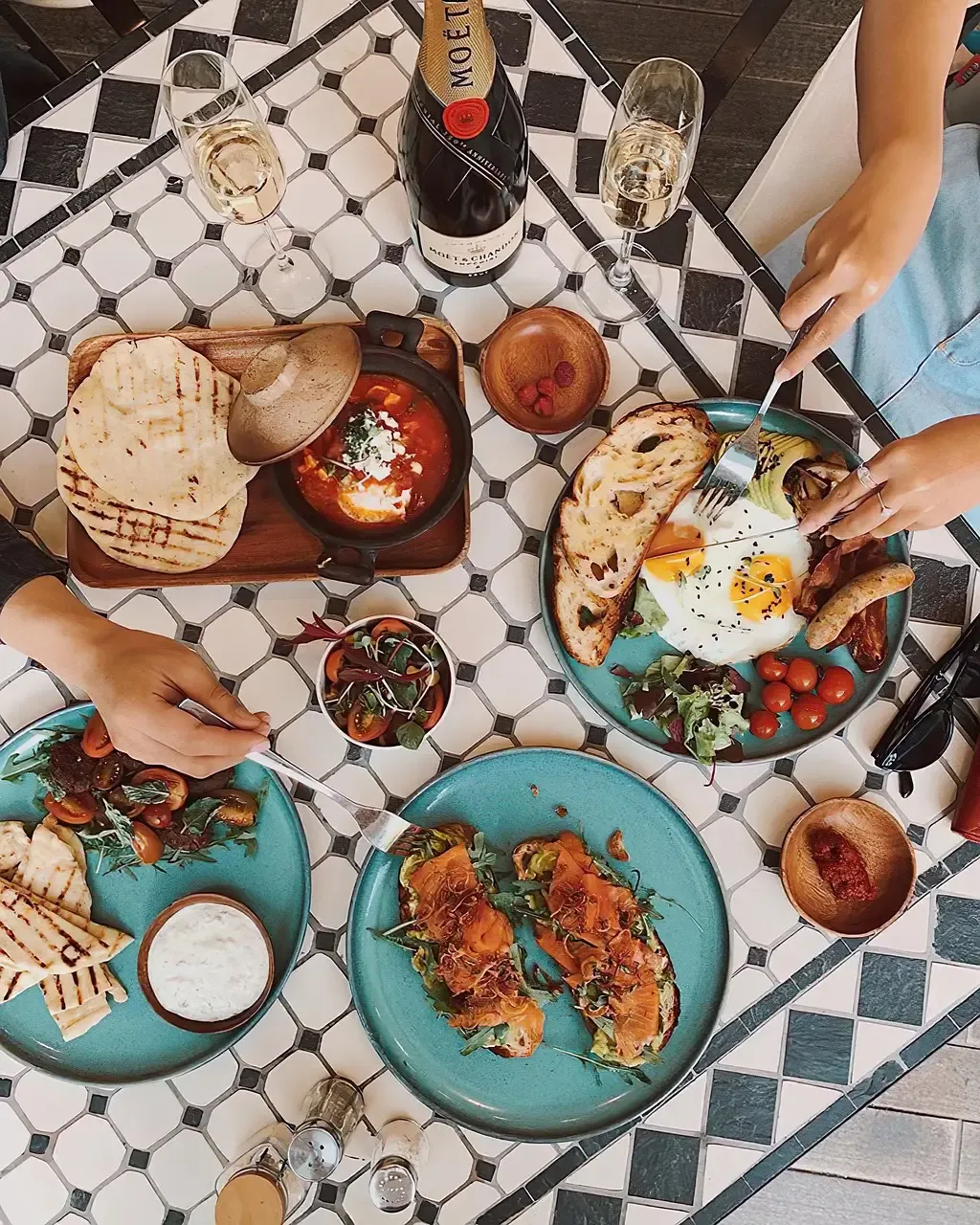
The brunch industry runs on a cocktail of social psychology, premium pricing, and remarkably cheap ingredients sold at remarkable markups. The eggs that anchor most brunch menus hit record-high prices in 2025. At the same time, average restaurant menu prices increased 31% between February 2020 and April 2025, according to the Bureau of Labor Statistics. The bottomless mimosas are usually made from the cheapest sparkling wine a distributor carries. The “experience” is largely a set piece designed to justify the bill.
None of this means brunch is inherently evil or that you should never go. Good food, good company, a leisurely Sunday morning – those things have real value. But walking in with clear eyes about what you’re actually paying for is half the battle. An overwhelming 95% of restaurant operators themselves say consumers are more value-conscious than before. Even the industry knows the game is changing.
The question isn’t whether brunch can be fun. It absolutely can be. The question is whether a plate of eggs, some toast, and a glass of cheap prosecco is genuinely worth what’s being charged for it in 2026. What do you think – is the experience worth the premium, or are we all just paying for the vibe?