
Most of us learned it from our parents. Some of us saw it done on cooking shows for decades. You grab the raw chicken, bring it to the sink, and rinse it off before cooking. It feels hygienic, almost responsible. Like you’re doing the right thing.
Here’s the uncomfortable truth: that habit you’ve probably had for years could be the most dangerous thing you do in your kitchen. Food safety science has been screaming about this for a while now, and the evidence just keeps getting stronger. So let’s dive in.
Table of Contents
Your Chicken Is Already Covered in Dangerous Bacteria
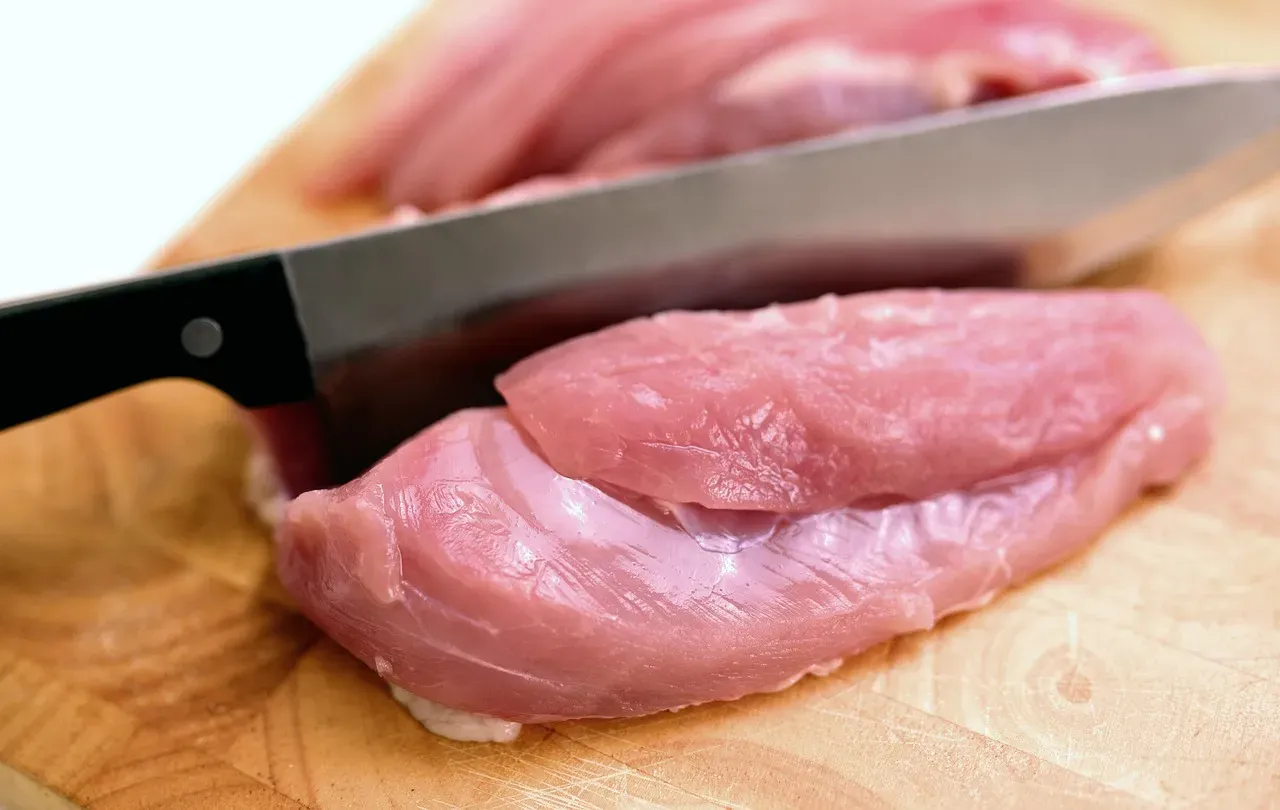
Before we even talk about what happens at the sink, let’s understand what’s on that raw chicken in the first place. Raw chicken can be contaminated with Campylobacter, Salmonella, or Clostridium perfringens germs. These aren’t harmless bugs. They’re pathogens that send hundreds of thousands of people to the hospital every year.
According to 2018 estimates shared by the US Centers for Disease Control and Prevention (CDC), about one in every 25 packages of chicken at the grocery store was contaminated with Salmonella. That’s a staggering number when you think about how much chicken is purchased weekly. Honestly, that stat alone should make you rethink your entire kitchen routine.
Raw poultry products frequently contain pathogenic organisms such as Salmonella and Campylobacter, both of which are among the top five pathogens contributing to domestically acquired foodborne illnesses, hospitalizations, and deaths. The bacteria is already there. Washing doesn’t change that. It only changes where the bacteria ends up next.
Washing Spreads Bacteria, It Doesn’t Remove It
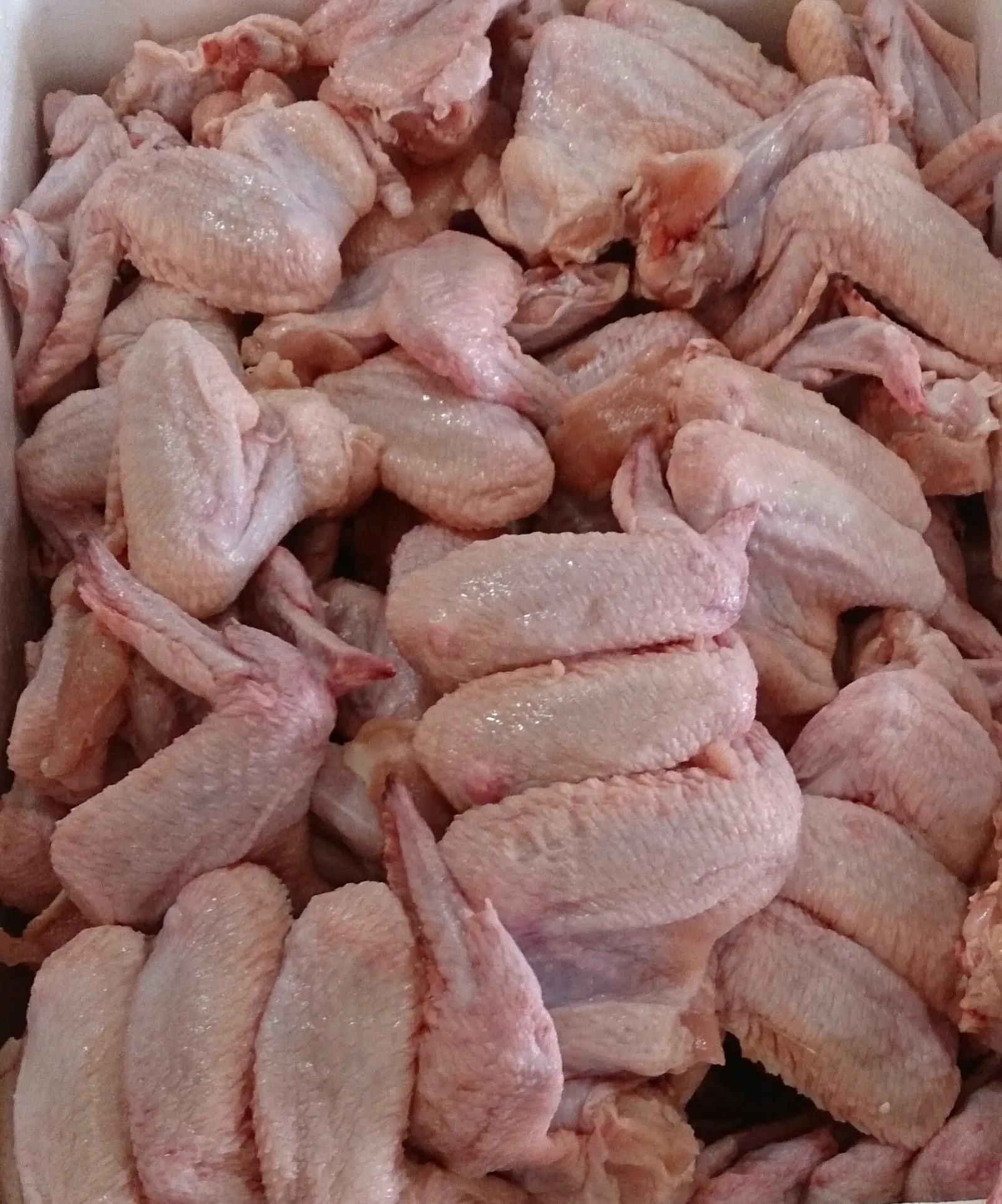
Here’s the thing that most people get totally wrong. They assume washing removes the bacteria from the chicken. It doesn’t. You shouldn’t wash or rinse raw chicken or any other raw poultry before cooking it, because doing so doesn’t kill any bacterial pathogens such as Campylobacter, Salmonella, or other bacteria that might be on the inside and outside of raw chicken.
When you wash or rinse raw chicken, you are likely splashing chicken juices that can spread those pathogens in the kitchen and contaminate other foods, utensils, and countertops, according to the Centers for Disease Control and Prevention. The bacteria doesn’t disappear down the drain. It travels. It lands. It waits.
Washing did not eliminate Salmonella from the chicken. In addition, washing vegetables after washing the raw chicken carcasses resulted in the transfer of Salmonella to the vegetables via hands or equipment, or both. So you think you’re being clean, but you’re actually creating a pathway for contamination to your salad bowl, your fruit, your kids’ snacks on the counter.
The Splash Zone Is Bigger Than You Think
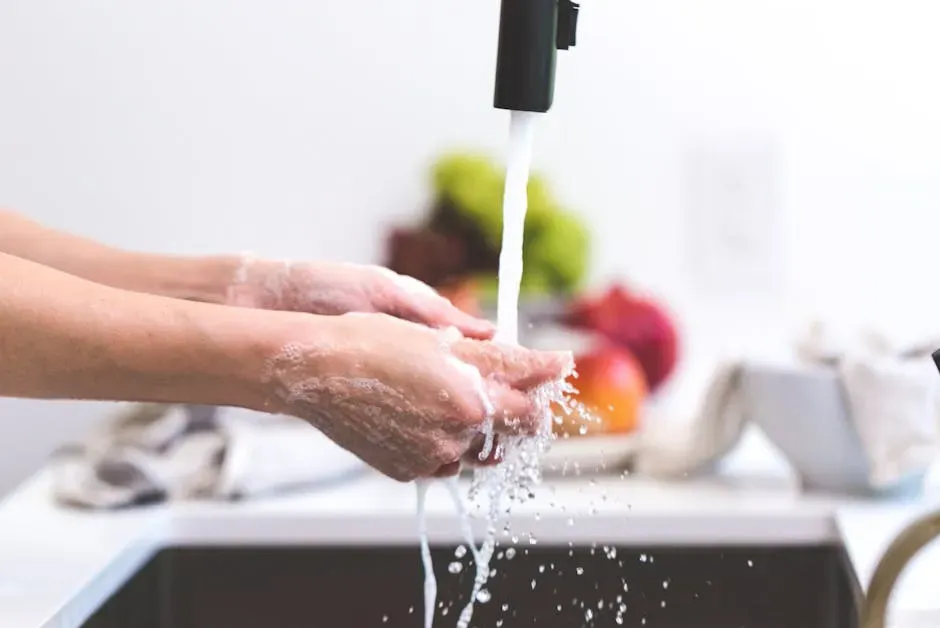
When most people picture washing chicken, they imagine a gentle rinse. The reality is far more alarming. Some estimates say the splatter can spread out and land on surfaces up to 3 feet away. Three feet. That’s the distance between your sink and your cutting board, your stove, your plate.
Using high-speed imaging to explore splashing causes, researchers found that increasing faucet height leads to a flow instability that can increase splashing. Furthermore, splashing from soft materials such as chicken can create a divot in the surface, leading to splashing under flow conditions that would not splash on a curved, hard surface. The softness of chicken flesh actually makes the splashing worse than you’d get from rinsing a hard vegetable, for example.
The spray from the sink can travel up to 80cm, an arm’s length. Think about everything within arm’s reach of your kitchen sink. Every single one of those surfaces could become a source of contamination the moment you start rinsing that bird.
Your Sink Stays Contaminated Even After You Clean It
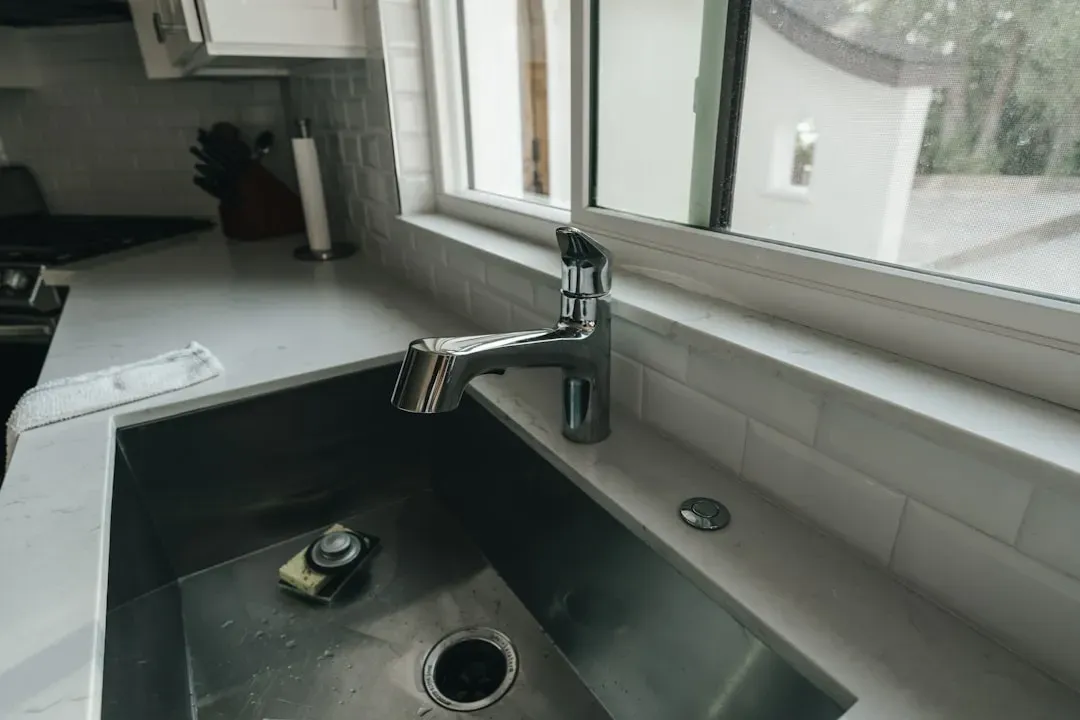
Let’s be real for a second. Even people who know washing chicken is risky often think: “Well, I’ll just clean my sink afterwards.” A USDA study involving 300 participants directly tested this assumption, and the results were not reassuring.
Of the participants who washed their raw poultry, nearly two thirds had bacteria in their sink after washing or rinsing the poultry. Even more concerning is that roughly one in seven still had bacteria in their sinks after they attempted to clean the sink. You read that correctly. Cleaning your sink after washing raw chicken is not enough to fully remove the contamination.
Pathogens such as Campylobacter and Salmonella can survive on surfaces such as countertops for up to 32 hours, according to the USDA Food Safety and Inspection Service. That’s over a full day of invisible danger lurking on your kitchen surfaces, waiting for a hand, a piece of fruit, or a child’s toy to make contact.
The Salad You Make Afterward May Already Be Contaminated
This is the part that genuinely shocked me when I first read it. Most people imagine that the risk ends at the sink. The contamination you create while washing chicken can silently make its way onto your ready-to-eat foods before you even serve dinner.
In a major USDA study, roughly a quarter of participants who washed raw poultry transferred bacteria from that raw poultry to their ready-to-eat salad lettuce. Not because they were careless. They were just cooking dinner the way millions of people do every night.
Of the salads prepared in the test kitchen where participants washed the raw chicken, more than one in four were contaminated with bacteria from the raw chicken. The invisible journey of bacteria from raw chicken to fresh salad is short, silent, and happens more often than anyone would like to believe.
Almost No One Is Aware of This Risk
The scariest part of this whole conversation isn’t the bacteria. It’s how widespread and normalized the habit of washing chicken actually is. A study from Drexel University found that approximately nine out of ten people say they wash their chicken before cooking it, as historically recipes did instruct people to do so. That’s the overwhelming majority of home cooks still doing something actively dangerous.
In 2022, an online survey found that among over 1,800 consumers in the US, nearly three in four said they washed their raw poultry. Only about one in three of that group were aware that the practice is inadvisable. So the habit is common, the awareness is low, and the risk is real.
Researchers found that home cooks continue to wash raw poultry because they desire to control the process of preparing food, have a lack of trust in chicken processing, and because of the habitual nature of the behavior. It comes from a place of good intentions. But good intentions don’t neutralize Salmonella.
Every Major Health Authority in the World Agrees: Stop
This isn’t a debate among experts. There’s remarkable consensus across every major food safety body on the planet on this issue. The CDC, the United States Food and Drug Administration (FDA), the National Health Service (NHS), and the Department of Agriculture (USDA) all currently recommend against washing raw chicken prior to cooking due to the risk of microbial transfer through splashed water droplets.
Raw chicken is ready to cook and doesn’t need to be washed first. It’s that simple. The chicken you buy from the store has already been through inspection and processing. Store-bought chicken is cleaned and inspected before it ever reaches your home so that you can cook it right away.
Washing, rinsing, or brining meat and poultry in salt water, vinegar or lemon juice does not destroy bacteria. Even people who think they’re being extra clever by adding lemon juice or vinegar to their rinse are not solving the contamination problem. They’re just adding flavor to a still-dangerous process.
The Scale of Foodborne Illness Is Enormous
It’s easy to think of food poisoning as a stomach ache for a day or two. For most healthy adults, that’s what it is. But the bigger picture is sobering when you look at the numbers in full.
Roughly 48 million Americans get sick with a foodborne illness every year, 128,000 are hospitalized, and 3,000 die, according to the CDC. That’s not a small problem. That’s a public health crisis hiding in ordinary kitchens across the country.
Salmonella causes an estimated 1.35 million infections in the United States annually, with almost one-fifth of all salmonellosis illnesses attributed to chicken products. Meanwhile, Campylobacter is responsible for an estimated 1.5 million illnesses each year in the United States. Globally, Campylobacter is the leading cause of bacterial gastroenteritis with around 96 million cases each year. Those are staggering numbers tied directly to the way people handle raw poultry.
Vulnerable Groups Face a Far Greater Risk

For most healthy adults, a bout of food poisoning from Salmonella or Campylobacter is miserable but survivable. For others, it’s a very different story. Certain groups face life-threatening complications from the same exposure that would only mildly inconvenience a young, healthy adult.
Those most at risk include children aged under four, pregnant women, older people, and those with a compromised immune system or an underlying medical condition. When you wash chicken in a kitchen where a toddler plays on the floor or an elderly parent helps with dinner, the stakes are considerably higher than you might realize.
If bacteria gets on raw produce or is ingested especially by young children, pregnant women, older adults, and those with a weakened immune system, it can cause them to get very sick. It’s worth thinking about who is in your household the next time you reach for the kitchen tap with chicken in hand. Is that quick rinse really worth it?
What You Should Actually Do Instead
So you’ve stopped washing the chicken. Great. Now what? Fortunately, the safe alternative is genuinely straightforward and doesn’t require any extra tools or time. It actually simplifies your kitchen prep rather than complicating it.
If there is anything on your raw poultry that you want to remove, pat the area with a damp paper towel and immediately wash your hands. That’s it. No running water, no splashing, no spread of bacteria across three feet of countertop. Simple, contained, safe.
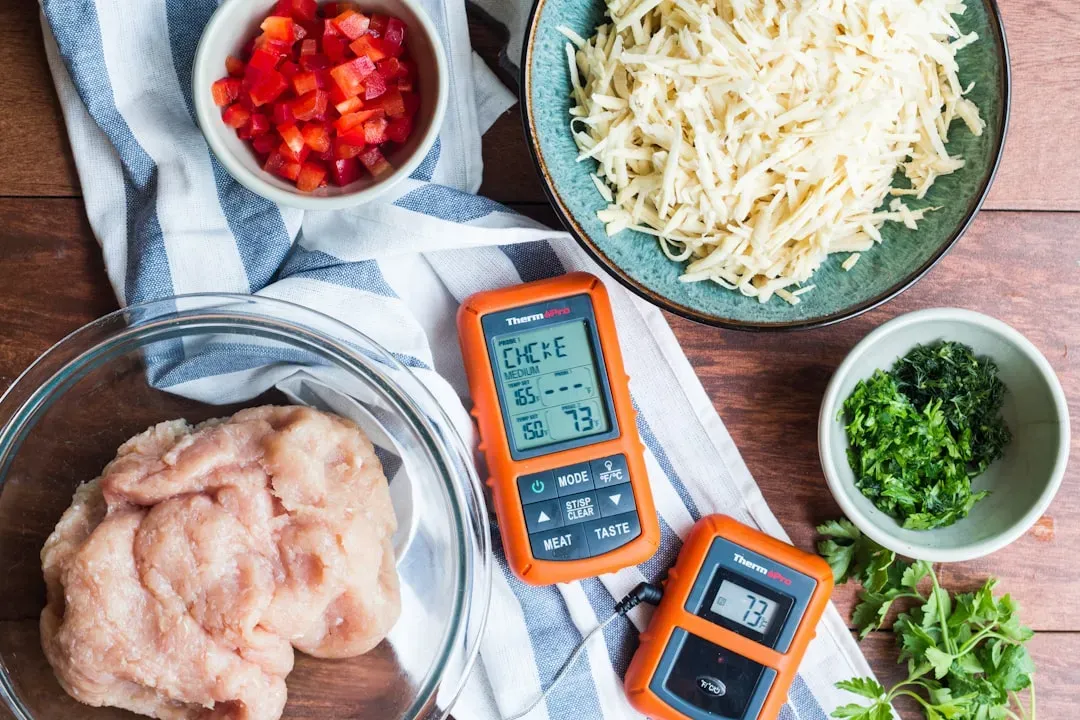
The only way to kill these potentially dangerous bacteria is to cook the chicken to an internal temperature of 165 degrees Fahrenheit. A food thermometer takes the guesswork out completely. Prepare foods that will not be cooked, such as vegetables and salads, before handling and preparing raw meat and poultry. Salad first, chicken second. That single change in order could prevent a lot of unnecessary illness in your home.
There’s something almost counterintuitive about the whole thing: the action that feels most hygienic is actually the most dangerous one. Washing chicken doesn’t make dinner safer. It makes your kitchen a contamination zone. The safest thing you can do is put the chicken straight into the pan, wash your hands thoroughly, and let the heat do what water never could. What do you think? Is this a habit you’re ready to finally break?