
It happens to almost every new owner. You unbox your shiny air fryer, fire it up with high expectations, and then stare down at a plate of limp, half-cooked food wondering what went wrong. The thing is, air fryers are genuinely brilliant kitchen tools. But they do have their quirks.
Roughly two-thirds of homes today have at least one air fryer, according to data analytics firm Circana, up sharply from 2021. That’s a staggering number of people. The global air fryer market was valued at over 8 billion dollars in 2024 and is projected to keep growing well beyond that through 2032. So clearly, the world has embraced this gadget. The question is whether everyone is actually using it right.
Spoiler: most aren’t. Let’s dive in.
Table of Contents
1. Overcrowding the Basket
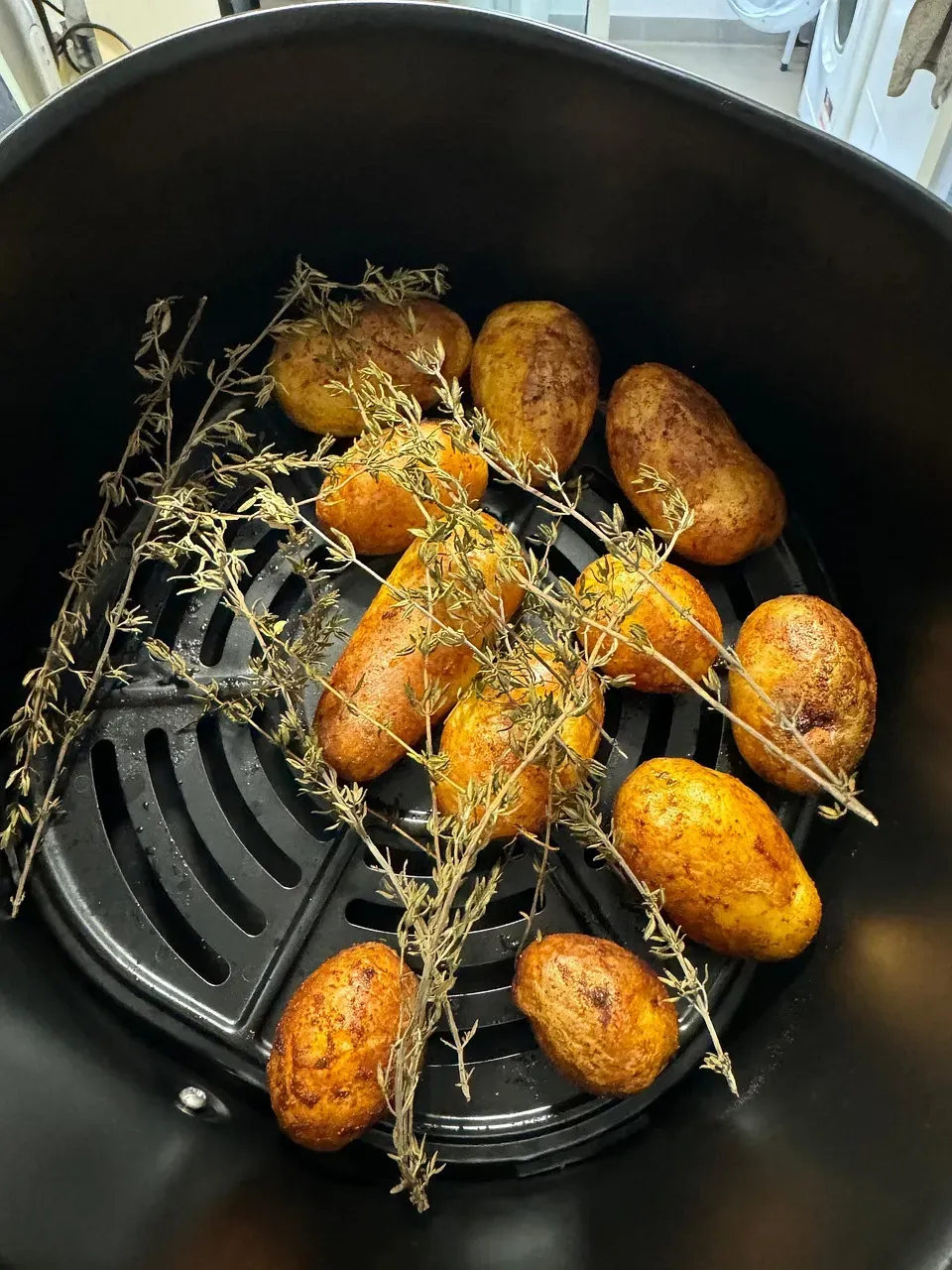
This is probably the single most common error people make, and honestly, it’s understandable. You’re hungry, you want everything done at once, and the basket looks like it can take more. It cannot.
Air fryers use hot air circulation to cook food, and an overcrowded basket prevents this air from circulating properly. This can lead to unevenly cooked food. It’s always best to place food in a single layer in the basket. Think of it like a convection oven on a very small scale. If you block the airflow, you’re essentially steaming everything instead of crisping it.
Filling the basket to the brim causes items to stick together. Since the hot air can’t circulate between them, you end up with patches of raw or uncooked food or a soggy mess. This is especially true for french fries, where overcrowding can lead to limp, pale potatoes with no crunch. A helpful reference is never filling your air fryer more than about halfway.
2. Skipping the Preheat Step
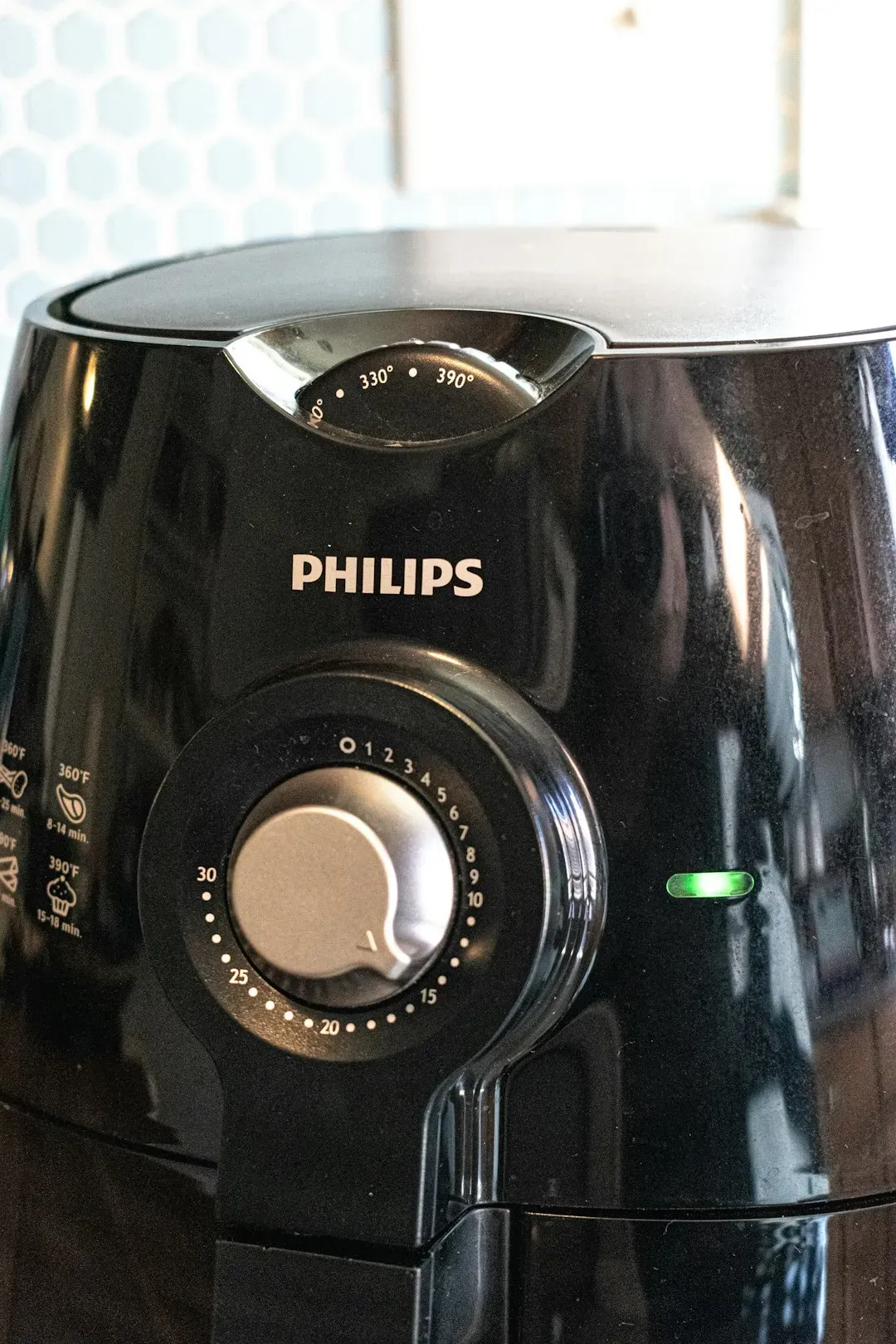
Let’s be real, skipping the preheat feels harmless. You figure the machine heats up fast anyway, so what’s the big deal? Turns out, a lot.
Skipping the preheat step throws off cooking time and texture. Cold air fryers take longer to build heat, leading to uneven results. It’s like putting a steak into a cold pan and expecting a good sear. Preheating your air fryer is crucial for achieving optimal cooking results. Just like a traditional oven, an air fryer performs best when it reaches the desired temperature before you add your food.
To avoid this, turn on your air fryer and let it preheat for 3 to 5 minutes before adding your food. It’s a small step that makes a big difference in how your food cooks. That few minutes of patience will save you from rubbery chicken and pale fries every single time.
3. Using Too Much Oil (or None at All)

Here’s the thing: many people swing between two extremes with oil. They either drown everything in it, thinking more is better, or they skip it entirely because the whole point is “healthy cooking.” Both approaches are wrong.
Using too much oil can cause food to become soggy. While tossing fresh food in oil before adding it to the basket can make a dish extra crispy, other food items such as pre-fried foods don’t need oil. When oil is required, moderation is always best. On the other end of the spectrum, air fryers still need some oil to create crispy textures. Completely skipping oil often produces dry or rubbery food, while too much oil causes smoking and greasy results.
You only need 1 or 2 teaspoons of oil at most, and it’s preferable to use an oil sprayer to coat your food with a fine coating of oil. That light, even mist is truly all you need. It’s a completely different philosophy from traditional frying, and once you get the feel for it, it becomes second nature.
4. Using the Wrong Type of Oil

Not all oils are created equal, especially when heat is involved. This is one of those mistakes that sneaks up on you because nobody warns you about it when you unbox the appliance.
Not all oils work equally well in the air fryer. Oils with a high smoke point, like avocado, grapeseed, peanut, or canola are preferable. The reason this matters so much is simple chemistry: when oil reaches its smoke point, it breaks down and begins releasing unpleasant compounds that ruin the flavor of your food and fill your kitchen with smoke.
Avoid using oils with low smoke points in your air fryer. These include extra virgin olive oil, flaxseed oil, and walnut oil. These oils can break down at high temperatures, leading to smoke and unpleasant flavors. This is a mistake that’s easy to make when you run out of your usual oil and simply grab whatever is closest in the kitchen.
5. Not Shaking or Flipping the Food

The “set it and forget it” mentality works brilliantly for a slow cooker. For an air fryer? Not so much. If you walk away and let your food cook completely undisturbed, you’re going to be disappointed.
It’s important to move food around by flipping or shaking the basket halfway through the cooking process. This ensures even browning and crispiness, and is especially crucial for items like fries. The mechanics make sense when you think about it: the hot air circulates, but the parts of your food resting directly against the basket aren’t getting the same exposure as the exposed surfaces.
Even though hot air circulates around your food, the pieces that are in direct contact with the basket or touching each other won’t get as crispy. Shaking or flipping ensures every surface gets equal exposure to that hot air. For smaller items like fries, vegetables, or chicken bites, shake the basket halfway through cooking. For larger items like chicken breasts or fish fillets, flip them once at the midway point.
6. Ignoring Food Size and Thickness

Here’s a mistake that trips up even experienced home cooks. You have a recipe, you follow the time and temperature exactly, and yet the chicken comes out raw in the middle. Sound familiar?
Not adjusting the cooking time for larger or thicker pieces of food is a common air frying mistake. If your food is thicker than usual, such as thick chicken breasts or large cuts of potatoes, you’ll need to increase the cooking time. This ensures the food is properly cooked through and evenly. Recipes are written as general guidelines, not gospel.
A good rule of thumb is the thicker the cut, the lower and slower you should cook it. Thinner pieces can handle hotter, shorter blasts. Splitting food into evenly sized portions before cooking makes it easier to get consistent results. It helps to think of it like this: uniformity is your best friend in an air fryer. The more evenly everything is cut, the more evenly everything cooks.
7. Placing the Air Fryer in the Wrong Spot

Most people just plunk the air fryer wherever there’s counter space and call it a day. That’s an understandable impulse, but it can actually cause real problems, both for your machine and your kitchen.
Placing your air fryer too close to a wall is a common mistake. Air fryers generate intense heat during cooking, and if positioned near a wall, this heat can become trapped, causing the air fryer to overheat and obstruct proper airflow. Overheating not only affects performance but also poses a risk of damage to nearby surfaces, including discoloration or even scorch marks on the wall.
Even the best air fryers need their space, because these mini convection ovens rely on a constant flow of air to move high-temp heat around the food for all-over crispness. Make sure your air fryer has at least five inches of space on all sides. Make sure not to have it near any materials such as curtains or drapes since the air vent gets extremely hot. Also don’t store anything on top of the machine, as it can get very hot there too.
8. Not Cleaning the Air Fryer Regularly
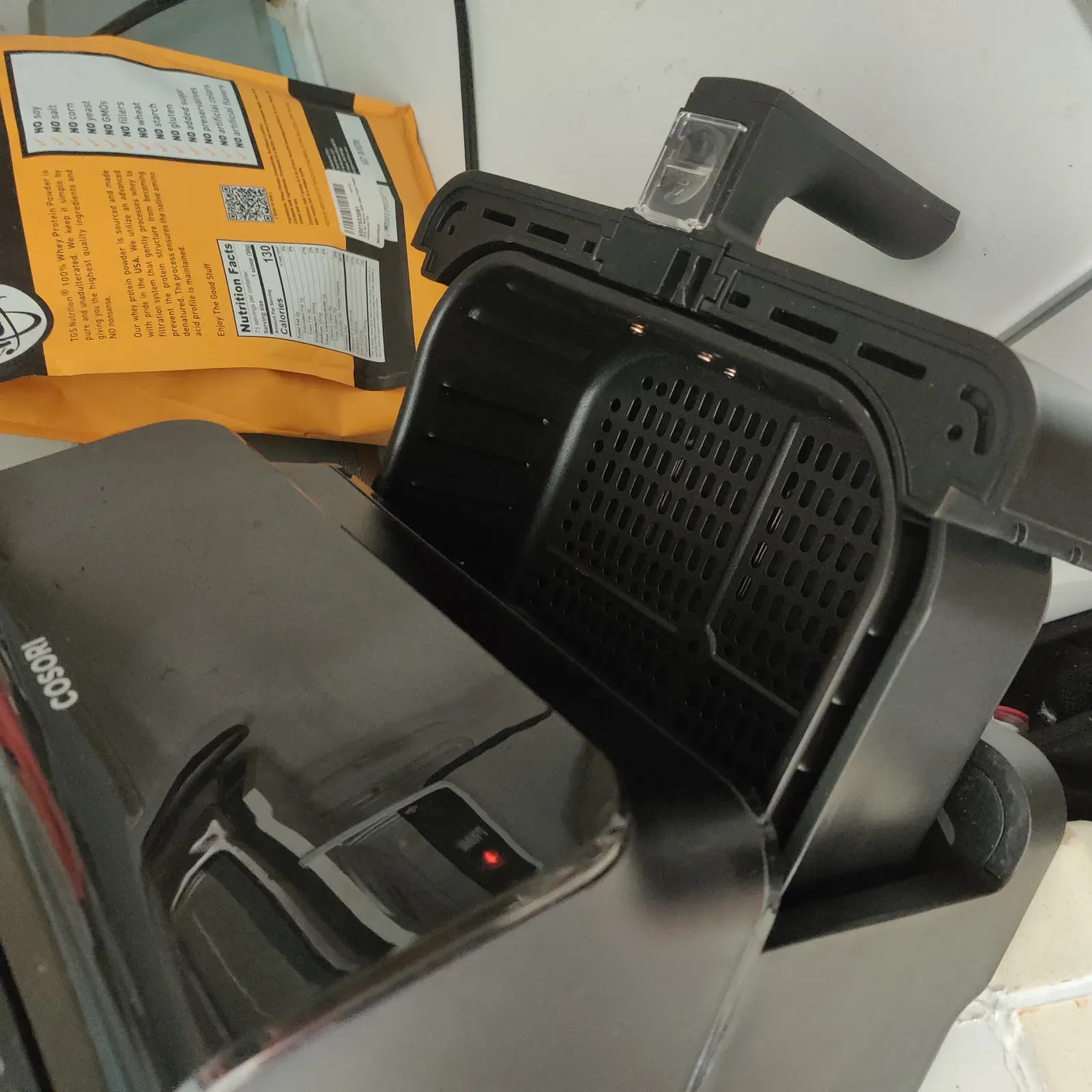
I know cleaning the air fryer feels like a chore nobody wants to think about after a long day of cooking. But neglecting it is one of the fastest ways to ruin both the appliance and your food.
Leaving your air fryer dirty is a mistake that many people make. Just like any other appliance, air fryers require regular maintenance to perform at their best. Neglecting to clean your air fryer leads to a build-up of grease and food particles, affecting both the taste and performance of your air fryer.
Grabbing a metal scouring pad to scrub away stubborn bits is tempting, but you’re scratching up the precious non-stick coating. There’s also a danger of tiny metal fragments breaking off from the scourer and making contact with electrical parts, which could cause electrical shocks. Many air fryers come with a non-stick coating that requires gentle handling. Using abrasive sponges or harsh cleaners can scratch or peel the lining, so it’s best to clean with a soft cloth or sponge.
9. Using the Wrong Accessories or Foil Incorrectly
I’d appreciate if you could mail me (Kolforn@gmail.com) if you want to use this picture out of the Wikimedia project scope.
This file is licensed under the Creative Commons Attribution-Share Alike 4.0 International license.
You are free:
to share – to copy, distribute and transmit the work
to remix – to adapt the work
Under the following conditions:
attribution – You must give appropriate credit, provide a link to the license, and indicate if changes were made. You may do so in any reasonable manner, but not in any way that suggests the licensor endorses you or your use.
share alike – If you remix, transform, or build upon the material, you must distribute your contributions under the same or compatible license as the original.https://creativecommons.org/licenses/by-sa/4.0CC BY-SA 4.0 Creative Commons Attribution-Share Alike 4.0 truetrue, CC BY-SA 4.0)
People love a kitchen hack, and the internet is full of air fryer “life hacks” that can actually do more harm than good. Using the wrong liners or foil is one of the most deceptively risky ones.
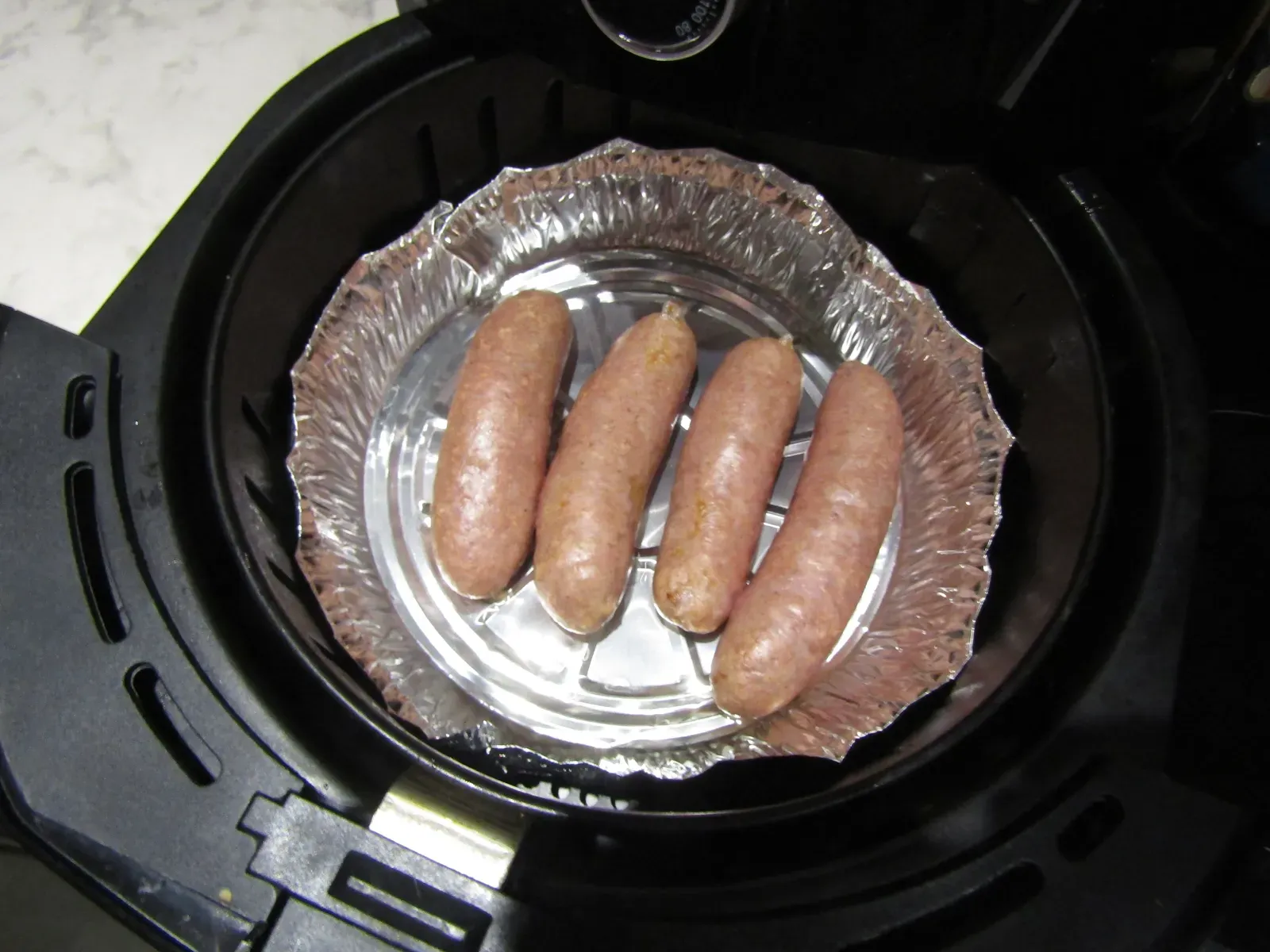
Lining the basket with foil may seem like a practical way to protect against spills and reduce cleaning, but if done incorrectly, it can lead to uncooked or partially cooked food, or worse, pose a fire risk. While it’s generally fine to use foil in limited ways, the most important thing is keeping it away from the heating element and fan. Since both of these usually live at the top of the air fryer, never use foil to cover the top of your dish. If the foil touches either component, it could be a potential risk of fire or other problems.
Some materials, like certain plastic or non-heat-resistant pans, can melt or release harmful chemicals in the high heat of the air fryer. Always use air fryer-safe accessories, such as metal, ceramic, or silicone. When in doubt, stick to accessories specifically labeled as air fryer compatible. It’s not worth the risk.
10. Not Adjusting Oven Recipes for the Air Fryer

It’s tempting to just use your favorite oven recipe and assume the same time and temperature will work in the air fryer. This almost never goes well. The two appliances cook fundamentally differently.
Most air fryers, with their small basket size and non-stick coating, use rapid hot air circulation to cook food swiftly and evenly. This cooking method typically results in faster cooking times compared to conventional ovens. One of the biggest air fryer mistakes is failing to adjust the cooking times accordingly, which can lead to overcooked or even burnt food.
When converting traditional recipes for air frying, reduce the temperature by 25 to 50 degrees Fahrenheit, decrease cooking time by 20 to 30 percent, and use less oil, about 1 to 2 teaspoons. It’s hard to say for sure that every recipe needs exactly this adjustment, but starting there and checking your food early is always a safer strategy than trusting oven times directly.
11. Ignoring Food Safety Rules

This one might be the most serious mistake of all. There’s a strange perception that air fryers are so fast and so hot that food safety concerns don’t apply the same way. That’s simply not true.
Don’t neglect your food safety knowledge . The rules of cooking meat thoroughly apply here just as they would on a grill, oven, or stove surface. Those who think that there is no need to check the internal temperatures when food is air-fried are serving up a recipe for disaster.
A dirty air fryer can be dangerous for your stomach and your nose. You put yourself at a much higher risk of food contamination if you do not clean your air fryer between uses. Aim to clean your air fryer after every meal that’s cooked in it. Using a meat thermometer is not optional when cooking proteins. The air fryer’s speed doesn’t guarantee that the center of a thick chicken thigh has reached a safe temperature. Always check, always verify.
The air fryer is genuinely one of the most versatile and useful kitchen appliances to come along in years. The global air fryer market was estimated at 1.4 billion dollars in 2024 and is expected to nearly double by 2034, driven by increasing focus on health, convenience, and time saving. Millions of people have already fallen in love with what it can do. The gap between a good result and a great one usually comes down to these small, fixable habits. Fix them once, and you probably won’t go back to doing it the old way. What do you think, were any of these mistakes ones you didn’t expect?