
Most people walk into an all-you-can-eat buffet believing they are about to win. Unlimited food, one flat price, and the simple thrill of loading a plate as high as physics will allow. It sounds like the customer always wins. The reality, though, is a lot more layered than it looks.
Buffets are masterclasses in behavioral psychology. Every tray placement, plate size, and aisle layout is engineered to protect the restaurant’s bottom line while making you feel like you got a deal. Knowing the rules of the game before you sit down changes everything. Let’s dive in.
Table of Contents
Rule 1: Skip to the End of the Line Before You Fill Your Plate
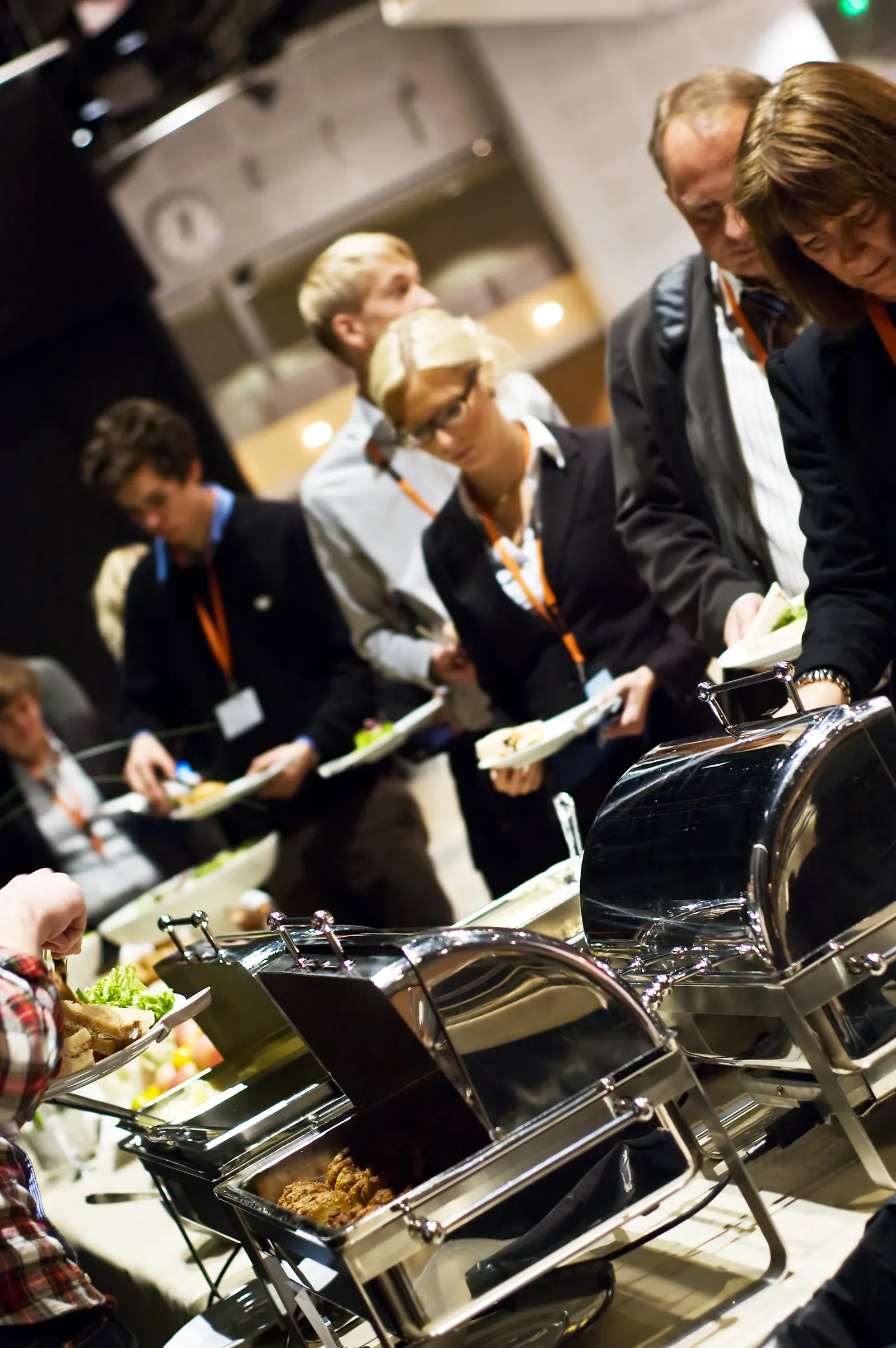
Here is the thing most people never figure out until they’re already too full to act on it. Buffets deliberately place cheap, filling food at the very front of the line. Research shows that roughly three quarters of buffet customers pick something from the first tray, and nearly two thirds of everything they eat comes from the first three trays alone. That’s not a coincidence. That’s engineering.
If you want your money’s worth at an all-you-can-eat buffet, make sure to continue down the line, where the more expensive items will be hiding in plain sight. Think of the buffet layout like a retail store. The cheap impulse buys are always at the entrance, while the premium products are buried in the back. For every pricier item they offer, like prime rib, crab legs, and sushi rolls, buffets also put out plenty of cheap filler items like rice, pasta, and bulk vegetables, all designed to keep you from digging too deep into the pricier platters.
Rule 2: Scout the Entire Buffet Before Touching a Plate
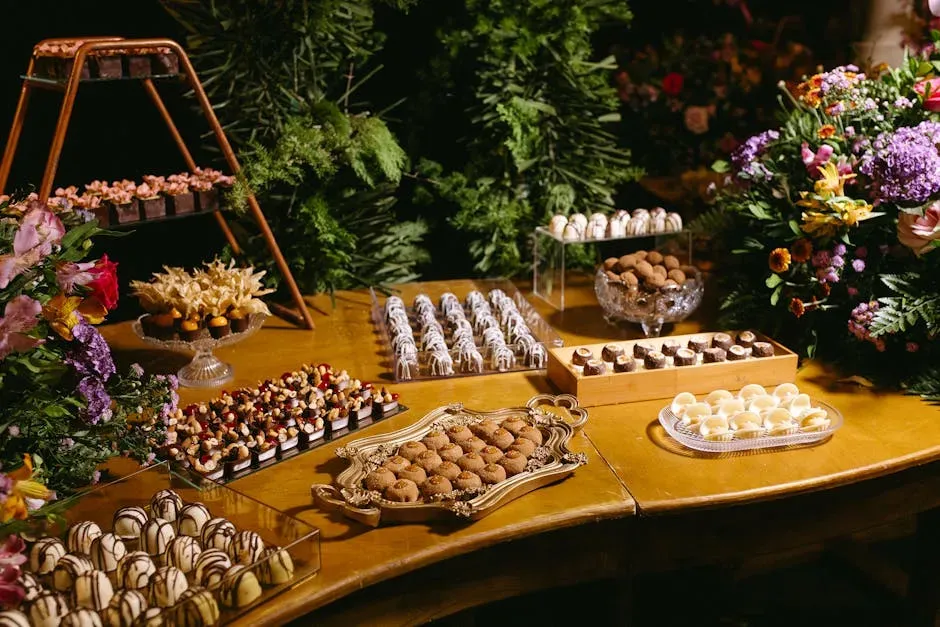
Honestly, this is the most underrated move you can make. Walk the full length of the buffet first, hands free, before you ever pick up a dish. Most diners skip this step entirely and end up with a plate full of bread rolls and mashed potatoes before they even spot the carved roast beef at the far end. Think of it as a reconnaissance mission before a battle.
To really get your money’s worth, take a look around to see if there are any dishes that have more expensive ingredients, and focus on protein rather than carbs, which will just fill you up and often aren’t as expensive. Good examples include king prawns or salmon, which are usually some of the most expensive things on restaurant menus. If you’re not a fan of seafood, meat dishes are also a pricier treat. Carbs are cheap for the restaurant to serve and expensive for your stomach space. Prioritize accordingly.
Rule 3: Go at Lunchtime, Not Dinner
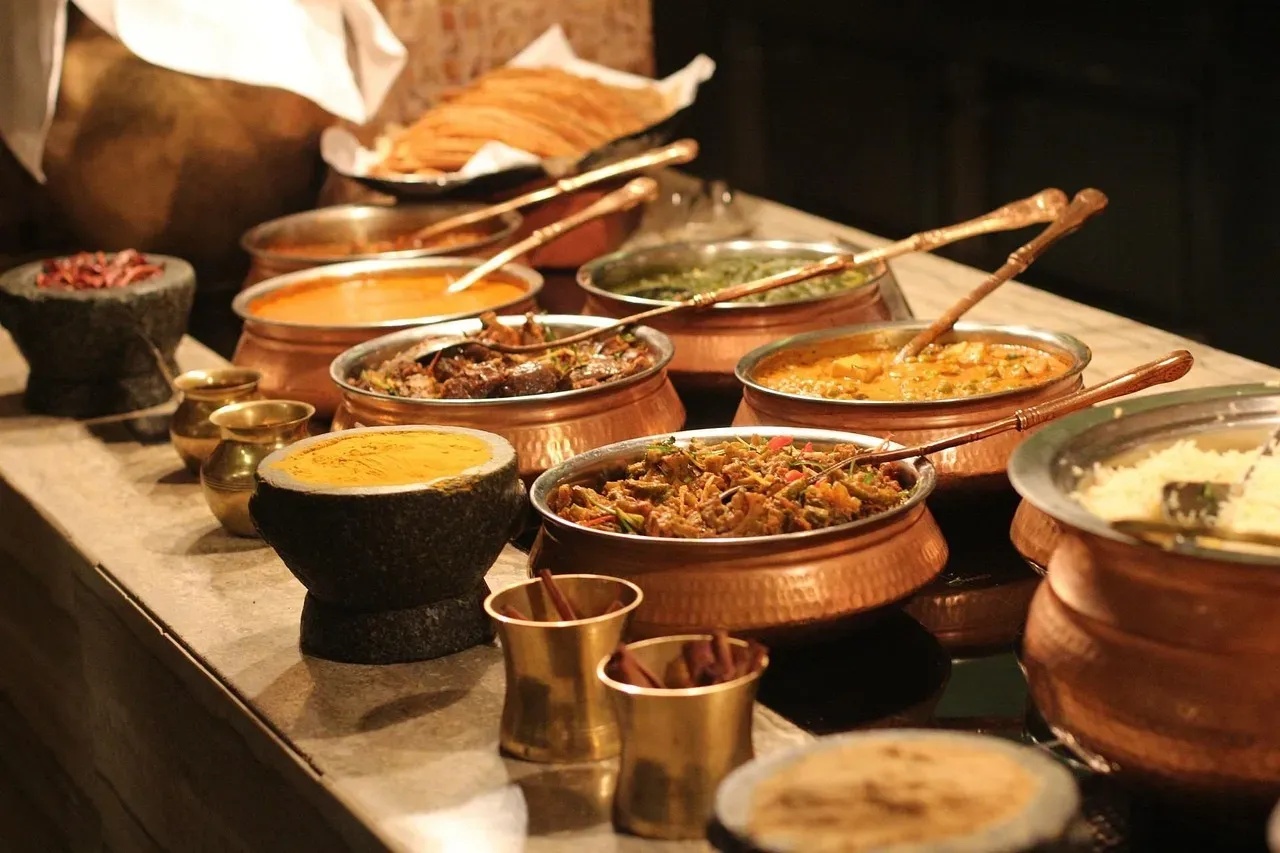
Buffets typically charge more for dinner than for lunch, even though many of the food offerings will be exactly the same but with a higher price tag. This is one of the most financially obvious tricks in the book, yet most people ignore it. It’s the same food, and sometimes quite literally the same trays, just at a different hour with a different number on the bill.
Lunchtime buffets offer a greater variety of food and lower prices compared to dinner buffets. Visiting a buffet between 1 and 3 p.m. allows you to avoid the brunch and dinner rushes, making it easier to navigate and enjoy your meal. There is also a clever timing trick that serious buffet-goers swear by. Arriving shortly before the changeover period means you can pay lunch prices but have access to premium dinner dishes. Plus, you’ll be greeted with the fresh, hot batch that gets brought out to feed the new wave of guests.
Rule 4: Avoid Beverages and Soda Traps
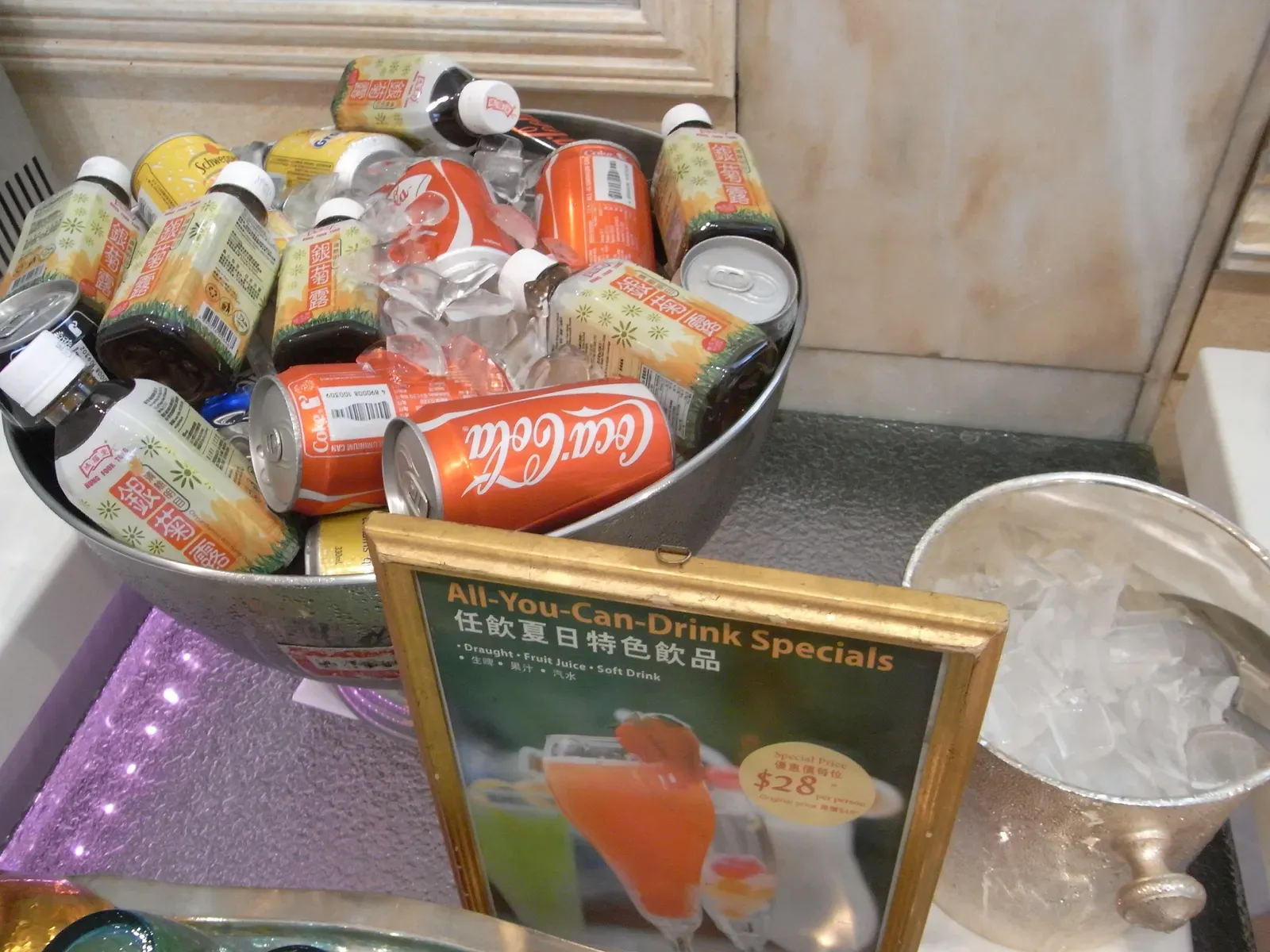
This one stings because it feels so minor in the moment. You sit down, you’re thirsty, and a soda sounds perfectly reasonable. But drinks at a buffet are one of the most profitable items on the entire table. At a cost of roughly twelve cents per fill, a two-dollar soda comes with a markup of over a thousand percent. That’s a staggering margin hidden inside something that feels like a small, innocent choice.
A less obvious way buffets won’t let you get the better of them is by selling soft drinks at a separate cost and usually at a huge markup. The math adds up fast. A family of four ordering sodas at a buffet can easily spend an additional fifteen to twenty dollars on beverages alone, which can erase much of the value you thought you were getting. Drink water, come in already hydrated, and save your budget for a second round of shrimp.
Rule 5: Don’t Starve Yourself Before You Go
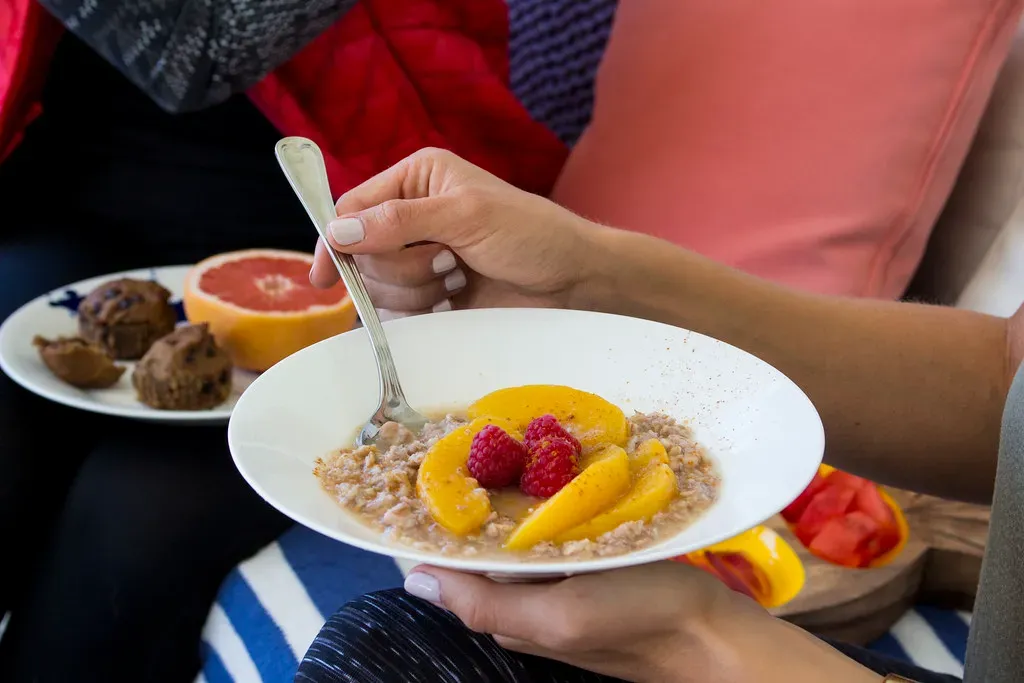
It seems so logical. Skip breakfast, arrive ravenous, eat three times what you normally would. The problem is that this strategy usually backfires in a very uncomfortable way. While fasting all day before hitting the buffet might seem like a sensible plan, starving yourself before you head out to eat can have unintended consequences. According to competitive eating expert Matt Stonie, it’s best to not starve yourself before going to the buffet because it can lead to stomach cramps before you’ve even gotten to your second plate.
A light, fiber-rich breakfast like oatmeal hours before your visit is actually the smarter play. Eating a healthy breakfast in the morning should set you up well for the buffet later. It boosts your energy levels and helps you avoid snacking before the big meal. Buffet experts recommend something light and high in fiber, as your body processes these meals quickly. You arrive hungry but not desperate, which means you eat strategically rather than frantically.
Rule 6: Use Multiple Plates and Eat in Courses
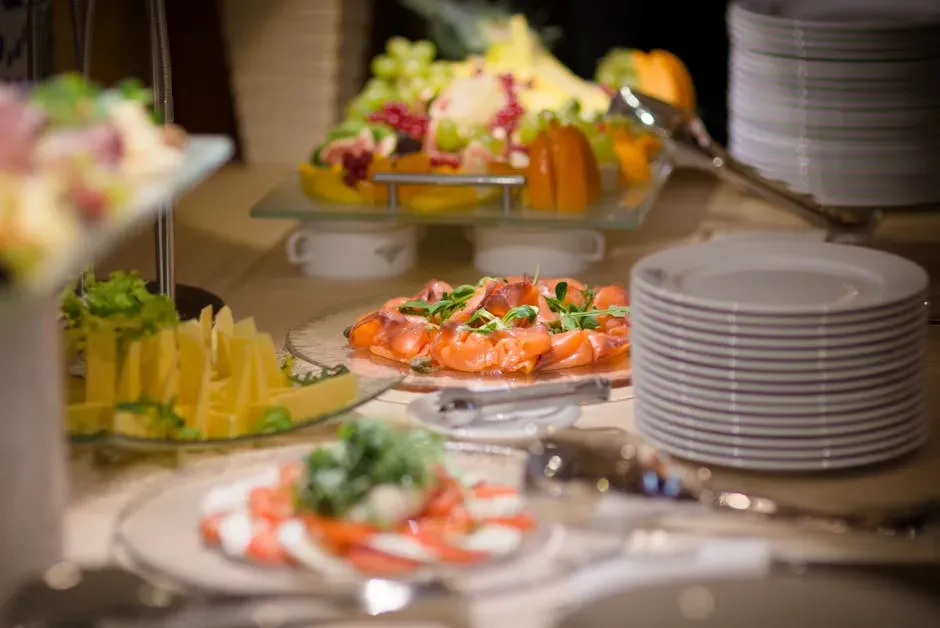
The single-plate mindset is a trap. When you pile everything onto one plate at once, flavors bleed into each other, food gets cold faster, and you lose the psychological pleasure of multiple satisfying rounds. Think of it less like an eating competition and more like a tasting menu you get to design yourself. Courses, not chaos.
Think tactically and use a few different plates for optimum meal curation, trying to use one plate for hot food and one for cold, or splitting everything up into separate courses. This approach does something psychologically powerful too. It slows down your eating pace, which means your brain has time to register fullness before you’ve already overdone it. There is a limit to how much humans can actually digest, and besides, most people go out to eat to socialize. Turning a meal into a gorging contest isn’t generally the priority, and customers tend to leave around the ninety-minute mark.
Rule 7: Go When the Buffet Is Busy, Not Empty
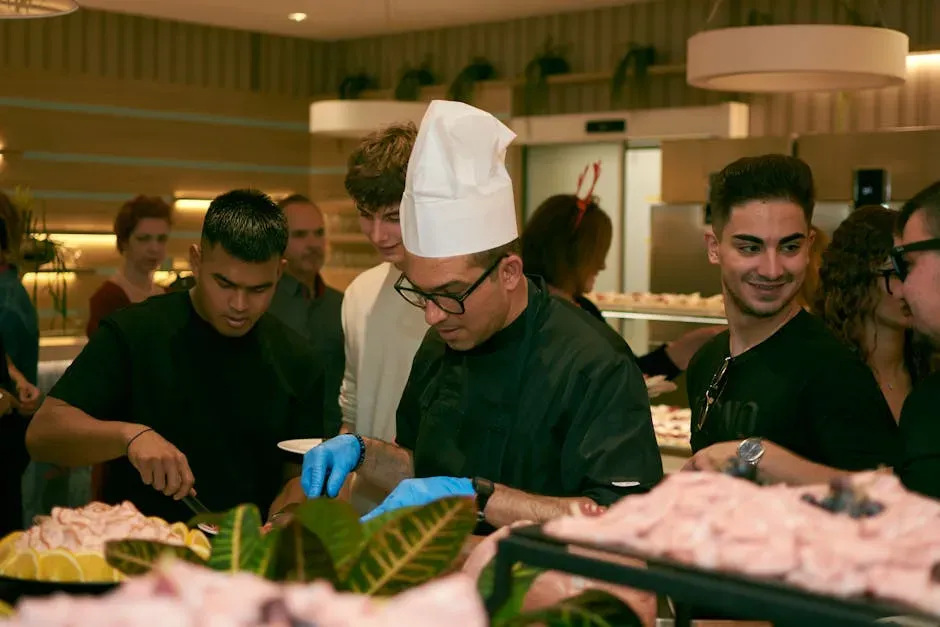
This one surprises people. You’d think a quiet buffet means more room and more food for you. In reality, a slow buffet is often a bad buffet. A busy buffet can actually be a good thing for customers. When buffets are busy, the product is fresh, of great quality, and is turned over very quickly. On the other hand, if business is slow, many buffet owners will leave foods and sauces out for longer than they should, to save money.
An easy way to spot whether a buffet is regularly changing out its offerings is to check for crusty edges on the food pans. Crusty edges or a skin that has formed on top of a sauce or liquid is a sign that it’s been left out too long. A busy room means rapid replenishment, fresher food, and a much better return on what you paid. It’s counterintuitive, but a crowd is actually your friend at a buffet.
Rule 8: Understand the Waste Game and Play Against It
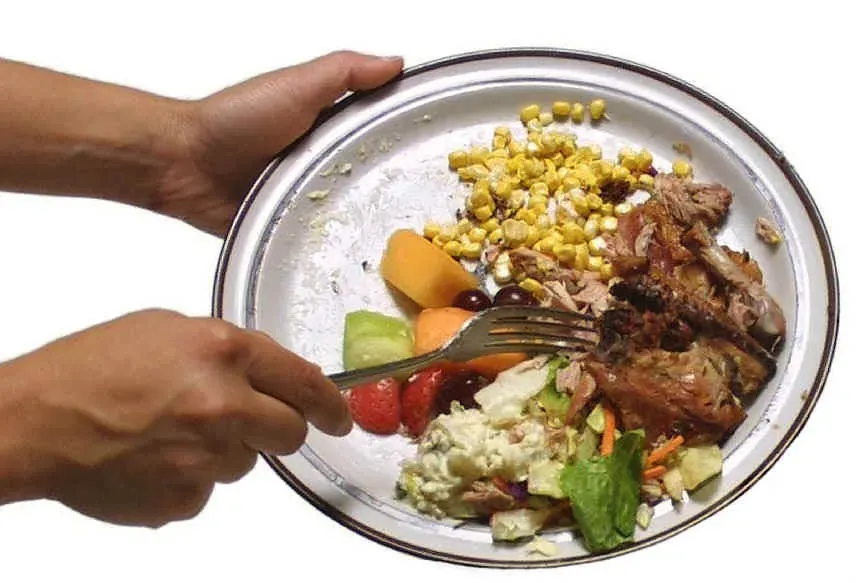
All-you-can-eat buffets generate more food waste than any other restaurant format and bring in roughly eight billion dollars annually in the U.S. Over 70% of this waste is plate waste, food diners serve themselves but leave uneaten. That wasted food is your money sitting in a trash bin. Every item you load onto your plate and don’t finish is a loss. Not just for the environment, but for your own wallet and value equation.
Reducing portion sizes has great potential to reduce food intake and plate waste. At all-you-can-eat buffets, people tend to take larger portions of food than they would at home or at a general restaurant. The smarter move is to take smaller initial portions of unfamiliar dishes before committing. According to The Atlantic, anywhere from 5% to a staggering 25% of a dish put out at a buffet will go to waste, due to the buffet operator not knowing exactly how much is needed, but also from customers who take more than they can eat. Don’t let your eyes write checks your stomach can’t cash.
Rule 9: Know the Economics So You Can Flip the Script
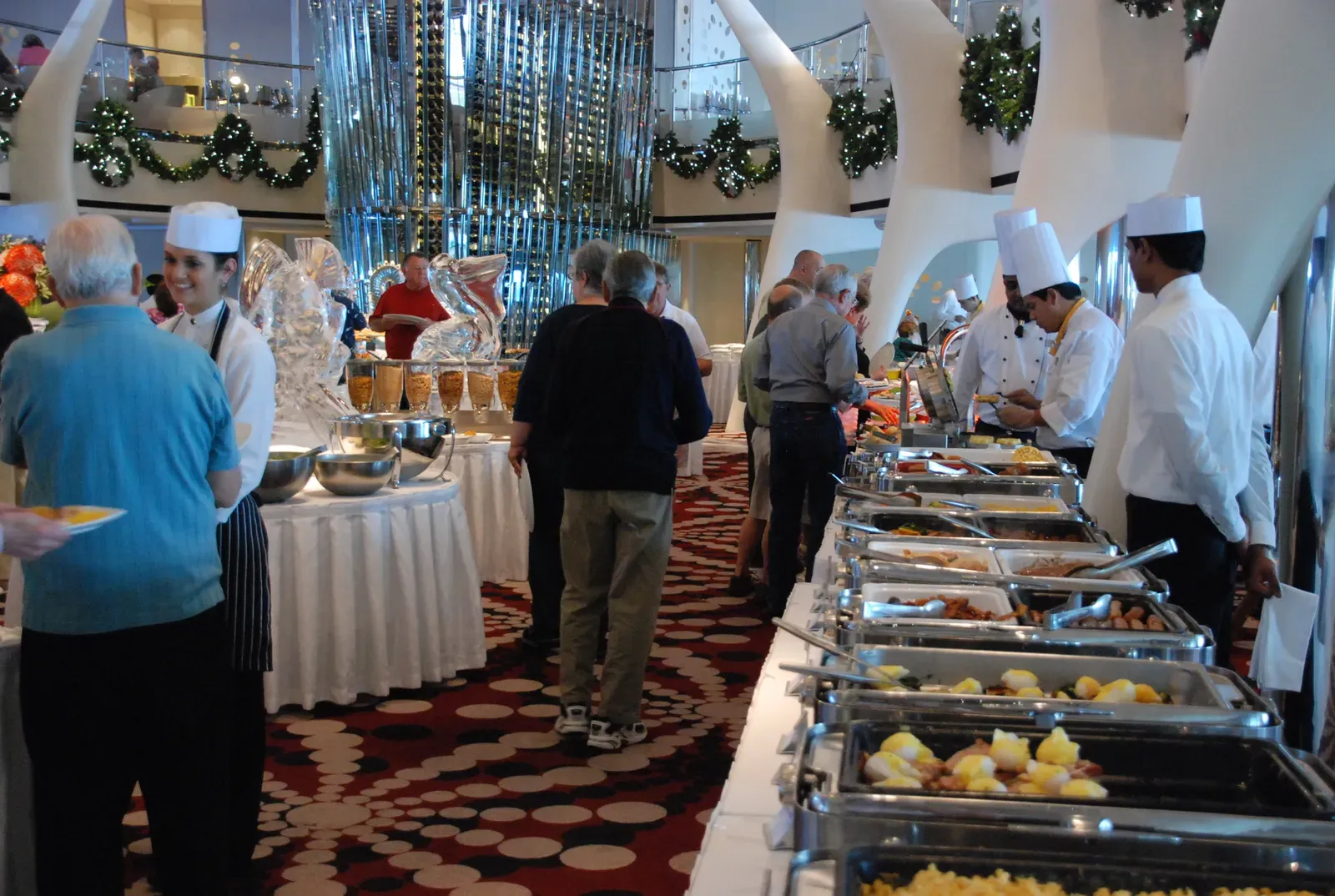
Here is the cold truth about the buffet business model that most diners never think about. Like most restaurants, buffets operate on extremely thin margins. For every twenty dollars in revenue, nineteen might go toward overhead, leaving just one dollar, or about five percent, in net profit. Buffet owners estimate that true over-eaters account for only about one in every twenty diners. The business survives because most people dramatically underestimate how little they actually consume relative to what they paid.
Most of us won’t eat enough at an all-you-can-eat buffet to go above the average estimated cost per customer. Knowing this flips your approach. Your goal isn’t to eat until you’re miserable. Your goal is to be deliberate, to focus on high-value proteins, to skip cheap fillers, to time your visit correctly, and to take only what you will genuinely enjoy. Research published in the Journal of Sensory Studies found that people tend to enjoy buffets more when they cost more. In experiments where diners paid different prices for the exact same Italian lunch buffet, those who paid less enjoyed it less, thought it wasn’t as tasty, and left feeling less satisfied. The thought is that people anticipate lower-value food when they pay less and higher-value food when they pay more. Mindset matters as much as strategy.
Conclusion: The Buffet Is a Game. Learn the Rules.
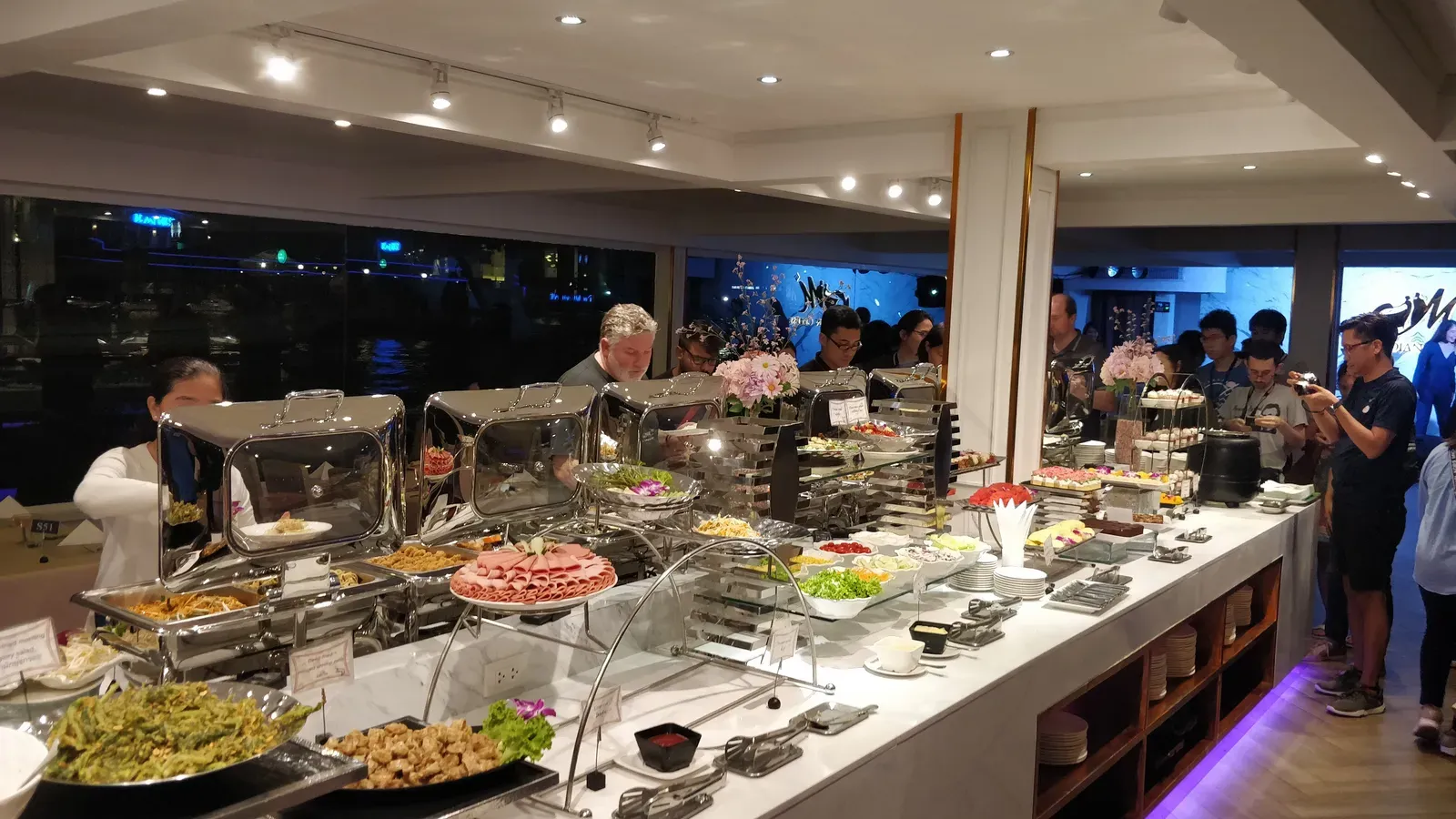
Every buffet visit is essentially a negotiation between you and the house. The house has studied consumer psychology, optimized its layout, and priced things to win on average. Most diners walk in without a plan and walk out having handed the restaurant exactly the margin it expected.
The rules above aren’t about eating yourself into discomfort. They’re about being intentional. Scout the spread, prioritize protein, time your arrival, skip the soda, use multiple plates, and respect your own appetite. Do that, and the math starts tilting in your favor.
What strategy will you try on your next buffet visit? Drop it in the comments below.