
Most of us have a spice cabinet that we never really think about. Things go in. Things rarely come out. Jars pile up, labels fade, and somewhere in the back sits a jar of paprika that you bought in a completely different decade. Sound familiar?
The truth is, bad spice storage is one of the most quietly damaging habits in the kitchen. It costs you flavor, money, and honestly, a lot of cooking joy. A 2023 Healthline survey found that roughly two thirds of home cooks unknowingly use degraded spices, wasting over $400 annually on flavorless jars. That’s a staggering number for something so fixable. So let’s get into it.
Table of Contents
1. Storing Spices Above the Stove

This is probably the single most common spice storage mistake, and it happens in kitchens everywhere. That little cabinet or shelf right above the stove feels like the perfect spot. It’s convenient, it’s visible, it’s within arm’s reach while you’re cooking. Honestly, it seems almost designed for spices. It isn’t.
Herbs, chiles, and spices alike lose flavor more quickly when exposed to heat. While keeping spices within reach of the stovetop seems convenient, the oils in herbs and spices evaporate when exposed to heat, and losing the oil means losing flavor. Storage tests show spices near stoves lose flavor roughly 50% faster than those kept elsewhere.
Water vapor also rises off the stovetop when you are cooking, which is another factor that will damage spices. When sealed in containers that aren’t airtight, the moisture from the air can seep in and damage the integrity of your spices. The fix is simple: move them to a cool, closed cabinet on the opposite side of the kitchen. Your cooking will thank you immediately.
2. Using Clear Jars on Open Shelves

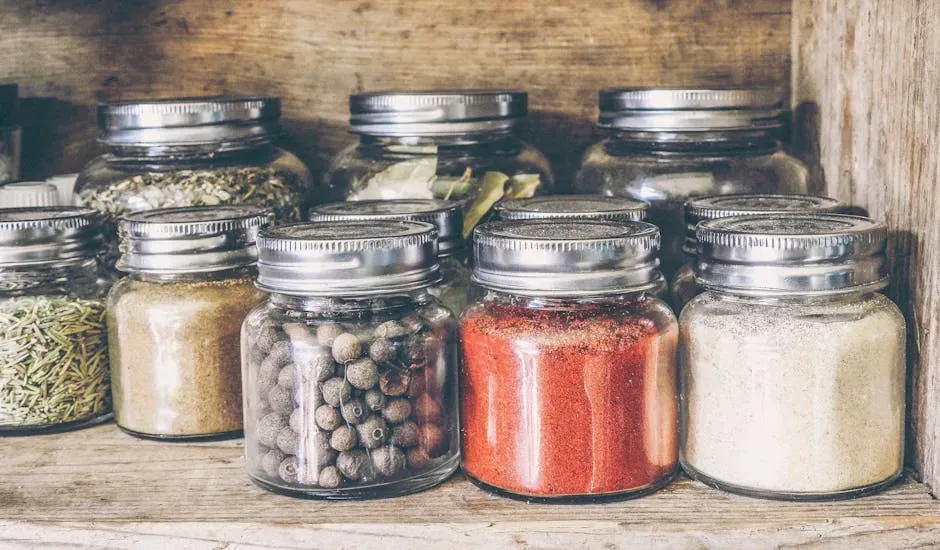
Open-shelf spice displays look gorgeous in food magazines and on social media. A neat row of glass jars, all perfectly labeled, catching the light. It’s aspirational, beautiful, and genuinely terrible for your spices. Light, especially sunlight, can cause degradation of pigments and essential oils in spices, leading to loss of color, flavor, and aroma.
Research highlights that clear jars on open racks are a major error, as sunlight can degrade flavor compounds in as little as 30 days. The solution is to transfer spices to opaque containers. Turmeric is a particularly dramatic example here. Chemical changes of turmeric proceed significantly under irradiation by regular household fluorescent light, with color intensity decreasing by more than 65% after just 24 hours of exposure.
That’s not sunlight. That’s just an ordinary kitchen light bulb. If you absolutely love the look of visible jars, at least store them inside a drawer or a closed dark cupboard and only pull them out when needed.
3. Storing Ground Spices Too Long

Here’s the thing that most people get completely wrong: they treat ground spices like they last forever. They don’t. USDA data shows ground spices lose roughly 30% of their potency yearly after opening, while whole spice forms degrade significantly slower. That’s a big deal if you cook even moderately often.
Ground spices are at their absolute freshest within the first three months of being bottled, and while they retain most of their flavor for two to three years, whole spices retain most of their flavor for three to four years. The science behind this is straightforward. Light, heat, and oxygen degrade volatile oils, which are the essence of spice flavor, and ground varieties oxidize faster due to their increased surface area.
Think about it like this: grinding a spice is basically like cracking open a protective shell. Every surface you expose is now vulnerable. Buying whole and grinding fresh is the obvious solution. Even a basic coffee grinder dedicated to spices makes a real difference.
4. Shaking Spices Directly Over a Hot Pot

This one catches almost everyone off guard. You’re stirring something bubbling on the stove, you grab the cumin, you shake it straight over the pot. Fast, intuitive, totally normal. We do not recommend shaking herbs or spices out of the bottle directly into something you’re cooking, as any steam or moisture rising up from the cooking dish will introduce moisture into your jar of spices.
When cooking, avoid shaking bottles directly over steaming pots. The moisture can cause spices to clump and reduce their shelf life. Instead, pour a small amount into a separate bowl before adding it to your dish. It takes an extra five seconds. Genuinely. That one small habit adjustment protects every spice jar you own.
Moisture promotes microbial growth and can lead to mold development, spoilage, and clumping of spices, which is why low moisture content is essential for prolonging shelf life. The jar you keep shaking over the stove is slowly getting wetter inside every single time you use it.
5. Ignoring the Dishwasher as a Heat Source
Most people think about the stove and forget about everything else in the kitchen that generates heat. The dishwasher is a surprisingly overlooked problem. The ideal storage temperature for spices is one that remains fairly constant, averaging around 70 degrees Fahrenheit, and it’s important to remember that spices should be stored away from direct heat sources, which includes the dishwasher, a heat source that many cooks forget about.
That shelf above your stove might seem like a handy spot to store your favorite seasonings, but heat is yet another factor that quickly degrades their taste. You should also avoid storing seasonings near your dishwasher, another dangerous and less obvious source of heat. If you have a cabinet directly next to or above your dishwasher, spices should be relocated.
Pantries with temperature fluctuations of greater than 15 degrees Fahrenheit in a single day, as commonly seen in spaces near appliances, can actually halve the shelf life of stored spices. The goal is temperature stability, not just coolness. Consistency is everything.
6. Keeping Spices in Plastic Containers
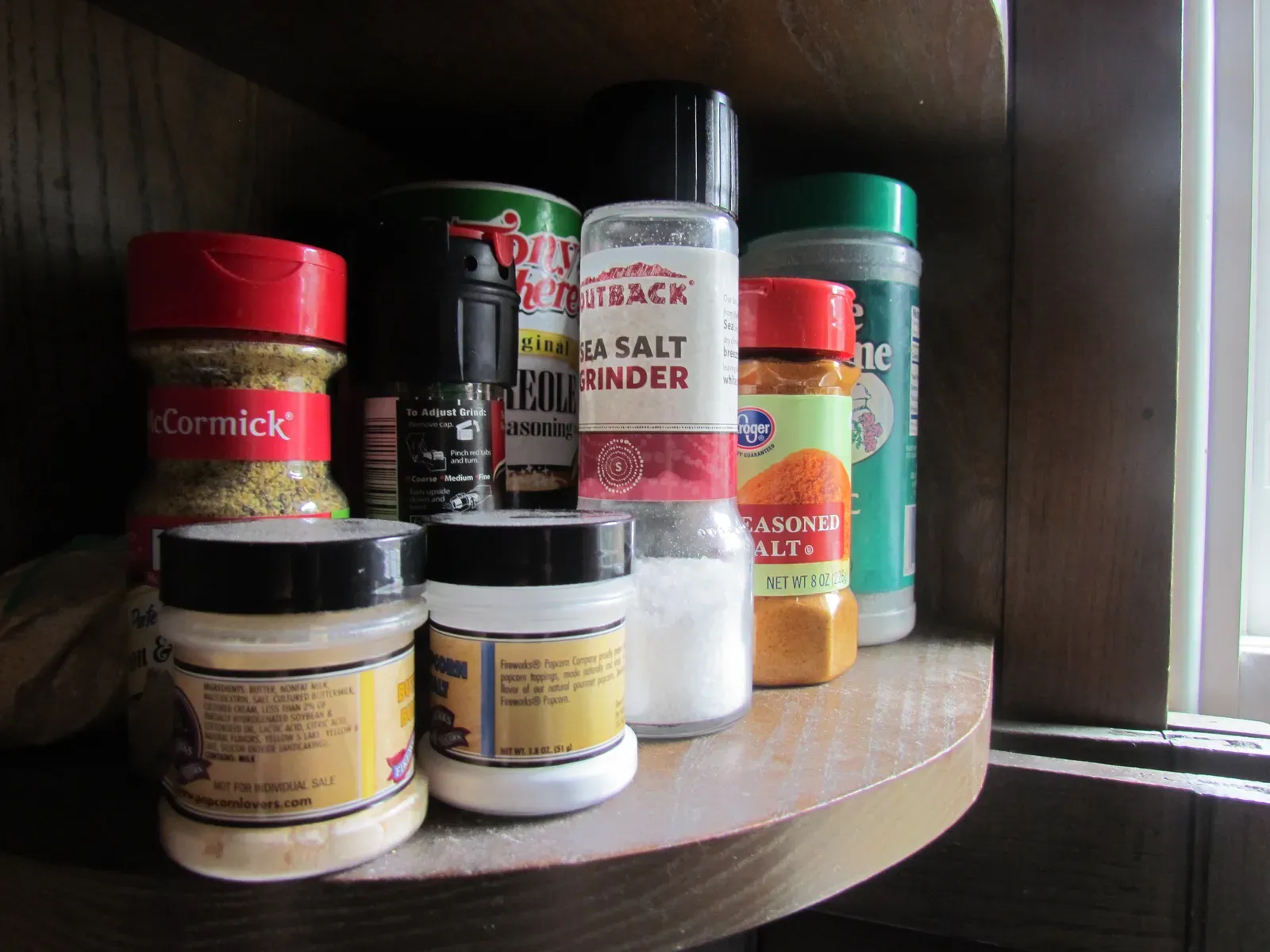
Plastic feels fine. It’s light, it’s cheap, it’s practical. The problem is that plastic and spices are genuinely a poor pairing over time. Plastic can be porous, allowing small amounts of air to enter and slowly deteriorate spices. It’s a slow process, but it’s constant and cumulative.
Another issue with storing spices in plastic containers is that they allow moisture to enter the packaging. For spices containing oils, moisture permeation may cause oxidization, and dry spices can absorb this moisture, which can change their texture and flavor. There’s also the odor issue to consider. Glass containers maintain freshness better than plastic because they are less porous. Glass doesn’t absorb oils or odors from the spices and provides a better seal to keep air out. Plastic can sometimes impart a smell or taste, affecting the spice’s flavor.
The upgrade to glass is not expensive. Mason jars work perfectly well. When stored in an airtight glass container and kept from light, powdered spices can stay fresh for up to two years. That’s a meaningful difference in longevity from one simple switch.
7. Refrigerating Most Spices

I know it sounds logical. Cold storage preserves things, right? Well, not really in the world of spices. The fridge introduces moisture every time you open and close it, and that moisture is the enemy. Storing spices in the refrigerator only provides limited benefit because moisture is almost always produced. This may cause spices to clump together or go mouldy.
For day-to-day use, keeping spices in the fridge or freezer is generally not recommended because of the condensation that can build up in the jar. You can introduce moisture, and that’s where you really can start to get spoilage or mold. There are some exceptions though. Red pepper spices like chili powder, paprika, and red pepper flakes can actually be stored in the refrigerator, though not in the freezer, while all other spices should be stored in a pantry.
The practical rule is simple: most dried spices belong in a cool, dark, dry pantry or cabinet. The refrigerator creates more problems than it solves for the vast majority of your spice collection.
8. Buying in Bulk and Storing Too Long

Buying the giant jar because it’s cheaper per ounce feels like smart economics. It’s very rarely smart cooking. To preserve baking spices and extend shelf life, consider purchasing smaller quantities that you’ll use within a few months. Spices lose potency over time, so buying just what you need ensures you’re always working with fresh spices.
A good overall practice to follow is to only purchase high quality dried herbs and spices from reliable suppliers in small quantities, so that you can easily use them up in a reasonable period of time. Think about how much cumin you actually use in a month. If the honest answer is “a teaspoon or two,” then that economy-sized jar is not doing you any favors. It’s just aging on a shelf.
In humid climates with relative humidity above 60%, spices degrade 30 to 50% faster than in drier regions. Additionally, in commercial kitchens, frequent container opening can reduce shelf life by 25 to 40% compared to typical home use. The more you open a big jar, the faster everything inside degrades. Small, frequently replenished jars beat one massive jar every single time.
9. Ignoring Color and Smell as Freshness Signals

Most people glance at the expiration date on the bottom of a spice jar and call it a day. That date is nearly useless in isolation. Those dates reflect peak quality under ideal storage conditions, which rarely happen in real home kitchens. USDA FoodKeeper data shows spices stored near windows or stoves lose potency up to 50% faster than properly stored ones.
Bright spices like paprika, turmeric, and chili powder should still look vibrant. If the color has faded dramatically, the flavor probably has too. The color test is particularly revealing for turmeric. Rubbing turmeric powder between your fingers under light tells you a lot: a vibrant golden-yellow means it’s still good, while a pale beige or dull orange means it has degraded significantly.
Your nose is equally reliable. Open the jar and take a whiff. If it doesn’t smell like much or smells musty, the spice has likely lost its aromatic oils. Strong spices like cumin or ground pepper should be bold and immediately recognizable. If they’re not, it’s time to replace them. Trust your senses more than a printed date.
10. Not Labeling Containers with Purchase Dates

This final mistake is almost embarrassingly simple, yet almost no one does it consistently. You buy a spice, you transfer it to a jar, and you never write down when you bought it. Six months later, you genuinely cannot tell if it’s been there for one year or three. Each spice or seasoning should be labeled with its name and the date of purchase to make it easy to identify and to know when to replace it with a fresher spice.
Whole spices typically last up to four years, while ground spices should be replaced after one to two years. Labeling your spices with the date of purchase or opening can help you track when it’s time to refresh them. A simple piece of tape and a marker does the job completely. It takes about ten seconds per jar and saves you from mystery-spice roulette forever.
The USDA Food Safety and Inspection Service has established clear spice storage guidelines, and understanding these timelines is the foundation of a well-managed spice collection. Once you know when something was purchased and how long it should last, you can cook with real confidence instead of just hoping for the best.
The Bottom Line

Here’s the honest truth: most people are cooking with a spice cabinet full of compromised flavor. The good news is that every single one of these mistakes is fixable, and none of the fixes require spending much money or time. Dark location, airtight glass jars, away from heat and moisture, small quantities refreshed often, and a quick date label on each jar. That’s genuinely the whole formula.
Spices are not pantry furniture. They are living, volatile, aromatic compounds that degrade steadily from the moment they are ground. Treat them with even a fraction more care than you currently do, and the difference in your cooking will be immediately noticeable. What spice in your cabinet do you think has been there the longest? Chances are, it might be time for a long-overdue refresh.