
Every restaurant has two menus. The one you hold in your hands, and the one that exists purely behind the scenes, whispered between servers near the coffee station or muttered in the walk-in cooler. It’s a private language, colorful, efficient, and completely invisible to the average diner. And honestly, that’s exactly the point.
The U.S. restaurant industry has developed a universal language used in almost every dine-in restaurant. This unique lexicon is a spicy blend of code words, phrases, and sometimes expletives, passed down through generations of restaurant staff. Some of these words are harmless operational shortcuts. Others? Well, they say a lot about what your server really thinks of your table. Let’s dive in.
1. “Camper” – The Table That Never Leaves
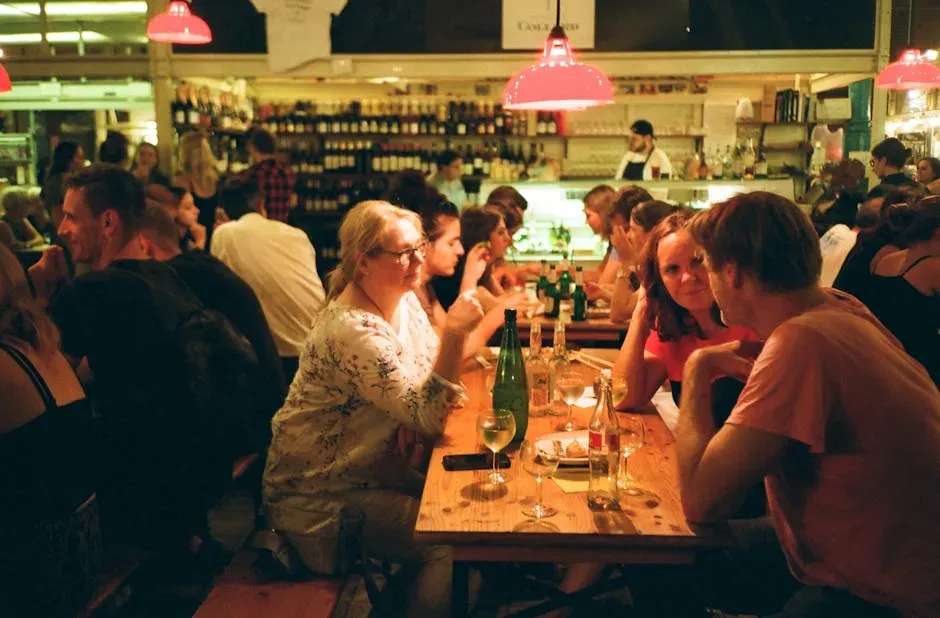
Picture this: a table that ordered dessert forty minutes ago, paid the check, and is now deep into a third retelling of someone’s divorce story. That table has a name, and every server in the building knows it.
A “camper” is a busy restaurant’s least favorite kind of customer. The term refers to someone that has already paid for and finished their meal but will not leave their table. Campers lead to longer wait times when a restaurant is packed and on a waitlist.
Servers aren’t fond of campers because they’d rather be able to clean and reseat their table with new diners. This is an especially egregious move when a restaurant is on a wait and people are lining up for a table. Think of it like someone parking in a busy lot and going for a three-hour stroll. Every minute counts.
A waiter usually serves around three to five tables at once during their shift, though it really depends on the restaurant type. Table turnover rates depend on the restaurant’s style, with casual dining averaging one and a half to two hours per sitting. When campers ignore that rhythm, the entire evening’s economics can collapse.
2. “In the Weeds” – When a Table Breaks a Server’s Flow
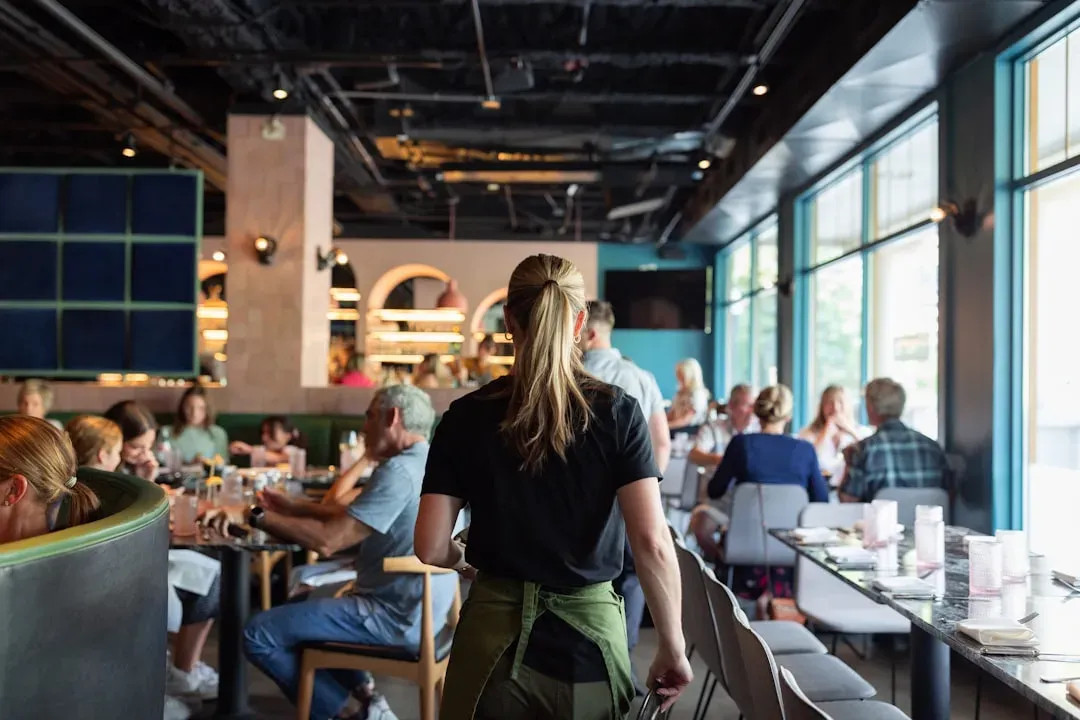
There is a very specific kind of panic that experienced servers know all too well. It’s not loud. It’s quiet, internal, and usually triggered by one table ordering fifteen modifications at the worst possible moment.
When a server is swamped or overwhelmed, they’re “in the weeds.” There are a lot of things that can push a server into the weeds, whether that’s a large party, too many tables, inefficient workflows, being double or triple-sat, or not having enough support staff like bussers or runners.
When a server or other member of the staff is super busy due to having a lot of tables in their section, handling a large party, or more, they are described as being in the weeds. It’s the restaurant equivalent of suddenly finding yourself on a highway without a GPS, going the wrong direction, at rush hour.
U.S. restaurants continue to face challenges including staffing at roughly half of all establishments, alongside burnout affecting the same proportion, and with nearly half of food service workers reporting a desire to quit their jobs. Difficult tables contribute directly to this spiral.
3. “A Precious” – The Impossible-to-Please Guest

Here’s the thing: most servers genuinely want to give you a great experience. So when a table treats the entire meal like a competition to find something wrong, it gets noticed. Fast.
A “Precious” is a very finicky, difficult or demanding diner – someone who sends everything back or expects a comp. The term is a backhanded nod to the idea that this guest believes themselves too special for the standard experience. Some restaurants use the alternate term “snowflake” for the same type.
In some establishments, a “precious” is also called a snowflake, as in a special snowflake – the type of customer who insists every dish be remade, every sauce adjusted, every temperature confirmed, every expectation managed to an exhausting degree.
A 2024 study from the Journal of Foodservice Business Research found that customers who are rude or dismissive to front-of-house staff are nearly four times more likely to exhibit difficult behavior toward servers throughout their meal. In other words, a “Precious” rarely surprises anyone by act two.
4. “Double-Sat” – The Table That Creates Chaos
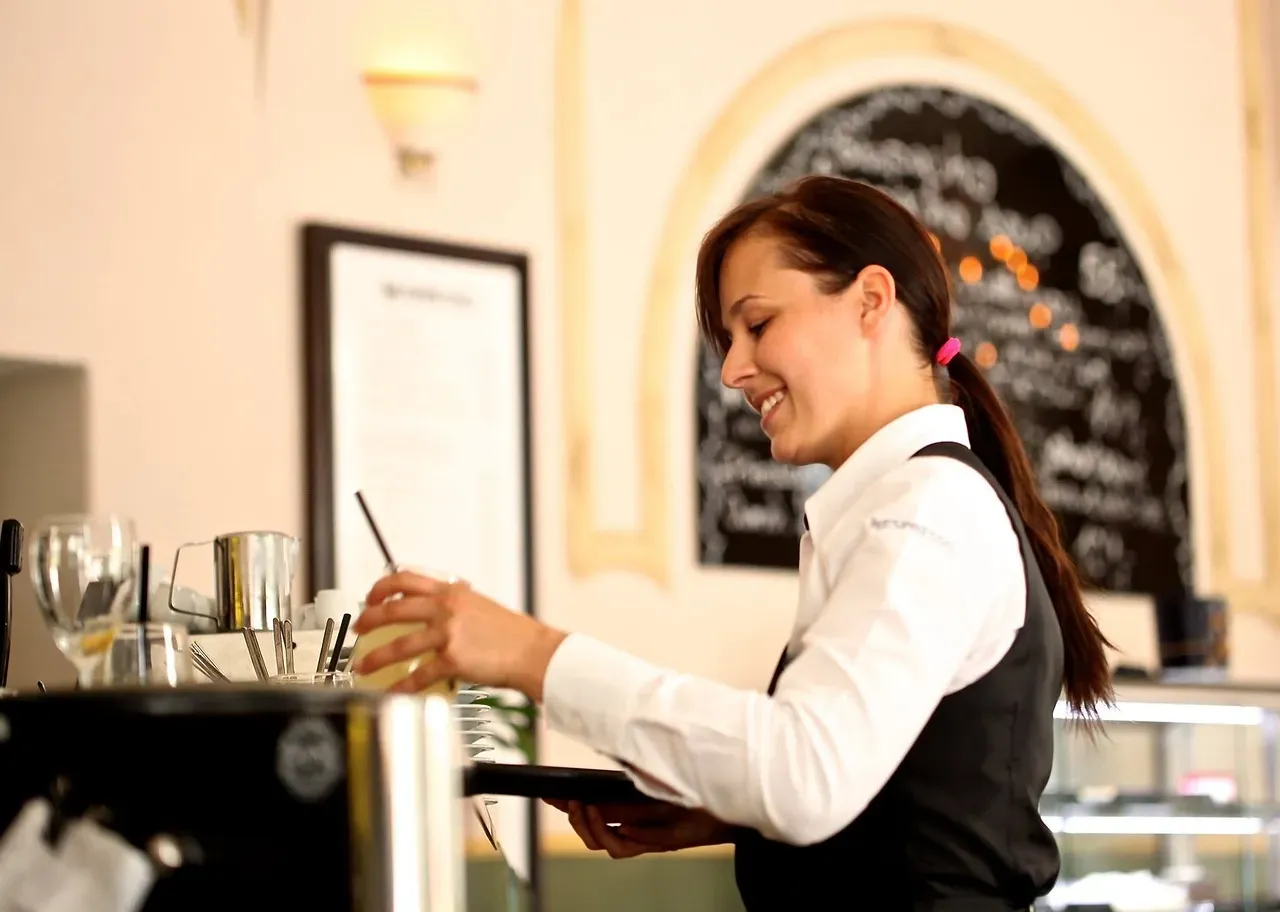
Imagine you’re juggling five plates in both hands while someone hands you two more. That, in a nutshell, is what being double-sat feels like for a server who’s already at full capacity.
A server is double-sat when they are responsible for multiple sets of guests who have been seated at the same time. Most of the time, each group of diners in a server’s section is at a different point in their dining journey, but double-sat servers have to juggle taking care of multiple groups that have the same needs at the same time.
This can be a stressful situation for servers, and it sometimes leaves one table waiting longer than a server would like. The table that demands attention the moment they sit down while the server is already overwhelmed? That’s the double-sat nightmare scenario – and it’s more common than you’d think.
Getting double-sat as a server can be stressful and can make it difficult to greet, take orders, and run food at the same time. Servers often blame the host for the situation, and honestly, sometimes rightly so.
5. “One Star” – The Table Looking for a Fight

Most diners who have complaints simply ask to have them fixed. Then there’s a smaller subset of diners who arrive with a mindset that could only be described as predatory. They’re already composing the Yelp review in their heads before the appetizers arrive.
A “One Star” is a customer who hunts for negative things to say in a review. Servers identify these tables early. The crossed arms, the photographed dishes paired with visible grimaces, the loaded questions about sourcing. It all adds up.
A “One Star” customer makes it their mission to find negative things to say in a review. The troubling part is that even genuinely excellent service doesn’t always dissuade them. The review was always going to be bad. The experience almost didn’t matter.
Servers who deal with these tables frequently describe a specific emotional drain – the feeling of going above and beyond while knowing the effort won’t be recognized. Emotional fatigue from handling difficult customers and peak service pressure accelerates burnout in ways that managers don’t always see until a server is already out the door.
6. “Camels” – The Table That Monopolizes Your Attention

Water service sounds simple. Take a jug, refill glasses, move on. Except when one table turns that jug into a full-time assignment. Meet the camel.
A “camel” is a customer that drinks a lot of water, requiring the busboy to constantly fill their glasses. It sounds almost harmless until you’re in the middle of a busy Friday service with six other tables and one person waving at you with an empty glass every four minutes.
It’s a small thing in isolation, but in the math of a packed restaurant shift, it adds up significantly. Each unnecessary trip to a single table is time stolen from three others. Servers are managing micro-logistics constantly, and a camel table throws the entire equation off balance.
According to a 2024 study published in the Cornell Hospitality Quarterly, experienced servers can predict customer behavior and potential tip percentages with roughly 70% accuracy within the first minute of interaction. Spotting a camel early is a skill that comes with experience, not a manual.
7. “Stiff” – The Table That Tips Nothing

After a long shift carrying heavy plates, memorizing modifications, and smiling through difficult moments, there is one outcome servers dread more than almost anything else. An empty tip line on the receipt.
A “stiff” is somebody that didn’t pay their check or tip their server. In American dining culture, where the tipping system still underpins most server income, being stiffed isn’t just rude, it’s financially painful in a real and immediate way.
A staggering share of a server’s hourly earnings comes from tips, with waitstaff tips accounting for more than half of their total hourly take-home pay. Recent surveys indicate a decline in the percentage of people who “always tip,” dropping from roughly three quarters in 2019 to nearly two thirds in 2023.
Despite some states maintaining a meager hourly base wage for servers since the early 1990s, too many patrons still don’t see tipping as standard, or even necessary. A “stiff” table isn’t just a bad memory. For a server counting on that shift to cover rent, it stings on a completely different level.
8. “86’d” – The Table That Crossed the Line

The term “86” usually refers to a dish being unavailable. Ordered the sea bass? Sorry, we’re 86’d on that. Clean, simple, understood by every restaurant worker alive. But there is a second, more dramatic meaning – and it involves a table getting ejected.
An item that is “86’ed” is no longer available because the restaurant has run out. It can also be used to describe a guest that was kicked out and/or banned for bad behavior. Think of it as the nuclear option in server language.
The term is used when a dish is unable to be prepared due to the main ingredient being sold out or other important ingredients being unavailable. It can also jokingly refer to patrons who are causing a disruption who need to be ejected from the establishment. Be kind and don’t get 86’d!
It’s rare. Most difficult tables never reach this point. Still, in a business where the wrong table can derail an entire section’s evening, the option to 86 a guest carries real weight. It is both a last resort and, occasionally, a relief.
9. “Drive-By” – The Table Under Surveillance
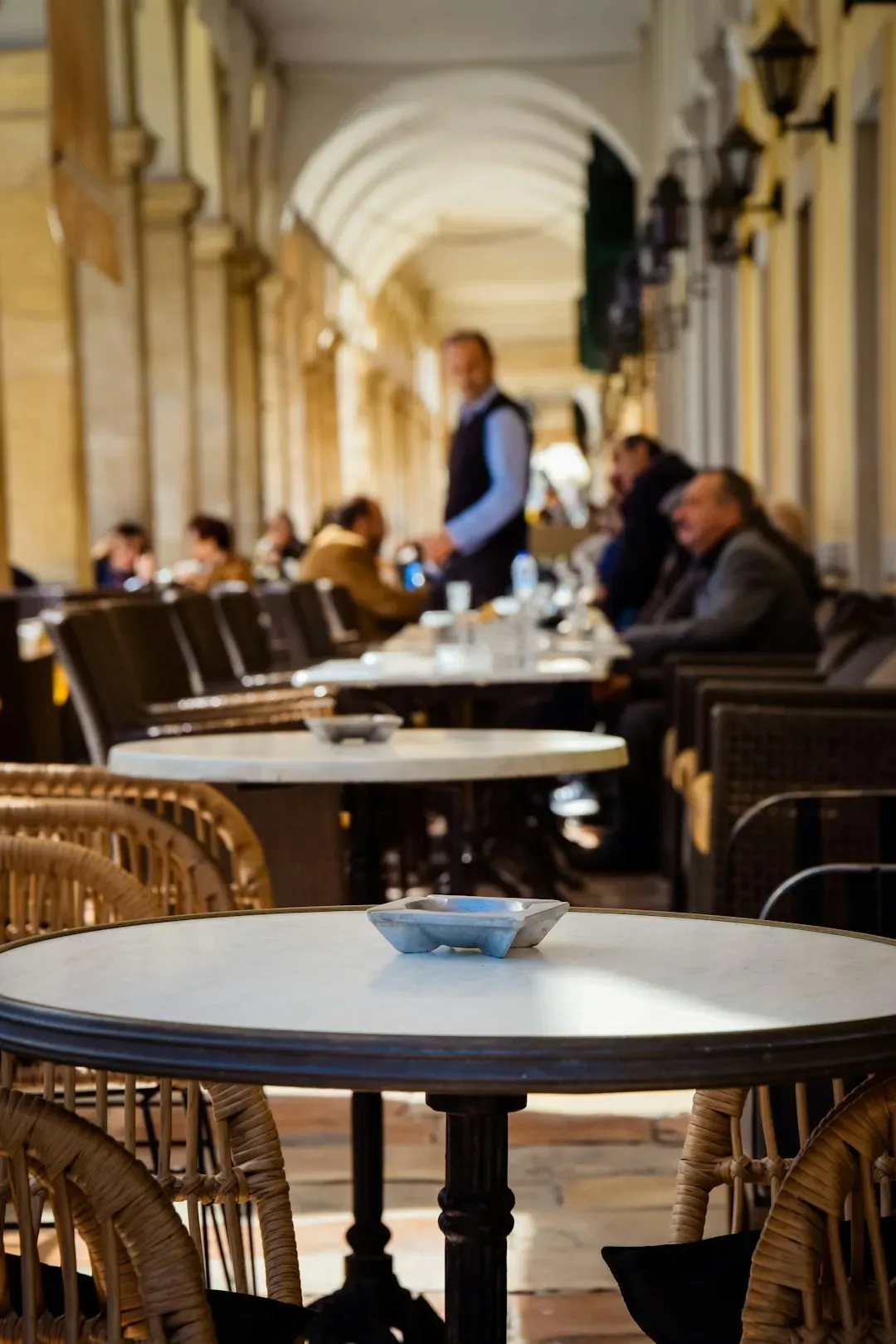
Not every difficult table is loud. Some are difficult because they require constant monitoring. A complaint waiting to happen. A drink nearly empty but not yet. A look on a guest’s face that suggests something is wrong, even though they haven’t said anything yet.
A “drive-by” involves finding an excuse, such as refilling water glasses or clearing plates, to stop by a particular table. It’s strategic. Deliberate. A way to check in without making it seem like you’re checking in.
The drive-by is actually a sign of a skilled server, not a suspicious one. It shows emotional intelligence and situational awareness – the ability to read a table before it escalates into a full complaint. Think of it as preventive medicine for difficult dining moments.
How a customer handles the natural wait time before their server arrives reveals their patience threshold for the entire meal. Research published in the Cornell Hospitality Quarterly in 2024 found that customers who display impatience in the first five minutes are significantly more likely to express dissatisfaction throughout their visit regardless of service quality. The drive-by table is usually spotted before the appetizers even arrive.
10. “Auction” – The Table That Complicates Everything

This one is less about attitude and more about pure chaos. It’s the table where the server arrives with four dishes and genuinely has no idea who ordered what. Cue the awkward guessing game, the confused looks, and the server quietly dying inside.
An “auction” happens when a server comes to a table with food or drinks and doesn’t know who has what, and has to ask, with customers usually raising a hand like in an auction. It’s a small humiliation in an otherwise professional service moment.
In well-run restaurants, servers are trained to memorize seat numbers and never auction plates. But with difficult tables that shift seats, switch orders mid-service, or fail to communicate changes, even experienced servers can end up holding a plate and scanning five confused faces hoping for a hint.
Restaurant slang helps staff and managers communicate important or urgent messages to each other without alarming customers and spoiling their dining experiences. This shared code unites and connects a team working hard under pressure, giving everyone a language only they understand. The auction is a term that captures, in one word, the chaos a poorly organized table can create for the entire system.
The Language Behind the Language

There is something genuinely fascinating about the coded vocabulary of restaurant workers. It is functional, yes, but it’s also deeply human. It’s how people survive high-pressure environments without losing their composure in front of the guests they’re serving.
Restaurant slang and terminology is a crucial part of working in any restaurant. Not only does it improve internal communication, but it strengthens bonds, bringing employees together around a common language only they understand, and creating strong connections that last for years.
Burnout and work-life balance are significant challenges for restaurant staff, who are often expected to be present in rotational shifts with irregular hours in fast-paced environments. The secret language isn’t just about efficiency. It’s a coping mechanism, a shared culture, and sometimes, the only thing that gets a server through a particularly brutal Friday night rush.
Next time you sit down at a restaurant, take a moment to consider what your table might look like from the other side of the notepad. Are you a camper? A one-star? A camel? The servers already know. They had their answer within sixty seconds of you sitting down. What kind of table do you think you are?