
There’s a moment every server knows. You approach a table, smile ready, notepad in hand, and within thirty seconds of the first words out of a customer’s mouth, a quiet alarm goes off somewhere in your gut. Not every difficult customer announces themselves with screaming or threats. Most of the time, it’s far more subtle – a specific phrase, a particular tone, a throwaway comment that carries unmistakable weight.
Restaurant workers are, in many ways, people readers. They have to be. The hospitality industry is vulnerable to various forms of customer incivility, leading frontline employees to perform what researchers call emotional labor. That invisible, exhausting work of managing feelings professionally, day after day, table after table, is something most diners never consider. Let’s dive in.
1. “I Know the Owner”
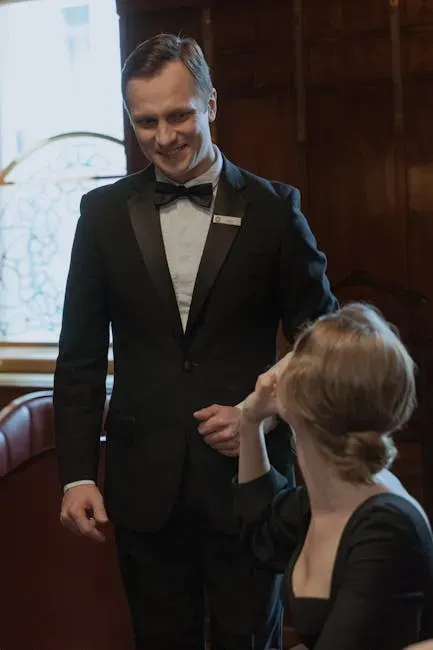
Ah yes. The four words that have struck mild dread into the hearts of restaurant staff for decades. It’s almost always said early, usually unprompted, and it immediately signals that the person expects special treatment or, worse, a get-out-of-jail-free card for whatever’s about to unfold.
Honestly, most of the time, the person doesn’t actually know the owner well enough to matter. It’s a power move, plain and simple. The phrase is designed to shift the social hierarchy at the table, turning the server from a professional into a subordinate who’d better be careful.
In a service environment where nearly half of frontline hospitality managers, about 47%, are experiencing burnout from the demands of their jobs, phrases like this add unnecessary psychological weight. They signal entitlement before anyone’s even had a glass of water.
2. “This Isn’t How They Make It at [Other Restaurant]”
![2. "This Isn't How They Make It at [Other Restaurant]" (Image Credits: Unsplash)](https://nvmwebsites-budwg5g9avh3epea.z03.azurefd.net/easymugcakes/81d00afcdda6d1ec7997c429a77a6be4.webp)
Here’s the thing – this dish is not from that restaurant. The chef didn’t train there. The recipe isn’t the same. Yet this phrase comes up with surprising regularity, and it’s almost never a genuine observation. It’s a subtle way of saying “I’m already disappointed and nothing you do will be good enough.”
Comparisons like these put staff in an impossible position. They can’t remake another restaurant’s dish. They can only serve what’s on the menu, cooked the way the kitchen prepares it. A staff member who hears this early in the meal silently braces for a long service.
Research analyzing customer complaints found that they concentrate heavily on price-quality balance, unmet expectations, and disappointment, and the comparison comment is a live preview of all three wrapped into one sentence.
3. “I Have a Very Complicated Allergy”

Real food allergies are serious and staff take them seriously. Let’s be absolutely clear about that. The problem arises when “complicated allergy” quickly transforms into a laundry list of personal preferences, intolerances, and dislikes, none of which are medically verified and all of which require the kitchen to essentially create a custom dish from scratch.
Staff can usually tell the difference between a genuine allergy concern and a preference dressed up as a medical necessity. One signals urgency and care. The other signals a performance. By 2025, specialized diets have become even more prevalent, with plant-based diets growing significantly and keto and allergen-free options seeing substantial increases, which means kitchens are better prepared than ever. Still, weaponizing the word “allergy” for control is a recognizable pattern.
The truly complicated part isn’t the dietary need itself. It’s the attitude that often comes with it – an implied threat that if anything goes wrong, someone will be blamed loudly.
4. “I’m Not Paying Full Price for This”

This one tends to surface before the meal is even finished. Sometimes it arrives before the food does, delivered almost as a warning shot. Staff hear it and instinctively know the table is going to end in a negotiation, not a transaction.
Guests most commonly complain about expensive dishes, surprise charges, and high fees, and hospitality operating expenses have skyrocketed in recent years, forcing restaurants to raise menu prices by upward of a quarter in many cases. That context matters. Many customers feel genuine price pressure. But the customers who announce upfront that they won’t pay full price are a specific breed.
It removes the possibility of good faith. It signals that the customer is looking for an excuse, not a meal. According to Coresight Research, an overwhelming majority of roughly nine in ten diners surveyed in early 2024 had observed menu price increases. Frustration over prices is widespread and understandable. Announcing a refusal to pay before the food arrives is something else entirely.
5. “We’ve Been Waiting Forever”

Time distortion is real in a restaurant setting. Studies confirm it. In-house diners don’t like to wait more than ten minutes to be served, and roughly three quarters become impatient after fifteen minutes. Fifteen minutes, though, is genuinely not very long when you factor in a busy kitchen trying to produce multiple courses for dozens of tables simultaneously.
The phrase “we’ve been waiting forever” is almost never said after an actual long wait. It’s said after seven minutes, after ten, after the appetizers land slightly later than expected. What makes it a red flag isn’t the complaint itself. It’s the tone of escalation and grievance attached to it so early.
Experienced staff know that a customer who deploys this phrase in the first twenty minutes will use it again after twenty-five, then thirty. The goalpost keeps moving because patience was never part of the plan.
6. “Can You Just Ask the Chef to…”
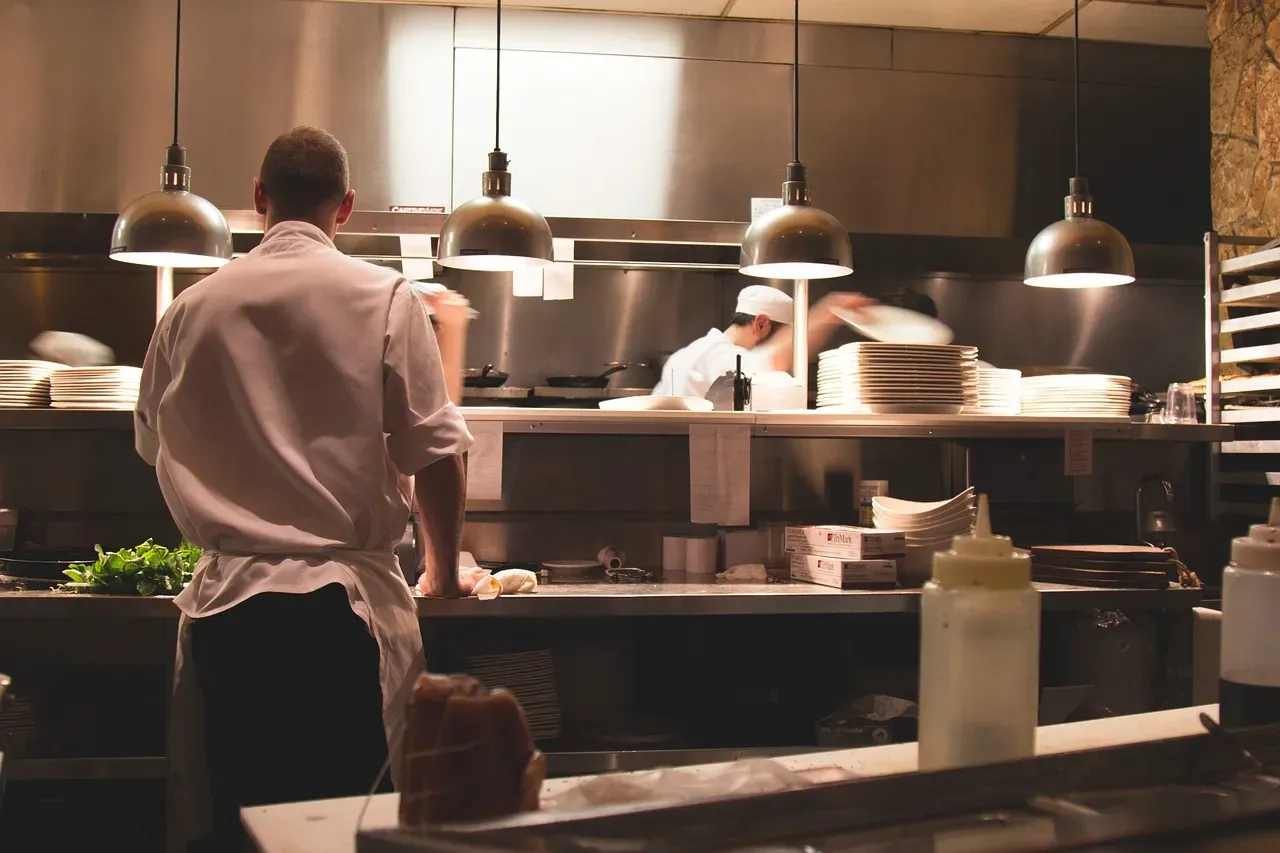
This one comes in many forms, but the unifying thread is always the same. The customer wants something that isn’t on the menu, prepared in a way the kitchen doesn’t operate, during a rush, as if it’s a small and perfectly reasonable ask. The phrase carries a breezy confidence that the request is simple when, in reality, it can cascade into real kitchen disruption.
Kitchens run on rhythm and coordination. A custom request mid-service is like throwing a pebble into a well-oiled machine. It doesn’t always jam things up, but it always creates extra work. Among restaurant managers and employees, the biggest challenges they report include staffing at more than half, burnout at half, and compensation concerns. Adding unpredictable special requests to an already stretched team compounds all of those problems.
Staff hear this phrase and do their best, every time. They pass the message to the kitchen with a polite smile. What they don’t say is that the chef is already running behind and the table’s entrees just became the most complicated order on the board.
7. “The Last Time I Was Here, It Was Much Better”

Nostalgia as a weapon. It’s a fascinating dining phenomenon. This phrase is deployed to establish the customer’s veteran status at the restaurant while simultaneously putting the entire staff on the defensive before a single bite is taken. It implies decline, disappointment, and an implicit threat to the restaurant’s reputation.
Sometimes it’s genuine. Restaurants do change. Recipes evolve, chefs move on, ownership shifts. But the timing matters enormously. Saying this at the start of a meal, unprompted, before anything has gone wrong, is not feedback. It’s positioning.
There is increasing frustration among consumers, and consumers are far less loyal to brands that are consistently underperforming, according to Ipsos research. Legitimate concerns deserve legitimate responses. Pre-emptive disappointment, though, is a different beast and staff recognize it almost immediately.
8. “I Eat Out All the Time, So I Know What Good Service Looks Like”

This one is essentially a credential display. The customer is establishing themselves as an expert, a seasoned diner whose standards are exceptionally high and whose judgment is unimpeachable. It’s designed to intimidate staff into performing at a heightened level, under implied scrutiny, from the very first interaction.
Let’s be real. Everyone who dines out regularly develops opinions. That’s normal. But broadcasting those opinions as a kind of authority card before service has begun shifts the dynamic from guest-host to judge-defendant. It’s exhausting for staff who are already juggling multiple tables, kitchen timings, and a hundred small logistical decisions per shift.
Research involving over 300 frontline restaurant employees found that workplace incivility, particularly from customers, is positively associated with employee burnout. Constant expert-performance from diners is a textbook form of this incivility, low-level but cumulative and corrosive over time.
9. “I Specifically Said No [Ingredient] When I Ordered”
![9. "I Specifically Said No [Ingredient] When I Ordered" (hodgers, Flickr, CC BY-SA 2.0)](https://nvmwebsites-budwg5g9avh3epea.z03.azurefd.net/easymugcakes/2f3c3813b0a6194376f45df8406c861c.webp)
The food arrives. The customer looks at the plate with an expression you’ve seen before. Then comes this phrase, delivered with the quiet certainty of someone who was always expecting this moment. Sometimes there genuinely was a miscommunication and the concern is valid. That happens, and good staff fix it without hesitation.
What flags this as a warning sign is the energy behind it. It’s not said with disappointment. It’s said with vindication. As if the small error confirms a pre-existing belief that this restaurant cannot be trusted. Restaurant customer complaints are inevitable in the dining experience, but how they are handled can make all the difference, according to hospitality professionals.
The difficult customer variation of this phrase isn’t looking for a solution. It’s looking for an audience. They say it loud enough for neighboring tables to hear, which tells staff everything they need to know about what the next thirty minutes will look like.
10. “We’re Sort of in a Rush”

Few phrases create more chaos in a restaurant than this one, especially when delivered after ordering a three-course meal with separate wine selections and a side request for the kitchen. A restaurant is not a fast food window with tablecloths. Pretending it is, while simultaneously ordering as though time is irrelevant, is a contradiction staff navigate on a near-daily basis.
The timing of this phrase matters too. Said upfront at the order stage, it’s a legitimate logistical request and staff can try to accommodate it. Said twenty minutes in, after a leisurely ordering process and two rounds of questions about the menu, it transforms into an accusation pointing at staff for a delay the customer themselves caused.
Nearly six in ten Gen X customers prioritize wait times at limited-service restaurants, according to recent data, and speed is increasingly a universal expectation. But “sort of in a rush” combined with a lengthy order is simply incompatible, and experienced servers know the complaints about timing are already being written.
11. “I Read Online That You Should Be Able to Do This”
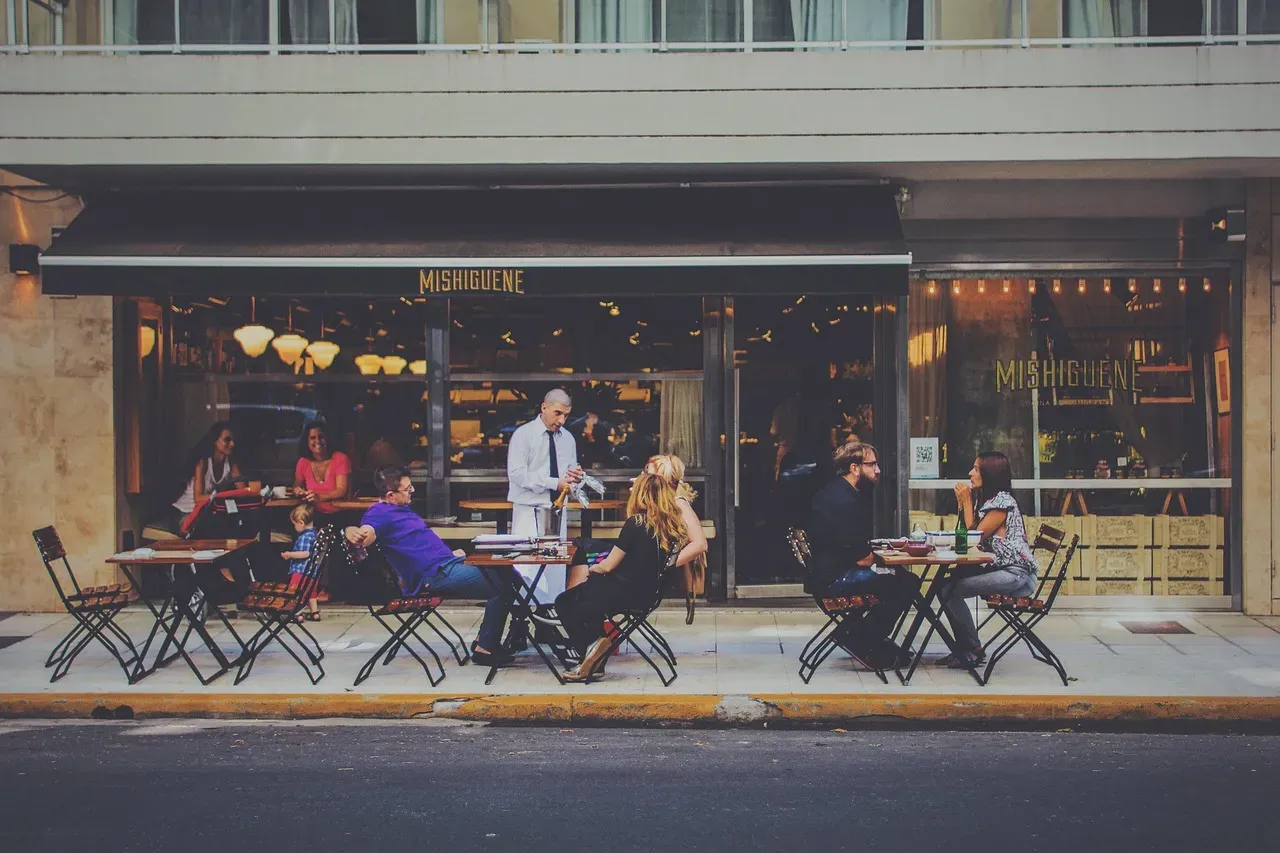
The internet has been many things to the restaurant industry. A powerful marketing tool. A review platform that can make or break a business. Roughly two thirds of customers are influenced by online reviews when choosing a restaurant. It has also created a small but notable category of diners who arrive armed with screenshots, outdated forum posts, and confident misrememberings of policies that never existed.
This phrase signals a customer who has pre-built a case before walking through the door. They’ve decided what they’re entitled to based on what someone wrote on a review site in 2021, and any staff member who contradicts it is, in their view, wrong. It immediately creates an adversarial frame that’s very hard to walk back.
Staff hear it and brace. Not because the customer is always wrong about what they read, but because the phrase signals an unwillingness to engage with the actual reality of the restaurant in front of them. The idea they arrived with matters more than the experience they’re currently having.
12. “I’m Going to Leave a Review”

Said at the table. During the meal. Often mid-complaint. This is the modern equivalent of threatening to speak to the manager, updated for the digital age. It’s an explicit power play designed to remind staff that their professional reputation is under control of the person holding the fork.
Here’s the uncomfortable truth that most restaurant workers already know. Nearly half of frontline hospitality managers have had to ask a guest to leave or ban them from returning within the last year due to their poor treatment of workers. The review threat is rarely about genuine feedback. It’s about leverage. It’s meant to make staff feel vulnerable and compliant.
Long hours can lead to staff feeling hopeless and disrespected, especially when paired with feelings of being unappreciated by patrons, and the review threat amplifies that dynamic to an extreme degree. A server who hears “I’m leaving a review” knows that no matter what they do next, the outcome may already have been decided by someone whose goal was control, not constructive feedback.
The Bigger Picture Behind the Phrases
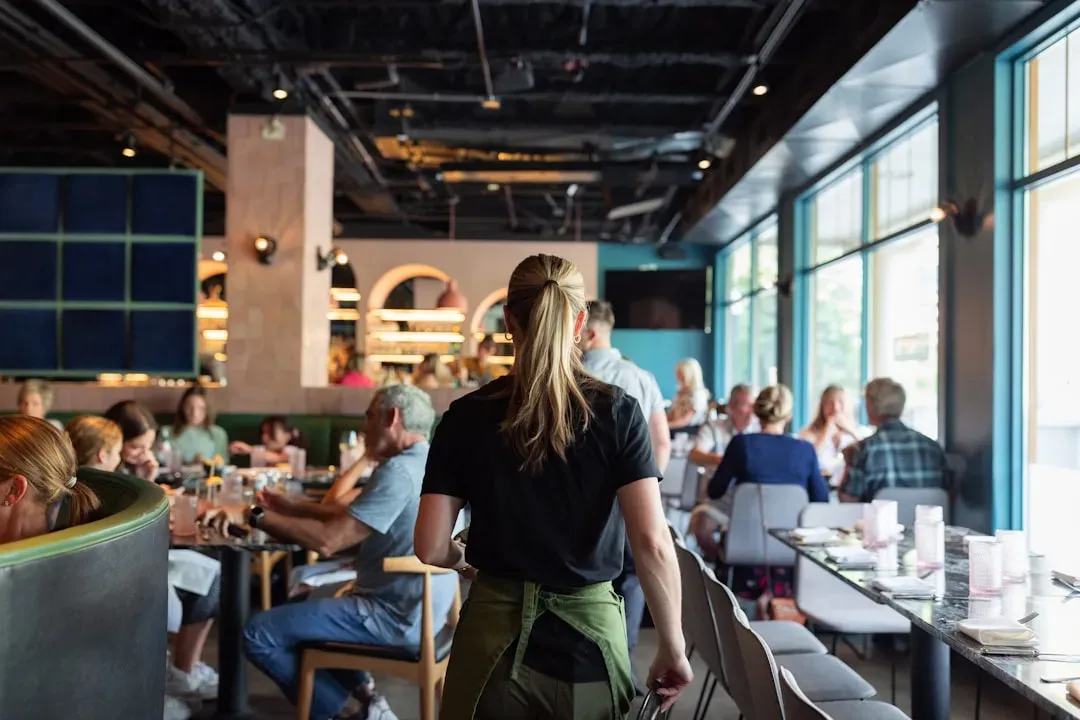
Every one of these phrases, on its own, might seem minor. Strung together or delivered with the right contemptuous edge, they represent a pattern of behavior that has very real consequences for the people on the receiving end. In a survey of 500 frontline hospitality managers, nearly half reported experiencing burnout themselves, while more than two thirds said their team members had also expressed burnout, and nearly two thirds noted that workers had left their roles specifically because of burnout.
The phrases in this article are not listed to make every customer seem like a villain. Most diners are wonderful. Genuinely. But the ones who aren’t leave a lasting mark on the people who serve them. Stress from misbehaving customers causes emotional dissonance and exhaustion on frontline employees, often resulting in turnover intentions and labor attrition. That’s not a minor HR statistic. That’s a real human cost.
Next time you’re at a restaurant, take a moment to notice how the server reads the room, manages ten problems at once, and still finds a way to smile. Think about which side of this list you want to be on. What do you think – did any of these phrases surprise you? Tell us in the comments.