
Food history is full of jaw-dropping twists, happy accidents, and moments that make you stop mid-bite and think, “wait, what?” Some of our most beloved everyday foods exist today not because of genius planning or skilled culinary vision, but because someone forgot something, spilled something, or was simply furious at their cheating partner. Honestly, it almost sounds made up.
The deeper you dig into the origins of what we eat, the stranger it gets. From a bottle of foul-smelling sauce left to rot in a cellar for nearly two years to a vegetable that might have been bred as a political statement, the culinary world has no shortage of mind-bending coincidences. Be prepared to look at your pantry very differently. Let’s dive in.
Table of Contents
The Popsicle Was Invented by an 11-Year-Old Who Forgot His Drink Outside
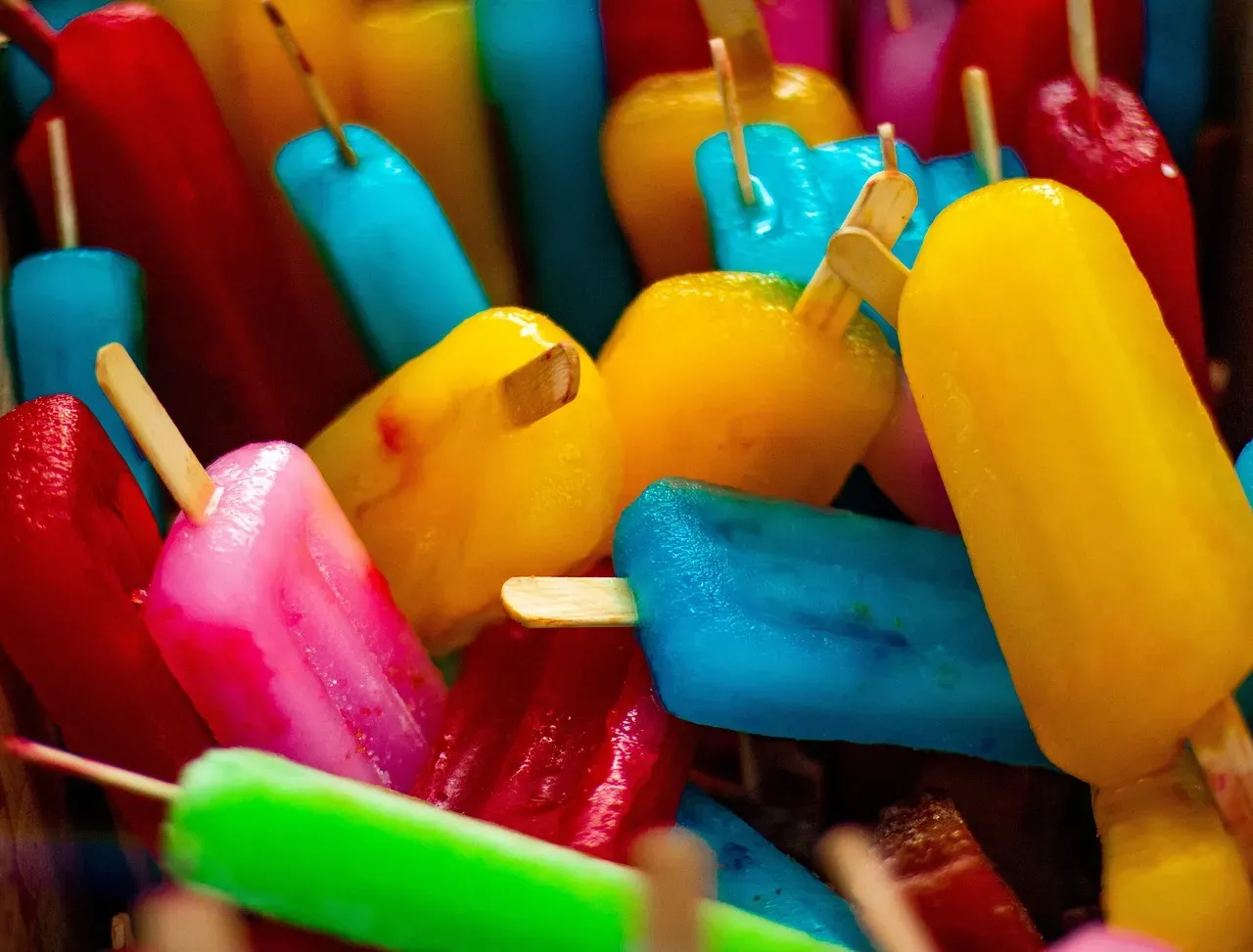
Back in 1905 in San Francisco, a boy named Frank Epperson mixed a sugary soda powder with water and simply left it sitting out overnight. It was so cold that it froze solid. In the morning, he tasted it and enjoyed it, calling his creation the “Epsicle.” Let that sink in. One of the most iconic frozen treats in human history was born from a child’s forgetfulness.
Fast forward to 1924, and Epperson patented the frozen treat and changed the name, at the urging of his children, to Popsicle, a play on the phrase “Pop’s ‘Sicle.” His kids couldn’t get used to the original name, but unfortunately, Epperson couldn’t afford to keep the business, sold it, and later said he never reaped the financial reward of his creation. A boy invents a global phenomenon, and history barely gave him credit for it. Strange doesn’t even cover it.
The Chocolate Chip Cookie Was a Kitchen Mistake That Made Nestlé Rich
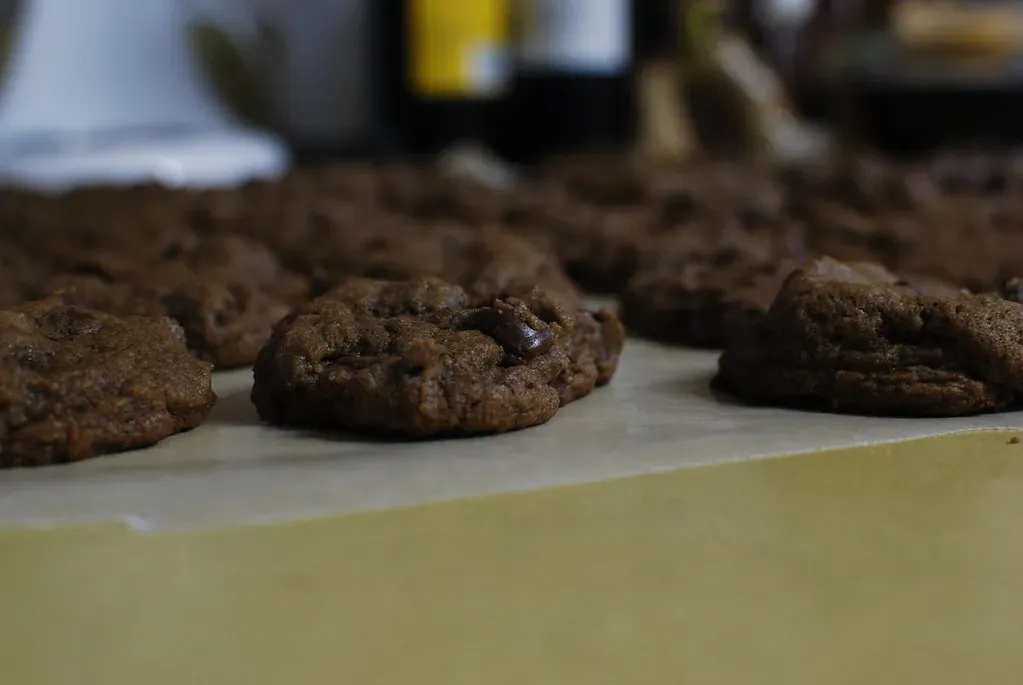
In the 1930s, Ruth Wakefield was baking cookies at the Toll House Inn in Massachusetts when she ran out of baker’s chocolate. She decided to chop up a Nestlé semi-sweet chocolate bar, thinking it would melt and blend into the dough. Spoiler: it didn’t. Instead, the chocolate pieces held their shape, and the chocolate chip cookie was born.
The coincidence gets even more jaw-dropping. Nestlé struck a deal with Wakefield to print her recipe on chocolate bar wrappers, and in exchange, she received a lifetime supply of chocolate. Ruth Wakefield, who owned the inn with her husband Kenneth, wanted the bits of chocolate bar she experimented with to melt in her cookies, but the chocolate pieces ended up resisting. Her guests loved the cookies anyway, and demand for Nestlé’s chocolate bars surged after the recipe was published. A kitchen mistake literally saved a chocolate company’s bottom line.
Worcestershire Sauce Was Born from a Barrel Nobody Wanted
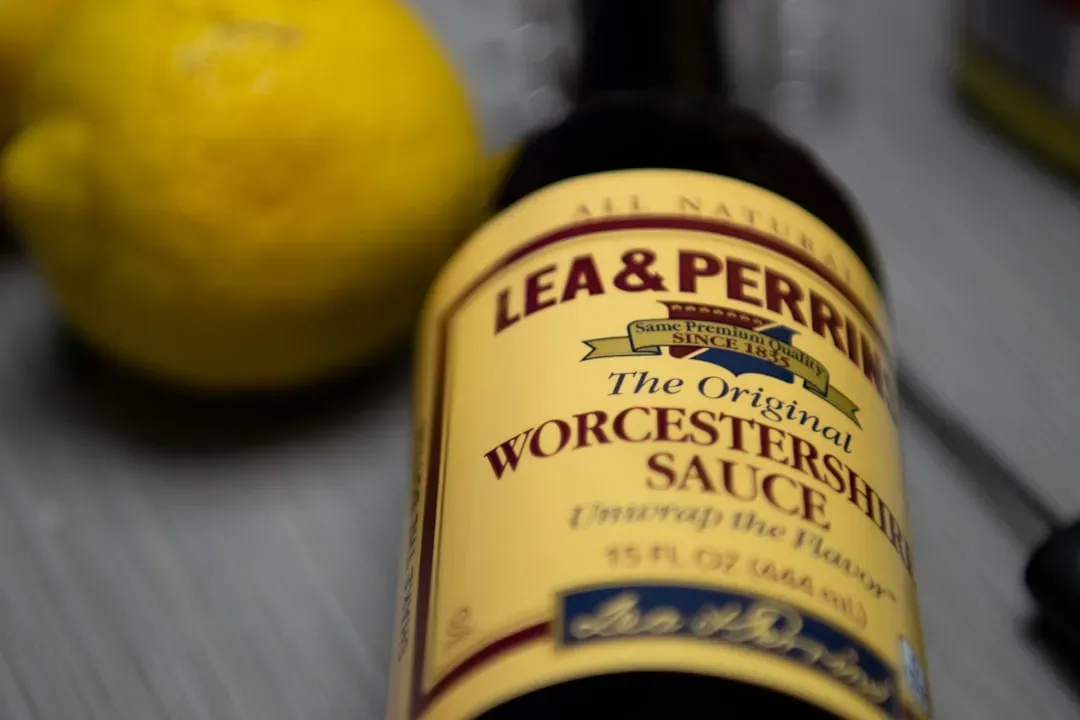
Here’s a story that belongs in a novel. One day in the 1830s, Lord Sandys, a former governor of Bengal, wandered into a drug store in Worcester and requested that two operators make a sauce based on a recipe he had discovered while staying in India. Using the worldly ingredients at their disposal, they made two batches of the sauce, one for Lord Sandys and one for themselves. After tasting the sauce they made for themselves, both found it foul-tasting and stashed it in their store’s cellar.
Approximately 18 months later, the sauce was rediscovered by a Lea and Perrins employee who realized it had developed into something else entirely: it was sweet yet salty, peppery yet acidic. It was absolutely delicious and destined to be a hit. The plot twist? Neither Marcus Lord Sandys nor any Baron Sandys was ever a Governor of Bengal, nor had they ever visited India as far as available records indicate. So the entire back-story of the world’s most iconic condiment may rest on a complete fabrication.
Orange Carrots Might Have Been a Political Statement – or Might Not Have Been
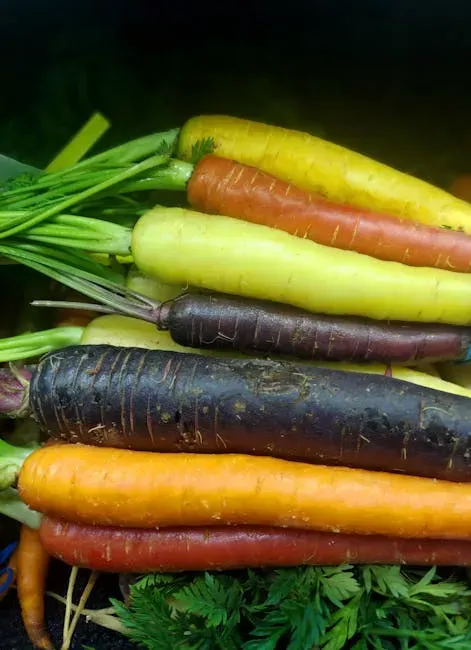
Contrary to popular belief, it’s the orange version of the carrot that is the mutant strain, not the purple one. Before the 17th century, almost all cultivated carrots were purple. Then Dutch farmers came along and changed the vegetable’s identity forever. But why orange, exactly? That’s where the real controversy begins.
At the end of the 16th century, Dutch growers started research and testing to improve vegetable quality. They took mutant strains of purple carrots as well as yellow and white ones and started crossing them. Gradually, after numerous generations, they produced the sweet orange variety we recognize today, which was also more resistant to pests and better tasting. Here’s the kicker: though the development and stabilization of the orange carrot root does appear to date from around that period in the Netherlands, it is unlikely that honoring William of Orange had anything to do with it. There is no documentary evidence that the Dutch invented orange carrots to honor their royal family. One of food history’s most romantic stories may simply be a great myth.
Corn Flakes Were the Accidental Byproduct of a Forgotten Pot of Wheat
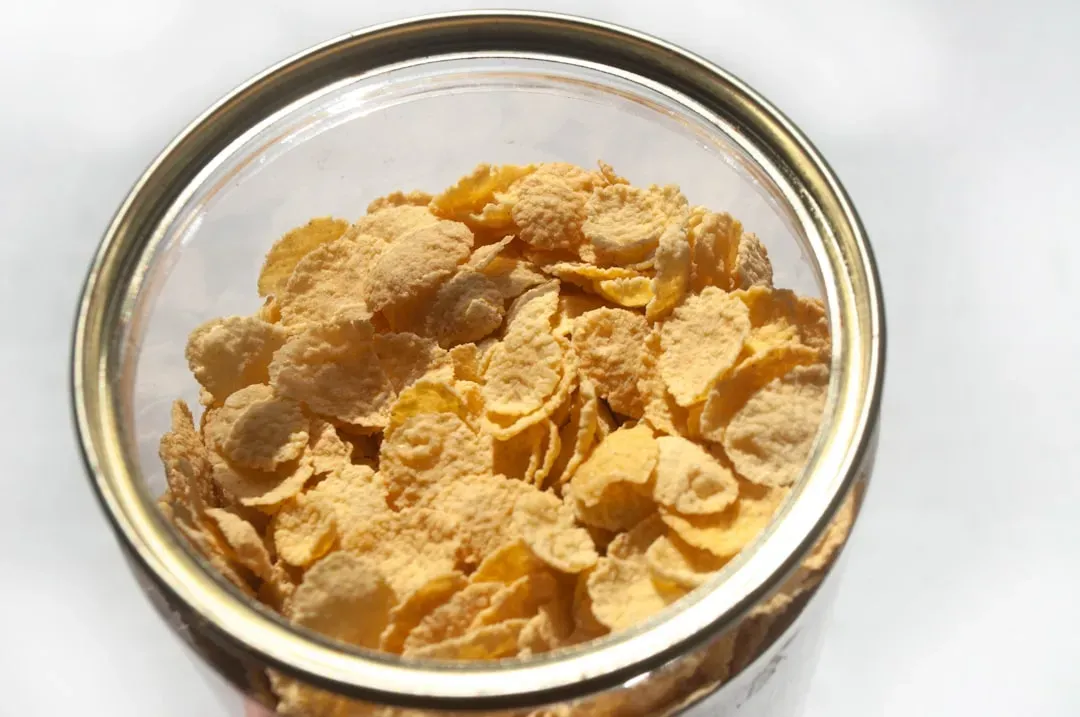
Dr. John Harvey Kellogg and his brother, Will Keith Kellogg, operated a sanitarium in Battle Creek, Michigan, back in the late 1890s. While looking for foods to feed their patients as part of a strictly vegetarian diet, the duo accidentally left wheatberry cooking in the kitchen, causing the kernels to flake. They continued to experiment with their newly discovered breakfast food, eventually experimenting with corn and creating the Corn Flakes we know and love today.
The Kellogg Company quickly grew into one of the largest cereal manufacturers in the world. Today, Kellogg’s Corn Flakes remain one of the most recognizable breakfast cereals, and the company has expanded into a massive global brand producing dozens of cereals and snack foods. What started as an overlooked batch of stale wheat led to a billion-dollar industry and transformed how people eat breakfast. An overcooked, forgotten pot of grain changed morning routines for hundreds of millions of people across the globe. The scale of that accident is almost impossible to wrap your head around.
Potato Chips Were Invented Out of Spite by a Furious Chef
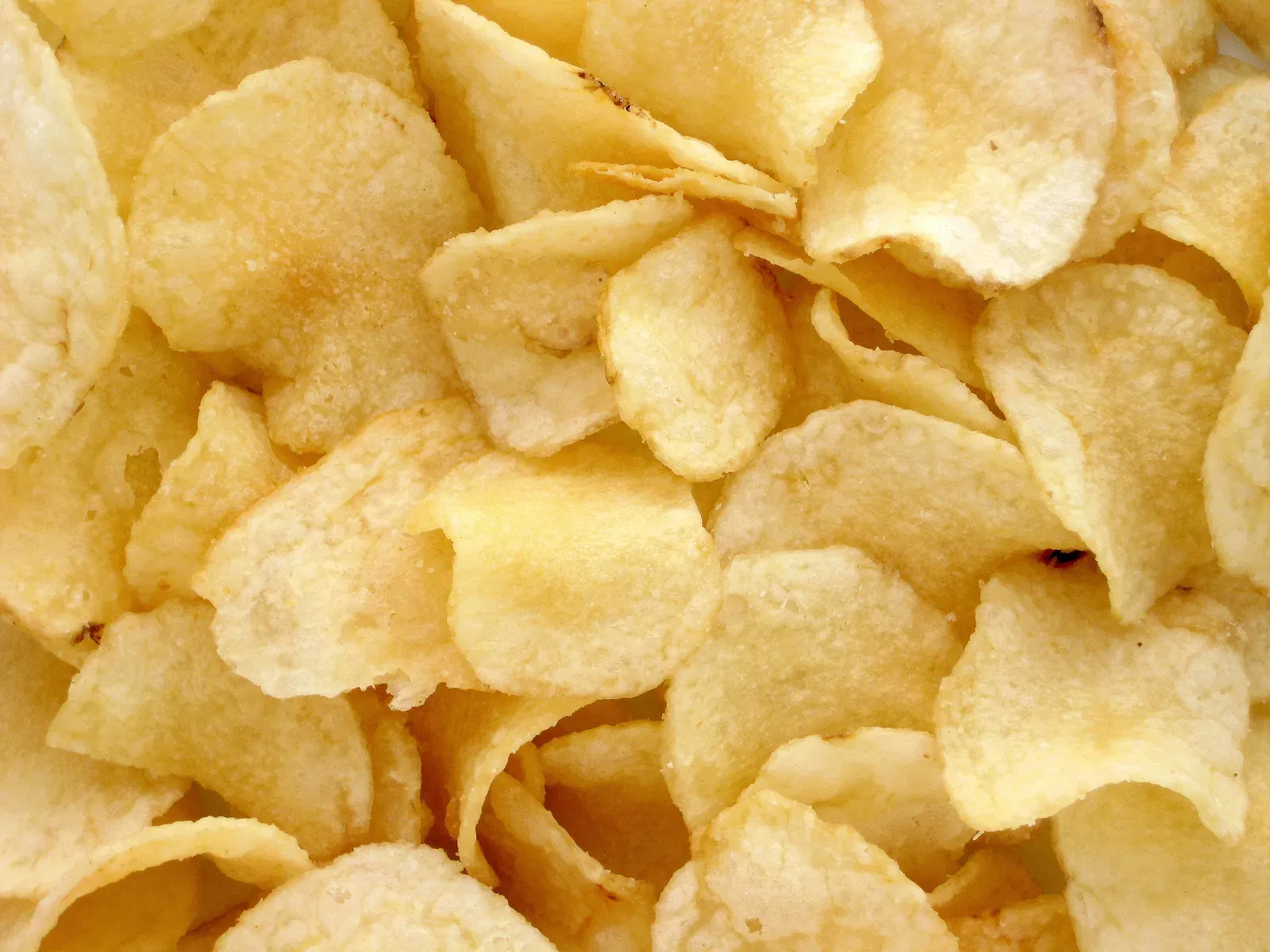
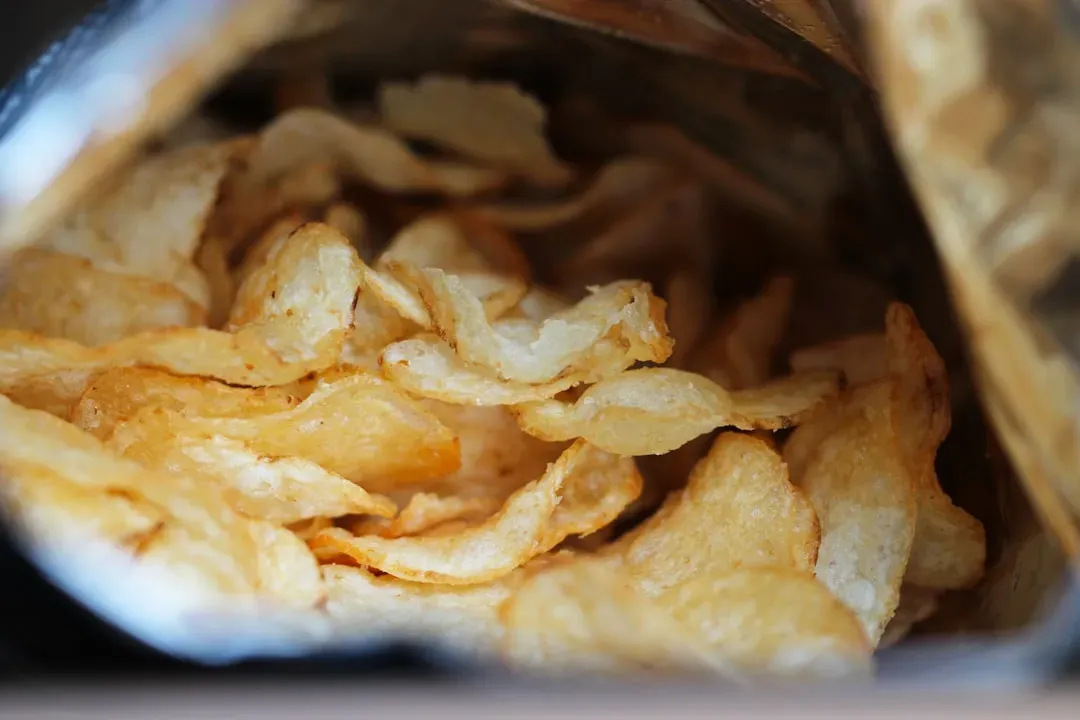
Potato chips, one of the most addictive and universally loved snacks, owe their creation to a frustrated chef’s act of spite. The story dates back to 1853 in Saratoga Springs, New York, where a chef named George Crum worked at the upscale Moon’s Lake House. At the time, fried potatoes were a popular menu item. On one particular evening, a picky customer repeatedly sent back his fried potatoes, complaining they were too thick and soggy.
George Crum finally sliced the potatoes shockingly thin, fried them in hot oil, and topped them with salt before sending them back to the dining room. At the time, they were called Saratoga Chips, but today we simply call them the humble potato chip. I think it’s wonderfully ironic that one of the most consumed snacks on the planet, eaten by billions every single day, was created in a moment of pure kitchen rage. The chef wanted to embarrass a difficult customer. Instead, he invented a global industry.
Nachos Were Invented After Hours by a Maître D’ With No Chef
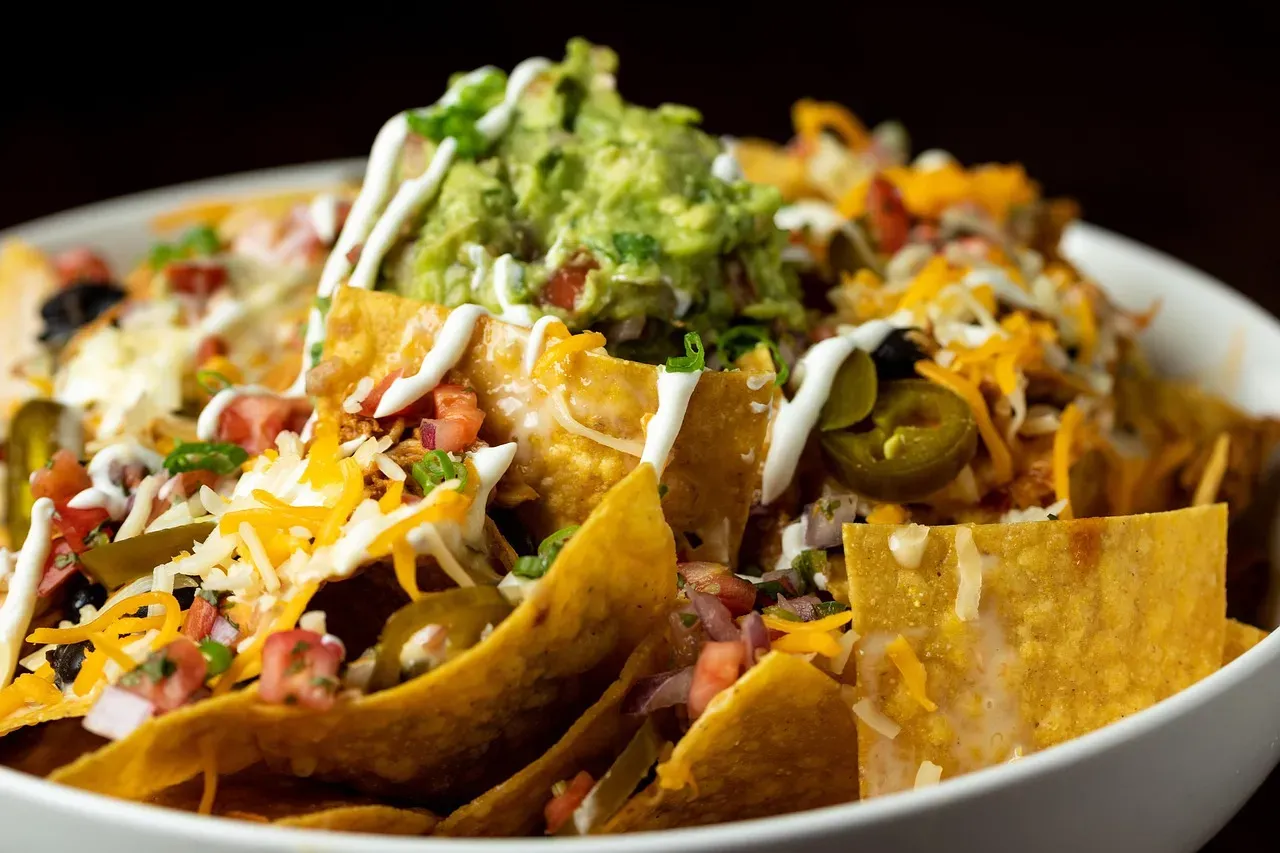
In 1943, a group of military wives walked into a Mexican restaurant after hours. The maître d’, Ignacio “Nacho” Anaya, had no chef on duty. Thinking on his feet, he tossed together some tortilla chips, shredded cheese, and jalapeños, and popped it in the oven. That improvised plate of leftovers became one of the most beloved snack foods in modern history.
What’s so striking here is the total randomness of it. The right people walked in at exactly the wrong hour of the night, met the one person clever enough to throw something together, and the result changed menus around the world forever. The dish was even named after its creator, Ignacio “Nacho” Anaya, making him immortal in the most delicious way imaginable. It turns out that some of the most famous foods we eat were born out of revenge plots, laziness to use utensils, and a lack of ingredients. Lucky for some people, their desire to improvise led to some of the greatest discoveries in culinary history.
The Ice Cream Cone Was Born Because a Vendor Ran Out of Dishes

Technically, Italo Marchiony first produced the ice cream cone and had a patent in December 1903. However, Ernest A. Hamwi also deserves some credit for the invention. At the 1904 St. Louis World’s Fair, Hamwi sold a crispy waffle-like pastry right next to an ice cream vendor. The ice cream vendor ran out of dishes, so Hamwi rolled up his waffle in the shape of a cone, and the rest is history.
Before the cone was invented, ice cream was either licked out of glass containers or wrapped in paper. In short, eating ice cream was gross. Who would want to eat from a glass licked by so many people? One vendor’s supply-chain problem, solved on the spot by a neighboring stall, gave the entire world a cleaner, better, more joyful way to eat ice cream. The sheer practicality of that coincidence is remarkable.
Nashville Hot Chicken Was Invented as Punishment That Backfired Spectacularly
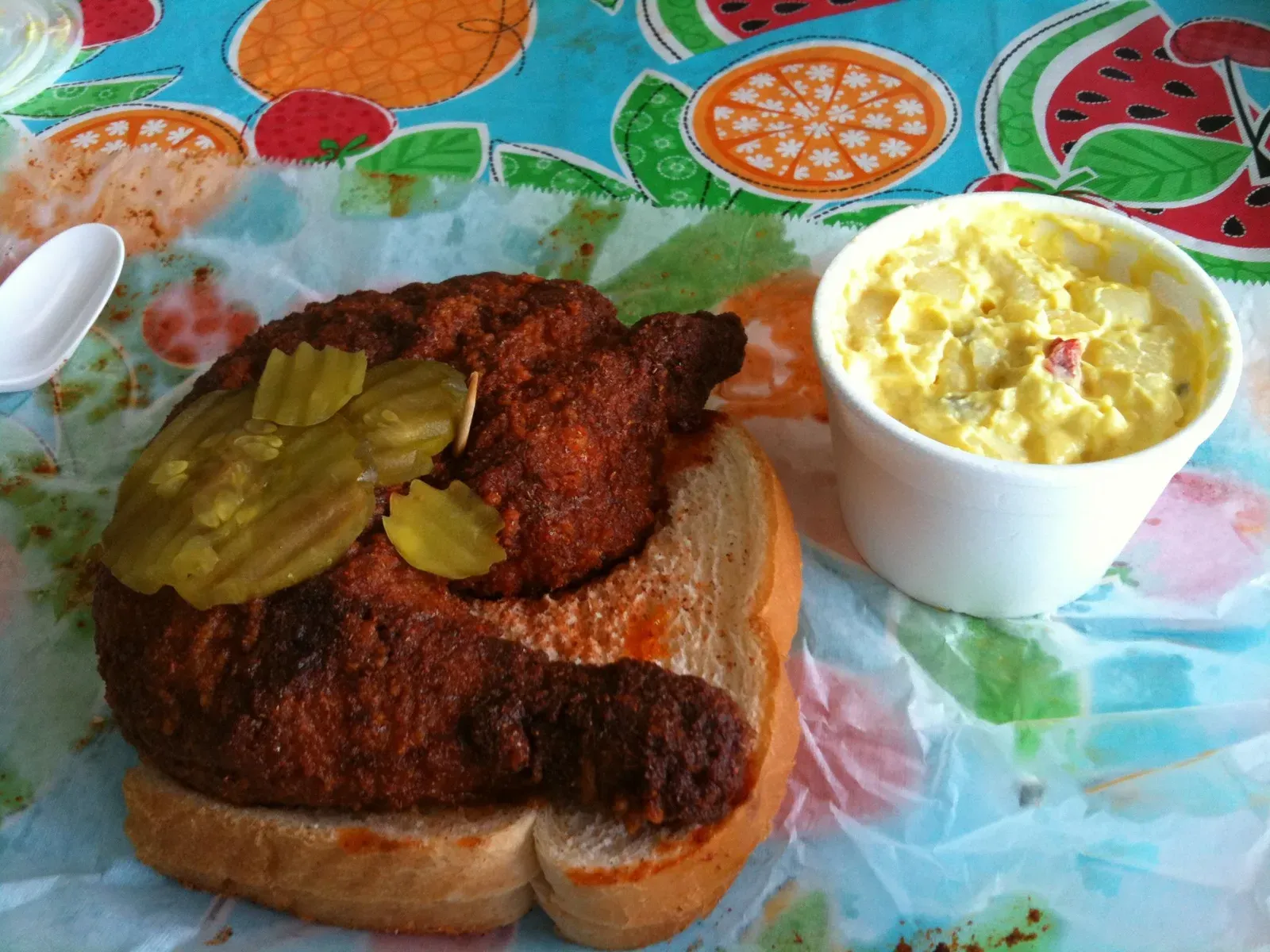
Uploaded by Jan Luca, CC BY-SA 2.0)
Believe it or not, Nashville Hot Chicken was invented due to a dispute between a couple. In the 1930s, Thornton Prince’s girlfriend served Prince a plate of fried chicken loaded with hot peppers, hoping it would teach him a lesson. Her plan didn’t work out, and instead, Prince loved the chicken. Eventually, he shared the recipe with his family and friends and opened a restaurant serving what is now known as Nashville Hot Chicken.
Hot and Spicy Chicken was invented in Nashville, and its origins are at the world-famous Prince’s Hot Chicken Shack. Restaurant lore traces the recipe back to current owner Andre Jeffries’ great-uncle Thornton Prince, an infamous womanizer. A scorned partner tried to cause pain and instead created a culinary legacy. The restaurant is still operating, the dish is globally celebrated, and a failed act of revenge became one of America’s most iconic regional foods. It’s funny, it’s shocking, and it’s completely, verifiably true.
Conclusion
Food history is far stranger and far more human than most of us ever realize. Across every one of these nine stories, there is a single thread: nobody planned it. A boy forgot his drink. A chef lost his temper. A maître d’ had no cook. A pair of pharmacists stashed a barrel of foul liquid and walked away. The foods that now define our daily lives, our comfort, our celebrations, and even our national identities, were not engineered by geniuses in pristine kitchens. They were stumbled upon, spilled, forgotten, and sometimes born from pure spite.
The next time you reach for a bag of chips, a popsicle, or a bottle of Worcestershire sauce, maybe pause for just a second. You’re holding someone’s accident in your hands, and it turned out to be something extraordinary. Which of these stories surprised you the most? Tell us in the comments.